At PAMM and Rubell, Yayoi Kusama goes to infinity and beyond
Written By Ana Maria Carrano April 3, 2023 at 12:50 PM
Yayoi Kusama “Love is Calling” is on view at the Pérez Art Museum Miami through February 2024. It was originally presented in Japan in 2013 and later acquired by the ICA Boston. (Photo courtesy of Ana María Carrano)
“I’ve heard a lot about people talking that the next Pantone colors are like (Kusama’s) lively colors,” says Pérez Art Museum Miami (PAMM) associate curator Jennifer Inacio, referring to the bright and vibrant colors of “Love is Calling.”
Four of Yayoi Kusama’s significant works, including the largest Kusama Infinity Mirror Room, as well as three of her major interactive pieces are on display in Miami, at PAMM and the Rubell Museum. The works provide a fascinating insight into the key themes of the Japanese artist’s vocabulary.
PAMM is showcasing the immersive installation “Love is Calling” (2013), while the Rubell Museum is displaying the Infinity Rooms “Let’s Survive Forever” (2017), “Where the Lights in My Heart Go” (2016), and “Narcissus Garden” (1966), 700 stainless steel spheres that flows 200 feet along the museum’s central gallery.
“Narcissus Garden,” at the Rubell Museum, was presented by Yoyoi Kusama as guerrilla art at the Venice Biennale in 1966, when she placed 1,500 mirrored balls covering a section of green lawn. (Photo courtesy of Douglas Gómez Barrueta)
“People are craving art that allows them to just be and contemplate on life and look at beauty,” says Inacio about Kusama’s work.
Long lines of people wrap around the facade of the museum waiting to enter “Love is Calling.” The installation is constructed like a sealed chamber with two doors, allowing only 6 to 8 people to experience it every two minutes, and requiring visitors to reserve their slot at the museum’s front desk.
The room is covered with mirrors and brightly illuminated tentacles in blue, pink, purple, and yellow with black polka dots. The lights change and the kaleidoscopic effect of the mirrors makes the space multiply into infinite lights, colors, and shadows. The human shape of the viewer dissolves in the space and becomes part of the whole exhibit.
“One day, I was in the installation room by myself, and I almost felt like a little polka dot, lost in this infinite space,” says Inacio about her experience inside the installation. She added that Kusama is “a really iconic artist” who has been working on her ‘Infinity Rooms’ since 1965. “Her work is a testament of how accessible it is to different audiences.”
Inacio says that “Love is Calling” addresses several of the constant themes in Kusama’s work: polka dots, repetition, the idea of infinity, and phallic figures. “It has elements that reference the very first Infinity Room that she did, which are these tentacle-like, phallic plushy objects . . .. So it (shows) how she revisits these elements that are very important in her career.”
The installation, “Love is Calling,” was built in wood, metal, mirrored glass, vinyl, ceramic tile, acrylic panel, blowers, lighting elements, and speakers – from which is heard Kusama’s poem “Residing in a Castle of Shed Tears.” (Photo by Ana María Carrano)
PAMM director Franklin Sirmans says that the exhibition fits with the immersive art they have wanted to bring to the institution.
“You come to PAMM and you have the chance to go through the Jesús Rafael Soto work, with kind of rubber bands that allow for people to walk through the work; and a Teresita Fernández sculpture outside; and then, inside with Carlos Cruz-Diez’s installation, you have another example of a real immersive art installation that’s built upon color and the experience of color as a sculpture and as an installation. So with all of these things in mind, we thought it would be ideal to show an artist like Yayoi Kusama in the context of these other artists. And I think it allows you to think about Kusama and about those other artists in a different way,” he says.
Inacio says that throughout the process of the installation, the museum did not have direct contact with the artist, only with her studio.
“Love is Calling” (2013) Yayoi Kusama. Wood, metal, glass mirrors, tile, acrylic panel, rubber, blowers, lighting element, speakers, and sound. 174 1/2 × 340 5/8 × 239 3/8 inches. Institute of Contemporary Art/Boston. Acquired through the generosity of Barbara Lee/The Barbara Lee Collection of Art by Women, Fotene Demoulas and Tom Coté, Hilary and Geoffrey Grove, Vivien and Alan Hassenfeld, Jodi and Hal Hess, Barbara H. Lloyd, and an anonymous donor. Copyright Yayoi Kusama. Courtesy David Zwirner and Ota Fine Arts. (Photo courtesy of Ernie Galan/PAMM)
Born in 1929, Kusama’s first phallic soft sculptures emerged around 1961 and were exhibited at the Green Gallery in New York the following year. She wrote that her first soft sculptures shaped like penises were created to help overcome her feelings of disgust toward sex. Reproducing these objects repeatedly became a form of self-therapy that she named “Psychosomatic Art,” allowing her to conquer her fear of sex and create “a new self.”
Kusama’s installations in Miami have a theme of repetition and infinity, along with a feeling of vastness. These themes have been present in Kusama’s work since her earliest pieces. When she had her first solo exhibition in New York in 1959, just two years after she moved from Japan to the United States at the age of 28, she showed her first infinity net paintings. She described the monotony produced by the pattern of her work as possessing a “hypnotic serenity” that drew the spirit into a vertigo of nothingness.
Although Kusama’s work received media attention since its introduction, the artist has been gaining exponential attention throughout the last decades, mostly due to her connection with fashion. She began working in fashion as a way to reach more people in the late 1960s with her brand, Kusama Enterprise. But her work became massive after she met Marc Jacobs, the creative director of Louis Vuitton and began collaborating. The first collection was launched in 2012 and since then have prepared “Infinity” campaigns including artists such as George Clooney, Cate Blanchet, and Justin Timberlake.
“Where the Lights in My Heart Go” (2016) was part of the Rubell Museum’s inaugural exhibition in its new 100,000 sq. ft space in Allapattah in 2019 and remains on display there. (Photo courtesy of Ana María Carrano)
In the PAMM installation, the artist’s voice recites a poem in Japanese that reflects on love, death, and the meaning of transcendence.
You can find the poem’s English translation on the exhibition wall. Part of it reads:
“When the time comes around for people to encounter the end of their life / Having put on years, death seems to be quietly approaching / It was not supposed to be my style to be frightened of that, but I am (…) Hoping to leave beautiful footprints at the end of my life /I spend each day praying that my wish will be fulfilled / This is my message of love to you”
“There’s a lot of joy in Kusama’s work and we want people to come and experience that,” says Sirmans said. “But beyond that, I think we hope that visitors will gain a deeper appreciation for the breadth of her work and the different themes and motifs that she explores throughout her career. And we also hope that people will come away with a sense of wonder and curiosity about the world around them.”
WHAT: Yayoi Kusama exhibits in Miami-Dade: “Love is Calling” at PAMM; and Infinity Rooms and Narcissus Garden at Rubell Museum.
WHERE AND WHEN: “Love is Calling” is at the Pérez Art Museum Miami (PAMM), 1103 Biscayne Blvd, Miami, through Feb. 11, 2024. 11 a.m. to 6 p.m. Monday, Friday, Saturday and Sunday, 11 a.m. to 9 p.m. Thursday. Closed Tuesday and Wednesday.
Infinity Rooms and “Narcissus Garden” at Rubell Museum, 1100 NW 23 St., Miami. 11:30 a.m. to 5:30 p.m., Wednesday, Thursday and Sunday, 11:30 a.m. to 5:30 p.m., Friday and Saturday, 11:30 a.m. to 7:30 p.m.
COST: PAMM: $16, adult, $12, students and seniors. Free Second Saturdays of each month. Timed ticket reservation is required to visit Yayoi Kusama installation at the visitor services desk on day of visit, first-come, first-served basis. Rubell Museum: $15, adults, $12, seniors. $10 students. Additional $10 charged to access both Kusama Infinity Rooms. Free admission in museum for all program for SNAP EBT Cardholder plus up to 3 family members with ID.
Miami-based artist Edouard Duval-Carrié's work, currently in the 61st Venice Biennale, echoes the Italian exhibition in “From Venice with Love” in Miami Beach at The Betsy Hotel.
“The Science Behind Pixar” at Frost Science takes visitors behind the scenes of Pixar films with more than 50 interactive experiences exploring animation, engineering, math and technology.
Dancer Alexander Peters Pivots to Paint in Miami Beach Exhibition
Written By Olga Garcia-Mayoral March 30, 2023 at 12:40 PM
Miami City Ballet Principal Dancer Alexander Peters working on one of his paintings, part of the exhibition “In Pieces,” at Visu Contemporary in Miami Beach. (Photo courtesy of Visu Contemporary)
For Alexander Peters, dance is his profession and his passion, but he has another art form that he says provides him with an additional sense of artistic nourishment.
Peters, originally from State College, Pa., is a principal dancer with the Miami City Ballet. Now, with an exhibition of his paintings at Visu Contemporary in Miami Beach, he speaks about how dance and his painting practice intermingle.
Alexander Peters: “Have One on Me” acrylic and oil on canvas, 60×48, “Chasing the Sun,” acrylic and oil on canvas, 36×36. (Photo courtesy of Visu Contemporary)
“Initially, I did not understand how passionate I’d become (about painting),” says Peters. “Exploring the possibilities. over time I began to develop my craft and process.” This newfound period provided him with a new sense of artistic nourishment.
The gallery will be showing his work through Saturday, April. 8.
“I don’t tend to relate my work as a dancer to my paintings. There’s very little figurative use in my work. I’m more interested in dealing with landscape, mood, and feeling.”
He does say that dance has an influence on his work.
“Within my profession as a dancer, we strive for an ideal perfection, molding and manipulating our bodies into these predetermined and codified shapes. In my painting, I strive to break away from that perfectionism and find a balance between exactness and disorganization.”
The exhibition, entitled “In Pieces” explores the blurred boundaries between abstraction and the nuances of color, shape, and form, in a collection of large-scale and smaller works.
Alexander Peters: Various smaller works acrylic and oil pastels, 11×14 and “Splendor” acrylic and oil pastels, 72×60 (Photo courtesy of Visu Contemporary)
Through his work, Peters inspires the viewer to question their perceptions of the world and intrigues us with curiosity. The unique use of invites and striking linear lines of rich layering of paint invite the viewer to gaze through the painting. His artworks compose abstract landscapes that are subconsciously familiar to the eye. Alexander’s bold brushstrokes and textures manipulate the canvas to evoke emotion. Peters wants to encourage the viewer to engage with his work on a deeper level.
With the obsessive need to paint daily, Peters’ skillset transcends his works. The exhibition is a dynamic representation of emotion, energy, and technique. He says his work is developed over several months, exploring different ways to manipulate the materials, composition, color, and texture. The artist says he draws influence from Modern American painters Cy Twombly (1923-2011) and Joan Mitchell (1925-1992).
“I was first exposed to Cy’s work when I lived in Philadelphia and saw his collection, ‘Fifty Days at Iliam’ (at the Philadelphia Museum of Art). It blew me away, and I still visit it often,” says Peters. “Joan’s work came to me later, but her use of color and composition is unmatched. The freedom that their work exudes inspires me a lot in my creative process. They’re both abstract artists, but they’re also masterful storytellers.”
Peters challenges the viewer to explore his paintings through dynamic grids and immersive painterly visualization. By using grids, the artist creates a sense of structure and order, which is then disrupted by bold brushstrokes and textures. This disruption creates a sense of movement and energy within the painting, which stimulates the senses and encourages viewers to engage with the work on a deeper level.
Peters’ abstract landscapes are created through intuitive actions while painting. He allows the materials to guide him, he says, which results in a pure reflection of personal experiences, feelings, and fragments. This means that while the paintings are not representational, they still convey a sense of emotion and meaning. By using imperfections and compositional elements, Peters creates pieces that are uniquely beautiful and intriguing.
Alexander Peters at Visu Contemporary with some of the works featured in the exhibition in “In Pieces.” (Photo courtesy of Visu Contemporary)
Through his process, the artist creates a sense of tension between order and chaos, structure and fluidity, which allows viewers to explore the painting’s complexities and dynamics. Ultimately, his work encourages viewers to connect with their own experiences and emotions and to explore the ways in which these are reflected in the art they encounter.
“The work happens very intuitively. The result is not always the intended destination,” says Peters. “Given my interest in exploring perfection and its subsequent erosion and distortion, you could draw a connection that the work might comment on urbanization, urban decay, or global warming. However, I’m more inclined to suggest that the work is simply about finding beauty in the imperfection of the world around us.”
Painting is an incredibly meditative experience for Peters. He says that in order to seek different perspectives for inspiration, he listens to the music of harpist Joanna Newsom and indie rock band Big Thief. Listening to music assists Peters with the best method to communicate his coded personal metaphors and analogies, he reveals.
Painting is a meditative experience for Alexander Peters, the principal dancer says of his artwork. (Photo courtesy of Visu Contemporary)
The intricate layering of paint creates depth in the grid composition of linear lines, along with a bold color plate. As Peters paints, he also scrapes the material to indicate the journey of chaos in order, allowing the past surface of the paint to suggest where the new layers may bring in light.
Peters isn’t concerned with making statements in his work. He would much prefer it to be a respite from chaos.
“I understand that art can have a wide range of interpretations and can provoke various reactions from different people. And while it can be important to acknowledge the political context of an artist, relating to where, when, or how they live, it’s also possible for an artwork to be intentionally apolitical or serve as a respite from a political view. We are inundated with media constantly in our modern daily lives and my work is meant to provide more of an escape than to comment on any particular issue.”
Peters’ fearlessness in experimentation is captivating and thought-provoking.
WHAT: Alexander Peters: “In Pieces”
WHERE: Visu Contemporary, 2160 Park Ave., Miami Beach
Miami-based artist Edouard Duval-Carrié's work, currently in the 61st Venice Biennale, echoes the Italian exhibition in “From Venice with Love” in Miami Beach at The Betsy Hotel.
“The Science Behind Pixar” at Frost Science takes visitors behind the scenes of Pixar films with more than 50 interactive experiences exploring animation, engineering, math and technology.
Monumental Installation Ushers In Locust Projects’ New Little River Space
Written By Jocheved Cohen March 27, 2023 at 7:09 PM
Rafael Domench’s “assembling beneath a desire for sabotage” is the first exhibition inside Locust Projects’ Little River space. (Photo courtesy of Zachary Balber)
Books hold meaning for Rafael Domenech, the first artist featured at Locust Projects’ new Little River location. He creates artist books, considers books as both objects and information storehouses, and he conceptualizes books as a kind of architectural template that reveals more than it holds.
These themes come together in “assembling beneath a desire for sabotage,” the installation that marks Locust Projects’ 25 anniversary and inaugurates the space at 297 NE 67th St., Miami, and will be exhibited through June 24.
“One of the questions that come to mind dealing with such large spaces is the idea: ‘How do you make a large space even larger by not thinking about the totality of the space, but generate fragments, so the space achieves some kind of infinity?’ That always leads to interesting pockets of things,” says Domenech.
Resting on beams of Rafael Domenech’s architectural intervention at Locust Projects are various phrases. (Photo courtesy of Zachary Balber)
Entering the space – light-filled and far larger than Locust Projects’ former North Miami Avenue location – there are blue, orange and multi-colored semi-transparent mesh screens, which can be raised and lowered, and are held aloft by wooden beams. Some mesh is silkscreened with fragmented photos of Miami street scenes, all from Domenech’s archive. Resting on beams are phrases, for example, “sitting across from you sharing moments of complete dissonance.”
By adjusting the screens, there’s the possibility to create a chamber of more-or-less intimacy, depending on the viewer’s desires. It’s a space designed for experiencing. And that is what Domenech and Lorie Mertes, Locust Projects’ executive director, hope people will do. Perhaps they’ll come and make a room of their own, work on a laptop, or embroider for a half hour. The way the spaces are designed, it can feel as if a visitor is actually within a book’s pages.
“I like to think about (projects) not as conclusions of ideas, but a live process,” says Domenech.
Cuban-American artist Rafael Domenech was invited to take over Locust Projects’ new space in Little River prior to its building out of galleries. He envisioned a massive architectural environment. (Photo courtesy of the artist)
To start things off, Locust hosted several activations, entitled “Chapters,” in keeping with the book concept. They included a conversation with Domenech and Talia Heiman, who served on the curatorial team for the 58th Carnegie International, the international art exhibition at the Pittsburgh-based Carnegie Museum of Art. Domenech’s project at Locust builds on his recent pavilion for the 58th Carnegie International, which opened in September and closes in early April.
Another Chapter invited participants to construct hanging lamps to be used in the installation. The third Chapter was built around the 25th Anniversary Benefit Dinner, where the interactive experience included wait staff stationed at the space’s periphery, which meant guests had to move through the exhibit – and encounter one another – in order to be served.
“It’s the idea of the spaces where we gather, where unexpected relations and events occur,” says Mertes, referencing how the installation echoes interactions in places such as parks, where those sitting, strolling, or just observing might spontaneously connect.
Domenech, born in 1989, immigrated to Miami from Cuba at 21. He moved to New York City to attend Columbia University, where he earned a Master of Fine Arts degree. As an undergraduate, he studied at New World School of the Arts, and Miami was and remains his touchstone. “I consider myself a Miami artist, and it has to do with my investment in the town,” he says.
While working on his master’s degree, Domenech took architecture classes, even then knowing the discipline’s concerns about how space transforms and modifies as people move within it would inform practice. Whether working on a new installation or another project, he says he is always creating artist books, (sometimes the words are on the outside), which have become a model of thinking about space.
Mertes said Domenech was the right fit for the new location, and conversations led to the installation’s parameters. “We were moving and needed a project that could live in the space,” says Mertes. In February, Locust left its North Miami Avenue location and moved to 67th Street, closing one show and opening another almost simultaneously.
Rafael Domenech wishes for his”assembling beneath a desire for sabotage” to be dismantled inside the space and materials used for other projects. “None of it is coming back to the studio,” he says. (Photo courtesy of Zachary Balber)
The new location nearly doubles exhibit size, and one room is slated for a dedicated digital innovation lab. The staff is still exploring how their new home will work with Locusts’ mission. “We are learning what the opportunities and differences are,” says Mertes adding that “It is a unique space for artists to envision and imagine installations.”
Locust is among one of the most innovative of Miami’s art spaces. Founded in 1998, the venue has welcomed experimenting artists who look beyond the horizon. “Locust is a laboratory,” explains Mertes. The new home has a five-year lease, with the option to renew for another five years.
Other “Chapters” are scheduled for the space, including one in June by Dance NOW! Miami, which includes two performances, conceived and directed by local actress-director Susie K. Taylor. Soon thereafter, teens in the Locust Art Builders program, where participants build an exhibition from scratch, will dismantle Domenech’s installation, using the materials for other projects, and the show will “dissolve,” as Mertes says, near the end of June.
“The whole show is a document. None of it is coming back to the studio,” says Domenech.
WHAT: Rafael Domenech: “assembling beneath a desire for sabotage”
WHEN: 11 a.m. to 5 p.m. Wednesday through Saturday. Through June 24.
Miami-based artist Edouard Duval-Carrié's work, currently in the 61st Venice Biennale, echoes the Italian exhibition in “From Venice with Love” in Miami Beach at The Betsy Hotel.
“The Science Behind Pixar” at Frost Science takes visitors behind the scenes of Pixar films with more than 50 interactive experiences exploring animation, engineering, math and technology.
The Wolfsonian-FIU Museum’s ‘Art Doctor’ Will See You Now
Written By Mathew Messa March 21, 2023 at 12:53 PM
The Wolfsonian-FIU “Into the Stacks: The Art Doctor Is In” goes deep into what it takes to maintain a collection of more than 200,000 objects at the Miami Beach museum. (Photo courtesy of The Wolfsonian-FIU)
From diligently rolling a nearly century-old 20-foot canvas painting, to freezing and digitizing self-destructing celluloid film, The Wolfsonian-FIU Museum’s collections manager and conservator, Silvia Manrique, likens her work to that of a doctor, but when asked to describe her latest projects, it’s clear she’s giving these fragments of the past more than a typical check-up.
“Even though the museum is small, the collection is big, and the efforts we go through to keep it safe are big too,” says Manrique.
Silvia Manrique works on a twenty-foot painting that was later carefully rolled and stored. (Photo courtesy of The Wolfsonian FIU)
Manrique and her team’s efforts maintaining, storing and restoring a collection of over 200,000 objects are the subject of an event taking place Friday, March 24, titled “Into the Stacks: The Doctor Is In” at The Wolfsonian-FIU Museum.
Nathaniel Sandler, director of Bookleggers Library – a book exchange program inside the Bakehouse Art Complex in Wynwood – will host the event as part of The Wolfsonian-FIU’s “Into the Stacks” series, which highlights different aspects of the museum and its collection throughout the year.
Sandler and The Wolfsonian-FIU have collaborated on “Into the Stacks” events since 2018, after he received a grant from the Knight Foundation for Crypt Cracking, a program that hosts events exploring the often unseen permanent collections at museums across Miami.
During “Into the Stacks: The Art Doctor Is In” attendees will get a behind-the-scenes account of different restoration projects Manrique and her team has tackled in the past, including before-and-after picture comparisons and a live paper-cleaning and repair demonstration.
Silvia Manrique, the Wolfsonian-FIU Museum’s collections manager and conservator hosts “Into the Stacks: The Art Doctor Is In” on Friday, March 24 at the museum. (Photo courtesy of Mathew Messa)
Manrique hopes that people walk away with a better understanding, not just of the individual techniques she applies, but also the larger-scale processes that, like the vaccines doctors administer to the public, she says, can ensure the care and safety of large portions of the collection at once.
“I want people to learn what conservation is in a broader sense,” says Manrique “Conservation is treatment, but it is also research and also preventative care.”
Manrique has been involved in the care and preservation of The Wolfsonian-FIU’s collection – one of the country’s largest university art collections – since 2014.
The projects she’s tackled since joining the museum’s team, like preserving the negatives of pictures taken almost a century ago by architectural firm Shultze and Weaver – which include blueprints and sketches of Miami’s Freedom Tower, the Biltmore Hotel in Coral Gables, and New York’s Waldorf-Astoria Hotel – will be among topics in the evening’s conversation.
Manrique says the work she performed with the negatives is one of the many challenging situations conservationists face. Sometimes, she laments, the best a conservationist can do is maintain an object’s condition and repair or restoration is not an option. The volatile nature of the material the negatives are made of causes them to self-destruct with age, and after nearly a century of degradation, Manrique and her team were forced to essentially freeze them in time in order to prevent them from further destruction.
Silvia Manrique and her team’s efforts maintaining, storing and restoring a collection of over 200,000 objects are the subject of “Into the Stacks: The Doctor Is In” at The Wolfsonian-FIU Museum. (Photo courtesy of The Wolfsonian-FIU)
Before placing them in their icy resting place, Manrique digitally transferred copies of the negatives for public accessibility.
“To me, it’s really interesting to know that it’s not just a regular building, it has a history,” says Manrique, “Something that benefits us now and makes us who we are, comes from the past. It’s important to remember our history but also let future people enjoy what we have now, or what we’ve had in the past. I think it’s our responsibility.”
In addition to individual preservation work, Manrique is also involved in the museum’s expansions and organization practices. The museum is currently undergoing two major construction projects made possible by grants it received. One of them involves the monumental task of removing and cleaning the museum’s library collection – which holds more than 67,000 books – in order to place them in newly purchased compact shelving. Manrique, along with the museum’s librarians and a handful of interns tackled much of this process during the pandemic when the museum was closed to the public, but construction in the museum’s storage room and library is still underway.
Silvia Manrique handles a box from a recent museum acquisition of over 1,300 medallions. Manrique flew to Seattle to individually pack each medallion to ensure safe transport. (Photo courtesy of Mathew Messa)
“It’s a big responsibility, and sometimes it can be overwhelming, particularly with these very large projects, but it’s very satisfying to me to know that we had something that wasn’t in the best shape or wasn’t stored properly, and you do something to it and now it’s better,” says Manrique.
The other grant awarded to the museum will fund additional furniture with drawers to accommodate the thousands of paper works that are part of the collection. This, Manrique adds, required the transfer of thousands of stored three-dimensional objects in the collection to the Annex – the museum’s off-site storage facility, which houses the rest of the vast collection not on display. The fragility of many of these objects makes this particularly challenging, says Manrique.
“Some of the objects are made out of glass or ceramic and they have different shapes, sizes, and weight,” says Manrique.
A walk through the museum with Manrique makes it clear just how much attention to detail and dedication goes into preservation. She hovers past a large painted map in the museum’s “Plotting Power” exhibition, which she and her team carefully repaired after pieces of it stuck to the glass frame it was donated in, causing them to tear away from the aged paper, she explains.
Silvia Manrique inspects a painting of a world map currently a part of the “Plotting Power” exhibition that she and her team repaired. (Photo courtesy of Mathew Messa)
The repairs are done so immaculately that it’s tough to tell the difference from the rest of the painting, but Manrique tracks the perimeter of the once-damaged regions with surgical precision.
She hopes that in the next decade, the Annex, which is currently only open to museum staff and whose location is kept under wraps, will be opened to the public as its own exhibition space. To Manrique, public accessibility is just as important as preservation.
“I think we are a result of our past,” says Manrique, “We are not starting from scratch, we are the result of our history and our ancestors and the people who discovered and created things in the past that enrich our lives. By saving things from the past, we learn from the past, and it informs our present.”
WHAT: “Into the Stacks: The Art Doctor Is In”
WHERE: The Wolfsonian-FIU, 1001 Washington Ave, Miami Beach
Miami-based artist Edouard Duval-Carrié's work, currently in the 61st Venice Biennale, echoes the Italian exhibition in “From Venice with Love” in Miami Beach at The Betsy Hotel.
“The Science Behind Pixar” at Frost Science takes visitors behind the scenes of Pixar films with more than 50 interactive experiences exploring animation, engineering, math and technology.
Artist’s green vision is paradise at MOCA, North Miami
Written By Sergy Odiduro March 19, 2023 at 4:09 PM
Emmett Moore’s installation “Victory Garden,” a sculptural community garden, is on exhibit at Museum of Contemporary Art, North Miami’s Paradise Courtyard. (Photo courtesy of Daniel Bock)
Emmett Moore isn’t afraid to get his hands dirty. “My wife and I built a garden from scratch,” he says.
The two cultivated an array of bushes, fruits and trees. Indigo berries, bay rum, Gumbo Limbo, coconut, grapefruit and lemon. But while tending to his crops, Moore also planted an idea. That seed has since taken root and is spilling over into the Museum of Contemporary Art, North Miami’s Paradise Courtyard.
Emmett Moore, the creator of Victory Garden at MOCA, North Miami, is a Miami-based artist and designer known for work that explores the relationships between functionality, art, and design. (Photo courtesy of Ian Patrick O’Connor)
Gardening enthusiasts, those with barely green thumbs, artists and art lovers are invited to drop in and see Moore’s vision while exploring MOCA North Miami’s new “Victory Garden,” a sculptural community garden on view through Sunday, June 25.
The exhibit is part of the museum’s “Welcome to Paradise,” program which showcases temporary public art projects by local artists.
The first season’s theme will examine the relationship between technology and ecology. Next up is an interactive sculpture by Beatriz Chachamovits, which offers a window into how humanity has impacted coral reef ecosystems. “Into The Great Dying: Roles We Play” will be on view during their second season from Wednesday, July 5 through Tuesday, Nov. 21.
“We want to make sure that MOCA is featuring a larger number of artists but also that we’re activating our spaces in meaningful ways,” says Adeze Wilford, the curator of the museum. “And one of the things that we have been thinking about is really continuing this long legacy of championing South Florida artists.”
Moore, a Miami-based artist, has turned out to be a perfect fit.
Arasay Vazquez, MOCA North Miami registrar, takes a break in Emmett Moore’s Victory Garden. (Photo by Daniel Bock)
“He submitted a proposal to us, and to me specifically, about a Victory Garden,” says Wilford. “It started off as a response to food insecurity during the height of the pandemic and it really was a throwback to the wartime effort (when) a lot of rationing was happening in the United States. And one of the things that people were doing was turning to their own homes to create resources.”
The exhibit, she says, is particularly relevant due to the current economic climate.
“Emmett was thinking about how that is playing out in current times and just thinking about how empowering it would have been at the height of the pandemic for people to not have to worry about food scarcity or supply chain issues and really being able to turn to their own homes and produce healthy food for their families to enjoy.”
Wilford pointed out that being self-sufficient is especially helpful given what she has noticed are astronomical prices for food at the local supermarket.
Emmett Moore uses repurposed steel drums as receptacles for native plants in Victory Garden. (Photo courtesy of Daniel Bock)
“Every time I go into a grocery store, I’m shocked by how much everything is,” she says. “It’s really the simple things that ordinarily you wouldn’t bat your eyes at . . .I can only imagine for people who have teenagers who are growing, who probably want to snack all day long; it’s probably a really daunting thing to walk into Publix right now. So we have been talking about empowering communities to make these smaller changes that can help in the long run.”
According to Moore, all you need is some resolve, a ready supply of elbow grease, and the right kind of information.
Moore’s first step was to identify what plants he would be harvesting.
“I contacted a friend who was a landscape architect and I said, ‘I want to do a native garden.’ I showed her the list of plants and she said, ‘Oh, none of those are native….’ ”
Moore confides that in determining which plants were actually native to the area, he also discovered how important native plants were to the local ecosystem, even if they weren’t necessarily edible.
From there Moore says he identified the materials he wanted to use and decided on something that is recognizable to most people.
“I like repurposing materials, recycling materials or using modular objects that are produced for industries,” explains Moore. “I’ve always been drawn to the steel drum. Just a standard steel drum that is used for shipping liquids like oils. After they’re used, they wind up getting repurposed for other things like steel drum instruments and almost any country you go, you’ll see recycled steel drums being used as planters.”
Transforming them artistically was a way to bring his vision to fruition.
Miami-based artist Emmett Moore. (Photo courtesy of Ian Patrick O’Connor)
“I wanted to create this system that connected it to humans so I created this aluminum armature that holds a series of drums together,” says Moore. “That armature also has seating and solar panels to collect power. So by connecting the drums physically, to me it creates connections between the plants and the built environment like the human-made elements.”
Wilford hopes that visitors who stop by will enjoy the garden, perhaps use the solar-powered USB outlets, and come away after learning something new. There is also programming the museum is doing that will is directed to educating students.
“The intention is really for people to feel welcome to come into our space and learn about how they can do this on their own, but also to share the harvest that we have,” she said. “We’ll be partnering with various groups. We’re actually planning a partnership with Ready to Grow and we’ll be doing workshops throughout the run of the show.”
“Kids will be engaged and I hope that they’ll go home to their families really excited with seeds and information,” says Wilford.
Moore is also looking forward to the results.
Plans for the Victory Garden include starfruit, collard greens, bee balm, Cuban oregano, and Everglades cherry tomatoes.
“The courtyard’s a little bit isolated, so it’ll be interesting to see what creatures come to the garden. And then it’ll also be interesting to see what we can grow in this period of time,” says Moore.
WHAT: Emmett Moore: “Victory Garden”
WHEN: Through Sunday, June 25: noon to 7 p.m. Wednesday, 10 a.m. to 5 p.m., Thursday through Sunday. Closed Mondays and Tuesdays.
WHERE: Museum of Contemporary Art, North Miami, 770 NE 125th St., North Miami
COST: Free to view the garden. Museum admission is $10 for adults; $5 for seniors, students and visitors with disabilities. Free for MOCA members, City of North Miami residents and children under 12.
Miami-based artist Edouard Duval-Carrié's work, currently in the 61st Venice Biennale, echoes the Italian exhibition in “From Venice with Love” in Miami Beach at The Betsy Hotel.
“The Science Behind Pixar” at Frost Science takes visitors behind the scenes of Pixar films with more than 50 interactive experiences exploring animation, engineering, math and technology.
The arts were ever-present at the ‘Aspen Ideas: Climate 2023’ conference
Written By Josie Gulliksen March 10, 2023 at 4:37 PM
Dancer-choreographer performs his “Corporeal Decorum’ at SoundScape Park during “Aspen Ideas: Climate 2023. (Photo courtesy of Daniel Bayer/Aspen Ideas )
The dancing of Liony Garcia, operatic voice of Amanda Crider, orchid music of Composer Juraj Kojs and Laurencia Strauss’ installation “The Bubble Pops Popsicle Project” all shared the climate stage on Miami Beach.
They, along with Vice President Kamala Harris, singer and Miamian Gloria Estefan and WPLG-TV, Channel 10’s Louis Aguirre who has become a local climate activist, were all part of “Aspen Ideas: Climate 2023” held from Monday, March 6 through Thursday, March 9 at both the Miami Beach Convention Center and the New World Center. It’s the second year the conference has been held in Miami Beach.
While Harris received plenty of attention for her appearance on Wednesday when she spoke with Miami musician Gloria Estefan about climate change on stage at the New World Center, arts were also in the spotlight as artists’ works mingled with climate conversation throughout the four-day conference.
Mezzo-soprano Amanda Crider performs at SoundScape Park in “Blooming Still: A Musical Exploration of the Relationship B Between Humanity and Earth.” (Photo by Daniel Bayer)
Live art activations took place on the first three days beginning with a moving dance performance of “Corporeal Decorum,” by Miami’s Liony Garcia at SoundScape Park on the grounds of New World Center. Garcia performed a portion of his original piece among the lush grounds of the park, moving effortlessly and fluidly in his all-white ensemble. At one point, he incorporated held objects into his choreography.
“Corporeal Decorum” is a continually evolving piece that Garcia has performed at the Wolfsonian-FIU, during Miami Light Project’s “Here and Now” Festival and at Aspen Ideas where he explored themes of climate change and sea level rise affecting Miami Beach and its Art Deco architecture.
At the opening reception on Monday evening, attendees gathered at the Miami Beach Botanical Garden where local artist Laurencia Strauss, originally from Los Angeles, was behind a colorful pink cart handing out popsicles she made from purchased snow globes. The interactive installation entitled “The Bubble Pops Popsicle Project,” asked participants to share their advice from learned experiences like migrating and surviving hurricanes on a post-it note that she then displays all around the cart.
“The Bubble Pops Popsicle Project,” by Laurencia Strauss, at Miami Beach Botanical Garden gave conferencegoers a treat with a message. (Zoe Garnett)
On the final day of the conference, Strauss was at the Miami Beach Convention Center offering her popsicles and now had a car filled with messages from the past few days.
“I have had more than 1,500 participants in the Miami area but this (Aspen Ideas) conference is the first time I have opened it up to a national audience, says Strauss, explaining the process. “I have 22 snow globes that I’ve purchased in tourist shops that I cast with food-safe silicone and create into popsicles.”
The globes feature iconic Florida images such as the skyline, Miami Beach Art Deco buildings, palm tree-lined beaches, cruise ships, flamingoes, sharks, sea turtles and underwater sea life with coral scenes. The idea behind the art, she says, is that then the temporary sculptures/popsicles melt as they’re consumed “alluding to our impact on our impact on our environment and the need to change our behaviors to better take care of the places, people and wildlife that we care about,” says Strauss.
And what happens to the advice from the Post-It Notes? It’s laser engraved onto the popsicle stick which becomes a keepsake once the popsicle is done. “The project really is about creating experiences of interdependence,” she says.
On Tuesday afternoon, Mezzo-soprano Amanda Crider, founder and artistic director of Miami’s art song concert series IlluminArts performed a program of music for voice and string quartet by contemporary American composers called “Blooming Still: A Musical Exploration of the Relationship Between Humanity and the Earth.” The violin and cello quartet performed pieces by composers Jessie Montgomery, Aaron Copland and Caroline Shaw. Crider’s voice soared over the audience gathered outdoors at Soundscape Park as she sang the words by Shaw, J. Mae Barizo and Poet Emily Dickinson, which accompanied the music.
Liony Garcia at SoundScape Park. (Zoe Garnett)
Like Strauss, composer, musician and nature lover Juraj Kojš had work featured at the Miami Beach Botanical Garden during the opening reception and then performed his “Orchid Music” at the Convention Center on Wednesday afternoon.
Kojš’ installation at the Botanical Garden’s orchid fountain featured small solar powered speakers each individually loaded with microcards of his Orchis Music recordings which are each based on that specific orchid’s DNA.
“Orchid Music,” which he created in 2019, is an ongoing outdoor sound and media installation and has also been featured at Fairchild Botanical Garden, Flamingo Gardens and previously at Miami Beach Botanical Garden.
“I perform on a small controller-mixer that reads my files and I can then convert into musical pitches and rhythms. I can also change the speed and create color modifications,” said Kojš.
[To learn more about “Orchid Music” and see past installations, click here.]
His love of nature and landscape began during his childhood, watching his father in the garden at his home in Slovakia and then when he arrived in Miami, he says. “I discovered all the varieties of orchids here and was fascinated.”
In addition to these performances and interactive installations, the Miami Beach Convention Center was ripe with art installations from various local artists and groups.
They included visual artist Claudio Marcotulli’s “Sea Show” featuring a set of fixed colorful light sculptures, local artist Cornelius Tulloch’s “Passages” a multisensorial installation exploring the Black history of the Everglades, European artist Zlatko Cosic whose “Movement Strategies” was presented alongside Strauss’ Bubble Project as it depicted a series of moving images displaying her collected responses.
Laurencia Strauss at the popsicle cart installation during “Aspen Ideas.” (Zoe Garnett)
The City of Miami Beach, Miami Beach Arts and Culture, and Miami-Dade County Department of Cultural Affairs collaborated to present the series of temporary site-specific public art commissions, film screenings and performances presented during the conference.
To learn more about the arts presentations “Aspen Ideas,” visit mbartsandculture.org.
Miami-based artist Edouard Duval-Carrié's work, currently in the 61st Venice Biennale, echoes the Italian exhibition in “From Venice with Love” in Miami Beach at The Betsy Hotel.
“The Science Behind Pixar” at Frost Science takes visitors behind the scenes of Pixar films with more than 50 interactive experiences exploring animation, engineering, math and technology.
Art Wynwood, Superfine Fill the Need For Art Fair Fix in February
Written By Douglas Markowitz February 15, 2023 at 12:14 PM
Los-Angeles based street artist RISK’s mural, painted on the side of a boat, welcomes visitors to Art Wynwood. The art fair’s preview day is Thursday, Feb. 16, then opens to the public Friday, Feb. 17 through Sunday, Feb. 19 in downtown Miami. (Photo courtesy of the artist)
Art Wynwood is treating visitors to a nautical surprise. The art fair has commissioned a unique mural from Los Angeles-based street artist RISK, which has been painted on a boat.
The artwork is an intentional tie-in to the weekend’s other big event, the Miami International Boat Show. The massive marketplace for yachts, sailboats, and all variety of oceangoing craft is happening across six locations on President’s Day weekend, one of which just happens to be on Herald Plaza in midtown, across the street from a tent full of art.
Art Wynwood art fair is back for its first edition since 2020 alongside the Miami International Boat Show at Herald Plaza. (Photo courtesy of Art Wynwood)
Back for its first edition since 2020 (preview day is Thursday, Feb. 16, then it opens to the public Friday, Feb 17 through Sunday, Feb. 19, Art Wynwood may no longer be located in the once-artsy neighborhood that gives it its name, but its strategic location on the bay means a boat show attendee can easily shop for art as soon as they’re done buying their latest boat. That’s the plan, according to Art Wynwood Director Julian Navarro.
“The idea is to try to build a collectors base,” he says. “It’s a really good show in terms of energy.”
There’s also corporate synergy going on between the two events. In 2019, Art Wynwood and its sister fairs, which include the Miami Art Week fairs Context, Aqua, and Art Miami, as well as Palm Beach Modern + Contemporary, were acquired by Informa, a London-based company that owns the boat show. The aim is to turn President’s Day weekend into a smaller, more intimate accompaniment to the more international, glamorous, and significantly busier Miami Art Week.
They’re being helped along in their efforts by a smattering of unaffiliated art events taking place the same weekend. Superfine, the smaller art fair which formerly took place in December, is camping out at Ice Palace Studios in downtown, while the artist’s book-focused Tropic Bound will set up shop in the Design District.
“The Heiress,” Sarah Fishbein Mosaics, at Superfine Art Fair. (Courtesy of Superfine Art Fair)
Navarro says the weekend will be especially nice for local art lovers fatigued by the intensity of the week surrounding Art Basel Miami Beach.
“We wanted to offer local collectors another opportunity to acquire art in Miami,” he says. “It’s a great opportunity for the city to go back into the market.”
While the fair is smaller doesn’t mean the art on display isn’t as high-caliber as Art Basel. Cernuda Arte, the venerable Coral Gables gallery focusing on the masters of Cuban Art, will be showing eleven works by Wifredo Lam, two of which have museum shows as part of their provenance.
Wilfredo Lam, “Untitled,” will be one of the works at Art Wynwood from Cernuda Arte. (Photo courtesy of Cernuda Arte)
“It’s a moment here in Miami where we receive many visitors,” says gallerist Ramon Cernuda, “and it’s a great opportunity to develop that other grouping of cultural and leisure activities that would support the participation of an international public.”
Of course, the fair isn’t just about blue-chip paintings. Alongside RISK’s piece at the entrance, the artist will be showing several “virtual reality graffiti prints,” which can be activated by using a smartphone.
Attilio Cianni, “blu,” will be at Liquid Art System’s booth at Art Wynwood. (Photo courtesy of Liquid Art System)
Hyperrealist works by Attilio Cianni and Peter Demetz will be the focus at Liquid Art System’s booth, while London-based HOFA Gallery will show cutting-edge kinetic and interactive art.
It seems clear that while some may come for the boats, they’ll stay for the art.
WHAT: Art Wynwood and Superfine Art Fair
WHEN: Art Wynwood: 11 a.m. to 7 p.m. Friday and Saturday, Feb. 17 to 18, 11 a.m. to 5 p.m. Sunday, Feb. 19; Superfine: 4 to 9 p.m. Friday, Feb. 17, noon to 8 p.m. Saturday and Sunday, Feb. 18 and 19
WHERE: Art Wynwood: The Art Wynwood Pavilion, One Herald Plaza (Biscayne Bay & 14th St.), Miami; Superfine: Ice Palace Studios, 1400 N Miami Ave., Miami
COST: Art Wynwood: One-day general admission is $36.50 per person; a multi-day pass is $65 per person; Superfine: One-day general admission is $30 per person; multi-day pass is $40 per person.
Miami-based artist Edouard Duval-Carrié's work, currently in the 61st Venice Biennale, echoes the Italian exhibition in “From Venice with Love” in Miami Beach at The Betsy Hotel.
“The Science Behind Pixar” at Frost Science takes visitors behind the scenes of Pixar films with more than 50 interactive experiences exploring animation, engineering, math and technology.
Tropic Bound: Miami’s Newest Art Fair Is All About Books
Written By Douglas Markowitz February 9, 2023 at 8:27 PM
Tropic Bound, Miami’s first international biennial artists’ book fair, is at Paradise Plaza in Miami’s Design District from Thursday, Feb. 16 through Sunday, Feb. 19. Above, a book from Tom Virgin of Miami’s Extra Virgin Press. (Photo courtesy of Tropic Bound Artists’ Book Fair)
There are art books. You may have some lining your shelves right now, from museum show catalogs, unplanned purchases from a bookstore sale cart or random used collectors’ items.
Then there are artists’ books. It’s an important distinction. Rather than documenting the work of a certain artist, an artist’s book is a work of art all on its own.
“It’s intended as an art object, not necessarily a book that is explaining art,” explains Ingrid Schindall of IS Projects, a local printmaking studio in Little River. “Sometimes the books will have words in them, sometimes they won’t, sometimes they’ll take a traditional book form that you would expect a book to take, and sometimes they’ll be totally strangely shaped, or open in a weird way, or maybe they won’t even open at all.”
Diane Jacobs, Oregon, “Ode to the Mountain High.” (Photo courtesy of Tropic Bound Artists’ Book Fair)
From canonical modern artists like Paul Matisse to midcentury pranksters like Guy Debord and Asger Jorn, plenty of artists have turned to the book as a means of expression. Now, Miami is about to get a page or two full of book art with Tropic Bound, the first art fair dedicated to the artists’ book.
The fair kicks off on Thursday, Feb. 16 with a “Welcome Day,” featuring symposiums, shuttle tours and a welcome party, and then the fair begins in earnest on Friday, Feb. 17 and runs through Sunday, Feb. 19. The multi-day event, at Paradise Plaza in the Design District, is free and open to the public, but a ticket is required for entrance.
Tropic Bound is the brainchild of three women involved in the arts in South Florida: Cristina Favretto, head of special collections at the University of Miami Libraries, Sarah Michelle Rupert of the Girls Club Collection in Fort Lauderdale, and Schindall of IS Projects.
All three had been acquainted from various arts events, including similar artists’ book fairs across the country, but one day in 2019 they all came to the same realization: Why doesn’t Miami host a fair of its own?
Tropic Bound is the brainchild of Ingrid Schindall, Cristina Favretto and Sarah Michelle Rupert. (Photo courtesy of Tropic Bound Artists’ Book Fair)
“There are book fairs and there are art fairs, but at a certain point, the people that are primarily book artists started saying, ‘We should have one of our own,’” says Favretto.
The group applied for and received a Knight Arts Challenge Grant to help put the fair on, juggling the preparations with their own full-time jobs and families. Though the pandemic caused the original debut date of 2022 to be pushed back a year, the trio says the pause gave them more time to plan and prepare.
Schindall compares it to Beyoncé pushing back her now-famous Coachella headlining show after becoming pregnant with twins.
Vamp and Tramp Booksellers, Alabama. (Photo courtesy of Tropic Bound Artists’ Book Fair)
“I’m kind of hoping we can hit that note,” she jokes. “(It) gave us a lot more time to cook and stew and figure out, exactly how does this dream look?”
When they finally got up and running, the response was even greater than they could have imagined. “We received way more applications than what we could house in our first year,” Schindall says. Eighty-five percent of the fair’s exhibitors are from outside of Florida, with some from outside of the United States. Publishers and vendors from Latin American countries including Mexico, Cuba, Argentina, Colombia, and Chile, as well as the United Kingdom and even Egypt, will set up shop.
Local love is also on display. Thursday’s shuttle tours will showcase some of Miami’s most inspiring literary spaces.
Ojos Negros Impress, Santiago, Chile. (Photo courtesy of Tropic Bound Artists’ Book Fair)
A Little Haiti-Little River tour will stop at print shops including IS Projects, Extra Virgin Press, Emerson Dorsch Gallery, and Dalé Zine shop, while a Coral Gables trek will include a visit with Mitch Kaplan, owner of Books & Books and co-founder of the Miami Book Fair International, and a look at the UM Special Collections hosted by Favretto.
All this will be conducted from a home base in the Design District’s Paradise Plaza event space, which the organizers say was chosen to show off Miami.
“We always saw this as an opportunity to do our hometown proud,” Rupert says. “We knew we didn’t want a tent. We wanted to really ground Tropic Bound as a Miami-based fair.”
Beyond that, however, book art can be seen as a community that extends past fairs and typical art world glamor. Tom Virgin, owner of Extra Virgin Press, and a book and print artist himself, is excited about the prospect of making even more connections at the fair.
“It’s a community of people that still use traditions that are still very effective,” he says of his fellow printmakers. “To have Ingrid and Christina and Sarah bring these people to Miami is such an incredible opportunity . . .it’s kind of like a gig fest of gig fests.”
Servane Briand, California, “Lempris.” (Photo courtesy of Tropic Bound Artists’ Book Fair)
That sense of connection and tangibility is part of the appeal for Favretto, too.
“People like going to bookstores and browsing, people like galleries and museums. Well, here is an event where you can actually touch the art, you can interact with it, you can meet the artists, have conversations,” she says. “I can’t tell you the number of people I’ve met at these fairs that have become friends. That doesn’t usually happen at a lot of art fairs.”
Schindall shares the sentiment. “The nice thing about having a collection with artists’ books is that a book is, by definition, interactive; it’s activated by the viewer/reader, and so having them in your collection means that the experience of viewing them, by yourself or with another person, is an interactive experience. It engages and it brings you in to have a conversation about what’s happening there.”
WHAT: Tropic Bound
WHEN: Shuttle tours depart from Paradise Plaza at 10 a.m. and return at 2 p.m., symposium, 4 to 6 p.m., free welcome party, 6 to 8 p.m., Thursday, Feb. 16; fair hours are noon to 6 p.m., Friday, Feb. 17, 10 a.m. to 7 p.m., Saturday, Feb. 18, and 10 a.m. to 4 p.m. Sunday, Feb. 19
COST: Free. Fair ticket required for entrance. Shuttle tours ($50 with a $4.67 fee), symposium ($10 with a $2.24 fee, exhibitors and students admitted free).
Miami-based artist Edouard Duval-Carrié's work, currently in the 61st Venice Biennale, echoes the Italian exhibition in “From Venice with Love” in Miami Beach at The Betsy Hotel.
“The Science Behind Pixar” at Frost Science takes visitors behind the scenes of Pixar films with more than 50 interactive experiences exploring animation, engineering, math and technology.
Traveling Exhibition Adds Miami’s Black History On Its Stop Here
Written By Sergy Odiduro January 31, 2023 at 2:17 PM
A diorama dedicated to African-American military servicemen is part of “Black Citizenship in the Age of Jim Crow” at HistoryMiami Museum, which also includes stories of Black Miami, through Sunday, Feb. 12. (Photo Courtesy of HistoryMiami Museum)
A traveling exhibit holds keys to unlock the doors of Black Miami’s past.
Organized by the New-York Historical Society, “Black Citizenship in the Age of Jim Crow,” has been criss-crossing the country, but Anita François, HistoryMiami Museum’s assistant curator, says that its Miami stop addresses the city’s turbulent past.
“It’s important for us to reflect upon the characteristics of Jim Crow in a city that is so often disassociated with the American South,” says François.
Signs such as these were a common sight during the Jim Crow era. (Photo courtesy of HistoryMiami Museum)
“When people think about Miami, they think about the glitz and the glamor and that (segregation and) extrajudicial violence didn’t happen here. But we’ve had hangings. We’ve had arson. We’ve had assaults. We’ve had terror. We’ve had the presence of the Klu Klux Klan and it’s important to know this part of Miami’s history as well.”
“Black Citizenship in the Age of Jim Crow” is on view through Sunday, Feb. 12 at HistoryMiami Museum.
The timeline focuses on the end of the Civil War through World War I and includes artifacts concerning the civil rights struggle of African-Americans.
Lily Wong, associate curator and manager of History Exhibits at the New-York Historical Society, says that the exhibit, which originally debuted more than three years ago, continues to retain a captive audience.
Lily Wong, associated curator and manager of History Exhibits at the New-York Historical Society at the opening of HistoryMiami Museum’s “Black Citizenship in the Age of Jim Crow.” (Photo courtesy of HistoryMiami Museum)
“In 2018, it felt resonant and relevant to conversations that were happening around citizenship, democracy, equality, and freedom, and those continue to be really relevant conversations today. I think that’s part of why it has (traveled) to so many places. It’s an important chapter in our history to reflect on and understand how we got to where we are today.”
The artifacts showcased in the show are one of a kind, says Wong.
“(There are) items from our own collection, but also loans from the National Museum of African American History and Culture and other institutions who have generously lent us their items.”
“The Clansman: A Historical Romance of the Ku Klux Klan” by Thomas Dixon Jr. is on display at the “Black Citizenship in the Age of Jim Crow” exhibit at the HistoryMiami Museum. (Photo Courtesy of HistoryMiami Museum)
They include a portrait of Dred Scott, a World War I toy soldier diorama of the Harlem Hellfighters, slave shackles worn by Mary Horn, a 17-year-old held captive post-slavery, and activist Ida B. Wells’ pamphlet entitled “Southern Horrors,” which references 728 lynchings within an eight-year period.
François points to Miami’s role in fighting for civil rights, something she says is often overlooked.
“Not many people know that Miami’s civil rights movement began a decade earlier than anywhere else in the south. The mid-1940s is when the first ‘wade-in’ took place at Haulover Beach and continued on with the sit-ins in 1959.”
VIDEO: Thelma Gibson: Stories of Resistance from Black Miami, HistoryMiami Museum.
As part of the exhibit, attendees will hear firsthand accounts of those who fought against racial injustice in Miami. Stories of Resistance from Black Miami, an oral history project, includes interviews from local activists including Thelma Gibson, Lonnie Lawrence, and Betty Ferguson.
“We are introducing leaders from the community who were involved in both past and contemporary racial justice movements,” says François. “I feel blessed as an institution that we were able to speak with so many of these inspiring individuals. Individuals that have been so pivotal in the racial justice movement efforts from past to present.”
Lawrence adds that the importance of the exhibit cannot be overstated, particularly for Miami’s youth.
“I think it’s important that our younger generation understands the things that happened and what their parents and forefathers went through in order to provide them the opportunities they have today. A lot of this would not be in place if it hadn’t been for the struggles of yesteryear,” Lawrence says.
As part of the exhibit, attendees will hear firsthand accounts of those who fought against racial injustice in Miami” including Lonnie Lawrence, shown here at the opening of the exhibition. (Photo courtesy of HistoryMiami Museum)
He believes that many have not completely grasped the enormity of the situation. “They have a snapshot view but they don’t have a clear understanding of what it was really like,” he said. “You had the symbol of justice in this community, the Dade County Courthouse, . . . and you couldn’t even go into the bathroom or the water fountain. You had to drink from a fountain that was outside on the side of the building or go to the bathroom that was outside, downstairs in the basement area. And that was the Department of Justice,” he exclaims.
François hopes that the exhibit can offer a better understanding of race relations.
Part of the exhibition is a segment on “Building Harlem,” a Tribute to one of America’s most recognizable African-American cities. (Photo courtesy of HistoryMiami Museum)
“. . . Sometimes we think about American history as a straightforward upward trajectory of progress and it hasn’t been that way. We have long struggled between equality and inequality.”
Lawrence says there has been progress but there are improvements to be made.
“We’ve come a long way but we still have work to do.”
WHAT: “Black Citizenship in the Age of Jim Crow”
WHERE: HistoryMiami Museum, 101 W Flagler St, Miami
WHEN: Through Sunday, Feb. 12. Museum hours: 10 a.m. to 4 p.m. Wednesday through Saturday, noon to 4 p.m. Sunday. Closed Monday and Tuesday.
COST: Exhibition included with museum admission: $10 for adults, $8 for seniors and students with ID, $6 for children 6-12, free admission for museum members and children under the age of 6.
Miami-based artist Edouard Duval-Carrié's work, currently in the 61st Venice Biennale, echoes the Italian exhibition in “From Venice with Love” in Miami Beach at The Betsy Hotel.
“The Science Behind Pixar” at Frost Science takes visitors behind the scenes of Pixar films with more than 50 interactive experiences exploring animation, engineering, math and technology.
Photographer Tony Chirinos contemplates life and death in ‘The Precipice’ at UM
Written By Douglas Markowitz January 25, 2023 at 8:33 PM
Tony Chirinos’s exhibit “The Precipice” at the University of Miami Art Gallery features photographs of surgical tools, like this Yankauer Suction Tube, suspended against bright-colored backgrounds. (Photo courtesy of Tony Chirinos)
Tony Chirinos is accustomed to seeing and capturing things that would shock the average person. For years, working as a medical photographer for Miami-area hospitals, he shot photos of surgeries and autopsies, developing an oeuvre that meditates on the frailty of life and the finality of death. But he recalls a time when one viewer’s response to his work shocked him.
“I had a group show in New York,” Chirino recalls, “and I had this lady come up to me, a tiny, petite, elder lady, and tell me that my pictures were the most horrific pictures she had ever seen. And when I started looking at her, she had a number tattooed on her arm.”
The woman was a Holocaust survivor, and Chirinos’ photos reminded her of the concentration camp crematoriums that she had narrowly avoided.
The artist, now a professor at Miami-Dade College, Kendall, says it’s never his intention to offend anyone, but that the content of his photos sometimes elicits extreme reactions. In the case of the elderly woman, he says he was saddened by her experience but grateful that his work provoked such an emotional response.
The operating room is a place where questions of life and death are posed. (Photo courtesy of Tony Chirinos)
“I’m a documentary-style photographer. I don’t move anything, I don’t touch anything, I photograph what I see in my own style,” he says. “My main goal is to show images to people and not give answers, so that they look at a photograph and there’s more questions to be asked, (rather) than just give the complete answer of what it is.”
This is exactly what Chirinos planned for his upcoming solo exhibition, “The Precipice,” at the University of Miami Gallery in the Wynwood Building. Based on his eponymous first photography book, published by Portland, Oregon-based boutique photo book publisher Gnomic, “The Precipice” also replicates the book’s three-part structure, placing photos from each chapter on the gallery’s three walls.
Each takes a different subject as their focus, from the monochromatic depictions of mortality in “Farewell” to the somewhat fetishistic photos of surgical tools suspended against bright-colored backgrounds titled “The Beauty of the Uncommon Tool,” after a Walker Evans photo project, “Beauties of the Common Tool,” originally published in 1955.
“They’re tools that were used in surgery photographed in a beautiful, ethnographic way. So I take (the tools) out of their context and have people think about them. ‘What is that going to be used for? What part of the body is it used for? Why is it so beautiful? Why am I attracted to something that is so horrific? Why am I looking at it like it’s candy to the eye?” explains Chirinos.
Long Nose Ortho Vise: ‘I take (the tools) out of their context and have people think about them’ the photographer says. (Photo courtesy of Tony Chirinos)
Chirinos found his vocation after he lost a scholarship to what was then Miami-Dade Community College, ironically where he now teaches. Not wanting to shame his parents, immigrants who had escaped Cuba via Venezuela, he concealed the setback and found a summer job as an assistant to the photographer at Miami Children’s Hospital. He quickly earned a promotion two months later, becoming the hospital’s official photographer when his supervisor quit. There was one major problem, however: He didn’t know anything about cameras.
“I found this organization called the Biological Photography Association,” he recalls. “And so, I reached out to them, told them what my predicament was, and they really helped me.”
The association gave him instructions on everything from photographing surgeries to which lenses to use. Although most of his work involved taking educational photos of medical procedures for teaching doctors, he also took portraits and family photos for staff, ribbon-cutting ceremonies, and anything else the hospital needed. He supplemented his pay with freelance work and his own projects in order to make ends meet.
The most interesting assignments, he says, involved surgeries and autopsies. These, Chirinos recalls, he took very seriously, especially when he returned to school at FIU, where professors encouraged him to think of his work as more than a job.
“You have to respect the HIPAA law,” he says. “What could I do to protect the patient and not lose my job? So, I spoke to administration and public relations, and basically they gave me the green light, they just said ‘just make sure no identification is shown.’”
An image from a hospital ward in “The Precipice” suggests a theater curtain. (Photo courtesy of Tony Chirinos)
Intensely aware of the privacy risks his work could pose, Chirinos became adept at photographing around the patient. He would snap shots of surgical tools, of lights, of sheets draped in various positions and of doctors huddled around the table. Many of his shots are photographed in dramatic, clinical black-and-white, imbuing them with all the power and severity that comes with going under the knife. They’re perhaps more provocative for what they don’t show, and this could explain the intense reactions.
“I love making the viewer create their own horror in their head,” he admits.
Following the UM Gallery exhibition, “The Precipice” will travel to Brooklyn’s Transmitter gallery in April. The show marks Chirinos’ New York gallery debut and a peak of interest in his work, which he attributes to the COVID-19 pandemic. The photographer says he struggled to find an avenue for publishing and showing his work before the pandemic, but considers that the event made some reassess their own relationship to death. And certainly, in a sense, Chirinos’ photos provide a certain memento mori.
“The Precipice,” both the book and the exhibition, are a summation of nearly two decades working as a biomedical photographer in Miami. (Photo courtesy of Tony Chirinos)
“We don’t know what ephemeral relationships and feelings anybody’s gonna get when they look at these pictures. The only thing that I’m trying to do is (tell people) that you have to look at your own mortality,” Chirinos says. “If there’s one thing we’re all gonna do, it’s that we’re all gonna die.”
WHAT: Tony Chirinos: “The Precipice”
WHEN: Friday, Feb. 1 through Friday, Feb. 24. 9 a.m. to 5 p.m. Monday through Friday. Opening reception 6 to 9 p.m. Saturday, Feb. 11.
WHERE: University of Miami Art Gallery in the Wynwood Building, 2750 NW 3rd Ave., Miami.
Miami-based artist Edouard Duval-Carrié's work, currently in the 61st Venice Biennale, echoes the Italian exhibition in “From Venice with Love” in Miami Beach at The Betsy Hotel.
“The Science Behind Pixar” at Frost Science takes visitors behind the scenes of Pixar films with more than 50 interactive experiences exploring animation, engineering, math and technology.
Big Things Happening Inside Small Space at South Miami’s [NAME]
Written By Michelle F. Solomon January 18, 2023 at 12:47 PM
Enrique Castro-Cid’s “Blue Nude (1979)”, acrylic on canvas with “Untitled,” an ink, pencil, on graph paper from the same year, are part of the exhibition “Protocol Pressure” at [NAME]. (Photo courtesy of [NAME])
An exhibition space in South Miami isn’t one that’s regularly on the radar. However, there are big things going on at [NAME], yet the smallish brick-and-mortar storefront belies the depth of artistic intelligence happening on the inside.
Possibly more familiar to locals than [NAME] is its neighbor in the Southwest 40th Street shopping plaza – the consignment second-hand store Miami Twice, a play on “Miami Vice,” a destination that’s an icon for its vintage clothes and handbags, which has been in the same spot since the mid-1980s.
Although [NAME] has existed since 2008, it moved into its public space just after COVID in February of 2022. [NAME] Publications got its start when Gean Merino was awarded a grant from the Knight Foundation to begin a press creating books dedicated to and by artists.
A view inside [NAME], which is currently showing the work and gathered ephemera of Chilean-born artist Enrique Castro-Cid. The painting at right is “Biscayne Afternoon” (1986), acrylic on canvas. (Photo courtesy of [NAME])
The artists’ press, [NAME] Publications, remains one of the staples of the hybrid non-profit, whose mission, with its exhibitions, its archives, and its books is to support and present underrepresented or marginalized or often untold histories of artists, particularly from the Americas.
There’s no better reason to discover all of [NAME] than its current exhibition, “Protocol Pressure,” now in its final week. It closes on Saturday, Jan. 21 with a reception from 5 to 7 p.m. with a talk by collaborator, collector and close friend of El-Cid’s, Frank E. Acosta.
Paging through Enrique Castro-Cid’s notebooks of computations amid ephemera carefully curated throughout the space transports you into the Chilean-born artist’s mind. Into a different world. A time not too long ago but that registers nostalgic. Call it BCAD or Before CAD.
The various notes and scribbles, handwritten letters, and photos amassed at [NAME] make you question almost everything.
One of Enrique Castro-Cid’s notebooks, which are part of “Protocol Pressure” at [NAME]. (Photo courtesy of NAME)
He sucks you into his obsession with the rules of making paintings. Why must it be? Here, in his own hand, is Castro-Cid’s mind trying to maneuver a way out, an escape from the boxed-in Cartesian or Euclidean geometry, the way in which depth of space needed to be depicted. “Space as an act of reflection is absolute, yet, as a phenomenon presents many forms and gradations,” according to the artist.
Paintings. Rectangular canvases with no consideration of space within the canvas relative to space? He examines different possibilities. It shows up as infinite numbers, calculations, and mathematics, as he explores what would happen to the figures and to the space of painting if art and technology co-exist.
In one acrylic on canvas, Castro-Cid doesn’t mask his process. In the 1986 “Biscayne Afternoon,” the grid is partially showing, the painting put off center with the grid above and to the right. In the 1979 “Blue Nude,” the grid is obscured, faintly noticeable. A closer look at the canvas and the edges are bowing. Castro-Cid had put pressure on the canvas itself. Was he leaning into the calculations he had been fixated on? “There’s a lonely relationship between a viewer and an orthodox painting,” Castro-Cid is quoted as saying.
Enrique Castro-Cid, “Biscayne Afternoon,” 1986, Acrylic on canvas, Collection of Frank E. Acosta. (Photo courtesy of [NAME])
“Protocol Pressure” at [NAME] is the first of two exhibitions planned to explore the life and work of Castro-Cid. The current show is centered on what the artist created in Miami from the late 1970s through the 1980s when he was focused on experimenting with computer-aided software (CAD).
Born in Santiago, Chile, in 1937, he moved to New York in 1961. It didn’t take him long to become part of the Manhattan social set. He married Harper’s Bazaar magazine cover model, Sylvia Palacios Whitman, who also performed in avant-garde art venues. Following his split from Sylvia, he wed art patron Christophe de Menil in 1971. His relationship with the daughter of Dominique and John de Menil, whose Menil Collection in Houston is one of the most important privately assembled collections of modern and contemporary art, lasted three years.
In 1980, he arrived in Miami where he found the leisurely pace a place for him to dig deep into his art vis-a-vis technology mindset. Then, on a trip to Santiago in 1992, he died suddenly of a heart attack at the age of 54.
The way in which, [NAME] curator and co-director, came upon Castro-Cid’s work is one of those meant-to-be stories. She tells me she visited a friend’s home in 2014-15 and hung on the wall was a drawing – ink, pencil on graph paper. It caught her eye. ” ‘I’m sorry, what is this?” she asked, already fascinated. The friend told her whose work it was and then divulged: “And, I also have this box of notes.”
Yes, the work that fascinated her so much is part of “Protocol Pressure,” so you can see the 1979 “Untitled” for yourself.
Zuluaga says that the current display of Castro-Cid’s personal musings, carefully curated on a table at [NAME] is only a small selection of the full trove of documents in their archives.
It became yet another addition to other ephemera that compelled [NAME] co-directors Merino and Zuluaga to mine more and more material. A Knight Arts Challenge Grant in 2021 propelled what’s now called Migrant Archives. Along with the Castro-Cid material, they had been gathering and researching ephemeral practices of 1980s Cuba.
And in the summer of 2022, they co-curated an exhibition as part of documenta 15 in Kassel, Germany, called “To the Bitter End: Civic Practices in Cuba at the Beginning of the 21st Century,” which included bulletins, zines, articles, and other documents from Cuba in the 2000s.
Gean Merino and Natalia Zuluaga co-curated “To the Bitter End: Civic Practices in Cuba at the Beginning of the 21st Century” an exhibition that was part of documenta 15 in Kassel, Germany, in the summer of 2022. (Photo courtesy of [NAME])
It’s only the tip of the iceberg. Along with what they’ve already amassed, they will be searching, salvaging, and compiling cultural materials from artists, especially those who, as Zuluaga says, have been exiled and are living in the South Florida community. She calls some of the pieces “orphaned objects” citing that, in many cases, they are materials that can’t go home. Most likely the infrastructure from where they were born isn’t politically stable and the archives could be lost forever if not rescued.
Migrant Archives will be a public open archive – an online platform that anyone can access and that will preserve all kinds of history. Currently, the [NAME] co-directors are immersed in the work of graphic designer Havana-born Félix Beltrán and Cuban public graphics. In the 1970s, Beltrán was the main designer of propaganda for the Communist Party of Cuba during the Cuban Revolution.
Zuluaga says simply: “The core of the mission remains the same, it’s how we get it out.”
[NAME], with its shelves of artists’ books from the publication side, and its current “Protocol Pressure” creates a space to be explored. No doubt, it will leave an impression.
WHAT: “Protocol Pressure”, the works, research, and archival materials of Enrique Castro-Cid
WHEN: 11 a.m. to 3 p.m.Wednesday through Saturday. A closing reception is set for 5 to 7 p.m. on Saturday, Jan. 21 with Frank E. Acosta, Castro-Cid’s collaborator and close friend, who will discuss the artist’s life and work in a talkback.
Miami-based artist Edouard Duval-Carrié's work, currently in the 61st Venice Biennale, echoes the Italian exhibition in “From Venice with Love” in Miami Beach at The Betsy Hotel.
“The Science Behind Pixar” at Frost Science takes visitors behind the scenes of Pixar films with more than 50 interactive experiences exploring animation, engineering, math and technology.
‘The Gaze Africana’ Showcases Work By 21 International Black Artists
Written By Jonel Juste January 16, 2023 at 6:18 PM
Jamaican artist Kimani Beckford’s “Study from the Birth of Venus” is one of the works on exhibit as part of AfriKin’s “The Gaze Africana” at the Scott Galvin Community Center. (Photo courtesy of AfriKin Art)
Its name is a fusion of two words, Africa and kinship. For Black History Month 2023, AfriKin is presenting “The Gaze Africana,” an art exhibit showcasing the work of artists inspired by the life and legacy of Martin Luther King, Jr., the African American icon and civil rights movement leader.
Presented in collaboration with the North Miami Community Redevelopment Agency (NMCRA), the exhibition is on display through Wednesday, Feb. 28, at the Scott Galvin Community Center.
For three years, AfriKin has been offering annual art exhibitions during Black History Month and Art Basel Miami Beach/Miami Art Week, as signature events of the AfriKin series, according to Alfonso D’Niscio Brooks, AfriKin’s founder and chief executive officer.
The non-profit foundation has been promoting Black Art for over 15 years in Miami, he says.
In the exhibit, “The Gaze Africana,” the term “gaze” is used to describe the way in which African artists are exploring their identity through a contemporary African fine art lens, explains Brooks. It also refers, he continues, to the way in which African artists are looking at their own culture, heritage, and history through their own unique perspective.
“The Gaze Africana” is a way for African artists to challenge the dominant narrative of the African experience. “Through their artwork, African artists are able to present a different perspective on African culture and history that is often overlooked or ignored,” says Brooks.
This concept has been explored in a variety of ways, from the use of traditional African symbols to the use of bright colors and vibrant patterns, along with the use of modern technology and materials.
“The exhibit also serves as a platform for discussing the issues of racial injustice and inequality that continue to plague our society today,” says Brooks.
The exhibit aims to celebrate the beauty of Black culture and the Black world. And what better occasion than Black History Month to do so?
“Transmutation” by Haitian artist Philippe Dodard. (Photo courtesy of AfriKin Art)
“Celebrating Black art during Black History Month is important because it recognizes the contributions of African and African Diaspora artists and their unique perspectives. It is a way to honor their diversity, creativity, and resilience,” according to Brooks. “It is also an opportunity to learn more about the history and culture of people of African origin, as well as to gain insight into our struggles and triumphs.”
Guest artist George Camille from Seychelles still feels there are a lot of obstacles for Black artists to overcome.
“Black artists have gained tremendous recognition and visibility over the last few decades, but there are still a lot of challenges . . . Black History Month presents the world with a constant reminder of the role and importance that Black creators continue to play in the development of art on a global platform,” says Camille.
“Celebrating Black Art during Black History Month is important because it promotes Black history, but even more importantly, it is fundamental to its construction,” adds Ines-Noor Chaqroun from Morocco.
AfriKin’s exhibitions feature a range of internationally acclaimed, emerging or mid-career artists. They are from various parts of the world, including Africa, the United States, the Caribbean, Haiti, Latin America, Europe, and the Indian Ocean.
“Rest Easy Beloved” by Niki Lopez. (Photo courtesy of AfriKin Art)
Exhibiting artists in addition to Camilee and Chaqroun are Doba Afolabi (Nigeria), Philippe Dodard (Haiti), Angèle Essamba Etoundi (Cameroon, Netherlands), Joaquin Gonzalez (Spain), Bayunga Kalieuka (Congo), Ricardo Lion Molina (Cuba), Ras Mosera (Sint Maarten), Musa Swallah (Ghana), Carlos Salas (Colombia). Jamaican artists Camille Chedda, John Campbell, Katrina Coombs, Kimani Beckford, Greg Bailey, Yrneh Gabon, Oneika Russell; United States artists include Aisha Tandiwe Bell, Niki Lopez and Amore Kreative.
“One of our goals with AfriKin is to be a conduit that connects Continental Africa and the diaspora. So, at all our exhibitions we do our best to present a good balance of artistry that highlights this amalgamation,” explains Brooks.
Participating for the first time in an AfriKin Art exhibition, Camille recognizes that “being part of the Afrikin art exhibition will allow me as an artist living and working on an isolated island off the African coast to gain access to a wider audience as well as be part of a bigger art community that has a common agenda.”
“Benin’s Watching” by Nigerian artist Doba Afolabi. (Photo courtesy of AfriKin Art)
Camille has three large acrylic paintings on canvas in the show including “The Company of Strangers,” which was selected for the recent Dakar Biennale in Senegal.
Returning to AfriKin is Yrneh Gabon, a Jamaican artist and activist. He believes that AfriKin, acting on its social and cultural responsibilities, is how to engage people from Africa and its diaspora. “It is necessary that we re-educate, and I am a firm believer in re-education when it comes to history and culture, “ he says.
The Caribbean artist says that one month is not enough to celebrate Black History Month. “But anytime and reason to celebrate is worth celebrating. Gabon will showcase his new body of work inspired from a conversation with curator and educator Dr. Babacar Mbow on Ghanaian writer Ayi Kwei Armah’s book “The Beautyful Ones are Not Yet Born.”
“Lone Survivor” by Jamacia’s Yrneh Gabon. (Photo courtesy of AfriKin Art)
In addition, several programs will accompany “The Gaze Africana,” including contemporary dance, jazz, and African spiritual music performances, panel discussions, spoken word, film screenings, and business networking. All events are free to public, but RSVP is requested.
“AfriKin utilizes cultural programming to highlight the importance of art and culture in the reshaping of communities. (The) activations and programming are focused on the development of cultural industry, advancement through strategic partnerships and kinship across ethnic lines,” Brooks adds.
WHAT: “The Gaze Africana” by AfriKin Art
WHERE: Scott Galvin Community Center, 1600 NE 126th St, North Miami, FL 33181
Miami-based artist Edouard Duval-Carrié's work, currently in the 61st Venice Biennale, echoes the Italian exhibition in “From Venice with Love” in Miami Beach at The Betsy Hotel.
“The Science Behind Pixar” at Frost Science takes visitors behind the scenes of Pixar films with more than 50 interactive experiences exploring animation, engineering, math and technology.

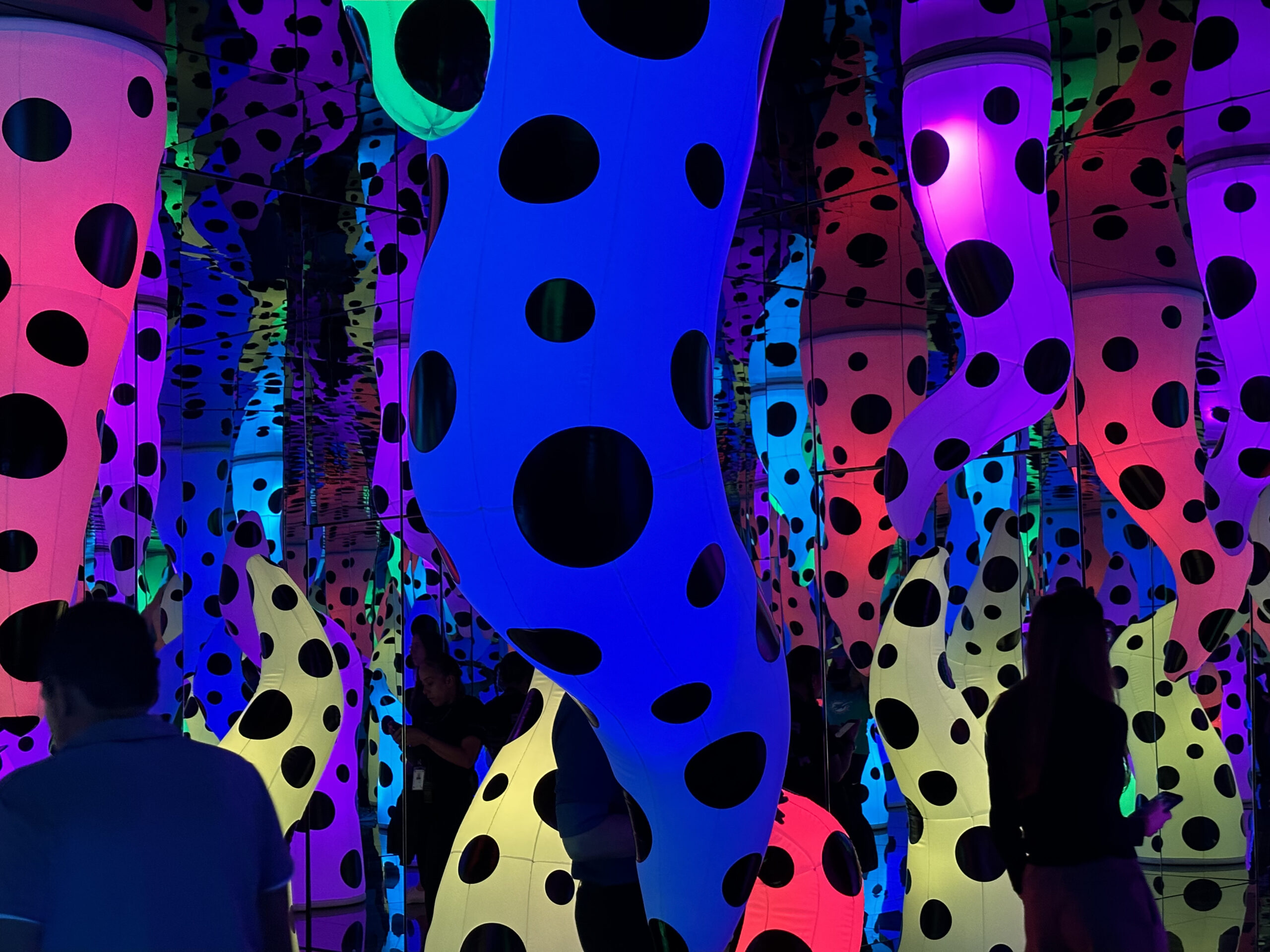
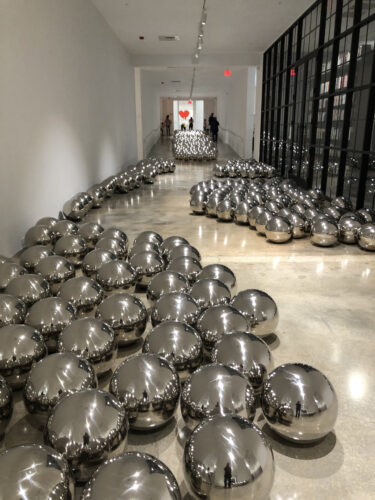
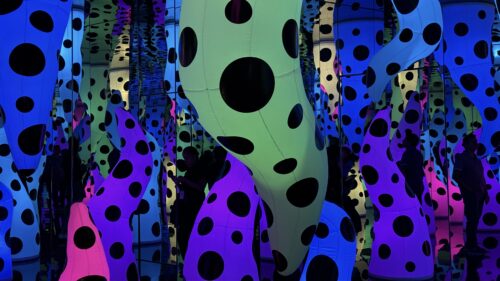
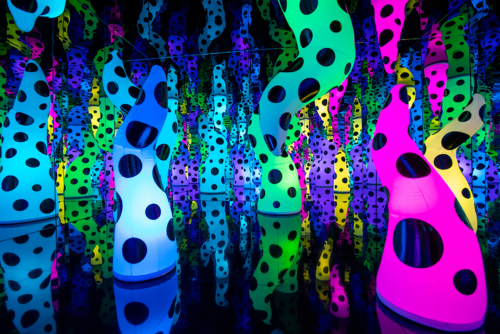
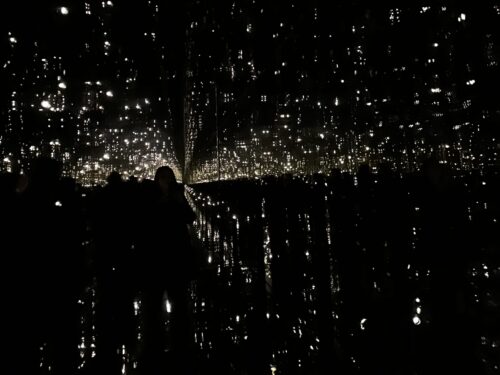
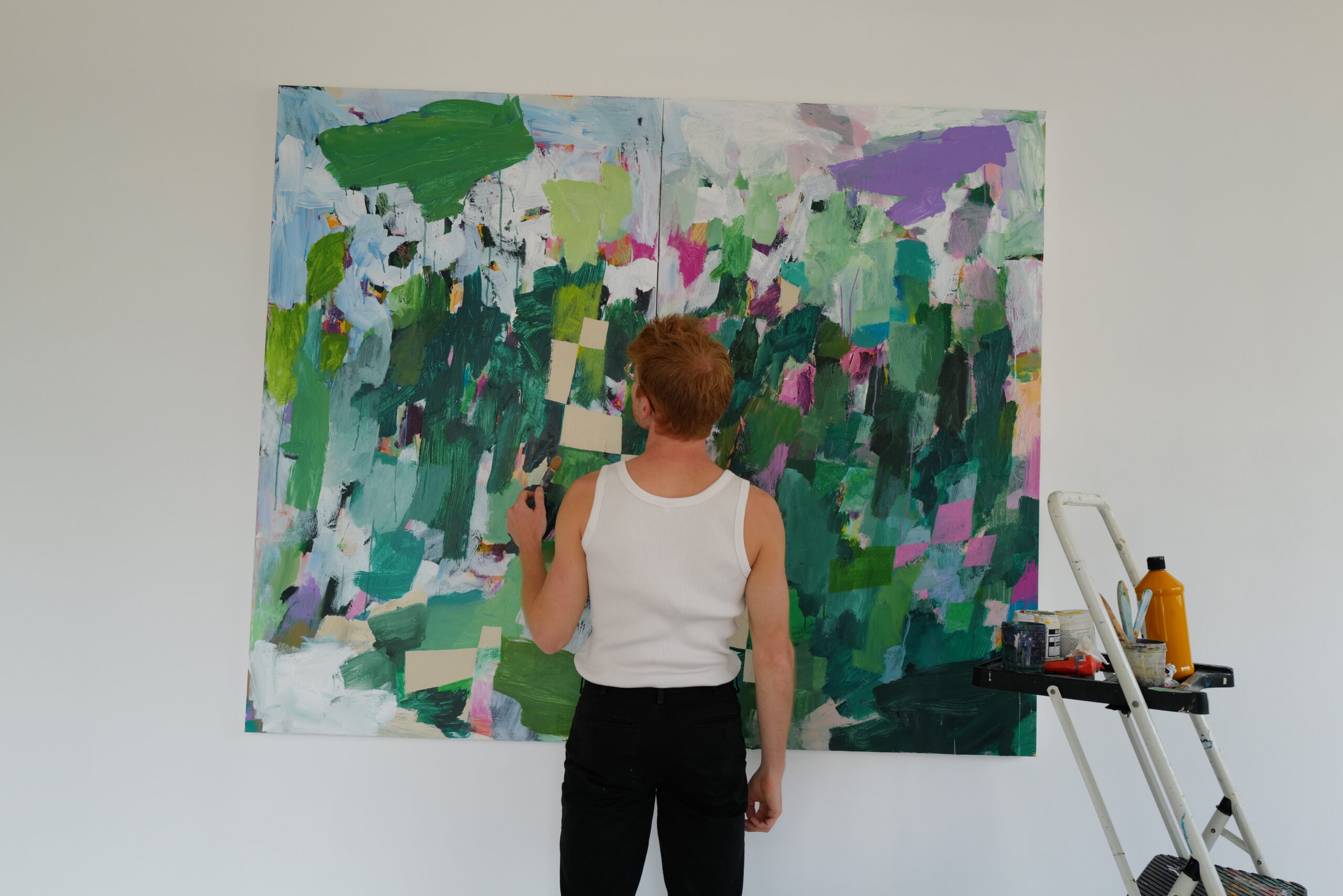
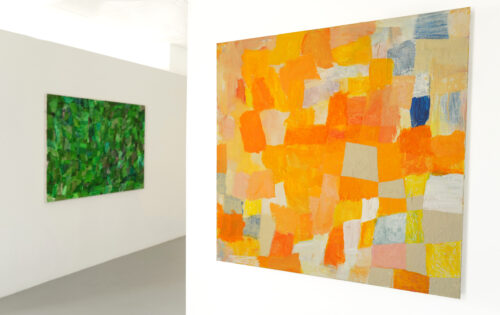
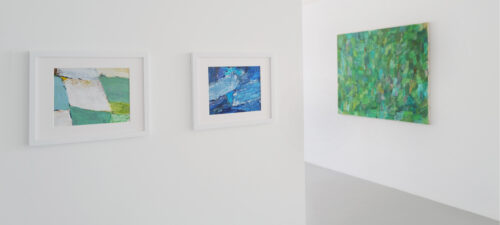
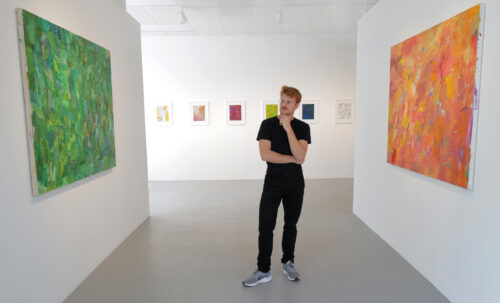
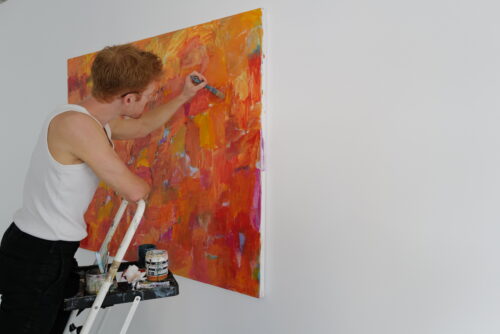
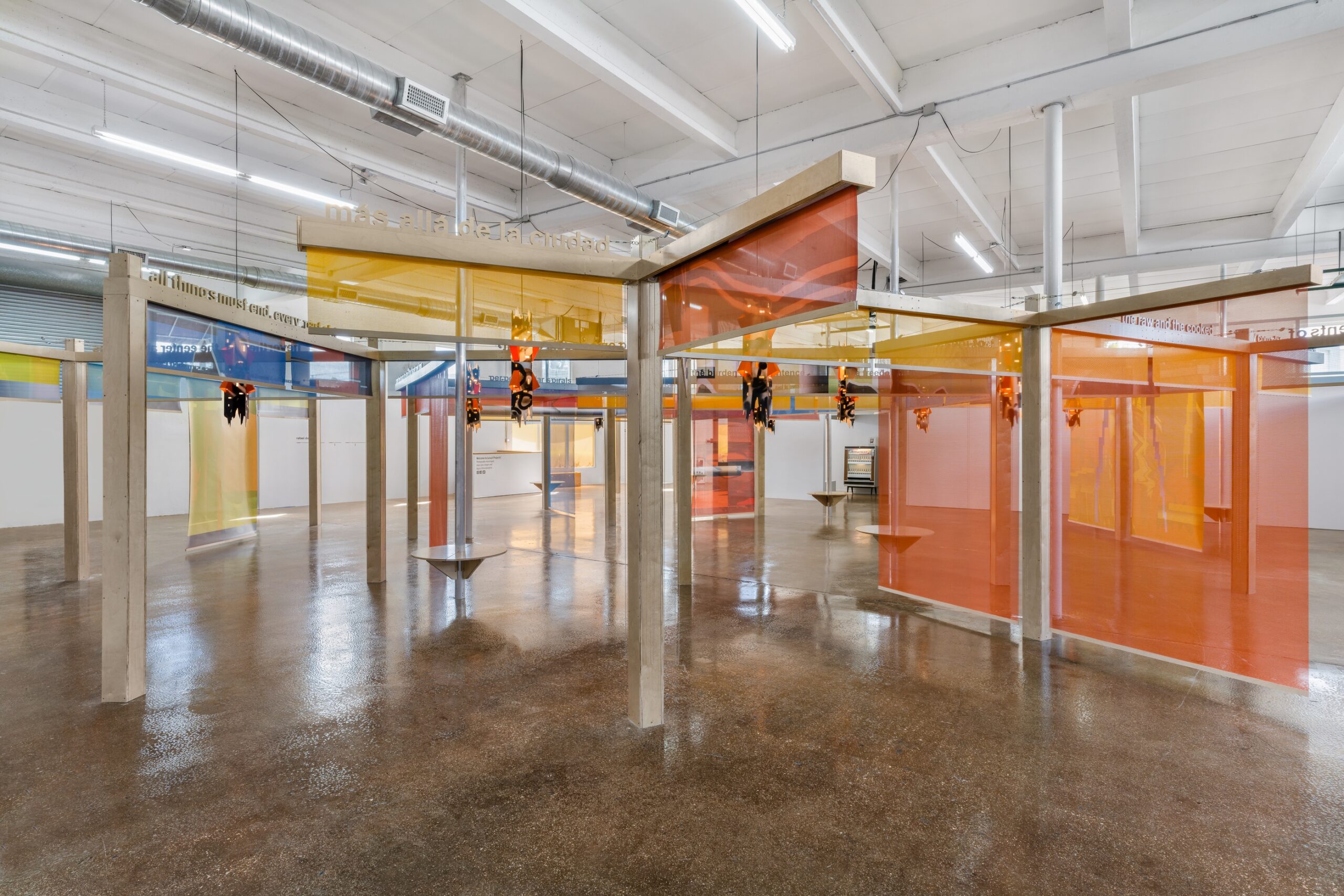
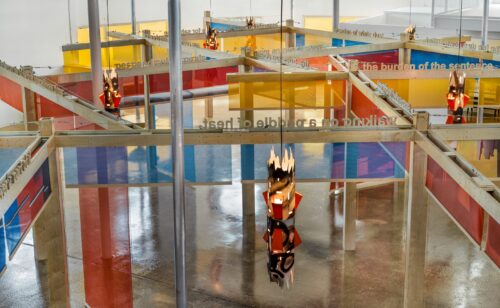

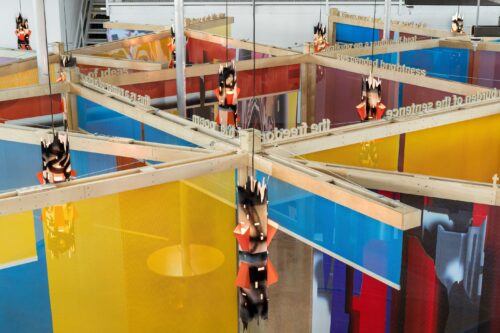
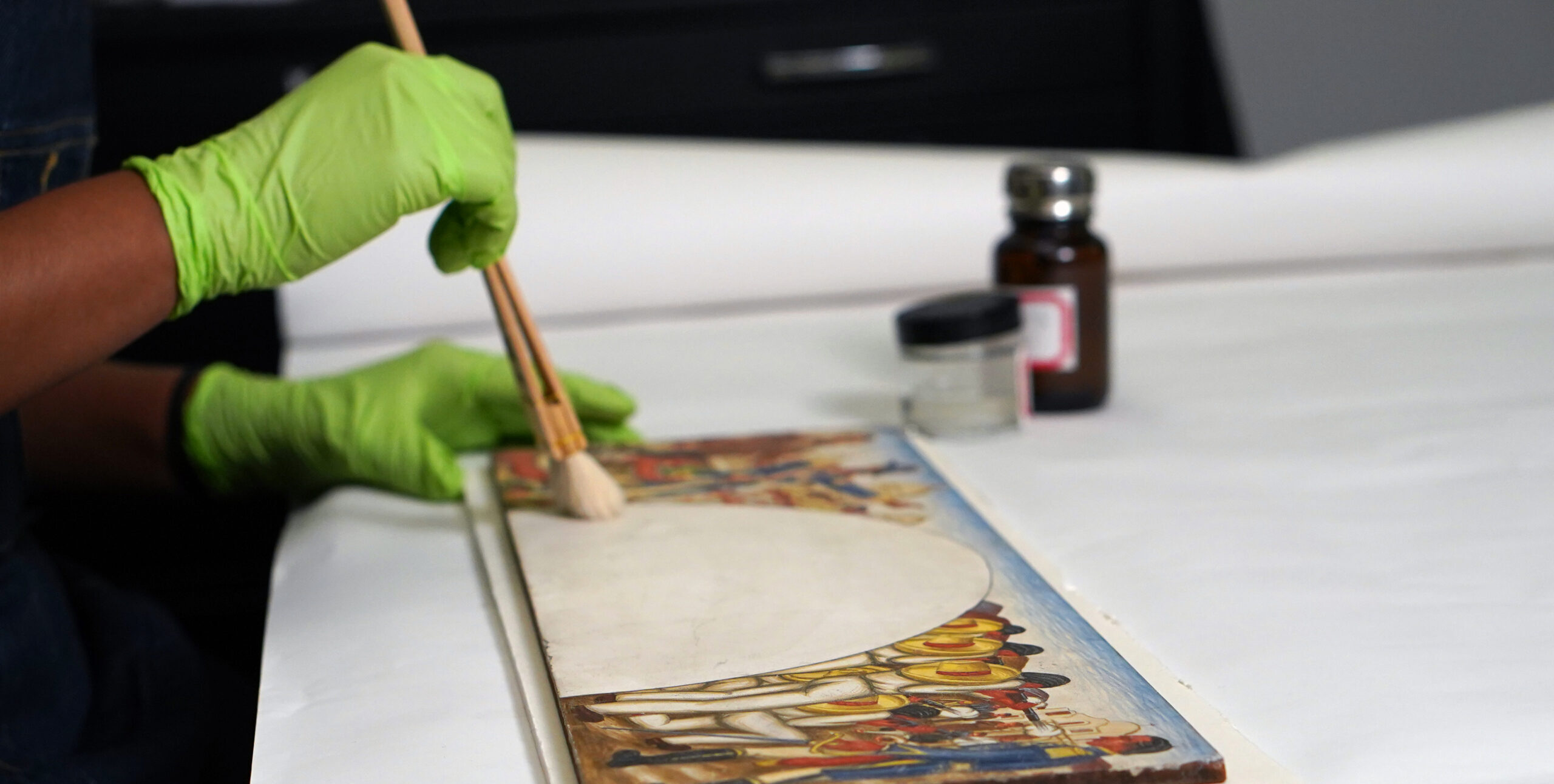
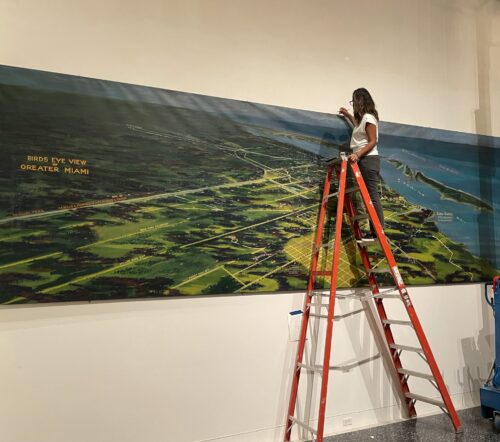
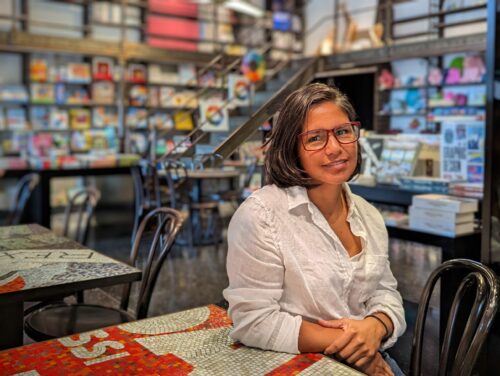
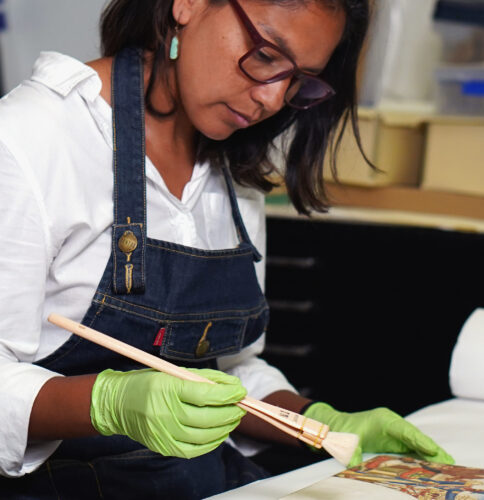
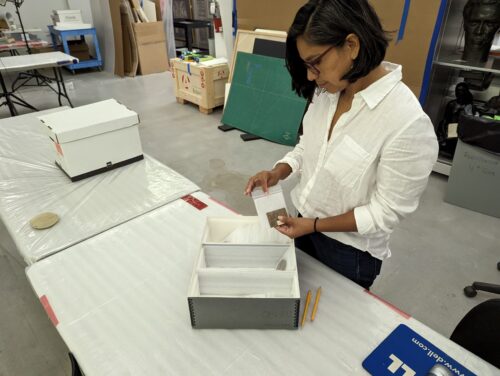
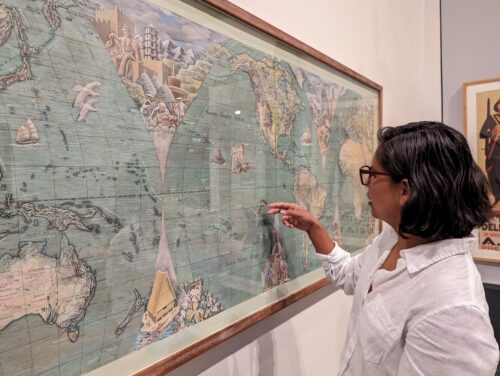
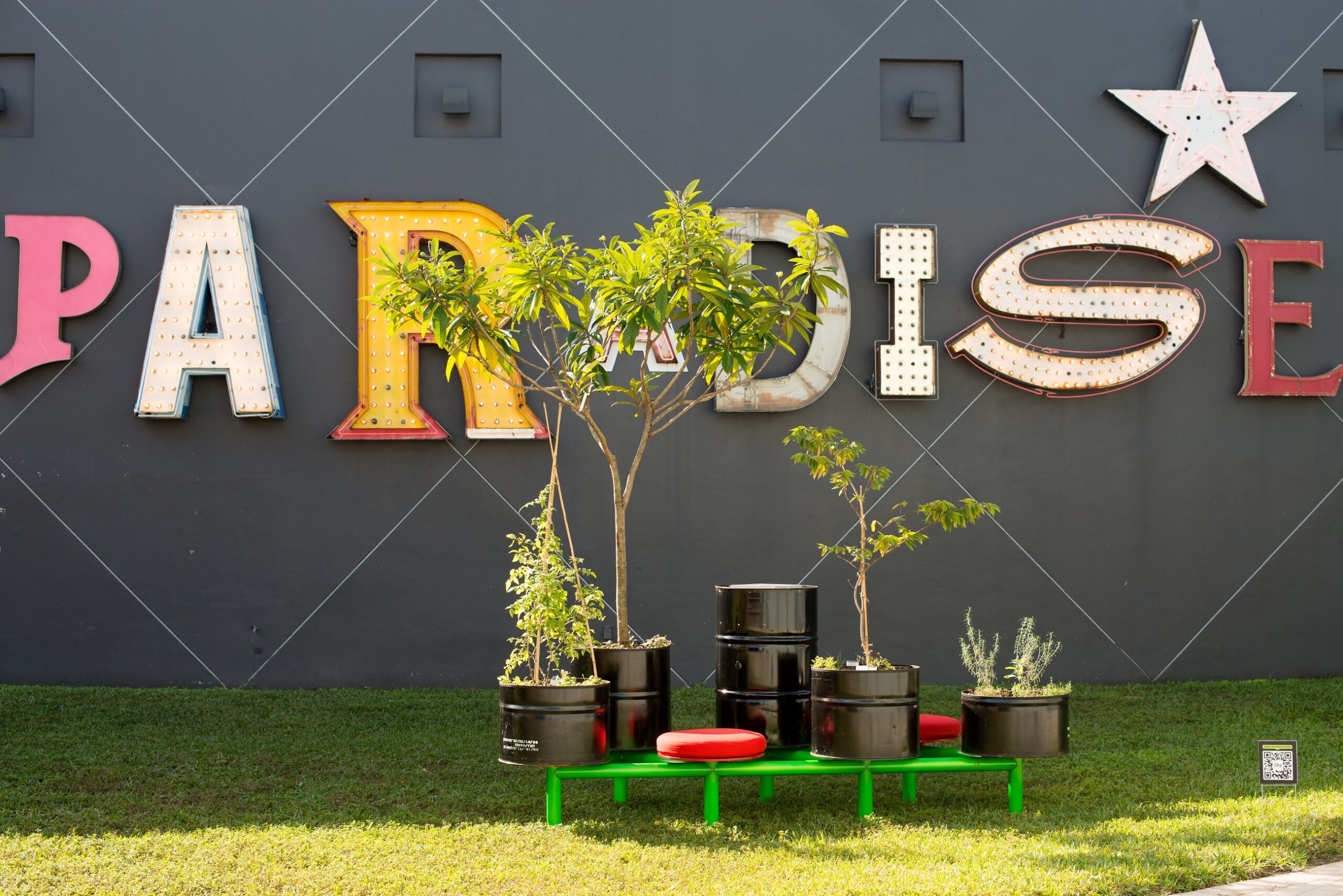
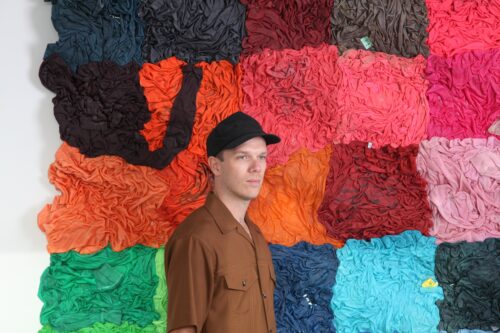
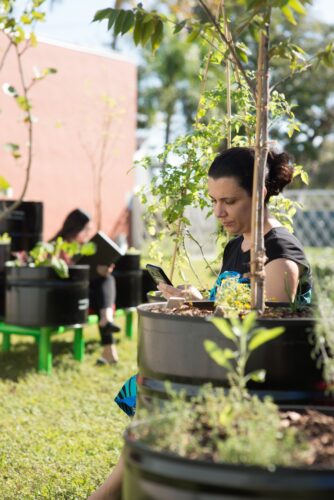
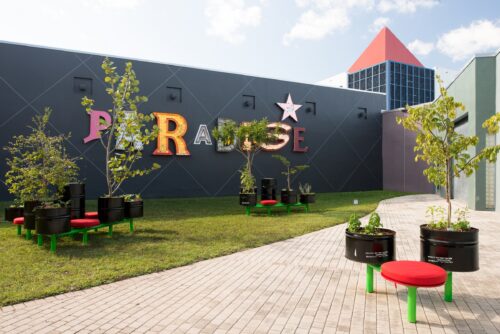
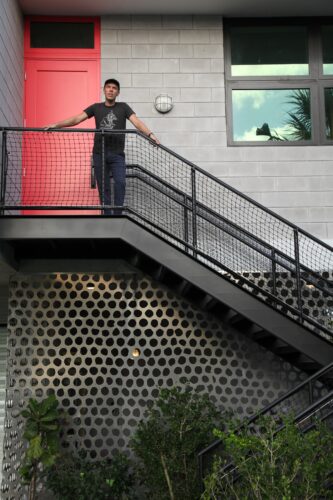
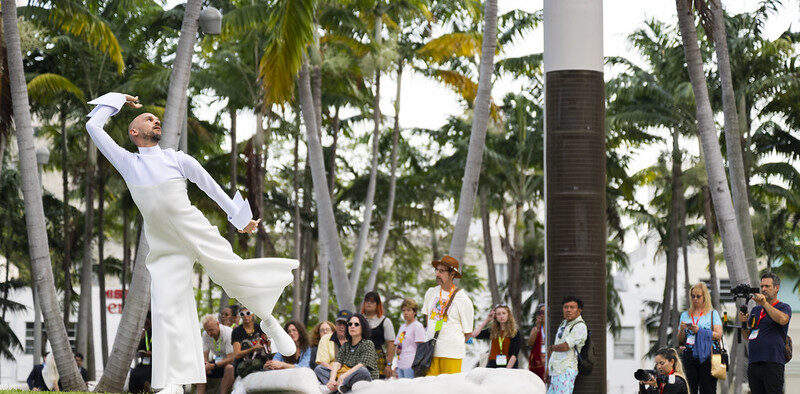
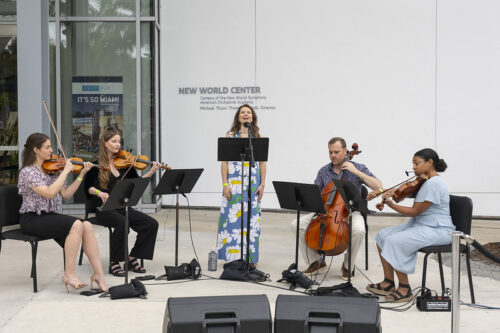
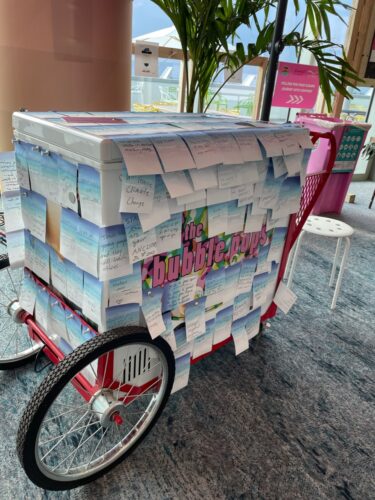
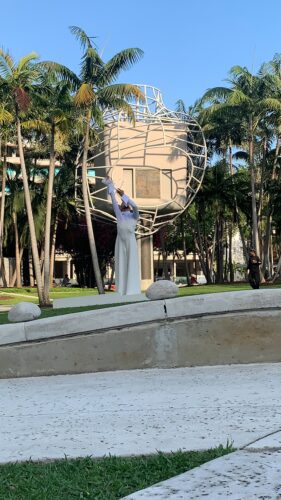
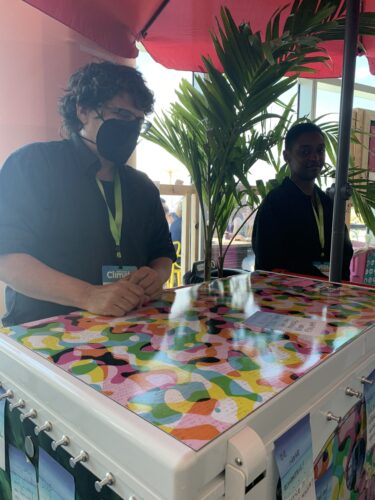
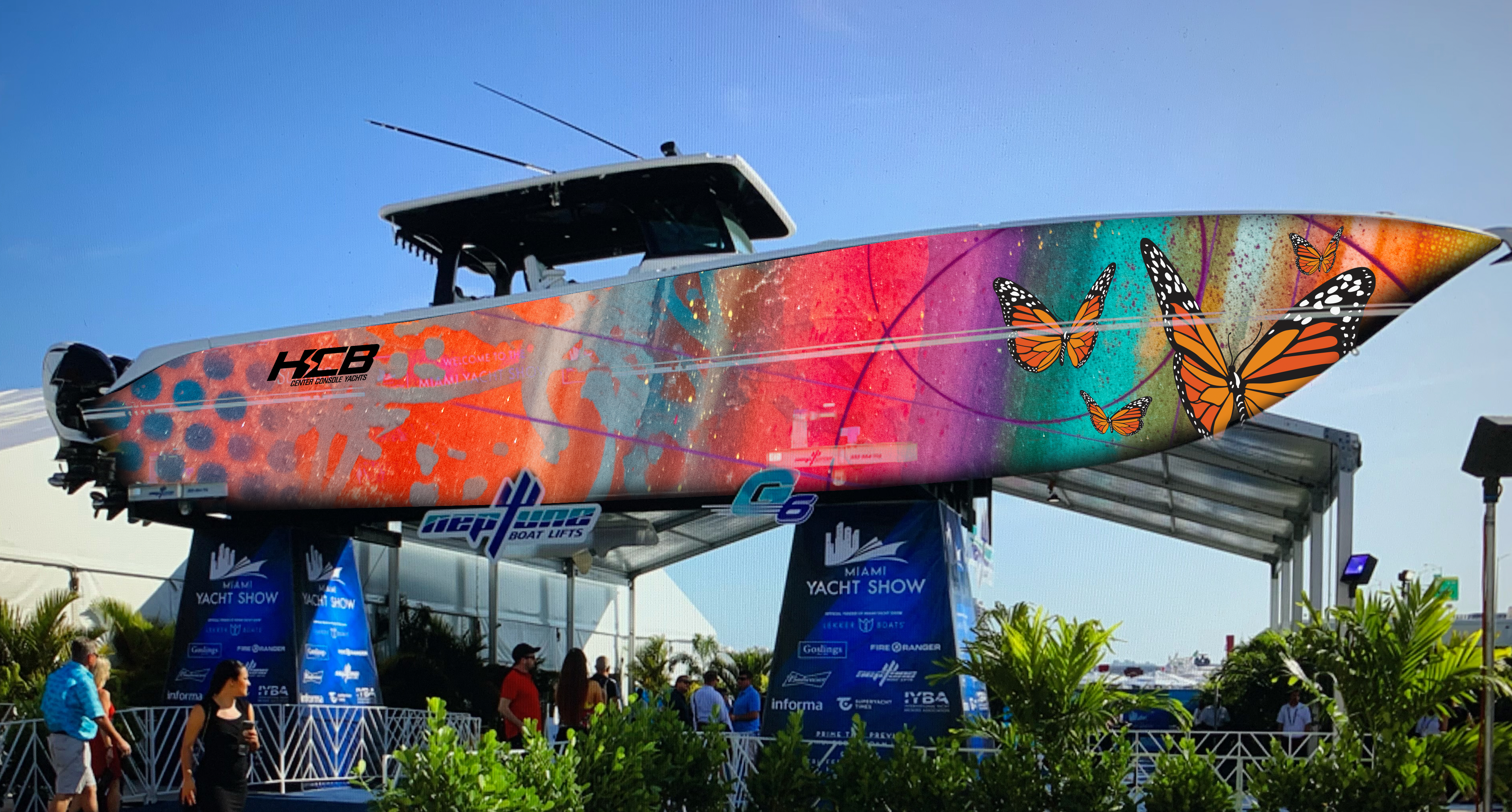
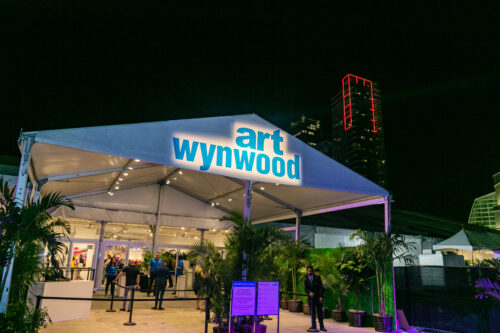
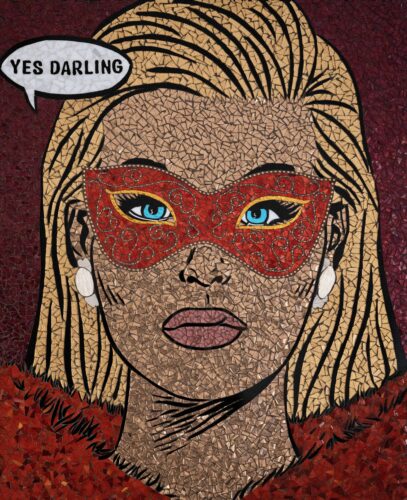
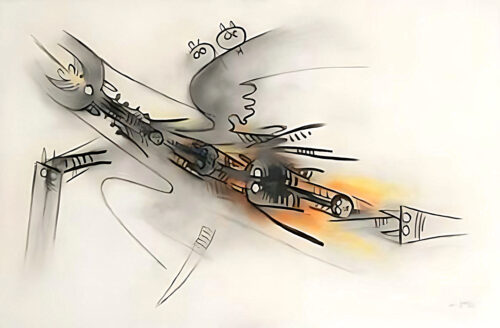
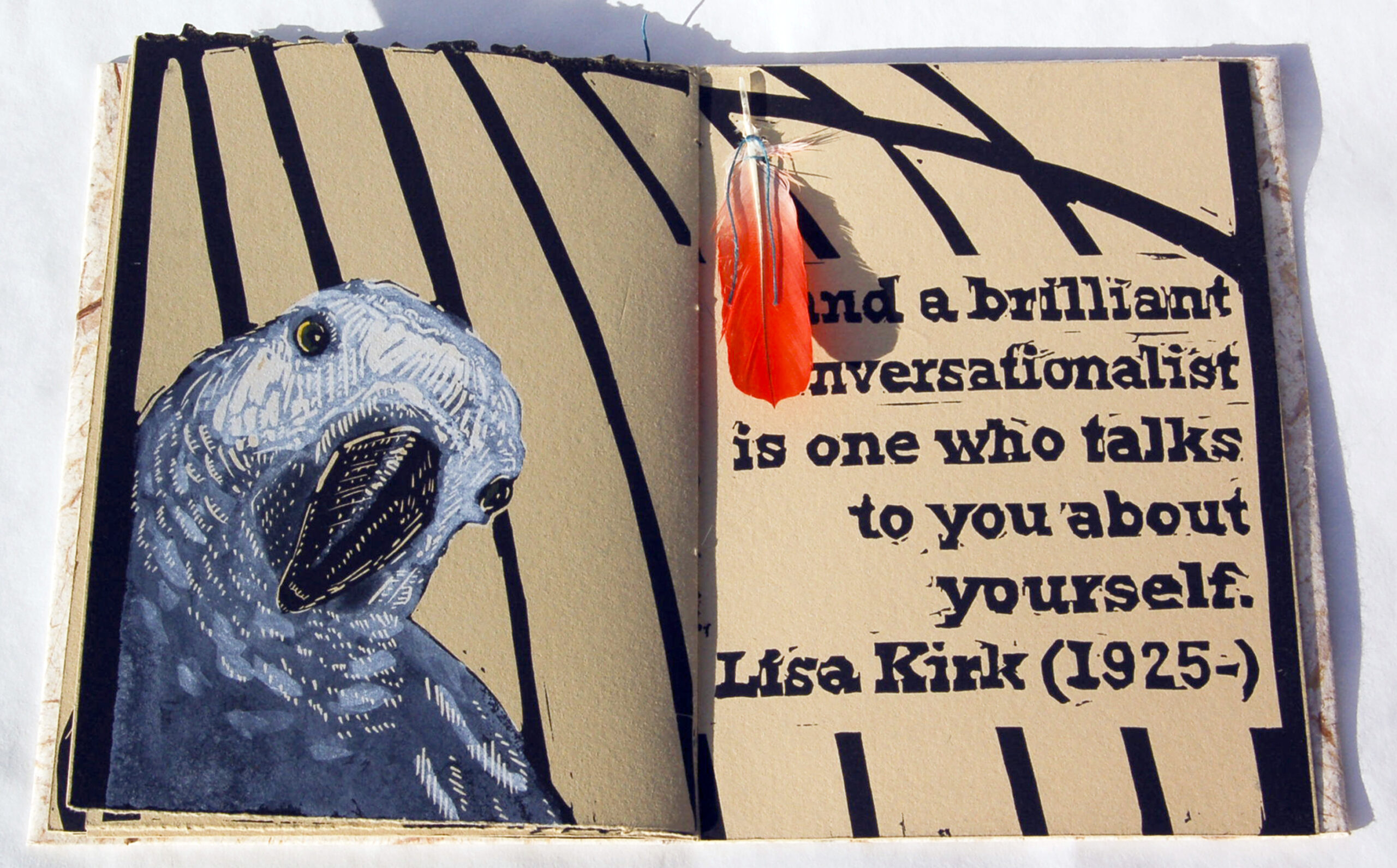
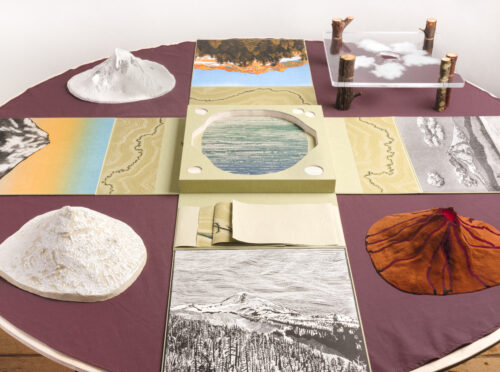
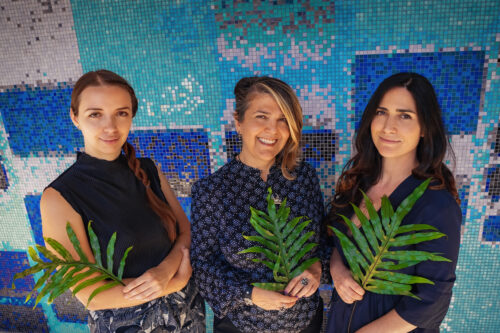
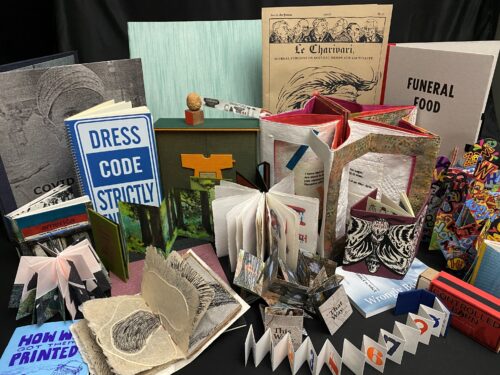
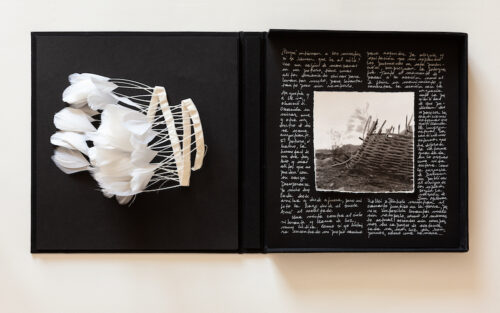
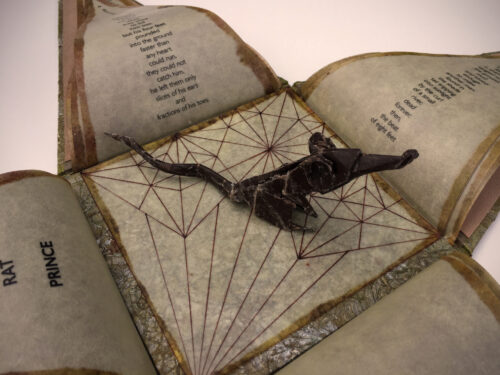
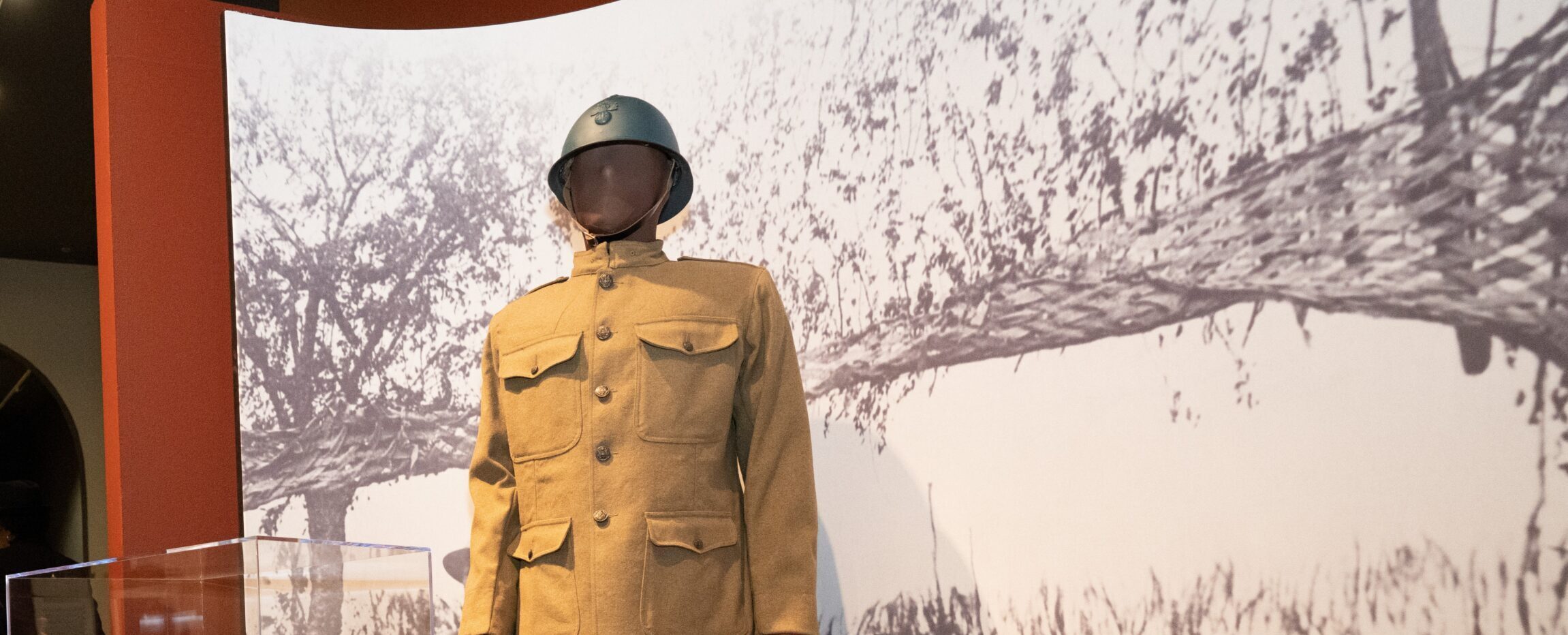
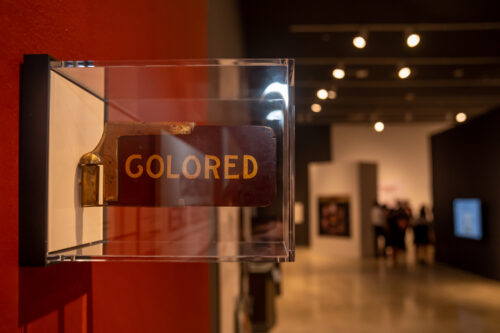
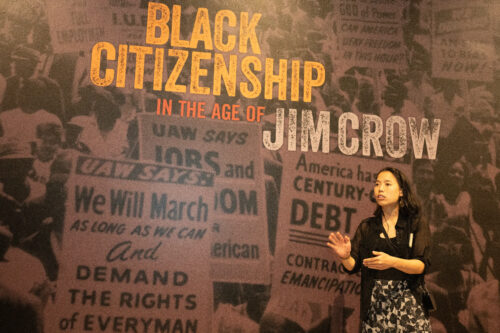
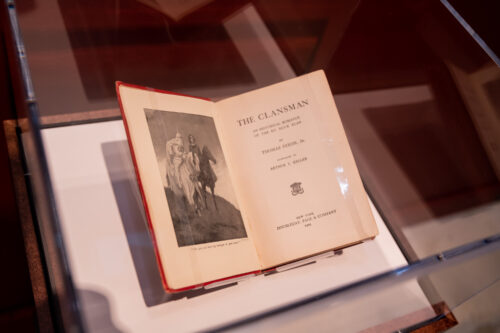
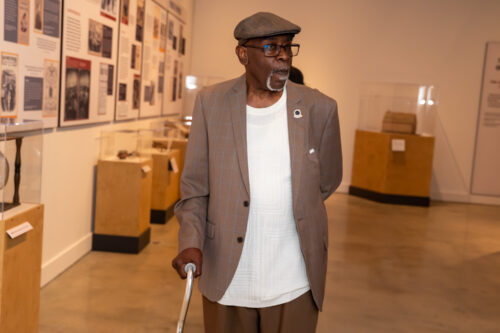
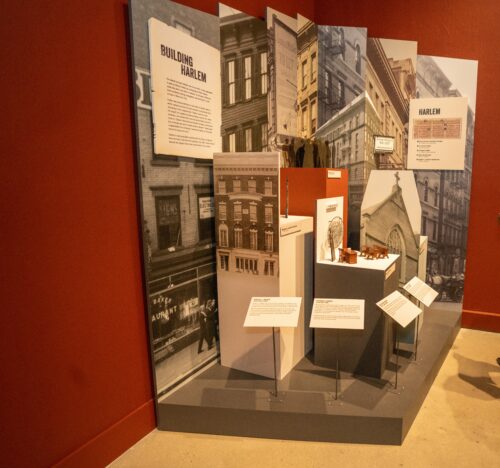
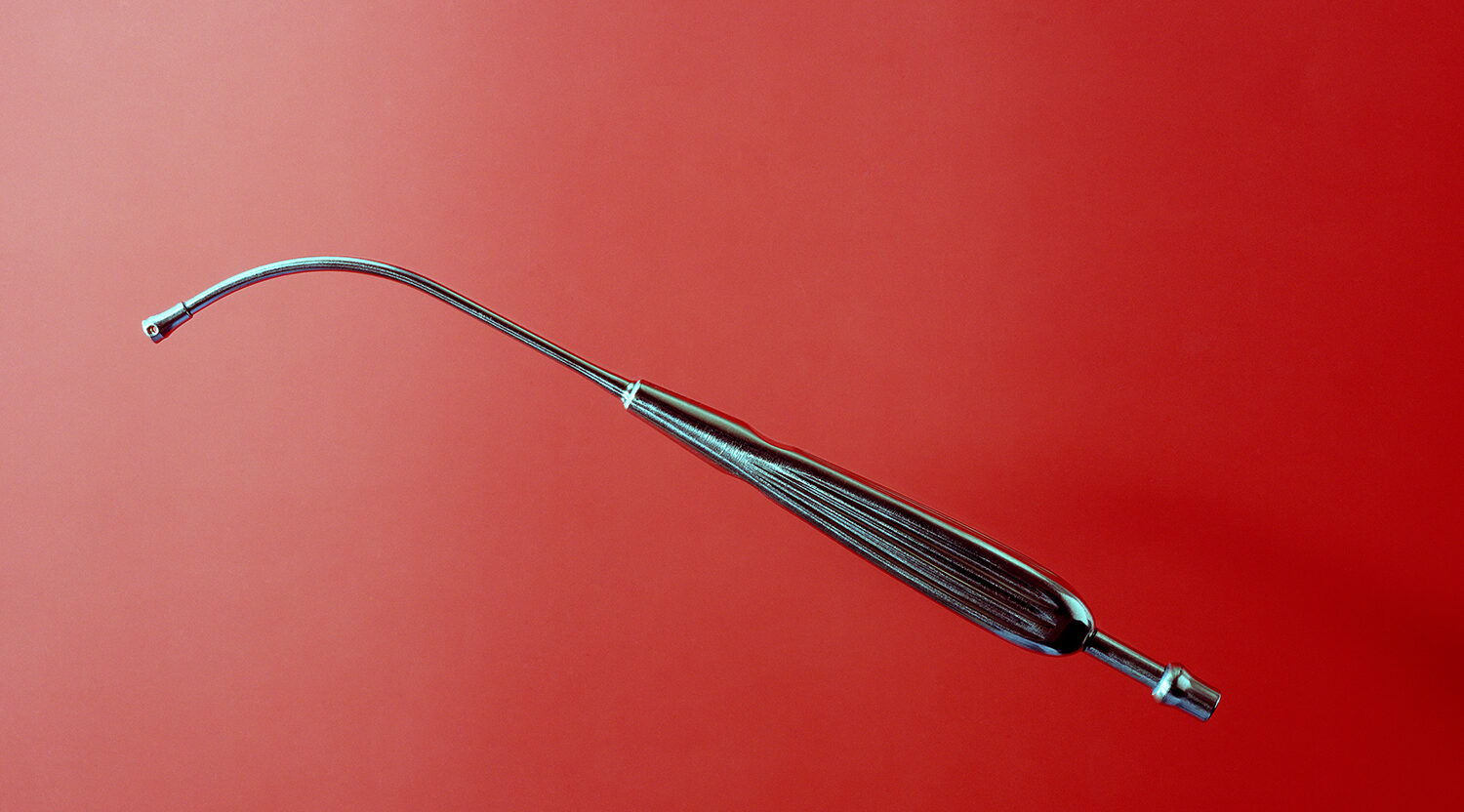
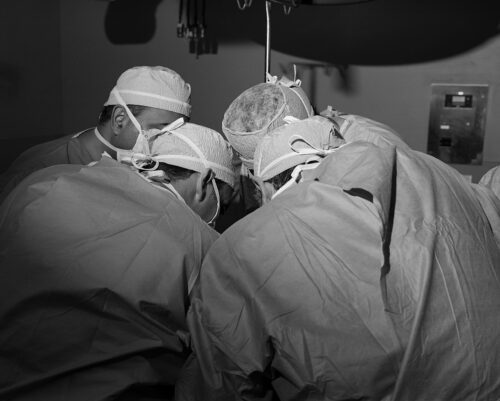
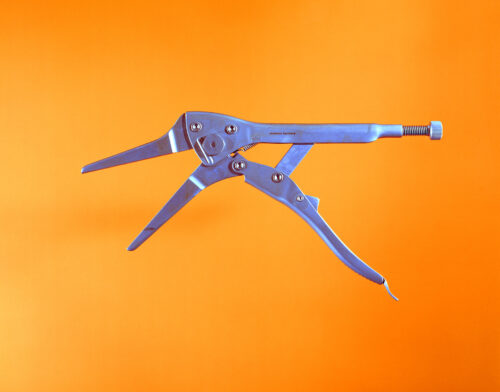
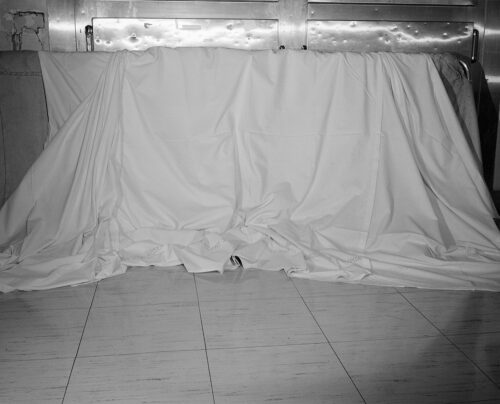
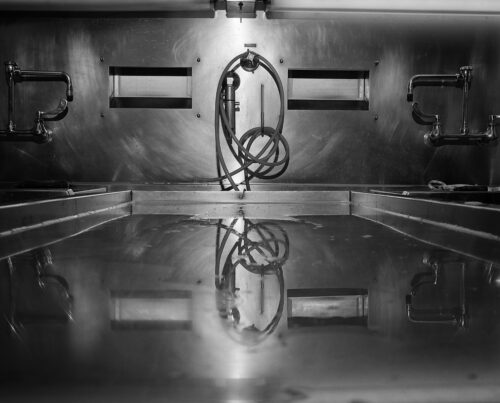
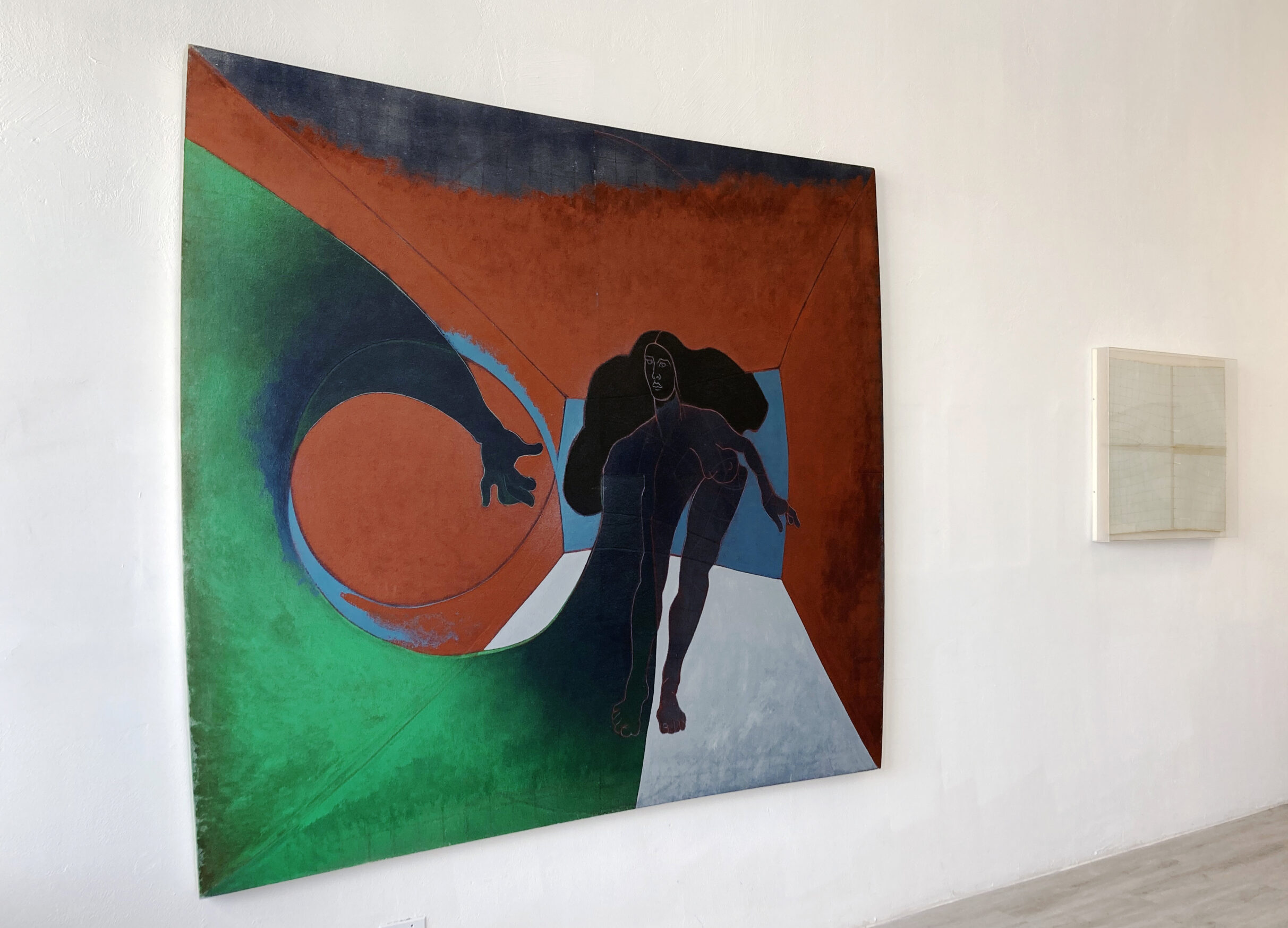
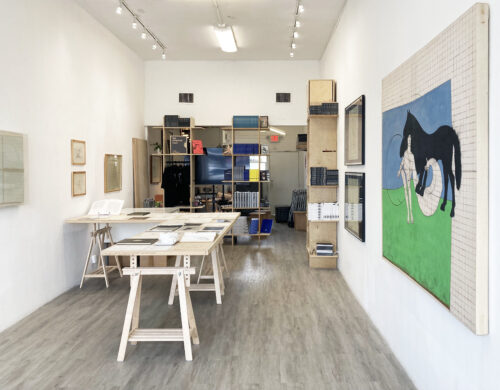
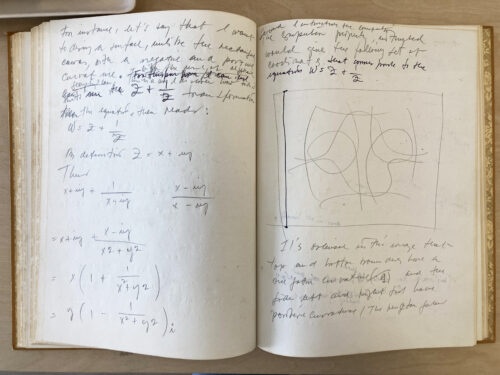
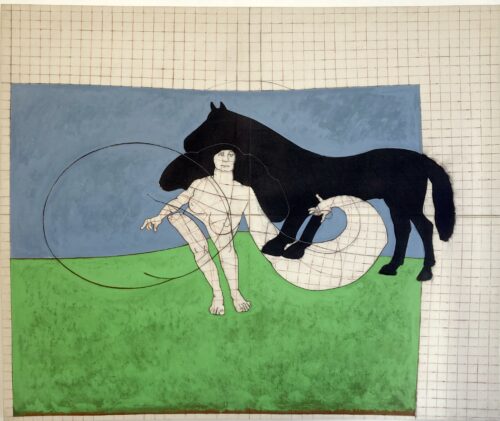
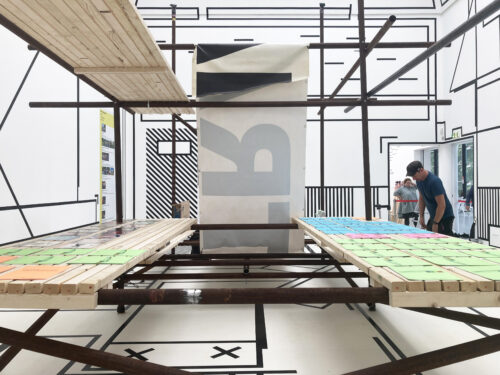
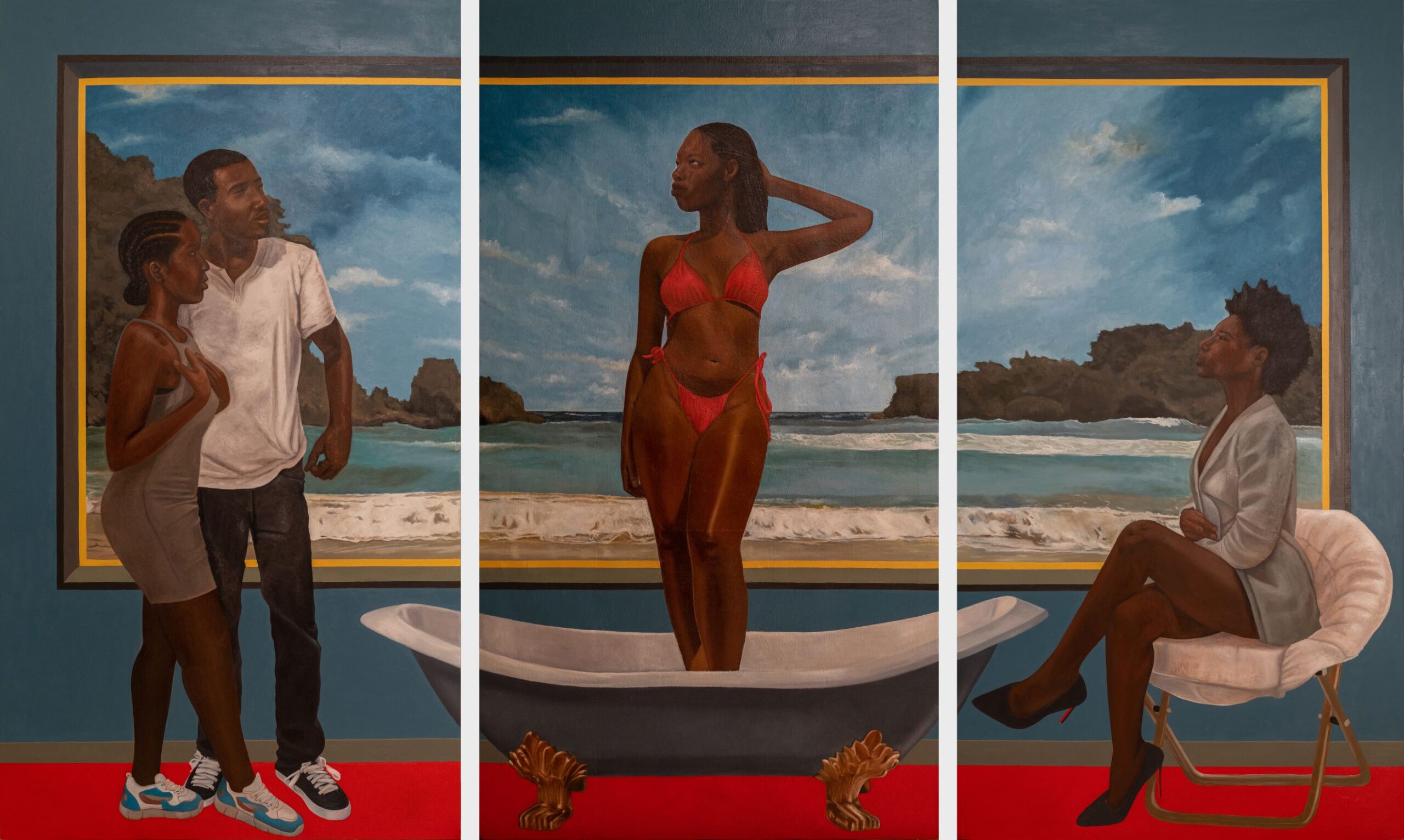

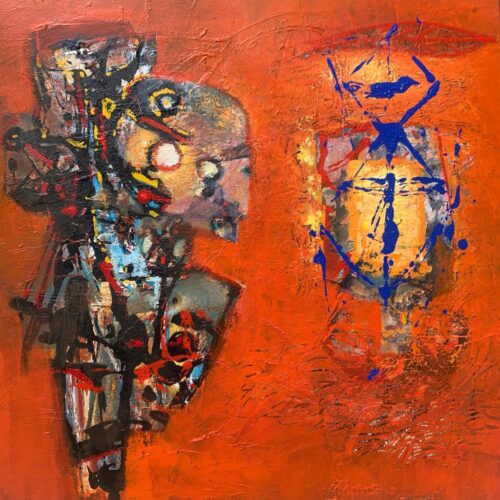
Recent Comments