Artist Explores Cultural Significance of the ‘Black Card’ at Hampton Art Lovers
Written By Jonel Juste June 16, 2023 at 11:21 AM
Brandon Clarke’s re-imagining of the birth of America at its core, stitching the stars and stripes to include all the people groups who helped build it, is part of the exhibition BLACK Card: Transactions of Cultural Currency” at Hampton Art Lovers. (Photo courtesy of Eye and Heart Photography)
The notion of the “Black Card” has permeated popular culture, often serving as a humorous reference. However, its meaning and representation as a marker of racial authenticity have raised questions.
Artist Brandon Clarke also shares these concerns, which led him to create t”BLACK Card: Transactions of Cultural Currency.” The exhibition will open on Saturday, June 17 and is on display through Aug. 31 at the Historic Ward Rooming House in Overtown.
“We curated this show to have a conversation about authenticity and access within our own community and outside our community,” says Clarke. “As we continue to make our Black voices known in America and around the world, we demand a seat at the table.”
A piece from “Black Card” interrogates the meaning of being Black. (Photo courtesy Eye and Heart Photography)
Delving into the intricacies of authenticity, access, and identity within the Black community, Clarke’s idea is to challenge societal perceptions and to shed light on the significance of the symbolic “Black Card” as a representation of cultural validation.
“My vision is not only to get our seat at the table, but we can sustain our seat at the table?” What good is wealth if you cannot sustain it for generations to come? I feel to help accomplish this alongside the strides we have already made requires a level of cultural sustainability within ourselves. The Black card became the perfect catalyst to represent much of what we are fighting for and against.”
The concept of the “Black Card” is not exclusive to the Black community but extends to various cultural groups. “Cuban Card,” “Haitian Card,” or “Jewish Card” are also figurative cards acting as signifiers of belonging and granting access to these specific cultures or communities.
In the Black community, some people have had their black card “revoked” because they have never seen TV series “The Wire,” the movie “Friday,” because they don’t like collard greens or sweet potato pie, or because they do enjoy pumpkin spice lattes.
Born in California, Clarke’s family moved when he was 8 years old to Lewes, Delaware, what he calls a beach community. He attended Cape Henlopen High School.
Because he didn’t grow up in a Black community or attended a majority Black school until he went to a historically Black college (Hampton University), he says he faced challenges to his own authenticity, with people questioning his Blackness due to engaging in activities that did not align with certain stereotypes.
“Oftentimes people question your authenticity when your experiences are different from theirs,” he says. “Sometimes, someone can lose his Black card, not because of what he may not know about the culture, but what activities he participated in.”
He says he surfed, snowboarded and skateboarded — activities that he enjoyed.
Artist Brandon Clarke. (Photo courtesy of Eye and Heart Photography)
“But people often questioned my Blackness because of it. Growing up I found out that a lot more Black people like myself had the same experiences.”
Reflecting on the level of Blackness, the Miami-based artist acknowledges that he is not sure “what the bar is.” However, he firmly believes that being Black in America is a precious gift, a tribute to the courageous legacy of his ancestors who faced countless limitations.
Quoting Christopher Norwood of Hampton Art Lovers, who co-curated and commissioned the show, the artist states, “As we expand our horizons and what it means to be Black in America, our ancestors expand their smiles.”
To explore the concept of the Black Card in his artwork, Clarke obtained a collection of black credit cards, which became the focal point of his creative expression. Some pieces portray the physical black credit card embedded within paintings, while others take a metaphorical approach, symbolizing transactions across various spaces, including marketing, social interactions, and economic evaluations.
“Our Blackness just doesn’t reach within our own community, but it stretches out the borders of who we are within this nation and even internationally,” says Clarke.
In deconstructing the idea of the Black Card as a euphemism for Black identity, the South Dade artist views it as a tool designed to confine individuals to predefined notions of Blackness.
This piece, included in Hampton Art Lovers’ “Black Card,” represents the internal transactions Black people make against and for themselves, according to the artist. (Photo courtesy of Eye and Heart Photography)
“The Black Card ultimately does not exist, it’s a tool to keep you in a box. But cultural currency is real, and we need to harness our culture and respect it as an economic tool for development,” proposes the artist. “Black culture absolutely drives the music business and sports, no one would argue with that statement. But the potential of our culture could also drive and revolutionize math and science as well.”
Clarke firmly establishes a connection between the symbolic Black Card and its real-life counterpart in the realm of credit and currency. He identifies the Black Card as the ultimate symbol of luxury and access, paralleling it with the value and global influence of Black culture, which has been at the forefront of defining “Cool” since the Harlem Renaissance.
Hampton Art Lovers, the organizers of the event, have played a crucial role in presenting Clarke’s artwork. The collaboration between the artist and the gallery stems from a shared love for Black art and a belief in its power to tell meaningful stories. With their mentorship and support, Clarke says he was able to develop the “Black Card” concept and transform it into this new installation.
“Chris (Norwood) and I began talking frequently. I pitched several concepts to him. We discussed them all and played them out visually. We scrapped most of them, but one of them was ‘Black Card’ and it felt personal to me in ways that the others didn’t. . . According to Chris, ‘Every great pitcher needs and even better catcher’ and on that day he caught ‘Black Card. and threw it back to me and said run with it.”
WHAT: “BLACK Card: Transactions of Cultural Currency”
WHERE: Hampton Art Lovers at Historic Ward Rooming House, 249 Northwest 29th St., Miami
WHEN: Opening 6 to 9 p.m. Saturday, June 17. noon to 6 p.m. Thursday through Sunday through Aug. 31.
Miami-based artist Edouard Duval-Carrié's work, currently in the 61st Venice Biennale, echoes the Italian exhibition in “From Venice with Love” in Miami Beach at The Betsy Hotel.
“The Science Behind Pixar” at Frost Science takes visitors behind the scenes of Pixar films with more than 50 interactive experiences exploring animation, engineering, math and technology.
‘All Black Everything’ showcases generations of African American graffiti artists
Written By Sergy Odiduro June 15, 2023 at 6:27 PM
“Untitled,” 2019, by pioneering graffiti artist Bama, a Bronx, N.Y. native, is on view at the Museum of Graffiti’s “All Black Everything,” exhibit through Sept. 4. (Photo courtesy of the artist)
Sometimes you just run out of luck.
It wasn’t the first time that graffiti artist and pioneer Richard “Bama” Admiral had been accused of spray-painting trains, but it was the third time that did it.
“The first two times I was arrested I was completely innocent,” says Admiral.
Daze, “If I’m Not Getting Through to You, You Ain’t Listening” 2021. Acrylic on canvas. (Photo courtesy of the artist)
At the time his parents were in Las Vegas on their second honeymoon and his father, in particular, wasn’t in the mood for any shenanigans.
“So (Dad) just said, ‘Wait ’til I get back,’ because he was not going to give up his vacation,” says Admiral, who hails from the “Boogie Down” Bronx.
“. . .I had to sit there for a week till they came back because there was nobody to get me out. That taught me a great deal. And I was guilty,” he admits. “I couldn’t get around that. I was completely guilty.”
Despite this, Admiral’s arrest didn’t exactly end his career. It just took a slightly different turn.
From then on he decided to embrace a different tactic — one that significantly reduced his chances of getting caught.
“I became a soloist.”
His father, of course, still wasn’t enamored with his artistic pursuits.
Augustine Kofie, “FIRST,” 2023. (Photo courtesy of the artist)
And if you ask East New York-born and raised graffiti artist Doc TC5, he could definitely relate. His mother wasn’t much of a fan either.
“It was like an embarrassment to her that I was a vandal,” says TC5. “She never saw that it could go somewhere.”
But eventually, it did.
Ironically, the now much sought-after artist, said that it was his own mom who inspired the name for which he is now known.
“Before graffiti, I was into music,” explains TC5. “I was into DJing very early in my life. It just became a thing where, you know, my mother just associated anything with me, as being music related.
“One day she asked me, ‘What are you gonna be when you get older’ And I said, ‘Well, I’d like to work with something in the medical field.’ She said, ‘What do you want to be a disco doctor?’ And it stuck.”
In all, it’s clear to both casual observers and graffiti fans alike, that both artists have paid their dues.
Kool Koor, “The ‘K’ Factor Kool,” 2009. (Photo courtesy of the artist)
Whether it is getting arrested, dealing with detainment or getting ostracized from society and family members, it was all for the love of art; specifically their love of graffiti. The price they paid may have been well worth it because now their legendary pieces are unilaterally regarded as part of the bedrock of this street-based art movement.
Their contributions are part of the Museum of Graffiti’s “All Black Everything: A Survey of African American Graffiti” exhibition on view in Wynwood through Monday, Sept. 4. Also included are some of the most historically influential multigenerational artists, including Bama, Blade, Delta2, Dondi White, Ewok, Kool Koor, Noc167, Skeme, Web One, and Wane One. Original graffiti paintings on canvas and works on paper spanning the past four decades.
Alan Ket, curator of the exhibition and co-founder of the museum, says that it is important to highlight their contributions, particularly for those who are new to the art form.
One of the museum’s primary missions is “to preserve graffiti’s history and celebrate its emergence in design, fashion, advertising, and galleries,” he said. The “All Black Everything,” event is just one more way of celebrating graffiti while paying proper homage to some of those who initiated it first, according to Ket.
“These are real people that have contributed for decades and deserve to be recognized and not necessarily overshadowed by whoever is popular or is trendy at the moment, or the Instagram favorites of the past few years,” says Ket. “It seems like only people from my generation and older know this. Everybody else doesn’t have the awareness of the Black contribution to graffiti and how significant and important it is.”
Veefer, “Road & Track,” 2023, ink and watercolor on paper. (Photo courtesy of the artist)
Ket says it is important that it is known that there are, and were, important African American artists that should be celebrated and acknowledged. As a graffiti artist himself, Ket wants to share what he has personally learned and experienced. He hopes that this history will ultimately shine through the exhibition.
“It isn’t just what’s happening today, but this is 50 years of history and 50 years of this sort of shared experience. And I want them to know the names. I want them to learn about these artists.”
He said that the exhibition with its long run through summer will offer plenty of time for people to visit the Museum of Graffiti.
“. . .To come in here, experience it and learn.”
WHAT: “All Black Everything: A Survey of African American Graffiti”
WHERE:Museum of Graffiti, 276 NW 26th St., Miami
WHEN: 11 a.m. to 6 p.m., Monday through Friday, 11 a.m. to 7 p.m., Saturday and Sunday.
COST: $16 plus fee and sales tax, general admission, $12 plus fee and sales tax, student/military/senior general admission, free general admission for children 13 and younger.
Miami-based artist Edouard Duval-Carrié's work, currently in the 61st Venice Biennale, echoes the Italian exhibition in “From Venice with Love” in Miami Beach at The Betsy Hotel.
“The Science Behind Pixar” at Frost Science takes visitors behind the scenes of Pixar films with more than 50 interactive experiences exploring animation, engineering, math and technology.
Cuban Artist Mariano Gets His Due at Little Havana Gallery
Written By Jocheved Cohen June 2, 2023 at 11:00 AM
“Naturaleza muerta” (“Still Life”), 1946. Oil on canvas is Mariano Rodríguez’s own take on the European standard and is featured in the Latin Art Core gallery exhibit, “Mariano. Everything Possible.” (Photo courtesy of Latin Art Core gallery)
Cuban artist Mariano Rodríguez is arguably almost as popular in the Spanish-speaking world as his compatriot Wifredo Lam. Yet widespread recognition of the modernist master has been more elusive in North America. An exhibition at Little Havana’s Latin Art Core gallery is lifting the profile of this painter, primarily known as Mariano, whose unique vision brought a world of light and color to works that also celebrate his homeland.
Showcasing some of the artist’s most iconic paintings, drawings and watercolors, “Mariano. Everything Possible,” features works from the 1940s through the 1980s, including a room filled with his iconic rooster images. The exhibition also features later work, from the 1960s and beyond.
Mariano, born in 1912, spent his entire professional life in Cuba, and is tightly associated with island identity and culture, though he visited New York and Mexico. Imbibing the styles of Picasso, and other early Cubists, along with the Fauvist approach to color, Mariano was also strongly impressed by the Mexican muralist traditions, according to Latin Art Core President Israel Moleiro, who has been working with Mariano’s art for several decades. The exhibit is a collaboration between Latin Art Core and the Fundación Mariano Rodríguez.
Mujer en interior con piña (Woman in Interior with pineapple), 1943. Oil on cardboard. Curator Cristina Figueroa says that Mariano enjoyed the company of his muses, his peasants, and his tropical fruits.
Greeting visitors as they enter the gallery on Calle Ocho is one of Mariano’s best-known works, “La Paloma de la paz,” (“The Dove of Peace”). Painted in 1940, the allegorical work is Mariano’s cri de coeur about World War II, then raging across Europe.
In the painting, a full-bodied white-clad woman bends backward and releases a white dove from a red handkerchief; beyond is sea and sky. Cuba, an early ally of the United States, was deeply involved in the war. “This is more a political statement about the war in Europe,” says Moleiro, who noted that the war produced a booming island economy, and rapid changes along with fears of German U-boats stalking the Caribbean.
Flanking “La Paloma” are works that highlight how Mariano integrated European and Latin American ideas to produce his signature oeuvre.
“La paloma de la paz” (“The Dove of Peace”), 1940, oil on canvas. Mariano’s comment on the ravages of WWII. (Photo courtesy of Latin Art Core gallery)
“One of the characteristics of Mariano is the connection between the muralist style from Mexico and the surrealist style in Europe,” says Moleiro, adding that many Cuban artists were similarly influenced, but in Mariano’s work, one can see the bridge. “That combination gives you a unique style.”
Mariano was deeply influenced by how the Fauvists and masters such as Paul Cézanne, André Derain, and Henri Matisse used color. Intense painting choices that may have seemed wild under the often-muted skies of Europe, fit perfectly the experience of Cuban island life.
“Most of the intention in the color is in relation to the culture – where you live and express yourself,” says Moliero. “Those are the real colors you see in the tropics.”
The work of Cuban artist Mariano Rodríguez, pictured here in 1964, is featured in a retrospective at the Latin Art Core gallery through June. (Photo courtesy of Ida Kar, The Mariano Foundation )
Those influences can be seen in several of the show’s masterpieces. “Mujer en interior con piña” (“Woman in Interior with Pineapple”), from 1943, shows a woman in purple, holding a pineapple, one leg raised behind her, a symphony of blues, mauve, green and orange.
Indeed, his take on the traditional European still life, channeling Matisse and Cézanne, couldn’t be more wry. In “Naturaleza Muerta” (“Still Life”) from 1946, instead of apples, we see pineapples and the Mexican fruit mamey.
In “Mujeres en interior” (“Women in Interior”), again from 1943, a woman holds a bunch of bananas to her breast, her face composed of greens, oranges, blues, yellows, and beige, referencing another Mariano focus, the intersection of fruits and sexuality.
“He was a very erotic artist,” says Cristina Figueroa, show curator who wrote the catalog’s introduction and text, and who is project manager of the Spain-based Mariano Rodríguez Foundation. “For him, the fruit was like a forbidden fruit,” she explains. Figueroa’s expertise about Mariano has deep roots. She formerly worked at Casa de las Américas, the well-known Cuban cultural institution, headed by Mariano in the early ’80s, where, explains Figueroa, he started the department devoted to art.
“Mujeres en interior” (“Women in Interior”) 1943, oil on board on canvas. Eroticism was many times a subtext in Mariano’s work. (Photo courtesy of Latin Art Core gallery)
Women with fruit weren’t his only erotic commentary. Many first come to know Mariano from his rooster paintings and drawings, a group of which are featured in the exhibit. “It’s a very common animal, but it lets you put all the colors inside,” says Moliero. His roosters were also a national symbol, a connection to the island’s everyday people and a reference to virility. “At that time, the rooster was a symbol of freedom, and of a strong man.”
In the last few years, Mariano, who died in 1990, has been attracting the attention his work deserves. A 2021 exhibit at The McMullen Museum of Art at Boston College showcased the artist, and Miami’s own Pérez Art Museum Miami (PAMM) had a retrospective of his work last year. The Little Havana show now adds to that growing visibility.
WHAT: “Mariano. Everything Possible”
WHEN: 11 a.m. to 7 p.m. Monday through Friday, 11 a.m. to 5 p.m., Saturday. Through June 29, 2023
Miami-based artist Edouard Duval-Carrié's work, currently in the 61st Venice Biennale, echoes the Italian exhibition in “From Venice with Love” in Miami Beach at The Betsy Hotel.
“The Science Behind Pixar” at Frost Science takes visitors behind the scenes of Pixar films with more than 50 interactive experiences exploring animation, engineering, math and technology.
Lonnie Holley’s Transcendent Outside Art at MOCA North Miami
Written By Douglas Markowitz May 26, 2023 at 12:07 PM
Lonnie Holley, “If You Really Knew I and II,” 1980s, chain link gate, scrap metal, fabric, painted street sign, pressure gauge, on display in the exhibition “If You Really Knew” at the Museum of Contemporary Art North Miami. Courtesy of the artist and Blum & Poe, Los Angeles, New York, Tokyo. (Photo courtesy of Zachary Balber)
Throughout Alabama artist Lonnie Holley’s show at the Museum of Contemporary Art North Miami, we see faces. They occur in his sandstone sculptures that resemble Shona art from Zimbabwe or Mesoamerican stone carvings. They appear in profile all over his recent spray paintings and monolithic steel sculptures, sometimes in vivid fluorescent colors, other times in monochrome or earth tones, and always in a collage-like profile. It’s something of a fixation for the 73-year-old artist but speaks and moves with the wise, weary demeanor of someone even older, someone who’s lived a lot of life.
“I can’t put the whole body of everything. In my earliest faces, on my sandstones, I tried to,” says Holley. “But I can put us together, by symbolizing the many faces in one particular thing – and giving that particular piece of work a title – of us. No matter how, or where, or when, we are the us of humanity. And I may not be able to say that this is talking about Blackness, or colored-ness, or negro-ness. But I can say I’m talking about us as humanity.”
Lonnie Holley’s “The Spirit of the Misused Ones,” 2019, Steel, on display at MOCA, North Miami. Courtesy of the artist and Blum & Poe, Los Angeles, New York, Tokyo. (Photo courtesy of Zachary Balber)
To say the least, the life that Holley has led is an unconventional one. He is self-taught as an artist. He declares himself to be one of 27 children from 32 pregnancies. He faced extreme adversity throughout his life as a survivor of childhood poverty and the deprivations of the Jim Crow era. He spent time in the Alabama Industrial School for Negro Children, a notorious juvenile detention facility now likened to a “slave camp.” His work is informed by those traumatic experiences – the show’s title “If You Really Knew” speaks to the fact that we can never truly understand the complexities of his life. But the exhibition is not defined by it. It speaks to the greater humanity that we can all connect to through art and how we can use it to transcend ourselves.
“If You Really Knew” encompasses a small, but wide snapshot of Holley’s career as an artist, which is defined primarily from his use of salvaged objects, dating back to his earliest works —the sandstone heads that he carved out of discarded slag from local steel mills. Materials such as scrap metal, wood, and plastic are assembled with extreme intentionality.
Artist Lonnie Holley (Photo courtesy of David Raccuglia)
Many works in the show are contemporary meditations on past anti-racist struggles that reverberate into our own time. Works such as “The Water This Time” and “Without Skin,” made from fire hoses wrapped around stacked wooden boxes, recall the hoses that were turned upon Black protesters by police during the civil rights movement. In one of his spray-paintings, silhouetted faces loom over the Edmund Pettus Bridge in Selma, Alabama that Dr. Martin Luther King Jr. marched over. A similar painting on a canvas made from quilts, titled “What Women Are Afraid to Lose (The Fires on Our Planet),” references the contemporary fight against the anti-abortion movement in the wake of Roe v. Wade’s overturn by the Supreme Court.
Years ago, at an art workshop I attended taught by Holley, he told the class that everything he uses in his artwork comes from the earth. In a philosophical sense, he’s right: Everything in human civilization eventually comes from one source, our “Mothership.” So, by using these cast-off bits, Holley is forcing us to confront the “stupid” things we’ve done to the planet.
Lonnie Holley, “Without Skin,” 2020, chairs, fire hose and cement nails. Courtesy of the artist and Blum & Poe, Los Angeles, New York, Tokyo. (Photo courtesy of Lonnie Holley/Artists Rights Society (ARS), New York)
“We are blaming so much and leaving so much to blame for other generations to try to figure out,” he says. “Everything that we’ve buried, all in landfills, and all the sneakiness – we snuck away and we took loads and loads of trash, garbage, and debris off the backs of our vehicles and we just put them in what we call sacred, hidden places. We didn’t hide them from nature. Mother Nature still was feeling our way of throwing things away upon her.”
Holley has seen plenty of faces come and go in his time. Some of these were of fellow “outsider” artists following similar, self-taught paths, and a section of the exhibition co-curated by Holley features their work. This includes Miami’s own Purvis Young, as well as Thornton Dial and Mary T. Smith. All of these artists have passed away.
Lonnie Holley, “What Women Are Afraid to Lose (The Fires On Our Planet),” 2022. Courtesy of the artist and Blum & Poe, Los Angeles, New York, Tokyo. (Photo courtesy of Lonnie Holley/Artists Rights Society (ARS), New York)
Holley becomes emotional, even shedding tears, when discussing his friendship with them, as well as the late art collector William Arnett, who championed underseen Black artists from the South as founder of the Souls Grown Deep Foundation. In a way, Holley has taken on that mission. He is proof that through art, anybody can be seen, and anything can be made greater than the sum of its parts. We’re all living on the same mothership, after all.
WHAT: “Lonnie Holley: If You Really Knew”
WHEN: noon to 7 p.m. Wednesday. 10 a.m. to 5 p.m. Thursday through Sunday. Closed Monday and Tuesday. Through Oct. 1.
WHERE: Museum of Contemporary Art North Miami, 770 NE 125th St., North Miami.
COST: $10, general admission; $5, seniors, students, and visitors identifying as disabled; free for children (12 and under), veterans, North Miami residents and city employees, caregivers accompanying disabled visitors, and museum members.
Miami-based artist Edouard Duval-Carrié's work, currently in the 61st Venice Biennale, echoes the Italian exhibition in “From Venice with Love” in Miami Beach at The Betsy Hotel.
“The Science Behind Pixar” at Frost Science takes visitors behind the scenes of Pixar films with more than 50 interactive experiences exploring animation, engineering, math and technology.
Oolite CEO Dennis Scholl leaving to focus full time on creating his own art
Written By Michelle F. Solomon May 18, 2023 at 11:13 PM
“Untitled (DiMaggio honeymoon),” 2022, acquired objects and graphite 57 1/2″ X 57 1/2″ (Photo courtesy of Hua International)
A large part of Dennis Scholl’s success as an arts leader, collector, documentary filmmaker, and every one of his endeavors from attorney to entrepreneur is that when he commits to something, he does just that – commit.
For the past six years, he has been devoted to Oolite Arts as the president and CEO of the Miami-based non-profit artist support organization. Prior to that, from 2009 to 2015, he was vice president for arts at John S. and James L. Knight Foundation, where he oversaw the foundation’s national arts program, directing the giving of grants to artists and arts organizations.
Now, after years of being a supporter of artists and leaving the art-making to artists, Scholl says it is time to turn his attention to his own creative practice.
“I was a patron and a collector and a fan,” says Scholl. (For context, in 44 years of collecting, he’s amassed nearly 2,000 works and continues to purchase art.)
Seasoned arts leader Dennis Scholl, president and CEO, of Oolite Arts is leaving after six years to dedicate his work full time to creating films and his own visual art. (Photo courtesy of Mary Beth Koeth)
It was in 2009 when he made his first film, the six-minute short “Sunday’s Best,” a documentary that highlighted the African-American custom of wearing extraordinary hats to church services. He co-directed it with two other filmmakers, Marlon Johnson and Chad Tingle, and he felt what having his own creative practice was like.
“I enjoyed the process and the collaborative part of filmmaking,” he says. “And (the film) received a lot of attention.”
Since then, he’s made 100 short films and seven feature-length documentaries about art and artists.
And while he loves filmmaking and will continue, Scholl says that about eight years ago he felt he wanted to expand his practice. “I wanted to try and do something that didn’t take 15 people to make a piece of art. Films are collaborative and you need so many people – a photographer, a sound person . . .”
He began focusing on the question: “What is it that I know and do that I can bring to an art practice?”
Then, as someone who has been “collecting things almost since birth,” he began “poking around in that.”
The poking unearthed an interest he has always had in collecting historical ephemera, which has led to where he is now. It brings together his desire to create original art with his penchant for collecting.
Scholl began to look for historical and branded original objects, some that he already obtained from bidding at auctions and others that he would and will continue to acquire to create his original works.
“I generally reassemble the individual objects creating a dodecagon, a 12-sided figure,” he says.
In March, he exhibited his first solo show, titled “The Texture of Memory,” in Berlin, featuring nearly 20 works.
“Untitled (vintage Hermes scarves),” 2022. Twelve Hermes scarves. 104″ x 104″ (Photo courtesy of Hua International)
One of the pieces in the Berlin show was created with ephemera purchased from Yankee Clipper Joe DiMaggio’s estate, which included film footage and newspapers.
“I bought footage of him on his honeymoon with Marilyn Monroe and then I bought the New York Daily News’ newspapers from the week that Marilyn died and I put them together,” says Scholl.
There’s a Miami Beach connection to the inspiration for “Untitled (DiMaggio honeymoon), 2022,” Scholl recounts.
“Every day I’d go to breakfast at a place called Arnie & Richie’s (525 Arthur Godfrey Road). In fact, I still do. But back in the day, Joe DiMaggio would be there almost every morning. He was taciturn. You couldn’t approach him, you couldn’t ask him for an autograph or a picture, you couldn’t smile, you couldn’t even look at him. I would think, ‘Why is he like that, he’s one of the greatest baseball players ever, so why is he so unhappy.’ Then I made this piece about him and about Marilyn dying.”
Another one of the pieces is made up of royalty statements Scholl acquired at an auction for songs written by John Lennon and Paul McCartney.
“Untitled (Lennon and McCartney Royalty Ledgers),” 2022. Acquired objects and graphite. 56″ x5 56″ (Photo courtesy of Hua International)
He told ARTNews that taking “objects of desire,” like the DiMaggio footage and the Beatles’ original ledger sheets, “draws you into this collective memory we all share.”
Scholl says as much as the work resonates with him personally, it has with others. After the show in Berlin, he got offers to have shows in England and France. “I’m going to Poland in July to see if I might do a show there, and a gallery wants to keep working with me and do a show in Beijing,” he says.
Stepping away from all that’s happening with Oolite wasn’t an easy decision. He was at the forefront of Oolite’s major modern transition – a move from Lincoln Road to a sprawling new urban village, its $30 million headquarters in Little River, designed by Spanish architectural firm Barozzi Vega.
And, as anyone might do when considering a significant career change, he thought aloud to a trusted colleague.
“I called Franklin Sirmans (the director of the Pérez Art Museum Miami). And I said, ‘Franklin, I have all these opportunities,’ ” he told Sirmans referring to what was coming to him with the interest in his art practice. ” ‘But you know at Oolite, I want to finish up the building, which is going to be another two years. So, I think I’m going to defer the opportunities.’ ”
A rendering of Oolite Arts’ new campus in Little River designed by Barcelona-based Barozzi Veiga. (Photo courtesy of Oolite Arts)
He remembers Sirmans’ response: “He laughed. And he said, ‘Dennis, that’s not how the art world works. Somehow you have gotten all these opportunities out of your first show and you have to keep going now if you want to keep the momentum.’ ”
Scholl says that in the same month, he received offers to do two films with good budgets.
“You can’t do all that and have a full-time job,” says Scholl. He consulted with his wife, Debra, and made the decision. “I’m going to go for it.”
He’ll continue to consult for Oolite and won’t officially leave his position until later this year. Oolite has already announced it will conduct a national search for his replacement who will open the new campus with an expected completion in 2025.
And while Scholl says he never says never – “I’m not someone who forecloses any opportunity down the road” – he believes that what he calls his “third act” will be making films and art for the next 15 years.
“How exciting it is for me to have the opportunity to be part of an artist community that I embrace and that I revere and now can be a part of it in a different way,” he says.
Miami-based artist Edouard Duval-Carrié's work, currently in the 61st Venice Biennale, echoes the Italian exhibition in “From Venice with Love” in Miami Beach at The Betsy Hotel.
“The Science Behind Pixar” at Frost Science takes visitors behind the scenes of Pixar films with more than 50 interactive experiences exploring animation, engineering, math and technology.
Miami artist Jason Seife digs deep into Middle Eastern heritage at PAMM
Written By Douglas Markowitz May 15, 2023 at 11:38 AM
Miami-based artist Jason Seife has his first solo exhibition in the U.S. opening at Pérez Art Museum Miami. “Coming to Fruition,” at PAMM through March 2024, explores his dual heritage. (Photo courtesy of Lazaro Llanes)
Jason Seife’s intricate paintings of near-Eastern carpet patterns may belie the fact that it is the work of an artist raised in Miami.
Born to a Cuban-American mother and a Syrian-American father who both immigrated to the United States in early childhood, the artist admits that his work seems foreign in the context of Miami’s art landscape, driven as it is by flashy pop art and immersive installations. Yet his upbringing in the very cosmopolitan city, where it was not strange for himself and his friends when growing up to have origins in other places, was crucial to his development as an artist.
He was immersed in his Hispanic identity in Little Havana and admits he wouldn’t have explored the Middle Eastern side if there hadn’t been a certain lack of exposure to it, especially after his father’s parents died.
“It was always spoken of as this like, mystery, or this utopian thing,” says Seife. Some of his earliest childhood drawings were of the oriental carpets his family would keep in the house.
Jason Seife, “Untitled (Render)” (2022). (Photo courtesy of Jason Seife)
“I was always drawing them, I remember, just because I loved the shapes. I didn’t think much about them, I didn’t think about making them as artwork.”
Today, Middle Eastern textile art forms the backbone of Seife’s artistry, which will be on full display in his first solo show in the U.S. and his first solo show the Pérez Art Museum Miami (PAMM). Titled “Coming to Fruition,” the exhibit realizes a childhood dream for Seife, who became interested in art as a child after visiting the Miami Art Museum — PAMM’s original incarnation.
“I didn’t even think it was fathomable,” he says of showing at the museum. “That’s why we leaned into that idea of ‘Coming to Fruition,’ because there’s that importance of walking through that space from a young age, (and) my first solo show in Miami being there.”
Seife did not go to art school and took a lengthy break from art after a traumatizing rejection from the New World School of the Arts. “It completely destroyed me… I took it in a way where it was so black and white. It wasn’t the denial of the school, it was the denial of this dream,” he says. It was only later, as he began to look into his heritage, that he returned to art and began to consider his early drawings in a new light. He began to research carpet-making practices from around the Middle East, learning about the details and histories behind certain designs from experts. Eventually, he traveled to Syria and Iran, two countries that are almost impenetrable for an American citizen, to learn from the source.
Jason Seife, Untitled (Detail), (2022). Acrylic, ink, and natural dyes on hand–poured mortar. (Photo courtesy of Jason Seife)
“I was actually the first U.S. tourist visa that was granted to go to Syria since the war in 2011,” he says. “It was bittersweet being there because it’s so beautiful, but also, you’re very much reminded constantly that this is a country that is still an active war zone. And even when I would check into a hotel, they saw my passport and would just look at me like I’m crazy.”
Seife was helped through the “taxing” visa processes through contacts made with locals in the Middle East on Instagram. His anecdotes from the journey are remarkable. He traveled through small towns where the novelty of a foreign traveler would cause the locals to ask for photos. In Syria, he found himself enamored with the unique aesthetics of run-down buildings in need of repair – tile missing from walls, revealing the mortar work beneath – that ultimately informed his paintings on concrete.
Jason Seife’s process is to digitally design his carpet-inspired compositions. He subsequently hand-paints these intricate patterns onto a concrete slab or canvas. (Photo courtesy of Lazaro Llanes)
“I was really drawn to the natural degradations that would happen in these walls,” he recalls. “I saw these kind of buildings that had weathered away over time, and I was more attracted to the ones that were in some of the poorer cities that didn’t have the budgets to renovate them. Because you really saw the aging of time.”
Influenced by his travels, Seife’s work places the ancient craft practices of Syria and Iran into a contemporary context, blending handmade detail with modern tools. Rather than weaving, Seife executes his ornate designs as paintings, some on canvas, and many more on solid slabs of concrete that have been purposefully weathered. He uses Photoshop to pre-draw the designs before painstakingly coloring them in on the slabs, a process that can sometimes take hours and requires an almost meditative state of focus.
“The more I’m somewhere else in my mind, the more precise I am in my paintings. The more I’m thinking about a line, the more I’m gonna screw it up. I’m not a gestural painter, I’m not a physical painter, I don’t need to be thinking about what I’m doing. The process is done already in the digital stage. Once it’s here I’m kind of just bringing it to life.”
Jason Seife, like many Miamians, is the son of immigrants, in his case of Cuban and Syrian descent. (Photo courtesy of Llazaro Llanes)
Applying his own artisanship while using digital technology is Seife’s way of evoking the same feeling of awe that he found overseas. He describes being thunderstruck by the sacred geometry of Iranian mosque architecture, and hopes his paintings can inspire a similar state of ecstasy.
“When you know that something’s handmade, you want to understand how they do this or that,” he says. “Between machine-made carpets and handmade carpets, what’s the difference there? Why do we gravitate towards (that)? Why do we feel something a little bit more when you know something was funneled through a human being? It has a spirit to it, or a soul that maybe the machine one doesn’t. So that’s something I always try to involve in my work,” says Seife.
Jason Seife, “Moon Underwater” (2020). Acrylic on hand-poured mortar. 60 x 40 inches. Private Collection. (Photo courtesy of Jason Seife)
Seife’s travels seemed to solidify this perspective in him. Generally, Seife says, the people in these far-off places were extraordinarily hospitable, despite his fears about being shunned as an American. Rather, he says that most of the people he encountered were thrilled that a foreigner had expressed such deep interest in their culture.
“I was scared about how I was going to get accepted over there more, so being, no matter what my bloodline is, I am born American, I am an American making this type of work. And they were just so excited that someone was interested in that,” says Seife. He’s received messages from Middle Eastern university students studying Islamic art or carpet design telling him his work inspired them.
PAMM Assistant Curator Maritza Lacayo with artist Jason Siefe. Lacayo organized “Coming to Fruition.” (Photo courtesy of Llazaro Llanes)
In one of the carpet studios he says his Iranian guide took him to, Seife recalls meeting a weaver who had gone blind in her old age and continued to work by memory and touch. In another, he was told through a translator that the weavers, most of whom were female and worked under a male designer, always left intentional errors in the rugs they worked on. “They always make mistakes because only God can be perfect.”
His ability to synthesize those experiences and the perspective gained from them with his upbringing in Miami makes him a truly unique artist.
“On either side of my family, if there were a couple of different decisions made, I would have a very different life, if I grew up in Cuba or in Syria. You kind of have to get over that and be like, I have to use this gift and make the most out of it.”
WHAT: “Jason Seife: Coming To Fruition”
WHEN: Exhibition opening reception, Thursday, 6 p.m., May 18. 11 a.m. to 9 p.m. Thursday. 11 a.m. to 6 p.m. Friday through Monday. Closed Tuesday and Wednesday. Through March 17, 2024.
WHERE: Pérez Art Museum Miami, 1103 Biscayne Blvd, Miami.
COST: $16 for adults, $12 for seniors (62+ with ID) and youth (7-18), free for children (6 and under), active U.S. military and veterans (with ID), Florida educators (with ID), healthcare professionals and first responders (with ID), disabled visitors and caregiver, and museum members.
Miami-based artist Edouard Duval-Carrié's work, currently in the 61st Venice Biennale, echoes the Italian exhibition in “From Venice with Love” in Miami Beach at The Betsy Hotel.
“The Science Behind Pixar” at Frost Science takes visitors behind the scenes of Pixar films with more than 50 interactive experiences exploring animation, engineering, math and technology.
A young reader and his book during the 2022 Little Haiti Book Festival. The festival returns Sunday, May 7, at three locations in the Miami neighborhood. (Photo courtesy of Miami Book Fair).
After a cautious return to in-person events in 2022, the Little Haiti Book Festival is gearing up for a major comeback this year. The annual event takes place on Sunday, May 7, at three locations, Libreri Mapou Book Store, the Caribbean Marketplace (Mache Ayisyen), and the Little Haiti Cultural Center.
The book fair, which takes place during Haitian Heritage Month, is a celebration of the literary arts and cultural heritage of Haiti and the Little Haiti community in Miami.
The organizers have lined up several authors, publishers, and booksellers to participate in addition to a range of activities, including book readings, panel discussions, and music and dance performances.
After a cautious return to in-person events in 2022, the Little Haiti Book Festival is gearing up for a major comeback this year. Inset: Book festival founder and Libreri Mapou bookstore owner, Jean-Marie Willer Denis. (Photos courtesy of Miami Book Fair and Jean Mapou)
“We view this as a unique opportunity for community members to reconnect in person after being separated by the pandemic, and for our children to engage with, and learn about, the vibrant cultural heritage of Haiti,” says Jean-Marie Willer Denis, aka Jean Mapou, founder of the festival and Libreri Mapou bookstore owner.
Due to the COVID-19 pandemic, the book fair was held mostly virtually for three years.
“COVID-19 has strongly impacted our community, and for the past three years, people were afraid to participate in public events. So, we held the festival on Zoom in 2020 and 2021,” says Mapou, adding that although the event was successful online, it still missed what he says was a sense of togetherness. Most especially, readers couldn’t meet the authors in person.
Last year’s event saw some attendees, but not to pre-pandemic levels. However, with the lifting of pandemic restrictions this year, festival organizers are optimistic about a robust showing.
“We’re definitely back, with a hybrid festival that combines in-person and online programming,” says Mapou. The festival’s initiator also confides that book production has surged during the pandemic, both in Haiti and in the diaspora. “We’re seeing more and more new writers and works coming out, and the book fair provides an excellent opportunity for the community to connect with these new voices and their messages.”
The Little Haiti Book Festival, which was launched officially in 2014 by Jean Mapou’s Sosyete Koukouy, an advocacy group dedicated to preserving Haitian culture in the United States, has provided a platform for notable Haitian authors such as Edwidge Danticat, M. J. Fièvre, Lyonel Trouillot, Marc Exavier, to showcase their work to Miami’s Haitian community. The adventure started with Mapou’s idea to open a bookstore promoting Haitian literature and culture. The festival founder’s vision was also to combat negative stereotypes and misconceptions about the Haitian community.
Acclaimed Haitian American author Edwidge Danticat, a frequent guest at the fair, will be at the 2023 Little Haiti Book Festival. (Photo courtesy of Miami Book Fair)
“People were saying terrible things about Haitians – notably that we were illiterate. I wanted to challenge those ideas and show the world the richness and beauty of Haitian culture,” he says.
The creator of Sosyete Koukouy (The Fireflies Society) started the bookstore with a small library in the Caribbean Marketplace in an effort to educate people about Haitian culture through books. The bookstore quickly became a hub for the Haitian community in Miami, attracting Haitian intellectuals, non-Haitians, and students. That’s how Libreri Mapou started.
The idea for the Little Haiti Book Festival sparked after Mapou attended the annual Haitian book fair called “Livres en Folie” during a trip there. Inspired by the event, Mapou, who already had some experience as a Miami Book Fair board member, decided to launch a book fair in Little Haiti.
“We started timidly, but over the years, our festival has grown and become more popular, drawing in a larger audience,” he says.
After five years, the Miami Book Fair joined forces with the Haitian book fair to provide logistical support, becoming a supporter and is now co-organizer of the Little Haiti Book Festival.
“This partnership exemplifies the power of collaboration to achieve extraordinary results,” says Fièvre, coordinator of ReadCaribbean, a Miami Book Fair program focusing on Caribbean-specific events.
“Both Miami Book Fair and Sosyete Koukouy work together to plan every festival aspect, from logistics to programming. These organizations pool their resources, skills, and passion for literature and culture to finance the event,” she says.
As a result, over the years, the festival has grown significantly in size and scope, attracting a more comprehensive range of authors, publishers, and attendees, according to Fièvre.
“While the primary focus remains on Haiti and the Haitian diaspora, we now welcome authors from various Caribbean and non-Caribbean countries, enriching the event’s diversity and fostering cross-cultural connections.”
It is worth noting that this year, the organization of the Little Haiti Festival is particularly significant as it takes place amidst the ongoing gentrification of the neighborhood.
“It’s important to organize this festival in this context to make the world know that we are not going anywhere. We are here to stay,” exclaims Mapou.
NSL Dance Ensemble will perform during the 2023 book fair. (Photo courtesy of Miami Book Fair)
Fièvre says that the gentrification of Little Haiti makes it even more crucial to have a Haitian book festival that preserves and celebrates the community’s rich cultural heritage.
“The festival counters the erasure of Haitian culture and history from the neighborhood by providing a space for Haitian and Caribbean authors, artists, and community members to share their stories and experiences,” she says.
Millien-Faustin, author of a collection of short stories in Haitian Creole (“Tim Tim: Jaden Kreyasyon” and “Eli Fèt Leyogàn”), says it is heartbreaking what Little Haiti is facing.
“In this time of despair, gatherings such as the Haitian Book Festival become more important to keep the community together and stronger.”
This year’s Little Haiti Book Festival promises to cater to diverse interests and age groups. A primary focus of the festival will be author readings and book signings.
Almost 100 authors will be present, showcasing their latest works and conversing about their creative processes and literary journeys, says Fièvre, who is coordinating this part of the festival.
Festival organizers have also scheduled two panel discussions for attendees to spark thought-provoking conversations. The talks will explore relevant topics, such as “Chaos and Community: The Impact of New Immigration Laws on Haitian Refugees in the US” and “Building a Healthier Future: A Panel Discussion on Environmental Sustainability in Haiti.”
Among the panelists: Gepsie Morisset-Metellus, co-founder of the Sant La Haitian Neighborhood Center; Edwidge Danticat, Haitian American author; Paul Novack, former mayor of Surfside; Leonie Hermantin, director of communications and development at Sant La; Philippe Mathieu, agronomist, and CEO of Agroconsult Haiti, and Florentin Maurrasse, Ph.D., a geologist at Florida International University.
“These conversations will allow attendees to engage with the issues and themes that resonate with the Haitian and Caribbean communities,” according to Fièvre.
Bilingual writer and storyteller Marie Ketsia Theodore Pharel will read aloud two books, one in Creole and the other in English, at the Little Haiti Book Festival. (Photo courtesy of Miami Book Fair)
Various workshops are also planned including sessions on contemporary Haitian dance (NSL Dance Ensemble), music, Haitian theater, and film project management by filmmaker Yanatha Desouvre (“The Sweetest Girl,” “Fragmented Scars”). The workshops will be led by industry professionals, providing valuable insights into Haitian culture.
The festival will feature special events and activities for children and young adult readers, such as storytelling sessions and hands-on activities including artmaking with GO GO MOAD and Haitian artist Asser Saint-Val.
Bilingual writer and storyteller Marie Ketsia Theodore Pharel will read aloud “Tanga” (in Creole), a legend about a magical fish, and “Dumb Boy in Hot Water” (in English), the story of the Haitian occupation with a twist on dumpling soup.
“In addition to writing books, I am committed to preserving the oral storytelling tradition that is so precious and cogent to Haitian culture,” the author says.
WHAT: Little Haiti Book Festival
WHEN: 11 a.m. to 7 p.m., Sunday, May 7. Online events Sunday, May 21 and Sunday, May 28
WHERE: Little Haiti Cultural Complex, 212 NE 59th Terrace, Miami
Miami-based artist Edouard Duval-Carrié's work, currently in the 61st Venice Biennale, echoes the Italian exhibition in “From Venice with Love” in Miami Beach at The Betsy Hotel.
“The Science Behind Pixar” at Frost Science takes visitors behind the scenes of Pixar films with more than 50 interactive experiences exploring animation, engineering, math and technology.
High schooler’s poem to get prominent display on Miami Beach water tanks
Written By Sergy Odiduro April 25, 2023 at 3:23 PM
Lines from a poem written by Miami Beach Senior High School sophomore Valentina Mena’s poem were selected to be emblazoned on an art mural wrapped around Miami Beach water towers. (Photo courtesy of O, Miami)
A year ago, Valentina Mena moved to Miami Beach from Villa Maria in Argentina.
When she entered her sophomore year at Miami Beach Senior High School, a new school in a new country, she says she found it daunting. Then a poetry workshop. hosted at the school by O, Miami, gave her an outlet to express her feelings.
She says words flowed from her pen onto her paper, collecting in a pool of thoughts and memories that contained the sentiments of her heart.
“(The poem) reflects the things that I went through,” says Mena.
The bilingual poem is inspired by Mena’s experiences as an immigrant and its message has so strongly resonated with others, it has taken on a life of its own.
“My Home, Mi Hogar” has become an integral part of O, Miami’s 12th Annual Poetry Festival, with the festival’s mission that every single person in Miami-Dade County encounters a poem. Selected lines from Mena’s poem will be emblazoned on two, three-million-gallon water storage tanks at the Miami Beach Public Works Department, 451 Dade Blvd., Miami Beach. One tank presents the work in English, while the other in Spanish, where a brightly colored design along with the words are spun around the tanks.
The water-tank project, which is taking place during O, Miami’s month-long festival celebrating National Poetry Month, was created by Madrid-based collective Boa Mistura, with support from The City of Miami Beach. This is a mock-up of what the finished mural will look like. (Photo courtesy of O, Miami)
The mural on one water tower will be emblazoned with the line: “Finding My Home In Every Voice That I Hear,” while the second will read, “Hay Un Hogar En Cada Voz Que Eschucho.”
“I am completely grateful,” she says, about her poetry being selected.
Valentina’s full poem in English reads:
This is my first place in a new reality
where it received me but made me miss my old me
While time passes it feels alright
Afternoons are humid and sun hits my skin
Riding my bike, watching the green in the neighborhood,
and the blue reflected in the ocean
I’m living the music of them
and recording moments so I won’t forget
but sometimes it’s hard to adapt
But people here feels like a family’s part finding my home in every voice that I hear,
Walking down the streets, wondering people’s lives
I know that I’m not alone, that my fears are shared
and that we are all searching for the best next alternative possible
That’s what recomforts me at the end of the day.
The mural was designed by the multi-disciplinary collective Boa Mistura and Mena’s fellow students from the high school will help paint sections of the mural on Friday, April 26.
The completed project is set to be unveiled on Friday, May 5.
“It’ll be a long-term installation for Miami Beach residents, but also residents of Miami Dade County to view and take a little joy from while they’re passing by,” says Melissa Gomez, O, Miami’s communications director.
Luz Rossy was the winner of the Zip Ode poetry contest hosted by O, Miami and WLRN. Her poem was an homage to her grandmother. They share the same name. (Photo courtesy of Chantal Lawrie/O,Miami.)
Another public display of poetry from O, Miami was also culled from submissions for the [Your Poem Here] contest, which would put the winning entrant’s poetry on a billboard at NE 8th Street and Biscayne Boulevard in downtown Miami.
The selected poem by Little Havana resident Luz Rossy was an ode to her grandmother who is also named Luz.
For Rossy, the contest turned her flirtation with poetry into a full-blown affair.
The library assistant at the Westchester Library Health and Wellness Information Center dates her passion for prose back to when she was in the sixth grade.
“And ever since then, I fell in love with just the artistry of turning everyday life into love on a page.”
So when she heard about the contest she jumped at the chance.
The campaign was held in partnership with WLRN Public Media and O, Miami who both invented the poetic form called “Zip Ode,” a five-line poem that corresponds to the numbers in one’s zip code.
Rossy’s zip code is 33125: Her poem:
(3)”My name came
(3)from my abuela
(1) and
(2) she said
(5)we can share it forever.”
Luz Rossy’s winning poem on a billboard at NE 8th Street and Biscayne Boulevard, Miami. (Photo courtesy of Chantal Lawrie/O, Miami.)
Katie Cohen, engagement editor at WLRN, said that Rossy’s enthusiastic response wasn’t the only one they received. Her entry was just one of over 1,500 entries for Zip Odes.
“It’s incredibly overwhelming and powerful,” says Cohen. “There has been a lot of support from the community,”
The poems, she says, covered a range of topics.
“There are odes to dogs to traffic to palm trees to cats to mangoes to iganaus . . .The themes stretch from the sun to the beach. It’s a really special way to communicate. It’s like a love letter to your neighborhood,” says Cohen.
More of the Zip Odes will be read at a poetry celebration at Vizcaya Museum & Gardens on Wednesday, April 26 from 6 to 9 p.m. The event will be immediately followed by the 2023 Marjory Stoneman Douglas Poetry Awards at the same location.
For those who didn’t submit a Zip Ode, there’s still the opportunity to submit words of art through two touring projects that will show up around Miami.
El Palacio de los Recuerdos Project by Melissa Guitierrez, a miniature replica of the signature Cuban and Latin restaurant with its unmistakeable yellow background and red stripes, will be at various locations, where people will be asked to write and contribute words of art. The miniature is meant to serve as a memory bank, of sorts.
Created by Melissa Gutierrez, El Palacio de los Recuerdos prompts locals to submit poetry about their favorite Miami memory. (Photo courtesy of O, Miami.)
El Palacio de los Recuerdos Project will be at Super Wheels Skating Center’s open mic night on Thursday, April 27, to celebrate the festival’s 12th birthday. Additional locations are expected to be released.
Another festival event where poetry will serve as a backdrop to imagery is “Portrait at 34” by Miami-based artist Najja Moon. The project involves a custom-designed photo booth, which produces portraits of participants. that are then combined with age-based poetry submitted by local poets and students.
Her booth will be at Lincoln Road Euclid Circle on Saturday, April 29 from 3 to 7 pm.
The installation was inspired by the death of Najja’s cousin, the poet Kamilah Aisha Moon. “She was an incredible poet,” said Moon. “For me, it’s about Aisha. To be able to introduce people to her work is an honor.”
She began the project after stumbling onto one of her cousin’s poems.
“As I’m reading through her first published book of poetry, there’s a poem entitled ‘Portrait at 34.’ I was 34 years old at the time, so I was like, this is weird. It’s like she’s speaking to me from beyond. And then I had this really beautiful and tense moment of connection and felt like it was speaking to me and that prompted this idea of how could I create a structure that could replicate that feeling?”
The project has since expanded and at one point, it was used as a lesson plan to prompt students throughout Miami-Dade County to write poetry.
“Portrait at 34” is a custom-designed photo booth inspired by late poet Kamilah Aisha Moon. The traveling booth produces portraits that are paired with age-specific poems for each participant. (Photo courtesy of Chantal Lawrie/O,Miami.)
Last year, more than 300 submissions were received.
Moon is excited about participating in this year’s festival but says that she has learned from previous years and has scaled down her photo booth.
“Transporting it was a pain . . .,” she says. “ It was ginormous!”
Since then, Moon has made some important improvements.
“It’s been completely redesigned to be more portable, and I’m very proud of it.”
WHAT: O, Miami 12th Annual Poetry Festival
WHERE: Various locations
WHEN: Through May 12
COST: Free for most events. Tickets for Zip Odes Finale Reading at the Vizcaya Museum & Gardens is $10 for 13 and older, $5 for ages 6-12 and free for 5 and younger.
INFORMATION: For a full list of activities visit omiami.org
ArtburstMiami.com is a nonprofit source of theater, dance, visual arts, music and performing arts news.
Miami-based artist Edouard Duval-Carrié's work, currently in the 61st Venice Biennale, echoes the Italian exhibition in “From Venice with Love” in Miami Beach at The Betsy Hotel.
“The Science Behind Pixar” at Frost Science takes visitors behind the scenes of Pixar films with more than 50 interactive experiences exploring animation, engineering, math and technology.
World Congress on Art Deco returns to where it began
Written By Jocheved Cohen April 17, 2023 at 9:50 AM
A detail of The Wolfsonian–FIU, located in the heart of the Art Deco District of Miami Beach, one of the featured excursions during the 16th World Congress on Art Deco, coming to Miami and Miami Beach from Thursday, April 20 to Thursday, April 27. (Photo courtesy of Miami Design Preservation League)
Awake, O Miami! The 16th World Congress on Art Deco is coming to Miami, a chance for visitors and residents alike to discover, or rediscover, South Florida’s Deco treasures. Deco experts, including architects, designers, and aficionados, will see and learn about the hotel, theater, and residential structures built in the Deco Modern Art style, which swept the world in the early 20th century.
“Modernism – Florida’s Hidden Treasures” begins with a pre-congress in Orlando, on Tuesday, April 18, then the congress’ main event is in Miami Beach and Miami from Thursday, April 20 to Thursday, April 27, and closes with a post-congress in Palm Beach, where World Art Deco Day will be celebrated on Friday, April 28 with a costumed ball. Events end there on Sunday, April 30.
While the 13-day event takes in different locales throughout the state with its full slate — everything from lectures to tours of some of the area’s top Deco sites, Jack Johnson, board chair of the Miami Design Preservation League, says the World Congress is returning to where it all began.
Lectures during the World Congress will be on site at the Jewish Museum-FIU. The main museum building, at 301 Washington Ave., Miami Beach, was built in 1936, is on the National Register of Historic Places and has many Art Deco features. (Photo courtesy of Miami Design Preservation League)
The first World Congress happened on Miami Beach in 1991. “It was the idea of Barbara Baer Capitman but she didn’t live to see it happen,” says Johnson. Capitman, a legendary force for South Florida historic preservation, who died in 1990, was instrumental in starting the preservation league. She also led efforts to create Miami Beach’s Art Deco Historic District, which runs from 5th Street to 23rd Street and is home to more than 800 Deco structures.
Johnson, who helped organize the congress, along with other members of the International Coalition of Art Deco Societies, says that while the roster is designed to showcase South Florida Art Deco, organizers hope the event will highlight the need to preserve all of the region’s historic architecture.
Art Deco takes its name from the 1925 Paris Exposition internationale des arts décoratifs et industriels modernes, highlighting the avant-garde architecture and design movement. It was soon taken up worldwide by forward-thinking architects and designers, who each put a local spin on the style. For example, Napier, New Zealand, has a significant number of Deco structures, built after a 1931 earthquake leveled much of the city. A number boast Māori motifs.
Included in the itinerary of the 16th World Congress on Art Deco will be a walking tour through the Flamingo Park historic Art Deco district in Miami Beach. (Photo courtesy of Miami Design Preservation League)
Similarly, South Florida blended in vernacular elements, says Johnson, noting that Miami Deco, sometimes called Tropical Deco, or Marine Deco, often incorporates native animals, plants, and wave forms. Most were built post-Depression as Deco became streamlined and geometric.
“Here in Miami Beach, we tend to have the simpler buildings, not built by corporate entities, but by small investors,” says Johnson, contrasting Miami buildings to grand icons, such as New York’s Chrysler and Empire State buildings.
In an email exchange, noted Miami architect Allan Shulman described Art Deco as belonging to the ” ‘evolutionary’ strand of modern architecture, contrasting to the ‘revolutionary’ ideas of Le Corbusier and other early 20th century modernists.”
Shulman, founding principal of Miami-based firm Shulman + Associates, who is also a professor at the University of Miami School of Architecture, author and researcher, says that Deco architects were trained in the classically oriented Beaux Arts method and aesthetics, which they brought to their structures.
In reconciling modernism with traditional classical architecture, Miami practitioners found a certain opportunity and freedom.
Designed in 1936 by Yugoslavian architect Anton Skiskewicz, the Breakwater Hotel on Ocean Drive in Miami Beach remains one of Miami’s most iconic Art Deco buildings. (Photo courtesy of Miami Design Preservation League)
“Far from the principal American academic and professional centers, Miami architects worked in the frontier context of an emerging leisure city, and attempted to bring a regional sensibility to their work,” says Shulman. “Art Deco helped codify the ‘cosmology’ of Miami as a singular resort city, reflecting a world of values, meanings and intentions.”
Shulman will headline a talk titled “Tropical Stucco: Miami’s Art Deco and its Architects” on Friday, April 21, at 2 p.m. at the Jewish Museum-FIU. Andrew Capitman, Barbara Baer Capitman’s son, will present: “Barbara Baer Capitman, the Early Years of Art Deco Preservation” on Saturday, April 23 at 3:30 p.m. Other speakers will address topics such as Art Deco in Mumbai, Chinese Art Deco, and Deco in Havana.
Silvia Barisione, chief curator at the Wolfsonian-FIU museum, will discuss architect Igor Polevitzky, behind such icons as the Collins Avenue Shelborne South Beach hotel.
Barisione wants the congress to raise greater awareness about the need for historic preservation in South Florida – not just Deco, but MiMo, Mediterranean revival and other threatened styles. The Wolfsonian-FIU is also making available archives for those undertaking restorations in their own cities. They include records from John and Drew Eberson, credited with creating the “atmospheric” style movie palaces, such as Miami’s opulently decorated Olympia Theater on East Flagler Street.
Tours of Casa Casuarina, built in 1930 by Alden Freeman and bought by fashion designer Gianni Versace in 1992, are part of the World Congress on Art Deco. (Photo courtesy of Miami Design Preservation League)
Sharon Koskoff, president of the Art Deco Society of the Palm Beaches, says area structures may be a revelation for some. “Our Art Deco is rarer, more significant, and so few and far between,” says Koskoff, who worked with Capitman on the first Miami Beach-based world congress and has been advocating for preservation ever since. A mural artist herself, Koskoff hopes the 16th World Congress on Art Deco will raise the profile of South Florida architecture.
“We are highlighting our hidden gems,” she says, noting that designers and photographers who attend the events will go home, and share. “It creates awareness, and all the global awareness trickles out.”
WHAT: The 16th World Congress on Art Deco: Modernism– Florida’s Hidden Treasures
WHEN: April 18-30
WHERE: Orlando, Miami Beach, Miami, Palm Beach
COST: $35 to $429 (day passes for Miami and Miami Beach events available here.)
Miami-based artist Edouard Duval-Carrié's work, currently in the 61st Venice Biennale, echoes the Italian exhibition in “From Venice with Love” in Miami Beach at The Betsy Hotel.
“The Science Behind Pixar” at Frost Science takes visitors behind the scenes of Pixar films with more than 50 interactive experiences exploring animation, engineering, math and technology.
Denzil Forrester’s Remarkable Reggae Paintings At ICA Miami
Written By Douglas Markowitz April 17, 2023 at 7:51 AM
Denzil Forrester, “Three Wicked Crocs,” (1982), oil on canvas, is one of the works in “Denzil Forrester: We Culture,” at the Institute of Contemporary Art, Miami, through Sept. 24. (Photo courtesy of Mark Blower)
Denzil Forrester, wearing a floral shirt and Bermuda shorts, looks like any other tourist at the Institute of Contemporary Art, Miami (ICA Miami). In fact, he is in Florida on vacation, but it is a working vacation as the British-Grenadian artist has a show that’s now open in Miami’s Design District.
“We Culture” is Forrester’s first museum show in North America, and the 20 paintings and a dozen or so preparatory drawings on display bring a modern artist’s perspective to a unique setting, the dub reggae clubs of London in the late 1970s and ‘80s.
Denzil Forrester, “Stryker,” (1985), oil on canvas, Diptych, overall. Courtesy of the artist and Stephen Friedman Gallery. At right, “Carnival Dub, (1984), oil on canvas, Diptych, overall. Installation view of “Denzil Forrester: We Culture,” at the Institute of Contemporary Art, Miami. Through Sept. 24. (Photo courtesy of Zachary Balber)
Now based in rural, beachy Cornwall in the west of England, the 66-year-old artist spent his formative years in London, a far cry from sunny Miami or his birthplace in the West Indies. As an art student in the late 1970s and early 1980s, he had investigated abstract expressionism and the canonical European modernists – Matisse, Picasso – as well as old masters like El Greco, but where he truly found inspiration, like many in his generation of West Indian immigrants, was the reggae clubs that were opening around London.
“They were a bit lost, really, because most of these people came from the country, believe it or not, where there’s hardly any electricity, you used to get water from the tap on the street,” he recalls. “They ended up in a bloody big city, quite a lonely experience really. But back in the home country where they came from, they had Carnival, or they had all the local parties, so when they came to . . . London, it was like nothing. So having those venues for them to go to on the weekends, it was like heaven!”
Denzil Forrester at ICA, Miami. (Photo courtesy of Chris Carter)
Reggae, especially the dark, bass-heavy subgenre of dub, was popular in London, and had begun moving from house parties into small venues like Phebes, a grand old Victorian pub just a stone’s throw from where Forrester was living in Stoke Newington. Forrester began hanging out behind the bar at the clubs and would spend entire nights drawing the scenes, making gestural sketches, and waiting for the right moment to capture the energy of the crowds dancing to artists like Gregory Isaacs, King Tubby, and Lee “Scratch” Perry.
“It’s difficult to explain but there actually is an atmosphere in those clubs you never would get in a normal nightclub,” he recalls. “Certain records the room would just light up, and then you have to go mad on the paper, trying to get that energy down on the paper. Go with the crowd.”
Forrester made about 50 sketches in the clubs in a week, and only 10 to 15 felt truly exceptional. He would use the sketches in the studio to create his paintings: vivid, energetic scenes of reggae dancehalls and the characters within – Rastafarian DJs and steppers dressed to the nines – rendered in deep hues, in reds, oranges, purples, and blacks, and in blocky, almost geometric compositions that render the dancers in a blur of shapes and colors. Curator Gene Moreno, ICA Miami’s director of the Knight Foundation Art + Research Center, structures the show in rough chronological order, going from the darkness of London to the brighter, almost tropical paintings Forrester produced while on scholarship in Rome from 1983 to 1985.
Denzil Forrester, “Blue Tent,” (1984), oil on canvas, Diptych, overall, and “Wolf Singer,” (1984), Diptych, overall. Installation view of “Denzil Forrester: We Culture,” at the Institute of Contemporary Art, Miami. Through Sept. 24. (Photo courtesy of Zachary Balber)
“Two things happen, the light and the colors of Rome influence him, but he also starts thinking of Carnival when he was a little boy in Grenada,” says Moreno. “Formally, they’re very deliberate in the way he sets the elements, so they work as paintings, not just registration of a scene.”
According to Moreno, the decision to show Forrester’s work comes from the ICA’s continued investigation into an “expanded Caribbean,” exploring artists from diasporic communities that resulted from decolonization. He cites the museum’s recent exhibition of Haitian artist Herve Telemaque, who lived for many years in New York and Paris.
“It’s Caribbean, but it’s not either. It’s almost like these external elements that get grafted into some mainstream cultures, and something new sprouts. I’m interested in thinking about that,” says Moreno.
Dub reggae could be seen as one of these cultural seeds. The genre’s impact on British music and culture at large is truly massive, influencing genres from jungle to dubstep, and even punk and post-punk. The production and compositional techniques of dub musicians like Dennis Bovell and Jah Shaka can be heard in everything from Bauhaus to Burial.
Denzil Forrester, “The Cave,” (1978), oil on canvas, is included in the exhibition “Denzil Forrester: We Culture” at the Institute of Contemporary Art, Miami. Through Sept. 24. (Photo courtesy of Mark Blower)
In addition to the music, however, Forrester documented another aspect of Black British experience, which will undoubtedly resonate with Americans: the hunting and unlawful killing of Black people by police. Several of the artist’s works in “We Culture,” which are the darkest color wise and the bleakest thematically, depict bodies being dragged away by black-suited constables in pointed hats. Another work deals specifically with the death of Winston Rose, a former neighbor of Forrester’s killed while in custody. Upon hearing the news, the artist decided to change his art school thesis topic from Picasso to Rose’s death, even attending the court inquest into the case.
“When you’re writing the thesis and you hear someone you knew got killed, the whole thing was so horrible and disgusting, I couldn’t get it out of my head. I thought, alright, I’ll just do a painting then.”
Denzil Forrester, “Funeral of Winston Rose” (1981), oil on canvas, is included in the exhibition “Denzil Forrester: We Culture,” at the Institute of Contemporary Art, Miami. Through Sept. 24. (Photo courtesy of Mark Blower)
Forrester took a painting he had done of a nightclub scene with Jah Shaka and painted over portions, removing the DJ and adding Rose, whose body lies in a coffin. In hindsight, the work symbolizes the dual nature of being Black in Britain at the time, the immense joy experienced in the dance hall combined with the shocking brutality experienced as unwelcome guests of former colonial masters.
The artist recalls his own encounters with police on the prowl. “It happened to me a lot, I’d be coming from the nightclub at 5 o’clock in the morning, you’ve got your drawings, plastic bag with pastels and everything, and the next thing you know there’s a car cruising behind you, slowly. And you look . . . it’s the police.”
WHAT: “Denzil Forrester: We Culture”
WHEN: 11 a.m. to 6 p.m. Wednesday through Sunday. Closed Monday through Tuesday. Through Sept. 24.
Miami-based artist Edouard Duval-Carrié's work, currently in the 61st Venice Biennale, echoes the Italian exhibition in “From Venice with Love” in Miami Beach at The Betsy Hotel.
“The Science Behind Pixar” at Frost Science takes visitors behind the scenes of Pixar films with more than 50 interactive experiences exploring animation, engineering, math and technology.
Written By Douglas Markowitz April 10, 2023 at 9:35 PM
“Transcendent Clay – Kondo: A Century of Japanese Ceramic Art” at Lowe Art Museum at the University of Miami is on display through Sept. 24, 2023. (Photo courtesy of Lowe Art Museum)
Out of all of Japanese pottery master Kondo Takahiro’s works, it is the ones that came after the largest earthquake in his country’s history that feel particularly resonant.
3/11, as the disaster became known, marked the largest loss of life in Japan since World War II, with nearly 20,000 dead and thousands more displaced. The chain reaction caused by the tremor on March 11, 2011 included a massive tsunami, a nuclear meltdown at the Fukushima Daiichi power plant, and the largest radioactive exclusion zone since Chernobyl.
As the country reckoned with the consequences of its use of nuclear power, Kondo reckoned with the disaster through his own artistry, beginning his “Reduction” series that same year. He created 20 full-body casts of his own likeness, seated in Zen meditation. One of these statues forms the centerpiece of the Lowe Art Museum’s latest exhibition, “Transcendent Clay – Kondo: A Century of Japanese Ceramic Art.”
Reduction: “Wave,” 2017, Glazed and marbleized porcelain with “silver mist,” and gold lacquer repair. 31 1/2 × 25 5/8 × 17 3/8 in., copyright, Kondo Takahiro. (Photo courtesy of Lowe Art Museum)
One-fifth the size of the artist himself, the statue, made of porcelain with a marbled exterior and covered in fine silver beads, also features an unusual gold embellishment. After breaking in the kiln, Kondo fixed the sculpture with kintsugi, the traditional, somewhat trendy pottery repair technique that uses gold-dusted lacquer to repair broken pottery.
Joe Earle, a guest curator at the Lowe Art Museum at the University of Miami, believes the kintsugi to be the defining aspect of the piece, saying it “gives marvelous emphasis to the whole point of the work, this notion of fragility, breakability – it reminds us to be mindful of our place in the universe.” It also forms a powerful metaphor of Japan’s recovery from 3/11. Kondo’s likeness is covered with brown and black streaks, as if recently buried in the earth, yet its pose remains solemn and strong, the damage repaired and the scars left as a memento of history.
Of course, if there is any focus on history in the show, it is that of the Kondo family itself, which over three generations has developed, refined, and revolutionized Japanese porcelain art. Four members of the family are represented in the show, Takahiro (born 1958), his father Hiroshi (1936-2012), uncle Yutaka (1932-1983) and grandfather Yuzo (1902-1985), who was named a Living National Treasure by the Japanese government in 1977.
Descended from a samurai family in the ancient capital of Kyoto, also a significant center for porcelain production, it was Yuzo’s decision to train in ceramic arts that set the family down its fateful path. After apprenticing under the influential artist Tomimoto Kenkichi, Yuzo set up his own studio near the famous Kiyomizu-dera temple in Kyoto. He became a master of sometsuke, a blue-and-white porcelain style brought from Asia by Korean artisans in the 17th century.
Pomegranate Cobalt-Blue Flower Vase, ca. 1960. Glazed porcelain with underglaze cobalt blue. 10 1/8 × 10 1/4 inches, copyright Kondo Yuzo. (Photo courtesy of Lowe Art Museum)
In the 1950s, he began to add multi-color pigments. Some of the most distinctive works in the show are marvelous porcelain vessels from the ‘70s and ‘80s that incorporate brilliant reds and golds with natural motifs such as mountains, pomegranates, and bamboo. His sons both followed in his footsteps and became ceramicists, but while Hiroshi continued the blue-and-white style of his father, his elder son Yutaka broke with tradition. He traveled widely and became particularly fascinated by buncheong, a stamped stoneware style from Korea.
The works from him in the exhibition show its influence, and they appear both ancient and modern, with dark colors and patterned markings that evoke some lost, perhaps even alien civilization.
Large White Porcelain Vessel, 2019. Glazed porcelain. 20 1/2 × 21 7/8 × 17 3/4 inches, copyright Kondo Takahiro. (Photo courtesy of Lowe Art Museum)
Then came Takahiro. Yuzo’s grandson had never intended to join the family business; his original career path was table tennis, ironically another discipline requiring quick reaction time. Yutaka’s early death in 1983 changed things, however, and Takahiro adopted his uncle’s iconoclasm. First, he experimented with metal glaze, resulting in an iconic, patented technique called “ginteki” (“Silver Mist”), where tiny beads of metal form on the exterior of a piece of porcelain. Utterly dazzling, with some ginteki patterns resembling galaxies or pearls, these pieces feel especially appropriate for glitzy Miami; conversely, they also run contrary to the earthy imperfection that traditionally marks Japanese pottery.
It was that earthiness that Takahiro would eventually return to. Throughout his career he had experimented with dozens of new techniques and forms, pushing ceramic art beyond the confines of the vessel, beyond the need for works made of clay to have a practical use as a bowl or flower pot, and created sculptures that exist primarily as pure works of contemporary art. He began to incorporate materials such as glass and created abstract forms that broke with the Kondo tradition of representation.
A visit to the Ring of Brodgar in Scotland inspired his “Monoliths” series, creating zigzagging standing sculptures of porcelain and glass. Eventually, he began to create self-portraits, incorporating his entire arsenal of techniques in a series of slip-casted statues of his own head titled “Reflection.”
Large bowl with “Silver Mist” Colors, 2018. Glazed porcelain with blue cobalt pigment and “silver mist.”3 1/4 × 6 7/8 inches, copyright Kondo Takahiro. (Photo courtesy of Lowe Art Museum)
But 3/11 caused Takahiro to shift his priorities. He began volunteering in Tohoku, his wife’s home region, in order to aid its recovery from the disaster. He began to work actively in Tohoku, creating raw, ash-glazed stoneware from local materials. For his “Vessels for Life” project in 2011, he created nearly 2,000 simple, beautiful bowls made of local clay to give to earthquake victims.
These are perhaps the most moving pieces in the entire exhibition because, unlike Takahiro’s “Reduction,” they do not center the ego of the artist. Instead, they represent the idea that all people deserve access to great art, even in the darkest of times, and that the sublime can be found even in the humblest clay bowl.
WHAT: “Transcendent Clay – Kondo: A Century of Japanese Ceramic Art”
WHEN: 10 a.m. to 4 p.m., Wednesday through Saturday. Closed Sunday through Tuesday. Through Sept. 24.
WHERE: Lowe Art Museum at the University of Miami, 1301 Stanford Drive, Miami.
COST: Free, ticket reservation encouraged via lowe.miami.edu
Miami-based artist Edouard Duval-Carrié's work, currently in the 61st Venice Biennale, echoes the Italian exhibition in “From Venice with Love” in Miami Beach at The Betsy Hotel.
“The Science Behind Pixar” at Frost Science takes visitors behind the scenes of Pixar films with more than 50 interactive experiences exploring animation, engineering, math and technology.
Flags with a message kick off another round of MOCA’s Art on the Plaza
Written By Josie Gulliksen April 7, 2023 at 1:37 PM
Edison Peñafiel’s “Run, Run, Run Like the Wind” is the first site-specific installation in the 2023 edition of the Museum of Contemporary Art North Miami’s Art on the Plaza series, which began in 2021. (Photo courtesy of Daniel Bock)
Since the Museum of Contemporary Art North Miami began its Art on the Plaza initiative in 2021, MOCA has been the site of art displayed in its reflecting pool, on exterior walls and even hanging from the plaza’s palm trees.
“I feel the artists and works chosen feature all different kinds of entry points and reflect our city as a whole. There are some fun works that very much speak to symbols that people living in Miami will definitely recognize,” says Adeze Wilford, MOCA curator, about this year’s Art on the Plaza installations.
The first of four featured artists for the 2023 edition, Edison Peñafiel, takes advantage of the plaza’s palm trees with “Run, Run, Run like the Wind,” on view from mid-March to late May 2023.
Peñafiel’s colorful flags fly between the palm trees, each telling a poignant tale through images and text. He says the initial idea was flags that would wave in the wind to reflect a theme, but the work had to be modified.
Edison Peñafiel’s “Run, Run, Run like the Wind” showcases characters on the run and accompanied by text taken from Latin American protest songs. (Photo courtesy of Daniel Bock)
“Originally they were supposed to be on the palm trees but they were getting wrapped around the tree so they went to plan B and now they are hanging kind of like a clothing line,” says Peñafiel.
Moving to Miami from Ecuador in 2002, Peñafiel was part of a wave of migration leaving South America. These nine pieces are about his own personal experience, he says, and also “people I have worked with and their experience and observing how these things happen during these journeys as well as the absurd laws.”
Because he experienced migrants or travelers “doing things that are beyond human, I incorporated these observations into my pieces,” he says.
One of the banners features shoes with wings, which he says represent the migrant’s celestial capabilities. Peñafiel’s inspiration for the image was Hermes, the messenger of God and the protector of travelers.
Also intentional is the artwork’s colorfulness, which he hopes will create a dialogue for visitors who view the pieces.
“I want people to really look at this and see in my work the issues of people escaping migration as well as those that are blocking migration. I’m not pro or against either, I just want to keep the conversation going,” says Peñafiel.
In December of 2022, a call to artists was announced for the 2023 “Art on the Plaza” series. Each artist could receive an award of up to $13,000 and artists were instructed that the work would be meant to activate the space and connect the museum to the community, according to the museum.
“As the banners sway in the wind, ‘Run, Run, Run Like the Wind’ becomes a powerful symbol of movement, hope, fear, and everything in between, evoking the experiences of people seeking new homes and the power of the human spirit in the face of change,” says the artist. (Photo courtesy of Daniel Bock)
Wilford says within this year’s submissions were many that contained themes of social justice and activism “because for a lot of artists working in Miami, this has been their focus. Most of the time, artists are reacting to the world they’re living in.”
In addition to Peñafiel, other artists selected for MOCA’s 2023 Art on the Plaza series are:
LIZ N’BOW (Liz Ferrer and Bow Ty)’s “El Mundo Es Mágico,” June (?) to late August 2023
Sterling Rook “Almost Home,” September to November 2023
Chris Friday “Narcissist” in late-November 2023 to late February 2024
“These are artists with very different perspectives on how to activate our plaza. I want people to see the change every three months. Each encounter will be a very, very different (experience) on the plaza,” says Wilford, adding that with each artist, there are very different methods of display, which was intentional.
An inflatable of a large cow on a jet ski will take over the middle of the plaza beginning in June in “El Mundo Es Magico,” a work by Liz Ferrer and Bow Ty, known as LIZN’BOW.
Bo Ty and Liz Ferrer, known as LIZN’BOW, will create “El Mundo Es Magico,” on the Plaza opening in June to late August 2023. (Photo courtesy of the artists)
“With their piece, which will be a riff off their video work, there’s room for serious conversation but also for play and being imaginative and whimsical. LIZN’BOW’s work also has very particular themes of being inclusive and expansive,” says Wilford.
In September, Sterling Rook’s “Almost Home” on the Plaza is a structure that references Stonehenge and different indigenous people of South America.
“Rook’s structures will be made with palm fronds painted in very vibrant colors, like shades of pink and turquoise,” says the curator.
For the final installation from late November to February 2024, Chris Friday’s piece “Narcissist” will be on display.
For her graduate thesis, Friday created a large-scale 20-foot-long piece made with black archival paper and chalk of a woman sleeping on her side.
“Black people I met said they’d never seen something like this. It’s a powerful image, a Black woman resting, and other people saw it as how they felt. I loved that it was giving off that energy in the Frost Art Museum at FIU gallery. I really liked that she could mean something different to different people.”
It inspired Friday to continue presenting Black figures in spaces people might not expect, such as her exhibition at the Riviera Hotel on Miami Beach during Art Basel where she said, “the figures could be kind of intimidating, which was my intent, to cause some kind of disturbance.”
Chris Friday, who recently wrapped up a solo exhibition at Oolite Arts, was selected as one of the artists for 2023 Art on the Plaza at MOCA. (Photo courtesy of the artist)
She says that she was also responding to “even Miami Beach city officials who felt Black bodies didn’t belong on Miami Beach.” She chose the Art Basel show as a vehicle to make that statement known. “I wanted to say that you don’t get to over-police us.”
Friday plans for her MOCA Plaza installation to be a large-scale piece. She wants the public to see the work as “something beautiful to see and not necessarily see it as a nice Black figure, I just want it to be a beautiful thing to see.”
The MOCA reflecting pond made her think of the poem “Narcissus,” she says because “it’s reflective, is what it is and that’s beautiful.”
WHAT: Museum of Contemporary Art, North Miami Art on the Plaza 2023
Miami-based artist Edouard Duval-Carrié's work, currently in the 61st Venice Biennale, echoes the Italian exhibition in “From Venice with Love” in Miami Beach at The Betsy Hotel.
“The Science Behind Pixar” at Frost Science takes visitors behind the scenes of Pixar films with more than 50 interactive experiences exploring animation, engineering, math and technology.

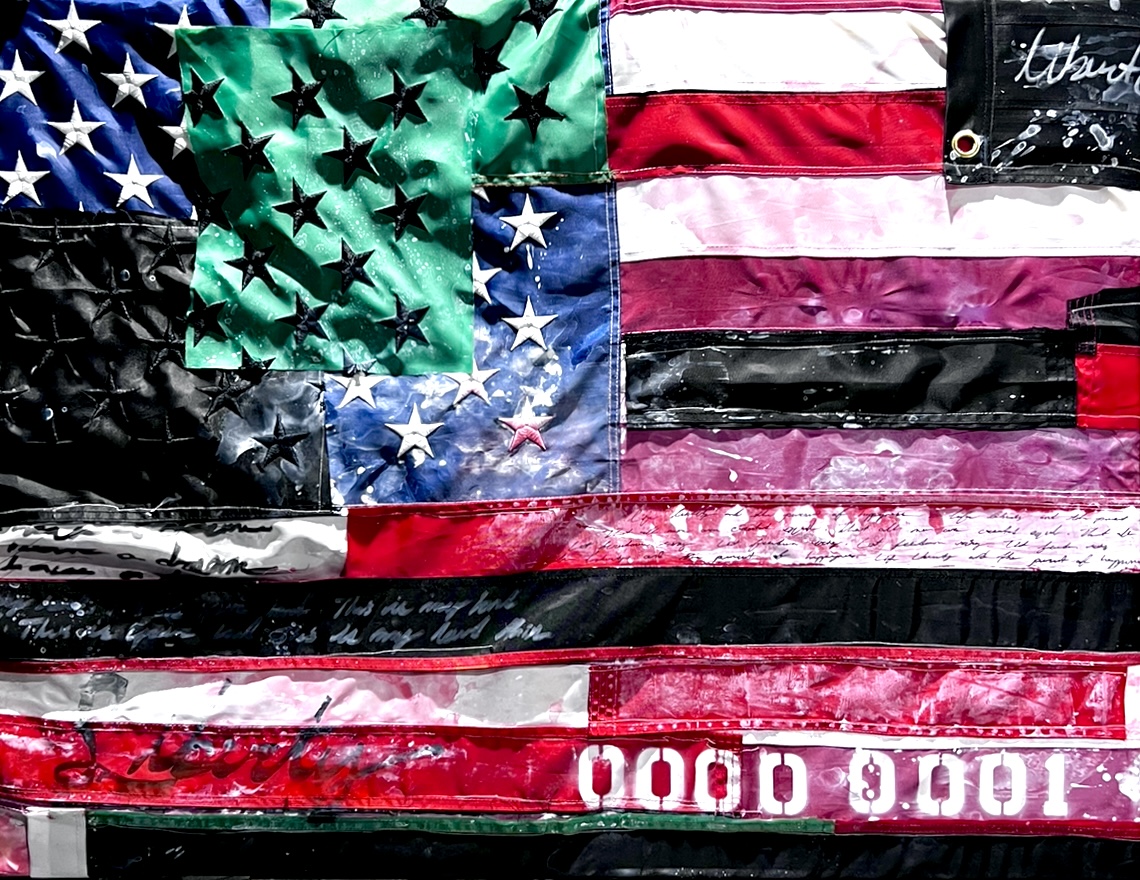
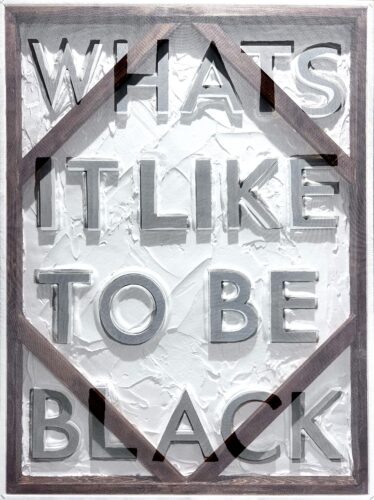
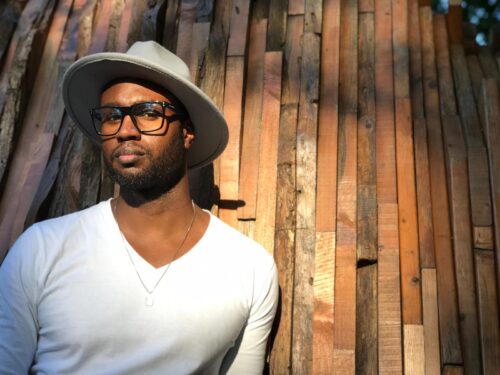
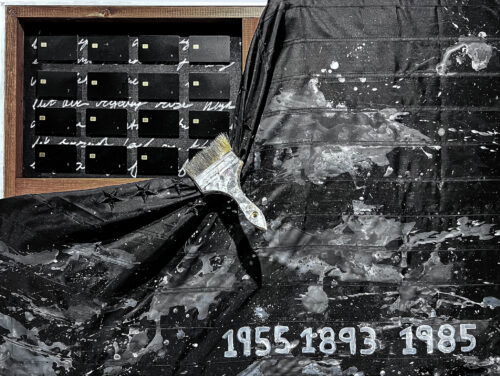
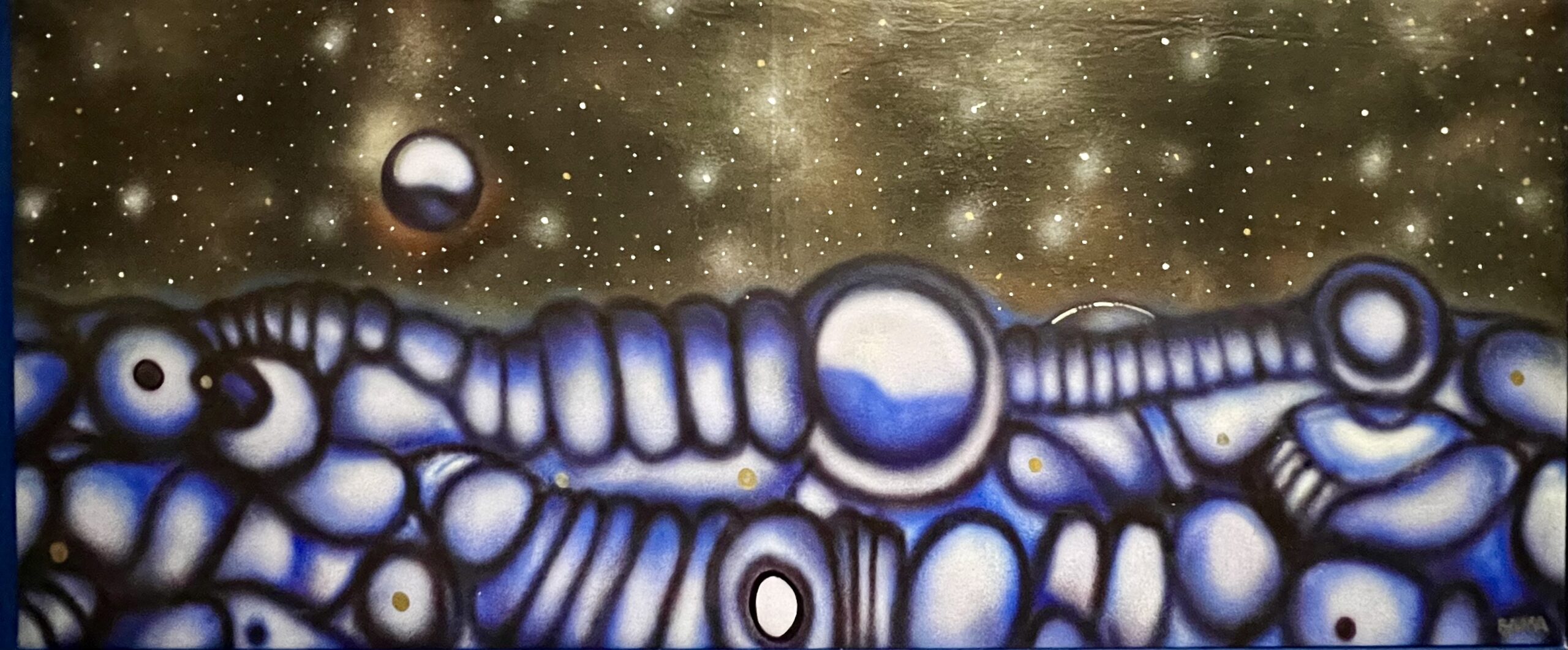
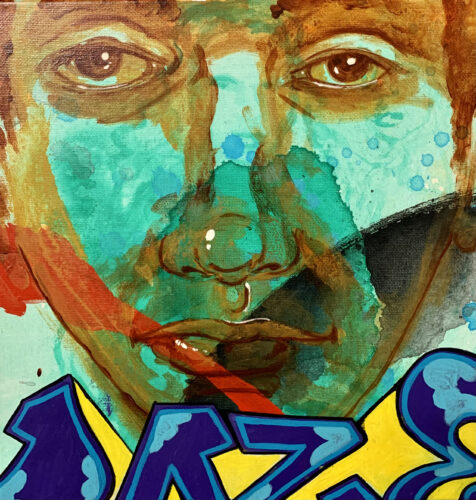
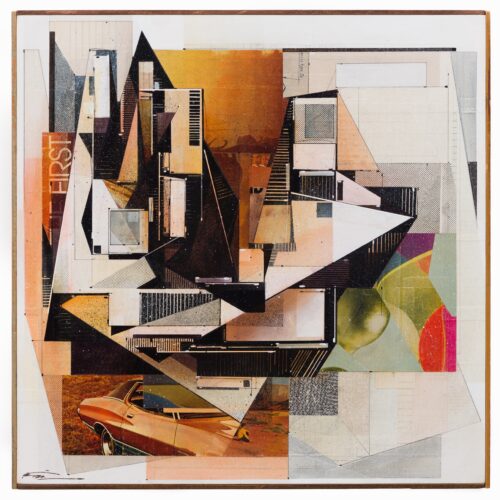
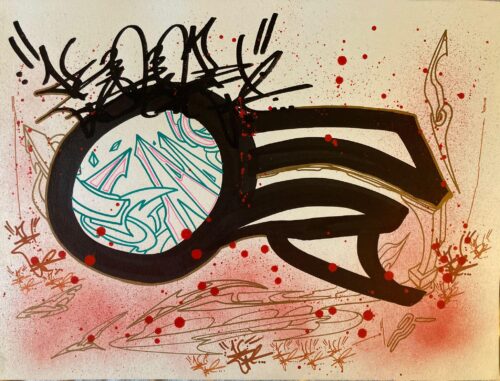
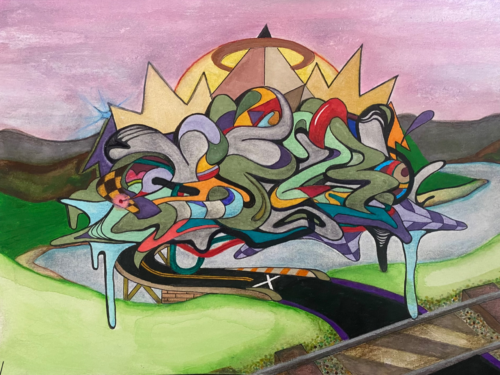
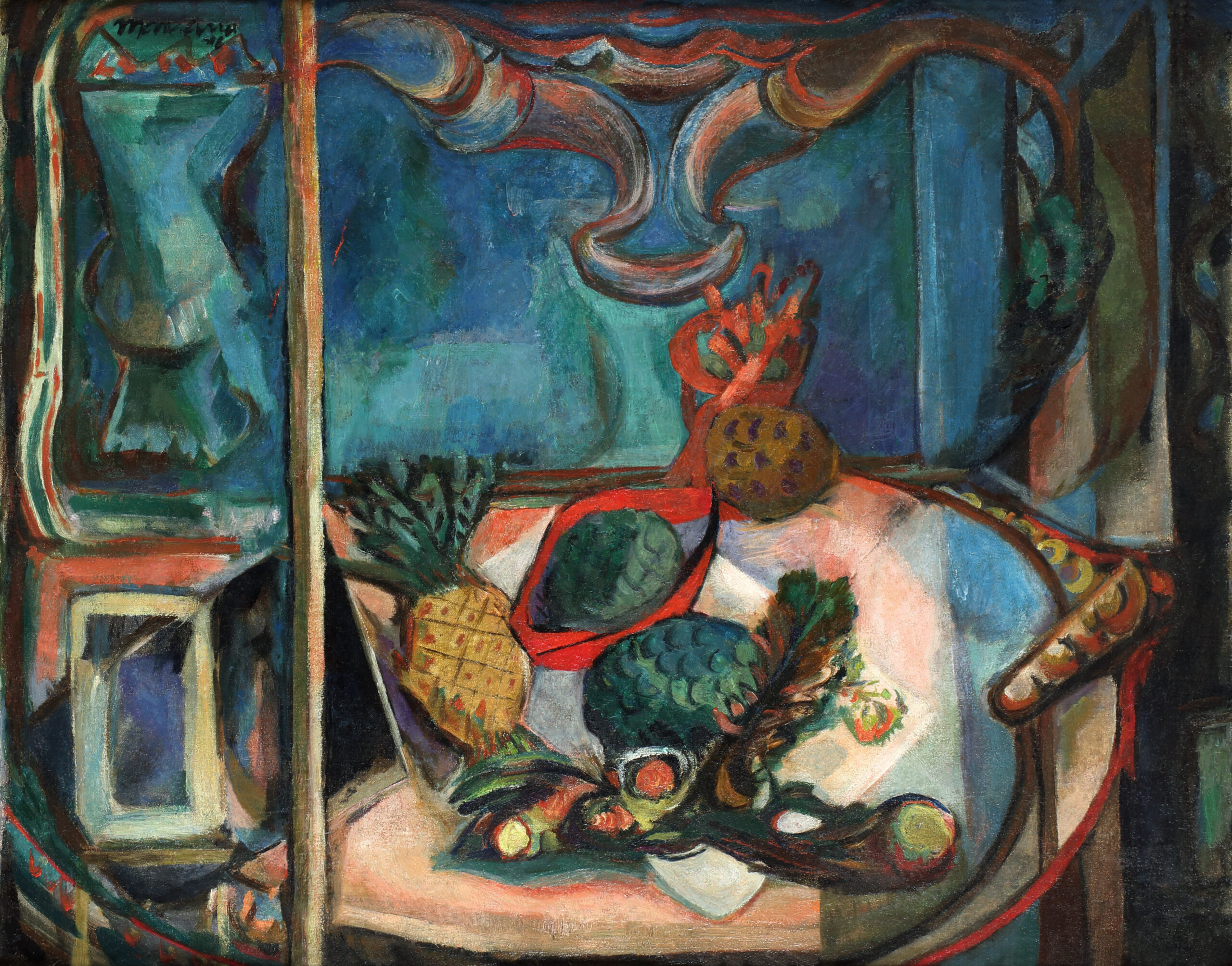
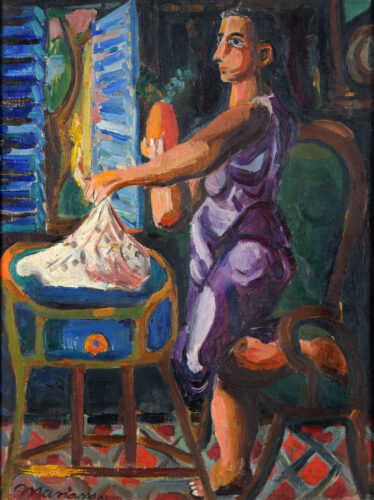
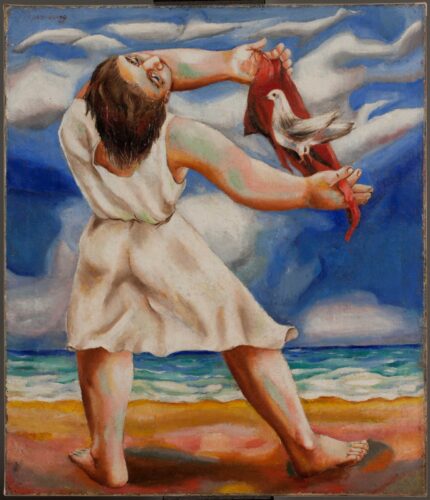
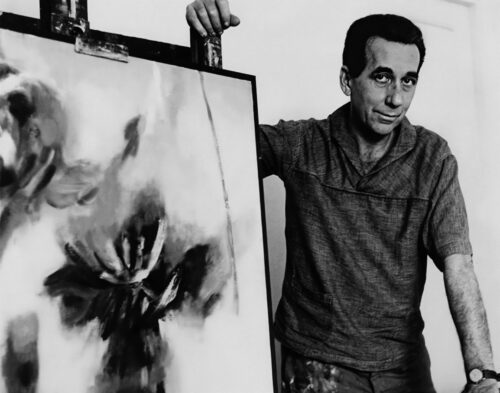
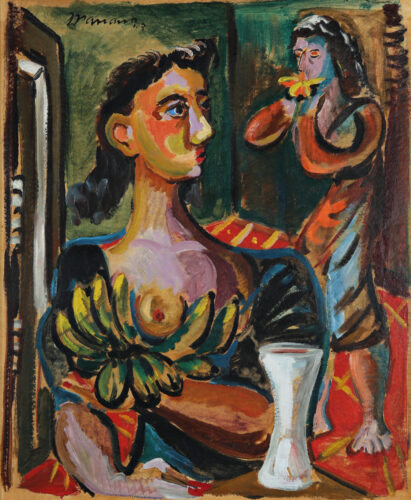
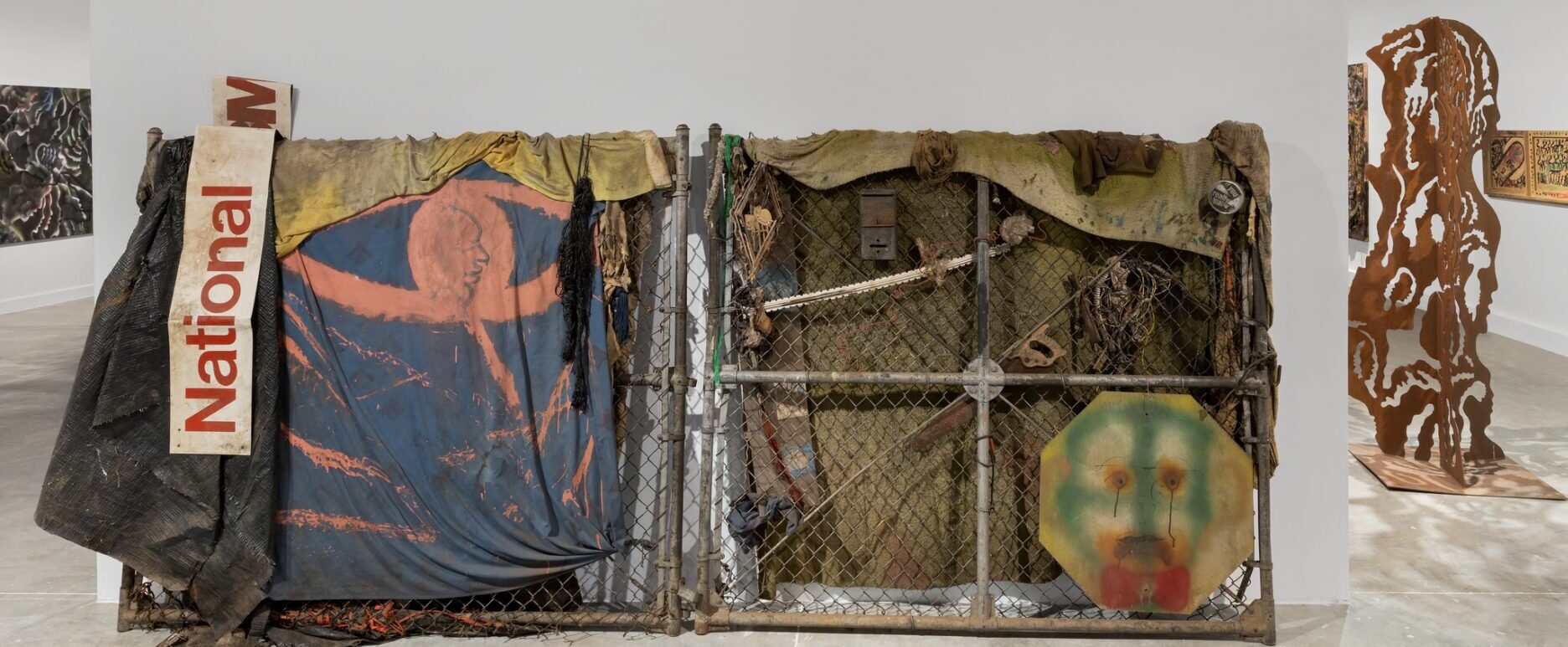
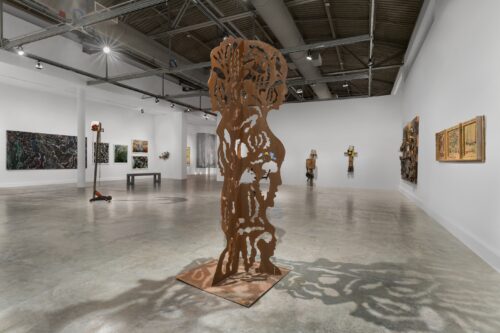
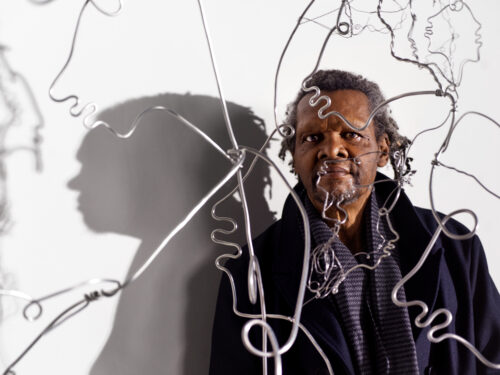
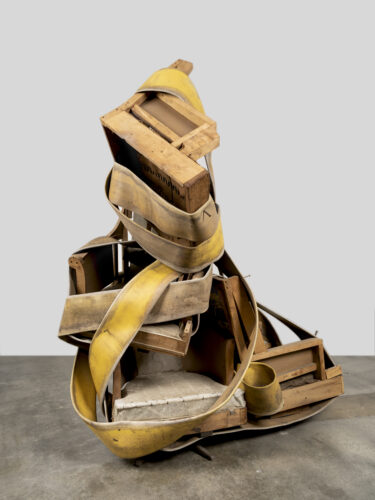
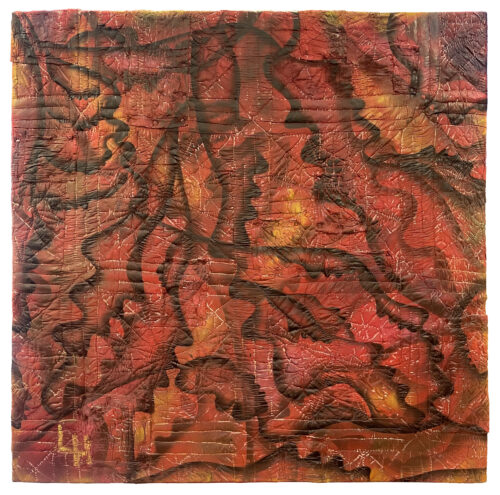
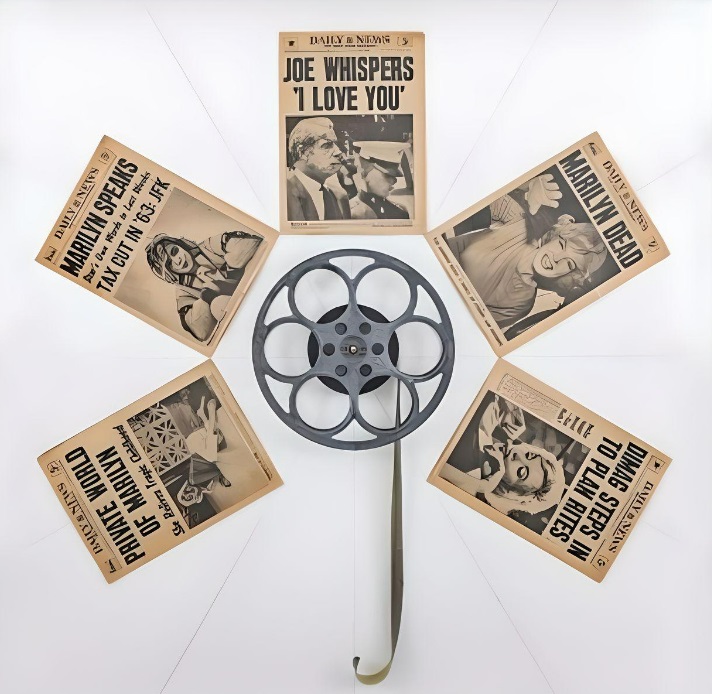
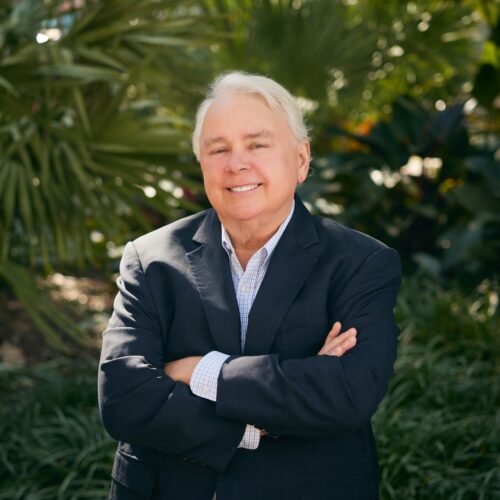
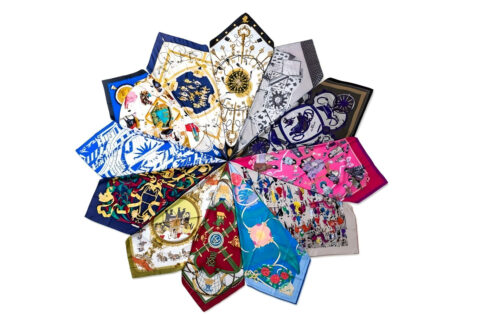
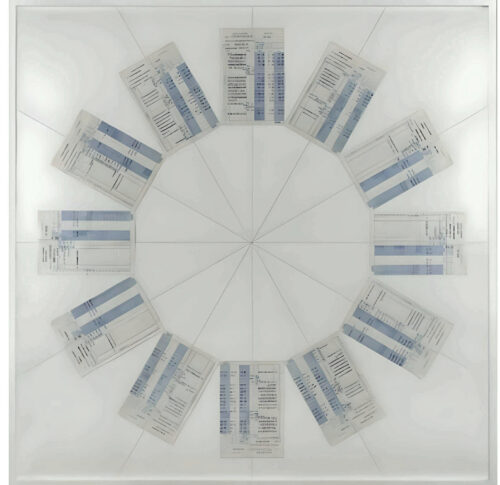
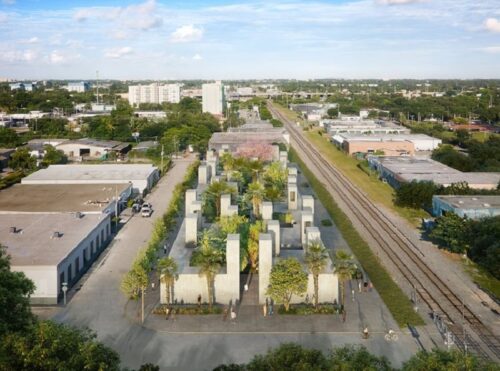
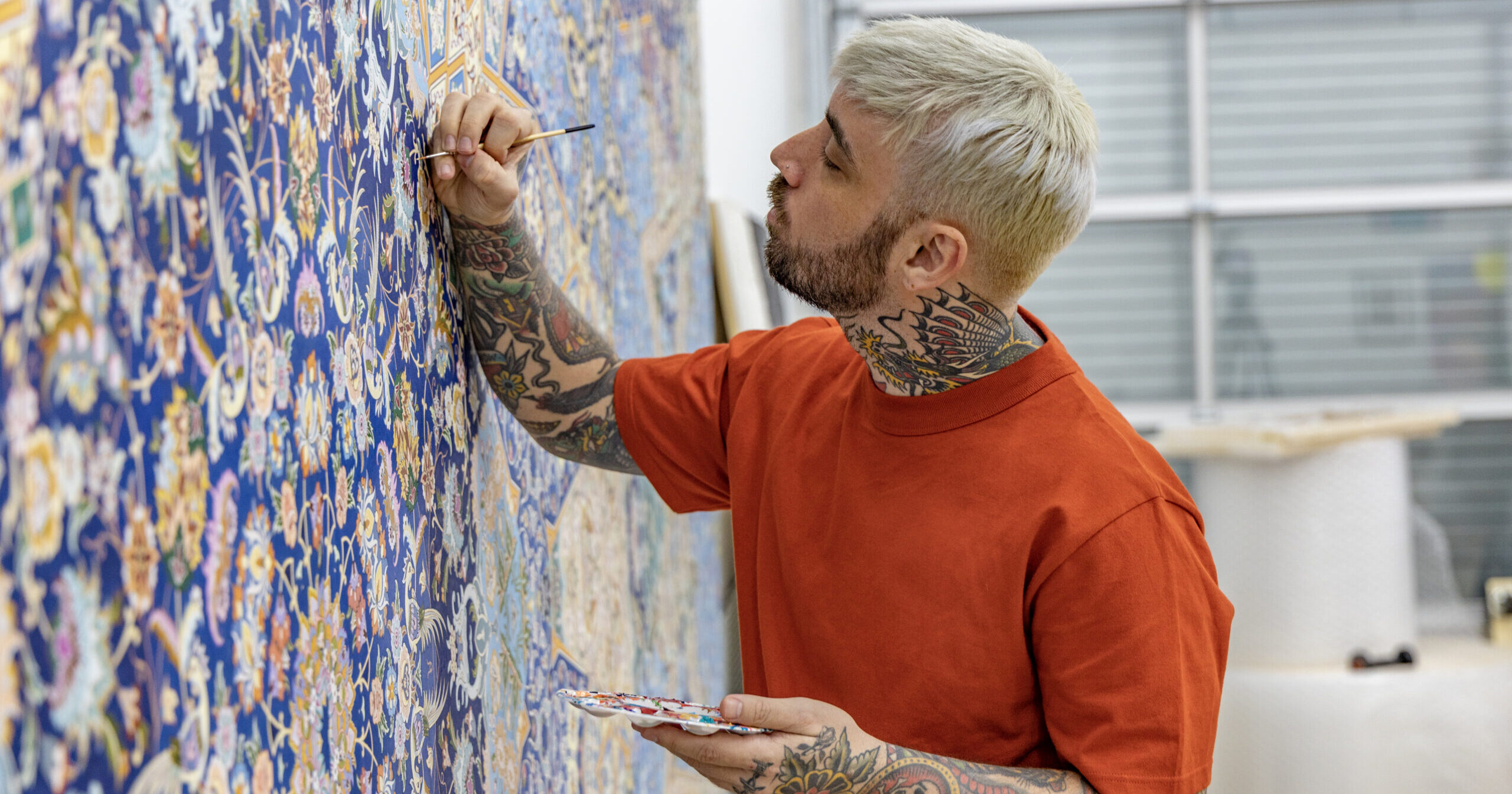
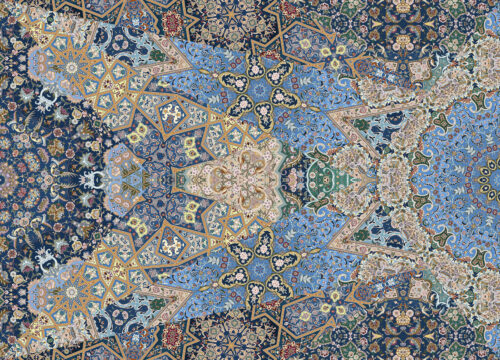
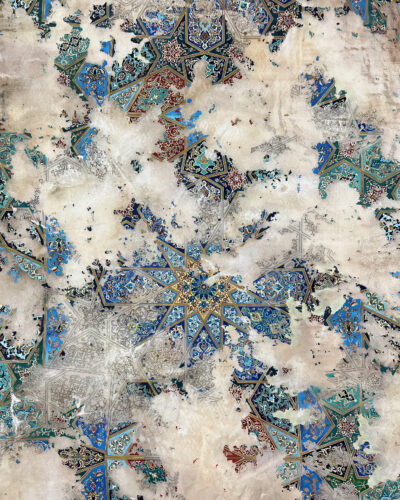
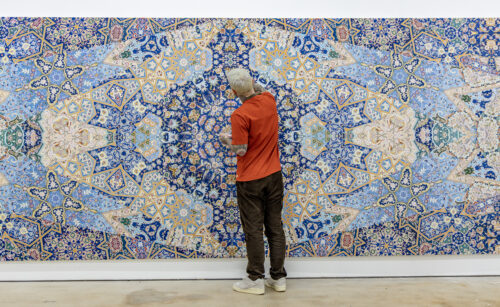
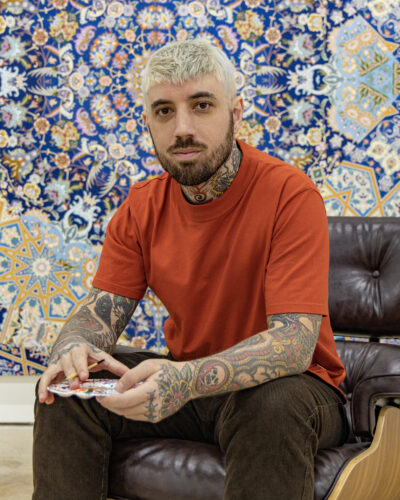
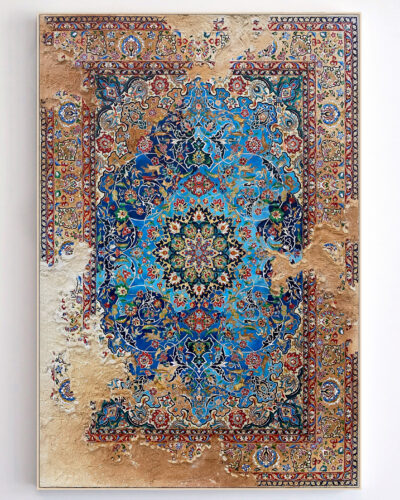
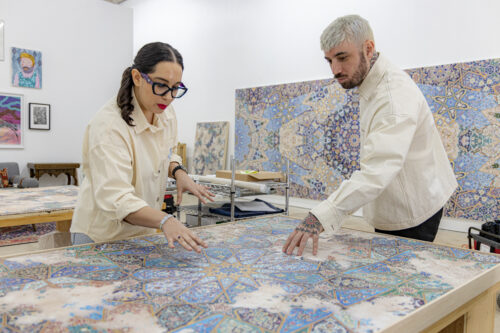


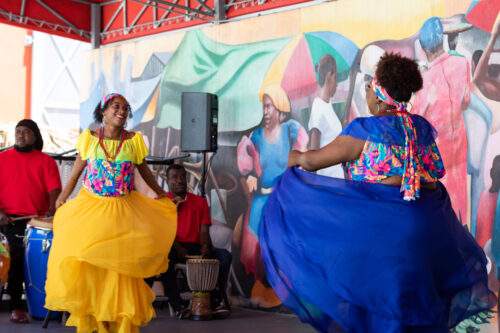


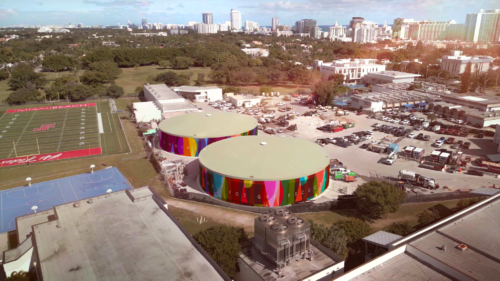
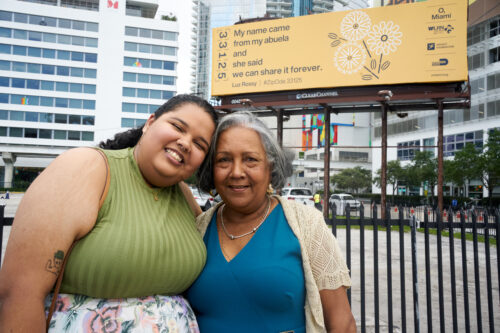
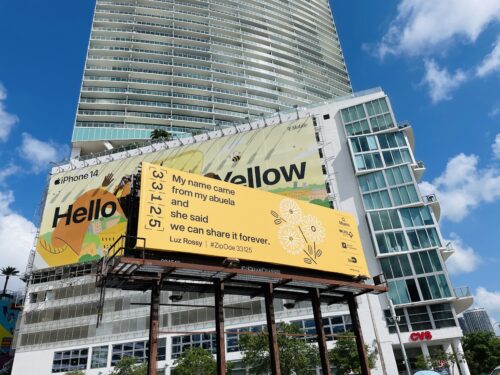
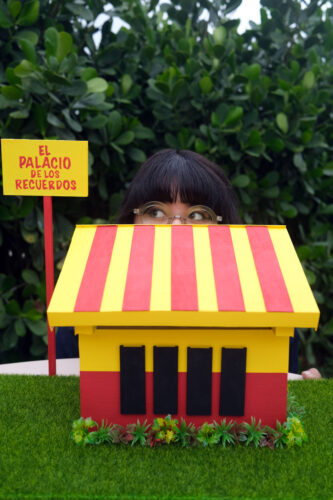
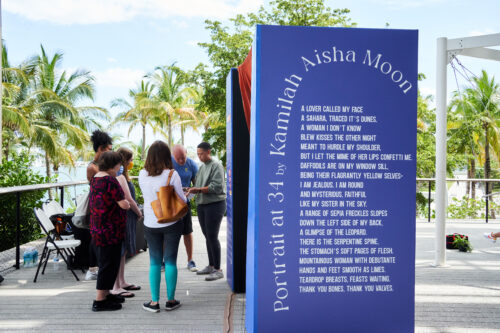
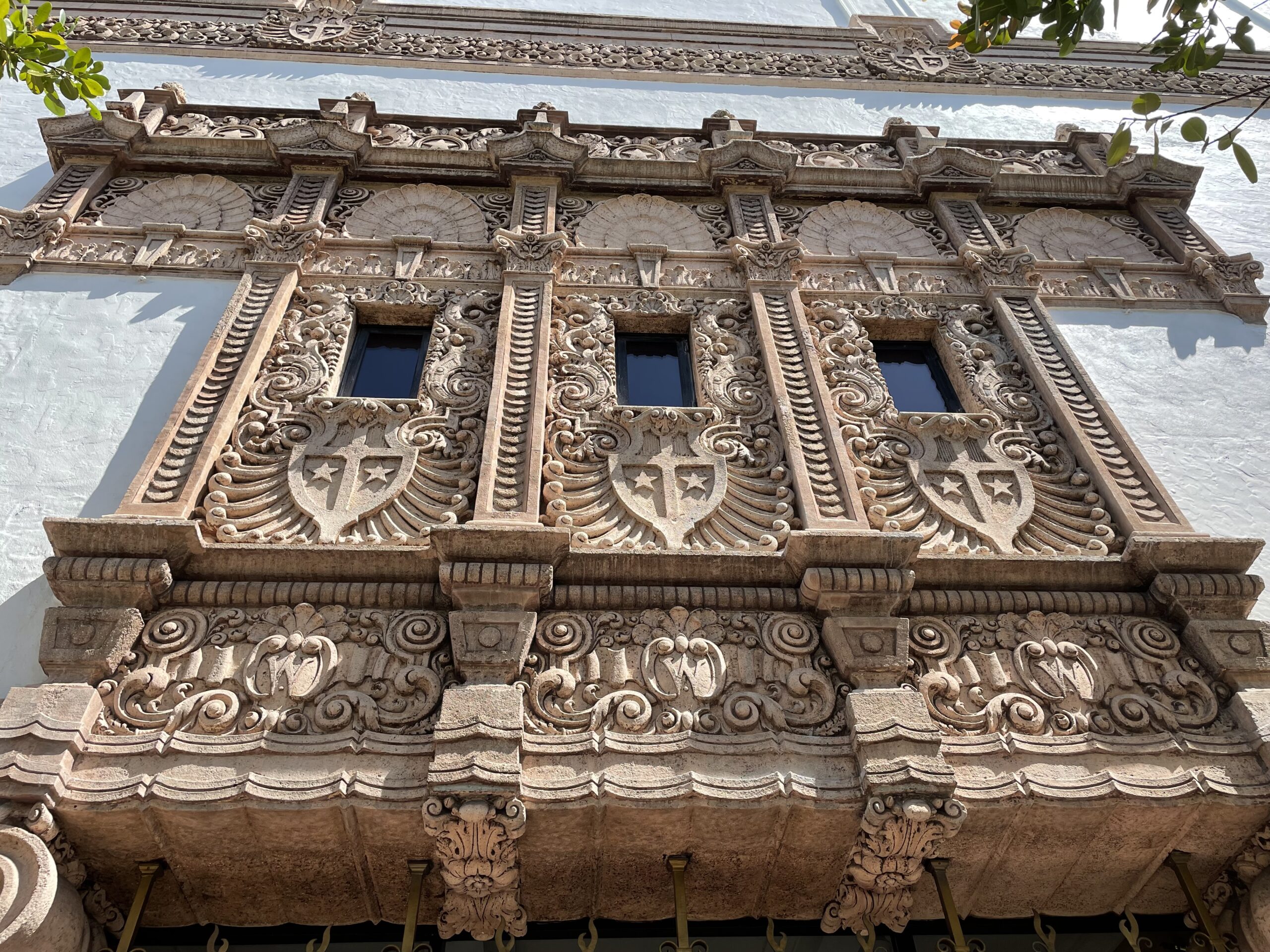
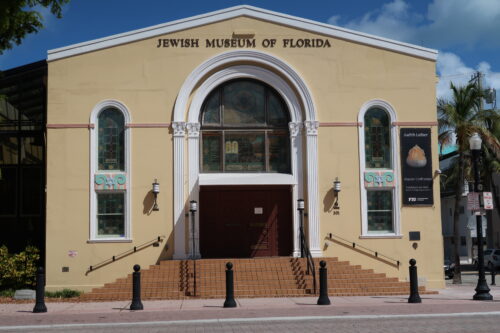
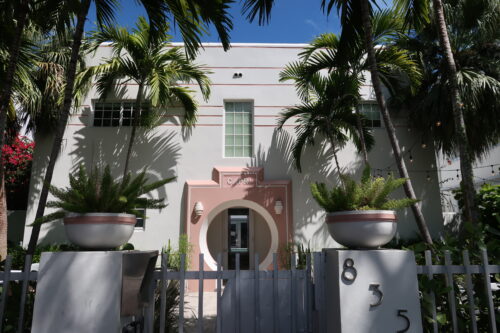
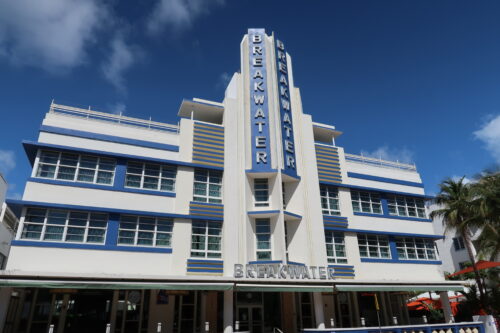
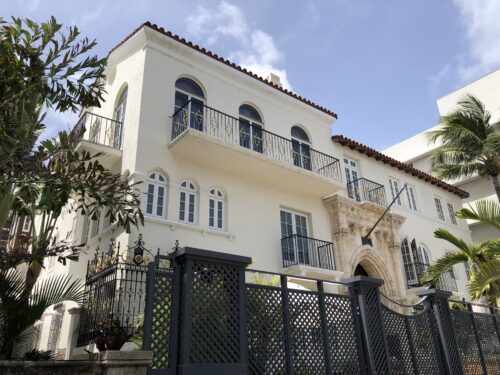
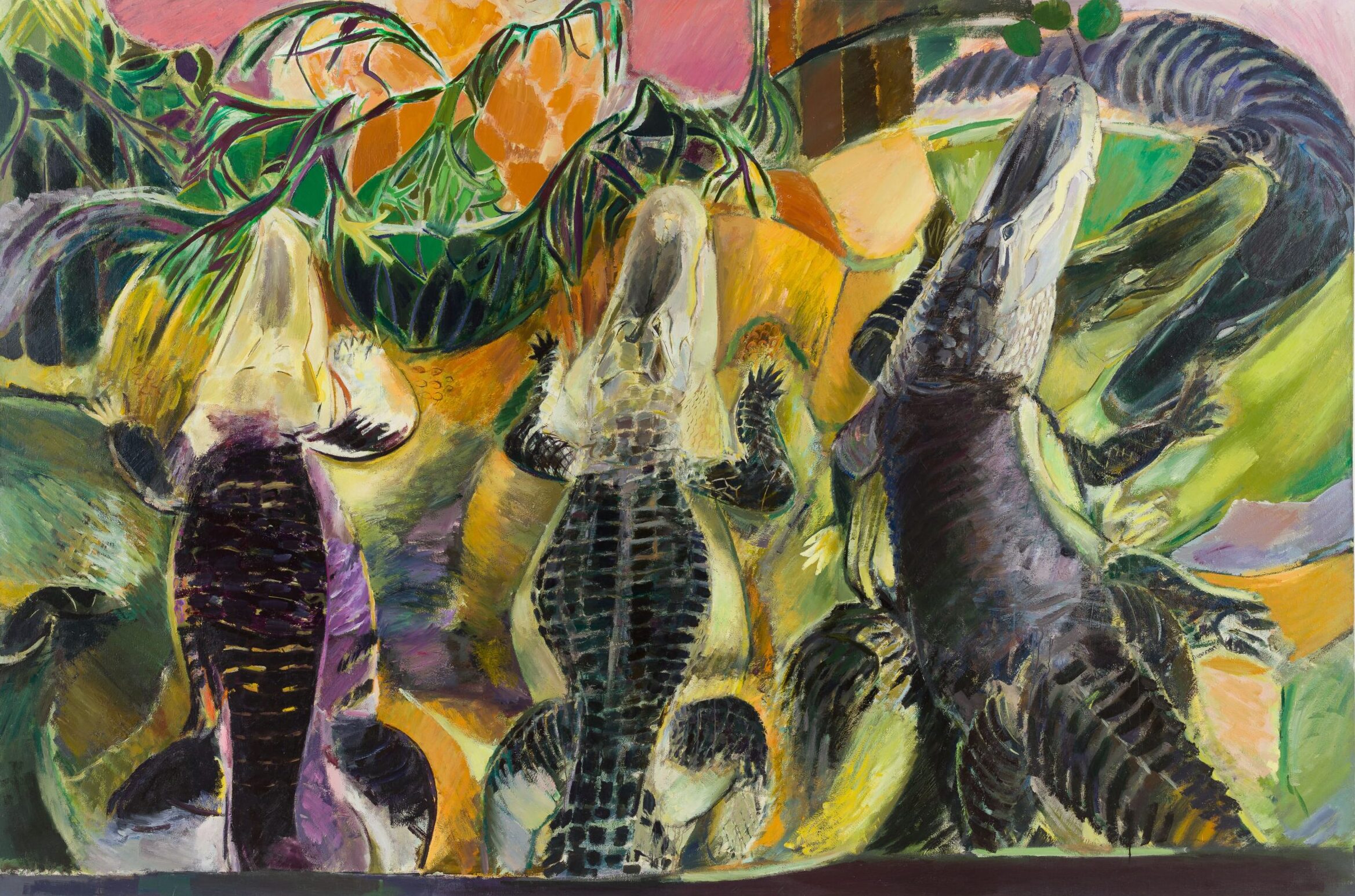
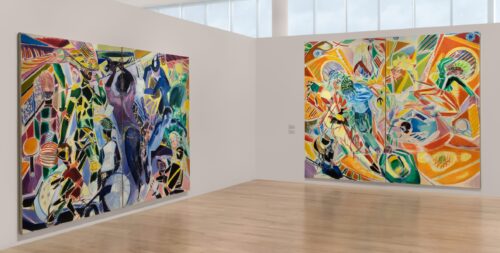
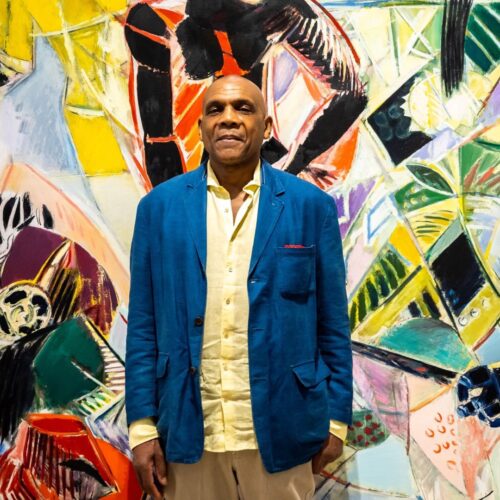
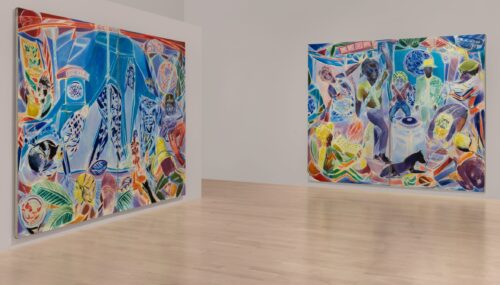
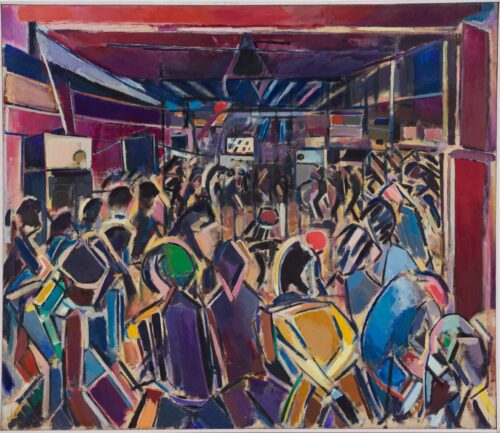
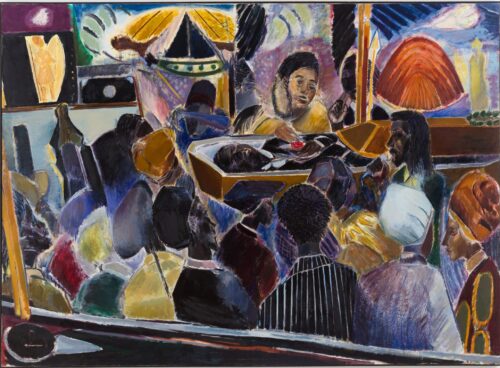
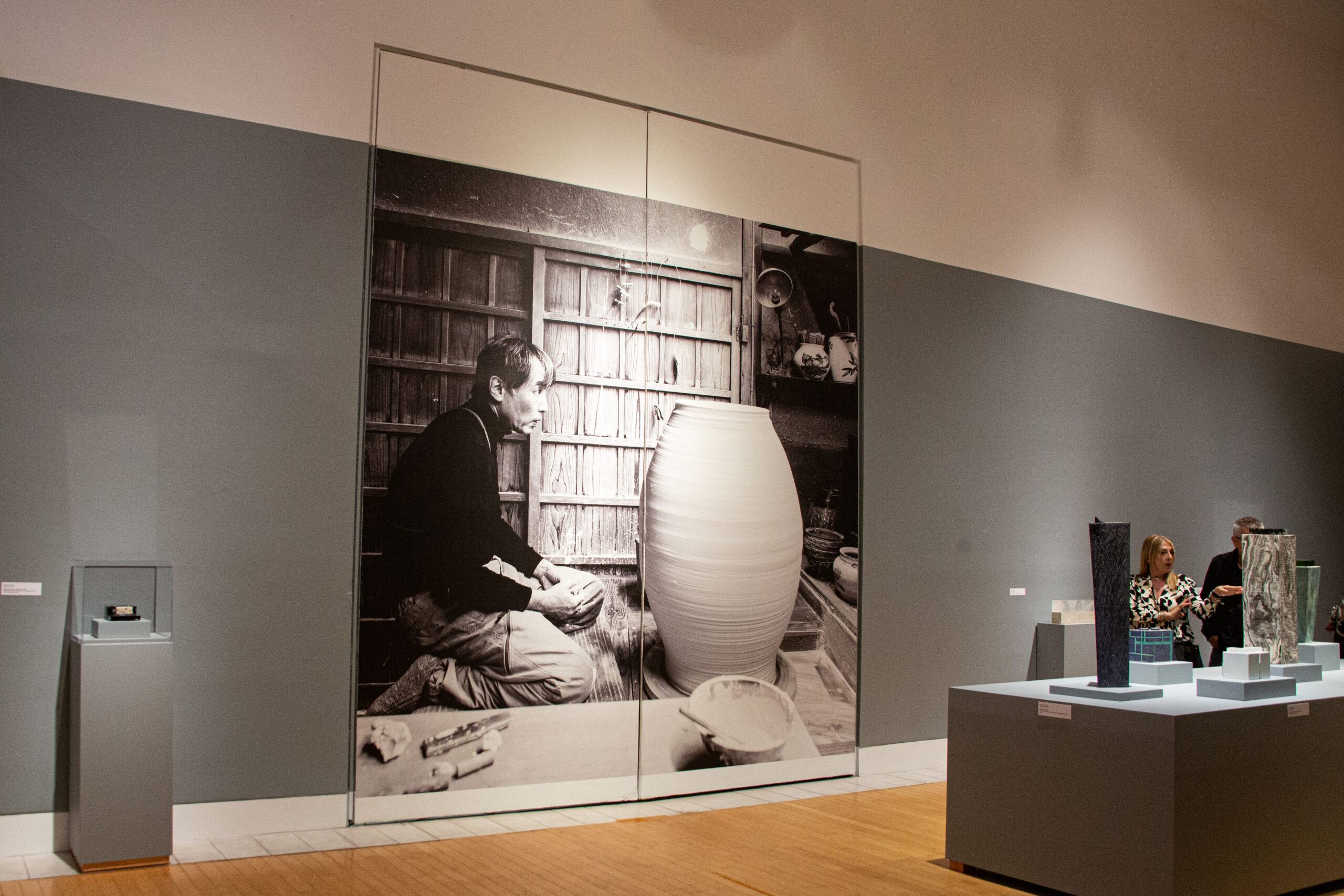
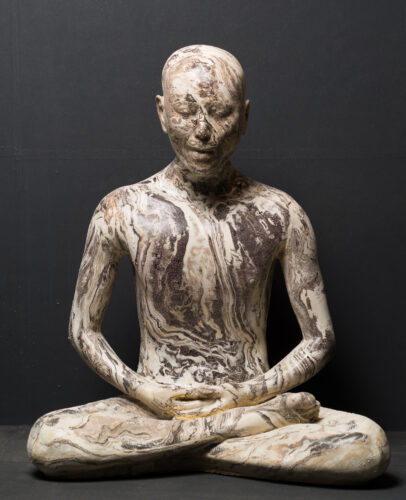
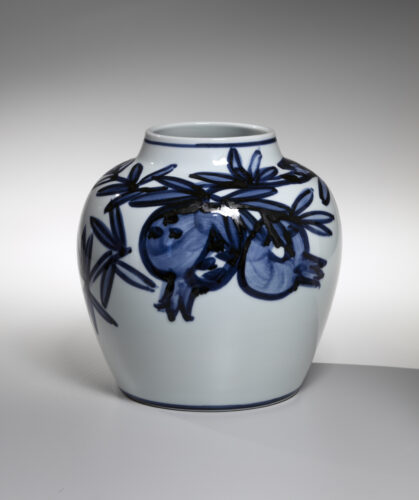
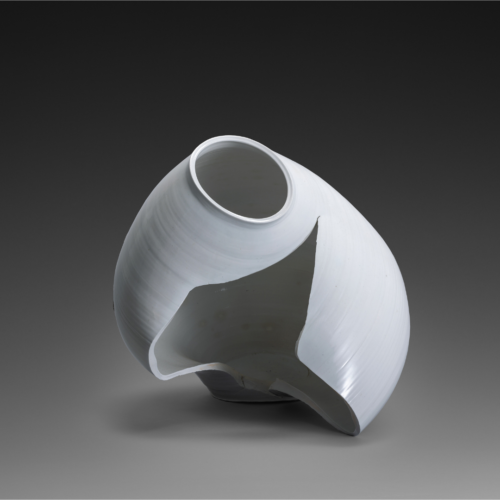
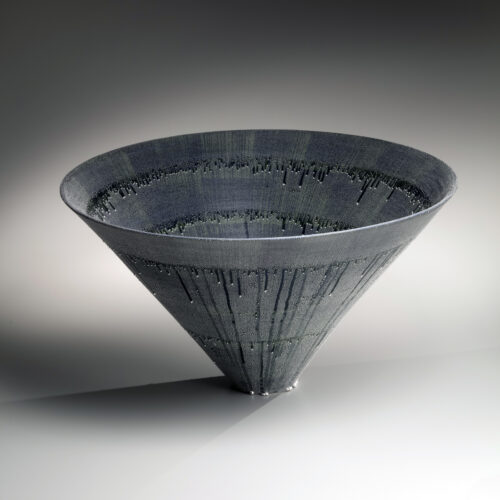
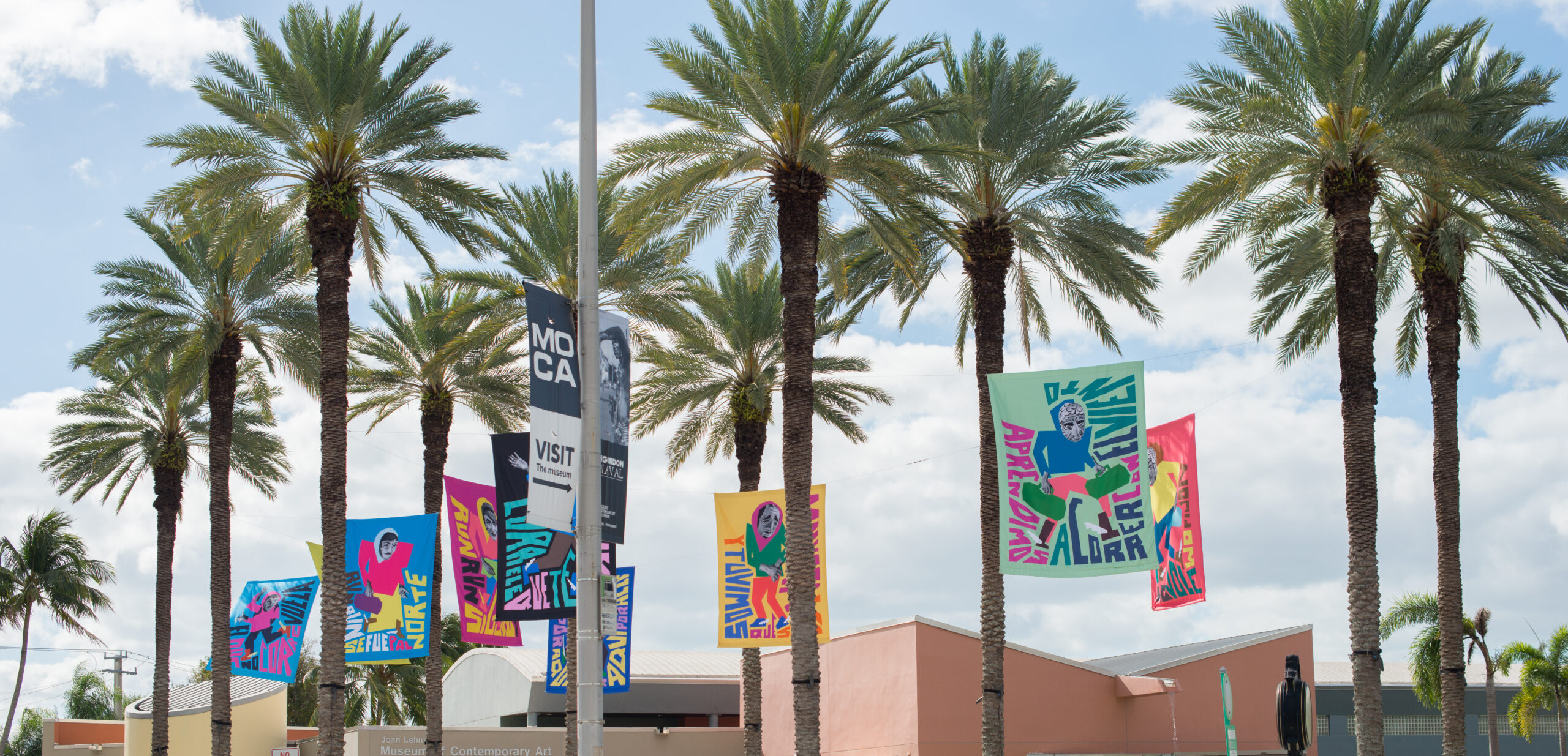
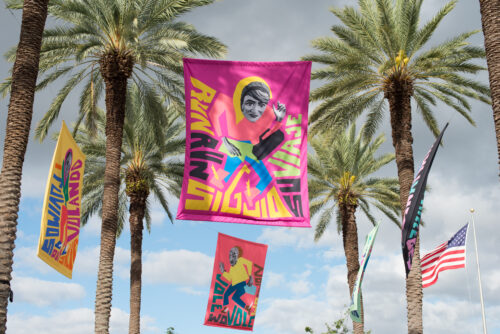
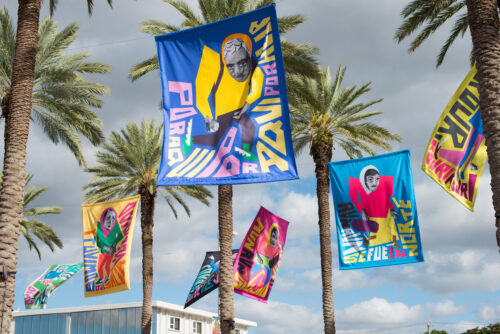
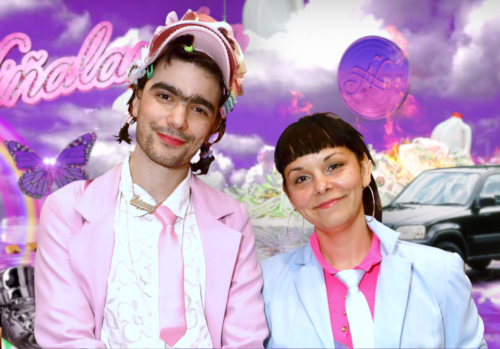
Recent Comments