Written By Sergy Odiduro March 25, 2021 at 2:47 PM
Renter rights activist Mychelle Bentley is featured in Vanessa Charlot’s documentary, “Final Notice,” about the eviction crises during the COVID-19 pandemic. (Photo courtesy of Oolite Arts)
A search for makeup trends on YouTube led one South Florida businesswoman on a quest to quietly transform her neighborhood.
Which, in turn, led her to lend her voice to “Pass the Mic: We Will Tell Our Stories,” a virtual screening event presented by Oolite Arts and the Community Justice Project.
The collaborative effort, set to air at 7 p.m. March 31, aimed for “community-centered storytelling,” pairing three filmmakers with Miami residents affected by critical everyday issues – many of which have worsened since the onset of the Coronavirus pandemic.
“These documentaries are being told by people who live these issues,” said Nadege Green, director of community research and storytelling for the Community Justice Project, which is composed of lawyers who advocate for low-income communities of color. “This isn’t something that they learned secondhand … or read in a book or studied. This is real life for them. They are on the front lines, and they should be the ones to tell their story.”
Among them is Sherina Jones, an aesthetician who owns Miramar-based Snob Beauty Box and who created Village Free(dge), a neighborhood food program. She initially began helping to feed residents after stumbling onto a YouTube video on community refrigerators.
She purchased a refrigerator for the cause, stocked it with food, then reached out to The Roots Collective, a group dedicated to the economic growth and self-sufficiency of Black and Brown communities. Their partnership has evolved into a food bank and pantry in Liberty City.
Though she launched the program amid a pandemic, Jones notes that the obstacles residents face are nothing new.
“Even before COVID, [food insecurity] was always an issue,” Jones said. “Most of [our participants] don’t have transportation. It’s hard to get to some grocery stores and shop in bulk. So that’s what creates food deserts, and that’s where we place the community refrigerators.”
Though helping to feed the community is its main initiative, it’s not the sole focus of Village Free(dge). The organization also supports participants by seeking overall solutions to systemic problems. Ultimately, the goal is for participants to choose a path of self-sufficiency.
“Some are looking for work,” Jones said. “Some need a second chance or need therapy or counseling. So there are so many things to deal with outside of food, and once they have food out of the way, then they can work on the next level of getting back into life.”
Filmmaker Alicia G. Edwards, whose documentary focused on Village Free(dge), said she gained new insights while working on the film.
“I was really surprised by how many people in that line every morning were working, ” she said. “I also think the really cool thing about the Village Free(dge) is that so many of the people who use the pantry also volunteer there.”
Edwards was particularly taken by Jones’ public service.
“This is a woman who gets up at 6 o’clock every morning,” Edwards said. “She doesn’t have to do it, but it’s of her own volition, and I think that’s really admirable.”
Sherina Jones is an entrepreneur with a passion for helping the community. She founded the Village (FREE)dge to provide free food. (Photo courtesy of Oolite Arts)
Dennis Scholl, president and CEO of Oolite Arts, points to the documentaries as a great example of a positive partnership between communities and artists. The three films average about 10 minutes each.
“Artists have an important role to play in communities and can lead the way in bringing critical issues to light through their work,” he said. “Presenting issues to audiences through art – whether it’s a painting, a poem or a documentary – can make people think differently and cause them to be more receptive to other people’s lived experiences and viewpoints.
“That’s important,” he added. “Especially when you’re talking about such important issues like food insecurity and affordable housing, which need to be addressed in Miami.”
The Community Justice Project’s Green said the inclusion of authentic voices was an essential element of the films. To gain a proper perspective from the outset, Green challenged the notion of who was considered knowledgeable about community-based issues.
“I think we need to talk about who are the experts,” she said. “Those in academia and politicians are typically far removed from the issues that they [specialize in] and we wanted to upend that. We wanted to look at that differently.”
Since voices from the community were paramount to the project, the filmmakers – which also included Vanessa Charlot and Fxrbes – reached out to work directly with those affected by the pandemic.
In addition to Jones, their films feature Danny Agnew of the Roots Collective and Village Free(dge), tenants’ rights organizer Mychelle Bentley, and Lizabeth Torres of incarcerated rights group, Beyond the Bars.
Green hopes these types of projects will continue, allowing residents to be adequately heard and be the focal point of change.
“[Some] call these communities voiceless,” she said. “If we’re going to be honest about it, it’s not that they’re voiceless, it’s that they’re unheard. But the onus is on you to hear them.”
WHAT: “Pass the Mic: We Will Tell Our Stories,” presented by Oolite Arts and Community Justice Project
WHEN: 7 p.m. March 31
WHERE: Virtual screening, followed by a discussion moderated by Nadege Green, the Community Justice Project’s director of community research and storytelling
Review: ‘Art Heist’ is a fun idea but far less dramatic than the real-life crime
Written By Christine Dolen March 20, 2021 at 5:26 PM
Actors play suspects and investigators in “Art Heist Experience” at Miami’s Arsht Center for the Performing Arts. (Photo courtesy of Justin Namon/ra-haus)
True crime stories fascinate us. The proof lies in countless movies, books, TV shows, podcasts, plays and even operas built around the minor-to-horrific misdeeds of real-life crooks.
Creator-producer Justin Sudds and writer-directors TJ Dawe and Ming Hudson offer up another example of the genre in “Art Heist Experience,” an interactive outdoor show with separate productions now playing at Miami’s Adrienne Arsht Center for the Performing Arts and Fort Lauderdale’s Broward Center for the Performing Arts.
“Art Heist” is inspired by the March 18, 1990, theft of art worth $500 million from Boston’s Isabella Stewart Gardner Museum.
Two men posing as police officers appeared at the museum in the early morning hours and told security guard Rick Abath they were there to investigate a disturbance. Abath let them in, and after fellow guard Randy Hestand was summoned back from his rounds to the security desk, the “cops” handcuffed and duct-taped both guards. The two were taken to the basement, where they remained cuffed throughout the robbery. The crime took 81 minutes. The reward for the safe return of the art has since grown to $10 million, but nothing has been recovered. Netflix is scheduled to release a four-part documentary series about the crime titled, “This Is a Robbery: The World’s Biggest Art Heist,” on April 7.
At this point, you may be wondering how Sudds, Dawe and Hudson made interactive theater out of a crime that has remained unsolved for 31 years – and how the experience plays out in a place as different as South Florida is from Boston. The short answer from experiencing the show at the Arsht on St. Patrick’s Day: “Art Heist Experience” is far less dramatic than the crime itself.
Blondean Young plays seasoned art thief Myles Connor Jr. (Photo courtesy of Justin Namon/ra-haus)
The conceit is that members of the audience – masked and socially distanced as they walk from location to location – are recruits brought on to help solve the case. Ticket-holders use their phones to scan a digital dossier giving basic details about the crime and each of the four suspects they’ll encounter – security guard Abath (Natalie Cabo), career criminal David Turner (Ryan Crout), con man Brian McDevitt (Michael Ferreiro) and art thief Myles Connor Jr. (Blondean Young) – as well as three specific clues per suspect.
Ryan Gigliotti as security expert Anthony Amore and Melissa Almaguer as FBI agent Bob Wittman lead each group from suspect to suspect, and at every stop the possibly guilty assure us of their innocence, then respond to our questions with annoyance, charm or just a hint of menace. There are no choir boys in this bunch.
After the final suspect encounter, you review clues with the actor playing Harold Smith (Eric Pinder), an eyepatch-wearing art recovery expert for Lloyd’s of London who has (he confides) been dead since 2005. Then you vote on whodunit, not that the vote proves anything, and that’s that.
Sounds like fun, especially since live theater experiences are in such short supply these days, right? But “Art Heist” also has several factors working against it.
You need to be mobile and have some stamina, no matter the temperature. At the Arsht, for instance, you wind up walking the perimeter of the Ziff Ballet Opera House and Knight Concert Hall campus, some stairs included, and you remain standing for almost all of the show’s 90-minute run time. You can bring water, and you should, since no drinks are sold.
Having information about the crime and suspects on your phone is handy, but if you’re trying to absorb it as you go, you’ll find your gaze on the phone as you click through explanations and clues, rather than being fully engaged with the actors.
Melissa Almaguer plays FBI stolen art expert Bob Wittman. (Photo courtesy of Justin Namon/ra-haus)
Although all the characters are men, some of the actors aren’t, so a disconnect can happen as you watch a woman play a real-life male suspect whose photo is on your phone. Each actor is steeped in the background of his or her character, but some are better improvisers than others, and staying in character on the fly as you’re being bombarded with questions is a necessity.
All of the actors wear microphones, which helps, but masked theatergoers firing questions are sometimes hard to hear. The Arsht’s location — bisected by busy Biscayne Boulevard and so near the traffic roar of Interstate 395 (with planes from Miami International Airport passing overhead) — doesn’t enhance the auditory part of the experience.
If you’re a true crime fan, miss theater, and have a spirit for adventure, “Art Heist Experience” may be for you. But you’ll likely enjoy it more if you do three things: Read about the crime before you go (the facts are easy to find online); bring a bottle of water; and wear your most comfortable walking shoes.
“Art Heist Experience” is playing at the Arsht Center, 1300 Biscayne Blvd., Miami, from March 20-21 and March 25-28; another production of the show plays at the Broward Center, 201 SW Fifth Ave., Fort Lauderdale, from March 20-21, March 23-28 and March 30-April 4; performances begin every half-hour on a varying schedule, so check websites for exact times; tickets start at $43 and $48 at the Arsht Center and $39.50-$44.50 at the Broward Center; visit arshtcenter.org or call 305-949-6722 for Miami tickets; visit browardcenter.org or call 954-462-0222 for Fort Lauderdale tickets.
38th annual Miami Film Festival goes hybrid, with in-person and virtual screenings
Written By Michelle F. Solomon March 2, 2021 at 11:03 PM
Shein Mompremier plays Ludi in Edson Jean’s film of the same name, which is set to open the Miami Film Festival on March 5. (Photo courtesy of Bantufy Films)
In March 2020, the pandemic forced the Miami Film Festival to close with just four days left in its run. Now, a year later, the festival is going forward with a hybrid format: in-person screenings at one cinema (instead of its typical multiple venues) and virtual screenings to enjoy from home.
“Most of the films that will be live will also be virtual,” says Lauren Cohen, the festival’s associate director of programming. “We got over 1,000 submissions this year, and we have over 100 films from 40 countries.”
The festival opens on March 5 with an in-theater, world-premiere screening of Miami-based filmmaker Edson Jean’s “Ludi,” based on his Haitian mother’s job as a home health aide for Miami seniors and her experience trying to make her way in America. A personal story with a screenplay by Jean and co-writer Joshua Jean-Baptiste, “Ludi” will also be available to watch virtually.
The film will compete for both the $40,000 Knight Made in MIA Feature Film Award supported by the John S. & James L. Knight Foundation, and the $10,000 Jordan Ressler First Feature Award. Jean received $50,000 from Oolite Arts to create his film.
Edson Jean’s film, “Ludi,” is the first film to emerge from the Oolite Arts Cinematic Arts Residency program. (Photo courtesy of Chris Diamond)
In fact, “Ludi” is the first film from Oolite Arts’ Cinematic Arts Residency program, which began in 2019. It is also Jean’s first feature film. His most recent work was an online streaming dramedy titled, “Grown,” and he wrote, directed and starred in “The Adventures of Edson Jean,” a 20-minute short film made in 2013 and aired on HBO.
Creating “Ludi” as part of the Oolite Art’s program was a learning experience in so many ways, Jean says.
“It taught me that there isn’t just one way to make a film,” he says. “It was really important for me to not try to make a film that looked like it had a half a million-dollar budget when it had $50,000.”
Jean says he learned to “lean into the fact” that he was working within a smaller budget. “Then, by proxy, you can get something that feels like a complete story and a piece of art,” he says.
The Cinematic Arts Residency program is intended to help fast-forward the careers of Miami filmmakers and to bring Miami stories to the big screen.
Jayme Kaye Gershen’s “Birthright” follows the Miami-bred, electro-pop duo, Afrobeta, on their journey to Havana. (Photo courtesy of Jayme Kaye Gershen)
“Oolite is a conduit for that,” Jean says. “There are some exciting filmmakers in Miami, and Oolite is literally creating this channel that’s not dependent on anything like an incentive from the city to build Miami’s film identity.”
Jean never expected “Ludi” to be selected to kick off the 38th edition of the festival. But like so many things, COVID-19 changed the course of the movie’s trajectory.
“The idea from the beginning was to use the film as a gateway to galvanize the community,” Jean says, with the idea of presenting it in community centers and churches – and no goal of running it in big-box movie theaters or having it picked up by a large distribution house.
Once in-person gatherings return, he hopes to begin the movie’s Florida tour of eight cities, from Miami-Dade to Orange counties.
Jean says the film was finished before COVID-19 hit, so he was able to take his time and refocus. Then came the invitation from the Miami Film Festival: “Just for the film to appear at the festival was special on its own.”
To have it chosen as the festival opener was an extra honor.
“Edson’s film was one of the most exciting things to happen,” Cohen says. “When we saw the lineup taking shape, and when we were programming for the opening, we found this incredible film.”
Organizers also discovered another film that came out of Oolite Arts’ Cinematic Arts Residency: a documentary by Jayme Kaye Gershen titled “Birthright,” which follows Miami electro-pop duo Afrobeta as they prepare to perform in Havana. It is scheduled to close the festival on March 14.
Miami filmmaker Jayme Kaye Gershen’s film, part of the Oolite Arts Cinematic Arts Residency program will close the Miami Film Festival on March 14. (Photo courtesy of Jayme Kaye Gershen)
“The film is about cultural identity. What does it mean to label yourself someone who is Cuban if your parents are Cuban but you were born in Miami and have never set foot in the country,” Cohen says. “They take this journey as they deal with their parents who left Cuba and are angry at the thought of them going there and them wanting to go to find their ties – their roots.
“It sets the right tone for the closing night.”
Gershen’s film will compete for both the festival’s Documentary Achievement Award and the Knight Made in MIA Feature Film Award.
“Made-in-Miami films are so important to us,” Cohen says. “And to be able to bookend the festival with two MIA films with these incredible local talents … they are both small films, but ones that pack such an incredible punch.”
WHAT: Miami Film Festival, presented by Miami Dade College
WHEN: March 5-14
WHERE:
In-person: Screenings will take place at Silverspot Cinema, 300 SE Third St., Miami, with safety protocols including mandated mask-wearing, socially distanced seating, and theaters at half-capacity.
Virtual: Viewers will receive an email from noreply@eventive.org with more information.
COST: The in-theater experience costs $13 for general admission, $10 for Film Society members, $12 for age 65 and older, and $10 for students and military veterans. Virtual screenings are $13 for general admission.
Zoetic Stage turns to think-fast improv as theater starts to regroup
Written By Christine Dolen March 2, 2021 at 12:14 AM
Jeni Hacker and Elena María García give orders and some attitude to Fergie L. Philippe in “Zoetic Schmoetic” at Miami’s Arsht Center for the Performing Arts. (Photo courtesy of Eyeworks Production)
While a widespread return to indoor theater won’t happen yet, some companies and venues have figured out creative ways to come back sooner.
Hence the presence of the fast-paced improv show, “Zoetic Schmoetic,” on the outdoor Thomson Plaza at Miami’s Adrienne Arsht Center for the Performing Arts over the weekend.
Zoetic Stage, based in the Arsht’s Carnival Studio Theater since it launched in late 2010, has built its reputation on impeccably intimate productions of Stephen Sondheim musicals, challenging dramatic fare such as “The Curious Incident of the Dog in the Night-Time,” and world premieres by founder-playwrights Michael McKeever and Christopher Demos-Brown.
But its return to monthly performances after a year of pandemic isolation is strictly for some much-needed laughs.
Through several weeks of rehearsals and theater games, artistic director Stuart Meltzer and improv coordinator/assistant director Elena María García have fashioned a company of actors better known for traditional stage work into a quick-thinking, creatively adept, physically expressive improv troupe.
García along with Clay Cartland, Jeni Hacker, Daryl Patrice, Fergie L. Philippe and Gabriell Salgado each have multiple inspired moments in performance. Yet those moments at the upcoming shows in late March and April are likely to be different from the ones that happened during the “Zoetic Schmoetic” debut on Feb. 27, because that’s the nature of improv: No two shows are alike.
The playing area is on the wide landing and stairs situated between Books & Books and the Carnival Studio Theater. Meltzer sits off to one side, manning a bell that indicates a key moment in a game (when the prevailing emotion changes, for instance) or when the game itself is over.
The fast-paced improv show, “Zoetic Schmoetic,” takes place at the Arsht Center’s outdoor Thomson Plaza. (Photo courtesy of Eyeworks Production)
The audience, seated at distanced tables dotted around the plaza, is sometimes prompted to offer suggestions of words or topics, but mostly those watching just applaud or laugh. A lot.
The scenes/games, which make up a 90-minute show, have names such as: Symphony, Bell, Interrogation, Things I Forgot on the Bus, Professor Know-It-All. The actors have to listen to each other, switch course instantly, weave wildly disparate elements and ideas into something comedically cohesive. If you could convert all that adrenaline into rocket fuel, it would probably be enough to power the next SpaceX launch.
Speaking of which: A car pool game featured Salgado, Hacker, Patrice and Cartland as astronauts on their way to a moon launch, with human sound effects by Philippe.
Salgado’s predominant mood was fear. When Hacker got in the “car” (four chairs, really), the mood instantly shifted to excitement. Then Patrice climbed in the back, bringing with her depression. Finally, a ticklish Cartland got in, causing everyone to giggle and squirm. After that, as each person exited, the mood changed again until Salgado was left all alone with his fear. The improvised dialogue was all space-related, mood-appropriate and funny.
Salgado made periodic appearances as a rapper named Skittles, a guy forced to incorporate audience-suggested words like “spatula” into his rhymes. García and Philippe met at a dog park, summoning their pooches until it became clear that maybe García didn’t actually own a dog. In another scene, Cartland transformed into the previously unknown Miami superhero, Café con Leche Man, to combat the latest national emergency: All the dresses on the planet have disappeared. Goofy? You bet. Hilarious? Heck yes.
Hacker did double duty hopping back and forth in side-by-side restaurant scenes, first sitting opposite García in a fancy French place where the two ex-BFFs tried to mend fences, then hopping over to a literal blind date with Cartland at an eatery where dog food was on the menu.
Cartland played a suspect not privy to the details of a crime (art heist), method (dental floss) and location (Disney World) — but forced to guess all three from clues provided by interrogators Hacker and García. With Patrice, the women played Professor Know-It-All, each taking turns contributing a single word to a not-so-funny, faux NPR-style interview that went on too long.
Then the cast switched it up to put COVID-related lyrics to well-known songs. The performers are all fine singers – Hacker, Cartland and Philippe (who was in “Hamilton” on Broadway) especially so – and you can’t help wishing you could watch them do a full evening of musical improv. And bravo to Matt Corey for his spot-on sound design.
Peter Pan’s Lost Boys and Wendy made an appearance. Cartland and Salgado played a pair of bartenders forced to do ever-more-brief versions of the same improvised scene. Cartland, Salgado and Philippe played members of a middle-school performance art troupe doing a piece about koalas. Then the Simpsons went to family counseling.
Zoetic will doubtless do some tinkering to make “Zoetic Schmoetic” even better before its next back-to-back performances on March 27.
From left, Elena María García, Clay Cartland and Jeni Hacker do some interrogating in “Zoetic Schmoetic.” (Photo courtesy of Eyeworks Production)
Environmental noises like the sounds of motorcycles revving and roaring along Biscayne Boulevard can’t be eliminated, of course, but tweaks to the sound system to eliminate sporadic garbling or feedback can be made. Masking the actors is safe, and the performers use microphones, but the KN95 facial coverings cover the lower half of their faces, taking away one of the most expressive tools in an actor’s arsenal.
Safety is clearly paramount as performers and audiences gather at the Arsht again. Outside the main box-office area at the Ziff Ballet Opera House, theatergoers have their virtual tickets scanned, get a temperature check, take a quick COVID survey (which can also be done in advance), pass through security, then get shown to their tables, where they can order drinks and food from a menu scanned via their phones. Physically, human interaction is minimized.
But the priceless alchemy of performers giving their all to a delighted, responsive audience is as potent as ever. Cartland has a tradition of doing a morning-after post on his Facebook page after his (usually) wildly successful opening nights, writing simply: “They didn’t boo.”
His post after the “Zoetic Schmoetic” opening added a few words that somehow embodied grief and relief, actor and audience back where they belong: “After over one year … they didn’t boo.”
WHAT: “Zoetic Schmoetic,” an improv comedy show produced by Zoetic Stage
WHEN: 5 and 9 p.m. March 27 and April 24
WHERE: Thomson Plaza for the Arts at Miami’s Adrienne Arsht Center for the Performing Arts, 1300 Biscayne Blvd., Miami
Theater makers embrace outdoor shows in the pivot toward normalcy
Written By Christine Dolen February 24, 2021 at 10:58 PM
Members of the “Zoetic Schmoetic” improv company are, from left: Clay Cartland, Jeni Hacker, Fergie L. Philippe, Elena María García, Daryl Patrice and Gabriell Salgado. (Photo courtesy of Chris Headshots)
Theater al fresco has always been part of South Florida’s artistic fabric, particularly during the months when weather tends to be pleasant. From roving Shakespeare in the Park productions by Miami’s Florida Shakespeare Theater to the inside/outside mix of shows like Juggerknot Theatre Co.’s “Wynwood Stories,” companies here sometimes do their in-season storytelling under the stars.
Now, as artists and audiences take their first steps out of pandemic isolation, outdoor entertainment as a bridge to normalcy is becoming an ever-more-attractive alternative to digital fare. Companies have been welcoming back theater fans with socially distanced shows, such as Miami New Drama’s splashy, much-extended “Seven Deadly Sins” along Miami Beach’s Lincoln Road and Area Stage’s “Shrek” in an open-air theater at South Miami’s Shops at Sunset Place.
Beginning Feb. 27 and going into mid-March, three notably different theatrical experiences – an improv comedy show, a staged reading series and an interactive crime caper – will open at Miami’s Adrienne Arsht Center for the Performing Arts. The latter will also be presented at the Broward Center for the Performing Arts in Fort Lauderdale (both arts centers have already hosted live music events).
First up is “Zoetic Schmoetic,” Zoetic Stage’s monthly excursion into the new-for-it world of improvisational comedy, which has an established Miami presence in companies such as Just The Funny and Villain Theater.
Stuart Meltzer, artistic director of the Arsht Center-based Zoetic Stage, is the first to acknowledge that improv “is really out of my wheelhouse.” So he turned to actor, educator and improv teacher Elena María García to be both a collaborator and “Zoetic Schmoetic” performer.
“I talked to Elena about what we could do that’s different and funny. We’d leave online to other companies and do this our own way,” says Meltzer, who is staging the show on the Arsht’s outdoor Thomson Plaza. “It was thrilling for me to get back to work. I’m doing the macro component, and the micro is Elena.”
Each show will last an hour and 20 minutes, he says, and it will be different each time.
The company comprises a blend of actors with improv experience and those newer to the form. Carbonell Award winners Clay Cartland and Jeni Hacker, New World School of the Arts grads Fergie L. Philippe (who was in “Hamilton” on Broadway when the pandemic hit) and Gabriell Salgado, plus Daryl Patrice and García have spent the past three weeks in rehearsals designed to help them coalesce as a troupe.
Audience members quiz “suspects” in a $500 million art theft as part of “Art Heist Experience,” which will play Miami’s Arsht Center and Fort Lauderdale’s Broward Center. (Photo courtesy of “Art Heist Experience”)
In addition to pandemic safety measures such as testing, temperature checks, masking and social distancing requirements, the actors know they’ll have additional challenges performing outside. Everything from weather to passersby to traffic noise can be a factor. The performance style has to be more physical, and facial expressions have to register through the actors’ clear masks.
But García, who has seen and done it all in improv (when she was with an all-woman troupe performing at a club, a booze-fueled audience member yelled, “Show us your boobs!”), knows how to keep a show on track.
“We’re doing short-form improv and theater games. If something is failing, I know how to save it,” she says. “There’s no time to be perfect. You have to listen, respond and be truthful.”
Philippe, who played Hercules Mulligan and James Madison on the “Hamilton” tour that stopped at the Broward Center two years ago, began performing those roles on Broadway on Jan. 21, 2020. The coronavirus pandemic closed the show on March 11, 2020, and after spending time doing virtual events and teaching, the actor returned to Miami in November to be with family.
“I didn’t think improv was my jam, but anything Elena asks, I’d do,” says Philippe, who studied with García and Meltzer at New World. “Something felt right. This has turned out to be the best decision I’ve made in quarantine.”
Though at first he suffered from “impostor syndrome” every time he went to a rehearsal, the actor says he’s found a sweet spot among his funny cohorts: “Now we’re comfortable enough to mess with each other when Elena throws us curveballs.”
Cartland, who was with Just The Funny for three years, will perform a storytelling monologue as part of “Zoetic Schmoetic.” As polished as the result can sound – Meltzer and the other actors marvel at his skill – Cartland says a tale can flow from a noun like “green beans,” which led him to magic beans, “Jack and the Beanstalk,” the giant losing his fortune and his wife leaving him.
“Your mind has to fire really quickly to connect the dots. You have to find lots of layers in things,” he says.
Meltzer is hoping that “Zoetic Schmoetic” can become a long-term element of his company’s programming.
“My goal is that it could run nine months of the year, and I’d like to build it to a [performing] cohort of 15,” he says. “This is giving improv a different platform by doing it at the Arsht Center.”
As with Zoetic, Miami’s City Theatre is moving from its usual venue inside the Arsht’s Carnival Studio Theater to the outdoor Thomson Plaza for “Shorts Outside the Box.” Artistic director Margaret M. Ledford plans to present different short plays in each of the company’s three monthly programs beginning March 11, enhancing the experience with live music and sound.
“We’re doing our rehearsals via Zoom. This is a test for us, but when we put out a call asking who’s ready to do this, 25 people said they were willing,” says Ledford, who will cast according to the plays she picks for each reading. “Audience groups will sit at separate cabaret tables, and they’ll be able to text drink and food orders to the bar there.”
Actor Daniel Llaca, who was to have been in City Theatre’s 25th anniversary Summer Shorts festival in 2020 before the pandemic forced its cancellation, calls the reading series “a grand experiment, with the theater and the community coming back together.”
For Llaca, it’s a great use of the Arsht space: “It’s nice to see them getting so creative, and I’d love to see it continue.”
Sandi Stock, who performed Aurin Squire’s solo piece, “Blackfish,” behind the glass of a repurposed storefront as part of Miami New Drama’s “Seven Deadly Sins,” experienced the strangeness of Lincoln Road pedestrians pausing to watch her, though only ticketholders could hear the dialogue via earbuds.
“Shorts Outside the Box,” she says, will be different.
“I think this is a really good way to get people more interested in theater. With the Arsht’s outdoor programs, people walking by will stop and think, ‘Huh? What’s going on?’” she says. “I’m excited to be on a stage with real live people again.”
The areas around the Arsht Center and Broward Center will become far more active once “Art Heist Experience” opens.
Running from March 16 to April 4 outside the Arsht, with a separate cast performing March 16 to 26 in Fort Lauderdale, “Art Heist” is an interactive true-crime show inspired by the theft of 13 works of art worth $500 million from Boston’s Isabella Stewart Gardner Museum in 1990. Created by Justin Sudds of Right Angle Entertainment, and co-written and co-directed by TJ Dawe and Ming Hudson, the play asks masked audience groups to walk around interviewing “suspects,” then come to a whodunit conclusion.
Dawe, a director, playwright and educator based in Vancouver, has assembled two South Florida-based casts through video auditions and will rehearse the actors over Zoom. Once the show opens, a production coordinator at each performing arts center will keep everything running smoothly and take notes on which actor gets the most “guilty” votes during performances.
“Each actor gets a long file about the character and the points of evidence against him or her,” Dawe says. “In rehearsals, we fire question after question at them. Sometimes, audience members spot flaws, and we adjust.”
Dawe, who is developing another interactive show based on the board game Clue, says feedback from “Art Heist” in different cities has been “hugely positive.” The show has already had five productions, with more scheduled after the two in South Florida.
“This shows how much we thrive on interaction, how thirsty we are for it,” Dawe says. “‘Art Heist’ gets you walking, breathing fresh air and feeling a sense of shared energy that has been taken away from us.”
“Zoetic Schmoetic” is an improv comedy show produced by Zoetic Stage on the Thomson Plaza for the Arts at Miami’s Adrienne Arsht Center for the Performing Arts, 1300 Biscayne Blvd., Miami, through April 24; performances at 5 and 9 p.m. Feb. 27, March 27 and April 24; tickets cost $15; arshtcenter.org or 305-949-6722.
“Shorts Outside the Box” is a staged reading series produced by City Theatre on the Thomson Plaza at the Arsht Center, 1300 Biscayne Blvd., Miami; performances at 7:30 p.m. March 11, April 8 and May 13; tickets cost $10; arshtcenter.org or 305-949-6722.
“Art Heist Experience” will play the Arsht Center, 1300 Biscayne Blvd., Miami, from March 16-21, March 25-28 and April 1-4; another production of the show will play at the Broward Center, 201 SW Fifth Ave., Fort Lauderdale, from March 16-21 and March 23-26; performances begin every half-hour on a varying schedule, so check websites for exact times; tickets start at $43 at the Arsht Center, $39.50 to $44.50 at the Broward Center; visit arshtcenter.org or call 305-949-6722 for Miami tickets; visit browardcenter.org or call 954-462-0222 for Fort Lauderdale tickets.
Review: At its best, ‘Long Distance Affair’ fully immerses you in different worlds
Written By Christine Dolen February 15, 2021 at 6:58 PM
Naomy Romo comes unhinged in her Mexico City home in “Troya,” part of “Long Distance Affair.” (Photo courtesy of Juggerknot Theatre Co.)
The emotional currents and psychological challenges of our shared pandemic year provide the thematic fuel for the newest edition of “Long Distance Affair,” a globe-trotting, live, virtual theater collaboration between Miami’s Juggerknot Theatre Co. and New York’s PopUP Theatrics.
Accessible in a pair of three-play programs running Feb. 18-21, the six, new short works aim at making a genuine if fleeting connection between the actors who are performing in their far-flung homes and the small groups of spectators who are watching – sometimes interacting – from theirs. For the most part, this artistic mission is accomplished.
In Dipti Bramhandkar’s “Mrs. Asha’s Benevolent Purposes and Small Causes Musical Medium Services (M.A.B.P.S.C.M.M.S.),” hands-down winner of the short play with the longest title, Neha Singh plays a Mumbai-based medium whose gift is something called “clairaudience” – the ability to perceive inaudible sounds and tones emanating from each person, a kind of collective music.
Directed by former Miamian Tai Thompson, Bramhandkar’s portrait of a woman unexpectedly freed from the bonds of an arranged marriage provides a vivid sense of place, in part because of the musicality in the way Singh conveys the sounds of everyone from street vendors to Mrs. Asha’s judgmental relatives.
Wendy Elizabeth Abraham plays the title character in France-Luce Benson’s “Angelique.” (Photo courtesy of Juggerknot Theatre Co.)
The writing is observant, evocative, amusing, as when Mrs. Asha describes the object of her now-absent husband’s affections: “She was so young she practically had dew on her.” A twist at the end plays with our perceptions of Mrs. Asha, the life-enlightened medium, and of the storytelling medium itself.
A second Thompson-directed play, “Angelique,” by ex-Miamian France-Luce Benson, centers on a Haitian-American movie studio seamstress living in Los Angeles. As the title character, actor Wendy Elizabeth Abraham begins by joyfully expressing her sensuality through dance, then taking us into her kitchen where she’s preparing a pot of sacred soup joumou as an offering to Erzulie, the voudou goddess of love and womanhood.
Benson’s story touches on Haitian history and spiritual practices, as it delves more deeply into Angelique’s desire to add a child to her happy marriage. That longing, as it happens, is rooted in sudden loss. Abraham’s sobbing, keening pain as she shares that part of Angelique’s story makes you wish you could breach the boundary of the digital world to enfold her in a comforting embrace.
At his home and studio in Lagos, Nigeria, actor Segun Adefila deals with the ordinary and extraordinary in Zainabu Jallo’s “Bariga Spirit.” Deep into a hot night, he welcomes observers into the home/studio he shares with his wife and four children, one of whom sleeps soundly on the floor of the room where Adefila is holding forth.
Segun Adefila pleads his case to his ancestors in “Bariga Spirit,” set in his home and studio in Lagos, Nigeria. (Photo courtesy of Juggerknot Theatre Co.)
Under the direction of PopUP cofounder Ana Margineanu, Adefila pleads his case to us, stand-ins for the Yoruban ancestors/spirits beckoning him back to his birthplace to take up long-abandoned, sacred royal duties. Through ritual, movement and drumming, he makes an artfully persuasive argument that big-city life as an artist, husband and father is his true calling.
Leila Buck’s “Night Lights,” directed by Tracy Cameron Francis, takes the form of a nighttime, virtual, core connection class – equal parts dance and connective spirit – taught by a Beirut-based instructor named Layla (Pia Haddad). Although she’s encouraging and engaging, scripted interruptions bring the flow of the piece to a halt in ways that are more irritating than illuminating, leaving the actor and her audience literally in the dark.
Francis is also the director of the intense, stylistically bold “the break,” by another former Miamian, Michael John Garcés. In it, an increasingly agitated woman (Barbie Wu) conveys her fears as she hides out in a bedroom at her parents’ home in a suburb of Portland, Ore. Speaking in a rush of the election, the virus, violence in the streets, she sounds paranoid bordering on crazy – but is she?
Garcés, Wu and Francis take those watching on a wild, science fiction-tinged ride. Wu’s rapid-fire monologue taps so quickly into the disruptive emotions and events of the present – even as it imagines a future that is simultaneously heaven and horror and hell – that the impact of the piece is visceral.
Barbie Wu is an increasingly agitated woman in “the break,” by Michael John Garces, a “Long Distance Affair” play with a sci-fi element.(Photo courtesy of Juggerknot Theatre Co.)
Mexican playwright-director Alfonso Cárcamo’s “Troya,” translated and performed by Naomy Romo with direction by Henrik Cheng, is an emotionally charged exploration of an unhinged woman’s grievances, particularly toward the man whose violent act changed her life. She smiles, she cajoles, she reaches for words that are vividly vulgar and ones full of imagery. Is she crazy? Perhaps; as one watcher suggested in a chat reaction, “la luna llena” (the full moon) seems to be having its way with her.
Even so, Romo’s performance and her finesse at utilizing the digital medium to establish intimacy make us feel for a woman on the verge of a horrific act. Like all the best work in “Long Distance Affair,” Cárcamo’s play fully immerses you in a specific world, one that somehow feels simultaneously foreign and familiar.
WHAT: “Long Distance Affair,” a virtual production by Miami’s Juggerknot Theatre Co. and New York’s PopUP Theatrics
WHEN:7:45 p.m. and 9 p.m. Thursday-Saturday, 12:30 p.m. and 2 p.m. Sunday; through Feb. 21
‘Long Distance Affair’ is back for a fresh virtual journey
Written By Christine Dolen February 10, 2021 at 3:28 PM
Actor Barbie Wu plays a time-traveling woman in “the break,” by Michael John Garcés. (Photo courtesy of Juggerknot Theatre Co.)
With most venues shut down for nearly a year, pandemic-era theater has taken many forms: play readings; previously recorded productions; shows or revues shot with safety protocols in place; artist interviews or classes; and, more rarely, the occasional live experience.
But few digital productions have achieved what Miami’s Juggerknot Theatre Co. and New York’s PopUP Theatrics pulled off in May with “Long Distance Affair.”
Inspired by immersive, site-specific shows created by PopUP in different countries beginning 10 years ago, the production took at-home “travelers” on virtual journeys to Madrid, Miami, Paris, London, New York and Singapore, where theatergoers watched – and sometimes interacted with – actors performing new short plays.
Now “Long Distance Affair” is back with an entirely new set of plays, performers and destinations.
Running from Feb. 12 to 21, the production will take adventurous theater fans on virtual quick trips to Mumbai, Beirut, Mexico City, Lagos (Nigeria), Los Angeles and Portland (Oregon). A journey to three cities costs $40; double that for all six.
Juggerknot founder and executive artistic director Tanya Bravo notes that the first “Long Distance Affair” was propelled by “an urgency to connect” in the early days of pandemic isolation. She and her collaborators had hoped to do a second edition before the presidential election but felt too many colliding pressures during the fall.
“We were all stressed out. Many of us were trying to get the word out about voting. It became a different world after the election,” Bravo says. “The first ones got such a wonderful response that we said, ‘Let’s try this again.’ This time, we asked, ‘How close and intimate can we get in this medium?’”
Bravo is one of several Miami-connected artists involved in this edition of “Long Distance Affair,” producing alongside her sister, Natasha Bravo, who is Juggerknot’s community impact director.
Florida International University grad France-Luce Benson wrote “Angelique” for “Long Distance Affair.” (Photo courtesy of Sasha Israel)
Others include playwright-director Michael John Garcés, a Miami native and 2020 Doris Duke Artist Award winner who is artistic director of the Cornerstone Theater Co. in Los Angeles; playwright France-Luce Benson, who grew up in South Miami and serves as community engagement coordinator for Los Angeles’ The Fountain Theatre; Tai Thompson, a New York-based director who has spent the pandemic with family in Miami and Daytona Beach; and Michelle M. Lavergne, Juggerknot’s company manager and stage manager.
Each piece is the work of a playwright, director and solo performer – most of them first-time collaborators based in different cities. Meeting virtually, they got to know each other, asking questions whose answers were often worked into scripts, then rehearsed and refined the work via Zoom and other platforms.
Mumbai-born, New York-raised Dipti Bramhandkar wrote “Mrs. Asha’s Benevolent Purposes and Small Causes Musical Medium Services,” performed in Mumbai by Neha Singh. It is directed by Thompson, who is also directing Benson’s “Angelique,” featuring Los Angeles actor Wendy Abraham.
Segun Adefila performs “Bariga Spirit” from his home in Lagos, Nigeria. (Photo courtesy of Micheal Oga)
Tracy Cameron Francis, artistic director of Portland’s Boom Arts, is directing Garcés’ “the break,” performed by Portland-based Barbie Wu. She’s also staging Leila Buck’s “Night Lights,” performed by Pia Haddad in Beirut.
Ana Margineanu, PopUP cofounder and creator of the “Long Distance Affair” concept, is directing Zainabu Jallo’s “Bariga Spirit,” which will be performed by Segun Adefila at his home and arts center in Lagos.
Singapore-based Henrik Cheng, who will help run the show along with Lavergne, is directing Mexican playwright-director Alfonso Cárcamo’s “Troya,” to be performed in Mexico City by Naomy Romo.
The six pieces vary in style and thematic content, exploring marriage and betrayal, the longing for parenthood, spiritual connections and more. But a key element in each play involves achieving a real connection with those watching them.
“The goal is to make the audience actually be a part of the experience,” says Margineanu. “We don’t want to be competition for YouTube. With Netflix, if you step away to go to the bathroom, nothing changes … ‘Long Distance Affair’ has been pretty successful; people respond more strongly because of the intimacy. You sense when you’re needed. A connection has to happen from both ends.”
Director Thompson has worked hard with her playwrights and actors to create connections that will go beyond fleeting engagement with the stories.
“Coming out of this crazy year, where we’re all in this PTSD realm, there’s a certain amount of healing these shows are exploring,” she says. “[Benson’s] ‘Angelique’ is based on a ritual the character is sharing with her Facebook followers, a very personal, intimate experience … You feel like you’ve known her from the very beginning; it feels like we’re connected in the ritual. ‘Long Distance Affair’ has always been interactive, but this reaches a different level, as a metaphysical type of connection.”
Miamian Tai Thompson is directing “Long Distance Affair” plays set in Los Angeles and Mumbai. (Photo courtesy of Alexandra Turshen)
Bramhandkar’s Mumbai-set play centers on a medium trying to tell her observers about themselves, while also tapping into the qualities of the city where she was born by conveying “the absolute warmth, natural rhythm and musicality of my culture and my city,” the playwright says. “I learned that for immersive pieces, the creation is even more in the hands of the people you’re creating with. The process of [the writer] letting go happens sooner … this is the first time I’ve created something with the audience so acutely in mind.”
“Our show cannot happen without the audience,” Thompson observes. “The [actors] are talking to you. They’re asking you questions. If you don’t answer, you might as well hang up.”
Though Thompson and Benson are both from Miami, “Angelique” marks the first time the two have worked together. The playwright isn’t fond of virtual rehearsals – “It’s not my thing; I miss being in the room together, but this does feel closer to a live theater experience,” Benson says – and though she misses watching an audience respond to her work, she noticed something about pandemic-era virtual theater.
“This has made theater so much more accessible. Theater can be so elitist. It sometimes doesn’t reach the audience that it’s about,” she says.
“Long Distance Affair” also pairs artists from different countries, people with varied theatrical traditions and training, allowing them to collaborate inexpensively without the worry of travel, housing, meals or visa issues. Margineanu and Adefila – collaborating on “Bariga Spirit,” a story inspired by Adefila’s life of a Nigerian royal torn between traditional expectations and the dreams of a big-city artist – appreciate the benefits.
“Ana and I have different performance practices … At first, I saw the audience as mere spectators watching me tell my stories. Ana said, ‘Let’s make the audience the spirits.’ That’s the essence of ‘Long Distance Affair,’ the thin line between performers and spectators,” says Adefila, during a WhatsApp call from Lagos.
“I love trying something new. I’m an adventurer. The pandemic has created a lot of walls, but as artists, we manage to break down walls. With digital performances, I feel I’m coming out of this better.”
Adds Margineanu, “I was super excited to get paired with an amazing Nigerian actor whose practice is rooted in tradition and ritual. We made an effort to marry a modern perspective with a very local spirit … I’d love to believe that my methods of creating, relating and performing could bring him something he could use in his own art.”
In devising “the break,” Garcés was mindful of Portland as “a nexus of protest and of militias, with tensions between the left and right.” After discovering that Wu was interested in playing an antihero, he worked to craft a piece that would be fun and theatrical, with elements of science fiction. Director Francis also influenced the play’s final form.
“Tracy helped me find what was meaningful vs. what was extraneous,” he says. “She helped sharpen it. We didn’t want too much exposition; we wanted it to have an internal logic, so the person following it could make their own story. Tracy has a great dramaturgical mind.”
Francis says credit for the play’s style belongs to Garcés.
“There’s a lot of poetry in the piece. The character’s memory is coming back in fragments. She’s caught in a time loop. She exists in 2041 and 2021. The dramaturgical purpose is to disorient your perceptions,” the director says.
Although the run of the second “Long Distance Affair” isn’t a long one, Bravo believes that this born-of-necessity virtual way of making theater is likely to remain part of Juggerknot’s creative endeavors once the company returns to in-person immersive productions.
“Can we have another leg of Juggerknot that’s virtual?” she asks. “I feel we can continue to do it, to work with artists from all over the world.”
WHAT: “Long Distance Affair,” a virtual production by Miami’s Juggerknot Theatre Co. and New York’s PopUP Theatrics
WHEN: Feb. 12-21; 7:45 p.m. and 9 p.m. Thursdays-Saturdays, 12:30 p.m. and 2 p.m. Sundays
Live Broadway productions poised for a South Florida comeback
Written By Christine Dolen February 4, 2021 at 2:41 PM
Amber Gray and the original Broadway cast of “Hadestown,” the New Orleans-infused musical running at the Arsht Center for the Performing Arts from Sept. 28-Oct. 3. (Photo courtesy of Matthew Murphy)
Like Broadway itself, touring versions of big New York shows have been on an extended hiatus during the pandemic – as have the South Florida performing arts centers that rely on the productions’ broad popular appeal to bolster the bottom line.
But finally, despite the variables (and variants) associated with COVID-19, Miami’s Adrienne Arsht Center for the Performing Arts and Fort Lauderdale’s Broward Center for the Performing Arts are announcing their 2021-2022 Broadway series lineups. Both all-musical season schedules are the culmination of a frequently shifting puzzle, one involving not just tour routing and picking shows for particular markets but also tracking the evolution of the pandemic itself.
How important is the programming supplied by Broadway Across America to the region’s arts ecosystem and the reopening of its major performing arts centers? The short answer: extremely.
“There is a need for community, for gathering together [around an artistic experience],” says Johann Zietsman, the Arsht Center’s president and CEO. “A big piece of that is touring Broadway. People love Broadway.”
At the Arsht, that love is demonstrated in part at the box office: Broadway tours accounts for 45 percent of the center’s average $16.9 million in gross ticket sales per year, according to a spokesman. They play an even larger role at the Broward Center, where shows typically run two weeks (vs. one-week runs at the Arsht), with touring Broadway programming bringing in 55 to 65 percent of the center’s annual revenue, a spokesman says.
“I’d certainly describe touring Broadway as core programming,” says Broward Center president and CEO Kelley Shanley. “Broadway has the broadest reach of any type of programming we present. It draws larger and more diverse audiences. It reaches everybody in the community … And it’s also a primary economic driver for the center.”
Miami’s season will kick off with the South Florida premiere of “Hadestown,” winner of the 2019 best musical Tony Award and the 2020 Grammy for best musical theater album. Running Sept. 28-Oct. 3, the New Orleans-infused musical by singer-songwriter Anaïs Mitchell and director Rachel Chavkin journeys to the underworld, blending the Greek mythic tale of Orpheus and Eurydice with the story of King Hades and his wife, Persephone.
Tony Award winner “Hairspray” has an utterly infectious score by Marc Shaiman and Scott Wittman. (Photo courtesy of Chris Bennion and Jeremy Daniel)
A new touring production of “Hairspray,” the 2003 Tony winner, will usher in 2022 with a run from Dec. 28-Jan. 2. Based on the John Waters cult film, with an utterly infectious Marc Shaiman-Scott Wittman score, the uplifting and enduringly resonant musical deals with body positivity and racial prejudice in Baltimore circa 1962.
The moving 2017 Tony winner, “Dear Evan Hansen,” with a book by Steven Levenson and a score by the Tony- and Oscar-winning team of Benj Pasek and Justin Paul, will be at the Arsht from Feb. 15-20, 2022. In it, a high school loner’s life is transformed by an increasingly problematic string of mistaken assumptions.
“Anastasia,” with a book by the late Terrence McNally and score by “Ragtime” composer Stephen Flaherty and lyricist Lynn Ahrens, centers on a mysterious young woman on a quest to discover whether she’s the only survivor of the massacre of Russia’s ruling Romanov family. The Arsht has it scheduled for March 22-27, 2022.
“Anastasia,” set for March 2022, tells the tale of a young woman on a quest to uncover her past. (Photo courtesy of Javier Naval)
The Broadway in Miami season will wrap up with a 50th anniversary production of Andrew Lloyd Webber and Tim Rice’s early hit, “Jesus Christ Superstar,” from May 31-June 5, 2022. The lavish, Olivier Award-winning, rock musical revival focuses on the final seven days in the life of Jesus Christ.
At the Broward Center, Broadway fans can enjoy five shows with two-week runs, plus two optional “choice” shows running a week each.
The season will begin Nov. 3-14 with the 2017 Irene Sankoff-David Hein musical “Come from Away,” based on a true story about the welcoming generosity of a small Newfoundland town when 7,000 international airline passengers were stranded there after the Sept. 11, 2001, terrorist attacks. Then “The Prom,” the 2018 Matthew Sklar-Chad Beguelin musical that became a recent Netflix movie, will run Dec. 14-19 as a subscriber option. The show is about an Indiana high school student fighting to take her girlfriend to the prom.
“Tootsie,” the first of several movie-inspired musicals in the Broward Center’s lineup, is set for Jan. 11-23. The 2019 David Yazbek-Robert Horn musical is about a notoriously difficult actor who finds career and personal rebirth by tapping into the woman within. And Motown legends get the jukebox musical treatment in 2018’s “Ain’t Too Proud – The Life and Times of the Temptations.” With a book by playwright Dominique Morriseau, the show will be at the Broward Center on Feb. 8-20, 2022.
Disney screen-to-stage hit, “Frozen,” will draw family audiences to the center on March 9-20, 2022. The 2018 show features a score by Oscar winners Kristen Anderson-Lopez and Robert Lopez, who added about a dozen new songs to the familiar ones from the animated smash. After that will be another subscriber option: a one-week run of Lloyd Webber’s 1982 hit, “Cats,” from April 5-10, 2022.
“Pretty Woman,” a gritty fairy-tale movie-turned-musical, features a score by Grammy winner Bryan Adams and Jim Vallance, and a book by late director Garry Marshall and J.F. Lawton. (Photo courtesy of Morris Mac Matzen)
Broward’s season will wrap up with 2018’s “Pretty Woman: The Musical,” set for May 4-15, 2022. The edgy fairy-tale story of a wealthy businessman and an escort who fall in love features a score by Grammy winner Bryan Adams and Jim Vallance, and a book by the popular movie’s late director, Garry Marshall, and J.F. Lawton.
With the enduring pandemic having pushed the Broadway seasons later into 2021, blockbuster hits “Hamilton” and “Wicked” aren’t part of the new lineups.
Susie Krajsa, president of Broadway Across America, explains that her company has been “working with producers, booking agents and other national tour representatives to put the puzzle together for all markets … The routing of each market and the dates being considered need to be contiguous, and the tour needs to move across the country in a manner that makes sense geographically.”
Both Zietsman and Shanley emphasize that theater lovers returning to their centers as part of full-capacity Broadway audiences will experience environments geared to safety protocols, including temperature checks, touchless ticketing, hand sanitizers, Plexiglas barriers, improved air circulation/filtration, and possible mask requirements (depending on the state of the pandemic at any given time).
The Arsht has just announced that it’s phasing back into live performances, starting at the end of February with once-a-month, socially distanced improv comedy shows by Zoetic Stage and programs of short plays from City Theatre, both on the center’s outdoor Thomson Plaza for the Arts.
The pandemic “interlude,” as Zietsman calls it, has been “like losing our voice. We’ve done a variety of [online] programming, but it’s not the same as getting together live. Even though Broadway won’t happen for another eight months, it’ll feel like getting back to life.”
Broadway in Miami’s five-show subscription prices range from $191 to $764. Call the Arsht Center box office at 305-949-6722, the season ticket hotline at 800-9399-8587, or visit Arshtcenter.org. Current subscribers will automatically be scheduled into the new season, and if season dates and shows shift again, fully paid subscribers can get a credit or refund, or opt to convert their subscription into a donation.
Broadway in Fort Lauderdale subscriptions, including the five major shows plus one “choice” selection, range in cost from $270 to $715. Five shows plus both “choice” options cost $301.50 to $805.50 (premium Club Level seats cost more). Call 800-764-0700 or visit BroadwayinFortLauderdale.com. As with the Miami series, current subscribers will automatically be scheduled into the new season, and if season dates and shows shift again, fully paid subscribers can get a credit or refund, or choose to donate the cost of their tickets.
Review: Area Stage takes its boisterous ‘Shrek the Musical’ outside … and it works
Written By Christine Dolen January 25, 2021 at 9:42 PM
A cast of seven takes on Area Stage’s “Shrek the Musical.” (Photo courtesy of John Rodaz)
For nearly a year now, live theater has been a necessary rarity in an enduring pandemic.
But in South Florida, where winter weather is so often glorious, the option of taking art outside has allowed a limited, in-person reconnection of artists and audiences, an especially safety-conscious path back from virtual theater to live experiences. (A few companies, it should be noted, are producing theater inside their venues.)
Miami New Drama presented its ambitious, twice-extended production, “Seven Deadly Sins,” featuring original short plays performed in storefronts along Miami Beach’s Lincoln Road. Now, Area Stage is using the outdoor theater option for a limited run of its 2018 hit, “Shrek the Musical.”
This version of the 2008 Broadway musical by composer Jeanine Tesori and book writer-lyricist David Lindsay-Abaire has been devised by director-designer Giancarlo Rodaz. Son of Area Stage founders John Rodaz and Maria Banda-Rodaz, the young director again proves himself adept at imaginatively reinterpreting large-scale musicals so that they work in fresh ways.
“Shrek the Musical,” based on the 2001 DreamWorks animation film that launched a franchise, marks the first time Area Stage has created an outdoor production in its new home, South Miami’s Shops at Sunset Place.
The set, which has a deliberate Renaissance Fair/let’s-put-on-a-show vibe, and all the other creative elements (lighting, costumes, puppets) were designed by Rodaz with an assist from his Area Stage colleagues. Sound design is by Abraham Oleksnianski, with musical direction by Katie Duerr, who plays Princess Fiona and other roles.
Though the original Broadway version of the show, which was produced locally by Fort Lauderdale’s Slow Burn Theatre in 2019, features more than two dozen actors, Rodaz figured out how to do the show with just seven performers and a small band. The actors, even those playing the lead roles of Shrek, Fiona and Donkey, do double, triple, quadruple duty. Puppets and shadow puppets stand in for some characters. Somehow, thanks to Rodaz’s imagination and the actors’ robustly chameleonic voices, it all works.
The stage version of “Shrek” runs a half-hour longer (plus intermission) than the animated original, so at times the show feels overstuffed with tangents and made-for-the-stage musical numbers. But the socially distanced audience of about 80 people, including a few family groups picnicking on the grassy area closest to the stage, remained engaged throughout.
Like the movie, “Shrek the Musical” traces the journey of the oversized green ogre Shrek (Frank Montoto) from outcast loner to his own kind of hero. With help from the beyond-garrulous Donkey (Aaron Hagos), he rescues the cursed Fiona (Duerr) from her long imprisonment in a tower. Then, he falls for her as they make their way back to the kingdom of Duloc, where she is to become the bride of the dastardly, height-challenged Lord Farquaad (John Mazuelos).
Mixing fairy-tale whimsy, punchy musical theater numbers, inside-theater references, a happily-ever-after story with a twist, and enough adult humor to keep the grownups interested, “Shrek the Musical” is performed by a cast of young professionals, a few still in college and several with ties to Miami’s New World School of the Arts.
Imran Hylton as Pinocchio leads the fairy-tale creatures in Area Stage’s “Shrek the Musical.” (Photo courtesy of John Rodaz)
When he’s playing Shrek, Montoto transforms himself with little more than a fuzzy green clown nose and a Scottish accent, sometimes strumming his guitar as he delivers strong renditions of “Big Bright Beautiful World,” the playful “I Think I Got You Beat,” “When Words Fail” and more. Duerr, a senior at the University of Miami’s Frost School of Music, is funny, charming and clarion-voiced as Fiona. Hagos takes a bit to find his rhythm as Donkey, but once he does, he’s off to the comedic races.
Mazuelos sometimes takes to his knees to play the diminutive Farquaad but at other times doesn’t bother. Even so, he’s effective as a tiny bully with a towering ego. Gabi Gonzalez digs into the diva Dragon role; Imran Hylton leads the fairy-tale creatures in “Story of My Life” as a gangly and wry Pinocchio; and Jeana Montgomery pushes back against Farquaad as the Gingerbread Man, also known as Gingy.
With the band playing behind a glass storefront near stage left, the performers use microphones, so hearing them is never an issue. If anything, they can be a touch too loud, pushing the broad material harder than they need to.
In terms of safety protocols, Area Stage’s staff takes your temperature and gives you a wristband in lieu of a ticket. There’s up-close seating available on the ground (bring a blanket), and folding chairs are spaced in seating groups behind the grassy area. There’s a single bathroom for men and women, so plan accordingly.
The show, Rodaz has said, is an experiment to see how viable outdoor theater might be for Area Stage. It has been extended from Jan. 31 to Feb. 6, so you still have time to decide for yourself.
WHAT: “Shrek the Musical” by Jeanine Tesori and David Lindsay-Abaire.
WHEN: 7 p.m. Fridays-Sundays, through Feb. 6
WHERE: Area Stage Co.’s outdoor theater at Shops at Sunset Place, 5701 Sunset Drive, South Miami
In a year of reinvention, Taylor Mac presents ‘Holiday Sauce … Pandemic!’
Written By Jordan Levin December 9, 2020 at 11:01 PM
Theater artist Taylor Mac presents “Holiday Sauce … Pandemic!” – a livestream that will blend music, film, burlesque and “random acts of fabulousness.” (Photo courtesy of Little Fang Photography)
In a year when everything is changed, our holiday traditions are no exception. How will we manage family gatherings? Gift giving? Feeling hopeful and connected?
Just in time for this upended season comes Taylor Mac, the brilliant gender-bending theater artist, with “Holiday Sauce … Pandemic!,” a virtual vaudeville that blends music, film, burlesque and “random acts of fabulousness,” and pays tribute to the families we choose and the transformative power of imagination.
“Drag mentors and queens and single mothers and those who have children without the help of men, like the Virgin Mary,” says Mac. “We decided to treat the audience like Santa Claus. Our show is milk and cookies.”
The show debuts online Saturday, Dec. 12, hosted by 17 arts groups across Europe and the United States, including Miami Dade College’s Live Arts Miami. After the free screening, the show will be available online until Jan. 3, for a minimum $10 donation that will benefit a new Miami Dade College scholarship fund for the lesbian, gay, bisexual, transgender, and queer or questioning community, as well as the show’s performers.
“I can’t think of any better artist to help us process this year than Taylor Mac,” says Kathryn Garcia, executive director of LAM. “Nothing replaces the magic and energy of a live theatrical experience, but it’s been a year of reinvention. We knew Taylor Mac would capitalize on that and make something fabulous…
“There’s still a lot of beauty and creative energy being shared online. And you gotta take it where you can get it.”
“Holiday Sauce” honors Mac’s gay and artistic mentor, Mother Flawless Sabrina, a pioneering drag performer who mentored generations of young gay men and artists for a half-century. Mac found her in the early 2000s, after years of struggling to make it as a conventional theater actor in New York City.
“I couldn’t even get into an audition room, much less a rehearsal room,” Mac says.
With Mother Flawless Sabrina, Mac found the kind of exuberantly creative gay community that had been decimated by AIDS in the ’80s and early ’90s.
“She came into my life at the right time, as she did for so many young people and artists. She had an apartment that was a haven for pure creativity. She invited everyone to these parties – it was pure bohemia, what I had longed for,” Mac says. “She gave me some tough love in terms of owning my own agency, in terms of what I wanted to do. She said, ‘The universe only commits to you if you commit to yourself.’ Sometimes it takes an old queen to tell you the truth.”
Mac focused on writing and performing an extravagantly original style of theater, blending wittily profound cultural satire and commentary, live music, and costumes and sets, by collaborator Machine Dazzle, that are a wild blend of drag queen glitz and psychedelic art object. Numerous accolades include a MacArthur “Genius Grant,” a Pulitzer Prize finalist citation, and the 2020 International Ibsen Award, known as the Nobel Prize of theater. (Mac performed in Miami in 2010 and 2013, in FUNDarte’s Out in the Tropics festival.)
“Holiday Sauce,” which Mac premiered in 2017, grew out of a longtime antipathy for Christmas: the overwhelming emphasis on traditional nuclear families, the religiosity, the orgy of spending.
“I hated December,” says Mac, who grew up in suburban Stockton, Calif. “The guilt of not participating with my family, or the guilt if you do of navigating heteronormative and religious space, the capitalism of the season. And I thought, ‘Taylor, you could have a month you despise, or you could change it.’”
The title invokes Mother Flawless Sabrina’s motto: “You’re the boss, apple sauce – you’re in charge of your own lives.”
Mac determined to honor the families that outsiders, particularly those who are LGBTQ, create with friends and kindred spirits, and the elders and metaphorical mothers in these communities.
“Gather your chosen family and children,” says Mac. “I look forward to December now.”
The 17 arts groups hosting the event will each honor a gay elder: LAM has chosen longtime HIV/AIDS and LGBTQ youth support activist Luigi Ferrer.
Ferrer was a founding member of SAVE Dade and an early volunteer – and then executive director – of Pridelines, which offers counseling and support for LGBTQ teens. These days, Ferrer, 62, leads the HIV prevention program for men at the Florida Department of Health.
HIV-positive since age 21, Ferrer says the COVID-19 pandemic is reminiscent of the early days of that other deadly virus.
“We were all shell-shocked trying to figure out what is this new disease, how do we protect each other,” Ferrer says. “A lot of us old-timers use the hashtag #notmyfirstpandemic. We’ve been through this before.”
Ferrer expressed being humbled, and startled, about the honor: “It’s a little disconcerting. It is very nice to finally be recognized. I have always enjoyed this type of work and been committed to it for many years. Especially as we grow older, in the queer community, you begin to feel you’re invisible and no longer relevant. I’m glad to be able to continue to make a contribution.”
Giving and community building are built into “Holiday Sauce.” LAM’s presentation prompted the Miami Dade College Foundation to create an endowed scholarship for LGBTQ students at the college, with fundraising that will continue after the event. Some of the proceeds from sales of a “Holiday Sauce” album will go toward the LGBTQ Asylum Task Force, a group advocating for LGBTQ asylum seekers.
Miami drag diva Karla Croqueta, an MDC alum, will host a virtual after-party on Dec. 12 that will feature legendary Miami drag queen Adora. It is included as part of the performance.
“There’s a beautiful convergence of things that have come together around this show, inspired by Taylor’s idea of giving,” says Garcia, adding that virtual tickets to “Holiday Sauce” make a fabulous holiday gift.
The pandemic version of the show features Mac’s longtime artistic clan of musicians, designers, performers and producers, using pre-recorded material and live footage. There is a Sexual Consent Santa; Machine Dazzle as a glittering, grumbling Christmas Tree; subversive renditions of traditional Christmas songs and original Mac ditties like “Super Rich Kids.” Mac will host live, and open with a new song.
“It’s a grand experiment,” Mac says. “I see it as joining a big giant collaborative, with everyone trying to make virtual shows and survive in this pandemic.”
Mac was struck by how “Silent Night,” which they recorded live, resonates now.
“We’re trying to find grace and beauty in the darkness of these times,” Mac says. “‘Silent Night’ is a wake in some ways, but a joyful one. I think it’s the best ‘Silent Night’ ever heard.”
WHAT: “Holiday Sauce … Pandemic!”
WHEN: 7 p.m. Saturday, Dec. 12
WHERE:liveartsmiami.org; a Zoom link will be emailed to guests after RSVP.
COST: Free with RSVP (after-party included); but after Dec. 12, there is a minimum $10 donation fee to stream the show until Jan. 3.
Review: ‘Seven Deadly Sins’ explores conflict, demons and the joy of live performance
Written By Christine Dolen December 8, 2020 at 5:55 PM
Andhy Mendez and Renata Eastlick play former lovers in “Andre and Erica,” one of the plays in Miami New Drama’s “Seven Deadly Sins.” (Photo courtesy of Ernesto Sempoll)
In the early days of the pandemic, when theater came to a sudden halt and artists turned to digital alternatives, Miami New Drama artistic director Michel Hausmann began dreaming of a way to get actors and audiences together again for a safe, live dramatic experience.
“Seven Deadly Sins” is the months-in-the-making fruition of that dream. Performed mainly in storefronts along the 1100 block of Miami Beach’s Lincoln Road, the production has twin objectives: to offer provocative new short plays from seven nationally notable playwrights, and to provide a safety-conscious evening unlike anything available in the virtual arts world.
Miami New Drama has succeeded on both counts.
“Seven Deadly Sins” is neither immersive nor interactive, strictly speaking. Call it experiential event theater.
Mia Matthews and Gerald McCullouch are sparring siblings in “All I Want Is Everything!” (Photo courtesy of Ernesto Sempoll)
After undergoing a temperature check and picking up wristbands at the Colony Theatre box office, theatergoers head west across Lenox Avenue to a pop-up, open-air bar called Purgatory, at the center of the 1100 block.
There, under the stars, with celestial white lights, devilish red ones and burning tiki torches decorating the space, singer Kareema Khouri and keyboard player/musical director Wilkie Ferguson kick things off with theme-appropriate numbers such as “Sinner Man” and “Fever.” The passion driving her singing and his playing underscores the joy of performers and audiences reunited.
The color-coded wristbands divide the audience into small groups, and each one has a guide who remains throughout the evening, distributing complimentary earbuds, explaining how to connect to the wireless receiver at each red chair or stool, holding up a QR code theatergoers can scan for a virtual program.
Hausmann has staged five of the seven plays, with Moisés Kaufman directing his own “All I Want Is Everything!” and Jade King Carroll staging Dael Orlandersmith’s “Memories in the Blood.”
Sandi Stock plays a professor who adopts a persona at odds with reality in Aurin Squire’s “Blackfish.” (Photo courtesy of Ernesto Sempoll)
Six of the pieces are performed inside glass-box storefronts (the seventh is nestled just inside the Colony, at its loading dock), and the playing areas feature vastly different set designs by Carbonell Award-winning brothers Christopher and Justin Swader.
Sound designer Matt Corey has devised the actor-audience aural connection, conjuring the sounds of protests and pianos and more; and lighting designer Yuki Nakase Link uses a palette that ranges from tasteful elegance to the flash of cameras as they expose the inconvenient truth of a woman’s life. Costume designer Marina Pareja nails each play’s aesthetic, from the expensive mourning attire of soon-to-be-warring siblings to an Amsterdam sex worker’s “uniform” of black lingerie, torn fishnet stockings and dominatrix-worthy heels.
Although each play is built around one of the seven deadly sins – envy, greed, gluttony, lust, pride, sloth and wrath – the dramas-in-miniature are as eclectic as their authors. Conflict drives them all, whether the born-of-a-plague play is a two-hander or a solo show, whether the combatants are ex-lovers with unresolved feelings or a former president thirsty for a return to power.
The latter is not the current occupant of the White House, though Donald J. Trump does figure into Rogelio Martinez’s “Itsy Bitsy Spider,” the play about gluttony. Gregg Weiner gives a captivatingly droll performance as a late ’80s Richard M. Nixon, a man ravenous for a return to the Oval Office.
Gregg Weiner plays an unrepentant Richard M. Nixon to Christopher Renshaw’s Nigel in “Itsy Bitsy Spider.” (Photo courtesy of Ernesto Sempoll)
Downing whiskey and puttering at the piano in an empty restaurant, an unrepentant and uncensored Nixon puts every disturbing facet of his character on display as he fusses at his new British assistant, Nigel (the bemusing, sly Christopher Renshaw).
Next door is director-playwright Kaufman’s “All I Want Is Everything!,” a study of filial ingratitude. Immediately after their wealthy father’s burial, Leo (Gerald McCullouch) asks his grieving sister, Vivienne (Mia Matthews), if they can go tout de suite to see the attorney handling the estate – Leo being a guy who has long lived far beyond his means in greedy anticipation of this spectacular payday.
But chic Vivienne, who literally and emotionally cared for their father, has expectation-upending news. Strikingly, this conflict plays out as the siblings stand in elegant spaces on either side of a vertical casket adorned with Calla lilies.
Playwright and actor Carmen Peláez is involved in “Seven Deadly Sins” as the writer of one play and the performer in another. In her play, “Strapped,” the statue of former Vice President John C. Calhoun (Stephen G. Anthony) has been pulled from its towering pedestal in Charleston, S.C., amid Black Lives Matter protests. The three-dimensional representation of the pro-slavery Calhoun, whose tenure in the nation’s second-highest office was three decades before the Civil War, is miraculously able to address us. Proud and not even the tiniest bit ashamed of his past, he turns on the Southern charm before giving full voice to his vile views.
Jessica Farr and Caleb Scott get steamy in Nilo Cruz’s “Amsterdam Latitudes.” (Photo courtesy of Ernesto Sempoll)
As an actor, Peláez gives a very physically still, emotionally intense performance in Orlandersmith’s “Memories in the Blood,” a play about wrath, rage, whatever you want to call the simmering anger that’s always ready to boil over. Largely confined to her apartment during the pandemic, a nameless woman speaks about interactions during her fleeting forays into the outside world. But more viscerally, she’s dealing with old slights and unhealed wounds made freshly raw by her isolation.
In Aurin Squire’s “Blackfish,” an artist and African-American culture professor named Regina (Sandi Stock) is being profiled by an unseen reporter (Roderick Randle). The journalist is having a tough time connecting with people who knew this proud, spotlight-loving Black woman back in the day, and as the story unravels, even the voice of God (Kareema Khouri) wades into the issue of cultural appropriation – and the real meaning of sloth.
Hilary Bettis explores envy in “Andre and Erica,” a piece about former lovers who happen to be superb pianists. Andre (Andhy Mendez) is nervously practicing Beethoven’s Sonata No. 14 “Moonlight” before his Carnegie Hall debut when his ex, Erica (Renata Eastlick), pops in. Mendez and Eastlick convey the couple’s chemistry and unfinished emotional business, but after Erica sits at the piano and demonstrates her undiminished talent, the reasons for their split become clear.
Lust is the subject of Pulitzer Prize-winner Nilo Cruz’s “Amsterdam Latitudes,” the richest and most highly theatrical of the plays. Ludmila (Jessica Farr) is shimmying and shaking what her mama gave her in a booth in Amsterdam’s Red Light District. It’s a last call for sin, as the pandemic is about to shut the city down. A tormented man named Mirian (Caleb Scott) shows up seeking connection, with and through Ludmila, to his lost life and the figures who haunt him. The play and the performances are visceral, aching, poetic.
As much as theater lovers and artists long to return to performances for large audiences inside traditional spaces, that moment is not yet here. “Seven Deadly Sins” is one creative bridge between nothing and normalcy, a safe and imaginative reminder of live theater’s undiminished power.
WHAT: Miami New Drama’s “Seven Deadly Sins”
WHEN: Through Jan. 31
WHERE: Along the 1100 block of Lincoln Road, Miami Beach; pick up admission wrist bands at Colony Theatre box office, 1040 Lincoln Road.
SAFETY PROTOCOLS: Masks and social distancing required (6 feet); hand sanitizer provided.
Miami New Drama’s ‘Seven Deadly Sins’ finds a way back to live theater
Written By Christine Dolen November 24, 2020 at 10:22 PM
Jessica Farr and Caleb Scott star in Nilo Cruz’s “Amsterdam Latitudes,” one of the plays of Miami New Drama’s “Seven Deadly Sins.” (Photo courtesy of Roberto Mata)
Envy, gluttony, greed, lust, pride, sloth, wrath.
Since ancient times, these vices have been known collectively as the seven deadly sins.
Now, nine months into the country’s battle against COVID-19, Miami New Drama and its boundlessly imaginative artistic director, Michel Hausmann, have figured out a way to turn vice into virtue, exploring the seven deadly sins in an ambitious return to live theater beginning Nov. 27.
“During the summer, I’d walk up and down Lincoln Road, and I saw a lot of empty storefronts,” says Hausmann, whose company was about to open the world premiere musical, “A Wonderful World,” at its home in Miami Beach’s Colony Theatre when the pandemic forced March’s abrupt shutdown. “I thought the seven deadly sins could be a great organizing principle to talk about our country through those sins.”
And he thought about those vacant storefronts, and about the fact that the often-glorious South Florida weather in November, December and January would allow for theater to move outside the box of the Colony Theatre.
The result: “Seven Deadly Sins,” a collection of short plays, will be presented through Jan. 17 in six storefronts along the 1100 block of Lincoln Road, as well as at the Colony Theatre’s loading dock.
For all of the effective ways arts groups have sustained themselves and their audiences with digital productions, Hausmann and managing director Nicholas Richberg have remained focused on how to return safely to live performances.
“We knew we couldn’t be a company that just does Zoom plays,” Richberg says. “We produce theater, with humanity mixing in person.”
Adds Hausmann: “We’re in the business of live storytelling. When you think of it through that prism, a huge freedom opens up.”
As a first step, Hausmann commissioned 10-minute plays from seven celebrated playwrights – four men and three women, five of them Latinx writers and two Black – asking each to list a first-, second- and third-choice sin. Nilo Cruz, Dael Orlandersmith, Carmen Peláez, Moisés Kaufman, Hilary Bettis, Aurin Squire and Rogelio Martinez, most of whom have a history with Miami New Drama or Hausmann, all said yes to the project.
What the company got back, says Richberg, is a group of “exciting, unexpected stories. They’re definitely not the obvious takes on the sins. And they all have the depth of full-length plays.”
The plays are as eclectic as their authors.
Nilo Cruz, the Cuban-American, Miami playwright whose Pulitzer Prize-winning “Anna in the Tropics” premiered at Coral Gables’ intimate New Theatre in 2002, got lust as his subject. His new play, “Amsterdam Latitudes,” features Caleb Scott as Mirian, a lost soul in Amsterdam’s red light district, and Jessica Farr as Ludmila, the prostitute upon whom his attention is riveted.
“The moment Michel told me the design, I immediately [imagined] the brothels of Amsterdam. I saw an image,” Cruz says. “It would be in Amsterdam but with references to Miami, to water, to the fluidity of water and memory … Just the physical wasn’t enough. It had to be emotional and spiritual too, to transcend the body.”
“Amsterdam Latitudes,” one of five plays Hausmann is directing, has already been a fulfilling experience for Cruz.
“It’s exciting to work with actors again … And this piece is so cinematic. We’re going to be like voyeurs watching them,” he says. “There’s a desire to go back to the theater, to be part of that ritual, to experience something together.”
Scott and Farr feel that excitement. too.
“It’s been so long since we’ve been able to be in a room working with our bodies vs. just our faces,” says Scott, referring to what he calls the “horror box” that is Zoom. “The limitations of intimacy feel very right at the moment … [yet] this is very heightened. There’s no slow build. It opens at the apex of Miran’s conflict. It feels very charged.”
Adds Farr: “Nilo’s work is so poetic, elevated and challenging … A common theme is peeling away the veneer of ghosts to get to the person in front of you. It’s beautifully lyrical.”
Another of the plays, “Blackfish,” is the work of Aurin Squire, a co-producer for the CBS series “Evil” and “The Good Fight,” who has several other plays and an Amazon project pending. The piece tackles sloth and will be performed by Sandi Stock, who plays Regina, a successful artist and professor of African-American culture. There’s more than a little of Rachel Dolezal, a White professor who famously pretended to be Black, in the character’s artistic DNA.
“Michel mentioned this to me during the summer, and I thought of the history of plays during the plague,” says Squire, who grew up in Opa-locka. “Sloth actually means distance from God. It’s not a hard sin … but it supports all the other sins … These are morality plays by seven contemporary writers, reinventing that genre for now.”
Moisés Kaufman – a Venezuelan-American director and playwright whose New York-based Tectonic Theater Project devised the award-winning “The Laramie Project” – co-founded Miami New Drama with Hausmann. He is directing his short play about greed, “All I Want Is Everything,” which features Mia Matthews as Vivienne and Gerald McCullouch as Leo, a wealthy sister and brother at odds over their late father’s fortune.
“I immediately realized that this [project] was a brilliant idea. Everyone around the world is trying to figure out how to do theater in a pandemic,” Kaufman says. “There has been a great deal of attention to safety and to creating theater in these untenable times. There’s a hunger for theater.”
Inspired in part by stories of fights within families, Kaufman’s play explores more than the lust for money.
“Is greed only about money? Can you be greedy in love, in passion? We are all very, very greedy,” he says.
Longtime friends Matthews and McCullouch believe their extensive experience in film and television will be of benefit in this unconventional theater project, which requires actors to perform their plays seven times a night on single-show days and 14 times on two-show days.
“This merges the craft of acting for film and acting for live theater,” McCullouch says. “We have the experience [in film] of doing the same scene over and over. But in theater, we get to tell a story with a beginning, a middle and an end.”
“Moisés has been shockingly collaborative. He has a beautiful energy and excitement,” adds Matthews. “At one point in rehearsals, he had us switch characters. I feel like I’m getting a master class from a legend.”
Envy is the subject of “Andre and Erica” by Hilary Bettis, whose “Queen of Basel” (a fresh take on “Miss Julie”) had a developmental production at Miami New Drama in 2018. Bettis, one of the writers of TV’s “The Americans” and the upcoming Amazon series, “Rodeo Queens,” has crafted a play about two great pianists who happen to be former lovers. Andhy Mendez plays Andre, about to make his Carnegie Hall debut, and Renata Eastlick is his ex, Erica.
“I feel envy is very much my Achilles’ heel as a human being,” Bettis says. “I wonder why this has been in my psyche for most of my life, and I don’t know why. It made me take a hard look at myself. It has driven me as a writer – I feel like my work is never good enough …
“I wrote about two people operating from the same place but also loving each other. All the wounds are still there. I thought it could be big, grand, theatrical. That it could pertain to any passion or pursuit.”
Mendez, who appeared in Miami New Drama’s “The Cubans,” was in previews for the world premiere of Eduardo Machado’s “Celia and Fidel” at Arena Stage in Washington, D.C., when the pandemic hit. He’s thrilled to be back at work after the hiatus and, though he wonders if performing “Andre and Erica” in a storefront will be like “acting inside of a snow globe,” he loves the play.
“This script is phenomenal. There’s so much subtext. In just 10 pages, there’s a clear beginning, middle and end,” he says. “Whenever there’s chaos, that’s when art becomes an innovative, transformative platform.”
Eastlick, a New World School of the Arts grad, says the “Seven Deadly Sins” project is “literally historic during a pandemic. Miami New Drama had the vision and insight to think outside the box. Zoom is not the same as having a live audience. This is avant-garde, rogue, the essence of theater.”
Miami’s Carmen Peláez will be one of the busiest artists involved in “Seven Deadly Sins.” She penned “Strapped,” a solo show about pride starring Stephen G. Anthony, and will be performing a one-person play about wrath, “Memories in the Blood,” by Dael Orlandersmith.
Orlandersmith’s piece centers on someone simply called “Character,” a role designed to be played by a 30s-and-up actor of any race or gender – after all, pandemic isolation “is hitting us all the same,” says the playwright. On the rare occasions that the person leaves home to go to the market, he or she exchanges more words than usual with others, while at the same time memories of unhealed emotional wounds come flooding back.
“Especially with the pandemic, a lot of time is being spent alone,” says Orlandersmith, an acclaimed playwright and actor who lives in Manhattan’s SoHo neighborhood. “A lot of anger comes up. You think about things you could have said, but it’s not simply a revenge trip … Within this are aspects of loneliness, if you don’t know how to take care of yourself … After the vaccine, some people will go back to the same old, same old. They don’t know what to do with themselves.”
Orlandersmith feels Peláez, who wrote and starred in the world premiere of “Fake” at Miami New Drama in 2019, is the right actor for her piece.
“Carmen is open. She asks the right questions. She’s pliable and wonderful. And funny as hell,” she says.
Now in actor mode, Peláez finds “Memories in the Blood” deeply resonant.
“Dael’s work is amazing and super-challenging. As an actor, that’s what we live for … It’s an aria, once you get started,” she says. “Not gendering the character speaks to the universality of the piece. If you’re in touch with the human condition, it lays you bare. Every time I perform it, it pierces back.”
Peláez’s own play, “Strapped,” features Anthony as the come-to-life statue of John C. Calhoun, a pro-slavery South Carolina politician who served as the country’s seventh vice president from 1825 to 1832. In June, the statue was removed from its 115-foot-tall pedestal in Charleston, S.C., and her piece gives Calhoun some last words.
In writing “Strapped,” Peláez says she wanted to examine “the absolute banality and cruelty of these people … I can’t stand hypocrisy and injustice. They set me off like a rocket.”
Of Anthony, the playwright says, “He knows how to play the charm and banality of the man … He charms you, you see how heinous he was, then he calls you out.”
Another historical figure is at the center of Cuban-American playwright Rogelio Martinez’s “Itsy Bitsy Spider.” The sin in this case is gluttony, but the character’s voracious appetite isn’t for food. The man sitting at a piano, plunking out the tune of the children’s song that gives the play its title, is an out-of-office Richard M. Nixon, 37th president of the United States, and he is absolutely jonesing for a return to the spotlight.
“I wrote the play two months ago, before the election; you write a play that begins a conversation without knowing the result,” says Martinez. “I chose Nixon because I wanted to explore what it feels like to hold onto power, miss the spotlight, feel you’re needed. He had an appetite for it over four decades. They knocked him down, and he always got up again. There are all these levels. He’s Shakespearean.”
Gregg Weiner plays Nixon opposite director Christopher Renshaw as Nigel, the ex-president’s recently hired assistant.
“I felt intimidated about playing such a recognizable figure. He’s very layered and complex and fascinating. But even when you’re playing someone who’s perceived to be deplorable, you have to love them and advocate for them,” Weiner says. “I don’t want to play him like a ‘Saturday Night Live’ sketch or caricature … I’ve been digesting interviews, documentaries, speeches. I want to give a flavor of him.”
Renshaw, doing a now-rare bit of acting in “Itsy Bitsy Spider,” sounds like the director he is when talking about Martinez’s play,
“This play is very dense. In 10 minutes, it’s very precise and clear and detailed,” he says. “There’s so much that’s pertinent to the world today, what we’re living through. It’s visionary, and the language is very rich.”
Looking at “Seven Deadly Sins” as a whole, Weiner reiterates the back-to-theater excitement shared by the actors, directors, creative team and anyone aching for the return of an art form they love.
“This has something for everyone,” he says. “It’s 90 minutes of high-end plays, fully produced, that no one’s ever seen before.”
Adds managing director Richberg: “It’s living art on Lincoln Road.”
With safety paramount, presenting the short plays of “Seven Deadly Sins” has required a complex and creative logistical plan from Miami New Drama. The company has taken over six empty storefronts in the 1100 block of Lincoln Road just west of the Colony Theatre, and it’s using the Colony’s loading dock as a seventh space.
HOW TO ‘SIN’ SAFELY
A dozen masked audience-members seated outside every space will watch each one- or two-person show, then move on to the next one, led from play to play by a guide. The total of 84 people per performance will see the actors performing inside the storefronts, and they’ll listen to the sound on souvenir earbuds that plug into each red audience chair (theatergoers who want to use their own earbuds can do so). Every seating area will have protective panels on either side. In the middle of the storefronts will be a bar dubbed Purgatory, which will also feature socially distanced seating.
“Seven Deadly Sins” is also among a relatively small group of Actors’ Equity-approved live productions nationally. To get that approval, Miami New Drama established frequent testing protocols and required the actors in two-performer shows to be housed together, according to managing director Nicholas Richberg. Every actor will have a private dressing room, and an elaborate ventilation system will ensure fresh air inside each space. All told, the production has 11 Equity contracts – part of more than 100 people, including designers, crew and others, who have been hired to work on the show.
WHAT: Miami New Drama’s “Seven Deadly Sins”
WHEN: Nov. 27- Jan. 17
WHERE: Along the 1100 block of Lincoln Road, Miami Beach; pick up admission wrist bands at Colony Theatre box office, 1040 Lincoln Road.
SAFETY PROTOCOLS: Masks and social distancing required (6 feet); hand sanitizer provided.

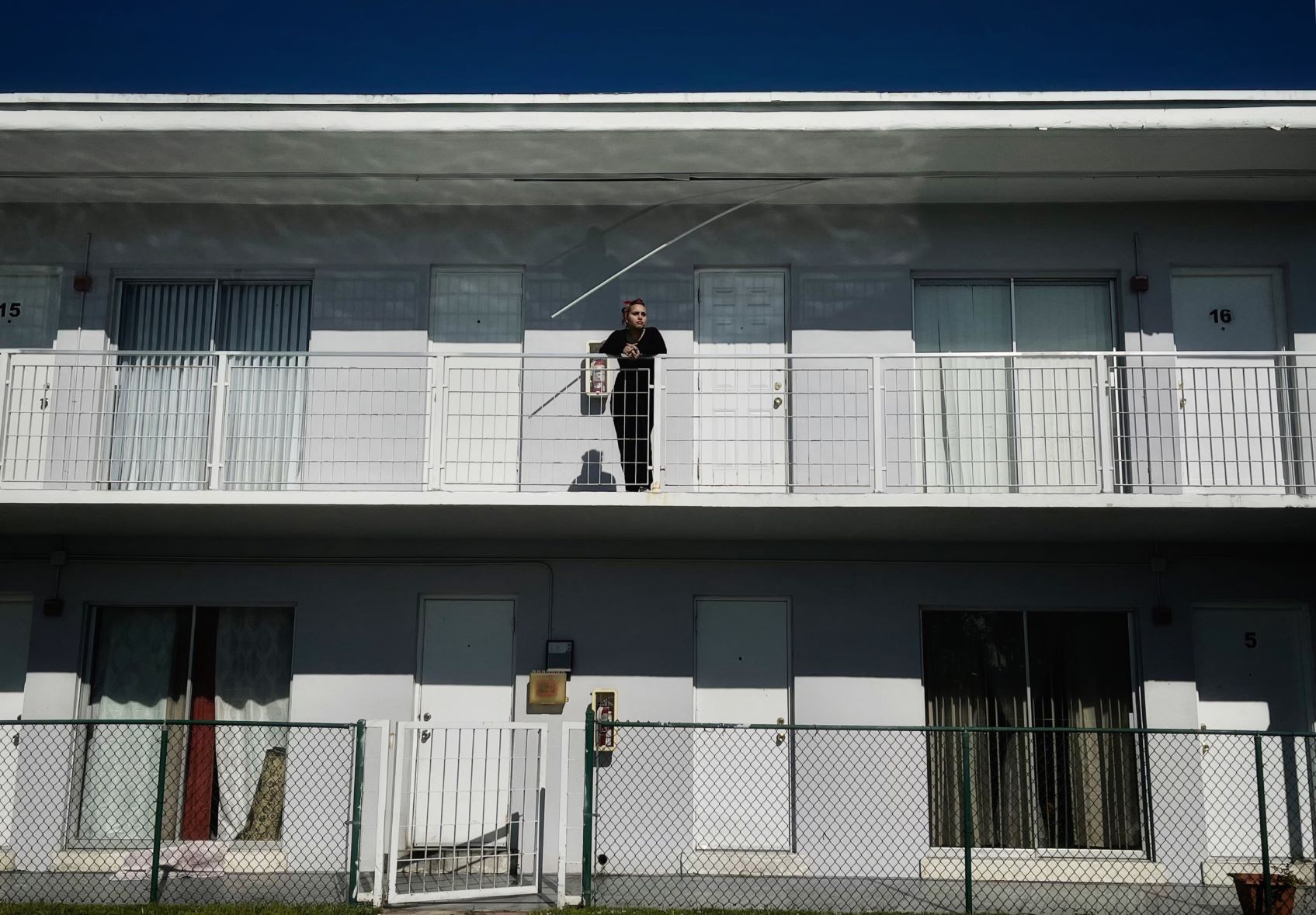
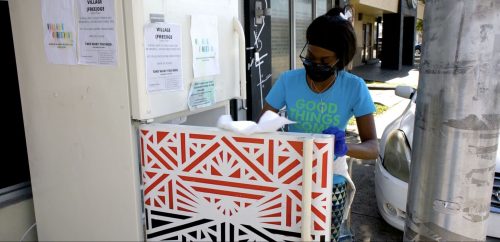
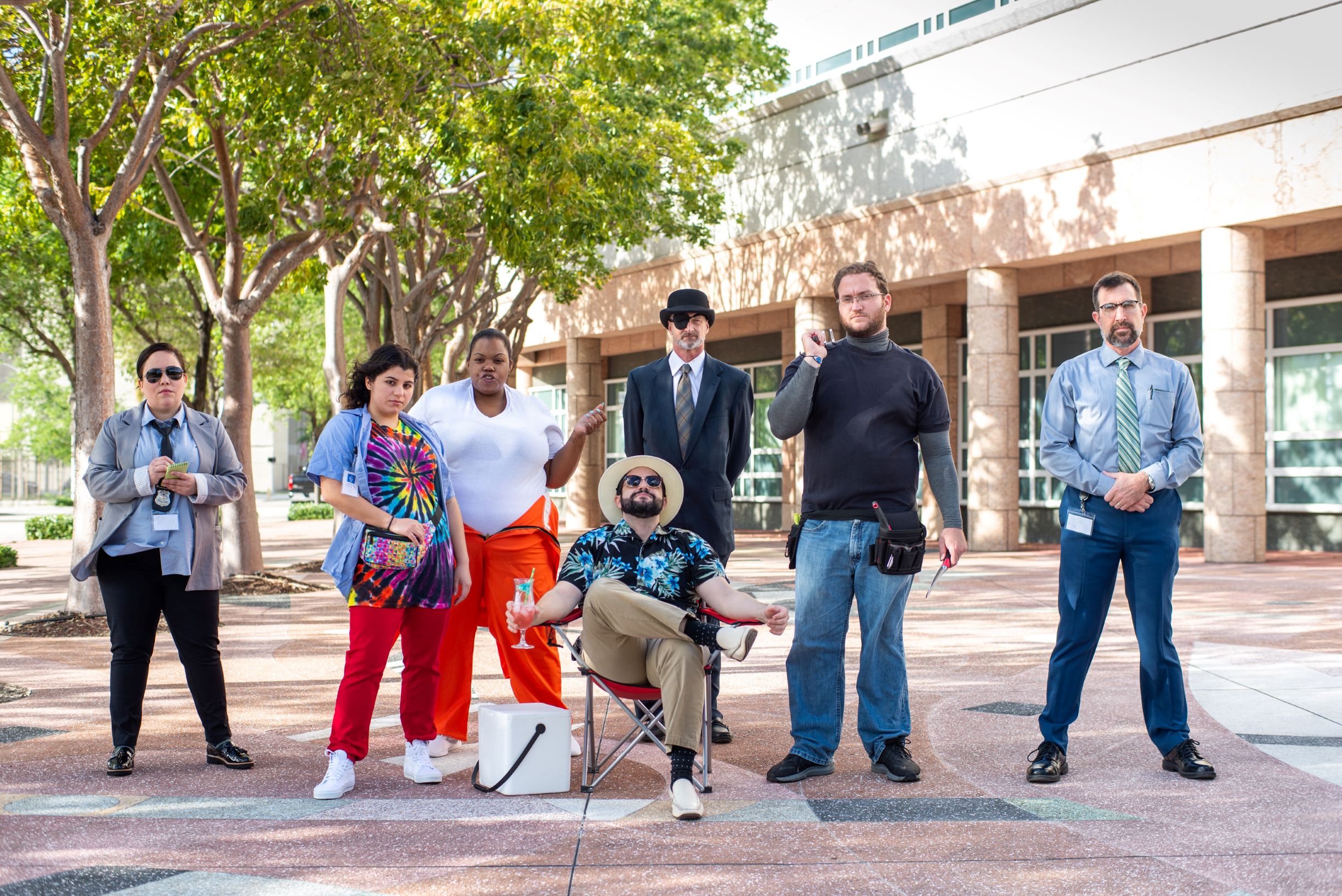
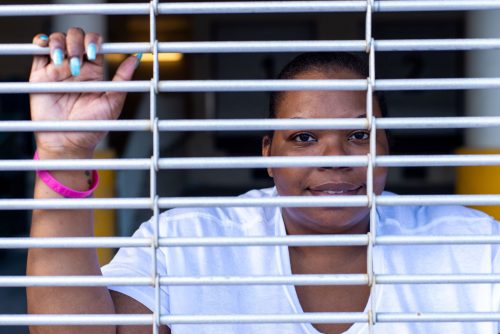
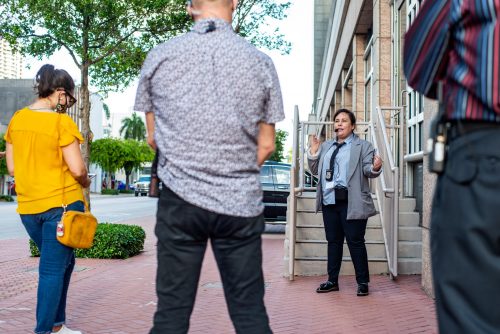
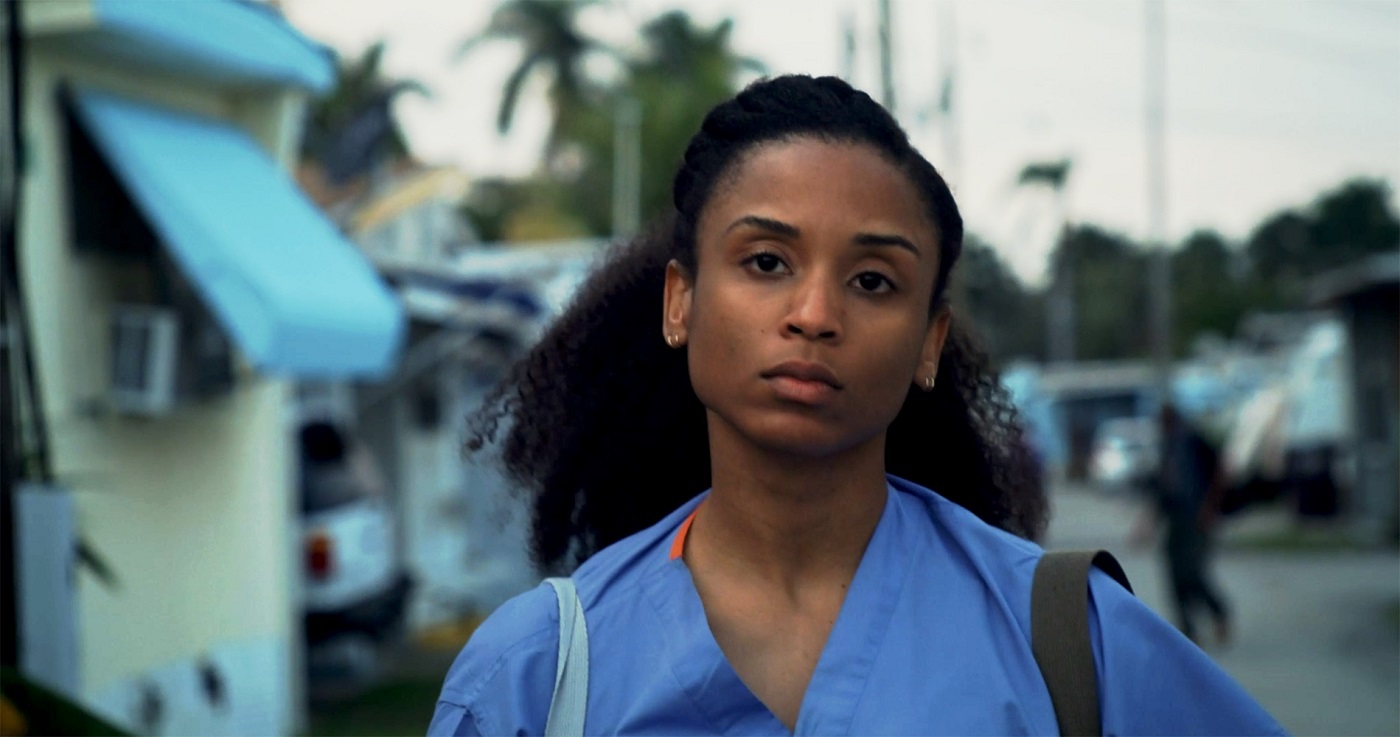
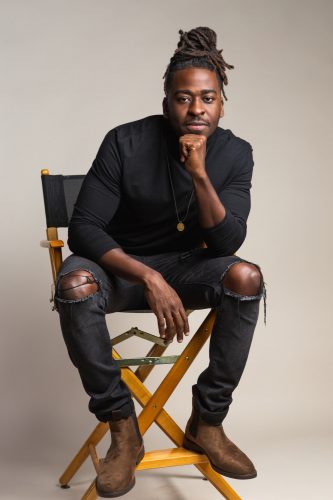
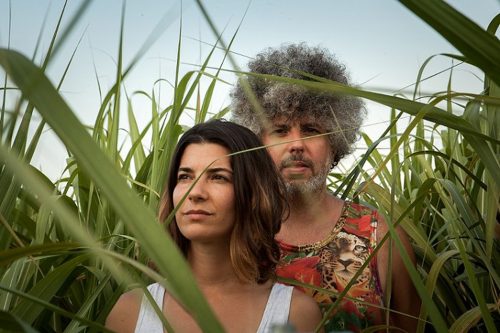
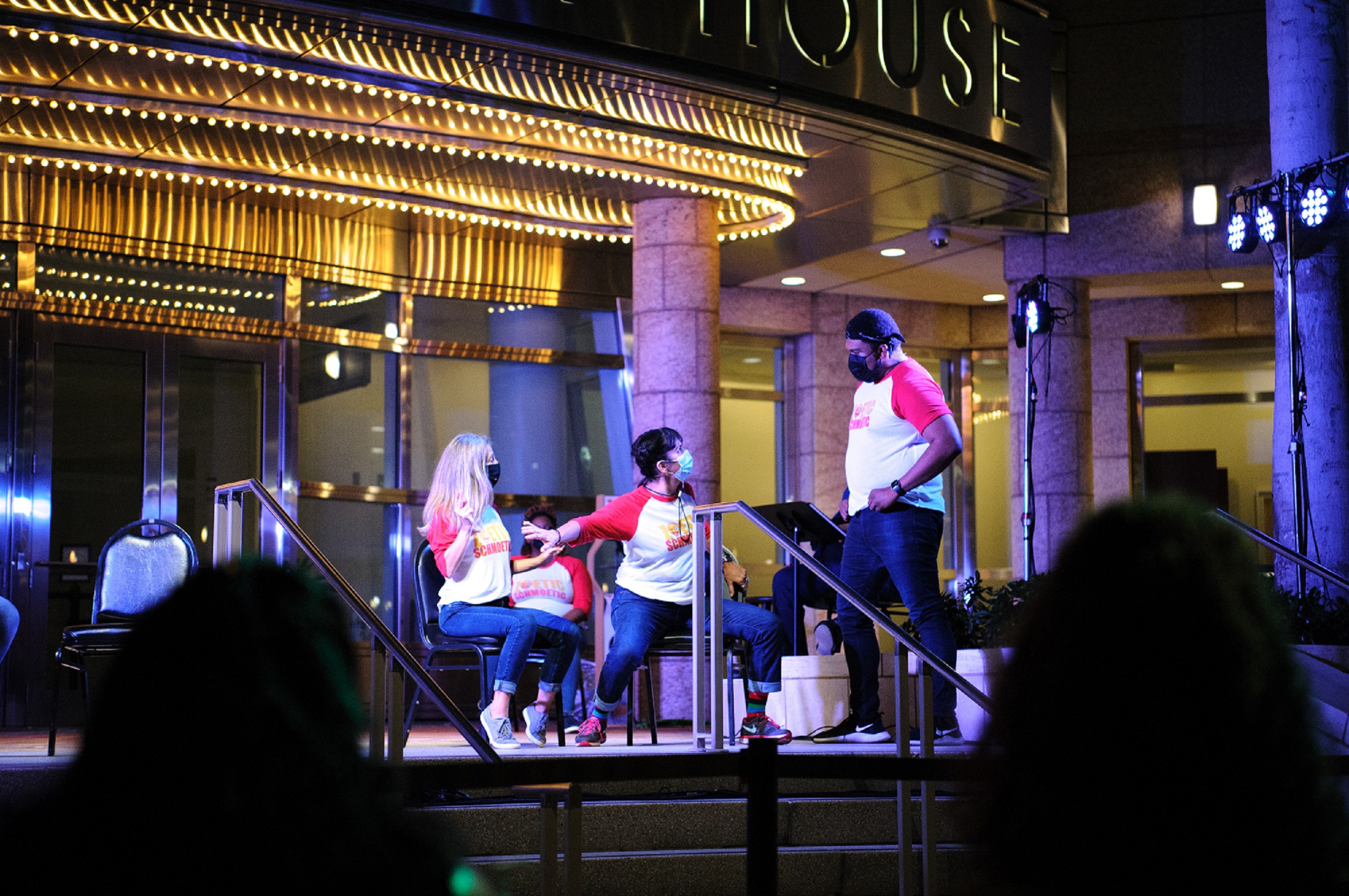
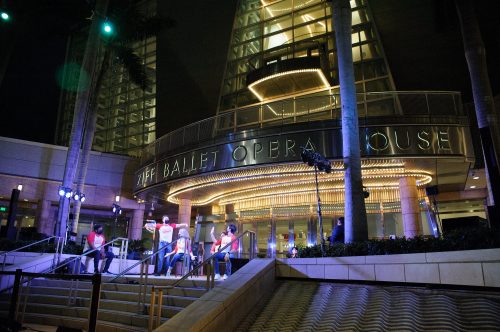
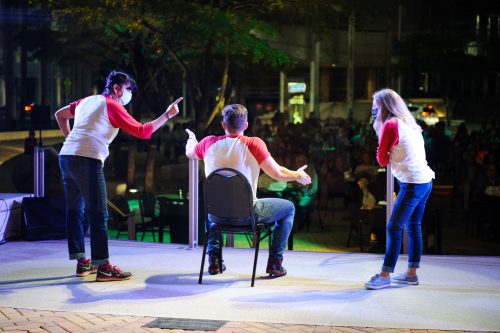

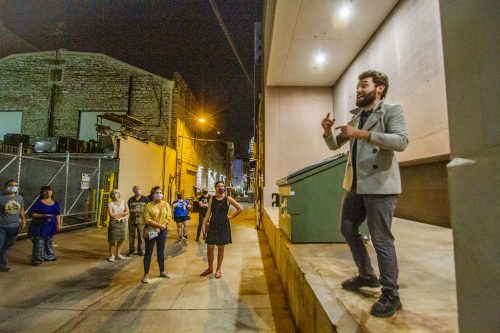
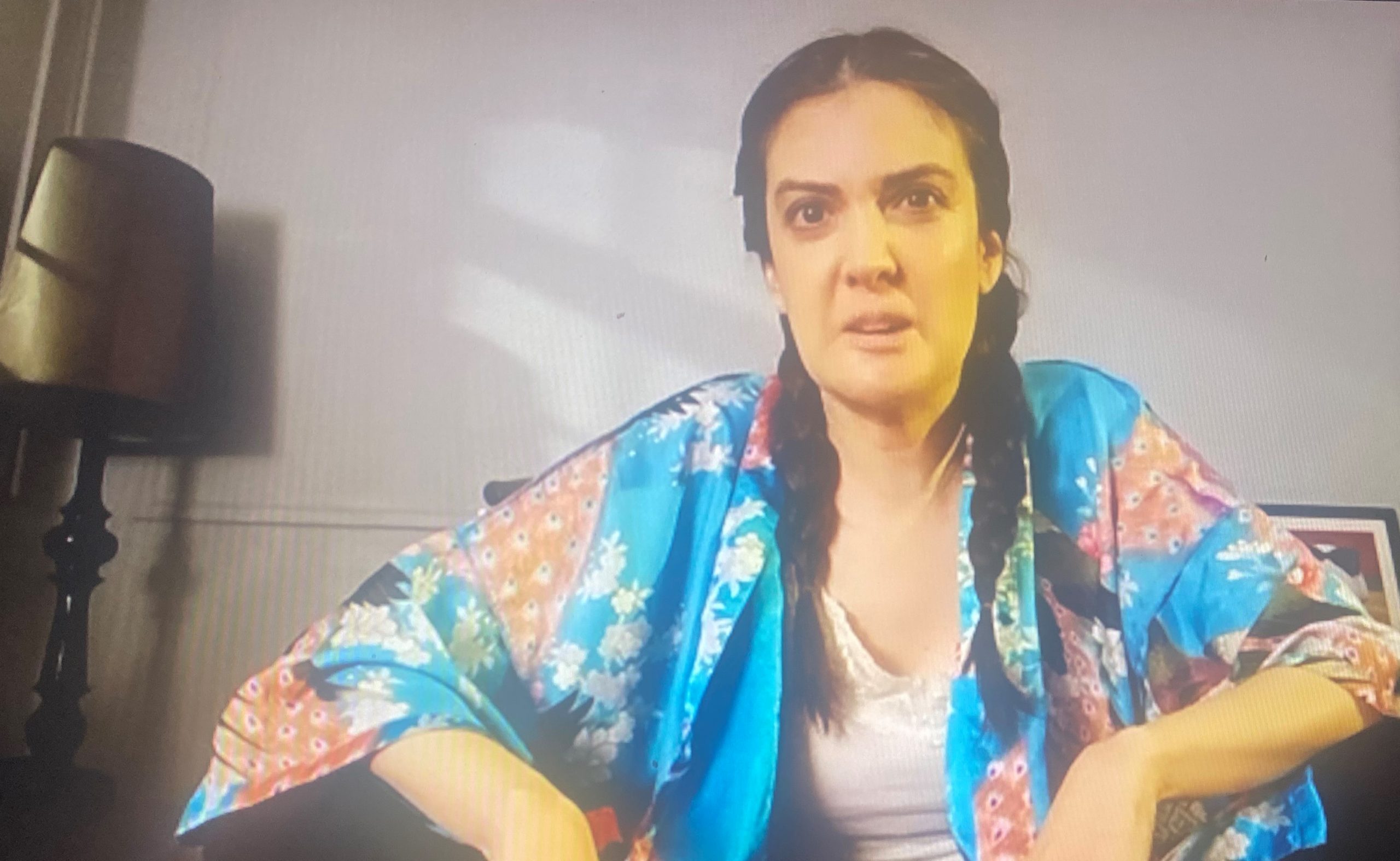
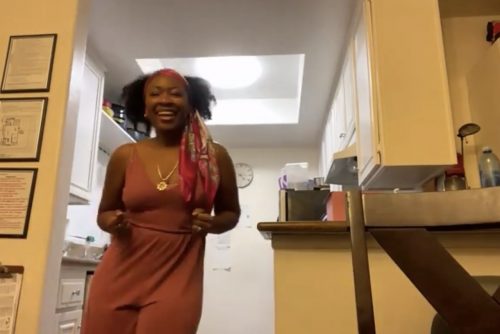
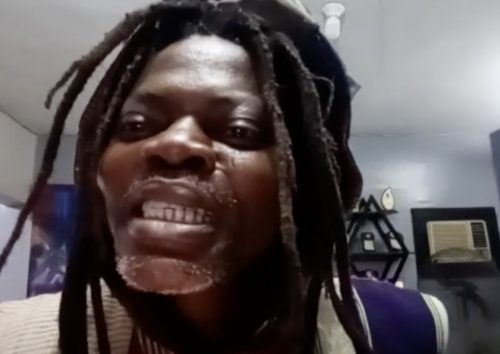
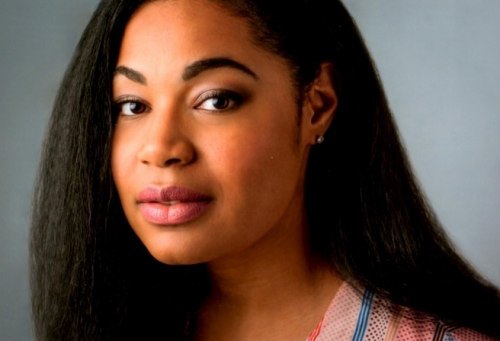
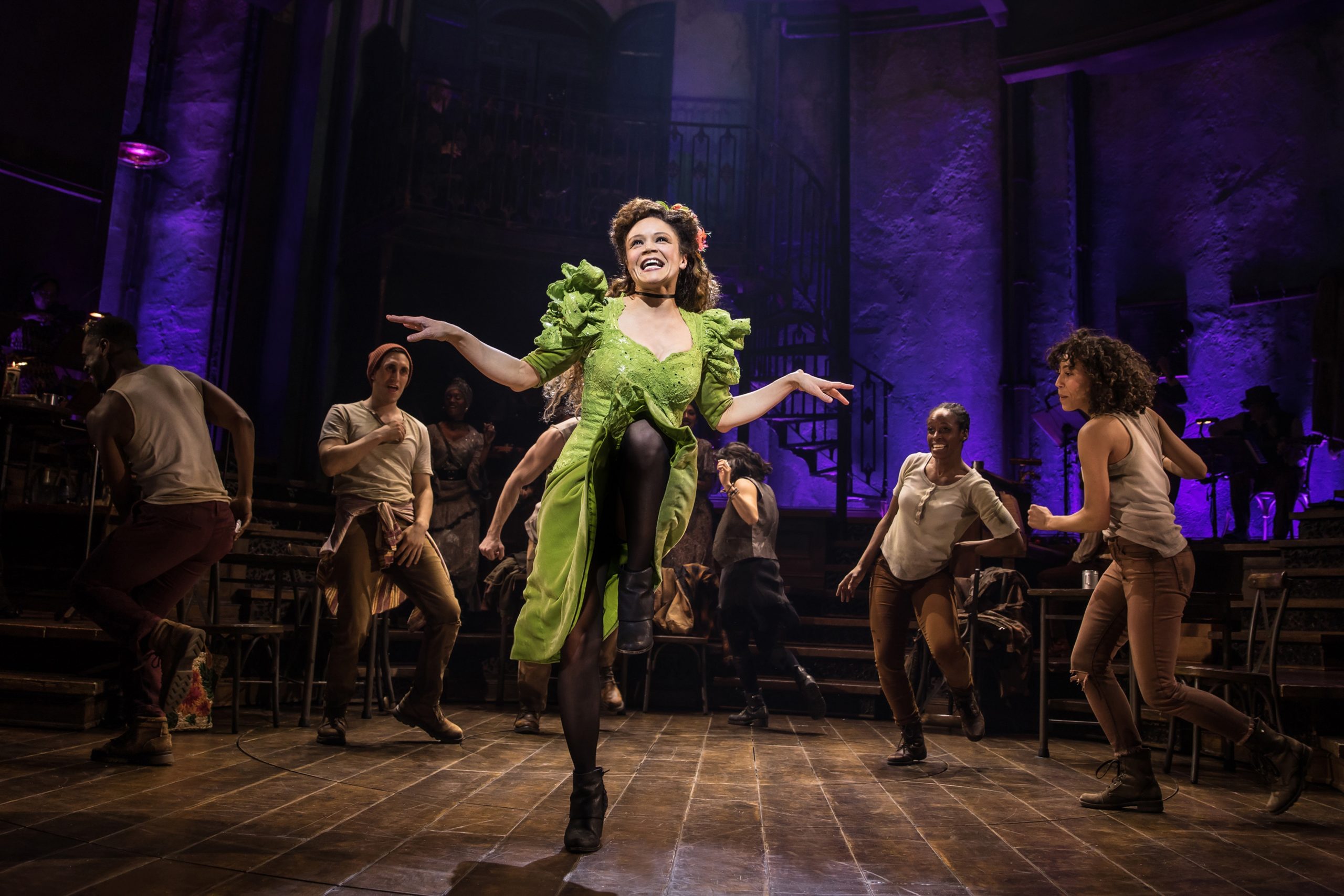
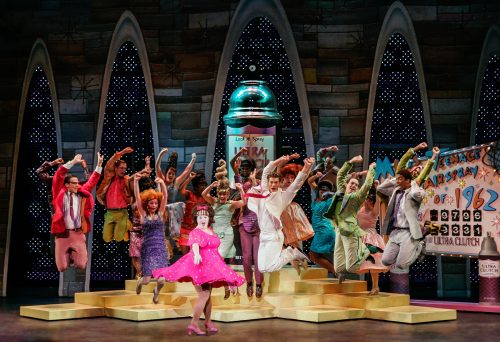
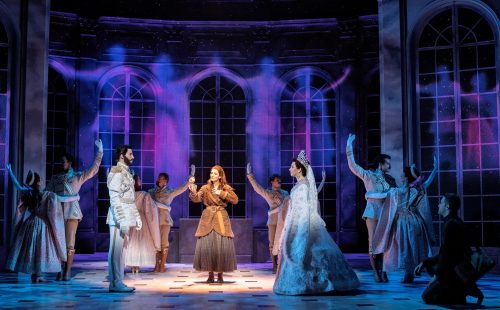
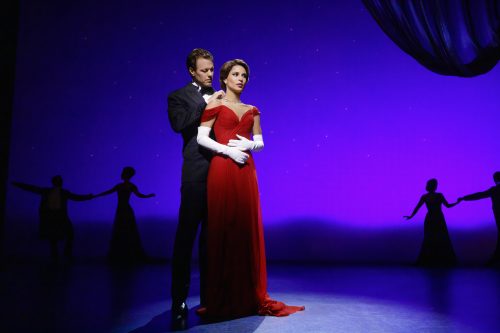
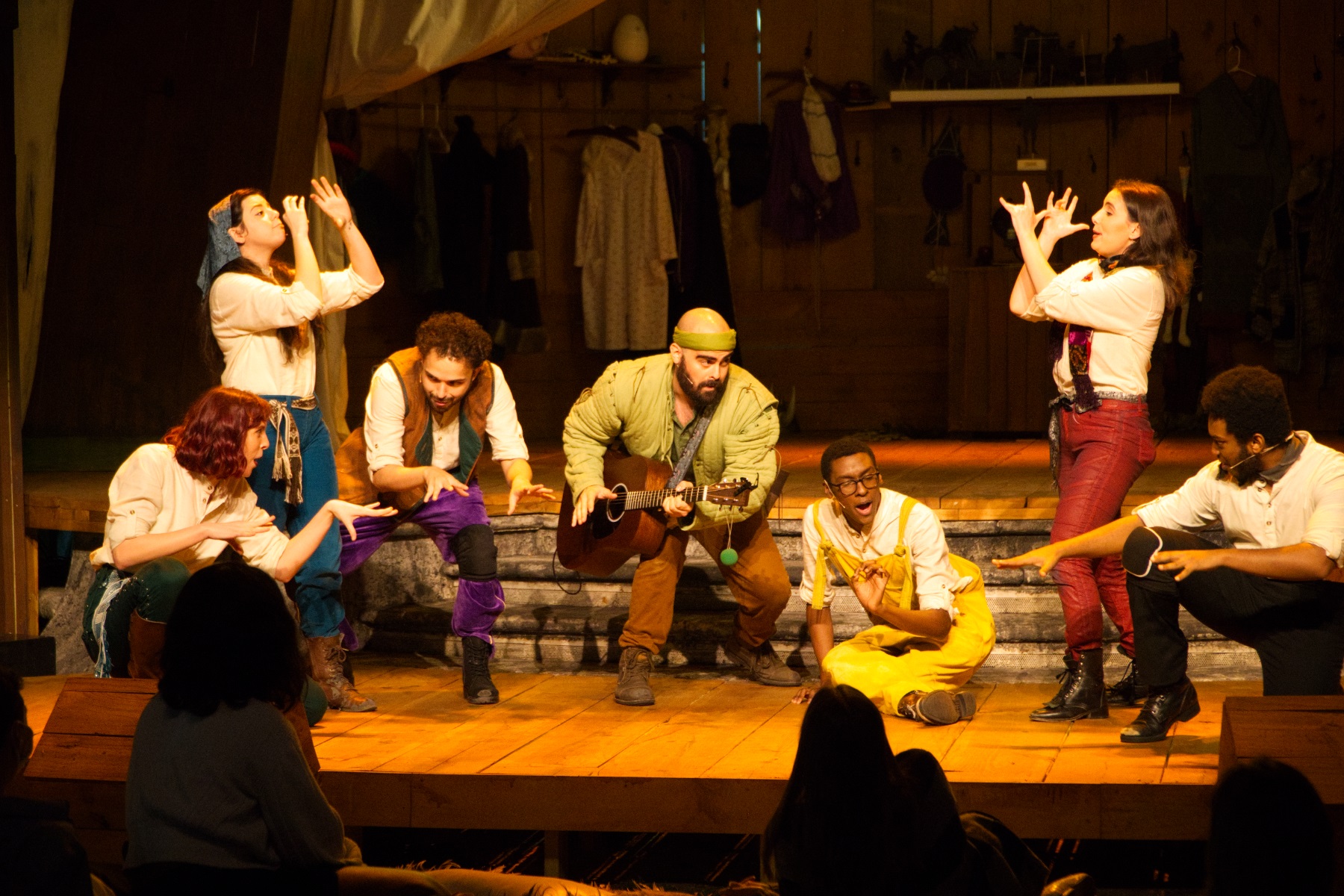
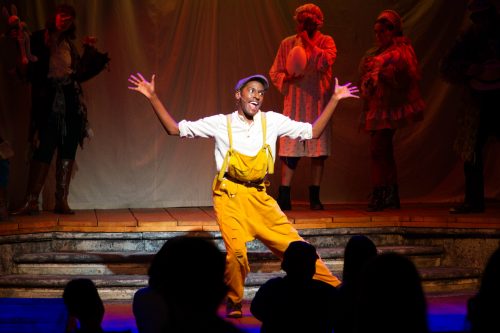
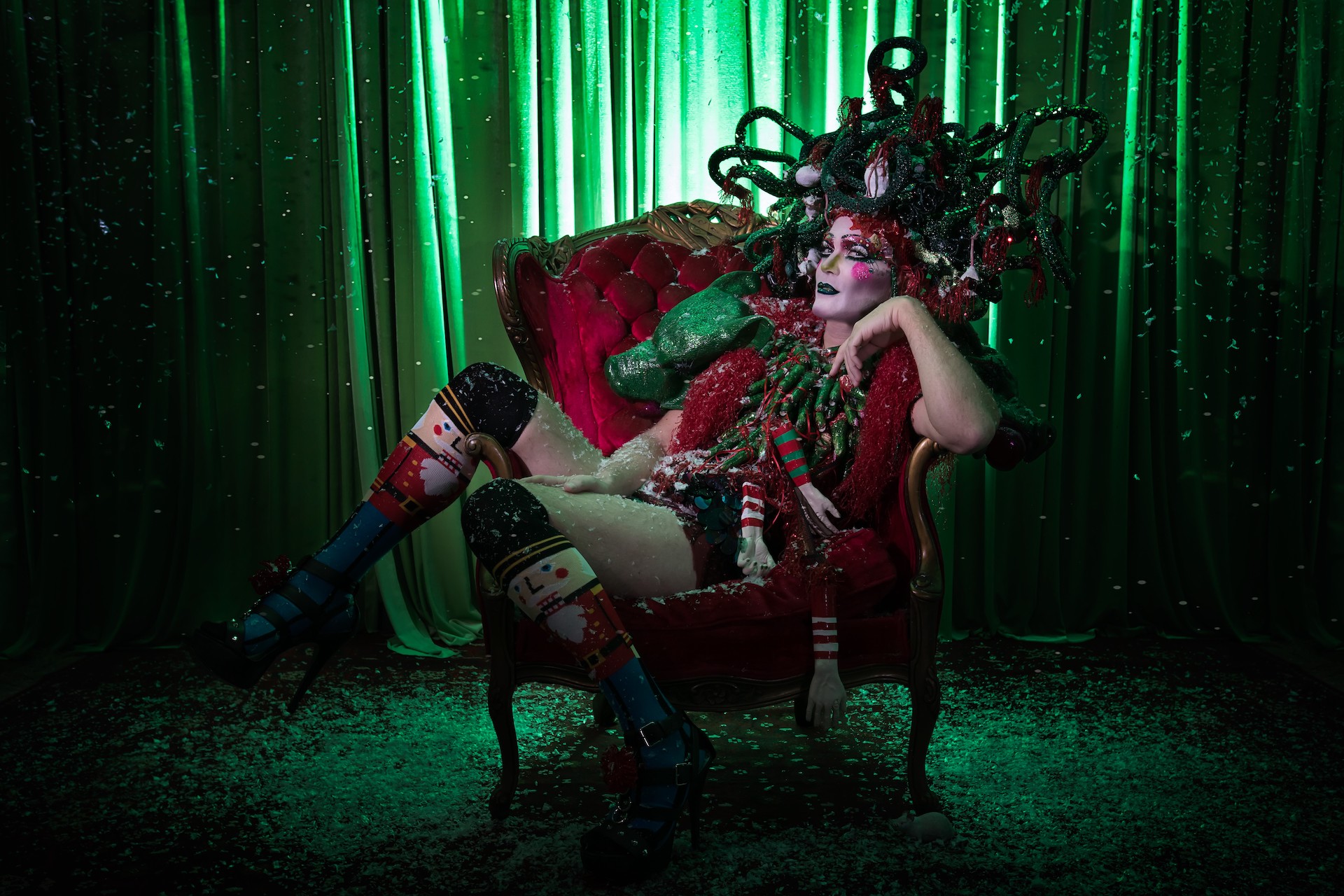
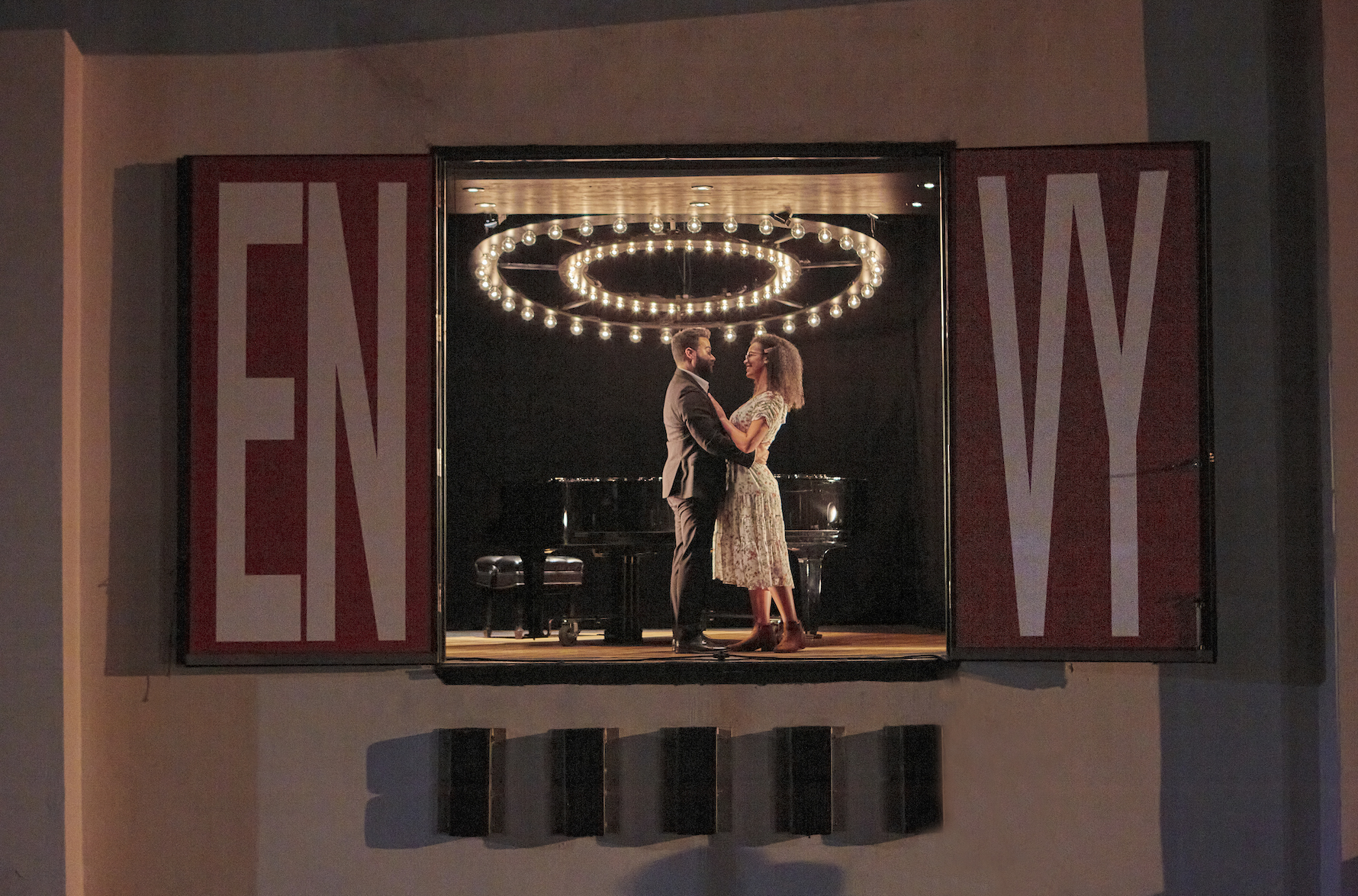
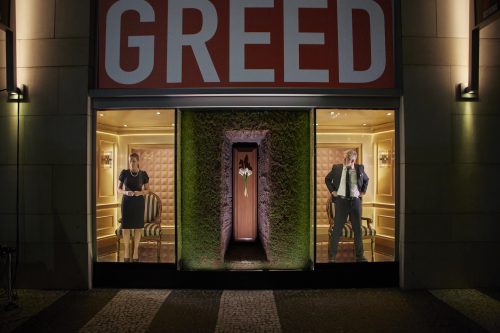
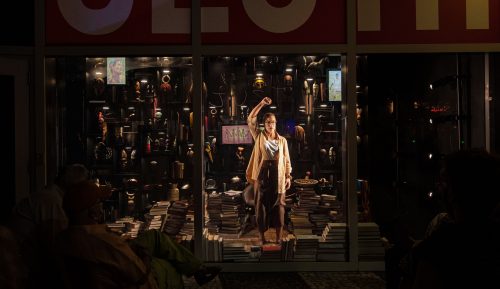
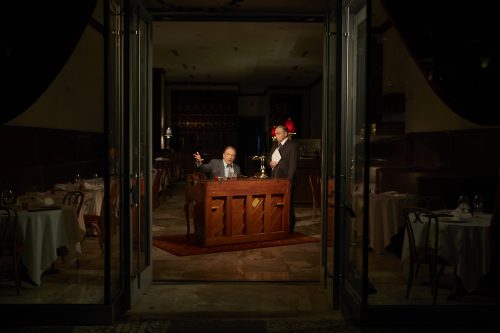
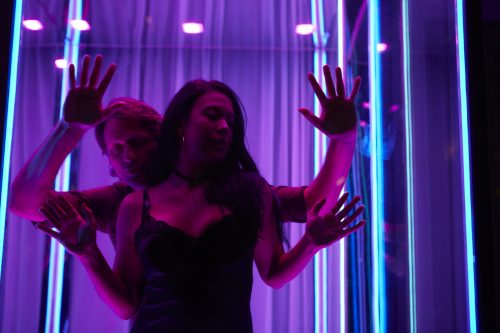
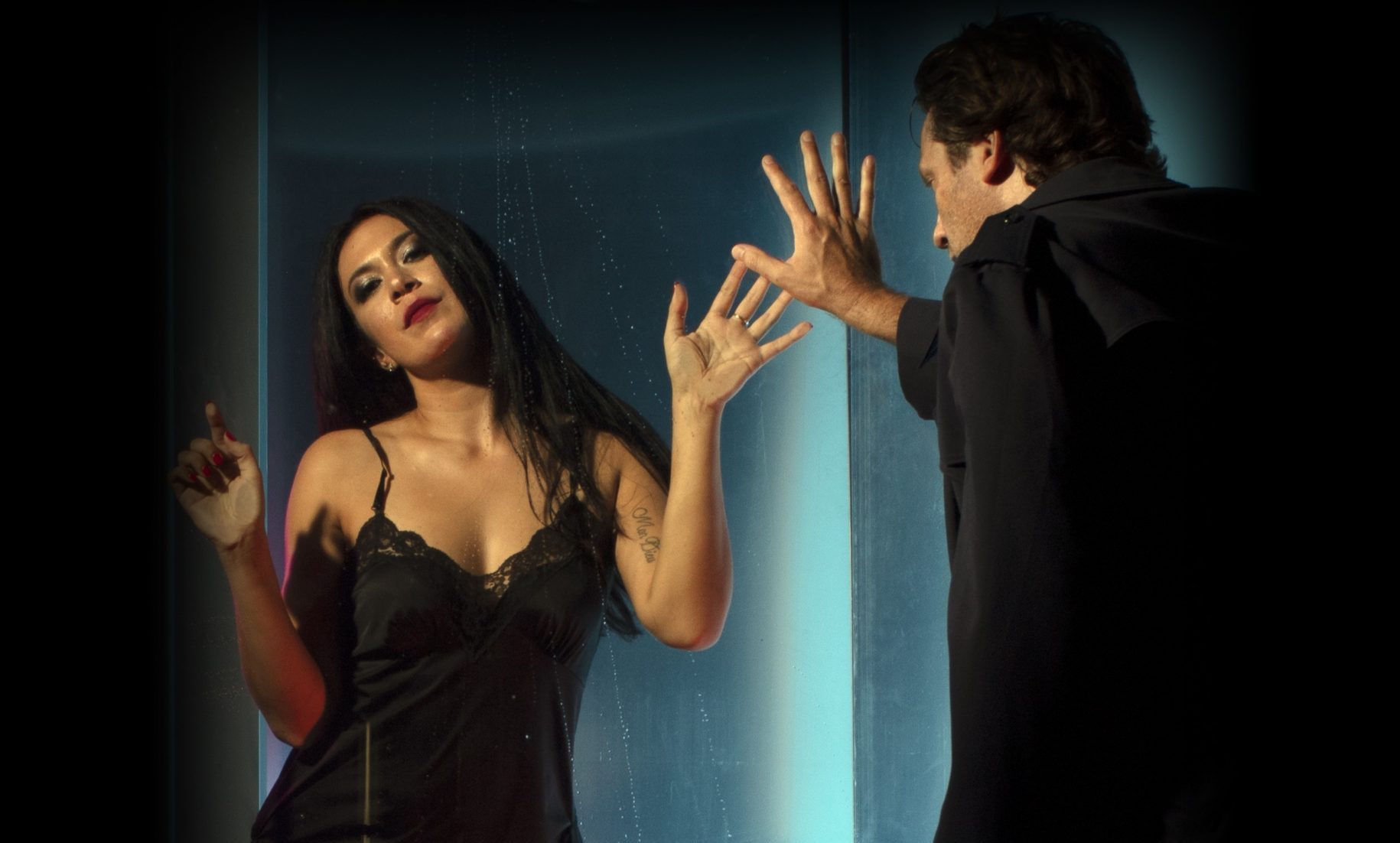
Recent Comments