‘Ya Habibi, The Story of a Song,’ the music that unites us
Written By Jesús Vega November 18, 2020 at 10:36 PM
The virtual premiere of “Ya Habibi, The Story of a Song” is the centerpiece of the 2020 Havana Habibi Festival Online. (Photo courtesy of Jayme Gershen)
What does a well-known Egyptian ballad have in common with an obscure Cuban melody? Although it seems incredible, they are inextricably linked.
The connection between the famous “Ya Habibi Ta’ala” and “El Huerfanito,” a song written in 1931 by Bienvenido Julián Gutiérrez (1904-1966), is the subject of the documentary short film, “Ya Habibi, The Story of a Song,” which has its world premiere scheduled for 8 p.m. Nov. 21.
The virtual presentation, free with prior registration, is the work of Tiffany “Hanan” Madera, founder of Hanan Arts, and Miami Dade College’s Live Arts Miami, in collaboration with FilmGate Miami, O Cinema, and the National Arab Orchestra.
“I was looking for a way to crystallize the idea of the original concert performance that was canceled due to the pandemic into a short film,” Madera says. “The songs, ‘Ya Habibi Ta’ala’ and ‘El Huerfanito,’ provided a perfect way to discuss how cultures travel, bridge, merge, divert and collaborate. As a Cuban-American storyteller, I want to keep complicating the notion of identity and culture. These two songs showcase that.”
“The premiere of ‘Ya Habibi’ is an extension of our Ojala/Inshallah programming initiative begun in 2017, a series of performances designed to challenge Islamophobia while highlighting the shared cultural heritage and experiences of Miami’s multicultural communities,” adds Kathryn García, executive director of Live Arts Miami. “Both Hanan Arts and Live Arts Miami are two organizations committed to dismantling stereotypes through education, empowerment and artistic expression. It’s a joy to collaborate on this film that builds bridges of connection through the transformative power of the arts.”
Behind the scenes at Havana Habibi Festival 2020. (Video courtesy of Gina Margillo)
The short film, directed by Gina Margillo, reveals the path of “Ya Habibi Ta’ala,” a song that became a love hymn made famous by Asmahan (1912-1944), a legendary Syrian singer and actress who rose to fame in Egypt.
It also traces the almost forgotten origins of “El Huerfanito,” which was originally sung by Antonio Machín and his quartet and later transformed into a Middle Eastern favorite. However, as with art and life itself, the song transcends its original purpose to become a perfect metaphor for the permeability of culture and identity and the often-invisible processes that blur borders and differences between cultures, defying even historical probabilities, as in this case.
Machín (Sagua la Grande, Cuba, 1903 – Madrid, 1977), was a singer who rescued “décimas” – a Spanish poetic form consisting of one or more stanzas each with 10 octosyllabic lines – and gave new life to almost-forgotten songs throughout all of his successful career.
The version that perhaps places “El Huerfanito” at a shorter distance in time is the one made by Abelardo Barroso (1905-1972), known as “The Cuban Caruso,” who first recorded it with Orestes López and the Charanga López- Barroso, then with Orquesta Sensación, and later with Severino Ramos’ ensemble.
Tiffany “Hanan” Madera is the founder of Hanan Arts. (Photo courtesy of Jayme Gershen)
This virtual premiere of “Ya Habibi, The Story of a Song”has been promoted as the centerpiece of the 2020 Havana Habibi Festival Online, a four-day event that pays tribute to the connection between the Cuban and Arab diasporas with films, music and Egyptian Raqs Baladi (belly dance), to boost the empowerment of women.
“Hanan Arts is a stand for all women and their personal, creative and community healing. Our mission is to empower women through dance and film,” Madera says.
Immediately after the screening of “Ya Habibi, The Story of a Song,” there will be a live panel with its director, Margillo, as well as co-producers Tiffany Madera and Vivian Marthell, and Michael Ibrahim, director of the National Arab Orchestra.
For more information about the 2020 Havana Habibi Festival Online, set for Nov. 18-21, visit Hananarts.org. To register,visit LiveArtsMiami.org.
Story translated by Artburst Miami’s Orlando Taquechel.
Miami short Film Festival to offer online & in-person screenings
Written By Sergy Odiduro November 12, 2020 at 4:27 PM
Claire Rammelkamp in a scene from “The Appointment.” (Photo courtesy of Alexandre Singh)
The 19th edition of the Miami short Film Festival, taking place Nov. 13-15, will feature a selection of films for viewing both online and outdoors.
A sign of pandemic times, this year’s hybrid format will consist of an abbreviated live schedule and virtual offerings of films from more than 30 countries. Organizers chose 48 films for live screening and 70 films for virtual screening. (Additionally, once the festival concludes, the 48 films that screened in the live festival will be available to view online through Nov. 23.) Also in the plans: an opening night gala, seminars, a cocktail reception with live music, and an awards ceremony.
“Like everyone else, we had to make adjustments,” said Krystle Carrara, the festival’s director of marketing and development. “We were lucky enough that we had time to plan, so we split it down the middle.”
The festival has become an international platform for filmmakers to showcase their craft.
William Vela, the festival’s executive director and founder, noted that it wasn’t always this way. What started out as a movie night with a group of friends became much more than he had bargained for. During his first gathering, he had expected 20 or 30 people to attend. Instead, 300 viewers showed up.
“I was pleasantly surprised,” Vela said. “I knew that there was a community of talented filmmakers looking for a venue. Everybody started asking, ‘When are you going to do the next one?’ I sent out a call to action and now, almost 20 years later, we are still here.”
The COVID-19 pandemic affected the festival, of course, but not to the extent that one might think. There were even some advantages, Vela said.
“[Submissions have] been 20 to 30 percent lower, but people had more time to write, to work on their films and to edit, so we were not hit that hard,” he said.
There was definitely an uptick in submissions that were pandemic-related. Still, the content remains overwhelmingly diverse in scope.
Visit Miamishortfilmfestival.com to see the selection that will be available virtually and in person at Miami Beach Botanical Garden and the Deering Estate.
The following is a sample of films that will be screened during the event:
Lead actress Svetlana Alekseevna Barandich stars as an aging single mother in “Anna.” (Photo courtesy of Dekel Berenson)
‘ANNA’ & ‘ASHMINA’
Director Dekel Berenson knows what it’s like to double down and not give up.
With two award-winning films being screened at the festival, his efforts have definitely paid off.
“Anna” is a film about a middle-aged, single mother in Eastern Ukraine who agrees to attend a dating party in the hopes of eking out a new future.
“Ashmina” highlights the story of a 13-year-old girl in Nepal who struggles to navigate her traditional upbringing against a steady influx of tourists in the region.
The films, which offer a peek into the lives of those who would otherwise remain hidden from society, have caught the eye of judges on the international stage.
Still, there was a time when Berenson didn’t know if he would make it. Being a new filmmaker didn’t make things any easier.
“I didn’t go to film school. I had no experience in filmmaking. I had no film contacts at the time,” he said. “As a new filmmaker, everything was surprising for me, everything was a constant struggle.”
Dikshya Karki plays a 13-year-old Nepalese packing girl in “Ashmina.” (Photo courtesy of Dekel Berenson)
He first worked on “Ashmina,” and he said that period marked “both the best time of my life and the worst.”
“It was very independent and low-budget. It was semi-professional,” he added. “We were working in a foreign country where we didn’t speak the language. We had to approach random strangers and find backpackers in the street to work in the film.”
With “Ashmina” under his belt, he then was inspired to make “Anna.”
Working in East Ukraine presented a whole new set of challenges. One of his biggest: making sure that his vision translated onto the screen, despite ongoing objections from those who surrounded him.
“People have their own ideas, and they think that you are stupid or crazy,” Berenson said.
Requests, including his insistence that the star of “Anna” should be an older woman, were often met with outright refusals.
In one poignant scene, a woman with a young child is in a line of other women, all waiting to be selected for a date. Having the young boy in that particular scene caused much debate.
“They thought having the child in the film was a mistake, but many people told me it was their absolute favorite part of the film,” he said. “They tried to talk me out of a bunch of things. But I wanted to make clear that this was like a meat market.”
For those willing to dive into filmmaking, Berenson director has one piece of advice: “Do not do this. Go and study to be a doctor or lawyer,” he said, jokingly. “It’s statistically improbable. It’s like being an outlier.”
But, yes. He would do it again.
“I was waiting for a rejection letter from Cannes when I started to work on my next film,” he said. “I was fully committed to keep working on and making films, so failure is not an option.”
‘MY FATHER’S FABULOUS FUNERAL’
Hearing about your father’s bedroom antics, especially from your stepmother, is one thing. Hearing about it during your father’s funeral is quite another.
Yet this is one of several running jokes in “My Father’s Fabulous Funeral,” about a family mourning the passing of their patriarch.
“My stepmother really loved to talk to me about my father’s sex life,” said Judy Copeland, who produced the short film based on her life experiences.
While making a comedy about a funeral would be a challenge for most, Copeland said she had the utmost faith in her director, Mark Stolzenberg, who was once a professional clown.
He admitted, however, that he wasn’t exactly thrilled when first presented with the subject matter.
“I’ve worked with Judy a dozen times, but when she brought this to me, I was less than enthusiastic,” he said. “But hey, it kind of grew on me.”
Stolzenberg said he worked hard to ensure that the film stayed true to Copeland’s wishes: “The challenge for me was preserving the essence of her story. She definitely had a vision, and I wanted to honor that vision.”
While humor was an overwhelming factor in the film, Stolzenberg also wanted to touch on issues that weren’t so funny.
“Sometimes [during funerals], family members aren’t talking to each other. There’s dysfunction, and there are so many conflicts,” he said.
Tackling these issues on-screen allowed both of them to walk away from the project with valuable life lessons, including what not to do.
“Try not to shoot a cemetery scene on the hottest day of the summer,” said Copeland. “It was 99 degrees!”
That, along with a chorus of cicadas, made for a memorable shooting experience.
“You always have to expect that the worst can happen,” Stolzenberg said.
Ultimately, Copeland thinks her father “would get a kick out of it,” because he definitely had a sense of humor.
“I think that my father would have loved the film, but he would’ve really loved to attend the funeral!”
‘RED (THE COLOUR OF LOVE)’
What’s worse than shooting scenes in a hot cemetery? Try filming a music video in the middle of a Pakistani desert.
But the scorching heat, lack of basic accommodations, and surprise sandstorms didn’t stop Nabeel Qureshi, an award-winning director and screenwriter, from producing this visually arresting, modern-day tribute inspired by an ancient poem.
“RED (The Colour of Love),” stars Sonya Hussyn and Mohsin Abbas Haider, with music sung by Shani Arshad.
In a series of riveting scenes, a couple is shown attempting to escape the wrath of her family. In the end, their love is simply not enough.
Qureshi, who normally focuses on feature films, assembled a summertime crew of 60 to 70 people for a three-day film shoot. His choice of location was influenced by an unlikely source.
“I got my inspiration from ‘Mad Max,’” he said. “Though the story is very different, the landscape had a similar terrain. It was beautiful but barren.”
Qureshi said he worked hard on the visual aspects of the video.
“The meaning of the lyrics were very inspiring, and I wanted to tell a story,” he said. “I also wanted the images to connect with that story.”
‘FLOTSAM’
One man’s fascination with a band of rebellious seamen is transferred onto the screen in the visually stunning “Flotsam.”
Kjell Redal’s documentary delves into the lives of those who fish in kayaks in Miami. He said that when he initially encountered the practice, it quickly captured his imagination.
Redal, who grew up fly-fishing in Colorado, marveled at the cultural contrast.
“Miami is such a glitzy and glamorous city with big, shiny, white boats. Kayak-fishing is such a brutish pursuit,” he said.
With the assistance of cinematographer Josh Liberman, he documented this chase in gorgeous detail. They amassed a treasure trove of footage, including scenes featuring mahi-mahi and barracuda – but one thing was missing.
“We got a bunch of shots that we were super-happy with, but the one shot that I had in my mind that I think attracted a lot of people to the project is the sailfish,” Redal said. “These big, open-ocean pelagic fish next to a kayak was the kind of visual I was looking for.”
Not one to be put off by a challenge, he purchased a $15 mask-and-goggle set from a local tourist shop and a GoPro camera to seek out the desired footage.
“I ended up being so excited when I had the first sailfish on the line that I jumped into a whole pile of jellyfish, without any rash guard or anything and got the c*** stung out of me,” he said. “But I got the shots, and a lot of those are the main sailfish shots in the final project.”
Redal credited a dynamic behind-the-scenes team, which helped him in his production. You can go far with limited resources, he said, if you find the right people who are like-minded.
“The budget came completely out of my pocket and out of the generosity of people that have worked on this with me,” he said. “I’m pretty happy with what we’ve been able to come away with, and I know that wouldn’t have been possible if they didn’t have some kind of inherent excitement behind the subject matter of the film.”
‘THE APPOINTMENT’
“The Appointment” offers a peek into the bizarre happenings in the life of Henry Salt, a man hellbent on discovering why his diary reveals an upcoming rendezvous at a restaurant.
Once there, a surreal scene unfolds in which patrons are feasting on a glistening pile of squid and a disemboweled rodent, while waiters walk by with an entire Zebra on a stick.
“It’s a little bit of a rollercoaster ride,” admitted Natalie Musteata, who produced the film. Alexandre Singh, a visual artist, served as the movie’s writer and director.
“We come from a world of art, and since this is our first film, we were trying to make something that would keep audiences in their seats,” Musteata added. “This is a feast for the audience’s eyes. Every frame is full of details.”
Singh and Musteata noted there were both positives and negatives to being first-time filmmakers.
“Sometimes it can be frustrating because we will come up with much simpler, quicker and more effective ways to do things and we would get quite a lot of pushback,” Singh said.
But then, being new at the process did offer a whole new perspective, Musteata said.
“Because we were not tied to conventions of filmmaking, we were able to innovate, and that led to something that was a little quirky or unusual,” she said.
And as for the restaurant scene, Singh said the meals pictured are a little closer to reality than one might think.
“The kind of food that’s displayed, it may feel strange, but in reality that’s what Western cuisine is like,” he said.
“Except for the rat!” chimed in Musteata.
WHAT: Miami short Film Festival
WHEN: Nov. 13-15
WHERE: The live festival will take place at Miami Beach Botanical Garden, 2000 Convention Center Drive, Miami Beach, and Deering Estate, 16701 SW 72nd Ave., Miami. The virtual screening
COST: The live festival costs $15 per person, $25 for single-ticket opening night gala (includes welcome drink and popcorn), and $90 for a three-day pass. The virtual screenings cost $5 for a single film, $15 for a pre-selected block of films, and $29.99 for an all-access pass.
SPECIAL NOTICE: Starting Nov. 16, the 48 films that screened in the live festival will be available to view online through Nov. 23. Anyone who purchased a virtual pass (all-access or block) will also have access to these films. In addition, a new pass will be sold, only for these 48 films, for $19.99.
Actors’ Playhouse presents a simplified, streamed ‘Camelot’
Written By Christine Dolen October 21, 2020 at 6:53 PM
From left, Nick Fitzer is Lancelot, Britt Michael Gordon is King Arthur and Kayleen Seidl is Guenevere in “Camelot” by Alan Jay Lerner and Frederick Loewe, adapted by David Arisco. (Photo courtesy of Actors’ Playhouse)
In our pandemic-altered world, “normal” life remains both a memory and a longed-for dream.
Going to a grand theater, being surrounded by hundreds of people taking in a classic musical? That’s one among many things we can’t safely do just yet. So we adapt, with artists creating digital content, and smaller audiences watching from the safety of their couches.
When the pandemic shutdown hit in March, Actors’ Playhouse artistic director David Arisco and his cast were already in technical rehearsals for their production of Alan Jay Lerner and Frederick Loewe’s beloved “Camelot.” In an instant, that “Camelot” vanished just like another of Lerner and Loewe’s musically mythologized places, “Brigadoon.”
The halted production at the Actors’ Playhouse at The Miracle Theater in Coral Gables was a more compact version of the 1960 original, with Lerner’s book (itself based on T.H. White’s “The Once and Future King”) adapted by David Lee; new orchestrations by Steve Orich; a slightly smaller, 11-member cast; and about an hour lopped off the show’s 3 ½-hour running time.
Soon enough, though, Arisco had a vision of how a streamed, song-driven version of “Camelot” could work. Working with the permission of Music Theatre International (MTI), Arisco further adapted the musical that became a cultural touchstone during President John F. Kennedy’s administration.
Propelled by 13 beautifully sung numbers, this “Camelot” keeps its focus on the musical’s tragic love triangle – between idealistic King Arthur; his radiant queen, Guenevere; and his sublimely confident, dearest friend, Lancelot – and the way Arthur’s illegitimate son, Mordred, schemes to crush his kingdom.
Available through Oct. 25 on MTI’s streaming platform, ShowTix4U (accessible via the Actors’ Playhouse website), this version of the show has been abridged, adapted and directed by Arisco, with sound mixing and video editing by Shaun Mitchell, and musical direction/accompaniment by David Nagy. It stars the same actors who were just about to open the show at the Miracle Theatre in March: Britt Michael Gordon as King Arthur, Kayleen Seidl as Guenevere, Nick Fitzer as Lancelot, Sean Patrick Doyle as Mordred. Orlando Rodriguez appears briefly at the end as young Tom of Warwick, the boy charged by Arthur with sharing the story of the noble experiment that was Camelot.
Clocking in at a lean 80 minutes, this digital “Camelot” comes across as a first foray into a new way of working.
Sean Patrick Doyle is the scheming Mordred in the streaming “Camelot.” (Photo courtesy of Actors’ Playhouse)
Arisco appears on camera to greet the audience, much as he would in a pre-curtain speech at The Miracle, offering tidbits about the adaptation. Then, with storytelling narration serving as a bridge between songs, “Camelot” unfolds.
Dressed in simple contemporary clothing and wearing an earbud, each actor worked solo against a plain neutral background. Although they’re sometimes seen singing together, they were never in the same room, and shots of Arthur using his Excalibur sword to knight Lancelot and young Tom involve editing trickery. Likewise, in scenes featuring two or three characters, the actors’ images pop up side by side.
Acting in this way involves a degree of difficulty. Nearly every shot is a closeup, so style and facial expressions land differently than they would on a stage in a large theater.
When Fitzer’s Lancelot first appears on camera, he’s so close that you can see his ring light reflected in the irises of his eyes. Some of Seidl’s reaction shots as Guenevere feature her broad, beautiful smile in moments that would seem to call for a little anguish.
Gordon exudes both warmth and deep sorrow as Arthur, though a streak on his wall and a briefly visible electrical outlet fleetingly pull focus. Miami native Doyle, who made his professional debut at age 10 at Actors’ Playhouse, is an actor with cut-glass cheekbones, Broadway credits and loads of TV experience. He knows how to work a camera, baby, and his Mordred is the most evil creature since Cruella de Vil.
Although Nagy’s keyboard accompaniment obviously can’t match even a small orchestra, the vocal performances are the most compelling reason to sample this “Camelot.”
Gordon properly radiates pre-wedding jitters as he sings, “I Wonder What the King Is Doing Tonight,” turns tender on “How To Handle a Woman,” and makes you feel the pull of Arthur’s vision as he sings the title song.
Seidl’s glorious, crystalline soprano voice can be both playful (“The Simple Joys of Maidenhood,” “The Lusty Month of May,” “What Do the Simple Folk Do?”) and pensive (“Before I Gaze at You Again,” “I Loved You Once in Silence”). Fitzer has fun with the narcissistic “C’est Moi,” then slays (as he should) with an aching “If Ever I Would Leave You,” and Doyle delivers Mordred’s nihilistic ditty, “The Seven Deadly Virtues,” with arch pleasure.
At the start of the 1960s, “Camelot” was a show-as-symbol, a metaphor for the most idealistic of a president’s dreams. This time around, the compact “Camelot,” though full of stirring music, is a placeholder for the day when artists and theater lovers can return to live performances.
WHAT: “Camelot” by Alan Jay Lerner and Frederick Loewe, adapted by David Arisco
WHEN: Ticketholders get 48-hour access, through Oct. 25
WHERE: Streamed performance on Music Theatre International’s ShowTix4U platform, available through the Actors’ Playhouse website.
COST: $30 (subscribers and ticketholders for the canceled live performance get free access)
Rene Lavan is a star of stage, screen … and now Zoom
Written By Christine Dolen October 16, 2020 at 9:46 PM
Actor Rene Lavan made his Broadway debut in late 2005 in “Latinologues.” (Photo courtesy of the artist)
Rene Lavan is an actor with range, charismatic sensitivity and the kind of evolutionary ability that buoys a long career.
The likelihood of achieving crossover success in such a glamorous world would probably have seemed unfathomable at the most dramatic moment of his young life in 1980. That’s when 11-year-old Rene Lavandera, his parents and younger brother Rey left Cuba for a new life in Miami during the Mariel boatlift.
Born in 1968 in Artemisa, southwest of Havana, Lavan spent each Sunday through Friday during his Cuban childhood at a school where ideological lessons, working the fields and military training constituted the curriculum. But on one memorable day, his parents tricked him into leaving school by saying his grandmother was in the hospital.
“They took a cab to the place you had to be to take the boat, and you had to be very discreet,” Lavan remembers, his voice growing thick with emotion. “The cab drove in front of my grandmother’s house. My dad was crying because he couldn’t say goodbye.”
Though Lavan spoke not a word of English when his family arrived in Miami, he worked hard to learn the language and lose his accent, becoming an on-air radio talent at Power 96 (WPOW-FM) by the late ’80s.
“I submerged myself in Miami’s English-speaking culture,” says Lavan, who discovered his passion for acting thanks to Miami Senior High drama teacher Marty Hancock, still a friend today. He transitioned into the innovative high school-college Performing and Visual Arts Center (PAVAC) magnet program, then graduated from Miami’s New World School of the Arts in 1988.
Success came quickly to the bilingual artist.
His lengthy resume includes: soap opera and telenovela hottie (“One Life To Live,” “Morelia,” “Enamorada” and “Maria Belen”); breakout movie star (director Leon Ichaso’s tragic “Azucar Amarga”); Hollywood actor (“Dirty Dancing: Havana Nights” and “Christmas with the Kranks”); and TV performer (“CSI: Miami,” “The Glades,” “Burn Notice,” “Every Witch Way” and “Hialeah”). Most recently, Lavan appeared in the 2020 indie movie, “El Ultimo Balsero,” which is now making the rounds of film festivals.
The cast and team behind the “Borrowed” reading consists of: (top, left to right) actor Rene Lavan, producer Adriana Gaviria and director Conor Bagley; (middle) actor Tim Creavin, producer William Fernandez and playwright Jim Kierstead; and (bottom) stage directions reader Natalie Cabo, technical director Asad Javed and virtual stage manager/assistant director Abbey Joan Burgess. (Photo courtesy of Adriana Gaviria)
Although Lavan’s work in theater has been less frequent, he made his Broadway debut in late 2005 in “Latinologues.” During the long Miami run of Vanessa Garcia’s hit immersive play, “The Amparo Experience,” in 2019, he stepped into the roles of both Havana Club Rum scion Ramon Arechabala and Bacardi sales manager Juan Prado.
Now the actor is trying theater of a different sort. He’s starring alongside Tim Creavin in a recorded Zoom reading of “Borrowed,” the playwriting debut of Broadway producer Jim Kierstead. The play will begin streaming Oct. 22 on Broadway Virtual’s YouTube channel, with part of the $10 ticket price benefiting the nonprofit Humanity Project.
Plans are also in the works for a post-election “official” showing of “Borrowed” at Drive-In at the Fair, a movie-concert venue in a parking lot on the Miami-Dade Youth Fairgrounds.
Produced by Kierstead’s frequent producing partner, William Fernandez, along with Adriana Gaviria and George Cabrera, the virtual “Borrowed” reading was directed by Conor Bagley, Creavin’s former Yale University classmate.
Most recently, Fernandez, Kierstead, Gaviria and Bagley teamed up for the Broadway On Demand streamed reading of “Jenna and the Whale” by South Florida playwrights Garcia (“Amparo”) and Jake Cline. On Oct. 15, Fernandez and Kierstead were among the groups of producers who received 2020 Tony Award nominations – best play for Matthew Lopez’s two-part “The Inheritance,” and best revival for Terrence McNally’s “Frankie and Johnny in the Clair de Lune.”
“Borrowed” takes place in a bungalow on the New Jersey side of the Hudson River, near the George Washington Bridge. David (Lavan), a lonely older artist whose face bears the scars of cancer surgery, has connected with the younger Justin (Creavin) online, inviting him over with a sexual connection in mind. But things quickly go south, and after David refuses to let Justin leave, their encounter evolves into an intense evening of shared histories and, perhaps, the beginnings of healing.
Kierstead, the show’s multifaceted author, has a master’s degree in computer science, and another in clinical and counseling psychology. He got into producing theater 20 years ago and has had an increasingly active Broadway and regional career. His original impulse to try playwriting came after he saw a play on Broadway that he thought was just plain bad.
“I wrote ‘Borrowed’ on long flights to California and Chicago when I was producing ‘Kinky Boots,’” says Kierstead, who originally put the pseudonym “Jack Allen” on the script because he didn’t want those with whom he shared it to be reluctant to criticize it or influenced into producing it. “When people read it, they had two reactions. They asked, ‘This didn’t happen to you, did it?’ (It didn’t.) Or they thought it was so haunting.”
The character of David is a Vietnam veteran who married, raised a troubled son and later embraced his sexual orientation. Though the role wasn’t written specifically to be played by a Latino actor, Kierstead calls Lavan “really amazing.”
“He’s very warm, very kind and obviously a very good actor … He’s got to walk a fine line, being threatening without being too scary, and vulnerable without being too vulnerable.”
Rene Lavan played Bacardi salesman Juan Prado in “Amparo,” one of two roles he stepped into for the immersive hit. (Photo courtesy of the artist)
Fernandez, who along with Kierstead and Cabrera was a producer of “Amparo,” got to know Lavan when the actor joined the cast of the immersive show and suggested him for the role of David.
“René is a very naturalistic performer who can be both tender and frightening,” Fernandez says. “On film and in person, he comes across as very warm … He’s a subtle actor. He plays very well against Tim, who goes from calm to explosive.”
The New York-based Creavin pinpoints what his fellow actor brings to “Borrowed.”
“David is deeply hurt and tormented, and that comes out as rage, violence and abuse. It could be one note. You need someone you can empathize with, even though the character does awful things,” Creavin says. “René is compelling to watch … It’s hard to stay mad at him – he has an undeniable charm, which adds another layer and makes it a three-dimensional character. I would kill to see René in that role onstage.”
Gaviria, who will lead a “Borrowed” talkback at 8 p.m. Oct. 22, was moved by what Creavin and Lavan brought to their roles in the play’s filmlike reading.
“There’s a playfulness when you see Tim portraying Justin, because that’s how the character has learned to survive,” she says. “With René, especially when there are deep emotions involved, he just jumps right in. That’s gold right there. He’s a very open, warm, intelligent actor. In someone else’s hands, David wouldn’t be as appealing. You wouldn’t care as much.”
Although the “Borrowed” reading is among his newer projects, Lavan remains quite busy generating widely varied work for himself and others. And he has become quite the Zoom master.
The actor, who lives in Fort Lauderdale with wife Amanda and their 13-year-old identical twin sons, Luca and Julian, is a managing partner and cofounder of Elevado Entertainment, which he describes as “a boutique production company” he runs with friends Don Alan, Claudia Murray and Chad Steinberg.
“There are now so many avenues. Content is king. If you produce, you can’t be denied,” he says.
Tim Creavin (top) and Rene Lavan have a contentious relationship in the streamed reading of Jim Kirstead’s “Borrowed.” (Photo courtesy of Adriana Gaviria)
During the pandemic, Elevado has kept Lavan busy recording legal depositions via Zoom. But mainly, the partners intend to create work for themselves and the vast South Florida talent pool in front of and behind the camera. Lavan has been in both positions, with a list of producing, directing and hosting credits.
Plenty of Lavan’s varied work has been in mainstream entertainment, but he has also been a risk-taker, particularly when a project and his own history intersected, as with “Azucar Amarga.” In his breakout movie, he played Gustavo, a fervent supporter of Fidel Castro’s government until the experiences of his family and the woman he loves lead to his disillusionment, with tragic results.
“I was doing ‘One Life to Live’ when I got a call from Leon Ichaso about making a movie set in Cuba … When I read the script, it was in English, and it was so powerful – I thought, ‘I need to do this,’” says Lavan.
Ultimately shot in Spanish and in gritty black-and-white, the movie was made in just over a week with locations in the Dominican Republic and New York. On set, Levan discovered that among the props were history books brought from Cuba. They brought back memories of his pre-Mariel boyhood.
“It’s one thing to feel you were betrayed,” he says. “It’s another to have the evidence.”
Lavan hasn’t been back to Cuba since he and his family left in 1980. But last year’s “Amparo,” his first experience with immersive theater, became a kind of emotional passport connecting past and present.
“To see a grandson walk his grandparents through ‘the revolution,’ it bridged the generations. You saw what it was like to lose your freedom like that. The story was magic, beautiful … And that final monologue, in the middle of the audience, was like a hybrid of film and theater,” he says. “I read it. I lived it. It was in my skin. Every night was such a soul-cleansing experience. In doing all those shows, I must have cried 5,000 gallons of tears.”
WHAT: “Borrowed,” a virtual reading of a play by Jim Kierstead
WHEN: Oct. 22-29
WHERE:Broadway Virtual’s YouTube channel; guests will receive an emailed link.
COST: $10; part of the proceeds will benefit The Humanity Project.
MORE INFORMATION: Producer Adriana Gaviria will host a talkback with producer William Fernandez, playwright Jim Kierstead, director Conor Bagley and actors Rene Lavan and Tim Creavin at 8 p.m. Oct. 22. If you buy a ticket for the Oct. 22 reading, you can access both the show and the talkback. Get information and tickets at 3feo.com.
Review: Virtual ‘Zoo Motel’ explores connection in an isolated world
Written By Christine Dolen October 6, 2020 at 7:57 PM
Playwright Thaddeus Phillips has said that his new “Zoo Motel” is about “…our connections in the current disconnection.” Here he’s shown checking into “Zoo Motel,” with a puppet and typewriter in hand. (Photo courtesy of Rafael Esteban Phillips)
Pre-pandemic, Thaddeus Phillips was a man most often in motion, traveling from his Colombian home base near Bogota for directing work in Europe, or performing his own theater pieces throughout the United States and elsewhere.
In February, as he was in Madrid to stage a piece about the climate crisis and pandemics, the world began to shut down, and his scramble to get home included an unexpected but artistically thought-provoking overnight stop in Iceland.
His many 2020 bookings collapsed like falling dominoes, and the peripatetic artist found himself quarantined at home in the Colombian village of Cajica with his wife, director Tatiana Mallarino, and their son.
Though Phillips’ travels have been restricted for more than six months, his creative imagination has continued to roam free. The result: “Zoo Motel,” a livestreamed digital world premiere being presented by his theater collective Lucidity Suitcase Intercontinental and Miami Light Project.
Phillips has worked with Miami Light Project twice before – in 2015 performing his play, “17 Border Crossings,” at The Light Box at Goldman Warehouse, and in 2019 doing a one-performance premiere of his piece, “Inflatable Space,” at Miami Beach’s Colony Theatre.
A multidisciplinary work drawing from theatrical and cinematic traditions, “Zoo Motel” plays with perspective and scale as its Zoom audience watches Phillips moving around his odd, confining motel room.
In a resonant metaphor for this moment in time, the door to the hallway and lobby seems to have vanished, leaving him perplexed and understandably agitated. He appeals to his fellow guests – the occupants of 21 other “rooms,” observing from Miami, Brooklyn, Los Angeles and who knows where – to help him find his way out of isolation.
Phillips has said that “Zoo Motel” is about “…our connections in the current disconnection.” In moments of interactivity, the man in the motel room incorporates magic tricks designed by sleight-of-hand artist Steve Cuiffo, first drawing us into a counting game on the motel’s evacuation map. Later, he uses card tricks to help propel a narrative about his grandfather, Abe Schiller, aka “Mr. Las Vegas,” a late-1950s Flamingo Hotel publicist who favored elaborate cowboy getups and who is pictured smooching a wide-mouthed bass pulled from Lake Mead.
A welcome sheet included in a package emailed to each “guest” in advance highlights several of the meaningful objects in the room.
Thaddeus Phillips points out the 3D image of a famous Mojave Desert phone booth in “Zoo Motel.” (Photo courtesy of Rafael Esteban Phillips)
They include the beckoning Maneki Neko cat, a good-luck talisman from the Edo period in Japan; a miniature of the ill-fated Titanic; tiny and larger versions of the 1990s-era Mojave Desert phone booth, called by people from all over the world just to see who would answer; and a small version of the Japanese Otsuchi “wind phone,” a booth with a disconnected phone used by mourners to “talk” to their departed loved ones.
With a central rotating camera capturing his movement, Phillips magically makes the most of his limited space.
Moments after a frustrating conversation with the night clerk, he seems to emerge from the shower, his lower body and head wrapped in towels, moving in for a closeup as he vigorously brushes his teeth. Later, he lies down for a fitful sleep alongside a puppet, his sole companion, only to have the figure move as Phillips continues to slumber. Later still, as we hold a cutout of a car windshield up to our screens to get just the right perspective, we watch a snippet of Dorothy’s tear-filled homecoming from “The Wizard of Oz.”
One facet of “Zoo Motel” is pulled from or inspired by Phillips’ “Inflatable Space.” The Voyager Golden Record, 12-inch gold-plated copper disks placed aboard each of two Voyager spacecraft in 1977, makes an appearance, along with Richard Strauss’ stirring “Also sprach Zarathustra,” music forever linked to Stanley Kubrick’s “2001: A Space Odyssey.”
And that puppet? In a post-performance, question-and-answer session, Phillips shares that it’s the Fool from a puppet version of “King Lear” he once directed.
Even in isolation, even for a solo show, the collaborative nature of theater and film requires a village of artists. Phillips’ “Zoo Motel” team includes Mallarino as director; the New York-based Cuiffo as the deviser of magic tricks; and two Philadelphia-based members: Steven Dufala as designer and actor Newton Buchanan playing the role of the Night Clerk.
Set to stream through Oct. 25, the hourlong “Zoo Motel” is a work with a disjointed narrative thread that nonetheless produces abundant emotional responses.
Phillips opens a book titled, “Theatre Projects 2020,” and displays one page after another of sketches with a large red “X” communicating their cancellation. Drawings of ghost lights in the places where he was to have performed are haunting, underscoring one kind of loss among the myriad ones the world has experienced during the pandemic.
Zoom theater is, we now know, its own animal. Phillips mutes and unmutes audience microphones, which sometimes injects family chats into the show, and individual cameras reveal people drinking, chowing down and moving around as they watch, as though they were catching a movie on Netflix. Focus, people, focus.
Still, the challenge of this elongated halt to in-person performances has spurred artistic invention, as Phillips and his collaborators demonstrate. Check into “Zoo Motel” to explore some of those possibilities.
WHAT: “Zoo Motel” by Thaddeus Phillips.
WHEN: 8 p.m. Thursdays-Sundays, through Oct. 25
WHERE: Livestreamed world premiere presented by Miami Light Project and Lucidity Suitcase Intercontinental
GableStage reaches out virtually to engage diverse audiences
Written By Christine Dolen July 27, 2020 at 6:04 PM
“Engage@GableStage,” featuring works by a diverse group of artists of all ages, will run each Friday from July 31 to Sept. 25. All of the virtual pieces will remain as free content on the company’s website. (Image courtesy of Alejandro Martin)
Like so many performing arts organizations, GableStage found itself facing an unplanned hurdle when the COVID-19 pandemic forced the company to shelve its production of Arthur Miller’s “The Price” in mid-March.
That hurdle turned into a crossroads on April 16 when Joseph Adler, the company’s award-winning producing artistic director since 1998, passed away after an 18-month battle with pancreatic cancer.
Added to the major loss of Adler, an outspoken artist whose company reflected his eclectic taste and passion for deeply engaging theater, GableStage’s planned move to a smaller, state-of-the-art version of the Coconut Grove Playhouse continues as its own contentious drama. And the remainder of its current season, which was to have run into the fall, has been scrapped.
All pose undeniable challenges.
Even so, GableStage’s board and its chairman, Steven M. Weinger, along with general manager Isabel Almaraz and the theater’s staff, are continuing to connect with artists and audiences via a world premiere digital project titled “Engage@GableStage.”
Administered by director Margaret M. Ledford, who produced GableStage’s version of Joseph McDonough’s “Ordinary Americans” with Adler, “Engage@GableStage” awarded grants of $1,500 to $3,000 to “thought-provoking and engaging” projects by a diverse group of artists of all ages: men and women; straight and LGBTQ creators; Black, Latinx and White writers, performers and composers; people with a long GableStage history and others who had never worked there.
“Eight panelists chose the projects,” says Ledford, who serves as artistic director of Miami’s City Theatre. “They had to be high-quality, high-caliber mini-productions dealing with where we are as a human race right now.”
Virtual content, which has been more expansively explored during this pause in live performances, is its own art form, but Ledford thinks it can help sustain artists and organizations as it fills a gap.
“Although we can’t be together in a room, this gives you the opportunity to find a connection, even though it’s not the connection. I know some people are having Facebook and YouTube watch parties because they’re seeking that sense of community, that synergy,” she says.
The eclectic projects will premiere at 7 p.m. each Friday from July 31 to Sept. 25 in a special section of the company’s website, Gablestage.org/engagegablestage. All of the virtual pieces will remain as free content on the site.
On the Monday before a piece premieres, the site will feature a video of Ledford interviewing the creator or creators behind that week’s offering.
A special tribute piece, “Sight & Sound” by George Schiavone and Matt Corey, will kick off the project on July 31. Schiavone, a photographer and actor who was a close friend of Adler’s, narrates a montage of GableStage production photos he shot over the theater’s long history, and composer-sound designer Corey has blended new original music with the music he created for numerous productions.
“The form is kind of Ken Burns,” notes Schiavone, who was in rehearsal to play Gregory Solomon, the antique furniture dealer in “The Price,” when the pandemic hit. “It has a mixed purpose. Although it exhibits the photography and Matt’s music, it also provides a look at the wide range of Joseph’s curiosity.
“These sessions afforded me some income as well as the fun of working ‘with’ Joseph again. He always had a very good visual sense, and we practically finished each other’s sentences as we worked … I feel as though part of me left with Joe. The thought that I can’t call, text or email him for an opinion – or vice versa – anymore leaves me bereft and very sad.”
Kunya Rowley’s “My Black Body Is,” premieres Aug. 7. The piece blends different art forms with the perspectives of Rebecca L. Hargrove, Ace Anderson, Rodney Jones II and Rowley, who is a New World School of the Arts graduate and artistic director of the multidisciplinary performance series, “Hued Songs.”
As the artists navigate “walking through a world in Black bodies,” Rowley says, the goal of the piece “is to highlight the trauma and the pain, because it’s very much real, but to also highlight the joy, the light and the beauty of being Black, and to celebrate our blackness unapologetically.”
Premiering Aug. 14 is “Intimate/Internet,” a piece by recent Florida International University grad Brandon Urrutia and director-playwright Michael Yawney, an associate professor in FIU’s theater department. The piece is about a man who has moved back to his parents’ house during the pandemic and wants to explore relationships online – but the WiFi in his bedroom is bad, and the décor is all about “Star Wars.” His delicate, personal search for love gets complicated when he discovers that the only decent connection is in his mom’s dominion, the kitchen, and she’s usually only a few feet away.
Jessica Farr and Caleb Scott, the playwright-actor duo who created and cohost the Florida Man-inspired “Worst Place on Earth” podcast, are represented by “A Florida Story,” which premieres Aug. 21. Performed by Vanessa Elise, Chad Atkins and the two playwrights, the piece features characters in distinct environments.
“The audience will be meeting four strangers as they recount experiences from their past; gradually, perhaps imperceptibly, all of these stories blend together into a symphony,” Farr and Scott say of their project, which interweaves visual storytelling, performances, archival footage and a new score by Miami’s Afrobeta.
Working in this new way, the duo says, is worth exploring beyond the pandemic: “We should be asking ourselves all of the questions when it comes to presentation, form, content and engaging with audiences. Everything is uncharted territory. We don’t have to return to our old modes of operating. We need new voices, and those new voices should reflect both our community and the radically changing landscape of our environment.”
Joshua Hernandez, who got his first professional role in 2018’s “Admissions” at GableStage, premieres “Pretty Boy Josh” on Aug. 28. He transformed an early draft of a script for a solo show into something he describes as “performance art theater-meets-documentary film.” The piece explores “my experience growing up as a closeted queer Latino man in Miami, my battle with ulcerative colitis, and the possibility of living an optimistic queer life,” he says, adding that his dream is to develop it into a fully realized piece of theater.
Rachel Finley’s “American Bullet,” which premieres Sept. 4, is one piece of a solo show titled, “America Burning.” An actor-playwright and drama professor, Finley originally wrote “American Bullet” as a poem a few months before the 2018 school at Parkland’s Marjory Stoneman Douglas High School, where her son was a student.
“The anguish of waiting to know who survived and who was lost, the pain of attending funerals of my former students and my son’s friends and his wrestling coach, participating in the protests rallying for common-sense gun control … were all a lot to process,” Finley says.
“The difficulty of processing this moved me to revisit and expand the poem into a performance piece that grapples not only with the shooting at my son’s school but America’s obsession with guns and martyrdom. I found that I couldn’t address this, as a Black woman, without also being influenced by the ways in which that obsession has specifically impacted my ancestors and contemporaries.”
Carbonell Award-winning actor Gregg Weiner, a veteran of 17 GableStage productions, has been using pandemic isolation as a time for taking stock and reinvention. His virtual piece, “Reboot,” which debuts Sept. 11, is the result.
“‘Reboot’ is a dark comedy about a man approaching the midpoint of his life and finding that his expectations for it have not come to fruition. He feels out of place, out of touch, and is losing control of his mental health,” he says. “Mental health, societal expectations and our ever-changing world all rear their heads in it.”
British-born actor-author Colin McPhillamy – whose resume includes roles on Broadway, in London and in numerous regional theaters including several in South Florida – has created a piece titled, “Stars in the Bard,” which premieres Sept. 18. In it, he interweaves material about William Shakespeare, astrology of the late 16th and early 17th centuries – and GableStage’s late guiding star, Adler.
The series winds up Sept. 25 with “1/1000” by New World School of the Arts alum Joshua Jean-Baptiste. Creator of the digital series “Grown” with fellow Haitian-American artist Edson Jean, Jean-Baptiste performed in GableStage’s “Actually” in late 2018.
His piece is a work of science-fiction “that came out of my own personal struggles with quarantine,” he says. “The project follows Melvin, a cynical tech worker who has unplugged from his responsibilities and submitted to a nihilist outlook … Instead of facing himself, he resorts to a mystical piece of technology that grants him access to change certain factors of his life – only to realize that new circumstances come with newer problems.”
Like his fellow grant winners, Jean-Baptiste welcomes the chance to continue making art in an altered world.
Artists, he says, are being forced to “think outside the box, within the box – the boxes of our houses, our Zoom calls, our phones. Creativity (and capitalism) have a funny way of driving innovation. I think ‘Engage’ is doing the smart thing and aligning with the present. This bridges the time by giving audiences a temperature check on the theater scene. It reminds them that creatives are still here, still chipping away at ideas and still ready to tell compelling stories.”
“Engage@GableStage” content will be available for free at Gablestage.org/engagegablestage at 7 p.m. each Friday from July 31 to Sept. 25. Visit the website for the schedule and more information.
Oolite Arts’ Close Quarters Commissions reveals slices of life in times of quarantine
Written By Michelle F. Solomon July 10, 2020 at 5:01 PM
Pamela Longsword in “Kairi During Covid.” (Photo courtesy of Pamela Longsword)
The question: In this time of coronavirus, when creativity is under forced constraint because of social distancing and other restrictions, how can you take that concept and use it as an advantage, if you must, to make art?
The answer: Make films that reveal slices of life in Miami during quarantine.
Oolite Arts selected 12 Miami filmmakers and gave each $1,000 and two weeks to create works, up to three minutes long, using the limited resources of life amid COVID-19. The result was the Close Quarters Commissions, an online, micro-film festival that will be shown at 7 p.m. July 15.
“We wanted to use film to demonstrate what could be accomplished at this moment with the onset of COVID-19, to say nothing of the protests that followed,” says Jason Fitzroy Jeffers, Oolite’s cinematic arts manager. “We wanted to encourage filmmakers to keep working and help them to continue, even if it meant them creating from the confines of their home.”
After all, he adds, from its inception, the Cinematic Arts Program at Oolite Arts “has been about elevating Miami’s film community by tapping into its resourcefulness.”
Miami documentary filmmaker Christopher Lopez remembers receiving the Oolite Arts email asking if he wanted to be part of Close Quarters. At the time, Lopez says he was still going out and trying to film documentaries. Then he realized, as the quarantine was intensifying, that being out and about filming probably wasn’t going to be sustainable.
“Just before Close Quarters, I was exploring this notion of making movies while at home. It all lined up when Oolite contacted me,” says Lopez, who had been fascinated by the 2018 Sundance winning movie “Searching,” the Aneesh Chaganty thriller that is told entirely on a computer screen.
A scene from Christopher Lopez’s “LOL_onlymiami.” (Photo courtesy of Christopher Lopez)
Lopez’s microfilm, “LOL_onlymiami,” records 24 hours in the life of a Miami social media Instagram account during the first weekend of the Black Lives Matter protests. It takes place on a Saturday in the midst of the COVID-19 pandemic while peaceful demonstrations in downtown Miami take a turn for the worst. Police cars burn, protesters hurl objects at police, and police retaliate with tear gas and rubber bullets.
“Chris definitely taps into the feeling of the moment,” Jeffers says
Lopez says he realized that some of the best footage wasn’t on television news, but rather on social media. He became obsessed with getting everything he could download from social media accounts and stayed awake for 48 hours to make sure he didn’t miss a thing. He says he snagged 100 to 150 social media moments, everything from looters breaking into Bayside Marketplace to store owners protecting their stores with AK-47s.
“I started viewing my job as an archivist,” he says.
He was under a deadline because the average Instagram content lifespan is 48 hours. His microfilm captures the essence of the moment. “Social media was this source of news, but it was also this really absurd form of gross entertainment,” says Lopez.
He noted the odd juxtaposition: “There are these stories coming up on social about the protests, and then there are ads in between for face masks, and then someone else posting about a new tea that they made or showing workouts at a gym. It was very dystopian.”
Another powerful commission is Pamela Longsword’s “Kairi During COVID,” a three-minute look as the filmmaker gives birth during the pandemic.
Originally envisioned as a personal video diary, the piece ends up capturing the trials and tribulations of giving birth during the COVID-19 crisis, showing “how integrated this whole process has become into the intimacy of a person’s life,” she says.
Longsword wanted the film to include every bit of the hospital experience. One challenge she had to consider: “How am I going to direct during labor?”
Valerie Brooks in “Never Eat Soggy Waffles.” (Photo courtesy of Valerie Brooks)
She told her partner, Thiago Souza, who would be doing the shooting, that he had to keep rolling no matter what happened – even if it was just for audio, she says.
A moment etched in her memory was when she was given her baby to hold for the first time: “Seeing my daughter and not being able to kiss her because there was a mask on my face will forever affect me,” she says. “Now I don’t only have the memory of living it; I have documentation of it.”
A nurse in the shot eventually pulls her mask down, albeit in a sterile, down-to-business way, so she can kiss the baby.
There are other times documented in the film that she treasures – some poignantly intimate. In one scene, in the stark hospital bathroom, Souza bends down to wipe her blood with a white towel, the residuals of her emergency Cesarean section. In the next scene, the new father bonds with his baby as he feeds Kairi a bottle in a low-lit room.
The coldness of COVID-19 comes through what’s supposed to be one of the most joyous times in life. For example, she says, “the hospital staff is showing me how to breastfeed and feed the baby and they are all wearing masks and gloves.”
She says what she learned about her craft through this experience is to “capture life’s moments as natural as possible.”
Other films in the Close Quarters Commissions include:
Ronald Baez: “Buscando” (“Searching”)
Rachel Benjamin: “Day in Life”
Valerie Brooks: “Never Eat Soggy Waffles”
Alexa Caravia: “Nagasaki”
Juan Castaneda: “Echo Chamber”
Avram Dodson: “Mommy, Will You Play With Me?”
Anton Forbes: “Mad Chef”
Frantzy Moreau: “New Normal”
Carmen Pelaez: “Caridad Y Gallo”
Gabriela Serra: “Lil Haiti 115 NE 76 Calle”
Together, the films have special meaning.
“One thing we couldn’t predict was how viewing all the films together would really chart the emotional landscape of the moment we are living in right now,” Jeffers says. “Watching them together really churns through the confusion of all of that. And, as good as any individual film is in the program, I think together they are greater than the sum of their parts.”
What: Oolite Arts presents Close Quarters Commissions, an online, micro-film festival
When: 7 p.m. July 15, followed by a question-and-answer session with the filmmakers, moderated by Jason Fitzroy Jeffers
Playwriting pair’s whale of a tale gets a big-time virtual reading
Written By Christine Dolen June 22, 2020 at 9:27 PM
The “Jenna and the Whale” team give a wave upon wrapping up filming of the virtual reading, which will be available through Broadway On Demand on June 30. (Photo courtesy of Adriana Gaviria)
Musicals are typically the creation of composer-lyricist-book writer teams. On the other hand – although producing a play is a collaborative experience – dramas and comedies are nearly always the work of a solo playwright.
“Jenna and the Whale,” which will get a high-profile virtual reading on Broadway On Demand at 5:30 p.m. June 30, is that rare exception: It’s a piece created by a pair of playwrights, Vanessa Garcia and Jake Cline.
Garcia was the author behind the long-running, immersive Miami hit, “The Amparo Experience.” Cline was part of the South Florida Sun Sentinel team awarded the Pulitzer Prize for Public Service for its illuminating and ongoing coverage of the deadly shooting rampage at Parkland’s Marjory Stoneman Douglas High School. The two were paired creatively by William “Willie” Fernandez, the former Sun Sentinel managing editor who is now a New York producer and Zoetic Stage board member.
Fernandez, his Broadway United/Broadway Virtual producing partner, Jim Kierstead, and producer-director Conor Bagley were among the many Broadway producers of Matthew Lopez’s two-part “The Inheritance,” which won the 2020 Drama Desk Award for “Outstanding Play.”
All three are now involved with “Jenna and the Whale” – with Fernandez teaming up the playwrights, Kierstead making the deal with Broadway On Demand, and Bagley directing the virtual reading. Also producing is Adriana Gaviria, whose New York-based arts/theater initiatives North Star Projects and The Sol Project will benefit from the reading.
“Jenna and the Whale” mixes metaphor, realism, sorrow, humor and hope in a kind of dramatic fugue. It begins in the sloshing belly of a whale, a la the biblical story of Jonah and the whale. Surfer Jenna (Dianne Garriga) winds up there after going out on her board despite horrendous conditions. Inside the massive creature, she meets Jonah (Gabriel Bonilla), who breaks the news that he has been there for three years.
Memory is easily and quickly erased in that dank, dark environment. Still, Jonah soon reminds Jenna of someone – her boyfriend, Patrick, who was lost to the ocean three years earlier under mysterious circumstances.
“Jenna and the Whale” co-author Vanessa Garcia at the opening night of her previous play, “The Amparo Experience.” (Photo courtesy of Vanessa Garcia)
In the course of the play, we meet Patrick’s mother, Rita (Orlagh Cassidy), a surf shop owner, and his complicated/charismatic sister, Coco (Rebecca Jimenez); as well as Jenna’s mother, Lynn (Rachel Pickup); and Deputy Tyler (Melissa Ann Hubicsak), a by-the-book type who finds Coco intriguing.
From an earlier pre-pandemic staged reading at Miami New Drama on Miami Beach, the playwrights got a sense of elements that needed changing, which they did before work progressed on the virtual reading.
“We learned a lot, but we had way too little time,” Garcia says. “The play is a fugue, but you need time to work on it or the actors get stressed out.”
Having worked with Garcia on “Amparo” and with Cline at the Sun Sentinel (and on his still-evolving first play, “Purple Hearts”), Fernandez thought the playwrights would be professionally compatible.
“They have similar styles. They both have a gift for dialogue and heartfelt writing. And they’re both the nicest people – you meet them and fall in love with them,” he says.
Cline and Garciahit it off creatively when they followed up on the producer’s suggestion and met for drinks and conversation in July 2019 at The Mighty, a Miami bar on Coral Way, where Cline’s book club gathers. They swapped stories about what they’re each juggling.
For Garcia, there’s a Ruben Rabasa solo show; a second novel; several screenplays; an adaptation of Carlos Eire’s “Waiting for Snow in Havana;” and the happy addition of a baby girl to her family.
For Cline, there are freelance pieces for The Atlantic and The Washington Post; a fellowship in the Playwright Development Program run by Miami-Dade County’s Department of Cultural Affairs; and ongoing work on plays, short stories and novellas. Cline was previously editor of ArtburstMiami.com and is now publications director at Miami’s Arsht Center for the Performing Arts.
“Jake talked about things he was working on, including two novellas and a play. He told me the stories of all of them, and in one there was a whale that got beached,” Garcia says.
Playwright Jake Cline, co-author of “Jenna and the Whale,” is an avid surfer. (Photo courtesy of Ray Orozco)
“They were all set in Dunes Beach [a fictional Florida coastal town with good surfing], and the whale was the unifying factor,” Cline adds. “I’d been thinking about beachside towns. In my play, a man and a woman find themselves in the belly of a whale.”
Garcia sensed connections among the stories.
“As he talked, I saw them thread together. I wrote it all down and thought, ‘He’ll either hate it or we can work to make it one play,’” she says. “It started to grow. I could see it.”
Of their collaboration, Garcia observes, “You can tell if it will work right away. Either it will flow, or it will fall apart. With Jake, it was flow, flow, flow.”
Cline put together a playlist for inspiration. The songs by varied groups and artists (The Velvet Underground, Florence and the Machine, Sharon Van Etten, Laura Marling and others) aren’t in the play, but they’re character-specific, and both playwrights listened to them while crafting the script.
“The entire time, I felt we were on the same wavelength,” says Cline, an avid surfer.
The recorded Zoom reading on June 30, which will benefit the nonprofit North Star Projects (using the arts live and virtually to build community) and The Sol Project (an initiative to produce the work of Latinx playwrights), has been staged and edited by Bagley. The 2016 Yale University grad already has a string of New York and regional credits as both a director and producer, and he directed several of the entries in the virtual Miami Monologues series for the Arsht Center’s Arsht@Home.
“When I first got ‘Jenna and the Whale,’ I couldn’t put it down,” Bagley says. “I thought it was one of the best new plays I’ve read. The two playwrights were writing in a unified voice … I was really drawn to the story of a girl struggling with grief and finding her way in a tough world.”
Of Garcia and Cline, Bagley says, “They’re very poetic writers with a supreme sense of beauty … The characters, five women and one man, all play such an integral role in the plot. Vanessa and Jake have a real great sense of both silly and dark humor, of levity and seriousness.”
Bagley likes the fact that the play doesn’t definitively answer what is and isn’t real, that it mixes imagination and reality.
Although he, like everyone else in theater, longs for a return to live performance, he thinks giving current theater fans and potential ones a virtual taste of new works is a good thing.
Producer Fernandez loves learning about scripts from staged readings, and he thinks the Zoom model has a future even after the pandemic ends.
“It’s a great tool,” he says of the medium’s potential for sparking future productions. “Not every producer is based in New York. You film it, and people all over the place can watch it.”
“We weren’t sure it would work on Zoom, but it does. I think it’s a really good way to get it out there,” Garcia says.
Cline adds that he’s happy that, four months into this altered existence, arts lovers have become so accustomed to watching performances and readings online.
And yet, says Garcia as she looks who-knows-how-far into the future, “I’ll be very excited to be in a live space again. Ooooh, it’s gonna be nice!”
What: “Jenna and the Whale” benefit reading; a discussion with the playwrights and director will follow the initial presentation of the reading. The play will remain on the platform for several days.
Amid BLM efforts, movie screenings aim to help ‘educate people to action’
Written By Michelle F. Solomon June 17, 2020 at 4:12 PM
O Cinema’s free virtual film series, created to invite conversation about racial equality and social justice, wraps up with “Toni Morrison: The Pieces I Am,” which chronicles the legendary storyteller’s life through her own voice and through interviews with others. (Photo courtesy ofTimothy Greenfield-Sanders)
Kareem Tabsch makes a valid point about how movies can provide a window to understanding concepts and cultures.
“Films are meant to educate, entertain and inspire,” the co-founder of Miami’s O Cinema says. “Sometimes, they do all three.”
When the killing of George Floyd on May 25 sparked protests throughout the country about racial inequality and social justice, Tabsch knew it was vital for his nonprofit, independent cinema to become part of the conversation.
“Not only to be part of the conversation but to be part of making lasting, substantive change,” he says. “How can we take the power of film so we can push this discussion forward and create real activism? How can we educate people to action?”
In partnership with the John S. and James L. Knight Foundation, O Cinema worked with Magnolia Pictures to put together a series of virtual film showings available at magnoliapictures.com/knightfoundationseries, selecting works that speak to systemic inequality and, in a way, serve as blueprints for effecting change.
“We talked to our friends at the Knight Foundation and explained to them the vision of showing films that could really contextualize the experience of Black America and make it free and available to everyone,” says Tabsch.
With the seed planted in Miami, the Knight Foundation felt that there was a greater impact the series could have in other communities, so they found partners to share the same model in other cities including Akron, Charlotte, Detroit and Philadelphia.
“Educating ourselves is an ongoing process,” says Priya Sircar, the Knight Foundation’s director/arts. “Watching these films is one way we can connect with the issue of racial inequality — both intellectually and emotionally — so that we’re better prepared to engage in the discussions locally, nationally and even internationally.”
The series featured “I Am Not Your Negro” on June 7 and “Whose Streets?” on June 14 — and it culminates on June 21 with Miami-born director Timothy Greenfield-Sanders’ film, “Toni Morrison: The Pieces I Am.”
The biopic, which premiered locally at the Miami Film Festival in March 2019, chronicles the legendary storyteller’s life through her own voice as well as interviews with more than a dozen others. It is also an exploration of race, Black history and the human condition.
“Toni had an understanding of the issues that we are all beginning to talk about very openly today 40 years ago. She wrote from a Black perspective with pride,” Greenfield-Sanders says.
Morrison’s words illustrate the challenges of being a Black, female writer in a time dominated by white, male authors. She conveys her growing years in Lorain, Ohio, and her place in the world as a Black woman who moved to New York and became the editor at a publishing company. There are perspectives on her writings and her personal impact from interviews with personalities such as activist Angela Davis, photographer Fran Lebowitz and Oprah Winfrey, who turned Morrison’s novel, “Beloved,” into a feature film.
Toni Morrison and Miami-born director Timothy Greenfield-Sanders during the shooting of “Toni Morrison: The Pieces I Am.” (Photo courtesy of Magnolia Pictures)
The film made its world premiere at the Sundance Film Festival in January 2019; Morrison passed away in August of that year. She did get to see the movie before she died at age 88, says Greenfield-Sanders.
Morrison is the only person in the film who speaks directly into the camera; others interviewed are shown looking off to the left or right side. It was a risky choice, admits Greenfield-Sanders, because it isn’t the common technique. His background as a photographer was what gave him the idea and it worked.
“It made Toni the center of the film, and it made it powerful,” he says.
When she tells the moviegoer directly about her determination to write without oppression, it’s thought-provoking and powerful. “Toni’s whole mission was to eliminate the white gaze, as she calls it. She talks about the little white man sitting on your shoulder,” says Greenfield-Sanders.
Says Morrison in the film: “So, the first thing I had to do was to eliminate white gaze … the little white man that sits on your shoulder and checks out everything you do and say. So, I wanted to knock him off, and you’re free.”
Despite being white, Greenfield-Sanders says he knows a thing or two about the white gaze from his own experience growing up in Miami. In 1953, his mother, Ruth Greenfield, founded Miami’s Fine Arts Conservatory, which is considered by historians to be the first interracial arts school in Florida. Greenfield, now 96, still lives in the neighborhood of Spring Garden.
“I went to clarinet classes in an integrated music school, which was unheard of in the 1950s,” says Greenfield-Sanders, a graduate of Ransom Everglades School in Coconut Grove. “I was always conscious of the segregation in Miami and how it shouldn’t be that way. My parents were blacklisted because of their political views. I think you are formed in some way by your upbringing – you either resist it or you learn from it.”
These are the kinds of conversations Tabsch hopes will come out of watching Greenfield-Sanders’ film.
“We all have a lane that we exist in, and this is a lane where cinema can help incite change. This is the birth of where all this came from – activism through art,” says Tabsch. “And this movie is just a great one to end on. We have to effect change, but we also have to create more spaces of Black America and where black storytellers can be told.”
“When Liberty Burns” about Miami’s McDuffie riots 40 years ago, gets an encore virtual screening by the Miami Film Festival on June 19. (Photo courtesy of Miami Film Festival)
‘When Liberty Burns’
The lane that North Miami filmmaker Dudley Alexis lives in — and where his documentary “When Liberty Burns,” which the Miami Film Festival is showing on Juneteenth, comes from — is a personal place.
“A friend of mine got into an altercation with a police officer on the highway,” he said. That friend was a 31-year-old cab driver named Junior Prosper, who in 2015 was shot and killed by police after a struggle on Interstate 95.
A few weeks later, Alexis said, he began researching policing in Miami. “It’s not like this was the first time I had thought about this issue, but it was the first time it hit so close to home.”
His research led him to the race riots in Liberty City, which happened 40 years ago on May 18, 1980, after four white officers were acquitted in the 1979 beating death of Arthur McDuffie.
“As someone who grew up in Miami, people never really told me about that,” he said.
It took Alexis more than three years to make the documentary, which won the 2020 Knight Made in MIA Feature Film Award in March at the Miami Film Festival.
The festival is now presenting a virtual encore performance of “When Liberty Burns” at miamifilmfestival.com/when-liberty-burns-online-screening on June 19, known as Juneteenth, a day that recognizes the end of slavery in the United States.
When asked how “When Liberty Burns” fits into the context of the current Black Lives Matter movement despite his chronicling of events that happened 40 years ago, he says: “This film doesn’t focus on the riots or the protests, but the why – the why it happened. And looking at it now brings it all to the forefront. It has made me realize even more how we keep revisiting this issue over and over again.”
What:“Toni Morrison: The Pieces I Am”
When: Available for viewing from 2 p.m. June 21 through midnight June 22.
Written By Christine Dolen May 26, 2020 at 2:24 PM
Ángel Perabá performs “The Announcement,” in the Madrid performance of “Long Distance Affair.” (Photo courtesy of Juggerknot Theatre Co.)
Since the COVID-19 pandemic brought so many aspects of life to an abrupt halt in mid-March, those who create theater – and the people who love watching it – have explored myriad ways of staying connected: virtual readings, interviews, master classes, the streaming of previously recorded productions and more.
“Long Distance Affair,” a collection of six, new short plays set in a half-dozen cities around the world, becomes a master class of its own as it mines the possibilities of making artists and audiences forget there is a screen (and hundreds or thousands of miles) separating them.
Co-produced by New York’s PopUP Theatrics, which devised the concept in 2011, and Miami’s Juggerknot Theatre Co., “Long Distance Affair” is being performed multiple times per night (with some daytime performances) through May 30.
Immersive, intimate, thought-provoking and playful, the six pieces transport observers (via Zoom) into the home performance spaces of solo actors in Miami, Singapore, Paris, New York, Madrid and London.
In the first three cities, the artists perform for small groups (you’ll see a now-familiar Zoom grid). The New York, Madrid and London plays are one-on-one experiences, in which the actor might call you by name or mention something like the color of your hair or an imagined shared history.
The work is, of course, different from the in-person communal experience that is a core aspect of live theater. But by manipulating the camera, altering perspective and involving those who are watching, the “Long Distance Affair” directors and performers find fresh – and, yes, powerful – ways to connect.
Sabrina Sng fights back against bullying in Singapore as part of “Long Distance Affair.” (Photo courtesy of Juggerknot Theatre Co.)
This is a ticketed experience, but the cost is reasonable. Admission ranges from $11 for a one-city visit where you’re traveling with others to $40 for the trio of one-on-one plays – with 65 percent of ticket revenue going to the performers (the two theater companies share the rest).
Accessing “Long Distance Affair” is as easy as going to a Zoom meeting, with Miami-based navigator Michelle M. Lavergne and Singapore-based Henrik Cheng placing you in virtual holding rooms, then whisking you into your show.
Written by six different playwrights, the pieces vary in tone and style, but many touch on themes that resonate strongly as we have been in retreat – psychologically, physically – from the deadly danger posed by a pandemic. Loneliness, longing, faith and hope are threaded through the plays, as is the overarching desire to feel connected.
Juan C. Sanchez’s “Julieta,” set in the bedroom of a home in Miami’s Westchester neighborhood, reunites the playwright with performer June Raven Romero, who has appeared in two editions of Juggerknot’s popular immersive “Miami Motel Stories.” Directed by PopUP Theatrics co-founder Tamilla Woodard, the play features Romero as a droll young woman who is test-driving her lash-extension tutorial on her virtual visitors.
Romero’s Julieta Ferrer is new to the tutorial game, imprecise in her instructions, given to going off on tangents and funny as hell. Her very deep, brown eyes, the windows to Julieta’s soul, draw you into anecdotes about her star-crossed love life and the ache of loneliness. Sanchez, Romero and Woodard – finding a theatrical sweet spot as writer, muse and mediator – make the Miami segment of “Long Distance Affair” wholly satisfying.
Garret Jon Groenveld’s “Some Surprise” unfolds in a toddler’s bedroom in Paris during the wee small hours of the morning. Dad Danny (Paul Spera) enlists our help in a surprise virtual 30th birthday celebration for younger brother Dave, who is sheltering at home in the United States. Director Chari Arespacochaga and Spera keep the mood playful, yet the alterations and uncertainty of everyday life are omnipresent.
June Raven Romero offers a lash extension tutorial in Miami’s “Julieta.” (Photo courtesy of Juggerknot Theatre Co.)
Zhu Yi’s Singapore-set “Fight Club,” directed by PopUP co-founder Ana Margineanu, features Sabrina Sng as a fitness coach teaching her visitors and younger sister how to stand up to bullies. The instructor asks those watching to punch and move – and they do – but much of her conversation is directed toward her silent sister, whose camera and sound remain off. Energetic and focused, Sng addresses those watching by name, imagining them as kids with a bully problem. But the play achieves its most poignant moments when she is trying to help her little sis navigate the rough patches of childhood.
In general, unsurprisingly, the plays involving an actor performing for a single virtual theatergoer have a different dynamic. The scripts are set, but there’s a little more give-and-take in these private performances, more intensity in the immersion.
In a Madrid bedroom, Ángel Perabá plays a wingless angel in Jean Tay’s “The Announcement,” directed by Margineanu. Perabá is an adroit physical performer who engages through the camera, then recedes in a beautifully choreographed marriage of words and movement. He is predicting a miracle – your miracle – and if you give yourself over to the notion, the intensity of the experience may surprise you.
Rebecca Peyton displays a nervous edge as she invites you into her slightly messy London bedroom in Lally Katz’s “Rebecca,” directed by David Winitsky. The idea here is that she’s trying online dating with you – fun or discomfiting, depending on your age, gender, sexual orientation and marital status – but she’s also filling you in on her most recent failed romance, which involved watching and making porn for her sexually indifferent boyfriend.
Ella Greenhill’s “Cupido,” directed by Tai Thompson, features Dexter McKinney as a New York hipster version of Cupid. He wears a Tupac T-shirt, listens to the late rapper’s “Do for Love,” and has daddy issues with his harsh father, Mars. As usual, he’s peering out of his Brooklyn bedroom window toward the apartment occupied by Amina, a woman he adores despite the forbidden nature of god-mortal hookups. Soon, he gets around to it: Could you maybe use social media to help him make Amina aware of his existence – and his feelings?
Those who appreciate short plays understand the potential, power and appeal of the form. The six pieces in “Long Distance Affair” plunge you, briefly but meaningfully, into different fully formed worlds.
The Juggerknot-PopUP collaboration is just the ticket for anyone craving a fresh, safe theater adventure.
What: “Long Distance Affair,” a virtual production by Miami’s Juggerknot Theatre Co. and New York’s PopUP Theatrics
Miami’s Juggerknot and NY’s PopUP Theatrics craft drama for a virtual world
Written By Christine Dolen May 19, 2020 at 3:16 PM
June Raven Romero offers a lash extension tutorial in “Julieta,” the Miami performance in “Long Distance Affair.” (Photo courtesy of Juggerknot Theatre Co.)
Though the collection of a half-dozen short plays delivered virtually may seem like a project created in response to this unprecedented moment, “Long Distance Affair” was first devised nine years ago as a way to connect artists and audiences in different parts of the world.
The new joint production from Miami’s Juggerknot Theatre Co. and New York’s PopUP Theatrics – available at longdistanceaffair.info from May 23-30 – just happens to be a trailblazing example of a form that theater may utilize more frequently in the future.
“The world is going in that direction,” says Juggerknot founder and artistic director Tanya Bravo. “Right now, we can’t [easily] fly or go anywhere, but we can connect in this way.”
“Making theater this way won’t be instead of [traditional theater],” adds director Tamilla Woodard, who founded PopUP Theatrics with fellow director Ana Margineanu. “It’s a new vocabulary. It’s in addition to other forms. It lets people who are homebound enjoy live performance.”
This is the seventh iteration of “Long Distance Affair” since the project debuted in New York in 2011. But it’s the first in partnership with Juggerknot, and the first one audiences will access from their homes.
“Long Distance Affair” is made up of solo shows, which have it’s-up-to-you opportunities for interaction and take place in actors’ homes in Miami, New York, London, Paris, Madrid and Singapore.
Sabrina Sng fights back against bullying in Singapore as part of “Long Distance Affair.” (Photo courtesy of Juggerknot Theatre Co.)
The plays set in Madrid, London and New York are available as one-on-one experiences costing $15 for a single play or $40 for all three. You can also choose to experience Miami, Singapore or Paris, along with four other audience members selected by the producers, for $11, or visit all three for $30.
Each actor performs his or her play eight times per day, from 7 to 9 p.m. EDT (which means the Europe- and Singapore-based actors are actually performing during the morning of the following day). The artists receive 65 percent of the proceeds from ticket sales, and the two companies share the rest to pay production costs.
All six plays make eclectic use of the medium.
The Miami piece, “Julieta,” directed by Woodard and written by “Miami Motel Stories” playwright Juan C. Sanchez, features June Raven Romero as a young Westchester woman offering a not-very-polished-yet-often-hilarious tutorial on lash extensions.
Margineanu directs Zhu Yi’s Singapore-set “Fight Club,” with Sabrina Sng teaching observers how to fight back against bullies. In Paris, Paul Spera performs Garret Jon Groenveld’s “Some Surprise,” directed by Chari Arespacochaga, about a guy throwing a virtual, surprise birthday party for his younger brother.
Ella Greenhill’s New York-set play “Cupido,” directed by Tai Thompson, features Dexter McKinney as a Cupid with daddy issues, a funny guy besotted with a mortal he spies through her window.
Jean Tay’s “The Announcement,” directed by Margineanu, is performed in Madrid by Angel Peraba as an angel trying to convince those watching him of a miracle to come. And Lally Katz’s “Rebecca,” directed by David Winitsky, features Rebecca Peyton as a Londoner with a troubled romantic past, a woman who has decided to try Zoom dating.
Angel Peraba performs “The Announcement” in Madrid. (Photo courtesy of Juggerknot Theatre Co.)
Miami’s Romero has appeared in “Miami Motel Stories: MiMo” as a transgender woman attacked by a date and in “Miami Motel Stories: North Beach” as a tough 1930s reporter. She and playwright Sanchez both believe they’re artistically simpatico.
“I learned how to read Juan’s stuff properly by watching him talk about his own material,” says Romero, whose day job is as director of training for the nonprofit TransSOCIAL Miami. “I’m stoked to do this. I find myself so lucky to fall into these experimental and mold-breaking things. I feel like we’re on the precipice of something. And I get to represent the city. Me!”
“When I write for June, I just hear her. I open myself up to her voice, her vocal rhythms,” Sanchez says. “I like what she’s doing. I’d like to continue writing for her.”
Director Woodard, who calls Romero “an incredible comedienne who underplays in a wide-eyed way with an incredible sense of timing,” says Sanchez’s play will “make people laugh and make them forget they’re sitting in their living rooms.”
Sanchez credits Woodard’s dramaturgical skills with helping him pare down a 12-page first draft to a shorter, more effective piece about a character who is so lonely in isolation that she has taken up a new hobby. He watched multiple makeup tutorials and vlog stories as he was preparing to write.
As Romero says, “Juan found himself down a rabbit hole of tutorial videos and home beautification rituals.”
Paul Spera throws a surprise birthday party in Paris in “Some Surprise.” (Photo courtesy of Juggerknot Theatre Co.)
Woodard speaks with excitement about the challenges and potential of making immersive theater, with the performer working digitally in one city and the at-home audience members scattered around the globe.
“How do you get to know someone after 10 minutes? How do you break through to intimacy?” she asks. “The camera is literally in the hands of the performer, and the director is the cinematographer. So how do you create magic? How do you make the mundane personal? How do you orient and disorient in a way that’s lovely?”
When life as we knew it took its long pause, and live theater stopped, Bravo had to shutter Juggerknot’s successful production of “Miami Motel Stories: North Beach.” At first, she didn’t feel the need to react artistically to the shutdown. But when PopUP got in touch, she became excited about creating a new version of “Long Distance Affair.”
Bravo has worked with both Woodard and Margineanu on different editions of her company’s immersive “Miami Motel Stories.”
“They’re both such amazing directors,” Bravo says. “I’ve never seen anything like the beautiful intimacy they’re able to create through a screen.”
Other South Florida theater companies are still coming up with myriad ways to engage theater-lovers. Click here to see what’s coming up in theater.
South Florida theater-lovers have lots to enjoy online
Written By Christine Dolen May 19, 2020 at 3:13 PM
Sara Grant and Seth Trucks will lead the cast of Florida Shakespeare’s “Macbeth” in a virtual reading. (Photo courtesy of Colleen Stovall)
South Florida theater companies are coming up with myriad ways to engage theater-lovers until live productions can resume.
Here’s a look at what’s on the horizon:
Florida Shakespeare Theater is keeping fans of the Bard happy with its “Go Big or Go Home” series of free livestreamed readings directed by artistic director Colleen Stovall. “Macbeth,” featuring Seth Trucks in the title role and Sara Grant as the calculating Lady Macbeth, is set for 8 p.m. May 23. “The Merchant of Venice” will be read at 8 p.m. June 6; “A Midsummer Night’s Dream” at 2 p.m. June 20; “The Tempest” at 8 p.m. July 11; and “Hamlet” at 2 p.m. July 25. Watch on the company’s Facebook page, Facebook.com/floridashakes.
Miami’s Zoetic Stage is heading toward the championship game of its popular online quiz show, “The Spectacular Fabulous BYOB South Florida Theater Game Night,” hosted by artistic director Stuart Meltzer, with assists from scorekeeper Amy Rauchwerger, managing director Michael McKeever and musical clue-giver Jeni Hacker. Champs from the preliminary rounds – Clay Cartland, Mary Damiano, Eytan Deray, Alex Jorth and Meredith Bartmon – will face off at 8 p.m. May 25. The company is also presenting Meltzer in conversation with past Zoetic stars on its Facebook page. Catch the (sometimes booze-fueled) fun at Facebook.com/zoeticstagemiami.
Slow Burn Theatre Co.’s artistic director, Patrick Fitzwater, is hosting “In the Green Room LIVE!,” a series of conversations and performances with past Slow Burn stars. On May 24, the guests are Clay Cartland and Kimmi Johnson, stars of this season’s “Groundhog Day.” Musical director Manny Schvartzman, who most recently toured with “Hamilton,” speaks with Fitzwater on May 31. “Shrek” stars Wesley Slade and Reynel Reynaldo visit with Fitzwater on June 7. And “Priscilla Queen of the Desert” stars Michael Ursua, Kyle Laing and George Pellegrino are the guests on June 14. Catch the talk and music at 6 p.m. Sundays at Facebook.com/Slowburntheatre.
Actors’ Playhouse in Coral Gables – heading toward what it hopes will be the live-on-stage semifinals (Aug. 29-30) and finals (Sept. 13) of its annual Young Talent Big Dreams competition – is featuring performances from a number of its past stars on its YouTube channel. The “At Home With Actors’ Playhouse” series highlights songs from Gwen Hollander, Tally Sessions, David Michael Felty, Reggie Whitehead, Jodie Langel, Sean Patrick Doyle, Sarah Amengual, Scott Moreau, Erica Lustig, Samuel Druhora and others. Watch at Youtube.com/user/ActorsPlayhouseCG.
Miami New Drama’s “MasterMiND” series continues with new sessions, as well as archived previous programming. Artistic director Michel Hausmann will speak on “Running a Theater: The Role of Artists in Society” from 11 a.m. to 1 p.m. May 21. Carbonell Award-winning scenic designers (and brothers) Christopher and Justin Swader will discuss their design process from 11 a.m. to 1 p.m. May 25. Both sessions are free. Peter Romano and Brynne McManimie will explore the actor’s approach to classical texts from 3:30 p.m. to 5:30 p.m. May 26 and June 2, with fees ranging from $50 to $100. Register for these sessions and get more information at Colonymb.org/mastermind.
City Theatre, which has delayed its 25th anniversary edition of Summer Shorts until June 2021, is creating a series of Facebook Live events moderated by artistic director Margaret M. Ledford. Live Theatre +, set for May 28, will offer readings of new and favorite short plays. Director and former City Theatre artistic director Gail S. Garrisan, director John Manzelli and performer/director Elena Maria Garcia are the May 21 guests on “Small Talks” (future sessions are June 5 and June 18). “Behind the Shorts,” featuring different theater makers, will return June 14. Catch these events live at 7:30 p.m. on the company’s Facebook page: Facebook.com/CityTheatreMiami or watch later at Citytheatre.com.

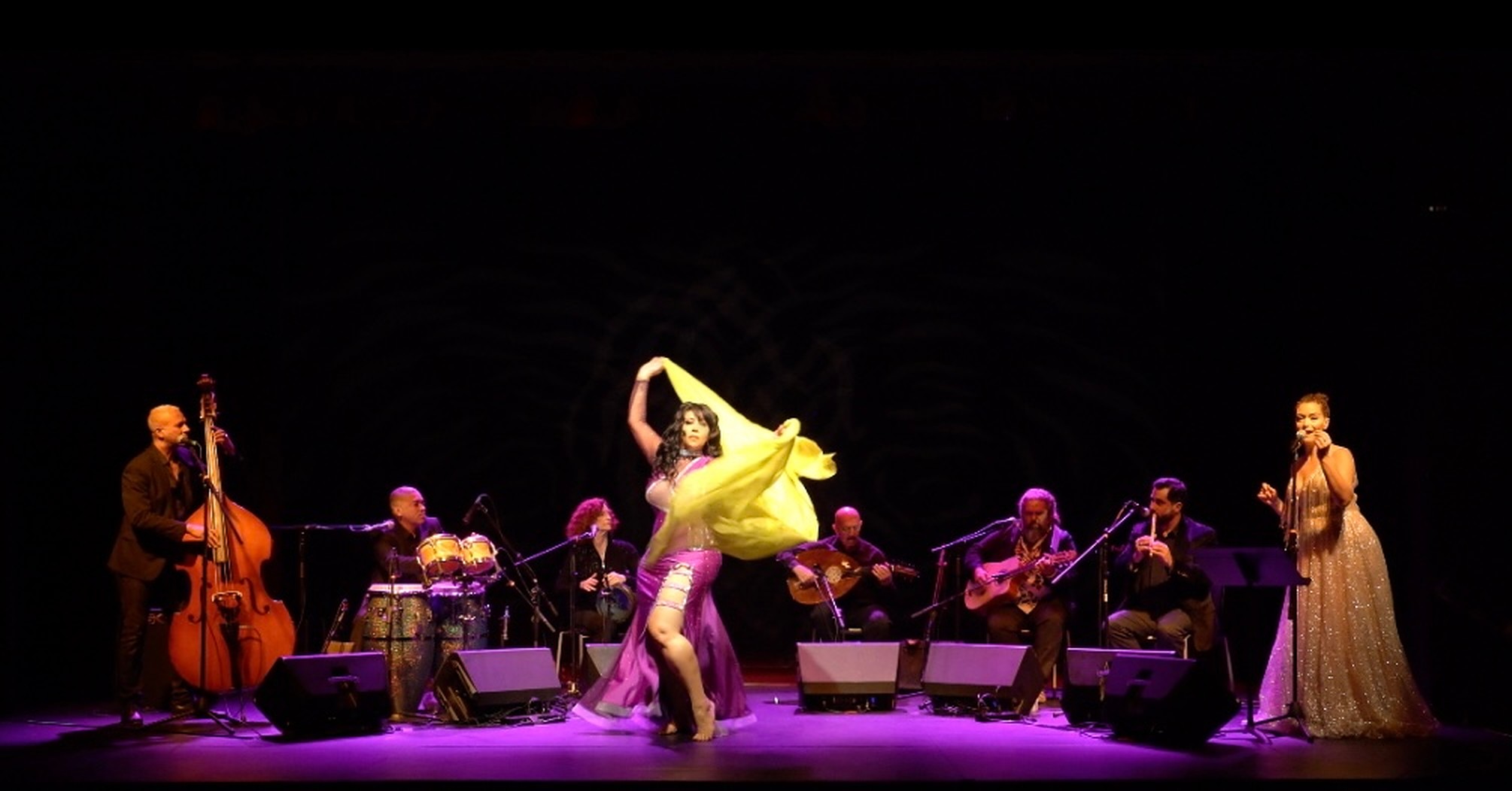
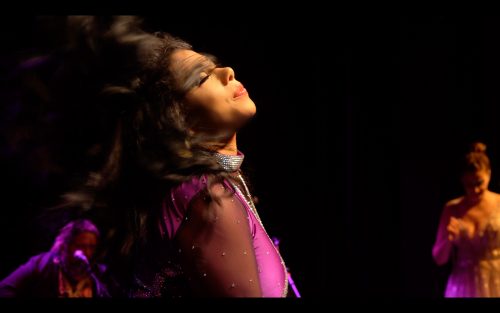
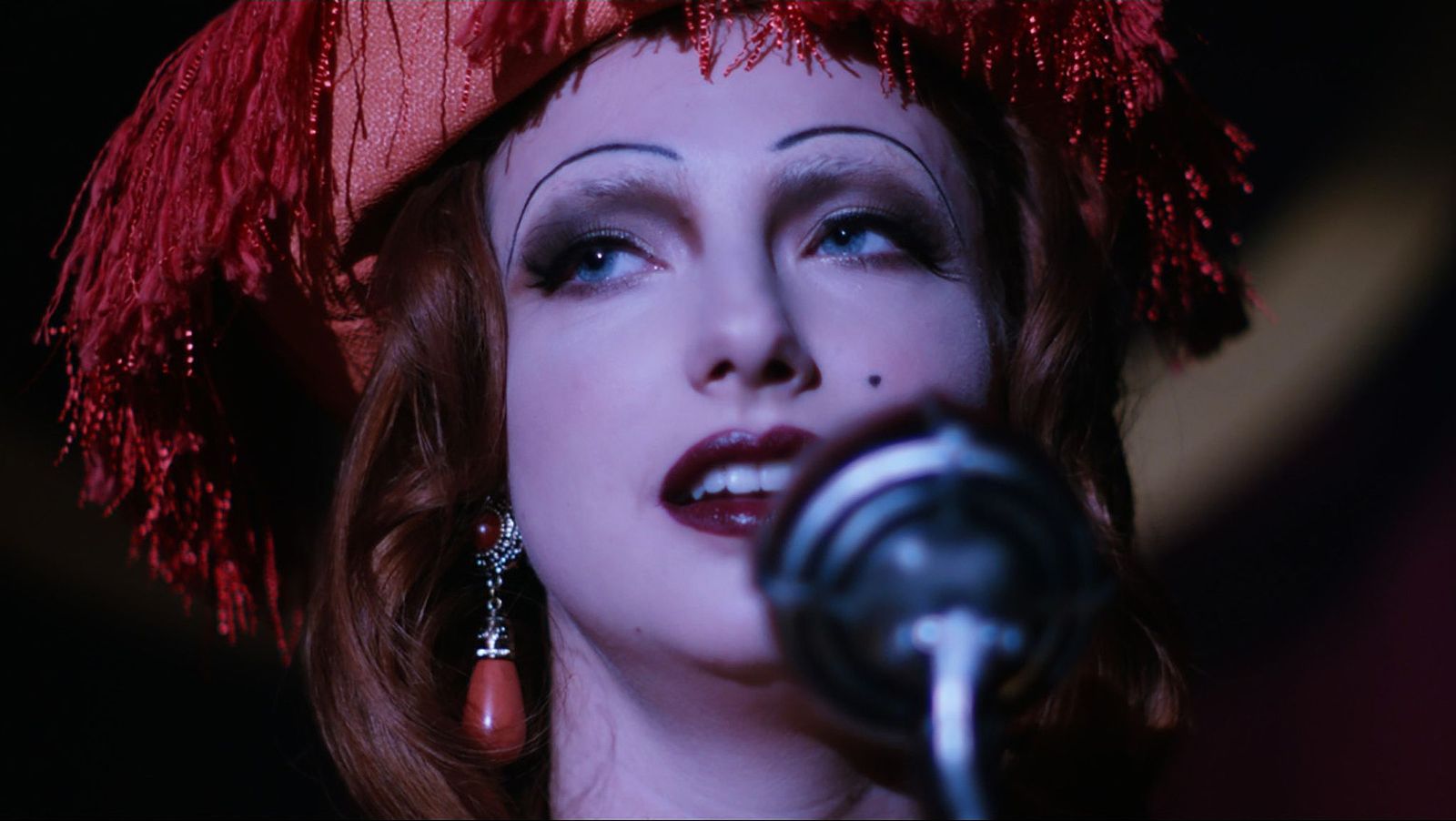
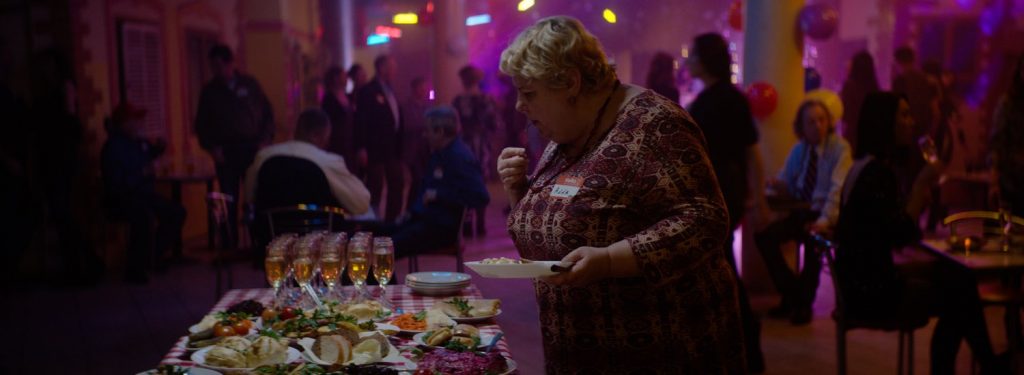
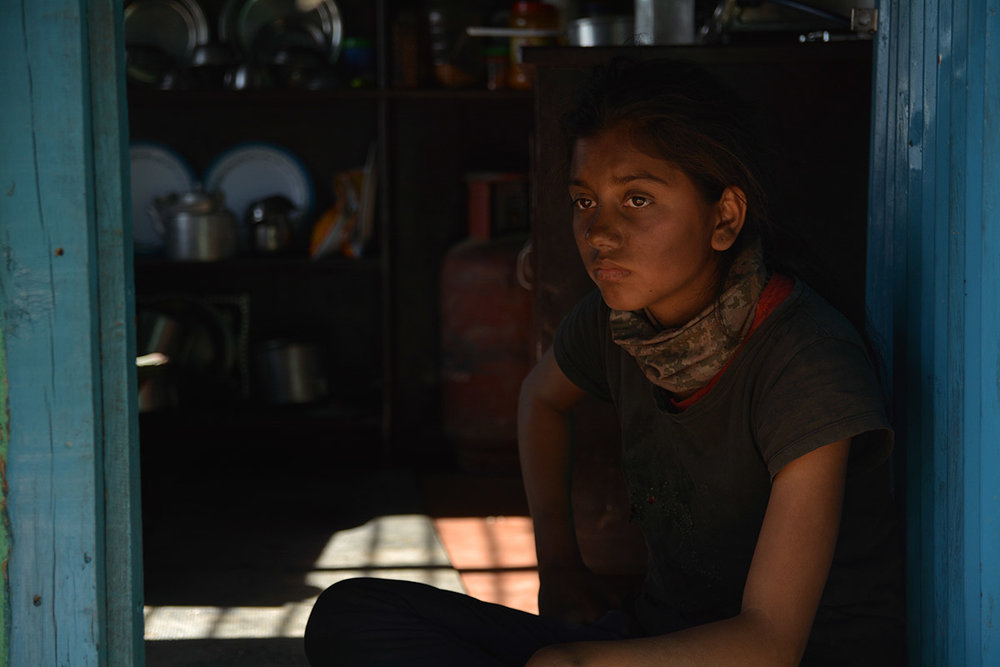
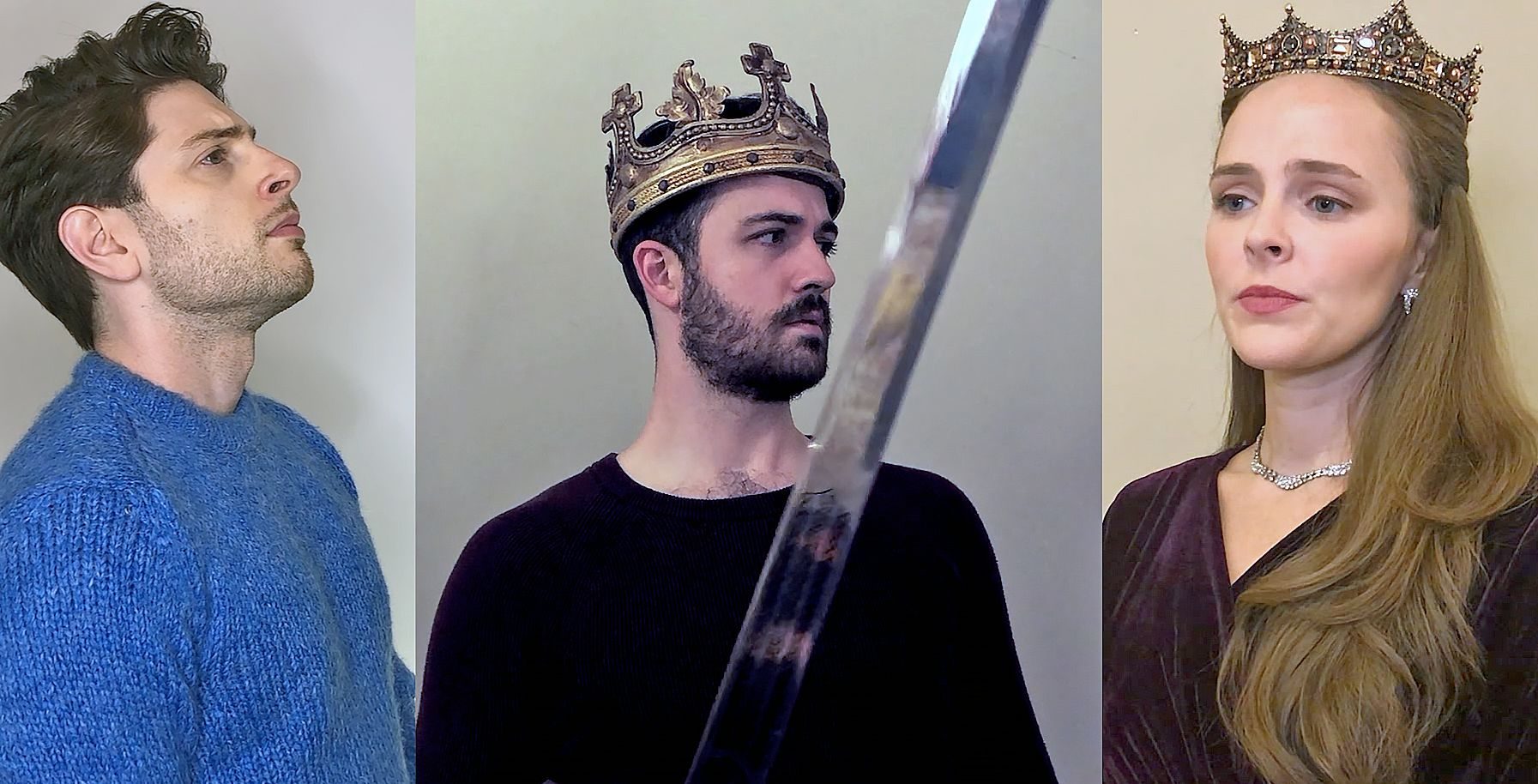
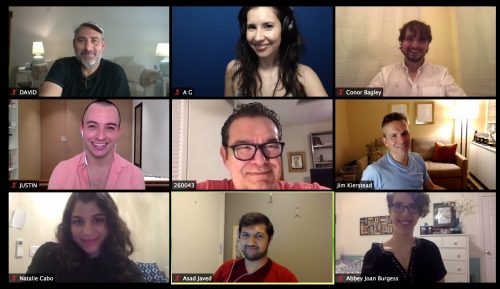
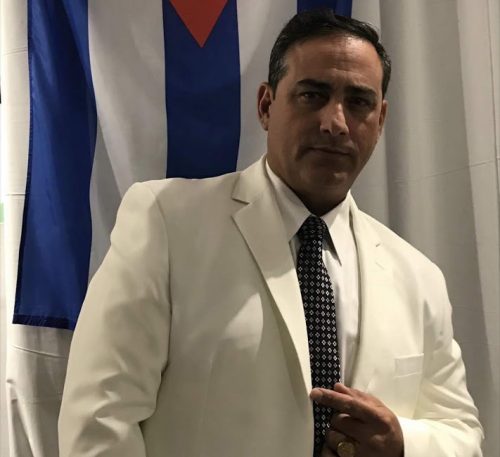
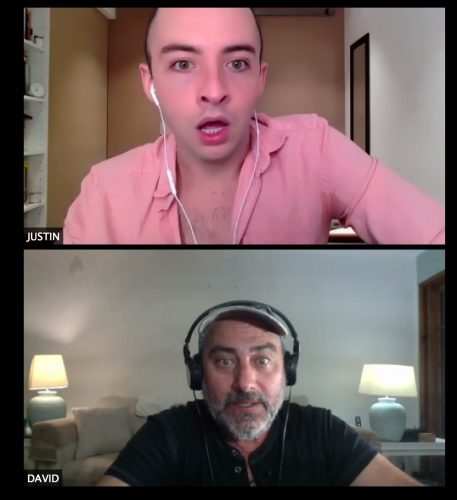
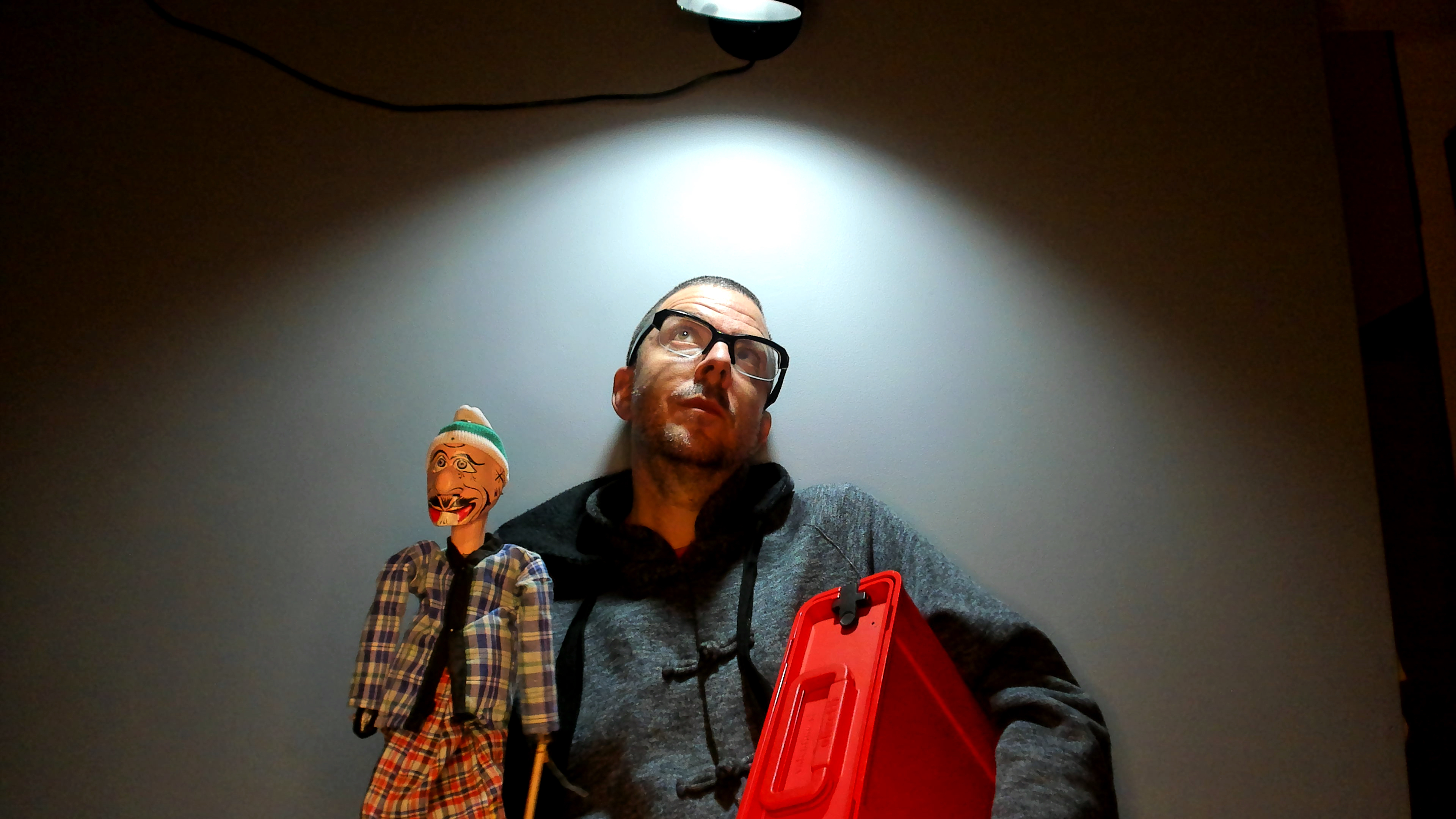
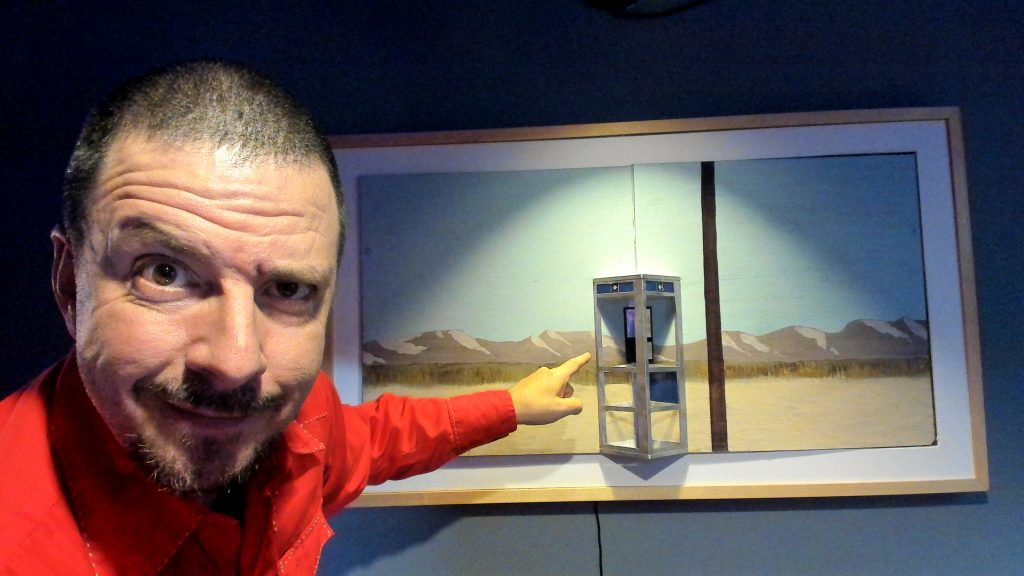

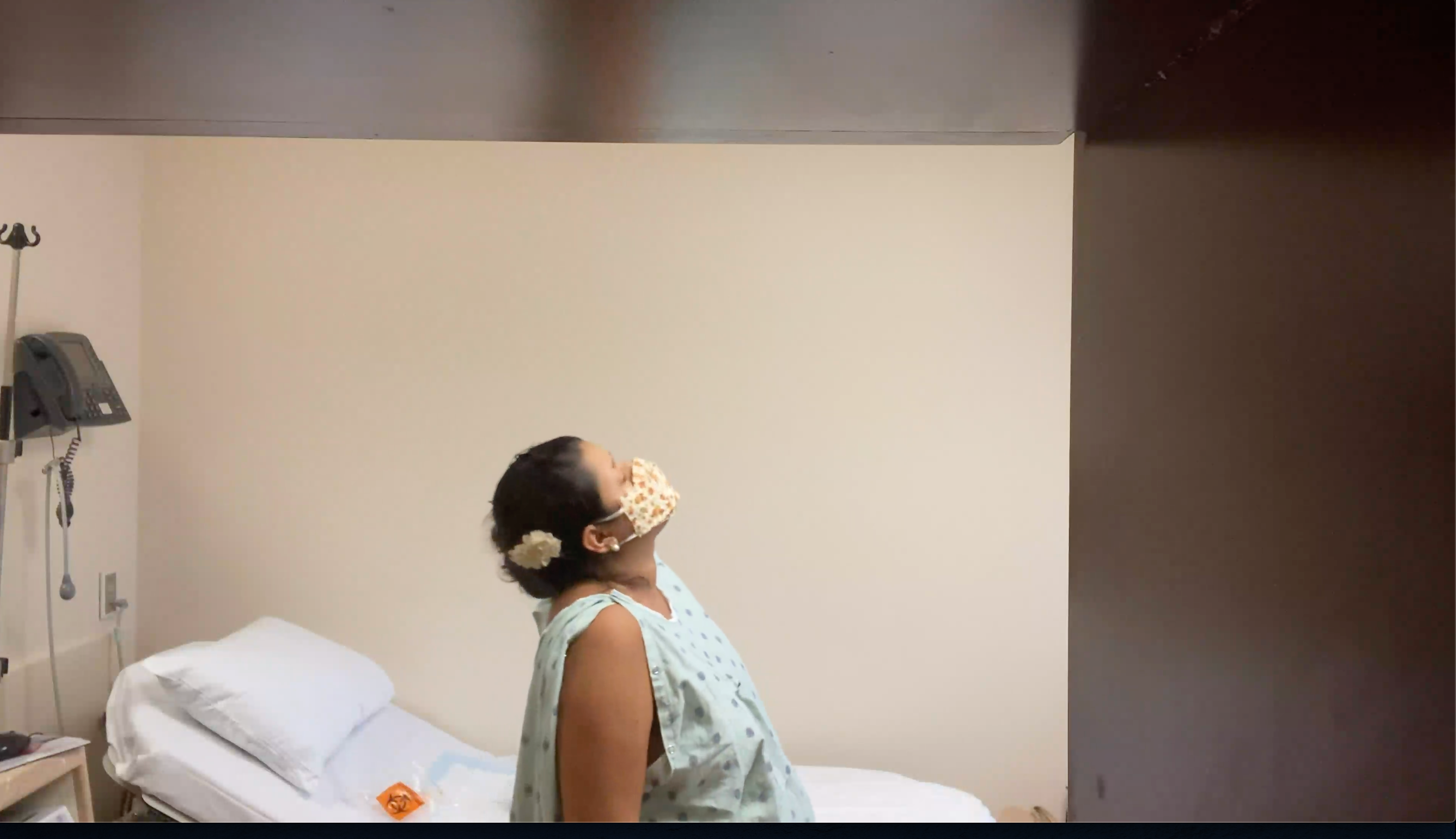
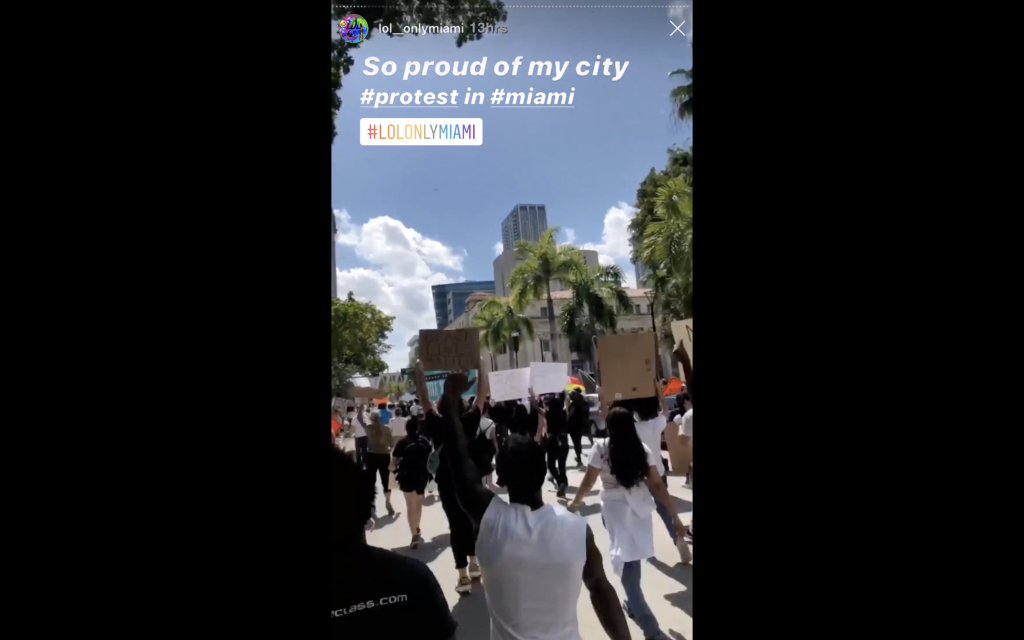
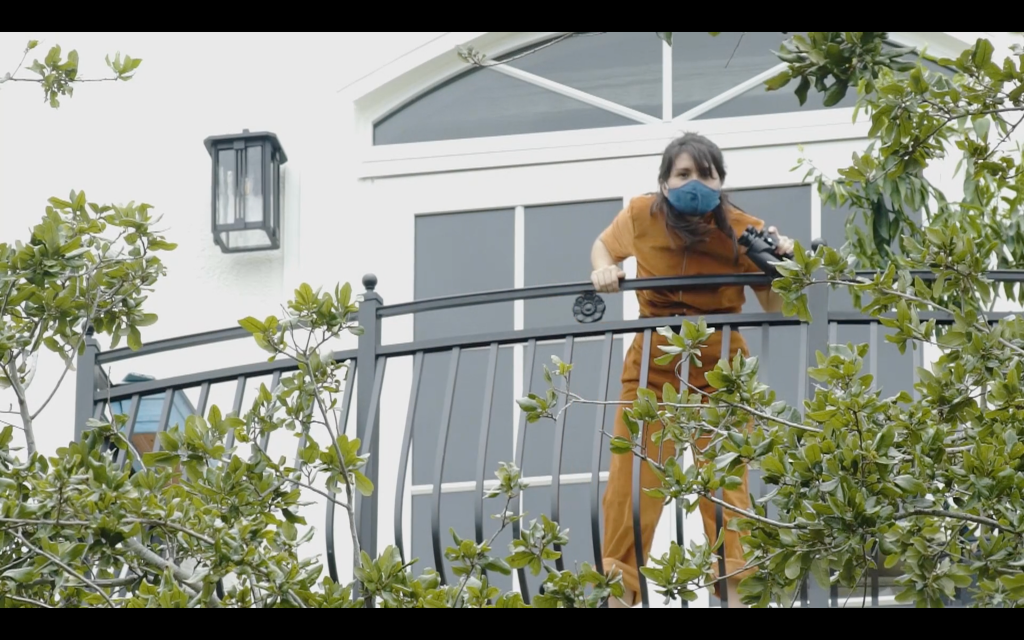
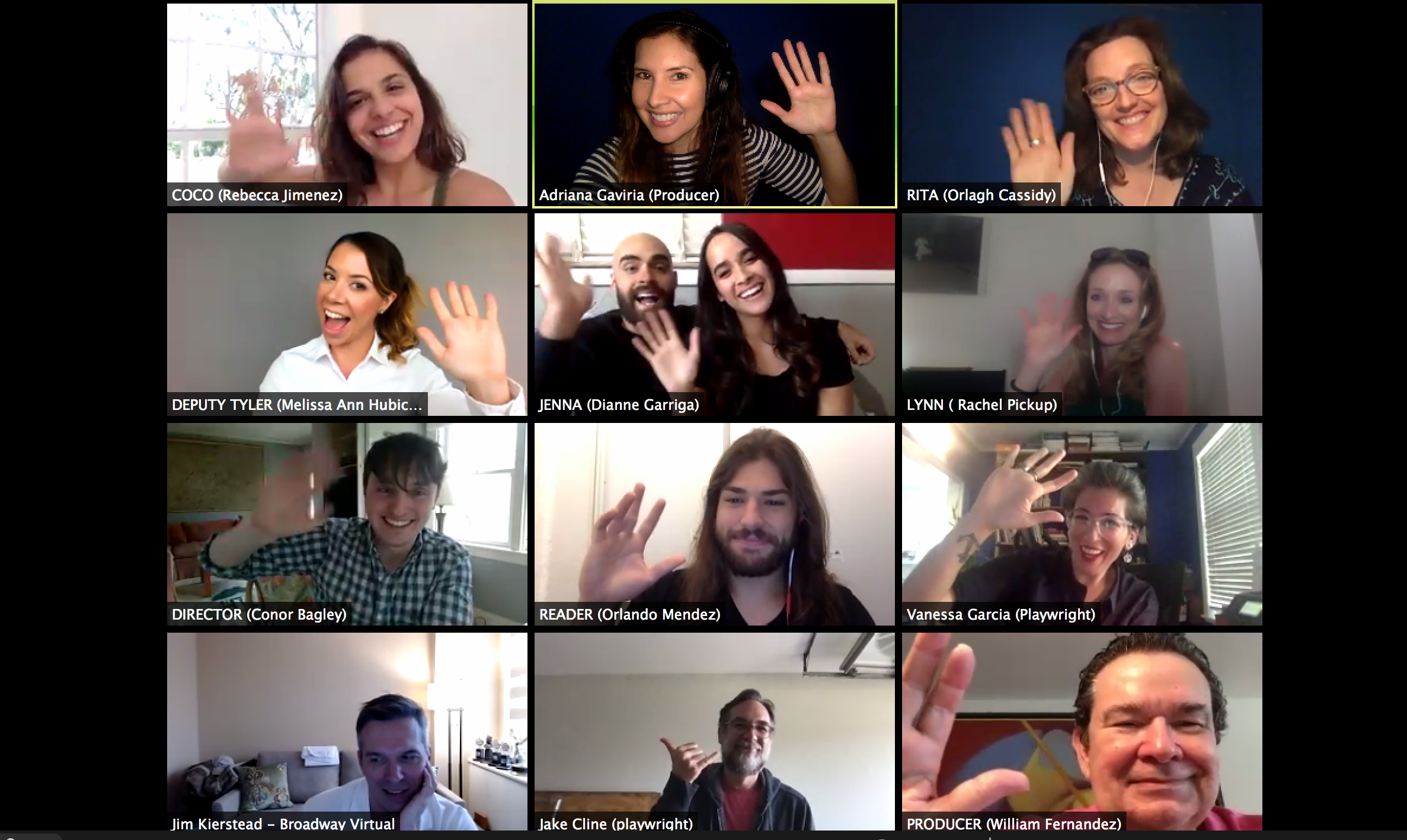
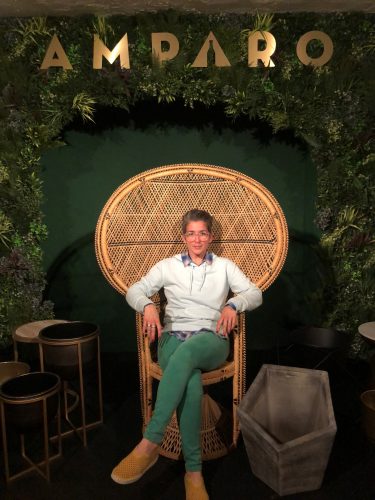
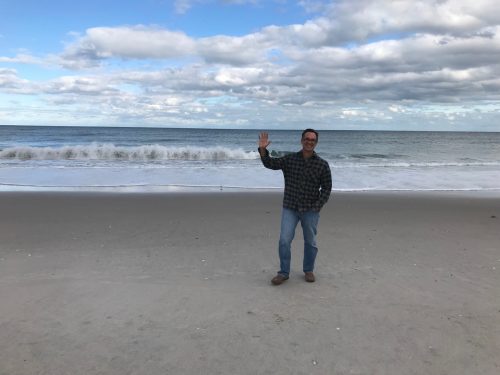
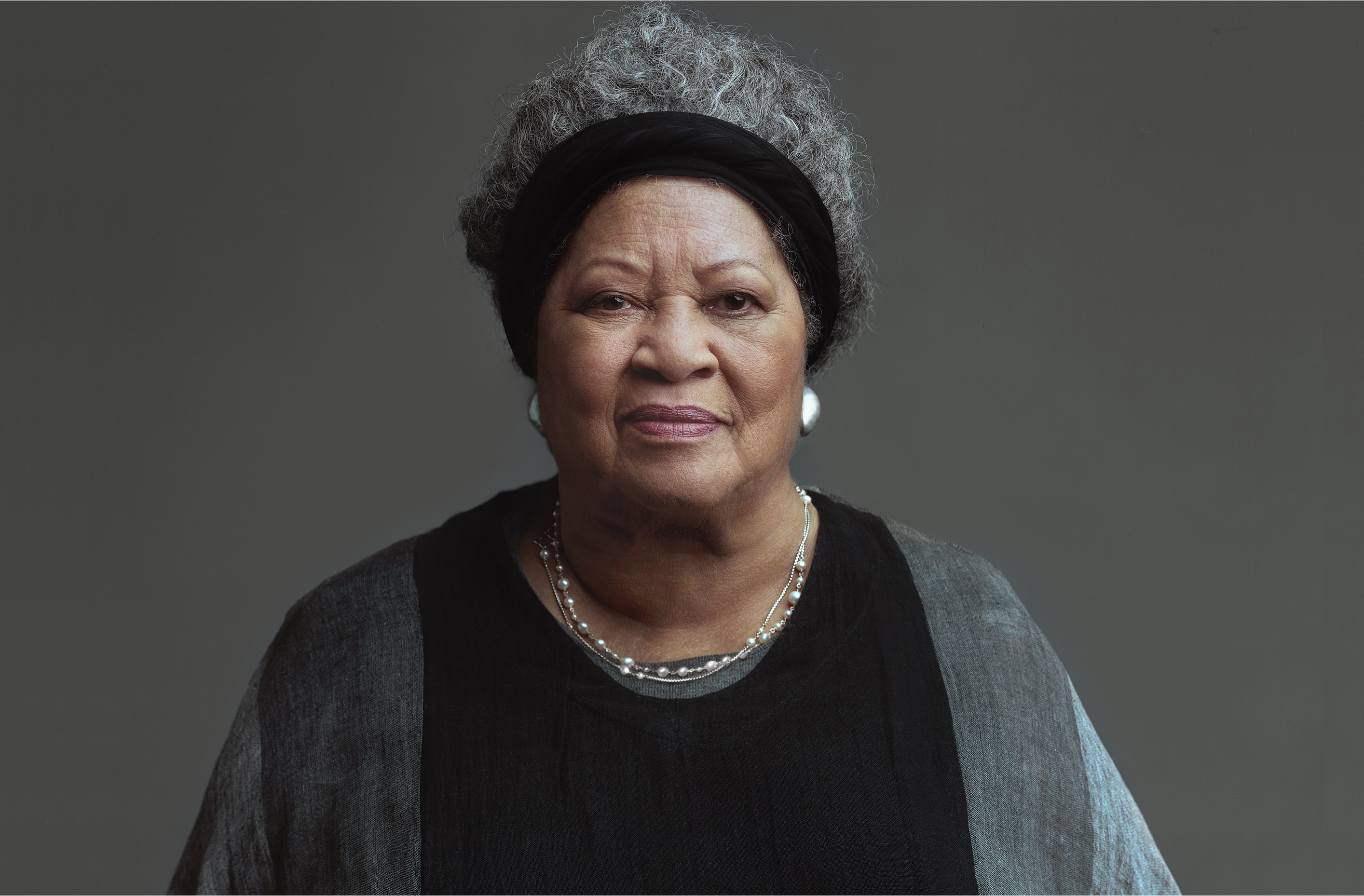
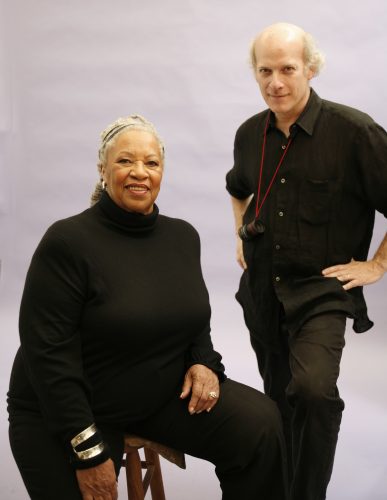
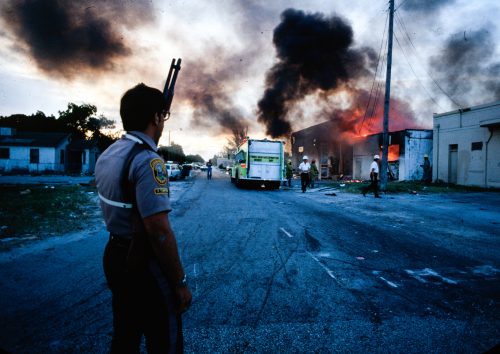
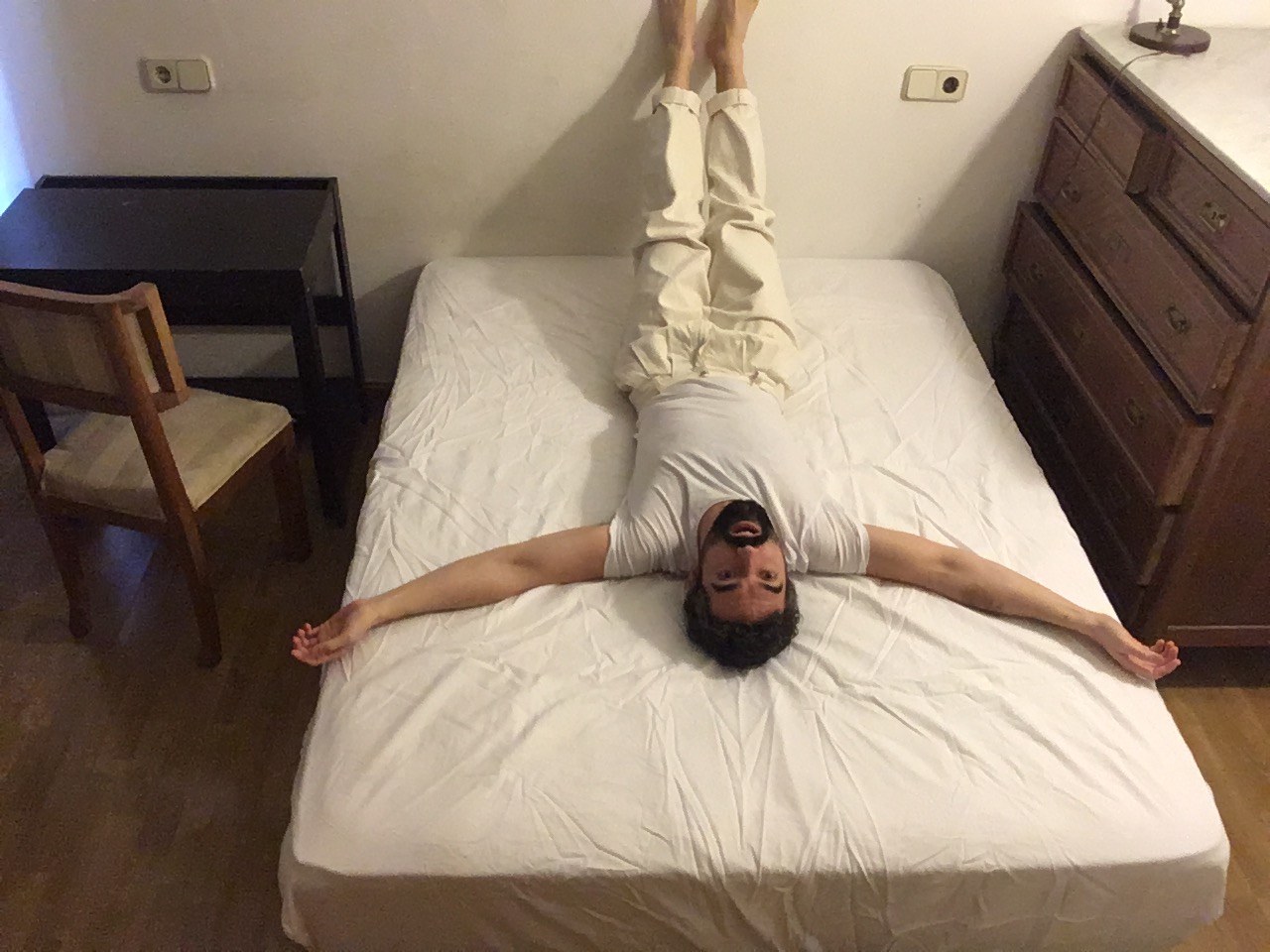

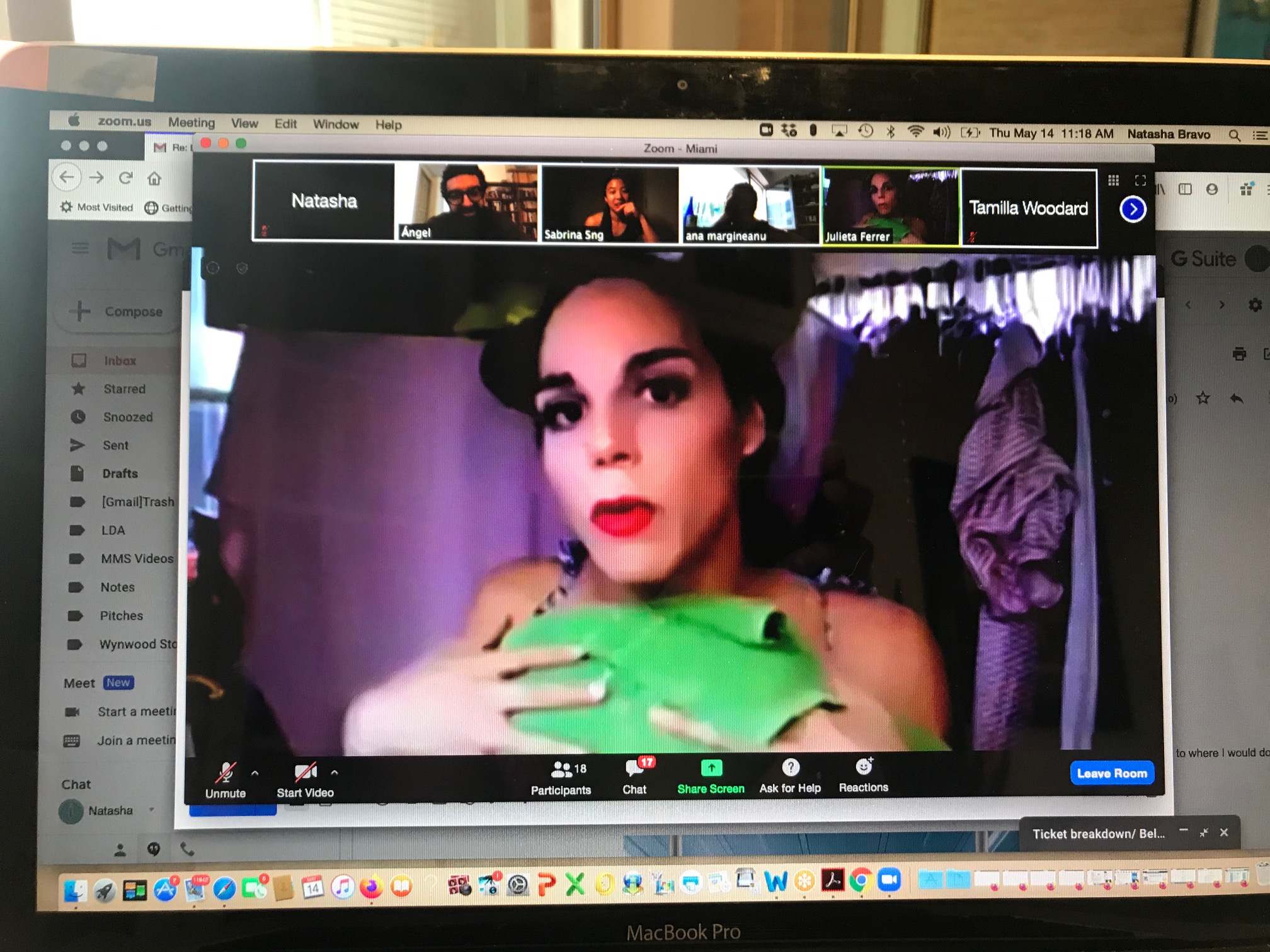
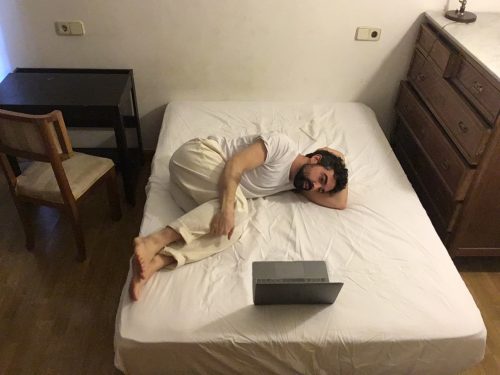
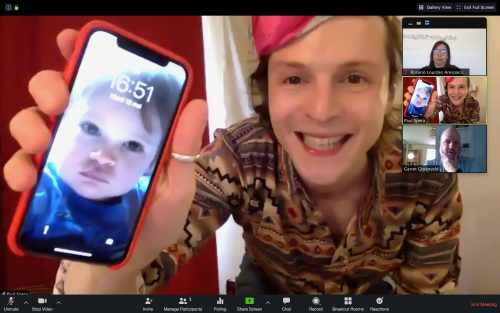
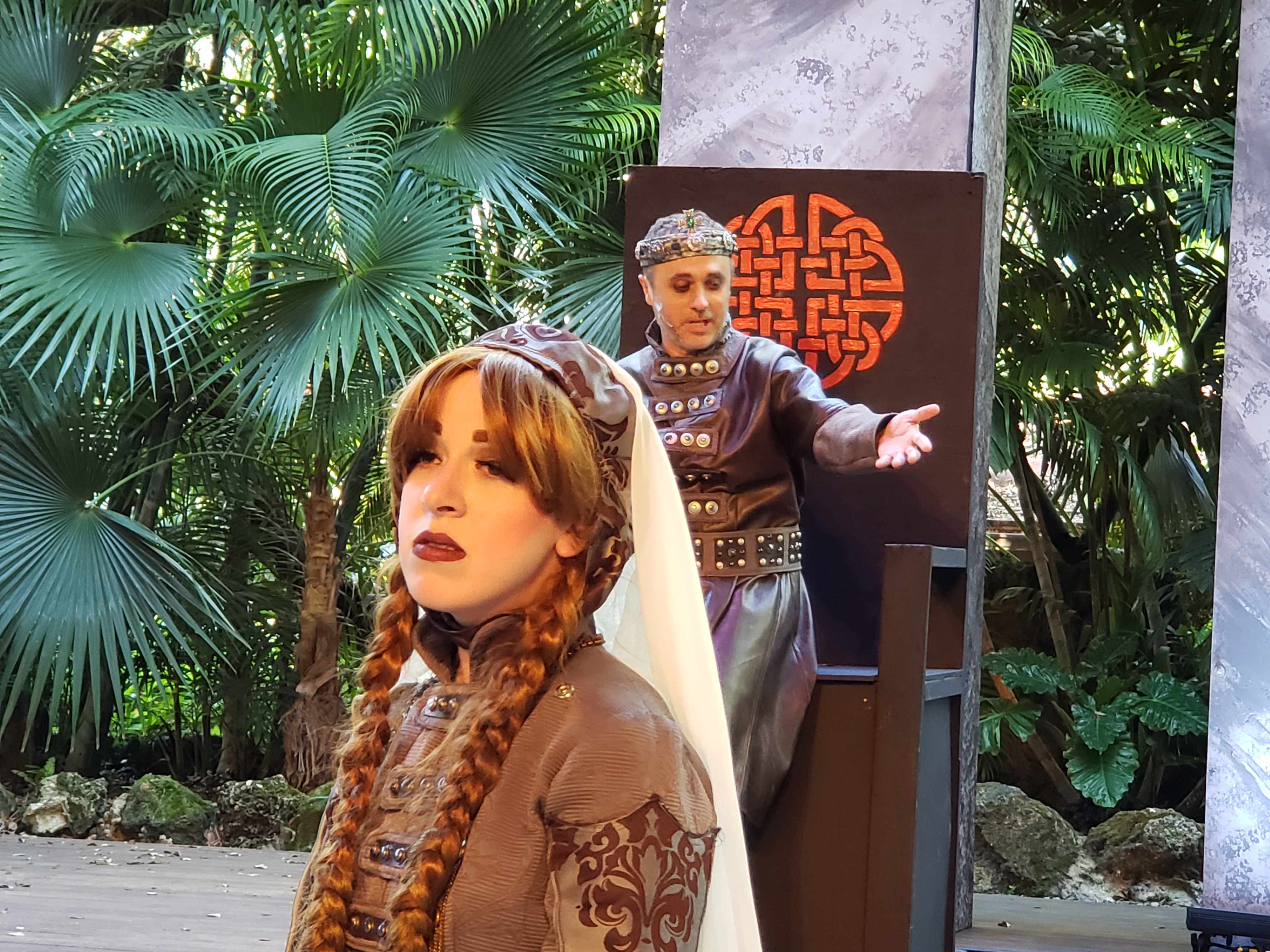
Recent Comments