Films Shot In Miami Or About Miami Take on Different Subjects at This Year’s Festival
Written By Jonel Juste April 4, 2024 at 4:00 PM
The orca Lolita in the Miami Seaquarium in a still shot from the film “Resident Orca” that will have two screenings at the Miami Film Festival. The festival’s 41st edition begins on Friday, April 5 and will have films screening at various locations throughout Miami. (Photo courtesy of Miami Dade College’s 41st Miami Film Festival)
“Miami has great filmmakers living here,” says James Woolley, Miami Dade College’s Miami Film Festival’s new executive director who came on board in late 2023. “And the films in our lineup reflect the wider community around us,” says Woolley.
Of the more than 180 feature films, documentaries, and short films from over 31 countries at this year’s Miami Dade College’s Miami Film Festival (MFF), the festival’s lineup boasts 10 world premieres of films crafted by local filmmakers with ties to Miami or connections to Miami-Dade College (MDC).
The festival’s 41st edition begins on Friday, April 5 with films screening at various locations throughout Miami’s. The festival closes on Sunday, April 14.
A scene from the movie “Puffing Iron” with actor Omar F. Cordero as Arnold. (Photo courtesy of Miami Dade College’s 41st Miami Film Festival)
Highlighted among the local films and documentaries this year are “Resident Orca,” “Puffing Iron,” and “Mumble: Fate of a Lost Icon.”
“Resident Orca,” the documentary by Sarah Sharkey Pearce and Simon Schneider, is about a conjugated effort between multiple actors to free the orca Lolita (also known as Tokitae) from more than 50 years of captivity (in Miami’s Seaquarium) and return her to the sea. The film narrative asks questions about where Lolita belongs and to whom and follows an unlikely partnership between indigenous matriarchs, a billionaire philanthropist, and orca experts as they take on the impossible task of freeing the killer whale.
In 2019, Pearce and Schneider decided to make a film about the southern resident killer whales, a distinct group of orca from the Pacific Northwest on the brink of extinction. They discovered that only 75 of these whales are left in the wild.
“During our research,” says Pearce, “we learned that in the 1960s and 70s, nearly 50 of these whales were captured and sold to aquariums for profit and only one was still alive. Her name was Lolita and she had been living in Miami since 1970. We were shocked and she quickly became the focus of our film.”
“Resident Orca” directors Sarah Sharkey Pearce and Simon Schneider tell the story of hardship of freeing Lolita. (Photo courtesy of Miami Dade College’s 41st Miami Film Festival)
The process of making this film was very organic and fluid, adds Pearce. The movie co-directors met with all types of people connected to Lolita through their life or work. “It became clear to us that Lolita was at the center of a web of human characters whose lives were profoundly impacted by this one whale. Of all the people we met, (it was) Indigenous Lummi elders Squil-le-he-le Raynell Morris and Tah-Mahs Ellie Kinley who had a connection to the whale like no others. In their culture, the whales were their direct relatives and bringing her home was a sacred obligation that deeply inspired us to pay attention and amplify their message where we could.”
The endeavor to release the orca into the wild encountered significant obstacles and came to an end when Lolita sadly passed away in 2023 at the Seaquarium.
“Advocates in this story faced the challenge of working with the captive industry but also the challenge of time. Sk’aliCh’elh-tenaut (Lolita/Tokitae)’s health had declined after poor treatment at Miami Seaquarium under multiple owners, according to findings by the USDA,” says Schneider.
Miami Seaquarium has recently been ordered shut by Miami-Dade County, partly due to Lolita’s passing. But for Lolita, says Pearce, “there is no justice, there is only her legacy.”
“Resident Orca” will be screened at 3:30 p.m. on Saturday, April 6 at Silverspot Cinema and 7:30 p.m., Tuesday, April 9 at Regal South Beach.
Far from the documentary realm of “Orca” comes “Puffing Iron,” a made-in-Miami film, which will be shown at the Koubek Center at Miami Dade College at 7 p.m. on Wednesday, April 10.
“Puffing Iron’s'” two main characters, Jamie (Elijah Moseley, left) and Ace (Bryan Serra, right). (Photo courtesy of Miami Dade College’s 41st Miami Film Festival)
Directed by Chris Rodriguez and Grant Rosado, the 98-minute film follows the story of two roommates living in Little Havana who spend their relaxing, smoking pot, and watching movies. However, when they receive an eviction notice, they realize their only chance of overcoming their predicament is by winning a powerlifting competition. The only issue is that they lack the necessary strength to succeed.
The inspiration for this movie, explains Rosado, a filmmaker of Cuban-Bosnian descent, was the “never give up” attitude of classic heroes such as Sylvester Stallone’s “Rocky” and Arnold Schwarzenegger who was featured in “Pumping Iron,” the 1977 docudrama about the world of professional bodybuilding.
“There’s an interview with Sylvester Stallone . . . that speaks to the power of storytelling and seeing yourself in a character on the movie screen. The idea for our film came from that interview as we wanted to show other people that their struggles don’t have to seem so daunting,” says Rosado.
“Puffing Iron” explores themes of transformation and change, focusing first on two friends who must undergo a physical transformation. The film then focuses on the evolving landscape of Little Havana, serving as a backdrop for the narrative. For Rodriguez, capturing this neighborhood on film was crucial “before it’s completely unrecognizable.”
A still from a competition scene in the movie “Puffing Iron.” (Photo courtesy of Miami Dade College’s 41st Miami Film Festival)
“I grew up in Miami and I started to witness how quickly (and drastically) the city was changing after 2020,” says Rodriguez. “I was working in Brickell for a bit and would go right down the street into Little Havana and I saw such a massive divide in economy, in culture, in people, in language . . . These two neighborhoods were so incredibly different and both changing so quickly. One embodies a cultural Miami and the other embodies an Americanized Miami.”
Made-in-Miami film “Mumble: Fate of a Lost Icon” spotlights a fictitious rapper, Young Guttah Nutz, and the people around him as they recount his creation of the mumble rap style and image.
Directed by Frankie Midnight, this mockumentary combines documentary and narrative while the subjects are completely fictional.
“We are paying homage to the Mumble rap genre by using it as a focus in our film which validates the genre as a pop culture success; there’s no value in a character being omitted from something that made no impact,” says the director.
Frankie Midnight stars in “Mumble: Fate of a Lost Icon,” a mockumentary about a fictitious rapper, Young Guttah Nutz. (Photo courtesy of Miami Dade College’s 41st Miami Film Festival)
This film, continues Midnight, could in many ways keep mumble rap relevant as the genre was at its peak six years ago. Mumble rap is a style of hip-hop music where artists mumble or slur their words over hard beats. “We aren’t aiming to disrespect the genre and its stars with the depiction of Young Guttah Nutz as this is only a fake character that found himself in his unfortunate situation, but the humor is showcased primarily through Young Guttah Nutz as he is a parody of himself.”
“Mumble: Fate of a Lost Icon” has been likened to iconic mockumentaries such as Rob Reiner’s 1984 “This is Spinal Tap” and “CB4,” which Midnight says inspired him 100%. “They were able to accurately depict the essence of the topics they were parodying . . . and I thought it would be interesting to do a take of this style with the Mumble rap genre.”
“Mumble: Fate of a Lost Icon” will be screened at 7:30 p.m. on Monday, April 8 at Silverspot Cinema.
According to the newly appointed executive director James Woolley, the Miami Film Festival is “bringing Hollywood to Miami.” (Photo courtesy of Miami Dade College’s 41st Miami Film Festival)
Woolley also urges attendees to explore compelling local documentaries such as “Stories From The Lighthouse” (Regal South Beach), “Antihero,” which delves into the life of local theater legend Jose Manuel Dominguez (Koubek Center), and “The Miami Bull Project,” chronicling the creation of the sculpture now gracing MDC’s Wolfson Campus (Silverspot Cinema).
WHAT: Miami Film Festival
WHEN: Friday, April 5 to Sunday, April 14. Screening times vary. See full schedule.
WHERE: The Adrienne Arsht Center, 1300 Biscayne Blvd, Miami; Silverspot Cinema, 300 SE 3rd St #100, Miami; Pérez Art Museum Miami, 1103 Biscayne Blvd., Miami; Koubek Center at Miami Dade College, 2705 SW 3rd St., Miami; Regal South Beach, 1120 Lincoln Road Mall, Miami Beach; O Cinema South Beach, 1130 Washington Ave., Miami Beach; Coral Gables Art Cinema, 260 Aragon Ave., Coral Gables.
COST: Most films are $15.50, general admission; $14.50, students, military, seniors (62 and older)
ArtburstMiami.com is a nonprofit media source for the arts featuring fresh and original stories by writers dedicated to theater, dance, visual arts, film, music, and more. Don’t miss a story at www.artburstmiami.com
No posts found
Miami New Drama explores the ‘Dangerous Days’ and aftermath of Arthur McDuffie’s death
Written By Christine Dolen April 1, 2024 at 10:21 PM
Reporters and editors watch as television coverage of the Miami riots begins in the Miami New Drama world premiere of “Dangerous Days” at the Colony Theatre, Miami Beach, which begins in previews on Thursday, April 8. (Photo courtesy of FURIOSA Productions)
Do you remember the name Arthur McDuffie?
Maybe you recall Edna Buchanan, the Pulitzer Prize-winning Miami Herald newspaper’s crime reporter.
Her tenacious journalism helped lead to the revelation of a horrifying truth: More than 44 years ago, the Black insurance salesman and ex-Marine did not, as Miami and Dade County police claimed, become gravely injured when his motorcycle wiped out at the end of a high-speed chase through city streets near 2 a.m. on Dec. 17, 1979. In fact, McDuffie was surrounded by officers who beat him within an inch of his life, fracturing his skull in multiple places, leading to his death on Dec. 21.
Roderick Randle and Caitlin Clouthier are visited by a testy Rene Granado in the Miami Herald newsroom in the Miami New Drama world premiere of “Dangerous Days.” (Photo courtesy of FURIOSA Productions)
The worst of those fractures, assistant Dade County Medical Examiner Ronald Wright would later testify, cracked McDuffie’s skull almost in half vertically and was the equivalent of what would have happened if the victim had fallen from a four-story building and landed between his eyes – on concrete.
The story of McDuffie, the acquittal of four officers by an all-white male jury after their trial was moved to Tampa, and riots in Miami that lasted for three days after the verdict was announced the morning of May 17, 1980, are a key component of Nicholas Griffin’s book “The Year of Dangerous Days.”
The 2020 nonfiction bestseller and National Book Award finalist paints an intricately detailed portrait of a chaotically violent year, with intertwined threads about the Mariel boatlift, the sharp rise in murders related to Colombian drug trafficking and the attempts of the city’s first Hispanic mayor Maurice Ferré to establish Miami as a banking gateway to Central and South America.
Now, the McDuffie-Buchanan story is resurfacing in a completely different way.
After previews at 8 p.m. Thursday, April 4, and Friday, April 5, the Miami New Drama world premiere of “Dangerous Days” will open at 8 p.m. Saturday, April 6, in the company’s home at the Colony Theatre on Miami Beach, where it will run through Sunday, April 28.
The London-born Griffin, his Venezuelan-born wife Adriana and their two children moved to Miami 11 years ago so that he could research and then write “The Year of Dangerous Days,” which was published by Simon and Schuster. The journalist, novelist, screenwriter and nonfiction author had sold the television and screen rights to his book, so when Miami New Drama’s co-founder and artistic director Michel Hausmann approached Griffin about writing a play based on it, the author said no.
“Then I found out my agent had carved out the stage rights, so the first thing I did then was say yes,” remembers Griffin. “I didn’t know how to get into it. If you follow one story, you have to go to Bogota, Cali and Miami. Or you have to go to Havana, Washington and Mariel. But if you follow the Edna story, you can stay in the newsroom and riff against those other things.”
Griffin turned to “Elián” playwright and play-writing teacher Rogelio Martinez, whose 2022 play about the protracted battle over returning Elián González to Cuba was another Miami New Drama world premiere drawn from history, for advice on writing his first-ever play.
Krystal Millie Valdes as Anna listens to orders from Caitlin Clouthier’s Edna Buchanan in the Miami New Drama world premiere of Nicholas Griffin’s “Dangerous Days.” (Photo courtesy of FURIOSA Productions)
But when he turned in his first draft to Hausmann, Griffin says, “he said, ‘Thank you so much. You’ve given me a screenplay. You are thinking of theater in terms of its limitations. Think of it as emotional truth, release, imagination. Whose story is this? Edna always wanted to try to give the victim a voice – he has that now.’”
“He” being Arthur McDuffie.
“Dangerous Days” is likely not the play people with first-hand memories of McDuffie’s murder, the riots that claimed an additional 18 lives (and caused hundreds of injuries as well as $100 million in property damage) or Buchanan’s stream of vital stories written in the Herald’s now-demolished landmark building on Biscayne Bay might be expecting.
Though the play is grounded in events that happened long ago, the script has become more imaginatively and audaciously theatrical.
Reporters and editors work the Arthur McDuffie story in the Miami Herald newsroom in the world premiere of Nicholas Griffin’s “Dangerous Days.” (Photo courtesy of FURIOSA productions)
In collaborating with New York-based director-choreographer Jen Wineman, the cast (all South Florida actors except for Caitlin Clouthier, who plays Buchanan), designers and Hausmann, Griffin creatively speculates on everything from the cost to Buchanan of her nonstop coverage of gruesome crimes to what the 5’10”, 147-pound McDuffie might have said about his fate and the officers’ acquittal.
Centered in the Herald newsroom, “Dangerous Days” travels to multiple locations through the magic of theater. It contains humor – often in the exchanges between Buchanan (who famously turned in stories at the last minute so that editors didn’t have time to “improve” her copy) and her beleaguered editor “Larry” (played by Stephen Trovillion and based on several editors) – but Hausmann says those moments don’t take away from the “gravity and importance” of the story.
“Arthur McDuffie became a symbol. It’s powerful to see him as a human being,” says Hausmann. “If we are going to unearth the story of Edna and McDuffie, they both need to have a powerful presence and point of view – ultimately, you have to get into the minds of the characters. Edna was professional, cutthroat, precise, meticulous, nonstop. A dog with a bone who wouldn’t let go…there’s something profoundly heroic about her.”
Director-choreographer Wineman, who staged Kristoffer Diaz’s “The Elaborate Entrance of Chad Deity” for Miami New Drama in 2018 and now has “Five: A Parody Musical” (a show about Donald Trump and the women in his life) running Off-Broadway, focuses on new work. What interests her are plays involving comedy, magic and politics – all of which are components of “Dangerous Days.”
“The way Nick has written this is very magical in its form…When I first read the play in June, I found it very compelling,” says Wineman. “But we needed to keep it moving, make it more theatrical. It needed to be about the characters and the human connections, how the characters evolve or don’t. We’ve been playing with rhythm and pacing, thinking about what information we get and when.”
Wineman and Clouthier both earned master’s degrees at the Yale School of Drama and have worked together multiple times. The director calls the actor “a comedic genius” and hopes that people who know Buchanan won’t watch Clouthier’s performance and say, “That’s a good impersonation.”
“Edna is a dynamic, incredible, flawed person in the play,” says Wineman.
Caitlin Clouthier as Edna Buchanan talks to Kristal Millie Valdes as Anna in the Miami Herald newsroom in the Miami New Drama world premiere of “Dangerous Days.” (Photo courtesy of FURIOSA Productions)
Clouthier, who describes herself as “a closet introvert,” hadn’t heard of Buchanan before she auditioned – nor did she know the name and story of Arthur McDuffie. In that, she wasn’t alone: Made up of people who were very young or not yet born in 1979-80, most of the locally based cast didn’t know about McDuffie’s case either.
To take on the role of Buchanan, the actor read the reporter’s 1987 memoir “The Corpse Had a Familiar Face.” Though she has never been a journalist nor covered thousands of murders as Buchanan did on the crime beat, Clouthier says the book provided a window into the Pulitzer winner’s thought process.
“I resonated with her drive and her joyful disregard for what other people thought she ought to be doing,” says Clouthier, who will conceal her long, curly red hair beneath a blonde wig to play Buchanan.
“Generally, I’m a character actress who doesn’t play a lot of real people. This is a woman who is very well-known and still alive…Any woman who has ever had a dream can relate. She lives her dream loudly and a bit recklessly for her emotional well-being.”
Clouthier and Roderick Randle, who portrays McDuffie, are the only two actors who play a single role in “Dangerous Days.” Jovon Jacobs, Caleb Scott, Krystal Millie Valdes, Rene Granado and Trovillion play multiple roles, allowing for a more sweeping telling of the story. Except for Scott’s role as Marshall Frank, the detective who was captain of Dade County’s homicide division, the names of characters have been changed, though most are modeled on people who lived the story.
Caitlin Clouthier as crime reporter Edna Buchanan (right) contemplates her next move in the Miami New Drama world premiere of “Dangerous Days.” (Photo courtesy of FURIOSA Productions)
Randle, praised by director Wineman as bringing “so much warmth to the character of Arthur – you fall in love with him the first time you see him,” didn’t know of McDuffie, Buchanan or the riots when he was cast but has found multiple points of connection in the role.
“We’re giving him the voice he never had, telling the story from his perspective. It’s cathartic to have the victim express his feelings,” Randle says. “It’s important to keep the awareness of this happening. To feel and see it happen in a different way. It’s heartbreaking . . . The more we go through the text and the show, I realize he’s not too far off from who I am, in the way he loved his family, in the music he listened to.”
Jacobs, who appeared with Randle in Miami New Drama’s 2018 production of “One Night in Miami,” plays Bobby, an officer inspired by a cop who was a high school classmate and longtime friend of McDuffie. It is Jacobs who makes the audience “see” and feel the fires burning through Black neighborhoods during the riots. And he’s also a conduit for McDuffie to have his say.
“I absolutely think Bobby is summoning Arthur’s spirit; that’s exactly the angle we’ve taken with this piece,” says Jacobs. “Whenever he shows up, it’s because Bobby is thinking about something in reference to him, whether he’s questioning something about the case or doubting decisions he made. Arthur pretty much acts as his inner voice, which gets spoken through Bobby, his very close friend.”
Krystal Millie Valdes, who was just highlighted in American Theatre Magazine as one of six Miami theater workers to watch, plays the mysterious Anna and other roles in “Dangerous Days.” No spoilers, but we can say that the younger Anna is an aspiring journalist who attaches herself to Buchanan in the newsroom and on assignment.
“I play music for kids at the Institute of Contemporary Art in Miami, and I have to pass by the place where this happened. Every time I go, I cry,” says Valdes, who was born in Miami, grew up in a Cuban American family and made a decision to remain in her hometown to build her career.
Nicholas Griffin, left, wrote the book “The Year of Dangerous Days” and has written the world premiere play “Dangerous Days” for Miami New Drama. At right, New York-based director-choreographer Jen Wineman, directs. (Photos courtesy of Tomas Griffin and Erik Pearson)
She praises Griffin’s willingness to rewrite and revise, and the window he provides into other characters: “Before, the script was full of monologues. Now, the characters work through trauma with people they otherwise wouldn’t have access to.”
Born in Spain, Rene Granado also grew up in a Cuban American family in Miami. In “Dangerous Days,” he plays a racist cop called Vivec, one of the officers who beat McDuffie; the operator of the tow yard where McDuffie’s motorcycle – mangled by the police to try to make their claim of an accident credible – was taken, and others.
“This play is about giving a version of Arthur McDuffie a voice,” says Granado. “This is still happening today in Miami and throughout the United States, even though a lot has changed. This did happen. Life moves forward, and we tend to forget….You have to stay vigilant and hold people accountable.”
Trovillion notes that Wineman is giving the play “a ‘Front Page’ type of energy – fast and furious” (he references a play and several movies that are among the all-time great examples of comedies about newspapers) and that the humor in it is necessary “in a story as dark as this.”
Scott, a playwright as well as an actor, emphasizes that “Dangerous Days” is more than a “retelling of horrors of the moment.” Secrets revealed, the psychological toll on Buchanan, McDuffie’s friend trying to find his way back to humanity – many threads converge in the play.
“There’s a lot of today in this moment. A lot of wounds that haven’t healed. And a lot of truths that persist,” says Scott.
From left, Caleb Scott, Rene Granado, Jovon Jacobs and Krystal Millie Valdes surround Roderick Randle as Arthur McDuffie in the world premiere of “Dangerous Days.” (Photo courtesy of FURIOSA Productions)
Hausmann notes that, among its many themes, “Dangerous Days” is about the power of local journalism and calls journalists “the last line of defense of our civilization.”
As writers in a vastly altered 21st-century media landscape fight to keep readers informed, Hausmann believes it’s also critical to remind Miamians of their history.
He adds: “People don’t remember Elián, and that was 24 years ago. They don’t remember Arthur McDuffie, and that was 44 years ago. They don’t remember that the Colony Theatre was segregated until 1964. A lot of Miami history is hidden. It feels like it’s our responsibility to change that.”
A final note about Arthur McDuffie and memory.
A historical marker stands at 3800 N. Miami Ave., near the spot where McDuffie was savagely beaten on Dec.17, 1979.
With two of his adult children present, the marker was unveiled on Feb. 24, 2024.
WHAT: World premiere of “Dangerous Days” by Nicholas Griffin
WHERE:Miami New Drama production at the Colony Theatre, 1040 Lincoln Road, Miami Beach
WHEN:Previews 8 p.m. Thursday, April 4, and Friday, April 5; opens at 8 p.m. Saturday, April 6, with limited tickets remaining; regular performances 8 p.m. Thursday-Saturday, 3 p.m. Sunday, through April 28
COST:$46.50, $66.50, $69.50, $76.50, $83.50 ($101.50, $141.50, $181.50 for some opening night tickets)
ArtburstMiami.com is a nonprofit media source for the arts featuring fresh and original stories by writers dedicated to theater, dance, visual arts, film, music and more. Don’t miss a story at www.artburstmiami.com.
No posts found
Review: ‘Caroline, or Change’ At Actors’ Playhouse Is Glorious, Challenging
Written By Michelle F. Solomon April 1, 2024 at 2:01 PM
Toddra Brunson as Washing Machine, Kareema Khouri as Caroline and Asher Makeba, Gabrielle Graham and Whitney Renee as Radio in Actors’ Playhouse’s “Caroline, or Change” through Sunday, April 14 at the Miracle Theater, Miracle Mile, Coral Gables. (Photo courtesy of Alberto Romeu)
Change takes on many meanings in “Caroline, or Change,” now playing on the mainstage of Actors’ Playhouse at the Miracle Theatre in Coral Gables. There’s pocket change. Political change. A desire to change circumstances into a better present, and the present into a better future.
What “Caroline, or Change” asks of its audience, too, is to change its expectations surrounding the typical Broadway musical. Typical “Caroline, or Change” is not.
Kareema Khouri as Caroline and Franco Kiglies as Noah star in “Caroline, or Change” at Actors’ Playhouse at the Miracle Theatre. (Photo courtesy of Alberto Romeu)
The story is partially based on playwright Tony Kushner’s childhood, growing up Jewish in small-town Louisiana in the 1960s.
It’s important to note the gestation of Kusher’s semi-autobiographical musical, which made its Broadway debut in 2004. First asked by San Francisco Opera to produce a libretto (the text or book, with a composer writing the music), his idea for “Caroline” came to mind. The roots of what might have become that opera remain part of the musical’s foundation, but don’t turn away. The musical is not an opera, although it’s a story told through music. There isn’t a bit of traditional dialogue — every word is sung, which makes it a sung-through musical (“Hamilton” is one, “Next to Normal” another, for instance).
What director David Arisco has adeptly done, utilizing his ability to bring out the best in actors, is fill his “Caroline” cast with performers who are up to the task of building this multi-layered, must-see work to its intricate glory.
A seven-piece orchestra helmed by conductor Antoine Khouri lusciously dives into Jeanine Tesori’s score, which borrows from Motown and doo-wop, samples the blues and jazz, revels in the roots of gospel, spirituals and even klezmer.
Franco Kiglies, Kareema Khouri, Cassidy Joseph, London Khouri, Liam X. Williams and Tyler Symone in a scene from “Caroline, or Change” at Actors’ Playhouse at the Miracle Theatre. (Photo courtesy of Alberto Romeu)
The year is 1963. The location is Lake Charles, Louisiana, where playwright Kushner grew up. It’s the unhappy home of the Gellmans: eight-year-old Noah (Franco Kiglies); his recently widowed father, Stuart (Brian Golub), who is more in tune with his clarinet than with his son or new wife; and Rose Stopnick Gellman (Jeni Hacker), who calls her father in New York to proclaim herself “your brand-new Southern daughter,” only to ask, “How’s the Hudson River?”
Brandon M. Newton’s set design captures the characters’ different worlds: at the very top of a revolving stage is Noah’s bedroom, while at the bottom is the basement laundry room where Caroline Thibodeaux (the astounding Kareema Khouri), the family’s 39-year-old Black maid, toils daily.
Caroline (Kareema Khouri) with Washing Machine (Toddra Brunson) and Radio (Asher Makeba, Gabrielle Graham, Whitney Renee) and Dryer (Don Seward) in the Actors’ Playhouse production of “Caroline, or Change.” (Photo courtesy of Alberto Romeu)
“Sixteen feet below sea level!/Torn tween the Devil and the muddy brown sea,” sings Caroline. Her conversations are shared with a heaven and hell she’s created – the divine Island-esque inspired Washing Machine (Toddra Brunson) and the devilishly sinister Dryer (Don Seward, who digs deep into his richly resonant bass-baritone, and has another role as Bus).
A Supremes-inspired Greek chorus serves as Radio (Asher Makeba, Whitney Renee and Gabrielle Graham), which pops in and out of various locations in the basement and also makes it to the front porch of the Thibodeaux home.
The Josephine Baker-esque Moon (Tyler Symone) appears in certain moments to calm things and provide assurance that change may come, as she floats in like Glinda the Good Witch.
Tyler Symone brings a calming presence as the Moon in the musical “Caroline, or Change” at Actors’ Playhouse at the Miracle Theatre. (Photo courtesy of Alberto Romeu)
The loose change that Noah leaves in his pants pockets ultimately becomes a sad commentary on the haves and the have-nots.
Stepmother Rose, who wants to teach him a lesson about taking better care of his money, tells Caroline that whatever change she finds she can keep. What’s meant to be a generous offer comes off as pandering and eventually leads to a racist war of words between Noah and Caroline and one of the most painful exchanges in the musical – Kushner’s text doesn’t sugarcoat. The same goes for the Chanukah celebration as Mr. Stopnick (Howard Elson), a 1930s radical activist from New York, and Caroline’s teen daughter, Emmie (Cassidy Joseph), interrupt the festivities with their culture clash.
Others in the Gellman and Thibodeaux families are Stuart’s parents, Grandma and Grandpa Gellman (Patti Gardner and Peter Tedeschi), and Caroline’s other two children, Jackie (Liam X. Williams) and Joe (London Khouri, the adorably charming son of Kareema and Antoine). Caroline’s best friend, Dotty Moffett (Annaya Charlicia), is trying to make something of herself and shed her maid’s uniform for good by going to night school, but her push to get Caroline to do the same ends up splintering their friendship.
Peter Tedeschi, left as Grandpa Gellman and Patti Gardner, right, as Grandma Gellman with Franco Kiglies as Noah in “Caroline, or Change.” at Actors’ Playhouse at the Miracle Theatre. (Photo courtesy of Alberto Romeu)
What is consistent throughout the show is the actors’ command of the characters.
Khouri as Caroline is angry, feeling like she can’t provide for her family, and has been the victim of domestic abuse. But in Khouri’s achingly human take and soaring vocals, she avoids all cliches — there’s no room in her portrayal for the stereotypical Black maid. Her power ballad performance in the 11 o’clock number “Lots’ Wife” is more than enough reason to see “Caroline, or Change” as she sings, “Murder me, God, down in that basement, Murder my dreams, so I stop wantin.’ ”
Jeni Hacker as Rose in “Long Distance” from “Caroline, or Change” at Actors’ Playhouse at the Miracle Theatre, Coral Gables. (Photo courtesy of Alberto Romeu)
The ensemble cast is a tightly knit group, exactly what is needed to bring together this complicated story.
Brunson has a ball with the cheery and effervescent Washing Machine, as does Seward with his slithering Dryer. Hacker brings Rose, who feigns goodwill, to vivid life, especially in the number “Long Distance” (the comic timing in her asides is impeccable).
Joseph is vibrant as the rabble-rousing Emmie (standing out with Williams and London Khouri in the story song about a character named Roosevelt Petrucius Coleslaw “the ugliest child you ever saw”); Joseph imbues her character with the moxie necessary to be the representation of a generation willing to fight for a better future.
Charlicia brings to Dotty hope and courage, too. Makeba, Graham and Renee are a Marvelette dream team while Symone’s soprano brings a lovely looming presence to the moon. At 11 years old, Kiglies’ Noah is wise beyond his years, and the young actor is consistently on point.
Annaya Charlicia and Kareema Khouri in “Caroline, or Change at Actors’ Playhouse at the Miracle Theatre, Coral Gables. (Photo courtesy of Alberto Romeu)
One criticism: Somehow the gravity of what’s happening on a larger scale, outside of Lake Charles, doesn’t seem to penetrate the trials and tribulations within the families. Yet, there are messages throughout that the strife within these relationships is part and parcel of the larger picture – we’re in the midst of the Civil Rights movement, President John F. Kennedy has been shot, and it’s a difficult time to be Jewish in the South.
Almost a foreshadowing of sorts, the subplot of a Confederate statute being dismantled by “hooligans” seems plucked from recent news, yet the show made its premiere two decades ago. Many times mentioned and given such a vivid description, it’s a bit of a miss that there wasn’t a glimpse of the statue built within the stage design.
Liam X. Williams, Cassidy Joseph and London Khouri in “Caroline, or Change” at Actors’ Playhouse at the Miracle Theatre. (Photo courtesy of Alberto Romeu)
Ellis Tillman’s costumes reflect the class structures of the characters and capture the era, lighting designer Eric Nelson puts the singers in the spotlight, literally, for some of their most dramatically revealing songs, and Reidar Sorensen’s sound design couldn’t be crisper. Jodi Dellaventura’s knack for the perfect prop design — don’t miss the vintage Pyrex blue cornflower baking dish — adds much to ensuring the era.
This is an ambitious production, one that will change the way you look at theater, at history, and if the message of the play has its way, the view of the world around you.
WHAT: “Caroline, or Change” by Tony Kushner and Jeanine Tesori
WHERE: Actors Playhouse at the Miracle Theatre, 280 Miracle Mile, Coral Gables
WHEN: 8 p.m. Wednesday-Saturday, 3 p.m. Sunday (additional matinee at 2 p.m. Wednesday, April 3), through Sunday, April 14
COST: $55, $65, $75, $80, $85, $100. Seniors 65 and over get 10 percent off weekdays only, students with valid student ID pay $15 for a rush ticket available 15 minutes before a weekday performance.
ArtburstMiami.com is a nonprofit media source for the arts featuring fresh and original stories by writers dedicated to theater, dance, visual arts, film, music and more. Don’t miss a story at www.artburstmiami.com.
No posts found
As 21st century tensions rise, Actors’ Playhouse digs deep for ‘Caroline, or Change’
Written By Christine Dolen March 25, 2024 at 6:21 PM
Kareema Khouri, left, and Franco Kiglies in the Actors’ Playhouse production of “Caroline, or Change” in previews Thursday, March 28 with opening Friday, March 29 and running through Sunday, April 14, at the Miracle Theatre, 280 Miracle Mile, Coral Gables. (Photo courtesy of Alberto Romeu)
To enter Caroline’s realm, you walk down stairs that will take you to a place 16 feet below sea level, into a rare basement in the small town of Lake Charles, Louisiana.
Theatrical time travel is part of the experience, too, as you go back to 1963 and a country on the cusp of change.
Caroline Thibodeaux is a 39-year-old Black woman divorced from the man who loved, then abused her. To keep her kids fed and clothed, she toils as a maid for the Gellmans, a white Jewish family forever altered by sorrow over the loss of a wife and mother to cancer. For the labor that keeps her largely absent from her own family, Caroline scrapes to get by on poverty-level wages of $30 a week. How – given racism, antisemitism, poverty, the ugly legacy of slavery – can lasting change and growth happen?
Kareema Khouri as Caroline gets a hug from Cassidy Joseph as her activist daughter Emmie in the Actors’ Playhouse production of “Caroline, or Change.” (Photo courtesy of Alberto Romeu)
That’s the driving thematic force at the center of “Caroline, or Change,” which previews Thursday, March 28, then opens at 8 p.m. Friday, March 29, for a run through Sunday, April 14, at Actors’ Playhouse in the Miracle Theatre.
Written by Pulitzer Prize-winning “Angels in America” playwright Tony Kushner with an eclectic and musically demanding score by Olivier Award-winning composer Jeanine Tesori, the 2004 musical (which was revived on Broadway in 2021) is likely to prove the most challenging and thought-provoking show in the current Actors’ Playhouse season.
After starting with the first post-world premiere production of “Sweet Goats and Blueberry Señoritas” by poet Richard Blanco and playwright Vanessa Garcia, then moving on to the crowd-pleasing “Legally Blonde: The Musical,” Actors’ Playhouse artistic director David Arisco felt it was time to take on a show he and executive director Barbara Stein had thought about producing ever since they saw the Broadway original.
“I thought, ‘Let’s do some theater that moves people, opens their minds. They may see it and still be struggling, so there’s more discussion in the car and at home,’” says Arisco, who is working with associate director-choreographer Ron Hutchins on the musical. “It’s a show that’s so theatrical. There’s diversity in the cast and in the music, which has elements of gospel, R&B, Broadway, klezmer, girl group songs…And it doesn’t tie things up with a neat bow, the way a movie like ‘The Help’ does.”
Franco Kiglies (Noah Gellman), Toddra Brunson (Washing Machine), Don Seward (Dryer) and Kareema Khouri (Caroline Thibodeaux) in rehearsals for “Caroline, or Change” at Actors’ Playhouse at the Miracle Theatre. (Photo courtesy of Brooke Noble)
“Caroline, or Change” has its roots in memories of Kushner’s small-town Louisiana childhood. Growing up in a Jewish household with parents who were musicians, he interacted with the family’s Black maid as the civil rights movement was heating up, as President John F. Kennedy was assassinated, as a fractured country was coming apart at the seams.
Initially asked to write his long-gestating story as the libretto for an opera, Kushner shifted to the world of musical theater, collaborating with Tesori (whose past shows include “Violet,” “Thoroughly Modern Millie” and “Shrek the Musical”) and the brilliantly inventive director George C. Wolfe, the Tony Award-winning “Angels in America” director who was then artistic director and producer at Manhattan’s Public Theater.
In certain ways, “Caroline, or Change” still reveals its operatic roots. Nearly every word is sung, and recitative (dialogue sung in the rhythms of regular speech vs. the varied notes of a composed song) is part of the musical package.
“This requires actor-singers with great musicianship,” says Arisco. “The music is so complicated. I brought in Antoine Khouri as music director and conductor – this is the first musical in my 36 years here that I’m using a conductor (vs. a music director who plays with a show’s other musicians).”
Khouri, the orchestra program director at Fort Lauderdale’s Pine Crest School, is married to actor-singer Kareema Khouri, who stars as Caroline, and the couple’s youngest son London is making his debut as Caroline’s son Joe.
The Khouri family is part of the deep bench of talent Arisco has gathered to play roles that range from straightforward characters to anthropomorphized ones, objects that come to life in Caroline’s imagination: the Washing Machine (Toddra Brunson), the Dryer (Don Seward) and the Radio (Asher Makeba, Gabrielle Graham and Whitney Renee) in Caroline’s basement, as well as a Bus (also Seward) and the calming Moon (Tyler Symone).
Asher Makeba, daughter of “Cleanup Woman” singer-songwriter Betty Wright, plays Radio with two other actors in the Actors’ Playhouse production of “Caroline, or Change.” (Photo courtesy of Aman Lexidor)
One example of the interconnectedness of many in the cast: Makeba, the daughter the late “Clean Up Woman” singer Betty Wright, studied with teacher-actor Charlette Seward (the former drama director at Miami Northwestern Senior High’s PAVAC magnet program and the mother of cast member Don Seward). So did Khouri, who has known Don Seward since he was a boy and calls Charlette Seward “the base of what I am.”
Annaya Charlicia plays Caroline’s best pal Dotty Moffett, Cassidy Joseph is Caroline’s burgeoning activist daughter Emmie, and Liam X. Williams plays her elder son Jackie.
Only two members of the Gellman family, Caroline’s Jewish employers, enter the basement to interact with her – and both are critical to the musical’s emotional heft.
Eight-year-old Noah Gellman (Franco Kiglies) idolizes Caroline as a substitute mother figure, though she’ll have none of it. She and Noah share a secret – she lets him light the one cigarette she allows herself every day – but that’s as warm and fuzzy as the brusque Caroline ever gets.
Franco Kiglies plays the imaginative, lonely Noah Gellman in the production of “Caroline, or Change” at the Miracle Theatre. (Photo courtesy of Alberto Romeu)
Noah’s clarinetist dad Stuart (Brian Golub) has already remarried, but new wife and stepmom Rose Stopnick Gellman (Jeni Hacker) doesn’t seem to fit in. It’s Rose who devises a way to give Caroline a tiny “raise” and teach Noah a lesson at the same time: Any change left in his pockets when Caroline does the laundry will go home with the maid, though Caroline bristles at any form of charity, including leftovers and hand-me-downs. (The extended Gellman/Stopnick family also includes Patti Gardner as Grandma, Peter Tedeschi as Grandpa and Howard Elson as Mr. Stopnick, Rose’s father.)
Khouri and Hacker, the accomplished actor-singers playing Caroline and Rose, know exactly the intricate challenges they face in delivering what Arisco hopes will be a profound experience for the cast and the audience.
“This is a beast of a role,” says Khouri, who was performing in the Actors’ Playhouse production of “Escape to Margaritaville” just over a year ago when Arisco said he wanted to work with her husband as the conductor of “Caroline, or Change.” “I didn’t get any special treatment. I auditioned along with everyone else. I studied the original cast album and asked my husband to help me with key moments in the music. I familiarized myself with the orchestrations, the musicality, the feel of it, the words from that time period.”
Annaya Charlicia,. left, as Caroline’s best pal Dotty Moffett, and Kareema Khouri as Caroline in the Actors’ Playhouse production of “Caroline, or Change.” (Photo courtesy of Alberto Romeu)
A Miamian who graduated from the New World School of the Arts high school program then went on to train at the American Musical and Dramatic Academy in New York, Khouri and her family decided to move back to Miami in 2019, just in time for COVID-19 to hit. Miraculously, she was able to return to live performance during the pandemic as the knockout singer in Miami New Drama’s “Seven Deadly Sins” outdoors on Lincoln Road. She has worked at theaters throughout the region ever since but knows that Caroline Thibodeaux could be a breakout role for her.
“This score is brilliant, one of the hardest scores I’ve ever sung,” says Khouri. “The musical is definitely about humanity and allowing yourself to change. Opening yourself, no matter how old you are.”
Though she isn’t Jewish, seven-time Carbonell Award winner Hacker has spent much of the current season steeped in Jewish culture and traditions, first playing a Jewish mother in the Zoetic Stage world premiere of “Wicked Child,” then working alongside director Bari Newport as associate director on GableStage’s current production of the epic “The Lehman Trilogy,” now playing a Jewish stepmother in “Caroline, or Change.”
Jeni Hacker, left, as stepmom Rose Stopnick Gellman, and Kareema Khouri as Caroline have words about the ironing in the Actors’ Playhouse production of “Caroline, or Change.” (Photo courtesy of Alberto Romeu)
Rose, Hacker says, “is trying to figure out how to be a mom to a grieving stepson, a good second wife to a grieving man, a good daughter-in-law, a good daughter to a father who seems constantly disapproving…Rose is just trying to be right by everyone, and also by her new maid, where she runs into the most open resistance. Caroline is not in the business of hiding her opinions.”
Hacker also cites the sung-through, operatic nature of the musical, the use of recitative with no rhyme scheme, and the way the come-to-life objects are used as a Greek chorus as challenges for a cast that came in “very prepared.” And of one thing, Hacker is certain: “Kareema Khouri is going to knock the socks off of everyone. She has an ache in her voice, and we all know that voice is extraordinary.”
Near the end of “Caroline, or Change,” Khouri has a devastating scene with Kiglies, whose Noah is frantic to recover a $20 bill given to him by Rose’s father after he leaves it in his pants pocket and has it confiscated by Caroline. The two shout back and forth until each says something utterly horrible to the other, relationship-ending reflections of anger and prejudice.
Kiglies, who is actually 11, is a home-schooled ball of energy who has played leads in children’s theater productions at the Miracle. He confesses over Zoom that his ambitions include appearing on Broadway and being Spider-Man when he grows up (“I can actually climb anything,” he says), and he wanted to take on the challenge of “Caroline, or Change” because “it looked like a huge opportunity to expand my capabilities.”
From left, Jeni Hacker, Brian Golub, Peter Tedeschi, Franco Kiglies and Patti Gardner play members of the Gellman family in the Actors’ Playhouse production of “Caroline, or Change.” (Photo courtesy of Alberto Romeu)
He has worked with his father, Arisco and other cast members to understand the 1963 context for Noah’s words to Caroline and hers to him, though that shattering fight is the most difficult moment in the musical for him. Hacker observes that the moment should be looked at in a variety of contexts – “the culture now, the culture then, what was acceptable even though it wasn’t right. It’s been most interesting that an 11-year-old invokes conversations that wouldn’t happen in a room full of adults.”
Now, Kiglies says, “The mean things I say are for a play. It’s not like I’m actually saying them.”
Makeba, who toured the world with singer-songwriter Wright, is a mother of four and private vocal coach. She notes that her own grandmother, a musician, worked as a maid on South Beach and had to be taken to and from her job by car, meeting a curfew to be back on the mainland. But even before “Caroline, or Change” starts its run, Makeba says working on it has been a thought-provoking experience.
“This show is deep and can be very heavy…As the Radio, we add a lot of color to the painting,” she says. “On the first day of rehearsals, we talked about our families. Have things changed, or is it the same? It leaves you with hopeful feelings that we’ve moved forward – but how far have we moved?”
Patti Gardner, Brian Golub, Cassidy Joseph, Franco Kiglies, Kareema Khouri, Jeni Hacker, Annaya Charlicia and Peter Tedeschi play characters with clashing lives in “Caroline, or Change” at the Miracle Theatre, Coral Gables. (Photo courtesy of Alberto Romeu)
Undeniably, the actor says, the multilayered musical “is painful to go through and watch. But I’m learning not to put everybody in the same category…You wonder if Caroline will see herself as the family sees her – how strong, courageous and tough she is.”
Arisco, who notes that he was the same age as the Noah character in 1963, believes that although “Caroline, or Change” is set six decades ago, its relevance and resonance after the Black Lives Matter movement and amid growing antisemitism underscores that the powerful musical is theater that matters.
“This is still so sadly relevant and important. Has the country made improvements? History really can repeat itself if you’re not careful…Hopefully, this will open our minds,” he says.
WHAT: “Caroline, or Change” by Tony Kushner and Jeanine Tesori
WHERE: Actors Playhouse at the Miracle Theatre, 280 Miracle Mile, Coral Gables
WHEN: Previews Thursday, March 28; opens at 8 p.m. Friday, March 29; regular performances 8 p.m. Wednesday-Saturday, 3 p.m. Sunday (additional matinee at 2 p.m. Wednesday, April 3), through Sunday, April 14
COST: $40, $55, $65, $75, $85, $125 opening night tickets include open bar and reception. Seniors 65 and over get 10 percent off weekdays only, students with valid student ID pay $15 for a rush ticket available 15 minutes before a weekday performance
ArtburstMiami.com is a nonprofit media source for the arts featuring fresh and original stories by writers dedicated to theater, dance, visual arts, film, music and more. Don’t miss a story at www.artburstmiami.com.
No posts found
Review: Gablestage Creates Its Own Magnificent ‘The Lehman Trilogy’
Written By Michelle F. Solomon March 19, 2024 at 10:19 AM
From left, Mark H. Dold, James Zanelli and Brandon Morris are the Lehman brothers in GableStage’s “The Lehman Trilogy” at GableStage in the Biltmore Hotel, Coral Gables, through Sunday, April 21. (Photo courtesy of Magnus Stark)
The stage is raised higher than the seats for “The Lehman Trilogy” in the small GableStage theater in Coral Gables. It forces you to look up slightly from probably any seat in the house. The reason for its height is technical (trap doors are built in tfor moments in the show when space is needed below). But what it achieves, perhaps by happenstance or divine intervention, is the perspective that you are here to be the observer of 164 years of history of three brothers, “who came to America with nothing . . .but built an entire universe.”
The stage frames the opening scene of “The Lehman Trilogy” in a Manhattan high-rise building where a janitor (Sean Deam, the only time he’s seen) drags a large trash bag as he’s tasked to clean up a turned upside-down office. Cardboard document boxes are strewn about, chairs are askew, an apple sits solo on the edge of a boardroom table probably left behind in the chaos. Spanish music plays on a radio the janitor has on his cleanup cart and then Spanish news comes on.
Brandon Morris, who grew up in Miami and is now based in New York, plays middle Lehman brother, Emanuel, in GableStage’s “The Lehman Trilogy.” (Photo by Magnus Stark)
It’s 2008. Although the radio announcer speaks in a different language, certain words stand out. “Lehman Brothers.” “Bankruptcy.” Wall Street.” Spanish music returns. The janitor plugs in a vacuum and takes his time going over the floor. When he’s done, he unplugs the machine, gathers his things, picks up the apple, turns off the lights and leaves.
Almost out of nowhere, a man with a bald head and a salt and pepper gray beard dressed in a matching three-piece suit, and holding a suitcase is standing lit in a spotlight. But instead of onstage he’s on the same level as the audience in the front of the theater. That he’s up close makes the telling of his story so much more personal. Behind him and above on the completely dark stage are a series of dark panels. White hand-drawn numbers reveal 1-8-4-4. The year. 1844.
And with that, the three-act play about three penniless German-Jewish immigrants who create the American Dream only to have it end in financial ruin begins.
At left, James Zannelli as the divorcee and Mark H. Dold as Bobby Lehman in GableStage’s “The Lehman Trilogy.” (Photo courtesy of Magnus Stark)
Except for bits and pieces of dialogue, the story is told in the third person and spans three hours, not including two 15-minute intermissions. (Don’t be daunted by the time, it flies by and may leave you wanting more when it’s over.)
“The Lehman Trilogy” is at GableStage in Coral Gables’ Biltmore Hotel through Sunday, April 21.
This is a complex play, although you won’t know it by looking at it at face value. A Herculean theatrical task on multiple levels, kudos to GableStage’s producing artistic director Bari Newport for her devotion in wanting to bring this to South Florida audiences, only the fifth production to be done in the U.S. (If you see Newport at a show, ask her how she used a giant cookie to help secure the rights to “The Lehman Trilogy.”)
Only three actors play between 50 and 75 roles, everyone from toddlers to damsels to divorcees, and among them, as well, a Greek diner owner, a Hungarian lamp shop owner, a plantation owner, and the governor of Alabama. There’s never a costume change. Characters are brought to vivid life by the three actors with the use of props taken out of a pocket or subtlety plucked from behind one of the stage panels – a small bouquet, eyeglasses, shawls, cigars, cigarettes, pipes, hats – both ladies and men’s.
James Zannelli, center, and Brandon Morris, right, watch as Mark H. Dold plays hard-to-get as Pauline. (Photo courtesy of Magnus Stark)
James Zannelli, whom we meet first, is the eldest Lehman. He’s just off the boat from Rimpar, Bavaria, Germany. His first name is changed to Henry by a port official, who doesn’t understand his Jewish name, Heyum.
Brandon Morris is Emanuel Lehman, who arrives in Alabama three years after his brother, joins Henry in the dry-good business in Montgomery. He’s come through the port of Baltimore, real name Mendel “but here in America everything changes, even your name.” The younger brother, Mayer, played by Mark H. Dold, completes the trio a month later.
All three actors are New York based; however, Morris grew up in Miami and appeared in three GableStage productions when Joseph Adler was producing artistic director: “This Is How It Goes” in 2006, “Fat Pig” in 2007, and “Romance” that same year.
Zanelli only stepped into the role in GableStage’s “The Lehman Trilogy” less than a month before the opening after the actor who was originally cast unexpectedly withdrew. Zanelli had just come off a run as the understudy in a production in Phoenix, so he already knew Henry well.
Dold honed the chops to handle his character from time spent in another marathon production. He was in the original Broadway cast of “The Inheritance,” a two-parter stretching over six hours.
Just as the actors present the illusion that there are multiple characters in the Lehman Brothers story using simple props and loads of talent while working as a tight trio, Newport and company (include in that company Jeni Hacker as associate director) create the atmosphere of the Lehmans, as the director says in her program notes, “In keeping with the vision of creating something from nothing . . . a dark world where magic could happen.”
Mark H. Dold dances on a boardroom table as Bobby Lehman with Jamie Godwin’s groovy projection behind him. (Photo courtesy of Magnus Stark)
It’s by far one of the most viscerally intriguing sets, designed by Frank Oliva with projection design by Jamie Godwin, who worked with Newport last year on “A Doll’s House Part 2.” Paneled flats move smoothly creating palettes for projections, Godwin’s beautiful hand-drawn projections in white and brushstroke-like set the scene. Following along with Henry’s descriptive lines in Act 1, for instance, the projection sets the scene as he speaks, a door appears drawn from white lines: “Only one door of glass and wood with the mezuzah nailed beside it.”
Other times the drawings, white on the black panels, take up an entire background — a 19th-century New York skyline. Her groovy projection adds to one of the most comical moments in the play late in Act III as Bobby Lehman (Dold) stands atop a desk and does the twist. He is 93 years old, he says, maybe 100, maybe 120, maybe 140 and still dancing the twist.
GableStage’s Lehman brothers, from left, Brandon Morris as Emanuel, Mark H. Dold as Mayer, and James Zanelli as Henry. (Photo courtesy of Magnus Stark)
For the set panels themselves, they join together like a jigsaw puzzle to create different configurations, spaces, and streets, homes, boardrooms, each choreographed with perfect timing by four crew members responsible for the set’s movements. Sound designer Sean McGinley’s original score that plays underneath serves to complement the action. Much of it gets inspiration from a line that Henry says in Act 1 – “like so many others, he stepped into that magical music box called America.” Tony Galaska’s lighting strikes the moods for different eras from the mid-1800s to the 2000s. Camilla Haith’s impeccably created costumes, along with the pieces used for the “supporting characters,” are crucial to the story.
It took a village to build the universe of “The Lehman Trilogy,” including the three actors who astonish with the ability to create the illusion of a world of people. It would be a shame to miss this monumental achievement.
WHAT: “The Lehman Trilogy” by Stefano Massini, adapted by Ben Power
WHERE:GableStage in the Biltmore Hotel, 1200 Anastasia Ave., Coral Gables
WHEN: 2 p.m. Wednesday, 7:30 p.m. Thursday-Saturday, 2 p.m. Sunday (additional 7:30 p.m. performances Tuesdays beginning in April), through April 21.
COST: $45, $50, $55, $60, $65, all with additional $10 service fee (discounts for students, teachers, artists, military and groups)
RELATED EVENT: Dr. Josh Parshall, director of history at the Goldring/Woldenberg Institute of Southern Jewish Life will speak about “The Jewish Diaspora in the American South: Southern Jews and the Cotton Economy” at 7:30 p.m. Tuesday, March 26 at The Hub at Temple Beth Am, 5950 N. Kendall Dr., Pinecrest. Admission is free, but reservation required. Click here for RSVP.
ArtburstMiami.com is a nonprofit media source for the arts featuring fresh and original stories by writers dedicated to theater, dance, visual arts, film, music and more. Don’t miss a story at www.artburstmiami.com
No posts found
Review: A ‘Cabaret’ For Today At Zoetic Stage
Written By Michelle F. Solomon March 18, 2024 at 1:30 PM
From left, the Kit Kat Club cast of Zoetic Stage’s “Cabaret,” Lauren Danielle Horgan, Nate Promkul, Elijah Word, Lindsey Corey, Casey Sacco, Conor Walton, and Sara Grant, at the Carnival Studio Theater at the Adrienne Arsht Center, Miami, through Sunday, April 7. (Photo courtesy of Justin Namon)
It’s 58 years since “Cabaret” debuted on Broadway and a show that has made the rounds locally more times than we can count (including national tours of the revival that have come through the Arsht). Which brings us to Zoetic Stage, the Arsht Center’s resident theater company where, it isn’t out of the question but not the norm for them to produce a musical that probably a dozen South Florida theaters have done.
So, there must be something new to be brought to the Kit Kat Club. And with this task, director Stuart Meltzer’s interpretation of “Cabaret” and his strong cast cohesively make the point: Have times changed – really?
Lindsey Corey on stage at the Kit Kat Club in Zoetic Stage’s “Cabaret.” (Photo courtesy of Justin Namon)
Without a script change, an update from its pre-World War II setting, or any sort of newfangled spin to make this show fresh, Zoetic Stage makes the story matter. It’s not merely a musical but a commentary piece. It must be pointed out that through the last half-century “Cabaret” has kept its popularity precisely for its way of being a reflection of America’s cultural climate.
But here, everything counts. Meltzer takes advantage of the spaces between where the 1930s storyline intersects with a contemporary parallel. The songs, as they should, hauntingly mirror what’s happening inside the microcosmic lives of the characters and are a larger metaphor for what lies ahead in the political context of the story. What is left to contemplate is how frighteningly relatable “Cabaret” is in today’s divisive climate.
It’s 1929 with a New Year’s celebration ringing in 1930.
It won’t be too long before Hitler will come to power in Germany. American writer Cliff Bradshaw (Teddy Warren) arrives in Berlin seeking inspiration for his novel and a cheap place to stay.
Robert Koutras as Ernst Ludwig befriends Teddy Warren as Cliff Bradshaw in Zoetic Stage’s production of “Cabaret.” (Photo courtesy of Justin Namon)
While on the train, he befriends Ernst Ludwig (Robert Koutras) who recommends a boarding house run by Fräulein Schneider (Laura Turnbull). He can barely afford the rent, but teaching English to Germans can supplement his income. His first pupil? Ludwig who is part of a partying pack at the epicenter of decadence in Berlin and a frequent visitor to the nearby debaucherous Kit Kat Klub. Bradshaw takes up his friend’s invite to the club, where he meets the cabaret singer Sally Bowles (Lindsey Corey). She moves into his world fast, both figuratively and literally, and soon their romance blossoms.
Meltzer’s touch is subtle, but his hand is there as the story unfolds with its many layers, including Schneider’s twilight-years relationship with a Jewish fruit store owner, Herr Schultz (Avi Hoffman), only to realize what life for her might be like if she marries a Jew; there’s the other not-so-jolly side of Ludwig, and at the center of it all is the mirrorball himself, the Emcee. Reflective of all that is going on, the Master of Ceremonies at the Kit Kat Club (Elijah Word) is the lens for us to peer into anti-Semitism, homophobia, totalitarianism, and the cost of apathy.
Elijah Word as the Emcee sings the wrenchingly beautiful “I Don’t Care Much” in Zoetic Stage’s “Cabaret” at the Adrienne Arsht Center. (Photo courtesy of Justin Namon)
It helps that Meltzer’s cast is on the same page bringing what is obviously this director’s vision of “Cabaret” into focus.
Word isn’t the tuxedoed androgynous clown a la Joel Grey’s emcee nor is he the dark lord that Alan Cummings evoked in the revival. As the emcee he enters the club in sparkling heels and a shimmery skirt more like a contestant on Ru Paul’s Drag Race – the characterization fits and it works. (It’s obvious that costume designer Dawn Shamburger had a field day dressing this “Cabaret” emcee.) He knows how to play to the crowd. His Emcee is more an entertainer than a sinister bellwether. He is as over-the-top as called for in the raucous “Two Ladies” (with Lauren Danielle Horgan, also the show’s dance captain, and Conor Walton reveling in roles of hedonistic playmates), and the peculiar and always controversial “If You Could See Her” (with Casey Sacco wearing a long-billed bird mask and costume. Thank heavens the years of the tacky and offensive gorilla suit have been dispensed).
In the second act, Word shows his emotional range: the spotlight captures him alone on stage for the torch song, “I Don’t Care Much,” and as he sings the lines “I don’t care much/Go or stay/I don’t care very much, either way,” his voice is mesmerizing, the already poignant lyrics heart wrenching.
It would help if the actor slowed down his Emcee delivery to be understood better from the stage to the audience.
Lindsey Corey as cabaret singer Sally Bowles in Zoetic Stage’s “Cabaret.” (Photo courtesy of Justin Namon)
“Cabaret” does belong to Sally Bowles and Corey makes it her own. There are no shades of Liza Minnelli’s madcap movie portrayal; this Sally is complex – she’s a lost soul looking for herself in everyone else. Corey has you hang on Sally’s every line, every note. She doesn’t belt out a “show tune” in the title song but brings out the nuances that speak to the conflicts inherent in human nature. A slight criticism (and ever so slight) is the believability of Sally’s British background; the accent occasionally wavers.
Warren (so captivating in GableStage’s recent “Old Wicked Songs”) plays his Cliff earnestly as the innocent-turned-realist whose eyes become open to the stark realities of a crumbling Berlin.
Lindsey Corey as Sally and Teddy Warren as the American novelist in Berlin, Cliff Bradshaw, in Zoetic Stage’s “Cabaret.” (Photo by Justin Namon)
Koutras’s Ludwig is perfectly giddy but turns on a dime when his convictions are threatened, Sara Grant is a standout as Fraulein Kost, the boarder who has too many sailors coming in and out of her room, then turning serious as a devout German for the song “Married.”
Nate Promkul’s vocal purity in the acapella “Tomorrow Belongs To Me” creates the juxtaposition of what will become the show’s Nazi anthem.
Real-life husband and wife Hoffman and Turnbull as the fruit seller and rooming house owner bring wonderful life to characters that are often secondary. Hoffman’s humble Schultz is engaging, filled with a gentle soul that makes you want his world to be rosy (it isn’t). Turnbull’s “So What” early in Act 1 is handled with a veteran’s skill, not merely delivering a song but revealing the character, who will ultimately be tasked with the most emotional and affecting storyline in the piece.
Real-life husband and wife Avi Hoffman and Laura Turnbull wax poetic on a pineapple in the song “It Couldn’t Please Me More.” (Photo by Justin Namon)
Ben Sandomir is dastardly as the sly club owner Max and is solid stepping in and out of other small character parts. Walton as Kit Kat Club girl Helga and former Cliff lover, Bobby, is wonderful comic relief.
Michael McKeever’s scenic design (once again a traverse stage with the seating on either long side of the rectangular playing area) is much like the configuration in Zoetic’s recent “Wicked Child.” Special cabaret tables that patrons can purchase for VIP seating are close to the stage on either side. The design doubles just fine as the Kit Kat Club and Cliff’s rented room. A stage left area hosts train scenes among others and far stage right is the Kit Kat Club performers’ dressing room with lighted mirrors.
Properties design by Nathasha Hernandez fits the period, lighting design by Becky Montero is appropriately dim for the mood but never loses sight of the players for the audience to see. Exceptional choreography working with Meltzer is Herman Payne who displays, but doesn’t overuse, Bob Fosse’s influence.
Casey Sacco, Lauren Danielle Horgan and Sara Grant are denizens of the Kit Kat Club in Zoetic Stage’s Kit Kat Club. (Photo courtesy of Justin Namon)
Kudos to the Kit Kat Club band led by Eric Alsford with Tom Stancampiano, Jason Pyle, Rochelle Frederick, Martha Spangler, Michael Dorfman and Collin Dobbs who are hidden behind a large sign as part of the set. Had there been a way to reveal them during club numbers it would have complemented the atmosphere.
Whether you’ve seen the movie version of “Cabaret” or on stage in one of a slew of productions, Zoetic Stage’s “Cabaret” is worth a return visit to the Kit Kat Club, especially now.
WHAT: Zoetic Stage’s “Cabaret”
WHERE: Carnival Studio Theater at the Adrienne Arsht Center for the Performing Arts, 1300 Biscayne Blvd., Miami
WHEN: 7:30 p.m. Thursday-Friday, 2:30 p.m. and 7:30 p.m. Saturday, 2:30 p.m. Sunday, through April 7.
COST: $65 and $85, which includes cabaret-style seating and a complimentary wine or beer.
RELATED EVENT: Sunday talkback follows the matinee performance on Sunday, March 24.
ArtburstMiami.com is a nonprofit media source for the arts featuring fresh and original stories by writers dedicated to theater, dance, visual arts, film, music, and more. Don’t miss a story at www.artburstmiami.com.
No posts found
As ‘Hamilton’ tour rolls into Miami, three South Florida natives are part of its history
Written By Guillermo Perez March 11, 2024 at 9:11 PM
Raised in Miami, Cuban-American and New World School of the Arts graduate, Alex Lacamoire, has been with the production of “Hamilton” from its inception as arranger, orchestrator, coach, and conductor. (Photo courtesy of the production).
From the spark of its concept to red-hot stagings, “Hamilton,” a musical about American history, has been making theater history of its own since 2015. And South Florida talents have helped propel that success from the start, with Alex Lacamoire—a Miami-raised Cuban-American and New World School of the Arts graduate—prominent on the team.
The national touring company of “Hamilton” comes to the Adrienne Arsht Center for the Performing Arts in Miami opening Wedneday, March 13 and running through Sunday, March 24.
The biographical, political, and social strata of the mountain that is “Hamilton” are cemented by mold-breaking dramatic elements. Most striking has been the casting of African-Americans as War of Independence leaders and—rap in prominence—today’s musical idioms taking possession of a revolutionary spirit. The championing of racial and cultural inclusivity trumpets the message that all folks—to echo a standout song in the musical—should see themselves in the rooms where history happened.
From left, Warren Egypt Franklin, Desmond Sean Ellington, Elijah Malcomb, and Pierre Jean Gonzalez in the national touring company of “Hamilton.” (Photo by Joan Marcus, courtesy of the production)
As the brainchild of Lin-Manuel Miranda—a New Yorker of Puerto Rican background who already had a breakout hit about el barrio with 2005’s “In the Heights”—“Hamilton” has let Latinos lay claim to the very American musical from the get-go. In 2016, Lacamoire—arranger, orchestrator, coach, and conductor, and all-around master at turning notes into the molecules of sonorous stage life—won a Tony Award for best orchestration and a Grammy Award for best musical-theater album for “Hamilton,” the teamwork enthroning him alongside author Miranda and other collaborators as a 2018 Kennedy Center Honoree.
“My introduction to ‘Hamilton’ was when we were working on ‘In the Heights’ and Lin-Manuel came into my dressing room to tell me about the opening number,” says Lacamoire. He praises Miranda’s bull’s-eye aim in a 2009 performance—with Lacamoire at the piano—of selections from the musical-in-formation at the White House during Obama’s presidency. Nerve-racking? You bet. But the arranger holds that memory among his dearest.
But that was just the beginning of Lacamoire’s thrill ride. “My favorite part in mounting a production is the beginning,” he confesses. “At rehearsals for a Broadway show, you’re in there for eight hours a day, six days a week. I like that immediacy of working with singers. An hour ago they didn’t know how a song would go, and then I’ve helped them learn it. I love it when I create a vocal arrangement and get the chance to hear it back from them. Bringing something from your computer into the real world is very special. I thrive on it.”
Musical arranger, orchestrator, coach and conductor Alex Lacamoire won Tony and Grammy awards for his work on “Hamilton.” (Photo courtesy of the production)
Such agency is not lost on Buenos Aires-born, Miami-raised Emmanuel Schvartzman, since 2019 music director of “Hamilton” in the current tour. He says, “Though my favorite song from the show depends on what I’m going through in my life, I always tell my friends that ‘Yorktown,’ with the line that immigrants get the job done, always resonates with me.”
“Yorktown” refers to getting ready for the decisive 1781 battle in Virginia which handed final victory to the revolutionaries. It features commander Hamilton, born in the English Caribbean island of Nevis, and the Marquis de Lafayette, among French allies of the American cause. But their going into the unknown, stresses Schvartzman, and achieving through drive and skills success against all odds characterizes not just personages of record but also the legions of workaday warriors who, coming from elsewhere, realize the promise of their adopted land.
The company of “Hamilton.” The national tour comes to the Arsht Center from Wednesday, March 13 through Sunday, March 24. (Photo by Joan Marcus, courtesy of the production)
“My family has the typical immigrant story,” says Schvartzman, who arrived in Miami when he was 7 years old. “We had little of what others enjoy. So I had to prove my worth. But that fire in my belly helped a lot. When musicals were introduced to me, they were like an all-American game. I wondered if I was really going to do this, knowing we have to be twice as good just to be accepted.”
But Schvartzman also thinks the vibrantly resurrected protagonists and tumultuous period in “Hamilton” can connect with us all—a universal humanity of foibles and virtues, triumphs and loss, reflected in the song list.
Honoring the baton Lacamoire passed to him, Schvartzman keeps the road show in impeccable pitch. “We wear a lot of different hats,” he says. “Our job is 33 percent being a really good musician, 33 percent being a good manager, and 33 percent being a good person.”
Emmanuel Schvartzman, a graduate of Coral Reef Senior High School and FIU, has been the music director on the tour of “Hamilton” since 2019. Here he’s shown with fellow Miamian Alex Lacamoire. (Photo courtesy of the production)
Like Lacamoire, Schvartzman cultivated his artistic side early on in the local community. “I did theater all over South Florida, where I learned what a musical is,” he says, lauding magnet-school Coral Reef Senior High School and Florida International University, where he earned a master’s degree in classical piano. “And my family’s quite artistic—my mother being an actress. I was always begging her to take piano lessons. My most memorable childhood moments included playing keyboard in my aunt’s studio—plain little melodies I’d teach myself.”
When a friend asked him to pitch in as pianist for a high school musical, Bach, Beethoven and their brethren stood aside for Broadway tunesmiths. From then on, Schvartzman says, “There was no turning back.”
Throughout his career—starting as assistant music director for “On Your Feet,” the Gloria Estefan jukebox musical—Schvartzman has recognized the importance of harmonious relations on the job. “That’s a big deal when we manage people on tours since we can’t be home everyday, going together from airports to hotels, city after city. My tasks include making sure everybody is in a good place. But that’s easier with this level of professionals who know the game.”
According to drummer Quinton Robinson (a.k.a Q), born in the Liberty City neighborhood of Miami and now Atlanta-based, Schvartzman “provides the show’s connective tissue.” In a musical that’s particularly percussion-driven, Robinson sees himself as the quarterback and the music director as head coach. The Miami Northwestern Senior High graduate, educated at the University of Miami has spread his own spicy South Florida jam throughout the nation as a pit player on the tour.
Quinton Robinson, who was born in the Liberty City neighborhood of Miami, is the drummer with the national tour of “Hamilton.” (Photo courtesy of the production)
Nearing 500 curtain calls, Robinson asserts, “Every night is a new show,” his love of theater binding him to Schvartzman and Lacamoire with South Florida roots.
Gold-starred on his resumé, work on the Motown musical “Ain’t Too Proud” landed him the “Hamilton” gig. No wonder his favorite song on the show is “My Shot,” with the lead intoning, “Hey yo, I’m just like my country/… , scrappy and hungry / And I’m not throwin’ away my shot.” Be assured, beat by beat, Robinson hits every musical target.
WHAT: “Hamilton”
WHEN: 1 p.m. Thursday, March 14, Sunday, March 17 and 24; 2 p.m. Saturday, March 16 and 23; 7 p.m. Sunday, March 17 and 24; 8 p.m. Wednesday to Saturday, March 13 through 16, and Tuesday through Saturday, March 19 through 23.
WHERE: Ziff Ballet Opera House at the Adrienne Arsht Center for the Performing Arts, 1300 Biscayne Blvd., Miami
ArtburstMiami.com is a nonprofit media source for the arts featuring fresh and original stories by writers dedicated to theater, dance, visual arts, film, music and more. Don’t miss a story at www.artburstmiami.com.
No posts found
GableStage mounts a monumental production with a trio of transformative actors
Written By Christine Dolen March 11, 2024 at 7:05 PM
James Zannelli, Mark H. Dold and Brandon Morris play the Lehman Brothers in “The Lehman Trilogy” at GableStage with a preview, Friday, March 15, and opening Saturday, March 16 through Sunday, April 21, at the theater inside the Biltmore Hotel, Coral Gables. (Photo courtesy of Magnus Stark)
The play starts with a brief prelude, a reminder of why so many people know the name Lehman Brothers: the spectacular, $3.9 billion failure of an investment bank that helped cause a recessionary avalanche in 2008.
But then, as oldest brother Henry Lehman arrives in New York from Bavaria in 1844, the epic commences.
Surrounded by the hustle-bustle activity of the famous metropolis, he speaks of himself in the third person, painting a picture with his words, including these:
“Children yelling / the creak of metal and squeak of pulleys / and in the midst of it all, / there he is. /Silent, still, / just off the boat. / Wearing his best shoes, / the ones he’d never worn, / the ones he kept in storage for that moment when / I will be in America. / And here it is. / That moment.”
Thus begins “The Lehman Trilogy,” a theatrical feat that unspools 164 years in the history of an entrepreneurial Jewish family alongside the interwoven political and economic evolution of the brothers’ new homeland.
Written in Italian by playwright-novelist Stefano Massini and translated into 24 languages after its 2013 debut in France, “The Lehman Trilogy” took off in the English-speaking world in 2018 thanks to the way adaptor Ben Power and director Sam Mendes decided to create their version at London’s National Theatre. After a three-year developmental process, the form was set: Just three actors would play the founding brothers and every other character in a three-part, three-hour production (Massini’s original ran five hours).
Director Bari Newport rehearses a scene from “The Lehman Trilogy” with Brandon Morris, Mark H. Dold and James Zannelli at GableStage. (Photo courtesy of Magnus Stark)
Now it’s GableStage’s turn to deliver its own version of an epic. Previewing Friday, March 15, and opening Saturday, March 16, “The Lehman Trilogy” will run at the company’s space in Coral Gables’ Biltmore Hotel through Sunday, April 21.
Producing artistic director Bari Newport is staging the complex production with associate director Jeni Hacker by her side; Newport celebrates Hacker, who is also a Carbonell Award-winning actor and a choreographer-movement coordinator, as “a fabulous problem solver and collaborator.”
Although Newport notes that “The Lehman Trilogy” requires “a ton of simple, clever staging,” the play itself is anything but simple.
Performed in three, hour-long sections with a pair of 15-minute intermissions, the production introduces each of the three Lehman brothers as he arrives from their hometown of Rimpar, Bavaria: Henry (his name changed from “Heyum Lehmann” by an immigration officer who didn’t understand what he was saying) in 1844, Emanuel in 1847, Mayer in 1850.
The New York-based GableStage cast – James Zannelli as Henry, former Miamian Brandon Morris as Emanuel and Mark H. Dold as Mayer – must necessarily become a mighty, in-synch trio. Not only do they portray the founding brothers, but they also play Lehman descendants, wives, customers, executives and every other role in the multi-character piece. Sometimes, a change in character is accomplished by little more than a hat, a cigar, a shift in posture or voice. But clarity – who is playing whom in any given moment – is paramount.
Former Miamian Brandon Morris plays Emanuel Lehman, James Zannelli plays Henry, the first of the Lehmans to come to the United States, and Mark H. Dold plays Mayer Lehman in “The Lehman Trilogy” at GableStage. (Photos courtesy of Benjamin Spradley, J. Demetrie, and David Noles)
“I love big plays like this,” says Dold, who was an understudy in Matthew Lopez’s two-part, six-hour, Tony Award-winning “The Inheritance” on Broadway. “This is what I was born for…The arc of it is so innately compelling.”
Because of the length of the 183-page script (most contemporary plays are under 100 pages), the stylistic complexity of mixing direct address and dialogue, and the particular challenges of producing an epic in GableStage’s cozy space, Newport gave herself, her collaborators and the cast the luxury of time.
Rehearsals stretched to six weeks, with the actors paid for an additional two weeks up front as they memorized their lines. A significant challenge happened when the actor originally cast as Henry decided to withdraw. Luckily, GableStage found Zannelli, who had just finished a run as understudy for the character of Henry at Arizona’s Phoenix Theatre on Feb. 11.
“I had a flight booked back to New York on Feb. 19 to audition for another production of ‘The Lehman Trilogy,’” says Zannelli, who is also a musical theater performer and opera singer. “I was in a Home Depot parking lot with my parents in Phoenix when I got the call from Bari. The timing was incredible.”
Morris, who grew up in Miami, graduated from the New World School of the Arts college program in 2000 and appeared in a trio of GableStage productions when Joseph Adler was producing artistic director. Although he performed in theaters throughout the country, after moving to New York he focused on film and television (his credits include “The Flight Attendant,” “FBI: Most Wanted” and “Law and Order: SVU”).
But in a bit of serendipity, when Morris decided to come back to South Florida at the start of 2022 to do a production of “Almost, Maine” at Palm Beach Dramaworks, Newport saw his performance and asked him to read for the part of Emanuel Lehman.
“This is one of the most challenging things I’ve ever had to do,” says Morris. “It’s close to Shakespearean in its heightened language. But if you say the words exactly as it’s written, it makes sense – it’s a big puzzle of words you’re putting together.”
Brandon Morris, Mark H. Dold and James Zannelli rehearse a scene from “The Lehman Trilogy” at GableStage with director Bari Newport (Photo courtesy of Magnus Stark
Dold, a Yale School of Drama grad and associate artist at Barrington Stage Company in Pittsfield, Massachusetts, got to know GableStage supporters Rhoda Levitt, board chair Rosalind Stuzin and others over his 20 summers at Barrington Stage. They and Newport, who saw Dold in a production of Brian Friel’s “Faith Healer,” hoped the actor could be part of a GableStage production, and “The Lehman Trilogy” proved to be another case of just-right timing.
“The rhythm, the dovetailing dialogue is very much like a game of ping-pong,” Dold says. “It’s written like a poem in blank verse….All of that room has been left for the actor to be the storyteller.”
And what a story the three actors tell.
From the brothers’ beginnings selling cotton goods from their store in Montgomery, Alabama, to growth that feels like the American Dream on steroids, “The Lehman Trilogy” covers the finer points of finance, the diminishing connection to their Jewish roots over generations, the trading of cotton grown on plantations worked by slaves, the impact of the Civil War and the crash of 1929, the stunning collapse of 2008 – the 164-year saga is a riveting piece of theater and history.
Newport, who saw the Mendes-directed version of the play in London, is crafting something complex and markedly different for GableStage.
“It’s based on etching something out of nothing. The set and concept involve coming out of the darkness of the universe and creating light on one thing at a time,” says the director. “In the stage directions, often the word ‘magic’ is used. The notion of miracles is something that happens often.”
Describing “The Lehman Trilogy” as “a big ol’ fable,” Newport appreciates how deeply theatrical the piece is.
GableStage producing artistic director Bari Newport is staging the three-hour “Lehman Trilogy.” (Photo courtesy of Alex Fox)
“This uses almost every aspect of what theater does best. It uses metaphor to evoke images…in colorful and majestic ways,” she says. “It’s such a theatrically rich and epic feat…This iteration celebrates the act of creation – coming with nothing and building something that lasts generations.”
Newport is also pleased with the way the actors are illuminating the text as they navigate multiple roles.
“They’re all just exceptional transformers. They do that thing we look to actors to do – be magical, miraculously turn into something or someone else. It requires a level of trust among the three of them,” she says.
All three actors say that forming a bond, as brothers might, is key. Dold and Morris met for coffee when they were still in New York, then did an abbreviated walking tour of Manhattan’s Financial District and places mentioned in the script. Dold went to Salem Fields Cemetery in Brooklyn to pay his respects at the resting place of Mayer Lehman and his family.
“Our chemistry is terrific,” Dold says. “Once James joined us, by his second week it felt like he had always been part of it.”
Says Zannelli: “Bari is great, very smart. She is always getting back to what is happening, what are we trying to say, who’s got the power, what’s the conflict. She reminds us to always be telling the story. She strips it all down to make sure you see the sign, see the fire, know what you’re talking about. She wants us to take the time to see everything and really paint the picture for the audience.”
Performed in three, hour-long sessions only 3 actors play the various roles. Brandon Morris, Mark H. Dold and James Zannelli work with producing artistic director Bari Newport on “The Lehman Trilogy” at GableStage. (Photo courtesy of Magnus Stark)
Morris feels Newport is trying to get the cast to “conjure the story through our narration.”
He adds, “Bari came in with a vision and passion, and so did we. I think she has great ideas. I trust her. And I’m having fun.”
For a time, very long-form drama in the form of epic theatrical events such as the Royal Shakespeare Company’s “The Life and Adventures of Nicholas Nickleby” (with a running time of nearly nine hours on Broadway in 1981) or Robert Schenkkan’s Pulitzer Prize-winning “The Kentucky Cycle” (a seven-hour Broadway experience in 1993) were what theatergoers wanted. And of course, William Shakespeare’s plays aren’t exactly short.
But in the 21st century, perhaps with our diminished attention spans in mind, the 90-minute play with no intermission has become ubiquitous.
Regarding “The Lehman Trilogy,” Newport observes, “Some plays are appetizers. Some are dessert. This is a full-on meal.”
WHAT:“The Lehman Trilogy” by Stefano Massini, adapted by Ben Power
WHERE:GableStage in the Biltmore Hotel, 1200 Anastasia Ave., Coral Gables
WHEN: Previews 7:30 p.m. Friday, March 15, opens 7:30 p.m. Saturday, March 16; 2 p.m. Wednesday, 7:30 p.m. Thursday-Saturday, 2 p.m. Sunday (additional 7:30 p.m. performances Tuesdays beginning in April), through April 21
COST: $45, $50, $55, $60, $65, all with additional $10 service fee (discounts for students, teachers, artists, military and groups)
RELATED EVENT: Dr. Josh Parshall, director of history at the Goldring/Woldenberg Institute of Southern Jewish Life will speak about “The Jewish Diaspora in the American South: Southern Jews and the Cotton Economy” at 7:30 p.m. Tuesday, March 26 at The Hub at Temple Beth Am, 5950 N. Kendall Dr., Pinecrest. Admission is free, but reservation required. Click here for RSVP.
ArtburstMiami.com is a nonprofit media source for the arts featuring fresh and original stories by writers dedicated to theater, dance, visual arts, film, music and more. Don’t miss a story at www.artburstmiami.com
No posts found
From Miami Beach to NYC: Miami New Drama’s ‘A Wonderful World’ Heading to Broadway
Written By Michelle F. Solomon March 8, 2024 at 10:55 AM
Miami New Drama’s original world premiere, “A Wonderful World,” a musical about Louis Armstrong, will open on Broadway in previews in October of 2024 with James Monroe Iglehart in the leading role. (Photo by Jeremy Daniel)
Ask playwright Aurin Squire how the Louis Armstrong musical “A Wonderful World” went from a dream to a reality and he’ll tell you it began with a quick lunch meeting on Lincoln Road and then a “very long lunch” at a steakhouse with an ocean view on Miami Beach.
Now, the production, which had its world premiere at Miami New Drama at the Colony Theatre on Miami Beach in 2021, will open on Broadway this fall with previews starting on Oct. 16 and an official opening date of Nov. 11.
Michel Hausmann, artistic director of Miami New Drama, who was the instrumental force behind the production as he put all the people and pieces together, sounds like a proud papa when asked about the Broadway announcement that was trumpeted in the New York Times on Feb. 28.
James Monroe Iglehart, who originated the role of Genie in Disney’s “Aladdin” on Broadway, will play Louis Armstrong in the Broadway production of “A Wonderful World.” (Photo courtesy of Jeremy Daniel)
“This is a Miami play, written by a Miami playwright, produced in Miami by a Miami theater company,” says Hausmann.
The birth of the musical on the Miami New Drama stage wasn’t without its own drama, through no one’s fault. It was March 5, 2020, when the company launched its production at the Colony Theatre. On Friday the 13th, Miami New Drama’s world premiere musical, “A Wonderful World,” had its final preview performance with the gala public opening set for the following night. It was canceled. All of the work (and a considerable amount of money) that had gone into the production was abruptly halted when COVID-19 shut down theaters everywhere.
“The set for ‘Wonderful World’ sat for almost two years at the Colony until we were able to produce it again,” says Hausmann. It opened in previews on Dec. 4, 2021. “Just when Omicron hit. So, we did two full productions (and) both of them had the recurring cast of COVID,” says Hausmann.
Squire, born and raised in Opa-locka, is an award-winning graduate of The Juilliard School’s playwrighting program and received his MFA from Northwestern University. He has already amassed a long list of impressive playwrighting and television writing credits, including co-executive producer of CBS’s “Evil” and “The Good Fight,” and as a staff writer on NBC’s “This Is Us” and “Braindead.”
Playwright Aurin Squire tells the story of jazz great Louis Armstrong through the eyes of his four wives in “A Wonderful World.” (Photo courtesy of Terri Braithwaite)
His path to “A Wonderful World” started while he was back in his hometown working on a commission from Miami New Drama, “Confessions of a Cocaine Cowboy,” which was co-written by Squire and Miamian Billy Corben and directed by Hausmann in the spring of 2019.
“We were in rehearsals for ‘Cowboy’, and we walked about 50 yards from the theater to a lunch spot on Lincoln Road,” says Squire. Hausmann and Squire were meeting Christopher Renshaw, a British director who has helmed “The King and I” on Broadway and in London’s West End, and who was the director for Boy George’s “Taboo” on Broadway and in the West End.
Renshaw has been living in Miami Beach for more than a decade, almost around the corner from Miami New Drama’s resident home at the Colony Theatre.
Squire says the topic of a musical about Louis Armstrong came up: “At the time, it seemed rather farfetched considering all the hoops that had to be jumped through for a musical that big.”
A few days later, there was another meeting with Renshaw and writer and “Wire Magazine” founder Andrew Delaplaine. (Delaplaine has since passed away, in May of 2023).
Then Squire says he went back to New York and returned to Miami for a few more lunches.
“Smith & Wollensky is where the thing started to take shape,” he says.
After that, it was a continuous back and forth, according to Squire, between him, Hausmann at Miami New Drama, Renshaw (who would go on to direct “A Wonderful World”), and Delaplaine, who is credited with conceiving the musical with Renshaw. Thomas and Renee Rodgers, who were investors, were also involved from the very start.
Miami native Aurin Squire, left, wrote the book for “A Wonderful World,” which had its world premiere at Miami New Drama. It was conceived and directed by Broadway and West End director Christopher Renshaw, who is directing the Broadway production. (Photo courtesy of Aurin Squire)
In fact, it was Thomas Rodgers who years before had planted the seed of a Louis Armstrong musical. He had mentioned to Delaplaine, his brother-in-law, and Renshaw that he had read a biography about the musician and thought maybe there was something theatrical that could be done.
But rather than write a biographical show about Armstrong or create a typical jukebox musical, Squire took a different approach.
Squire, who wrote the musical’s book, explains: “The issue with Louis Armstrong’s life is, unlike most jazz musicians, he lived a long life. (He died at the age of 69 in 1971). Trying to find a way to encapsulate that with a person who lived in multiple cities and traveled the world so much was the main struggle . . . You can make 10 musicals out of Louis Armstrong’s life.”
Then the idea came together to have four different seasons of Armstrong’s life.
“And then Chris or Andrew said, ‘Well, you know he had four wives,’ ” recalls Squire.
The wheels in the playwright’s head began turning: “Ah, so maybe they are like the facets of Louis Armstrong, and it fit with the trajectory of jazz and American history in the 20th century.”
The story of the musician’s career is told from the perspective of his four wives. The musical score is made up of songs recorded and made popular by Armstrong, including the famous title song. The show’s music was orchestrated and arranged by Annastasia Victory, a Russian-born pianist, composer, arranger and conductor, and her husband, Michael O. Mitchell, both of whom have worked on a number of Broadway shows.
Miami New Drama artistic director Michel Hausmann pulled all the people and pieces together for “A Wonderful World,” now heading to Broadway. (Photo courtesy of Juancho Hernandez Husband)
There wasn’t a doubt from the get-go when Miami New Drama committed to producing “A Wonderful World” that the ambitious and costly production was aimed at a Broadway stage.
“We would not have been able to produce a show of this (size) without the support we received from Tom and Renee,” says Hausmann, who says the investors never gave up on the musical. For the Broadway production, the Rodgers’ remain as producers with the addition of Martian Entertainment (Carl D. White and Gregory Rae), Vanessa Williams (yes, that Vanessa Williams, who makes her theatrical producing debut with “A Wonderful World”) and her producing partner Liz Curtis.
As the company that originated “A Wonderful World,” Miami New Drama receives a financial percentage of the Broadway production, says Hausmann. Squire adds that “A Wonderful World” on Broadway means even more to Miami in the bigger picture. “A rising tide lifts all boats . . . A Miami product that’s successful will help Miami theater, Miami New Drama . . .”
Starring as Armstrong in the New York production is James Monroe Iglehart, who won a Tony Award as the original Genie in Disney’s “Aladdin” on Broadway. Iglehart starred in the pre-Broadway tryout runs of “A Wonderful World” in New Orleans and Chicago in 2023.
Miami actress Lindsey Corey, who was in the Miami New Drama production as Rachel the Reporter and in the ensemble, also played those roles in New Orleans and Chicago. She’s being considered for the Broadway production, says Hausmann. Currently, Corey is getting ready to play Sally Bowles in Zoetic Stage’s production of “Cabaret,” which opens at the Arsht Center’s Carnival Studio Theater on Thursday, March 14.
(Video courtesy of Florida International University’s ArtSpeak (formerly Inspicio). Aurin Squire discusses how development of the play, “A Wonderful World,” came about. Find more video interviews with Squire by clicking here.)
Neither Hausmann nor Squire knew of any other actors from the Miami original production being considered for the Broadway production at this time, with Squire saying, “besides James Iglehart, they haven’t finalized anything.” However, there is a possibility that some of the ensemble members from the Miami production will be in the cast, according to Hausmann.
That the two pre-Broadway tryouts did so well made it “easier to get an agreement with a Broadway theater,” according to the artistic director. The theater where “A Wonderful World” will play is Studio 54 on West 54th Street, owned and operated by the Roundabout Theatre Company since 1998.
Hausmann brings up another Miami connection to “A Wonderful World” and its home on Broadway. Miami New Drama is producing “The Museum Plays,” an interactive theater piece featuring 10-minute short plays (one written by Squire) inside Don and Mera Rubell’s museum in the Allapattah neighborhood of Miami through March 31.
“So, the announcement was made about the Broadway run as we’re currently in production at the Rubell Museum. And Don’s brother, Steve, was the co-founder of Studio 54 (the famous New York City disco founded in the ‘70s) . . . Just a beautiful Miami happenstance.”
Information and tickets, when they become available, will be through roundabouttheatre.org.
No posts found
Nilo Cruz’s newest play, ‘Thirst on the Street of Water,’ inspired by author’s struggles
Written By Jose Antonio Evora March 7, 2024 at 10:36 PM
Daniel Romero and Claudia Tomás in Nilo Cruz’s “Sed en la Calle del Agua” (“Thirst on the Street of Water”), which has its world premiere on Thursday, March 14 at the Miami Dade County Auditorium’s Black Box Theater in Spanish with simultaneous translation in English. (Photo by Roberto Santamarina, courtesy of Arca Images)
The award-winning Cuban American playwright Nilo Cruz confesses that it was a great challenge for him to have a daughter early in his life when he was just discovering his voice as a writer. “Sed en la Calle del Agua” (“Thirst on the Street of Water”), the play that he finished writing less than a month ago — and that he is now directing in its world premiere in Miami — explores those struggles.
“It was difficult, it was very difficult to do both, and that became a great conflict: being the father of my daughter and being the father of my plays — the conflict of not being able to be fully present,” he says.
“Thirst on the Street of Water” will play four performances in Spanish with simultaneous translation into English at the Miami Dade County Auditorium’s Black Box Theater, 8 .m. Thursday, March 14, Friday, March 15, and Saturday, March 16, and 3 p.m. Sunday, March 17.
From left, Daniel Romero, Claudia Tomás, playwright Nilo Cruz and Carlos Acosta Milián. (Photo by Roberto Santamarina, courtesy of Arca Images)
According to the synopsis of the play, “Thirst on the Street of Water” is set in an asylum for the mentally ill and tells the story of an artist who falls into a depression after losing her daughter to an illness. The psychiatrist in charge of the case realizes that art is vital for the woman’s well-being and that it may be the only path to her salvation.
“I wrote it in English and Alexa Kuve translated it into Spanish,” says the author, who won the Pulitzer Prize for Drama just over two decades ago with his work “Anna in the Tropics.” The original of “Thirst on the Street of Water” had been shelved for four years when Kuve, the actress and producer who heads Arca Images and who had already translated texts by Cruz such as “A Park in Our House” into Spanish, invited him to work again with the theater company.
“Thirst on the Street of Water” occurs in two time periods, Cruz explains: the past that the characters live at the end of the 1920s of the last century in Mexico, at the height of muralism, and the present at the beginning of the 1930s in New York.
“It jumps from a present to the past: Emma, who is American, falls in love here in the United States with this Mexican artist; they travel to Mexico, where both of them find their voices as artists,” says Cruz. “When the relationship begins to break down, they try to cling to that past in which, in addition to finding their voice as artists, they found each other.”
The work begins with a moment of crisis when a psychoanalyst tries to find out what happened in the painter’s life, what is the reason for her disorder, and why she has stopped painting.
“They find their voices just when a daughter comes into their lives. The conflict is: how to deal with creativity and domestic life, early love and a daughter who comes too soon into the lives of two bohemian artists who have not established themselves financially to assume that responsibility?”
Carlos Acosta Milián as the doctor and Claudia Tomás as a woman driven mad in the world premiere of Nilo Cruz’s “Sed en la Calle del Agua” (“Thirst on the Street of Water”). (Photo by Roberto Santamarina, courtesy of Arca Images).
The fundamental difference between the text that Cruz had shelved, and the definitive version, is the role of the psychologist, the playwright reveals. He was there only as a vehicle to get the protagonist out of her depressive state, but the playwright decided, he now says, to “give him a brush” in search of his individual struggle within the conflict of the play.
“Although the character says that his profession as a doctor prevents him from getting involved in the patient’s conflict, the case is very similar to something that happened to him, and there is a mirage that also occurs between the present and the past,” reveals Cruz. “In fact, there are several mirages in the work, and it was unintentional: everything came to me while writing the story and I just wanted to accentuate them.”
Cruz admits that he has always been more interested in his characters than the plot. “And here the doctor realizes that he has to treat this patient in a different way, using her painting to try to get her out of the state she is in.”
A writer’s voice does not emerge overnight, according to Cruz. “You may think your first work is fabulous, but it’s not,” he says. “Training is very important, at least for me, as I am always training; I do it each time I write a work — I get to know another part of my being”.
In this case, he reiterates, the echoes of his own experience come to light: being a father or being an artist.
Nilo Cruz, the award-winning Cuban American playwright, only finished less than a month ago his latest play, “Sed en la Calle del Agua” (“Thirst on the Street of Water”), playing at the Miami Dade County Auditorium’ s Black Box Theater in four performances in Spanish with simultaneous translation into English. (Photo by Roberto Santamarina, courtesy of Arca Images).
“That put a lot of pressure on my relationship and the relationship became very diluted,” he recalls. “It was difficult. Now it’s like going back to that stage of my life but through these characters. When you write, there is a very intimate interest. A certain urgency to tell a story about problems in your life for which you did not find a solution. Even though you have those things hidden deep within yourself, they somehow come out in writing. You react to certain situations because you have lived them, and if you have lived them, you have a way to enter that world. It is a kind of a thoughtful catharsis.”
The theme of a lost daughter had already appeared in another of his works, “Beauty of the Father,” which he wrote before “Anna in the Tropics,” when he was living in New York.
“If you study the work of Marguerite Duras, you will see that there are themes that are repeated, and the same thing happens with (Antón) Chekhov: the sale of a house, a changing world and how certain human beings are left behind,” says Cruz. “I think that happens with all authors, themes that emerge again and again, and the process of investigating them from another point of view ends up being a redemption. It is the obsessive themes that create the character, the style of the artist.”
“Thirst on the Street of Water,” he says, also has to do with what some consider the shortest story ever written, attributed to Ernest Hemingway: “For sale: baby shoes, never worn.”
“Incredible that such a short text encapsulates so much,” says the author and director. “It has a certain ambiguity, because it is not known if they are selling the shoes because the child died, or because they bought two pairs, one was too small, and he could not use them. My play can be reduced to this brief story,” he adds.
It has been disputed that it was Hemingway who wrote it. In 1910, under the title “Tragedy of baby’s death is revealed in sale of clothes,” an article in The Spokane Press ran the classified “Baby’s handmade trousseau and baby’s bed for sale. Never been used,” which could be the true source of the very short story attributed to Hemingway.
Cruz not only wrote the play but is directing it.
Actor Daniel Romero has been seen in several recent Arca Images productions, including another work by Nilo Cruz, “A Park in Our House”. Photo by Roberto Santamarina, courtesy of Arca Images)
“I am working with Claudia Tomás and Daniel Romero, two actors that I recently discovered and who were in my last play, ‘A Park in Our House,’ ” he says. “In real life they are a couple, very young, recently arrived from Cuba. They are artists, passionate about theater. There is a certain intimacy in the protagonists of ‘Thirst on the Street of Water’ that comes very easily to them because they are a couple, and they are also obsessed with theater, with art, just like these characters. So, half of my work was already done when I chose them”.
He had never worked with Orlando Urdaneta, he says. He had seen him in several productions, they had met before, and the Venezuelan actor had expressed his desire to act in one of his plays.
“I saw him recently at a performance, I told him that I was preparing this play and that maybe he would be interested in playing a character; I offered it to him, he read it and he liked it,” says Cruz. “And Carlos Acosta Milián is an actor with whom I have worked a lot: he played a doctor in ‘Exquisite Agony’ and was also in ‘Lorca in a Green Dress’ and ‘Baño de Luna’; a veteran of my theater in this city.”
For Cruz, the process of bringing the characters to life with the actors becomes a final phase of writing.
“You’re exploring the text, seeing how it works in that third space that is the theater, and wondering how to deal with human behavior on a set, which in this case is basically a circle on the floor,” he says, adding: “I asked the set designer for something that looked like a moon, regarding the concept of the lunatic and the circle at the same time. It helps to recreate the three times: past, present and future.”
WHAT: World premiere of “Sed en la Calle del Agua” (“Thirst on the Street of Water”), by Nilo Cruz. In Spanish with simultaneous translation into English.
WHEN: Thursday, March 14, Friday, March 15, and Saturday, March 16, 8:00 pm, and Sunday, March 17, 3:00 pm.
COST: General admission: $30. Seniors over 65 and students: $25. Tickets are available at arcaimages.org and on the day of the show only at the theater.
Review: Juggerknot’s ‘Conjuring the King’ Goes Inside Mind Of Extreme Elvis Fan
Written By Christine Dolen March 4, 2024 at 5:21 PM
June Raven Romero, above, plays Avery, an obsessed Elvis fan, in Juggerknot Theatre Company’s “Conjuring the King” playing in Little River. Susie K. Taylor shares the role in the immersive production through Sunday, April 28. (Photo courtesy of Scott McIntyre)
Elvis Presley sang in a voice full of thrilling joy and seductive longing. His movie-star looks, rags-to-riches story and boundary-shattering style earned him a vast, enduring fan base. Inevitably, some of those who idolized the man known as The King took their devotion to extremes.
Avery, who runs an Elvis fan club and museum, is one of those extremists.
Susie K. Taylor shares a memory as Avery in her jam-packed bedroom in Juggerknot Theatre Company’s immersive world premiere of “Conjuring the King.” (Photo courtesy of Scott McIntyre)
She is also the invention of playwright Dipti Bramhandkar and Ana Margineanu, the conceptualizer and director of Juggerknot Theatre Company’s newest immersive production, “Conjuring the King.”
Running through the end of April at a “secret” location in Miami’s Little River neighborhood – you get the exact address once you buy a ticket, but it’s in a shared office building with free parking – the play is a classic example of how Juggerknot built its immersive theater brand and fandom.
The company’s successful large-scale productions of “Miami Motel Stories” (there were editions in Little Havana, MiMo and North Beach) and “Wynwood Stories,” plus the solo show “The Blues Opera,” established Juggerknot as the OG of South Florida’s growing immersive theater trend.
“Conjuring the King” is, like “The Blues Opera,” a more intimate show. Just 15 people per performance share in Avery’s fan club experience, and over the course of an hour and 20 minutes, they have ample opportunity to share in the fun, surprises and thought-provoking turn of this communal journey.
Going in, future audiences need to keep in mind that “Conjuring the King” is a piece of theater, not the Elvis fan club meeting it initially seems to be. It has depth, twists, turns and, as it moves from one room to the next, unsettling surprises.
Inside the mega fan’s Elvis museum in the Juggerknot Theatre Company’s immersive world premiere of “Conjuring the King.” (Photo courtesy of Scott McIntyre)
Sure, you’ll “ooh” and “aah” as you walk into Avery’s museum space, with its jam-packed wall of Elvis memorabilia, photographs, music boxes, Graceland furniture replicas, a big ol’ ceramic bust and more. Off to one side is a mirrored karaoke room with flashing lights and a disco ball, ready for a brief interlude when anyone can croon an Elvis tune. A small open kitchen holds supplies for a “cooking” contest and free shots of a special Elvis whiskey.
But pay attention to Avery from the moment she hurtles into the room, and you’ll realize “Conjuring the King” is about the psychological price of one woman’s obsession with the unattainable object of her fantasies.
Because Juggerknot’s team decided to present two shows per night every Wednesday through Sunday, two actors are cast as Avery to alternate performances of the intense solo show.
Susie K. Taylor and June Raven Romero perform each night, with Taylor doing the early shows except on Saturdays. The actors say the same words, follow the same blocking, handle the same elements as they conduct Elvis trivia contests or take the audience on a “visit” to Graceland for a heart-to-heart with Elvis’s late mother Gladys.
But if you were to watch back-to-back performances (as I did), you would register how different the essence of “Conjuring the King” can be, depending on the actor.
Romero sparkles and shines in a gold jumpsuit, red scarf, glittering red boots, a red and gold rhinestone belt, and Elvis-symbolic lightning bolt earrings (the costume, identical for Taylor, is by Brooke Vacca).
June Raven Romero as Avery in the immersive world premiere of Juggerknot Theatre Company’s “Conjuring the King.” (Photo courtesy of Scott McIntyre)
Her Avery leans into the early roots of Avery’s obsession, the jealousy she feels toward other women and Elvis’s own success, and the way she relies on her imaginary beloved to occupy an unfillable void. The trans actor’s Avery comes across as vulnerable, wounded, fragile at this moment in her life.
Regarding a not-to-be-revealed moment, let’s just say that if you see Romero’s performance, you will never again hear Anita Ward’s “Ring My Bell” without thinking of the actor.
Taylor, on the other hand, bursts into the performance space ready to (karate) kick butt and take names. Her vocal projection is excellent, her movement (designed by Octavio Campos) riveting. Although her Avery is a bit older, she also seems a little more innocent and self-deprecating, less inclined to use her modest talents to achieve an infinitesimal amount of the success Elvis had.
As always (particularly in the case of Juggerknot), it takes a village to make what appears to be a one-woman show.
Susie K. Taylor as Avery asks the audience to join her in planting seeds of hope in Juggerknot Theatre’s immersive world premiere of “Conjuring the King.” (Photo courtesy of Scott McIntyre)
Vanya Allen’s scenic design, with the inextricable contributions of executive director and producer Tanya Bravo and producer Natasha Bravo as props masters, creates three different worlds for Avery and her visitors – one bright and orderly, the next darker and messier, the last darker still but with seeds of hope. Anamaria Morales gets the lighting just right for as she reflects Avery’s changing moods. Sound designer Luciano Stazzone keeps the Elvis music coming, sometimes prominently, sometimes as a memory-triggering undercurrent.
Stage managers Zoe Garnett and Adele Robinson, along with assistant stage managers Miguel Bonilla, Manuel Bonilla, Emily Valdez and Roshambia Clark, and actor Maya Ibars (adopting an accent as thick as Tennessee barbecue sauce) as the welcoming Peggy, keep the action and activities flowing like clockwork.
To reiterate: “Conjuring the King” immerses its audiences in joyful fun and as much Elvis trivia as a writer can gracefully pack into a script that isn’t actually about the object of its protagonist’s obsession. And that’s what makes the play memorable.
Audiences at the immersive world premiere of Juggerknot Theatre Company’s “Conjuring the King” get a special taste experience during the show. (Photo courtesy of Scott McIntyre)
Working with Margineanu to develop the piece, Bramhandkar has given Avery moments of clarity, including this one that stands out: “I can’t keep pushing away my life because of you. You’re just my imaginary friend I’ve had forever. A refuge. A muse. But also my crutch and excuse. I wonder what would have happened if we really met fifty years ago. I’ve imagined it many times. But if I’m really honest, a person like you would have never noticed someone like me.”
Avery, it’s clear, is a woman on the verge of a nervous breakdown. Or maybe it’s another nervous breakdown, given a “Psycho”-reminiscent surprise in her bedroom and her private “scent library,” which prompts a “Happy Birthday” singalong for Elvis’s stillborn twin. Like Avery herself, “Conjuring the King” has layer after layer — as do the all shook up responses to it.
WHAT: World premiere of Juggerknot Theatre Company’s “Conjuring the King” by Dipti Bramhandkar
WHERE: Exact location in Little River area of Miami disclosed after ticket purchased.
WHEN: 7 p.m. and 9:20 p.m. Wednesday-Thursday and Sunday; 7:30 p.m. and 9:45 p.m. Friday-Saturday, through April 28
COST: $81 (includes fee), $112.50 VIP (includes fee, one drink and Elvis swag)
INFORMATION: 786-757-1986 or www.juggerknottheatrecompany.com
Animated film about promising Brazilian pianist who vanished is a music lover’s dream
Written By Fernando Gonzalez February 28, 2024 at 6:53 PM
“They Shot The Piano Player,” a film by Fernando Trueba and Javier Mariscal, opens at the Coral Gables Art Cinema on Friday, March 1 and in Key West on Friday, March 15. (Photo by Javier Mariscal, courtesy of Sony Pictures Classics)
Brazilian pianist Francisco Cerqueira Tenorio Jr., better known as Tenorio Jr., was at the beginning of a promising career when he disappeared after playing the final concert of poet Vinicius de Moraes’s tour in Buenos Aires in March 1976. He was 34 years old.
“They Shot the Piano Player,” the new animated film by Oscar-winning writer-director Fernando Trueba (“Belle Epoque,”1992) and visual artist and graphic designer Javier Mariscal premiering in Miami at the Coral Gables Art Cinema on Friday, March 1, is a music lover’s search for a response to the obvious question and more.
Trueba, a dedicated music fan whose previous animated feature film collaboration with Mariscal, “Chico y Rita” was about music and musicians, chose animation to tell the story because he says he “wanted Tenorio Jr. to feel alive.”
“That Rio where Tenorio came of age musically, those clubs, don’t exist anymore. I wanted that vitality and people to understand the context in which he moved,” says Trueba, speaking in Spanish in a telephone interview from his home in Madrid. “And for me, that I love Brazilian music, it was an opportunity to explore the Brazil of the late 50s, early 60s, perhaps the country’s highest point.”
Jeff Goldblum is the voice of Jeff Harris, a music writer who sets out to uncover the truth about Francisco Tenório Júnior, a young Brazilian samba-jazz pianist who disappeared in Buenos Aires in 1976. (Photo by Javier Mariscal, courtesy of Sony Pictures Classics)
“They Shot the Piano Player” follows music journalist Jeff Harris, voiced by American actor and pianist Jeff Goldblum. While researching to write a book about bossa nova, Harris, Trueba’s alter ego, hears an album featuring Tenorio Jr. He is deeply impressed but can’t find any recording by him after 1975, and becomes obsessed with his fate.
It gives Trueba, a fan of Brazilian music, a chance to offer a delightful, if often melancholy, music history lesson as it revisits a Rio de Janeiro full of life, a creative moment bubbling with bossa nova and samba jazz, offering context and setting the stage for Tenorio Jr.’s rise. In Mariscal’s imagery and animation, it is a Rio of dense, luxuriant colors and non-stop movement.
As a pianist, Tenorio Jr. had a light, clean touch that often evoked Bill Evans, one of his idols, a gift for melody and an easy, elegant swing.
He accompanied top artists such as Milton Nascimento, Egberto Gismonti, and Gal Costa, and his playing appears in several Brazilian music collections. He recorded only one album as a leader, “Embalo,” released in 1964. Captured with elegance and a musical ear by Mariscal’s animation, the sequence rendering the studio recording of the title track, which featured an all-star cast, brings back the look and feel of “Calle 54″ (2000), Trueba’s documentary on Latin jazz.
An artist whose work and interests reaches across media and disciplines —from furniture design and graphic design, to painting, sculpture, illustration, and animation, Mariscal’s eye for detail makes you forget that while you are hearing the real voices of the people being interviewed, what you are seeing is artwork.
Frank Sinatra and Antonio Carlos Jobim depicted in “They Shot the Piano Player.” (Photo by Javier Mariscal, courtesy of Sony Pictures Classics)
Case in point: Trueba had a clarinetist perform the melody of “Embalo” as he filmed his hands playing the instrument. In a segment of “They Shot the Piano Player” as the great, late Paulo Moura reminisces about Tenorio Jr. and plays a fragment of the melody, Mariscal’s animated depiction of his performance shows the true fingering of the passage on the clarinet.
The film’s music includes several tracks by Tenorio Jr. but also a rich list of indispensable titles in Brazilian popular music, including “Chega de Saudade,” (“No More Blues”), the alpha of the bossa nova movement, “So Danço Samba, “”Ela e Carioca,” and even a few bars of “Travessia,” Nascimento’s breakthrough song. Uncanny, animated versions of the late pianists Bebo Valdés and Joao Donato, towering figures in Cuban and Brazilian music, respectively, make cameos to play music by Tenorio Jr.
As he pulls on the slender threads available to find some answers, the character of Harris, Trueba’s alter ego, calls on a who’s who in Brazilian music, artists such as Caetano Veloso (who expected to record with the pianist at his return from Buenos Aires and says he “always felt very reverent before Tenorio because of his musical ability”), Edu Lobo, Chico Buarque, Gilberto Gil, Milton Nascimento, Joao Donato, and Moura. He also seeks out American saxophonist Bud Shank, whose Brazilian-tinged jazz with Brazilian guitarist Laurindo Almeida in the mid-’50s, foreshadowed the Brazilian music wave headed to the United States. He heard Tenorio Jr. on a visit to Rio and speaks animatedly of him and the Brazilian scene — only to be stunned into silence at finding out the pianist’s fate.
Ella Fitzgerald animated in “They Shot The Piano Player,” a film by Fernando Trueba and Javier Mariscal. (Photo by Javier Mariscal, courtesy of Sony Pictures Classics)
The film also offers a sobering look at dictatorships and state terrorism in Latin America in the 1970s, which ended up costing Tenorio Jr. his life.
It’s a few years and a short flight between the Beco das Garrafas (Alley of the Bottles), where small clubs became the hub for music in Rio in the ’50s and ’60s, and the dungeons and torture chambers at the “Escuela Superior de Mecánica de la Armada” or ESMA, (Higher School of Mechanics of the Navy), the secret concentration camp in Buenos Aires that under the military dictatorship (1976-1983) became the Auschwitz of Argentina.
Tenorio Jr. was not involved in any political activity. After the last concert — Vinicius, Tenorio Jr., and the rest of the group were returning to Brazil the following day — he went back to his hotel. Hungry around 2 a.m., he went looking for a place to buy a sandwich. His youth, long hair, how he was dressed, and, the fact that he had a musician union’s card in his pocket when a gang of plainclothes policeman on the prowl stopped him, targeted him as suspicious.
“They Shot The Piano Player” features Jeff Goldblum, archive footage, and tributes to Truffaut and Chico Buarque. (Photo by Javier Mariscal, courtesy of Sony Pictures Classics)
In those days, everyday life in Buenos Aires was poisoned by fear. Trapped in a logic of violence and murder carried on by police death squads, right-wing paramilitary gangs, and leftist guerrillas, Argentina had become a nation of suspects and enemies. After a couple of days of interrogation and torture, the Argentine police reached out to representatives of the Brazilian military government to ask about Tenorio Jr. They confirmed that he was not involved in politics and was not a suspect in anything. But by then, it was too late. Tenorio Jr. was never seen again.
Desaparecido, disappeared, is Argentina’s contribution to the lexicon of terror.
In the film, Harris says that he became “a victim of two dictatorships.”
To learn about the man, Trueba also reached for testimony from Tenorio Jr.’s wife Carmen (because his body was never found, she is not officially a widow), his children and grandchildren, and Malena, the woman the pianist was involved with at the time of his disappearance.
“If you get to know a person by the people who love him, meeting Carmen and Malena tells you everything you need to know about Tenorio,” says Trueba. “And he was a serious person. He and Carmen had four kids, and they were expecting another child. Tenorio was not one to fool around. He was deeply conflicted by the affair.”
As we hear from the people who remember him, “They Shot the Piano Player” adds up the devastating costs of state terrorism in Latin America. Some are obvious and deeply personal — first, to Tenorio Jr., then to his family, and loved ones. And then there is the profound loss that such a death of a talent represents to a society.
(Trueba talks about his movie for Coral Gables Art Cinema)
The military coup in Brazil in March 1964 (the dictatorship then lasted until 1985) “stopped a Golden Age of Brazilian music in its tracks,” laments the character of Harris in the film.
“I am not a musician, so I can’t explain it in technical terms,” says Trueba in the telephone interview when asked what affected him so strongly about Tenorio’s playing. “But you could hear his touch, his ideas, and how he was bringing together jazz, Brazilian music, and classical music. He was on to something. He was special.”
WHAT: “They Shot The Piano Player” from Sony Pictures Classics
WHERE: Coral Gables Art Cinema, 260 Aragon Ave., Coral Gables, and Tropic Cinema Key West, 416 Eaton St., Key West
WHEN: Opens Friday, March 1 in Coral Gables and Friday, March 15 in Key West






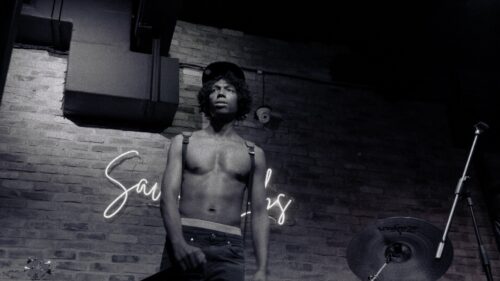
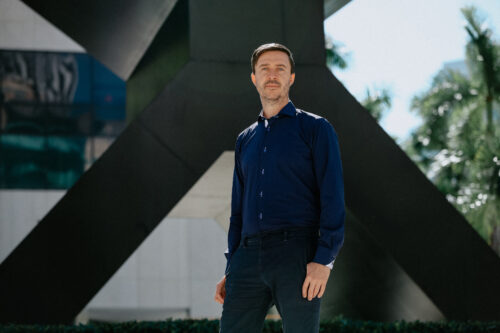
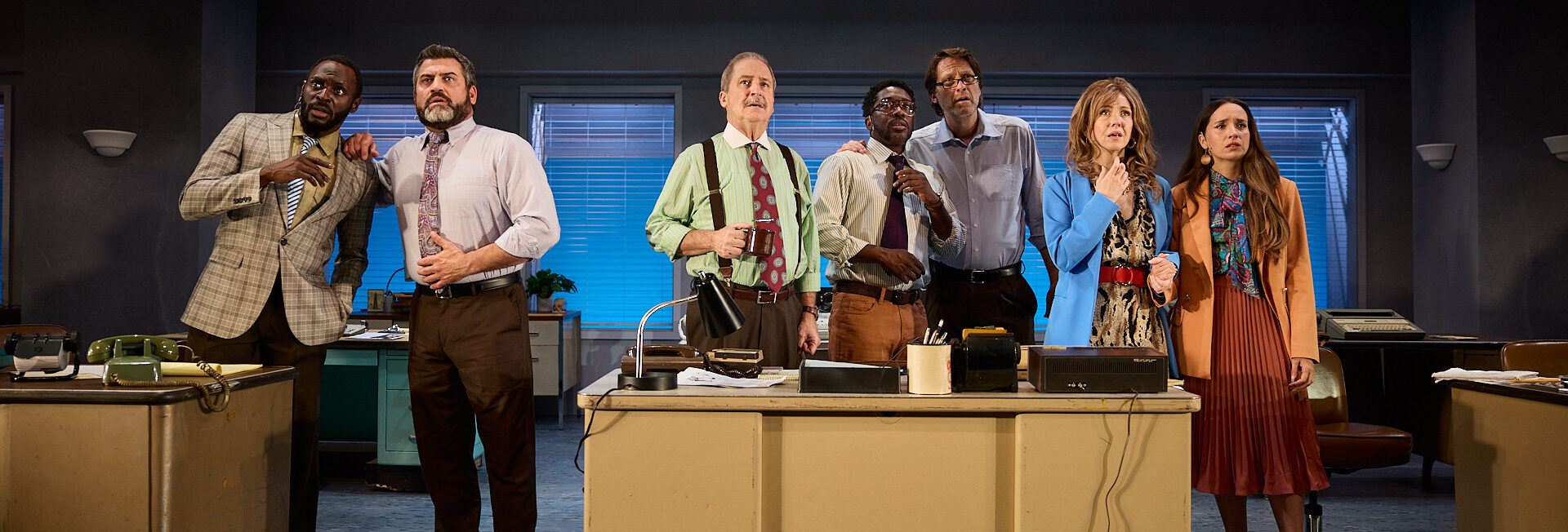
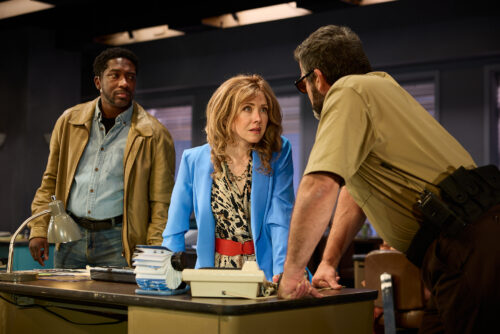
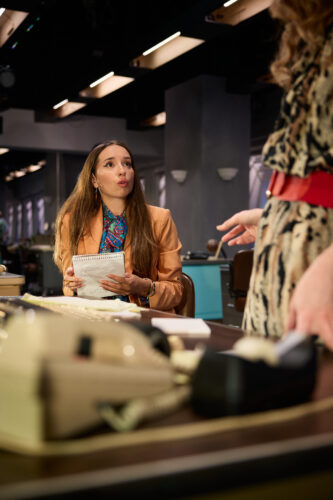
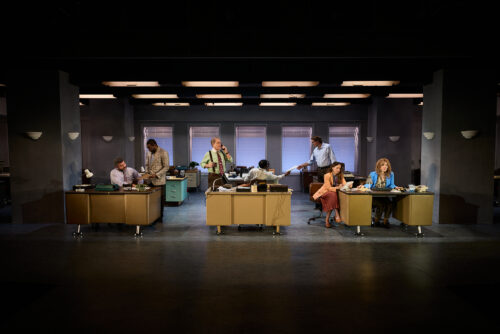
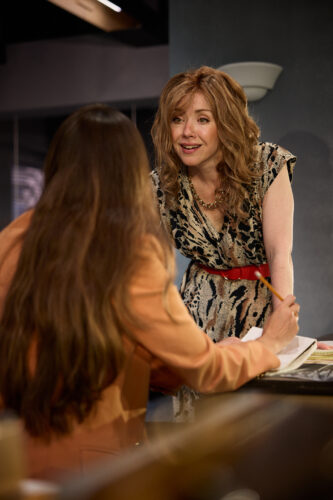
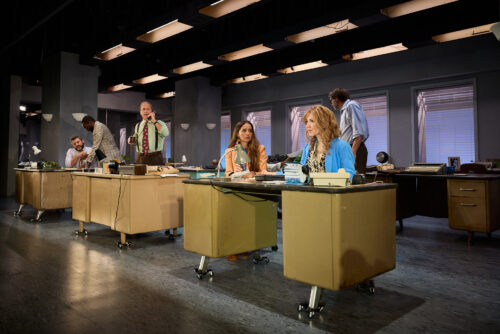
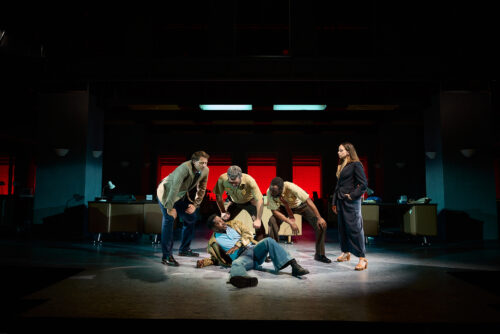
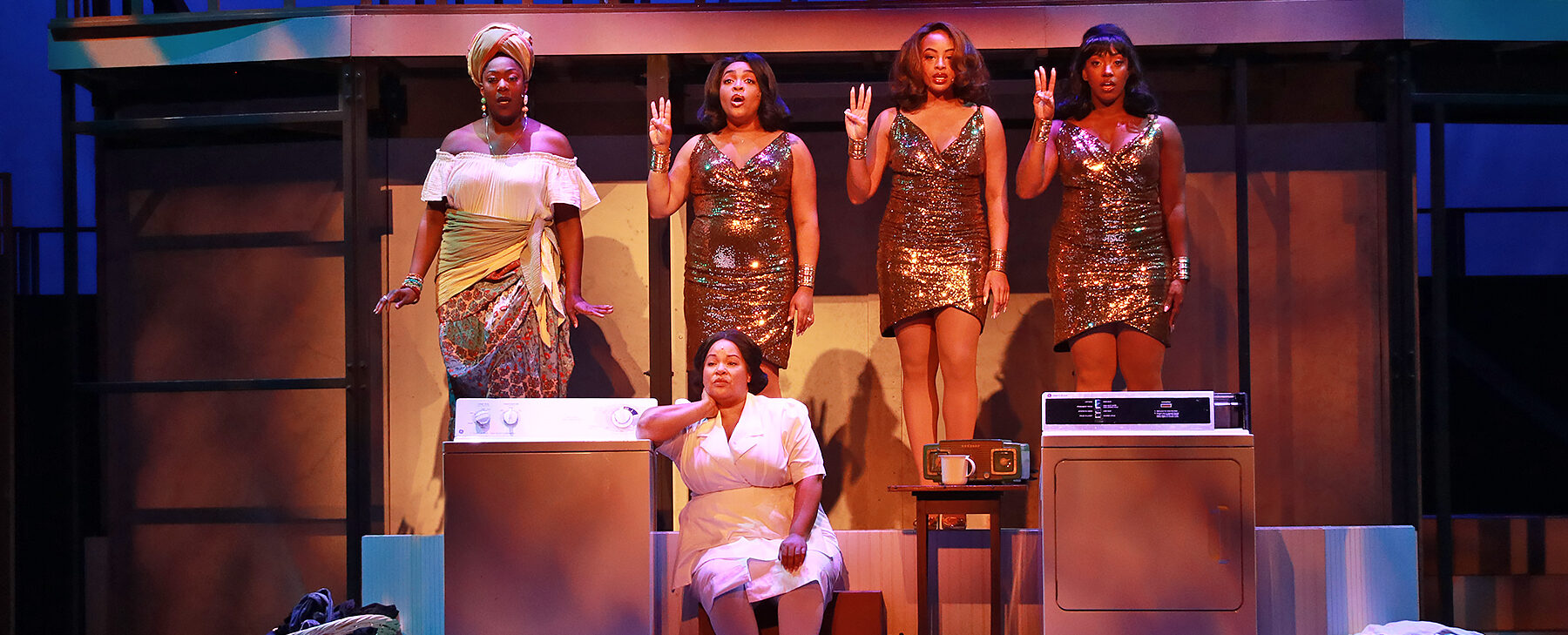
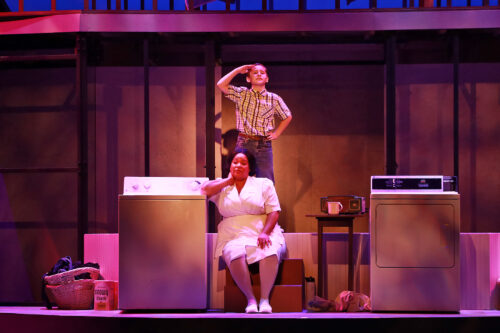
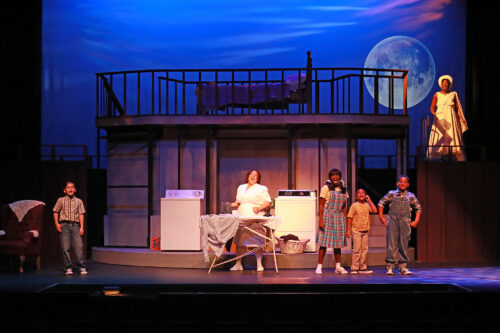
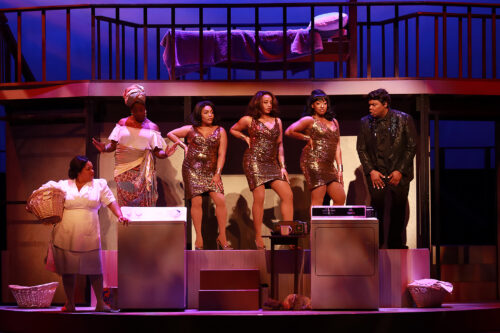
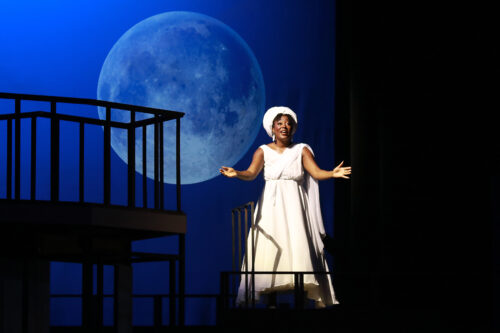
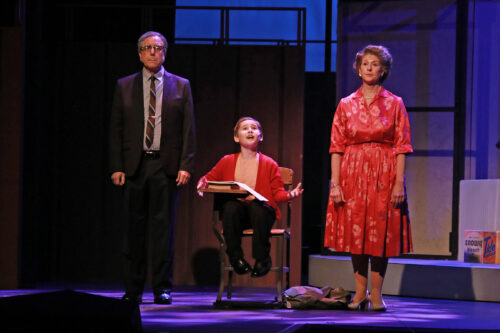
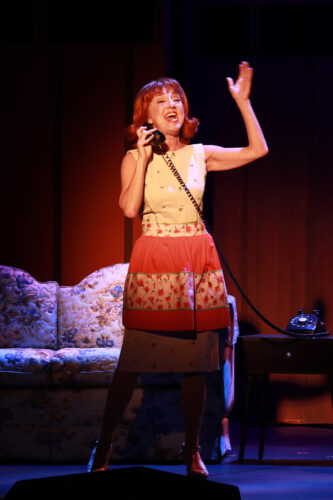
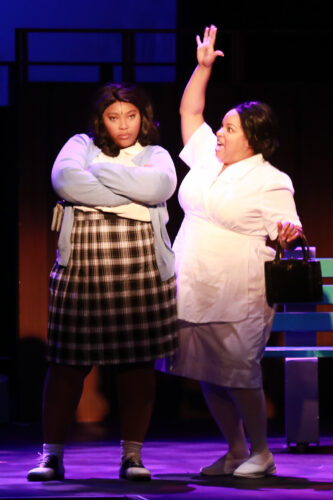
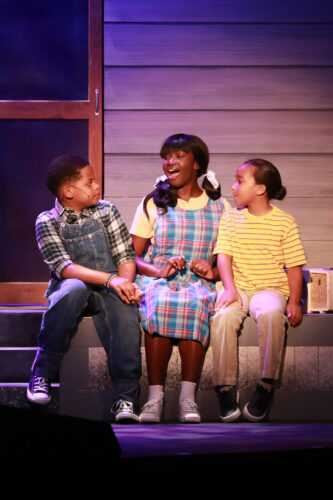
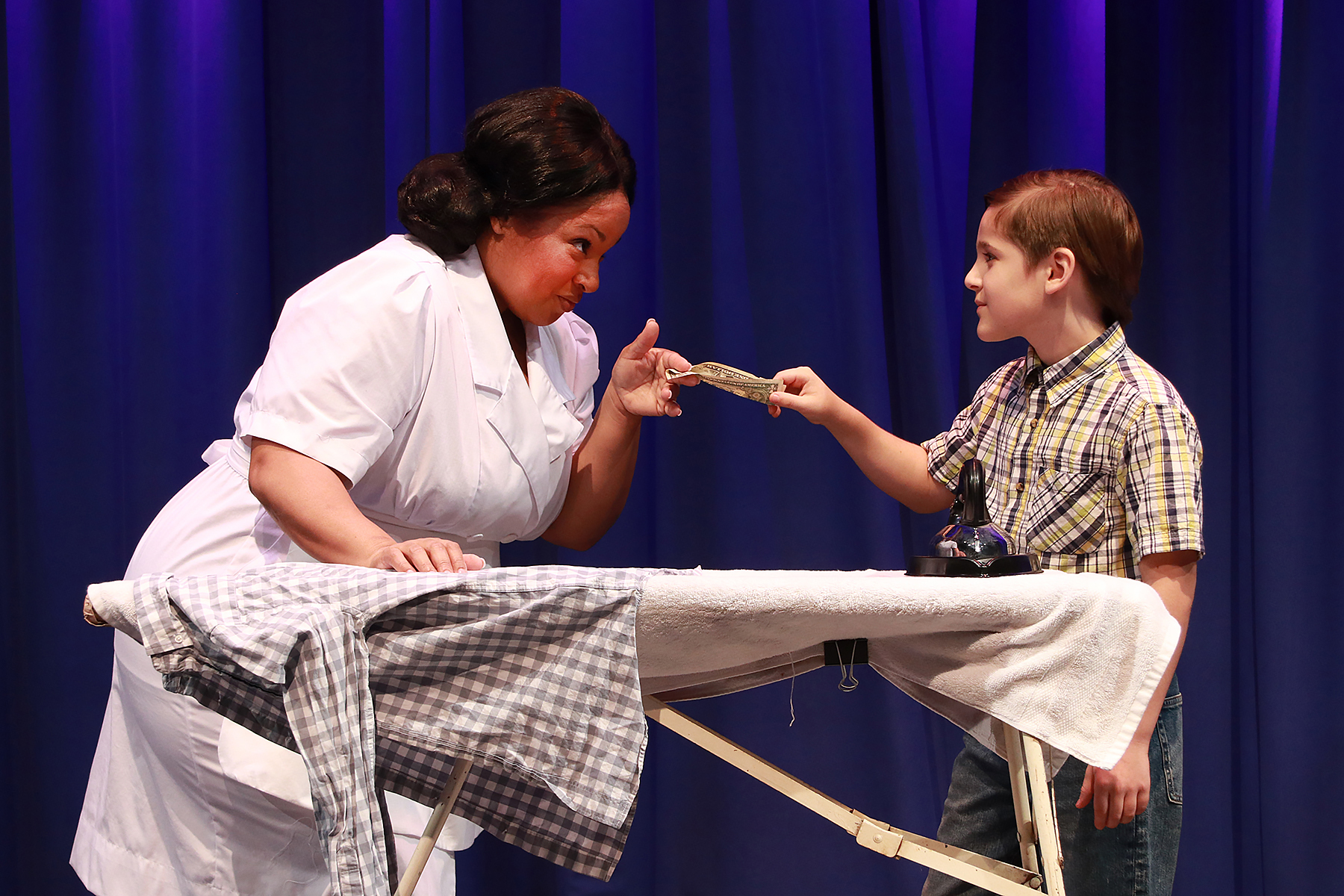
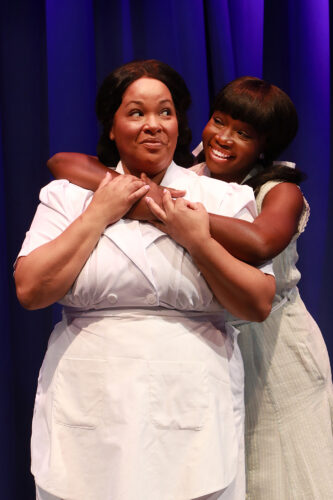
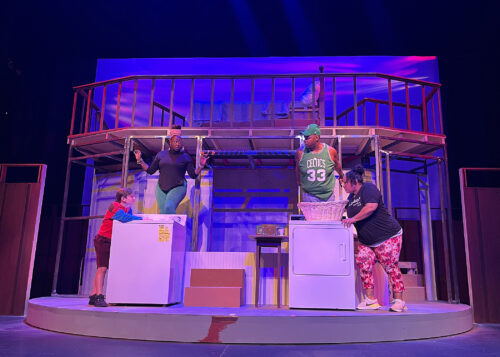


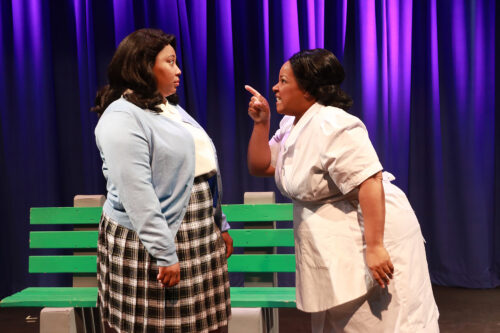
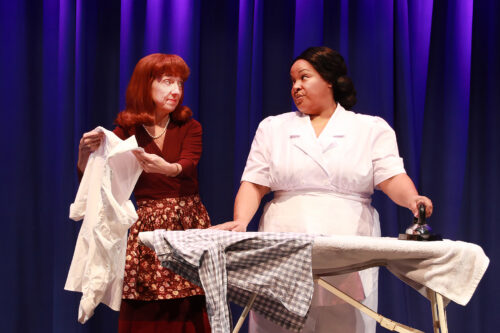
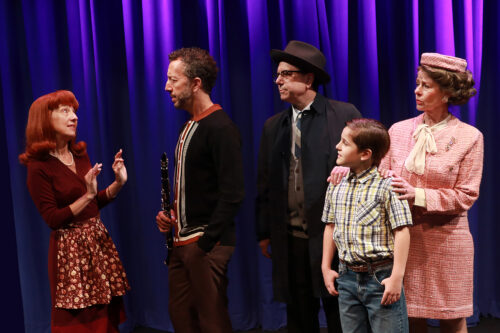
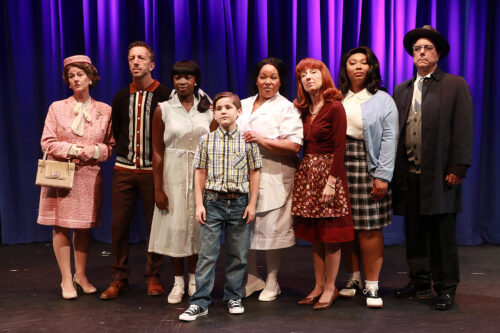
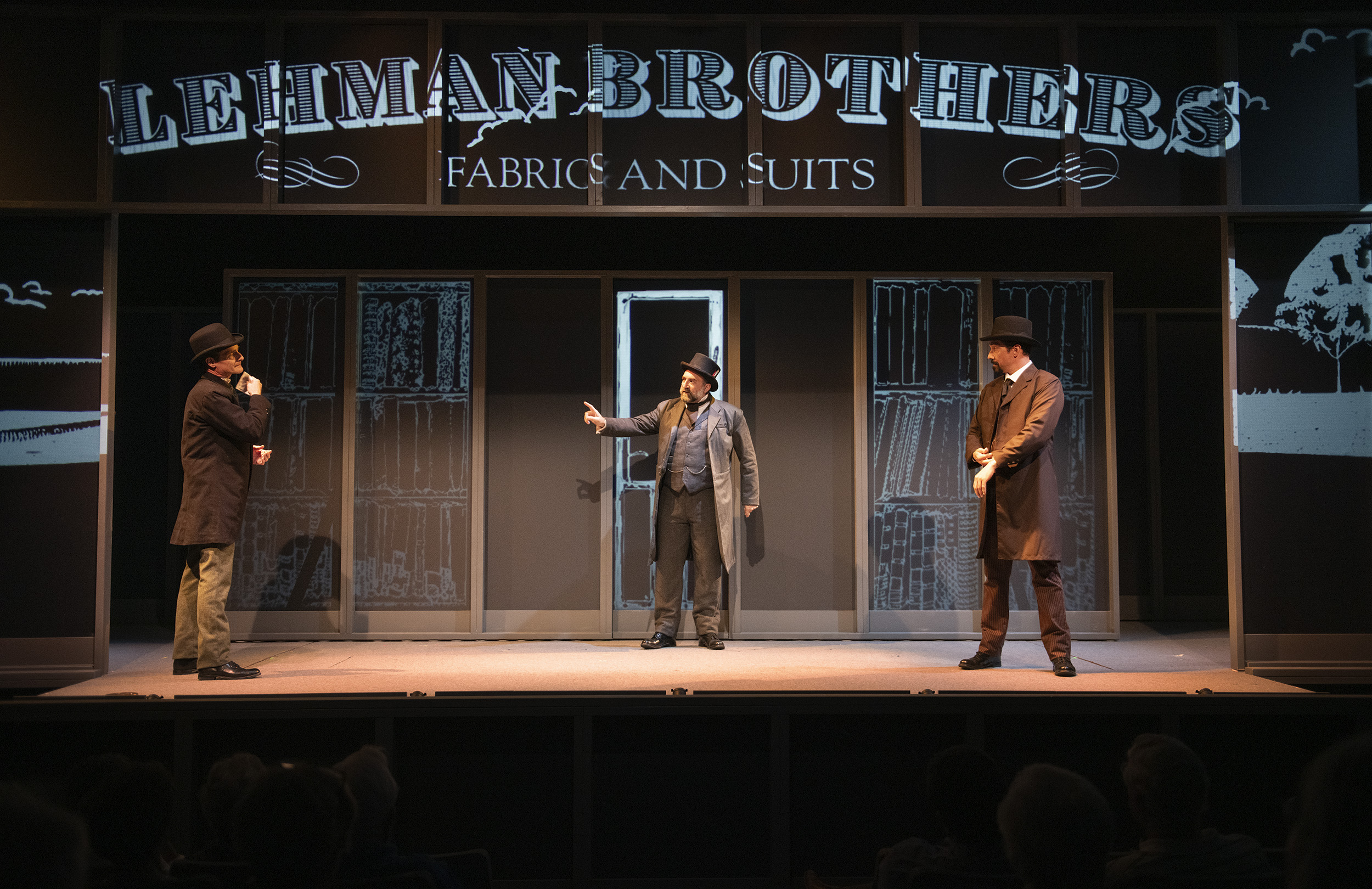
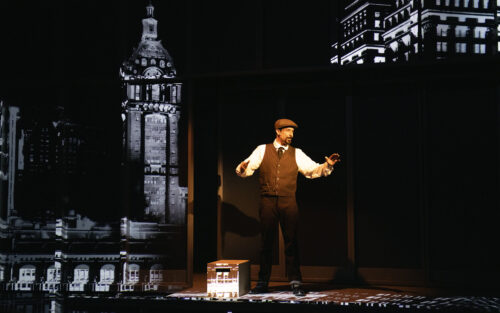
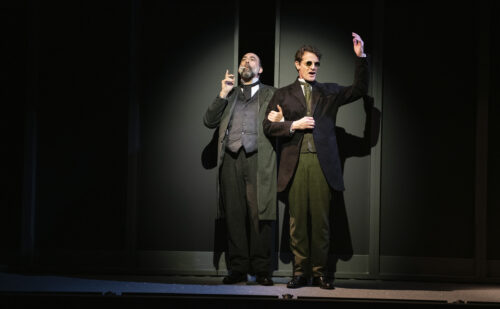
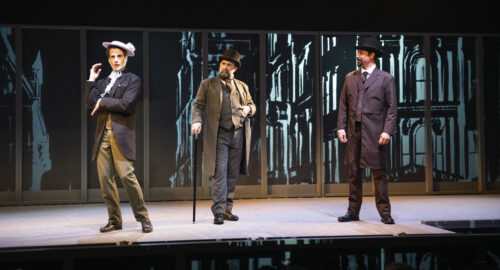

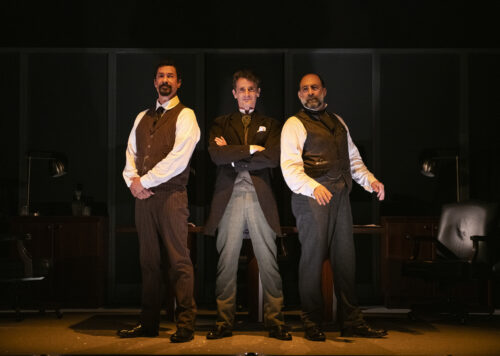
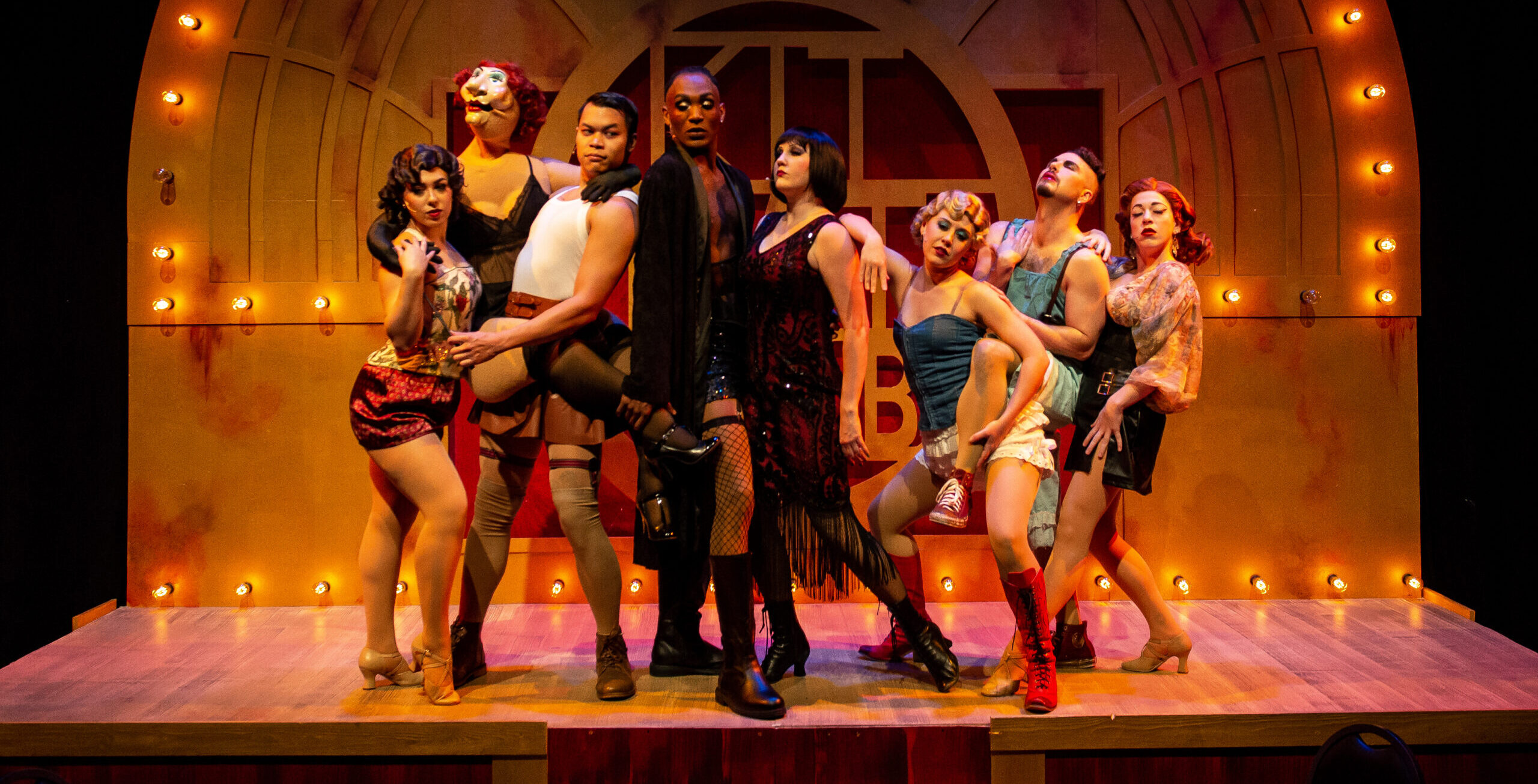
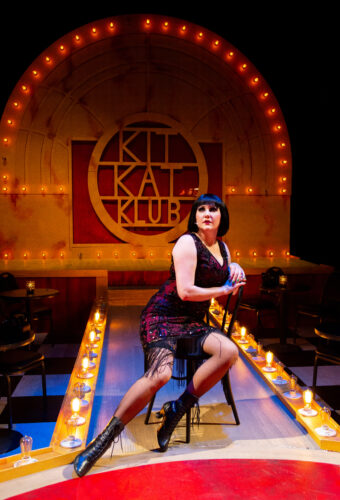

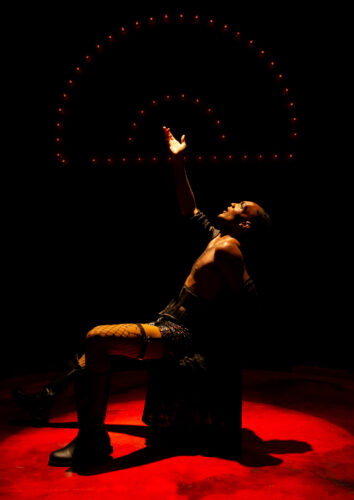

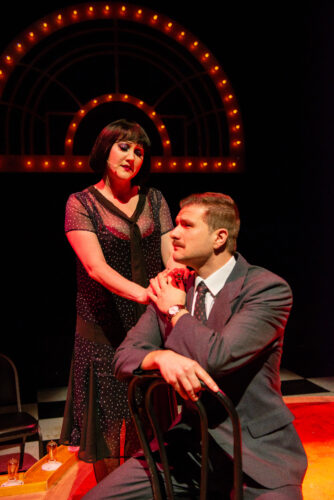
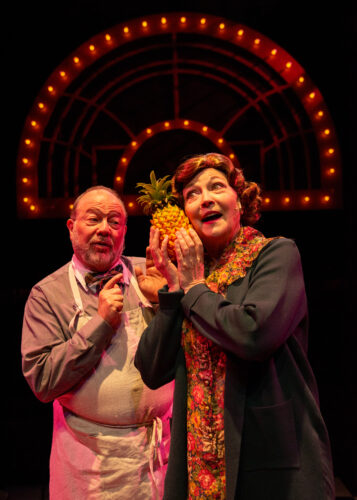
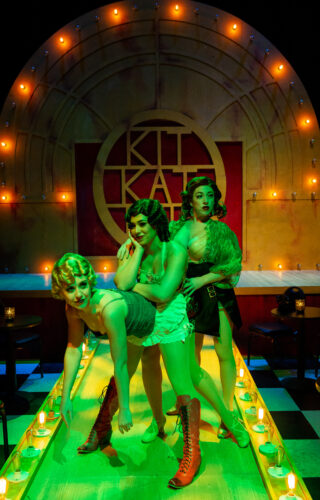
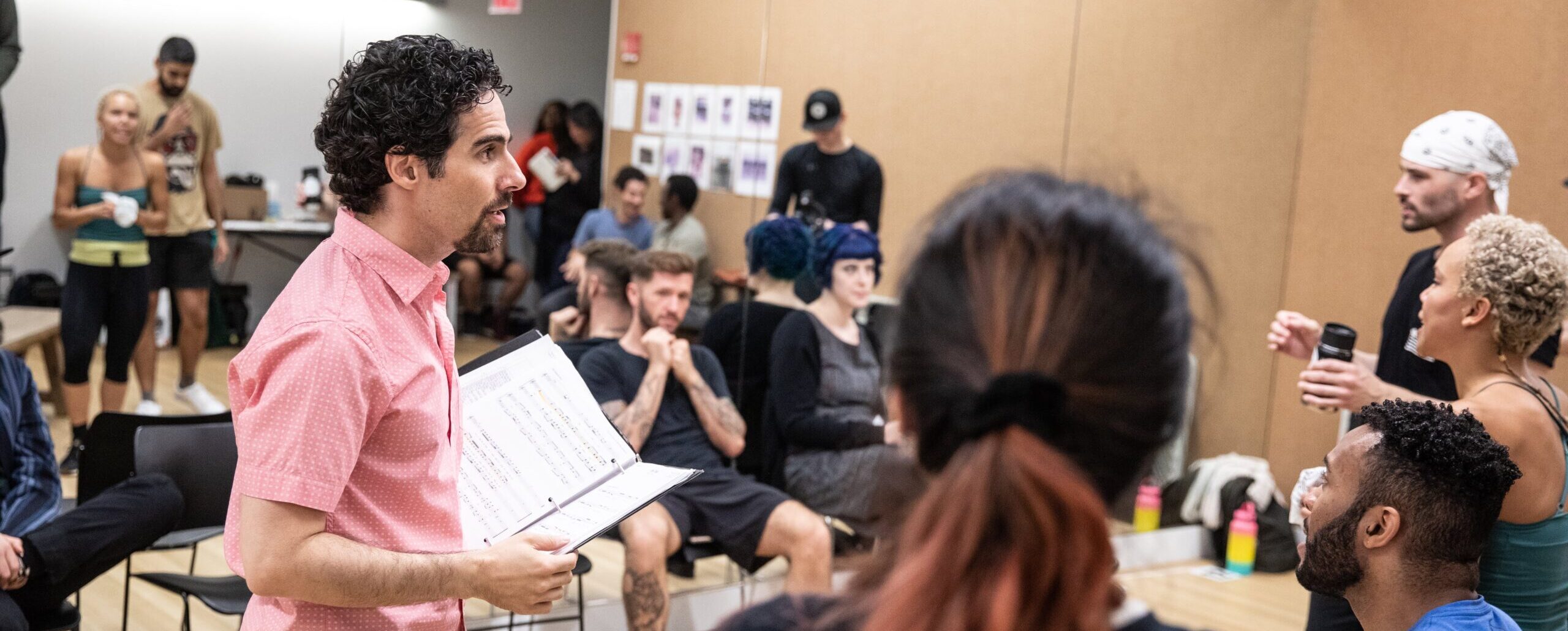
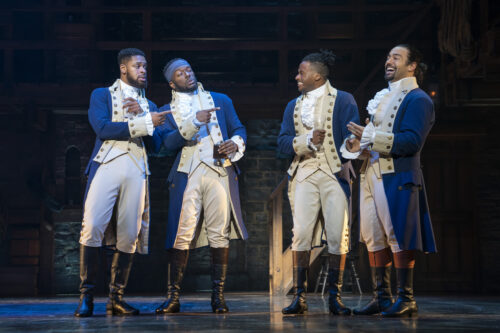
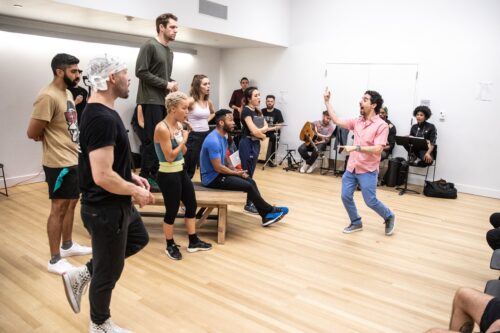
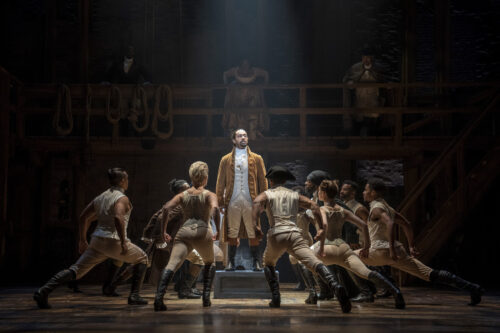
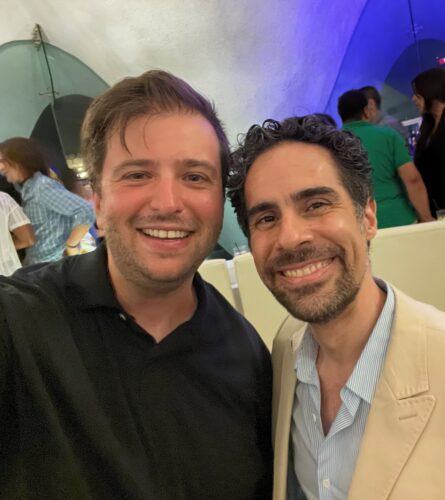

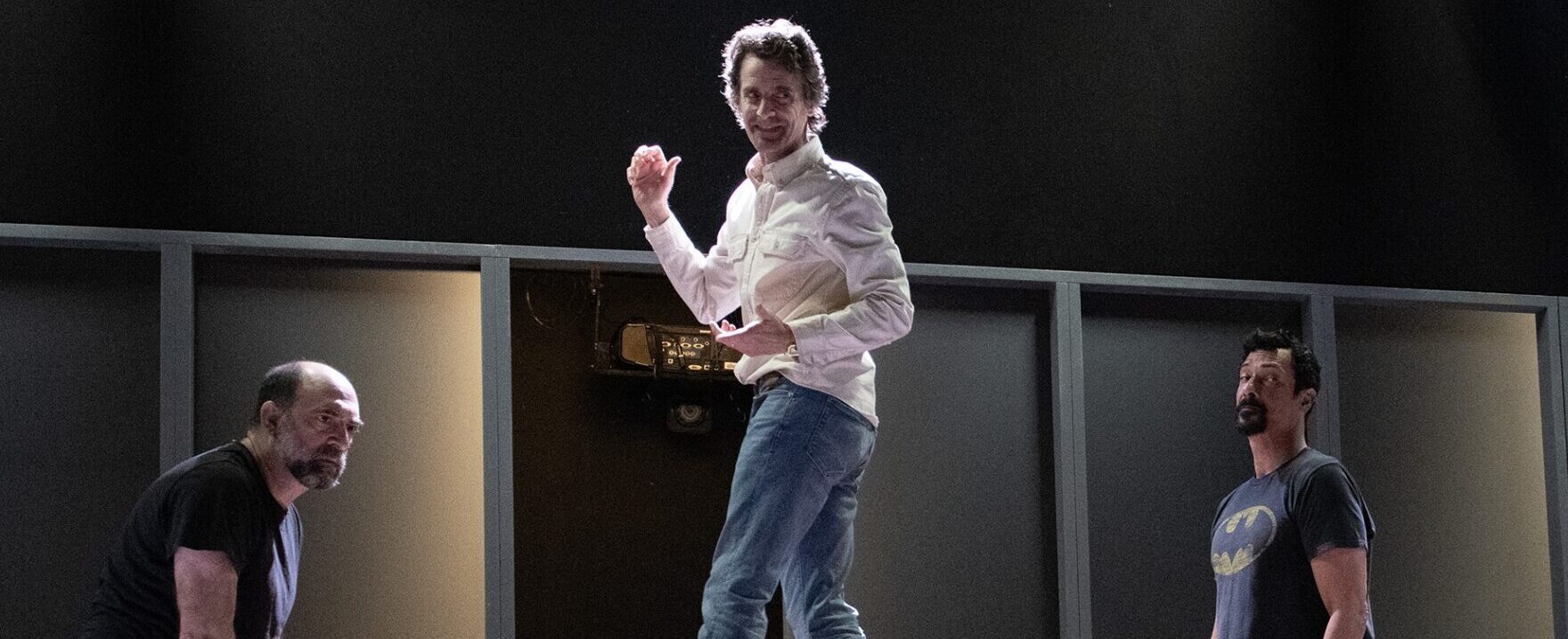
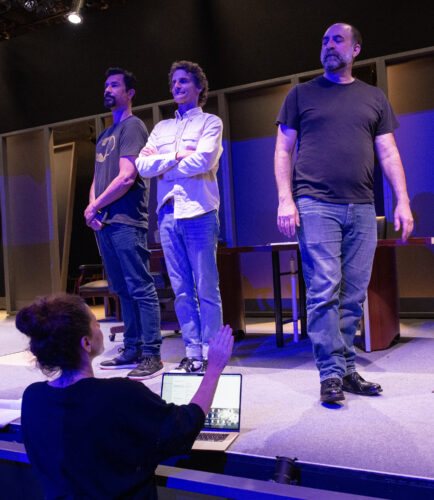
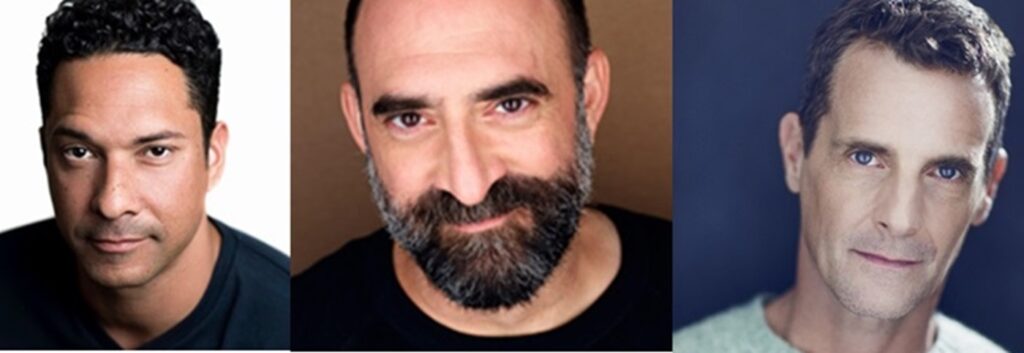
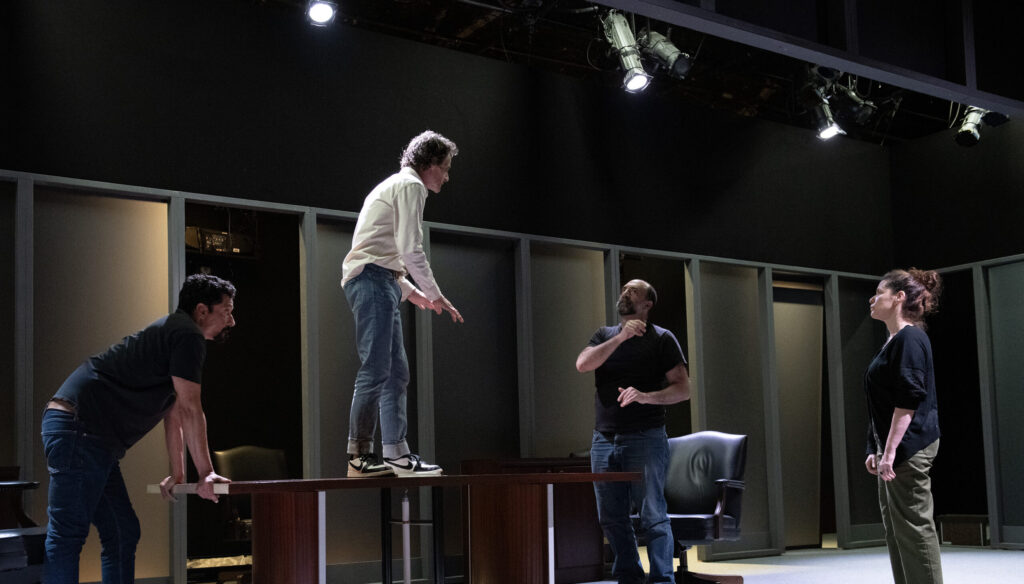
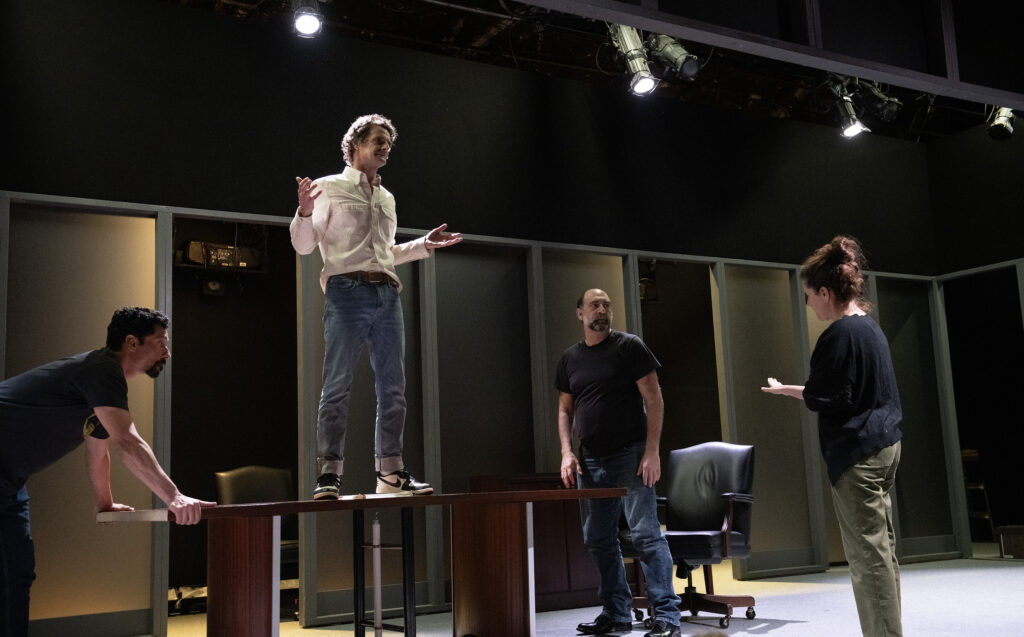

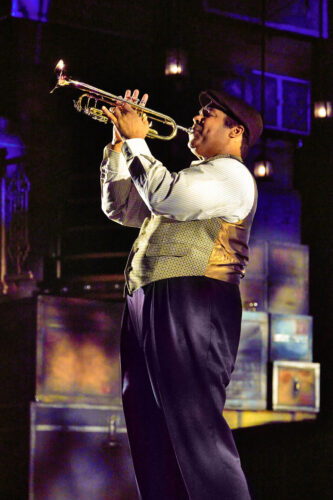
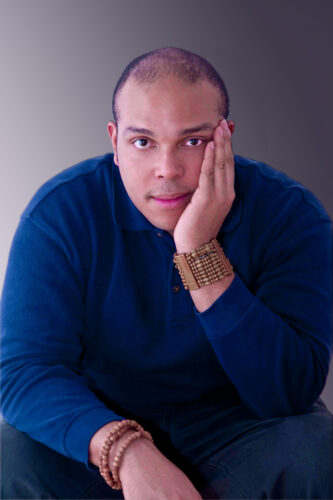

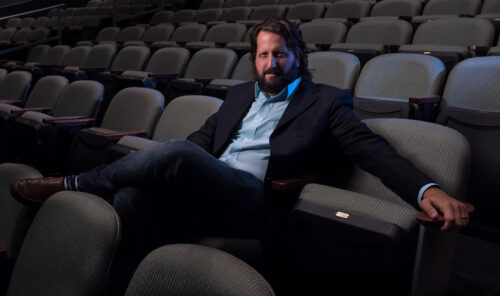
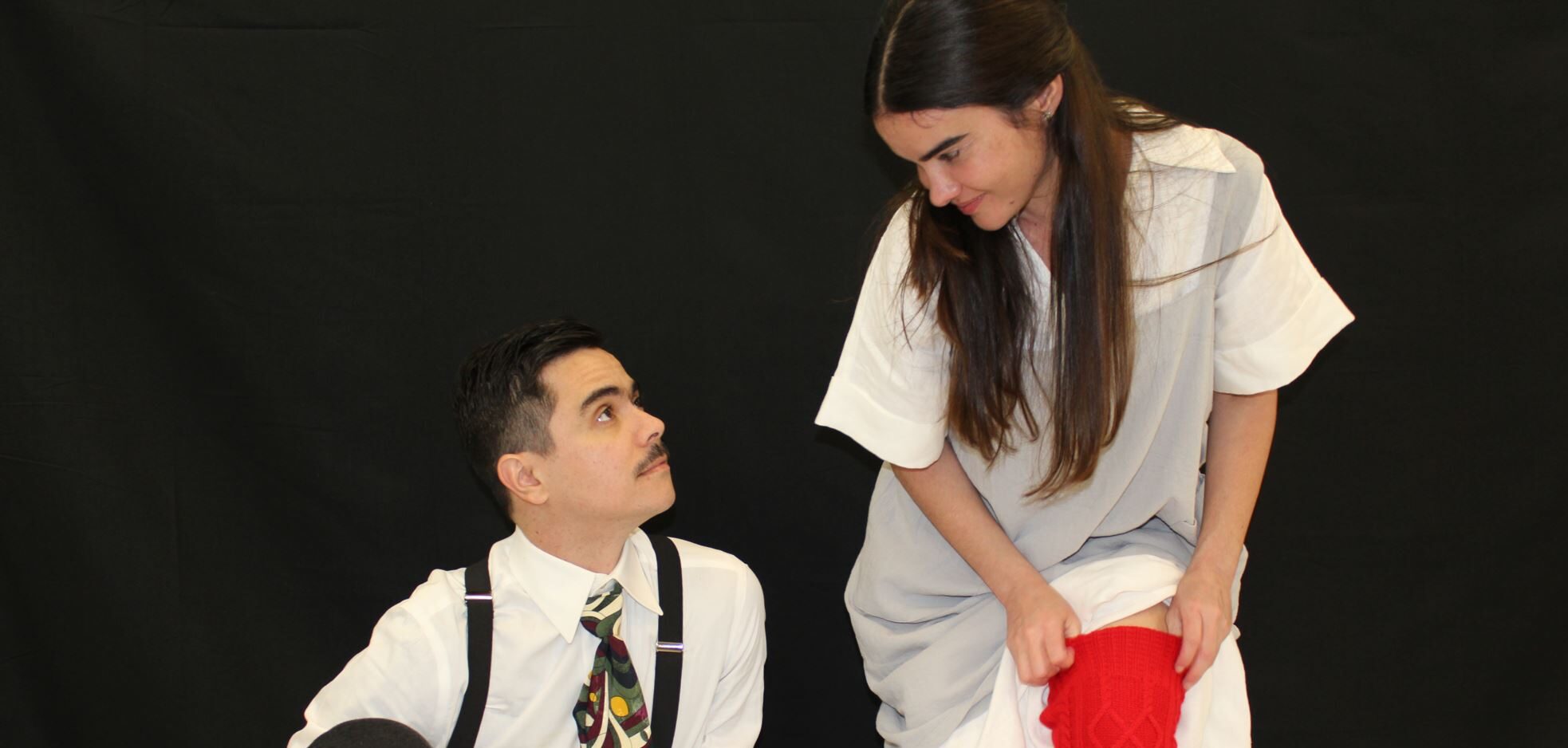
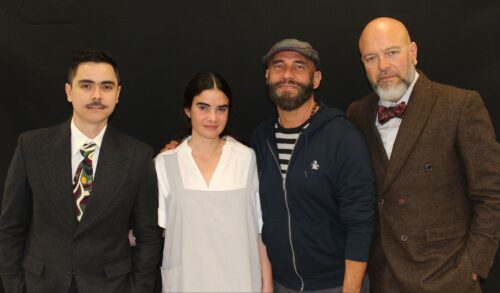
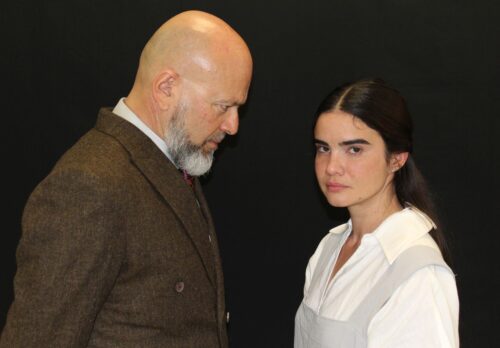

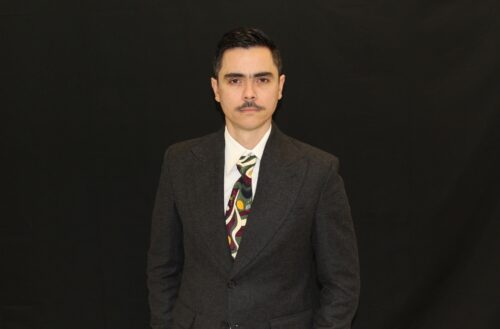
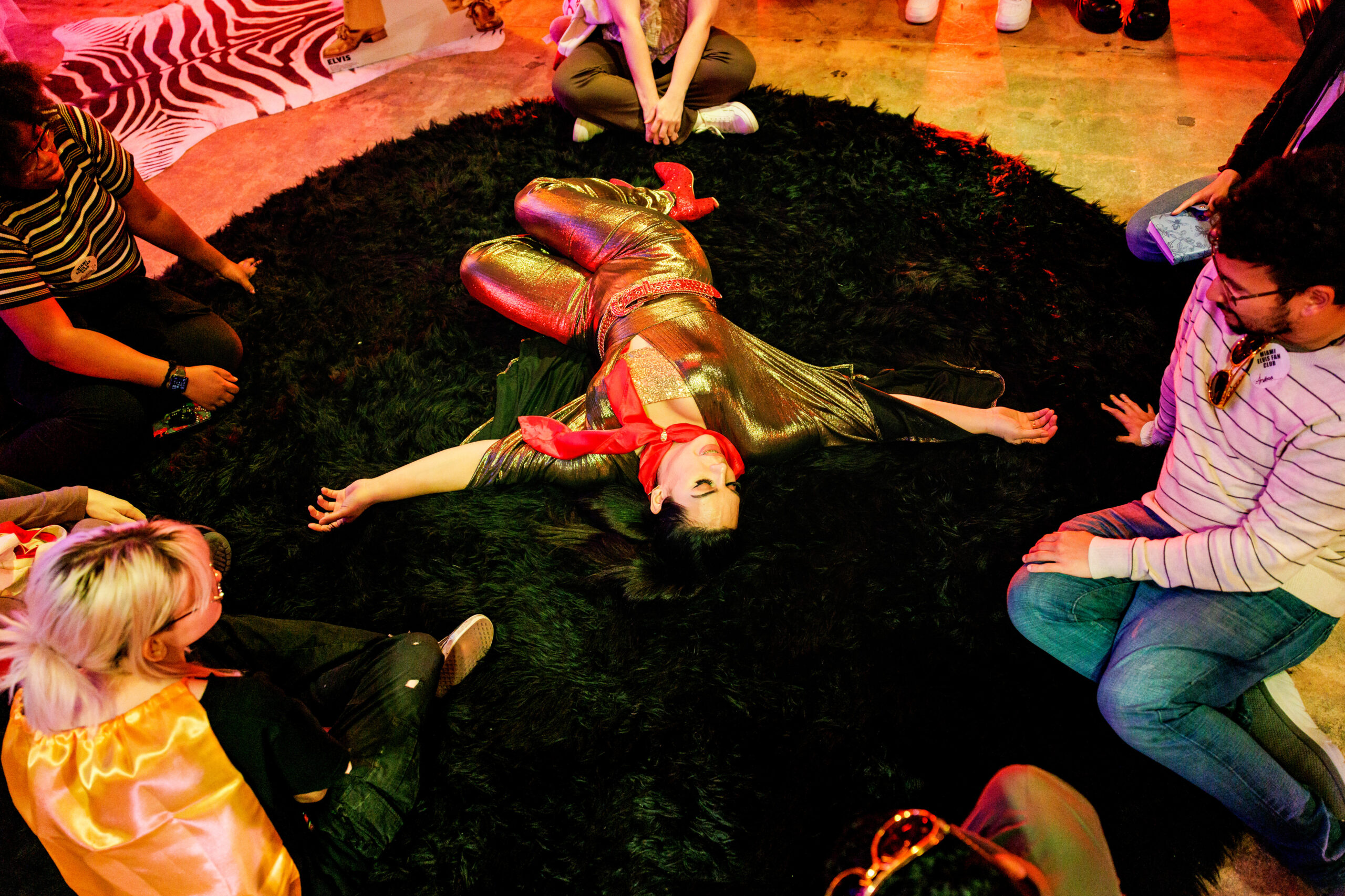


Recent Comments