By way of Cuba and Miami, Latino dancer on pointe with Les Ballets Trockadero
Written By Guillermo Perez January 5, 2024 at 3:20 PM
Going for a bounce off Balanchine, Les Ballets Trockadero de Monte Carlo bring ballet spoofs aplenty to the Adrienne Arsht Center in Miami for one show Thursday, Jan. 11. (Photo courtesy of Zoran Jelenic)
Dancing en travesti, these men serve up delicious parodies, their ballerina guises sporting finicky makeup and fine-to-the-last-ruffle costumes. From stabbing little steps to slashing moves, their daintiness can lead to the baring of muscle. They adopt bios to go with a male and a female stage persona, some with convoluted names as if ripped out of a Tolstoy novel consigned to the fire.
They are Les Ballets Trockadero de Monte Carlo—the Trocks to the tickled initiates of this national treasure of a company celebrating its 50th anniversary. And they’re rolling their fun-filled caravan to the Arsht Center in Miami on Thursday, Jan. 11 and head north to the Kravis Center in West Palm Beach the next day.
Break out the Bacchanalia for Les Ballets Trockadero des Monte Carlo in “Walspurgisnacht.”(Photo courtesy of Zoran Jelenic)
From giggles to guffaws, the Trocks fuel their high-flying and occasional pratfall humor with talent, knowledge, and craft—a love, really, that’s keen-eyed and unafraid to poke fun at their art form. They’re canny comedians but also notable technicians, purveyors of dance history and analysts—a tweak here, a whack there—of performance style.
Italian-born Raffaele Morra, with the company since 2001 and its current ballet master, can pin down what it takes to wear the jewels in a Trock tiara. “The guys need to be funny and good dancers, obviously. We hope they can dance on pointe when they come to the company though it’s not a prerequisite. Most important is being a team player.”
Frequently on the road, company members spend a lot of time together in studios and theaters, airports, and on planes. So Morra emphasizes, “When we hold an audition, we usually ask the guys to stay with us for more than just a day. We’re able to see if someone has good technique soon in an audition. But we’re more interested in finding out how they interact with the group.”
Cohesion and commitment to mission—as Morra puts it, for people “to forget problems for a couple of hours and leave the theater with a big smile”—has allowed several generations of Trocks to enjoy prosperity and overcome hard times, the AIDS and COVID pandemics in particular. And the current multinational group of performers remains as plucky and clever as ever.
Top trouper, at almost thirty years with the Trocks, Robert Carter (a.k.a. Olga Supphozova and Yuri Smirnov) trained at the Joffrey and danced with Dance Theater of Harlem. That conventional ballet background, as is the case with other Trocks, lays the foundation for the gender-role and tradition-testing diversions that have earned him widespread admiration.
Alejandro Gonzalez Rodriguez, right, was living in Miami when he was cast in the company of Les Ballets Trockaderos. At left, Gonzalez as ballerina Maria Clubfoot. (Photo courtesy of Zoran Jelenic)
Carter is the role model relative newcomers to the Trockadero, including several Latinos, can take to heart. Alejandro Gonzalez Rodriguez represents that Trock spirit of putting your best foot forward—nicely arched, of course, and in his case armored in pointe shoes.
Gonzalez couldn’t have imagined he was headed here when, as a little boy in eastern Cuba’s Holguín, he loved to strut around in pointe shoes, accessible since his mother, Odalmis, teaches ballet.
“She’d caution me not to hurt myself,” Gonzalez says in Spanish. “But that was just my game-playing. The truth is in Cuba men going on pointe was taboo.”
From the age of nine, he followed the course of Cuba’s ballet curriculum, whose benefits Morra praises. “Training with Cuban teachers in Italy influenced my own dancing and teaching,” says Morra. “Their methodology is a wonderful mix, with the strength of the Russians, the elegance of the French, and the speed of Americans. It has an almost extreme sense of style perfect for the Trocks.”
Always supportive of Gonzalez—who developed professionally in Havana and Camagüey—his mother encouraged him to see the best of ballet as he went on to dance in his native city’s troupe. In 2009, Odalmis made it possible for her son to follow her to Ecuador, where she was teaching, to join that country’s national ballet company.
But nearly eight years later in San Antonio, his first U.S. residence, Gonzalez wondered if he’d ever dance again as he waited to formalize his immigration status. Urged by ballet friends to shoot for the Trockadero—Carlos Caballero Hopuy, a Havana classmate, had made a name for himself there—he queried the dreamed-of troupe about to visit the city. Former colleague Yosvani Cortellán helped by training him in Pilates.
“I worked hard to get back into shape and send the Trockadero a video,” says Gonzalez. “But there were no positions available.” Driven deeper into doubts about his professional future, he headed for Miami, where family awaited.
Hope arrived in an e-mail one spring day in 2019. Trockadero was coming to dance in Fort Lauderdale and invited him to audition. Says the artist, “I could only think, Now what? I’d practically done no dancing for a couple of years and only had about twenty days to get ready. I needed to trust the technique I’d learned and hoped my muscle memory wouldn’t betray me.”
Gonzalez wasn’t even sure where to take class until, to his enduring gratitude, director Eriberto Jimenez welcomed him to Cuban Classical Ballet of Miami. Otherwise, he would have had to keep preparing in the small patio of his trailer in Kendall.
His mother’s advice to stay calm and move forward comforted Gonzalez on the day he tried out for the Trocks, taking company class and then learning a part from the ballet “Paquita” on the spot.
“I couldn’t just show I was able to dance on pointe,” he recalls. “I had to command the scene. At the end I was dead tired, my whole body trembling.”
All that vanished the moment Trockadero’s artistic director Tory Dobrin asked him to start with the company within weeks.
“Imagine the adventure!” says the dancer, who went into full-speed-ahead mode, rushing back to Ecuador for intensive instruction from his mom and then getting insider tips from his good pal Carlos—on makeup, costuming, and interpretation.
Embracing the double personalities of Maria Clubfoot—putative heir to a glorious line of Native-American ballerinas—and disavowed aristocrat Tino Xirau-Lopez, Gonzalez debuted with the Trockadero in “Swan Lake, Act II” and “Patterns in Space,” a spoof of postmodernism, in June 2019, at the Stonewall 50th anniversary concert in New York’s Central Park, filmed for PBS’s American Masters.
Romantic whispers turn hilariously hoarse in the spoof of “Les Sylphides” by Les Ballets de Trockadero. (Photo courtesy of Zoran Jelenic)
All too soon, though, the dancer met with the fears of COVID howling at his dressing-room door. “Oh, it was horrible,” he reflects. “Just imagine, my dream to be in this company had finally been realized when—bam!—everything closed. I remember the date exactly, March 11, 2020.”
Gonzalez had good reason to fret when stages became off-limits.
As ballet master Morra points out, “Touring is crucial for the company’s survival. And performing in front of a different audience almost every night keeps it looking fresh.”
As things turned ugly in New York, Gonzalez came back to Miami, where he dabbled in real estate. “In this country,” he says, “I’ve become a jack-of-all-trades.” Add to his resumé assembling cars at a Toyota plant in San Antonio and cashiering at a South Florida discount department store.
But it would take more than a pandemic to clip the wings on the swan ballerina Gonzalez had so lovingly hatched. Some Zoom appearances along the way, he returned with the Trocks to New York’s Joyce Theater in December 2021 for roles in Morra’s “Majísimas,” its Spanish-dance accents acute, and in “Nightcrawlers,” Trockadero co-founder Peter Anastos’s choreography mischievously straying from a Jerome Robbins ballet.
On the current tour, “Go for Barocco,” an Anastos company classic bouncing off Balanchine, comes with “Valpurgeyeva Noch (Walpurgisnacht),” giddy as a Soviet-style bacchanalia, and “ChopEniana (Les Sylphides),” its ballet-in-white Romanticism quite bro-mantic. These provide grand opportunities for Rodriguez to sparkle.
Morra also promises surprises, saying, “We include different styles of ballets and humor, new pieces and old-time favorites.” A Trockadero show, he insists, should please first-timers as well as loyal friends. “We aim for inclusivity and freedom on stage but also in the audience. No one should feel left out.”
WHAT: Les Ballets Trockadero de Monte Carlo
WHERE: Adrienne Arsht Center of the Performing Arts, Knight Concert Hall, 1300 Biscayne Blvd., Miami
ArtburstMiami.com is a nonprofit media source for the arts featuring fresh and original stories by writers dedicated to theater, dance, visual arts, film, music, and more. Don’t miss a story at www.artburstmiami.com.
No posts found
A look back at Miami’s spectacular season of dance
Written By Guillermo Perez January 2, 2024 at 5:27 PM
One of the highlights of the past dance season was Dance Now! Miami’s reconstruction of Gerard Arpino’s “The Relativity of Icarus.” Pictured are David Jewett (Ícaro) and Anthony Velázquez (Dédalo). (Photo courtesy of Simon Soong)
Janus, the two-faced Roman god looking in opposite directions—past and future balanced on his mythological shoulders—gives January its name. So, no better time than now to glance back at the bright lights of dance in 2023 and let those help guide the way through the months ahead.
What stands out from the performance calendar can defy any easy grading scale and bid us to put aside ready-made ribbons for best among shows. Artistry is just that elusive, and various qualities vie at different times to prop up the noteworthy. In this realm of the soul and the senses—peace to our Top 10, list-making brains—perfection doesn’t always equal preference. And sometimes the least assuming calls for a superlative.
That comes to mind as dance programs approach and pass, and their promises for the remarkable—a brilliant revival, a ground-breaking premiere, performances fiery or delicately sublime—aim for the unforgettable. Blessed by Terpsichore, the hardworking Muse of Dance, some of those offerings actually are. Here, then, is recognition for deserving high-steppers in the march of days and dancing—hats off, too, for whatever else in the last year made other viewers’ hearts throb.
In the Jerome Robbins masterwork “Afternoon of a Faun,” Miami City Ballet’s pairing of Stanislav Olshanskyi and Dawn Atkins gave eternal resonance to every moment. (Photo courtesy of Daniel Azoulay)
Occasionally a whole work—its choreography, design, music, historical context, and, of course, interpretations—defies the finality of curtain calls. Think of the staying power of “Symphony in Three Movements,” the Balanchine masterwork sprung from the turmoil of WWII and a Stravinsky score, which surged forth from Miami City Ballet to close their season last spring. It was big, bold, and beautiful, certainly, but also unsettling—with off-kilter poses and jittery crisscrossing, its battalions of ballerinas (no matter how pretty in pink) as if on sniper duty, and alarm arising from the orchestra like fusillades.
From extreme angularities in partnering and killer attack en masse, Balanchine brought out a singular grace—that’s what they call genius—and opened choreographic passages his successors could further explore. Look for those trail scouts among the new works MCB and others have commissioned for upcoming programs. But for another, more concentrated dose of neo-classicism from the company in the Balanchine-Stravinsky vein, “Agon”—with its tests of physicality—awaits in March.
Having that kind of overall impact, through both teamwork and competition, is not just the province of ballet. Take two examples from eclectic contemporary dance, one from locals, another from visitors. In July, Cuban choreographer-performer Beatriz Garcia premiered her “En Camino” at Dimensions Dance Theatre of Miami. The title heralded the paths we take toward fulfillment, and this team of dancers like a flock of birds—sweeping by and soaring—still nest in our memory. Imported from South Korea by FUNDarte, Bereishit Dance Company arrived with their contact improvisation and martial arts one-upmanship—by turns silken and steely—not just staking the ground but making it quake. DDTM will continue to harbor emerging choreographers and FUNDarte to bring us firecrackers from abroad.
Dance history also demanded attention in 2023. That was the year of Gerald Arpino’s birth centennial, celebrated across the U.S. by dance companies, and rightly so, given the made-in-the-USA trajectory of this Staten Island-born, West Coast trained-and-inspired creator who was based first in New York City and then Chicago. Any snobbery of European classicism was vigorously strained by him through pop culture, political activism, and frank eroticism. Both DDTM and Dance NOW! Miami raised the banner of his anniversary.
Chloe Freytag and Daniel White in Dimensions Dance Theatre of Miami’s “Light Rain,” choreography by Gerald Arpino. (Photograph courtesy of Simon Soong)
Under researcher Cameron Basden’s guidance, DNM’s reconstruction of Arpino’s 1974 “The Relativity of Icarus,” as noted in the May issue of Dance Magazine, became nationally newsworthy. The work once ruffled critics’ for the homoerotic tenor of its version of Greek myth, with the high-flying youth of the title as a patricidal rebel. The dance emerged as a precious heirloom, its visceral craft shining as an antecedent to the non-normative explorations of our own time. Find those down the road in works like Pioneer Winter’s “DJ Apollo,” another novel treatment of mythology that portrays the aging Greek deity as tune-spinner in an Underworld leather bar.
Arpino’s “Light Rain” always puts DDTM is an exotic mood, but its passions come off as native to any lusty heart. In a company show last summer, tribal-like festivity in this signature piece gave way to vibrant, gloriously identifiable intimacy between Chloe Freytag and Daniel White. Leaning into each other, they let mutual touch travel on their bodies to take us to the place of our own fantasies.
Sometimes a pairing is so evocative that it’s all a ballet needs to be complete. Glowingly, that was the case with Jerome Robbins’ “Afternoon of a Faun” when MCB’s Stanislav Olshanskyi and Dawn Atkins dreamily took the leads last spring. Their highly focused meeting in a studio—preening, probing looks and moves turned toward an imagined mirror—radiated from each minutely lived moment eternal cravings. In an earlier program from this company, the tenderness that was exchanged between Jordan Martinez and Alexander Kaden in Durante Verzola’s “Sentimiento,” to Ernesto Lecuona’s piano pieces, brought novel, much-needed freedom to love duet conventions.
Sara Baras presented her newest show, “Alma,” as the centerpiece of the Miami Flamenco Festival in March of 2023, a show that was first put on Dec. 17, 2021 at the Teatro de la Maestranza in Seville, Spain. (Photo courtesy of Daniel Azoulay)
One plus one makes deux in French, but pas de deux are just duets and their simple math equals multiple emotions in any dance language. Ahead lie many examples. There’ll be passion, both innocent and painful, in “Havisham!” via DNM’s feminist take on Dickens’ “Great Expectations”; fantasy in MCB’s tales of prince-meets-birdwoman, “Swan Lake” and “Firebird”; and, of course, the down-to-the mat struggles particular to many contemporary dance encounters.
Solos, too, make their mark in the roll call of notables. As much as singular talent and strong stage personality, a lone spotlight must reveal fierce love for the art form and, in sure-fire delivery, a willingness to pour that on the audience. From variations—when in ballet the man or the woman breaks off for an individual display—to the front and center hoopla of folk traditions, these will continue to bring the house down.
But already we’ve had Sara Baras to cherish at Flamenco Festival Miami. Though she came here with a full entourage of musicians and bailaores, it was the “just-her” transport of hammering heelwork and configurations that elevated the icon. Quieter, contained, the other end of the solo spectrum was to be found in December, appropriately at the Sanctuary of the Arts, when DNM’s David Jewett—like a pilgrim, a supplicant, in Hannah Baumgarten’s “Let It Go”—turned the stark-white stage area back into an altar. To a plaintive selection from a Robert Schumann song cycle (Opus 42-8), the arch of his body, his up-swung hands, fleshed out a memorial for human suffering and an invocation for justice and peace.
Y. Lebrun, P. Coker, X. Mack, and R. Maurice in Alvin Ailey’s “For ‘Bird’ – With Love.” The company comes to Miami for two performances at the Arsht Center on Friday, Feb. 2 and Saturday, Feb. 3. (Photo courtesy of Dario Calmese)
A prayer the whole world continues to need —whether from a lone performer or a whole company, the kind of spiritual uplift Alvin Ailey American Dance Theater is sure to bring in early February to Miami’s Adrienne Arsht Center, notably in their rousing “Revelations.” The company comes to the Arsht Center on Friday, Feb. 2 and Saturday, Feb. 3. For information and tickets, go to arshtcenter.org.
ArtburstMiami.com is a nonprofit media source for the arts featuring fresh and original stories by writers dedicated to theater, dance, visual arts, film, music, and more. Don’t miss a story at www.artburstmiami.com.
No posts found
The last star shower of 2023 will be under the lights of the Arsht Center
Written By Orlando Taquechel December 20, 2023 at 6:44 PM
Ludmila Pagliero and Mathieu Ganio in “Mayerling,” by Kenneth MacMillan. The pair will be part of the “Holiday Season with Ballet Stars” gala at the Adrienne Arsht Center on Friday, Dec. 29 and Saturday, Dec. 30, which will feature 14 dancers of nine different nationalities from seven companies around the world. (Photo by Ann Ray/Courtesy of Ballet Support Foundation).
Defying astronomical forecasts, which placed the last star shower of the year during the night of Tuesday, Dec. 26, 2023, a group of stars from the world of dance will descend on the Adrienne Arsht Center for two nights on Friday, Dec. 29 and Saturday, Dec. 30.
In a celestial star shower, all the meteors that make it up seem to have a single point of origin, but the origin of the stars that will participate in the Ballet Gala “Holiday Season with Ballet Stars” — an initiative of the Ballet Support Foundation (BSF) — is varied: 14 dancers of nine different nationalities, associated with seven companies that cultivate different dance styles, from France, Great Britain, Israel, and the United States.
Ludmila Pagliero and Mathieu Ganio in “In the Night,” by Jerome Robbins. (Photo by Julien Benhamou/courtesy of Ballet Support Foundation).
BSF is a New York-based nonprofit organization founded by producer and former Bolshoi Ballet dancer Lola Abigail Koch with the mission to support young dancers and dance projects internationally.
One of the premier dancers who will be performing is Argentinan Ludmila Pagliero. She joined the corps of the Paris Opera Ballet in 2003 and, in 2012, was named danseur étoile for the company. With her performance in the “Holiday Season with Ballet Stars,” it will be her first visit to Miami. We were to speak with her via Zoom for an interview, but a scheduling conflict arose. Considering that it would be challenging to coordinate a new appointment (there is a six-hour difference between Paris and Miami), we decided that it was best to send our questions in writing. What follows is our interview.
Ludmila is a girl’s name of Slavic origin, meaning “love of the people.” Is Ludmila your birth name or your artistic name? It is my birth name — also the name of my grandma, born in the Czech Republic. Like many South Americans, our origins are a mix of the two continents.
How much do you know about the dance happening in Miami? I always hear about the Miami City Ballet, and I know that many great dancers went there to dance with the company, which has a great repertory, such as Balanchine, Robbins, Tharp, Taylor, and many others.
Ludmila Pagliero and Mathieu Ganio in “Onegin,” by John Cranko. (Photo by Julien Benhamou/courtesy of Ballet Support Foundation).
What are you going to dance at the Gala? I will be dancing two pas de deux with Mathieu Ganio (also a danseur etoile at Paris Opera Ballet). The first one is from “Manon.” The ballet by Kenneth MacMillan, created in 1974, is inspired by Abbé Prévost’s book. “The Story of Manon” is, therefore, the vision of the tragic story of the Chevalier des Grieux with its heroine, an implacable young woman attracted by the pleasures of life. We will dance its second pas de deux, which takes place in the Parisian bedroom of Des Grieux and is a moment of intimacy between the two lovers of pure shared happiness. The second one is from “Le Parc.” The piece created by Angelin Preljocaj in 1994 for the Paris Opera Ballet dancers questions the journey of passions and the war of the sexes. The pas de deux that we will interpret, “L’abandon,” is the culminating moment of the encounter between a libertine and an idealist (Mathieu and Ludmila) in a final kiss. It is another love story with a language that involves classicism and modernity.
What is your favorite role? Tatiana in “Oneguin” from John Cranko. I love the ballet itself. Made on a medley of excerpts from Tchaikovsky’s music, it is one of the masterpieces of the romantic ballet. John Cranko is here at the pinnacle of his storytelling. He recounts with scrupulous fidelity the drama of Pushkin without, at any time, giving way to the pantomime, which, as we know, can quickly become as boring as boring can be. It’s a two-hour ballet life story.
Do you prefer classical ballet or contemporary ballet? I enjoy dancing everything: classic, neoclassical, and contemporary. I love exploring different forms of expression of the same idea. For example, talking about love is very different in 1841 with “Giselle” or doing “Another Place” with Mats Ek in 2022. The feeling of love is the same, but the way of living it is not, besides discovering in all those styles the different physical abilities that my body can perform.
Ludmila Pagliero and Mathieu Ganio in “Mayerling,” by Kenneth MacMillan. (Photo by Ann Ray/courtesy of Ballet Support Foundation).
Do you dance tango? Not really. I had classes at the beginning at the ballet school, but until today, I never had the time to go deeper into the tango language.
What is your advice for a young ballet student who wants to dedicate his or her life to dance? Passion and commitment.
There are a considerable number of ballet lovers in Miami. Do you have a message for them about your Gala participation? It is my wish to experience a magical moment during these two galas. And I hope it will be the same for them.
WHAT: Holiday Season with Ballet Stars
WHERE: Adrienne Arsht Center for the Performing Arts, Ziff Ballet Opera House, 1300 Biscayne Blvd., Miami
WHEN: 7 p.m. Friday, Dec. 29 and Saturday, Dec. 30.
ArtburstMiami.com is a nonprofit media source for the arts featuring fresh and original stories by writers dedicated to theater, dance, visual arts, film, music, and more. Don’t miss a story at www.artburstmiami.com.
No posts found
Peter London’s influence in dance emerges in ‘Edge of Tomorrow’
Written By Guillermo Perez December 19, 2023 at 2:22 PM
Leon Cobb of the Peter London Global Dance Company is one of the dancers who will perform with the company in “Edge of Tomorrow” at the Arsht Center for four performances from Thursday, Dec. 28 through Sunday, Dec. 31. (Photo courtesy of Gregory Reed)
Peter London Global Dance Company (PLGDC) has arrived at a high point offering us a bracing view of their art form. In “Edge of Tomorrow, some of today’s attention-worthy artists will join artistic director London on long-held common ground to affirm the joy of thriving creativity.
“Edge of Tomorrow” is in the Carnival Studio Theater at the Adrienne Arsht Center for four performances, Thursday, Dec. 28 through Sunday, Dec. 31.
From left, Camilo Toro, Leon Cobb, Wesley Wray, Clinton Harris and Herne Jean-Baptiste in “Children of the Underground” at the Little Haiti Cultural Complex, July 27, 2023. Choreography by Peter London. (Photo courtesy of Gregory Reed)
In addition to staging his own choreographies, he has opened up opportunities for former students to show their work both as interpreters and creators. And it’s turned out that among these emerging talents a notable number has made a mark on the international dance front, signaling other exciting achievements to come.
“It’s very personal,” says London, “the relationship I have with these artists. To welcome back home those who studied here and then became leading figures in top companies is phenomenal. I want audiences to feel very proud of what Miami has been doing for years in modern dance.”
London’s well-merited pride is apparent as he rattles off the names of all the dance organizations where once aspiring South Florida artists, NWSA alums, have achieved prominence.
As a case in point, “Edge of Tomorrow” will feature world premieres by Jamar Roberts—formerly an eminent performer at Alvin Ailey American Dance Theater and for three years the company’s resident choreographer—and Lloyd Knight and Richard Villaverde, currently topnotch dancers at the Graham company. All three men are products, from different periods, of New World’s dance program and remain especially appreciative of London’s tutelage. Justin Rapaport, trained at New World and Juilliard, will also set “Current,” a new solo, on PLGDC.
Jamar Roberts presents his world premiere “As an Offering,” which will be performed by Peter London Dance Company in “Edge of Tomorrow.” Roberts is originally from Miami. (Photo courtesy of Nina Robinson)
To a great extent, what the presence of these talents means for London is family—and read that also as heritage, both personal and communal. His long-term association with the Arsht, which is co-producing this show, has provided a venue for him to attract artists who’ve taken wing in the dance world and now can fly back here to share their journey with relatives, teachers, friends—and the community.
London recalls how natural it was to bring former students into his mission. “I said to them, ‘Okay, you know I’ve started this company, so you can come and dance with us.’ I would match them with the dancers I was working with. But, of course, these previously local residents are now in different places and often traveling around the world. So, the only time they can come back to Miami is during Christmas. And that’s how they’ve become part of an annual holiday show.”
For the choreographers invited to participate, the commissions for this end-of-the-year event are unlike any other career highlight.
Reflecting on his sense of place, Roberts says, “I grew up here and have friends and family from the Caribbean. The dancers I’m working with who live in Miami make up a sort of melting pot, coming from cultures that have a sense of rhythm and so much community in spirit. I think that’s very inspiring. So, when they come to the studio and move with their special synergy, even if I’m not trying to consciously pull from that, it works its way into the dance.”
“Combinaison” with Isabelle Vazquez and Ethan Telfort at the Little Haiti Cultural Complex, July 27, 2023. will be performed at “Edge of Tomorrow.” Choreography by David Milome. (Photo courtesy of Gregory Reed)
In fact, even heartier regional flavor will be stirred into his new piece. “As an Offering” has a four-movement score specially composed by trumpeter and current University of Miami Frost School of Music professor Etienne Charles, a native of Trinidad and Tobago like director London.
“You’re getting jazz sounds in the music,” says Roberts, “but also the drumming of the Caribbean. And since I trained with Peter growing up—and later took part in Ron Brown’s Afrocentric dance practice at Ailey—all that’s very much within reach. I’m taking these influences and mixing them with my own personal style.”
And with that reach,
Roberts wants to hold up not only the technical skills each dancer brings to the process but, imperatively, their human qualities. This goal has made his choreography very sought-after as witnessed in a recent commission from Miami City Ballet.
“I am using the dancer as a person, not simply as a tool to illustrate the music,” emphasizes Roberts. “I want real, live emotion. I’m always trying to bring out the humanity of dance. Yes, all the technical things are there—what dancers like to get off on. But I feel the audience wants to see someone having a human experience.”
From Day One he needed to communicate that to the performers, with the force of his piece springing from a pronounced spirituality. For Roberts, “If you decide to make this your journey, all creative endeavors bring something into the world as an offering—to the Creator, or whatever you believe in, that put this gift upon you.”
A former dancer at the Martha Graham Dance Company and teacher at Miami’s New World School of the Arts, Peter London brings his experience as a performer and educator into his company. (Photo courtesy of PLGDC)
Resonating with Roberts, Knight also wants the spiritual to come through his own choreography. As a member of the Graham company for eighteen years and a soloist there since 2014, he is now eager to gather the bounty of all he’s learned as an interpreter and lay it out in his dance-making. “In order for a work to be presented at its highest form,” he proposes, “talent is great, but a lot of heart and sincerity are big deal for me, too. There’s love in that—for the art form and the universe.”
His ideal infuses “Deeply Rooted,” the solo he created and will perform (alternating with guest dancer Leon Cobb) to jazz composer Charles’ music. “At this time in my career,” says Knight, “it’s about presenting work that speaks from my soul—to connect better and send out a message of the human experience. I want to take the audience on a ride—a complete ride!”
For this, the English-born, Miami-raised son of Jamaican immigrants can rely on the kind of thrill which readily surges from interactions with his original South Florida base. Says Knight, “I get so excited when I meet new Miami people, especially those that trained at New World. As alumni, we recognize each other—there’s an air to us.”
In their roles as choreographer-performers, Knight singles out the Caribbean spice he shares with his Cuban-American friend and frequent stage companion Villaverde, saying, “We joke that’s always in us.”
Villaverde will be dancing a premiere of his own in this show, the solo “In Solidarity.” This emerging choreographer’s artistic approach, as Knight sees it, “has a very visceral texture. Richard is a passionate person, and I knew that, but I’m surprised about how far it goes. It’s in how he breathes and works.”
Hallowed offerings, deep roots, and solidarity; such is the inspiration that stirs these men and director London embraces bracketing Edge of Tomorrow with his premiere “Lunar Landing” and a restaging of “Children of the Underground.” These works let his imagination traverse time, with a far-out adventure for humankind and an earthy passage through historical periods joining holy and festive dance.
“I envisioned a future where we can go deeper into space,” London says, describing the scenario for “Lunar Landing.” That involves intergalactic explorers with their bodies transformed in part into artificial mechanisms. “With its digital sounds, the music suggests traveling through the universe. It’s fun and exciting, and uses new kinds of movement as if from human machines.”
From left, Ethan Telfort, Isabelle Vazquez, Wesley Wray, Camilo Toro, Macey Rowan in “Children of the Underground” at the Little Haiti Cultural Complex, July 27, 2023. Choreography by Peter London. (Photo courtesy of Gregory Redd)
“Children of the Underground” came about as part of a cultural partnership with Martinique, involving London’s creation and a hip hop/contemporary dance fusion from David Milome, whose “Combinaison (Combination)” is also on the program.
“My piece is about how dances from West Africa, originally sacred among the Yoruba, transferred into the secular in carnival,” says London. “The underground references how in the Caribbean you couldn’t perform those dances in the colonial period. But, when I was going to college and performing with Graham in New York City, there was also incredible dancing taking place there in basement clubs. Yet the public never saw that—just like when dancing had to be hidden from the colonial masters. I wanted to bring all that together, showing similarities between sacred and club and street dancing.”
In other words, his piece exalts the wonder of artistic continuity, from ancestral origins to today, with vigor enough for many tomorrows, despite adversity and marginalization.
And London would like to widen that already deep focus. He says, “By coming together here, all these young artists—a multiethnic group of dancers from different backgrounds—celebrate the rich cultural heritage of Miami. In one house they can become our city’s cultural ambassadors.”
WHAT: Peter London Global Dance Company, “Edge of Tomorrow”
WHERE: Adrienne Arsht Center of the Performing Arts, Carnival Studio Theater, 1300 Biscayne Blvd., Miami
ArtburstMiami.com is a nonprofit media source for the arts featuring fresh and original stories by writers dedicated to theater, dance, visual arts, film, music, and more. Don’t miss a story at www.artburstmiami.com.
No posts found
With a new work and two from its repertory, Dance NOW! Miami invites escape
Written By Orlando Taquechel November 21, 2023 at 6:24 PM
“Chronicles,” with choreography by Dance NOW! Miami co-founder Diego Salterini, will be performed as part of the company’s Program 2 season opener with two shows on Sunday, Dec. 3 in Fort Lauderdale, and Sunday, Dec. 10 in Coral Gables. (Photo by Jenny Abreu, courtesy of Dance NOW! Miami)
Hannah Baumgarten and Diego Salterini founded Dance NOW! Miami 24 years ago and for the upcoming season, the pair says they are expanding the company’s horizons.
“Our performances will take place in various venues, including theaters, outdoor spaces, gardens, museums, and historical sites, showcasing the diversity of our repertoire and the versatility of our dancers,” says Baumgarten. “We also welcome new dancers to the company, bringing fresh energy and perspectives to our group and inspiring us as creators.”
For its first program of the 2023-2024 season, DNM will perform in Broward County on Sunday, Dec. 3 in the Amaturo Theater at the Broward Center for the Performing Arts, Fort Lauderdale, and on Sunday, Dec. 10 in Miami-Dade County at Sanctuary of the Arts, Coral Gables.
Colleen Farnum and Ana Bolt in Diego Salterini’s “Chronicles.” (Photo by Jenny Abreu, courtesy of Dance NOW! Miami)
The program will include two repertoire works, “Chronicles,” choreographed by Salterini that dates to 2005, and“Random Pattern of Falling Leaves,” a work the pair created in 2011. The world premiere of “Tethered,” a new piece by Baumgarten, rounds out the program.
As the season opener conveys, Baumgarten and Salterini have alternated creating works individually and those they have worked on together in the more than two decades of their dance partnership.
Baumgarten says their “individual choreographic voices have developed over the years,” adding that they are both versatile in their practices. “It has been said that I am more of a storyteller, while Diego has his forte in creating beautiful movements. . . .When we work together, we have a synergy that brings both things together.”
Salterini adds: “We are fortunate to have creativity that can be expressed in a more personal and shared voice. Not many artists have the stomach to get on that train, but we love the process, its moments of total complicity, as well as those of firm resistance to each other’s ideas.”
The cast of Dance NOW! Miami in “Random Patterns of Falling Leaves.” (Photo by Jenny Abreu, courtesy of Dance NOW! Miami)
In “Tethered,” Baumgarten says audiences will see a work that is more influenced by ballet — although dancers won’t be en pointe — than what the company usually performs.
“I felt a calling to return to my contemporary ballet days. I was missing an aesthetic that I love, and I wanted to recover that aesthetic and that vocabulary for myself and the DNM audience,” she says.
The score for “Tethered” was created by Davidson Jaconello with Felix Rosch. Dancers featured are Austin Duclos, Rae Wilcoxson and David Jewett, returning artists with DNM and one of the company’s newest additions, Natalia Uribe.
Describing the two repertoire pieces, Salterini says of “Random Pattern of Falling Leaves” that it is a tribute to the beauty and magic of the autumn landscape. “There is a certain mystique in the changing of seasons,” he says, “and we wanted to capture that essence in a symphony of movement. As the leaves fall and the trees become bare, we witness the passage of time and the beauty of impermanence. It is a poignant reminder that all things, no matter how great, must come to an end to be reborn again in a new cycle.”
Salterini says the other repertory piece in the program, “Chronicles,” is deeply personal. “As an Italian from Rome who ended up living in Miami, my life had always been full of chaotic and hectic environments. But in 2004, when my husband, Larry, took me to his family’s home in Medina, Ohio, I experienced a different rhythm and pace.”
He recalls visiting a home filled with family, “each with a clear and silent role to play” in a 90th birthday celebration.
Jenny Hegarty and Quilvio Rodríguez in “Random Patterns of Falling Leaves.” (Photo by Jenny Abreu, courtesy of Dance NOW! Miami)
“As I watched all the moving parts working together perfectly, I couldn’t help but be reminded of a clock’s intricate but effective workings, with each part playing its part to create a simple, peaceful, and reliable tick-tock. ‘Chronicles’ is my interpretation of the American Midwest, a place of calm and tranquility,” says the choreographer.
(Courtesy of Dance NOW! Miami)
The pair hopes that audiences can escape the outside world and become immersed in Program 1.
“In a time full of constant news about war, death, and political unrest, we wanted to take our audience to a place full of beauty and art. This show offers a brief respite from the chaos around us and invites audiences on a journey of pure imagination,” says Salterini.
WHAT: Dance NOW! Miami
WHERE: Amaturo Theater at the Broward Center for the Performing Arts, 201 SW Fifth Ave., Fort Lauderdale) and Sanctuary of the Arts, 410 Andalusia Ave., Coral Gables
WHEN: 6 p.m., Sunday, Dec. 3 in Fort Lauderdale, 6 p.m. Sunday, Dec. 10 in Coral Gables.
COST: $50, $25, and students: $20, $15, prices vary depending on venue.
ArtburstMiami.com is a nonprofit media source for the arts featuring fresh and original stories by writers dedicated to theater, dance, visual arts, film, music, and more. Don’t miss a story at www.artburstmiami.com.
No posts found
‘Men Who Dance’ takes on gender roles amid Florida’s political landscape
Written By Sean Erwin November 20, 2023 at 4:16 PM
Guest dancer, choreographer and filmmaker, Pontus Lidberg, left, shown performing with Italian dancer, Damiano Artale, will be featured in the fourth annual “Men Who Dance” at the Broward Center for the Performing Arts, Fort Lauderdale, on Saturday, Nov. 25 and Sunday, Nov. 26. (Photo courtesy ofAndrea Avezzù)
From risky beginnings at the height of the pandemic, South Florida’s “Men Who Dance” festival – now in its fourth year – not only survives but thrives despite recent political headwinds in Florida targeting gender-blurring performances.
The festival is an ongoing project of Rafi Maldonado-Lopez’s Inter-American Choreographic Institute, based in Miami Beach, which he launched in 2014 to support new dance groups and develop dance works that reflect the stories of the Americas.
Dancer Argenis Montalvo of the National Dance Company of Mexico. (Photo courtesy of Cia Nacionak)
A classically trained dancer, the artistic director of “Men Who Dance” recalls how in the balletic world he received the message early on that he would play second fiddle to the women he partnered.
“The girl is the picture and you’re the frame,” Maldonado-Lopez recalls a teacher telling him. “You support the picture. That’s your job.”
A friend later reminded him that there are frames worth a lot more than the paintings they enclose.
“9,000 years ago, the first depictions of people in caves were of people dancing,” says Maldonado-Lopez. “Before written language we created deities, and we danced in order to be kinetically connected to nature and to creatures – how did that get lost?”
This year’s “Men Who Dance” line-up includes Miami City Ballet, Cuban Classical Ballet, Syncopate Collective, guest artist Pontus Lidberg, Arts Ballet Theatre of Florida, A.V. Dance, National Dance Company of Mexico, RTW Dance, Evolve, DanceNOW! Miami as well as Florida Grand Opera and the Sanctuary of the Arts Ensemble. New Canon Chamber Collective, a newly-formed local orchestra whose mission, in part, is to nurture and support Black classical musicians and composers, from North Lauderdale, is joining “Men Who Dance” for the second year.
Clinton Harris of Syncopate Collective (Photo courtesy of Simon Soong)
Performances are Saturday, Nov. 25 and Sunday, Nov. 26 at the Broward Center for the Performing Arts in Fort Lauderdale.
While he’d like to have the festival in Miami-Dade County, where many of the companies are based, Maldonado-Lopez says pragmatically that there are factors that put “Men Who Dance” in Broward County.
“The Broward Center has been amazing. The Arsht asks $30,000 to get in the door which is prohibitive for our budget. Miami-Dade County Auditorium is closing for two years for renovations. There is just not a space like the Amaturo Theater in Miami-Dade County,” explains the artistic director, referring to the Broward County center’s 584-seat theater, a smaller venue that BCPA has to offer. Its main Au-Rene Theater has more than 2,600 seats.
Regardless of the stage it is presented on, recent developments in Florida’s political landscape have complicated the public performance of a dance festival that blurs lines around gender.
“Randolph is our gender-bending politically charged work,” says Maldonado-Lopez, referring to dancer and choreographer, Randolph Ward, whose performances frequently incorporate drag.
“I was concerned about having drag queens on stage,” admits Maldonado-Lopez, alluding to Florida’s Protection of Children Act, signed by Gov. Ron DeSantis. The 2023 law makes it a misdemeanor to knowingly admit a child to a sexually explicit adult live performance that would be obscene for the “the age of the child present.” (At this time, as the law plays out in courts with First Amendment rights at the center of the conversation, officials cannot enforce the law before the legal challenge to it is resolved.)
“Randolph is doing this piece called ‘A Vogue Extravaganza’ where the dancers are in jeans and white shirts and heels, so those restrictions don’t apply,” reasons Maldonado-Lopez.
From left, Francesco Vecchione, Randolph Ward, Federico Longo and Dean Biosa of Randolph T. Ward’s RTW Dance company. (Photo courtesy of Varvara Kandaurova)
Fresh off afternoon interviews with Emmy Award-winning director Abbas Motlagh’s documentary crew for a film about the festival, Ward acknowledged the current political climate but insisted it did not force him to alter his vision.
“For me, artistically, nothing has changed, but there is a law now that you cannot do drag in public,” says Ward. “It hasn’t changed my vision, but it can change the logistics of the show. It’s important that everyone knows in advance what they are going to see.”
Ward’s “A Vogue Extravaganza” premiered in Saarbrücken, Germany at the Saarländisches Staatstheater in 2017 as a celebratory tribute to the underground ballroom and vogue dance scenes that became popular in the 1980s and ‘90s among African-American and Latin gay youth.
“They were coming out and being rejected by their blood families who had kicked them out, so they lived together in ‘houses’ with house mothers and house fathers,” explains Ward. “Their community allowed them to practice their art and take the confidence, determination and self-esteem they acquired there out into the world.”
Ballroom “voguing” is a dance form notable for its high energy, intense physicality and competitiveness.
Ward’s three-part work aims to capture that.
“In the first part the men walk out and establish their character for the piece,” explains Ward. “We establish that this is not your grandmother’s piece, we are going to be in your face. These are men in heels and, yes, they have femininity. It’s a confrontation.”
As a deeply political filmmaker, Motlagh appreciates how Florida’s current politics have presented challenges to the South Florida arts community.
“ ‘Men Who Dance’ is causing positive turbulence in the current political climate and that’s something I love to use in my films,” he says, adding he is also interested in the festival’s ongoing commitment to supporting new talent.
Abel Rivarola representing Paraguay in the 2021 edition of “Men Who Dance” at the Broward Center. (Photo by Alvar Fernandez)
“People are so familiar with the famous stars,” says Motlagh, “but these young performers are real artists that are unknown… Nobody knows them… But they are making beautiful work speaking through and learning the language of dance.”
His interest in creating a film about “Men Who Dance” gave him the opportunity to focus on something new, says the documentarian who usually takes on topics about the effects and absurdities of war and, like his 2008 film “Across the River,” carries an anti-war message.
“Dance for me was always something very, very special,” says documentary filmmaker Motlagh. “This is an opportunity for people to look at dance and dancers as art. Not as a question of gender identity – male, female, gay, straight – but as vehicles to a pure art form.”
Maldonado-Lopez acknowledges the gains that his festival has made against stereotypes surrounding men and dance, but is quick to point out the reality for many South Florida dancers.
“I am proud that we are now the largest all-male dance festival, and I am so proud that 80 percent to 85 percent of the dancers and companies are from here,” said Maldonado-Lopez. “We are trying to elevate the culture of South Florida, but I am still picking up dancers from Starbucks, Walmart and Best Buy (and that tells me) we don’t have a sustainable industry here yet. We have pockets.”
WHAT: The Fourth Annual “Men Who Dance” Festival
WHERE: The Amaturo Theater at the Broward Center for the Performing Arts, 201 SW 5th Ave., Fort Lauderdale
ArtburstMiami.com is a nonprofit media source for the arts featuring fresh and original stories by writers dedicated to theater, dance, visual arts, film, music and more. Don’t miss a story at www.artburstmiami.com.
No posts found
The idea for fictional novel, ‘Rebel in Venus,’ sprang from Marissa Nick’s live, dance show
Written By Rebekah Lanae Lengel November 15, 2023 at 3:23 PM
Marissa Alma Nick, the founder of Alma Dancer Theater, will read from her fictional drama, “Rebel in Venus,” at 7 p.m. on Thursday, Nov. 16 at Dear Eleanor in Miami. (Photo courtesy of Ashlyn Mckibben)
For choreographer-turned-author Marissa Alma Nick, her journey into the world of authorship was a path carved with unexpected turns, personal losses, and a relentless pursuit of creative expression. In 2020, Nick experienced a period of intense turmoil: a tear to her meniscus that required surgery and kept her immobile for months, the devastating loss of her best friend by suicide, the isolation and fear that accompanied the global COVID pandemic along with political upheaval.
It was her own road to healing, which involved intensive months of physical and mental therapy that led her to storytelling through the written word instead of the physical body. While Nick had written previously, her primary focus had always been dance. It took yet another meniscus tear to her other knee and many more months of immobility, she says, to push her into self-publishing her debut novel, “Rebel in Venus.”
“Rebel in Venus,” delves into themes that have been hallmarks of Melissa Alma Nick’s dance work: personal agency, mental illness, sexual assault and sex work. (Photo courtesy of Ashlyn Mckibben)
“It was just honestly, very scary to make that shift, that jump on how to own that (being an author) or what does that mean as a dancer, choreographer?” says Nick. “It took a year and three surgeries forced on to me, and that’s when I was like, ‘OK, well, you know, I’m just gonna do it.’ It was very chaotic but beautiful at the same time.”
Self-publishing is also consistent with a DIY approach that had been a hallmark of her work as a choreographer and artist, the founder of Alma Dance Theater, which she launched in the fall of 2014. “Rebel in Venus,” the novel, first began as a live show authored and directed by Nick. Alma Dance Theater debuted “Rebel in Venus” at Miami Dade County Auditorium in March of 2018. It was fueled by the #metoo movement and Nick’s own personal search to understand the expression and embodiment of female sexuality.
Dancer Brittany Peña in Alma Dance Theater’s “A Rebel in Venus” in 2018. (Photo courtesy of Carla Forte)
The book, a fictional drama, that was released in May 2023, delves into themes that have been prevalent in her dance work: personal agency, mental illness, sexual assault and sex work. Centered on a conversation between two friends, the story becomes confessional as they reveal pain and trauma, unpacking years of individual struggles with depression and societal expectations.
“I really wanted to create a visceral experience for people, who if they don’t have depression, anxiety or trauma, this is what it feels like, not just what’s going on in her head but what she’s feeling in her body.”
Nick will read from the work at 7 p.m. on Thursday, Nov. 16 at Dear Eleanor in Miami.
As for the title, the author deliberately chose it as a further interrogation of gender ideals.
“What it is to be a goddess in American culture is very specific. The Venus is often presented as white and docile and apologetic almost and pure. What is it to break this singular archetype of what it is to be a goddess? If we can break through that ‘I’m not good enough to be a goddess,’ that’s the biggest breakthrough for any woman or fem-identified person — when we take ownership of our bodies or even our own happiness or purpose — that’s still seen as a very rebellious act.”
In making one of the main characters a sex worker, she further rebels from what is typically accepted in society for women, underscoring the importance of bodily autonomy and agency. In giving voice to the character and revealing her inner world, Nick, who herself worked as a stripper and burlesque dancer challenges the stigmatization and judgment that often surrounds sex work.
While her primary focus was always dance, a period of turmoil in 2020 led to the debut novel “Rebel in Venus.” (Photo courtesy of Jade Lilley)
She witnessed that stigma in women’s marches. She saw groups of women like sex workers discouraged from participating, creating hierarchies of who is allowed to have a voice or fight against oppression.
“That always stuck with me, patriarchy and this toxic masculinity and rape culture is always going to win if we allow it to get to us that way, which is this division and this dehumanizing of women and their bodies and the ability to own it, whatever that means. And so, it is also really about the humanizing and creating that bridge of — in no way is the story ‘in order to own your body you have to be a stripper’ . . . .that’s not the message at all. But sometimes this is what some women want and women’s stories are and this is actually the humanity of it.”
Whether in dance or writing, Nick’s commitment to humanizing those pushed to the margins of society is steadfast. Recognizing the assaults on LGBTQ+ rights across the country, particularly in the state of Florida, emphasizing care and humanity to those who have been forsaken is of utmost importance to Nick, who herself identifies as queer. “Especially in the gay community, there is so much mental health and suicide and things that need to be treated, but the thing that needs to be treated or fixed is not being gay.”
Marissa Alma Nick recorded the audiobook for “Rebel in Venus” herself and devised her own book tour, including a reading at Dear Eleanor in Edgewater on Thursday, Nov, 16. (Photo courtesy of Jade Lilley)
While choreography and performance remain important to her, Nick is dedicated to her writing, recording the audiobook for “Rebel in Venus” herself, and devising her own
book tour, allowing her to connect and interact with audiences in a new and different way.
“I have such peace when I’m writing. I’m really excited to disappear from the world again and write the next thing. I love the whole ritual of it so much.”
WHAT: “Rebel in Venus” reading with author Marissa Nick and book giveaway
ArtburstMiami.com is a nonprofit media source for the arts featuring fresh and original stories by writers dedicated to theater, dance, visual arts, film, music, and more. Don’t miss a story at www.artburstmiami.com.
No posts found
Brigid Baker explores the infinite soul in newest work ‘Cloud 9’
Written By Jesús Vega November 14, 2023 at 1:55 PM
Brigid Baker’s “Cloud9” features, from left, Isaiah González, Amy Trieger, and Meredith Barton, “Cloud9” performs at the On.Stage Black Box at the Miami Dade County Auditorium Thursday, Nov. 16, to Sunday, Nov. 19. (Photo courtesy of Justin Trieger)
At the end of each dance project by BrigidBaker (choreographer, educator, and director of 6th Street Dance Studio and brigidbaker wholeproject), there is charm and surprise in the audience and the promise of a continued foray into the magical kingdom of her productions.
A promise that is now fulfilled with “Cloud9,” which will be presented at the On.Stage Black Box of the Miami Dade County Auditorium at 8 p.m. Thursday, Nov. 16 through Sunday, Nov. 19.
“Cloud9,” which combines dance and music, continues previous proposals by brigidbaker wholeproject, where movement, visual plenitude, and poetry lead the way and project in the dimension of other works that will follow.
But what does the expression “cloud 9” mean in English?
Although its widespread use dates back to the mid-20th century, its origins date back to the basic classification system in the 19th century, which defines cumulonimbus (the ninth cloud) as the highest in the sky, hence its connection with real life is at the most prominent point of happiness or satisfaction. Although its more literal translation does not adapt to the dynamics of our language, it is equivalent to “being in the seventh heaven.” It should not be confused with “being in the clouds,” which does not need an explanation.
Brigid baker wholeproject’s new dance endeavor has its roots in the human being and his panorama of emotions, in the human and the divine, in deep meditation and movement.
“I was obsessed with what it means to be human, in the soul that longs to be human and to experience itself in human form,” says Baker. “I then looked at human beings whose lives reflect and illuminate the path to the levels of love through actions large and small. The infinite soul is filtered as something beautiful and immortal, hence the meaning of what is proposed.”
“I follow the thread of previous works like autumn follows summer,” ” says Brigid Baker. From left: Isaiah González, Amy Trieger, and Meredith Barton.(Photo courtesy of Justin Trieger)
Another evidence of continuity is the inspiration from the work of a prominent composer. In “Meadows,” it was Thomas Meadowcroft. “Cloud9” is a tribute to the Dutch minimalist musician Simeon ten Holt (1923-2012), and specifically to his work “Canto Ostinato,” a deep and emotional piece for piano created between 1975 and 1977 where repetition and tonality prevail. The piece exceeds two hours in length and is considered his masterpiece and starting point for later creations.
“Simeon ten Holt is a master of the minimalist legacy, but little known in the United States,” says Baker. “Durational work (works that transcend the conventional duration of time), especially when the capacity for attention has been usurped, provides valuable guidance for life.”
She continues: “Listening, experimenting, feeling small changes that end in big changes, making decisions in a way that follows what just happened before, but remembering everything that was and is currently happening, are tools for navigation on land. I think that in ‘Canto Ostinato,’ Holt reaches the pinnacle in form, and in his unique delivery of tonality that has a particular sensitivity to a type of melody, or to our human longing for melody.”
Baker says that “Cloud9” is similar to previous works, mainly because it can be identified as her own through the voice it transmits. In this project, the choreographer always looks back to move forward on the path to new forms and propositions.
“I follow the thread of previous works, like autumn follows summer,” she says. “I explore what lifts the spirit as if following the instructions on a map. And there is nature, of course, complementing the spirit. The shape of ‘Cloud9’ is infused with the shape of the music. They are interchangeable, I hope. There is a point in the composition where the music stops completely, which took me in an interesting direction. But, as indicated in the musical score, it is also in the work.”
“Cloud9” is a tribute to the Dutch minimalist musician Simeon ten Holt, and specifically to his work “Canto Ostinato.” From left, Isaiah González, Amy Trieger, and Meredith Barton. (Photo courtesy of Justin Trieger)
One characteristic that distinguishes Simeon ten Holt’s “Canto Ostinato” is the freedom it provides its performers. Property that Baker also endorses in her most recent work.
“Often, what has been written about ‘Canto’ refers to the freedom it gives performers. If it were being played, it would feel more like a responsibility to the work, which I guess is the metaphor in ‘Cloud9,'” says Baker. “Musicians are responsible for knowing and internalizing the melody and changes, and then they can improvise on that interior collectively.”
The choreographer says it requires listening “deeply to others” as well as possessing sensitivity concentration and practice.
“These characteristics distinguish the three dancers (Meredith Barton, Isaiah González, and Amy Trieger) who work on ‘Cloud9,’” adds Baker. “They are deeply committed artists who understand that responsibility and interpret the composition with refinement. The durational work also asks performers to go beyond where they thought they would go with greater skill and artistry. “I suggest the public arrive early at the theater because the play begins precisely while the spectators take their seats.”
“Meadow,” the preceding dance work, represents movement, music, and vibration. So what’s up with “Cloud9”? Does it take advantage of and mythologize that magic characteristic of Brigid Baker’s productions?
Brigid Baker presents the world premiere of her new work “Cloud9” at the Miami Dade County Auditorium. (Photo courtesy of Justin Trieger)
“Of course. I think that in ‘Cloud9’ we have brought those elements more clearly into a human approach to form, although I don’t think it becomes evident until the work is almost finished, because that is how it also happens in life,” she says. “It’s amazing how surprised we are that life ends when that’s the only thing true about life. If not, how will we live it?”
“I never have expectations with a project,” admits Baker. “If I did, I wouldn’t be able to work. I work daily on this gift given to me, to do everything in the most vulnerable way and with considerable dedication. We are fortunate to live in this blue dot traveling through space, in the heart of love.”
“Cloud9” by Brigid Baker Whole Project, with its innovative music, very personal way of dancing, and deep-rooted concept of humanity, suggests that we can also achieve the happiness of the “seventh heaven” on this planet.
WHAT: World premiere of Brigid Baker’s “Cloud9”
WHERE: On.Stage Black Box of the Miami-Dade County Auditorium, 2901 W. Flagler St., Miami
ArtburstMiami.com is a nonprofit media source for the arts featuring fresh and original stories by writers dedicated to theater, dance, visual arts, film, music, and more. Don’t miss a story at www.artburstmiami.com.
No posts found
In its season opener, Dimensions Dance Theatre of Miami travels far to chart the soul
Written By Guillermo Perez November 6, 2023 at 4:02 PM
Dimensions Dance Theatre of Miami’s opening concert at the Moss Center on Saturday, Nov. 11, features Emily Bromberg, Maikel Hernandez and the ensemble in Yanis Eric Pikeris’ “Voyager.” (Photo courtesy of YE Pikeris)
With Argentina and Spain — by way of France—on the itinerary, two of the ballets in Dimensions Dance Theatre of Miami’s opening concert of the season will send us on some fleet and fanciful globetrotting. The third, a premiere by company dancer and artist-in-residence Yanis Eric Pikieris, goes for a spin beyond the stratosphere.
“Viajes” — true to the reach of the show, the title means journeys in Spanish—comes to the Dennis C. Moss Cultural Arts Center on Saturday, Nov. 11. The lineup should confirm how classicism, even with all its strictures in steps and poses, has a permanent visa to travel anywhere and take on different looks.
That adaptability will be on view in “Tango Cristal,” a premiere by Leonardo Reale, whose long-standing friendship with DDTM’s co-artistic directors Carlos Guerra and Jennifer Kronenberg has involved their company in three of his other works. “Tangos del Plata” came in 2018, and a year later the duet “Insensatez” was featured in Reale’s project of the heart, Dance for Peace, a benefit gala for UNICEF nearly a decade running in different host cities including Miami.
Rehearsing Leonardo Reale’s “Tango Cristal,” Meisy Laffitte and Maikel Hernandez bring tango and ballet together in a soulful embrace while Gabriel Mores plays his grandfather Mariano’s compositions at the piano. (Photo courtesy of YE Pikieris)
Now to pay tribute to performer-composer-arranger Mariano Mores, one of Argentina’s musical masters, the choreographer relies on his birthright to tango and his career-bred command of ballet. (He was a principal at Ballet Estable del Teatro Colón in Buenos Aires and artistic director of that city’s Ballet Metropolitano.) More than just biographical highlights through song and movement, this homage—taking its name from a Mores standard about the fragility of love—unveils a portrait of every human on life’s pilgrimage.
“I want audiences to learn about Mores’s great trajectory,” says Reale, “so I gathered from his most emblematic tangos the ones that let me develop a fitting choreographic tribute. The idea is to show, through his musical themes, the sensations we all feel from youth to maturity.”
In this endeavor, he recognizes the privilege of having recruited Gabriel Mores, the composer’s grandson, who resides in Miami, as musical director and onstage at the piano. “Gabriel opened his heart to this project,” says the choreographer. “And his special musical arrangements have given me the pleasure—something I’d like to share with everyone—of rediscovering tango and, more precisely, the fascinating melodies and deep feelings in the lyrics of the Mores repertory.”
For instance, the choreographer explains, the cadence of a bright song like “Firulete”—a reference to an ornamental tango step—signals the elation of a youthful spirit; “Tanguera,” with its rhythm and melodic surges provoking sure-footed progressions, announces the pride of worldly achievement. “That figures as Mariano’s artistic consecration,” says Reale.
Dancers leap to intensifying orchestral modulations In Yanis Pikeris’ “Bolero. (Photo by Julian Duque)
The choreographer strove to transmit these sensations to Dimensions dancers—word by word, note by note, beat by beat. “They understand and can convey what tango means to anyone, from anywhere—in it, there’s the joy of love as well as heartbreak, all the sensations life brings.”
To this end, Reale is grateful for the contributions of his wife and choreographic assistant, Constanza Torres, and tango coach Elizabeth Guerrero. “Though I’m stylizing tango through ballet,” insists the choreographer, praising the input of these women, “I am committed to making it look authentic.”
But, above all, Reale considers himself a highly theatrical creator who likes to heighten each stage moment with bold moves and intense emotion. It culminates in this work with three generations of Mores musicians brought together through Gabriel’s live performance and archival footage of his forebears—his dad, Nito, who was a well-known songster, and grandfather Mariano. What follows is an all-out celebration—“I want to turn the whole house into a milonga,” says Reale, referring to a tango party—with dancers advancing toward the audience, their exuberance contagious.
While Reale delivers this gift from South America, Yanis Pikieris, Sr.—that’s Yanis Eric’s father—unwraps musical layers of centuries-old Iberian fiber (the dance beat and tonal mood having popular roots in Spain) bearing an early-20th-century French modernist stamp. His upward-spiraling choreography for Maurice Ravel’s masterwork “Bolero”—which has seized dance makers’ attention since its premiere at the Paris Opera in 1928—first saw light at Dimensions four years ago. It returns for a sleek visual rendering of insistent orchestral modulations where the intensifying fortissimo lets Pikieris build a fortress of physicality.
Maikel Hernandez and Emily Bromberg in Yanis Eric Pikieris’ “Voyager.” (Photo courtesy of YE Pikieris)
Both he and his son have added notable works to DDTM’s repertory, and now Yanis Eric—in his seventh premiere for the Moss mainstage—has set his sights on the ethereal firmament of English composer Oliver Davis’ “Voyager,” a concerto for violin, piano, and strings, from 2013.
This young choreographer goes off exploring in his same-named ballet toward what he considers a new frontier of movement in his creative trajectory. “All the ballets I’ve done in the past have not been so athletic,” Pikieris explains. “I like performing in really fast things myself. But this is the first time I said, ‘Oh, wait, I should choreograph something with the same energy.’ That’s what I was looking for here, really virtuosic dancing—a lot of fast footwork, an upbeat power. This has a happiness I haven’t touched before. Personality-wise, this matches me more.”
That even affected the choreographic process. “This piece is one of my most deliberate,” says Pikieris. “When we came back to work at the beginning of the season, I essentially had the whole ballet choreographed in a week. I knew what I wanted and had a set plan. So, it flowed very easily, and I’m glad I was able to make it happen.”
The five movements of the Davis concerto create a suggestive auditory environment allowing four women and three men to float, soar, sparkle like heavenly bodies throughout the space of an equal number of dance sections. “They’re in white unitards with splashes of color,” says Pikieris, who went for a galactic vibe.
Yanis Pikeris’ “Bolero.” (Photo courtesy of Julian Duque)
As he describes it, “This dance builds up through the first movement and is very uplifting. And then that changes. I wanted every movement to have its own identity, a different mood, while being related. And the end kind of repeats the beginning. It’s very holistic since that comes out of the pas de deux in the fourth movement, which has softer music.”
This pivotal moment rests on Emily Bromberg—a ballerina for whom Pikieris has long wanted to choreograph—and her partner Maikel Hernandez. Pikeris praises him for his strength and decisiveness, and her for excelling in lightness. Throughout her career, including prominence at Miami City Ballet, Bromberg has upheld musicality and technical acuity, owning every step. She puts peerless energy into interpretations for well-defined physicality and ineffable flair.
“There’s actually longing there—like a journey’s about to end, bittersweet perhaps—before a return to happiness,” says Pikeiris. “It could be a literal journey or one within yourself. The dancers all begin together and then go their separate ways. We may all start off in the same place, but our lives take us in different directions. And—though we don’t know for sure—after everything happens we may all come together in some way again.”
Our inward searches can reveal as many wonders, Pikieris believes, as the most powerful telescopes. Whether seen as a soul track or a star trek, he wants his piece to reflect that and affirms, “This ballet is definitely not pedestrian.”
WHAT: Dimensions Dance Theatre of Miami presents “Viages”
WHERE: Dennis C. Moss Cultural Arts Center, 10950 SW 211 Street, Cutler Bay
ArtburstMiami.com is a nonprofit media source for the arts featuring fresh and original stories by writers dedicated to theater, dance, visual arts, film, music and more. Don’t miss a story at www.artburstmiami.com.
No posts found
Miami A Stomping Ground For An Abundance of Flamenco
Written By Helena Alonso Paisley October 29, 2023 at 2:42 PM
From the Miami-Dade County Auditorium to the Miami Beach Bandshell and The Moss Center, it’s a fall festival of flamenco. FUNDarte presents Maui, above, on Sunday, Nov. 5 at the Miami-Dade County Auditorium. (Photo courtesy of Miriam Yeliq)
Miami is in for a flamenco feast. With four separate events to choose from in this first week of November, the menu ranges from the purest “cante jondo” (deep song) to the most avant-garde performance art, the sharp lines of the solo male dancer, or “bailaor,” to the florid and feminine hands of the female dancer, “la bailaora.”
Anyone from the most ardent aficionado to the culturally curious will be able to satisfy their hunger for a taste of this ancient and alluring art form.
In a new initiative by FUNDarte, FL.Flamenco gets cooking at the Miami-Dade County Auditorium on Thursday and Friday, Nov. 2 and 3, with concerts by dancer Rafael Ramirez.
Produced by Spain Flamenco Arts, Ramirez is currently touring the United States with a full cadre of musicians in tow, including singers Rosa Linero and Fabiola Santiago, guitarist Isaac Muñoz and percussionist Alex Otero.
While much of his dancing is “orthodox flamenco,” Rafael Ramirez has recently begun exploring the softer, rounded lines of shawl work, a technique previously strictly in the realm of his feminine counterparts. (Photo by Sounglare, courtesy of FUNDarte)
Ramirez calls his dancing “orthodox flamenco”: he favors clean, masculine lines and has a healthy respect for traditional aesthetics learned in his native Malaga. Still, he counts as one of his major inspirations Rocío Molina, that rebel child of the flamenco dance scene who is not afraid to move fast and break things. And like many male Spanish dancers, Ramirez has recently begun exploring the softer, rounded lines of shawl work, a technique that was previously strictly in the realm of his feminine counterparts.
Like Ramirez, dancer Clarita Filgueiras is sure to shine in her shawl work. She performs in three concerts Saturday, Nov. 4 and Sunday, Nov. 5, at the Moss Center with singer Manuel Molina, guitarist Rodrigo Valdés, percussionist Elich García and dancer Valeria Sierralta.
Clarita Filgueiras, who performs on Saturday, Nov. 4 and Sunday, Nov. 5 at The Moss Center, is known for her dominion of the “mantón de Manila,” the silk shawl often used by female flamenco dancers. (Photo by María Roldán, courtesy of Clarita Filgueiras Flamenco Puro)
Filgueiras is famous among her South Florida fans for her delicious braceo, the style of arm work so characteristic of traditional female flamenco dancers.
“I feel the music in my hands and in my arms,” she says. “You can . . . separate the fingers and bend the wrist and take your time with that and it really decorates what you’re hearing. You feel it in your arms as you’re moving them, how they’re saying the same thing that the music is saying.
Across town at the Miami Beach Bandshell on Saturday, Nov. 4, Israel Fernández offers an evening of pure gypsy flamenco singing, accompanied on the guitar by Diego del Morao. Fernández is no stranger to Miami, having toured extensively with dance diva Sara Baras’s troupe, but this concert will mark his United States debut as a solo artist.
Singer Israel Fernández, left, and guitarist Diego del Morao perform Sunday, Nov. 5 at the Miami Beach Bandshell, with a masterful technique and a fresh style that never loses touch with flamenco’s traditional gypsy roots. (Photo courtesy of FUNDarte)
Fernández was born into a gypsy family where singing and playing flamenco was as essential as breathing.
“What I do is flamenco,” he says. “I don’t know how to sing anything else.” He doesn’t need to. And whether or not you speak Spanish, Fernández believes you will understand the feeling the music transmits.
Israel Fernández, Diego del Morao: “Al Tercer Mundo (Bulerías) ft. Pional”
“Flamenco has a lot of charisma, a lot of power . . . it reaches people everywhere,” he says. “I can hear a song in English, and I may not understand it, but I hear the melody and it reaches me and it might make me cry, you know?”
He says that music is spiritual.
“Music comes from God, you see? So, God is love and loving God and music is the same in my way of seeing things . . . it’s like food, right?”
The weekend’s smorgasbord will be capped off on Sunday, Nov. 6, with “Domingos de Vermut y Potaje,” an intimate afternoon with performance artist Maui de Utrera. Looking like Pedro Almodóvar had cooked up a cross between Lady Gaga and Cyndi Lauper, Maui will stir up a traditional Andalusian bean stew onstage at the Miami-Dade County Auditorium’s Black Box theater.
Maui, whose uncle is the famous singer Bambino, recaptures some of the magic of her gypsy upbringing at the Sunday, Nov. 5 performance of “Domingos de Vermut y Potaje” at the Miami Dade County Auditorium. (Photo by Miriam Yeleq, courtesy of FUNDarte)
With piquant humor and colorful stories told to catchy rumba beats, she and invited guest Paco Aguilera treat an onstage audience to a taste of the flamenco experience that she lived growing up in an iconic gypsy enclave in southern Spain. What might seem on the face to be a shtick borrowed from theater-of-the-absurd is actually a loving reflection of that childhood reality.
“I come from a small town south of Utrera where flamenco is tremendously pure and we celebrated life around a pot of bean stew . . . My mother would cook it on Sundays and all the neighbors would eat from that pot.” Maui, whose uncle is the famous singer Bambino, explains that “suddenly a guitar would appear, someone would dance, someone would start singing and that pot would feed us.”
There wasn’t much money, and beans were served because they were cheap, she says, “but as a little girl I saw it as a celebration of life, of rhythm, happiness and duende.”
Maui: “Quererte a medias”
It is precisely that “duende,” the mysterious spirit found in the purest, most heartfelt flamenco, that somehow impregnates the pot of stew she prepares onstage as she regales the audience with the stories, songs and rhythms of her hometown. After the performance, the audience actually shares in the stew, taking with them the essence of the afternoon.
Rafael Ramirez opens the FL.Flamenco festival on Thursday, Nov. 2 at the Miami-Dade County Auditorim. (Photo by Sounglare, courtesy of FUNDarte)
“For me, the stew is a magic potion,” she says. “If you’ve been able to laugh, to get excited and afterward you eat that stew, you go home with your skin tighter, your back straighter and your eyes shining.”
Like a new love or great food, flamenco is an enigmatic elixir, filling you up at the same time as it makes you hungry for more.
WHAT:FL. Flamenco presented by FUNDarte featuring “Lo Preciso” by Rafael Ramirez, Israel Fernández and Diego del Morao, “Domingos de Vermut y Potaje” by Maui with special guest Paco Aguilera. Also, The Moss Center presents Clarita Filgueiras in “Flamenco Puro”
WHEN: Rafael Ramirez, 8 p.m. Thursday, Nov. 2 and Friday, Nov. 3, Israel Fernández, 8 p.m. Saturday, Nov. 4; Maui, 2 p.m. Sunday, Nov. 5; Clarita Filgueiras, 6 and 8:30 p.m. Saturday, Nov. 4 and 3:30 p.m. Sunday, Nov. 5
WHERE:Miami-Dade County Auditorium, 2901 W. Flagler St, Miami, Miami Beach Bandshell, 7275 Collins Avenue, Miami Beach, and The Dennis C. Moss Cultural Arts Center, 10950 SW 211 St, Miami.
COST: Rafael Ramirez. and Maui shows, $30, $25, senior-student, $20, group. Israel Fernández, $41.20; Clarita Filgueiras, $30 in advance, $35 at the door.
ArtburstMiami.com is a nonprofit media source for the arts featuring fresh and original stories by writers dedicated to theater, dance, visual arts, film, music and more. Don’t miss a story at www.artburstmiami.com.
No posts found
MCB’s ‘Fall Mix’ Features World Premiere By Miami native son Jamar Roberts
Written By Rebecca Kleinman October 15, 2023 at 8:38 PM
Before the dancing begins, Miami City Ballet’s programming involves a lot of moving parts. The company’s 2023-24 season premieres with Fall Mix in its hometown on Friday, Oct. 20, and listening to artistic director Lourdes Lopez break down her programming strategy is akin to the scene in the film “The Devil Wears Prada” when Runway editor Miranda Priestly traces the timeline of the cerulean blue fashion trend. (For the record, the similarities between them end there.)
It’s a fascinating peek into her process.
“Programming isn’t something I take lightly. I’m thinking of the dancers and the audience, so it’s very personal,” says Lopez, who’s further factoring in major shifts in both entities and playing COVID-19 catchup with a commissioned work that was thwarted during the shutdown. The work is finally having its world premiere three years later in Fall Mix.
Lopez’s original plan was to show new works commissioned by three rising choreographers together in the Spring 2020 program “Ablaze.” Juggling all parties’ schedules, she’s kept her promise piecemeal in presenting choreographer Durante Verzola’s “Sentimiento” last spring, and choreographer Claudia Schreier’s “The Source” in 2022.
Miami native and former Alvin Ailey American Dance Theater member and Ailey’s first-ever resident choreographer Jamar Roberts, the final component of the trio, scratched his initial creation for an entirely new piece titled “Sea Change,” which is also set to different music.
“Jamar was the only one left,” says Lopez, who has seen his choreography through the Guggenheim New York’s “Works & Progress” performance series and its commissioned short video “Cooped,” which he made during the pandemic.
“I thought his film was extraordinary, and he’s a very gentle individual on stage,” says Lopez.
Roberts, a graduate of the New World School of the Arts in Miami, moved to New York in 2001 and first joined the Ailey company in 2002. Taking a break from rehearsal at MCB’s studios, he spoke about his homecoming and how he never got used to Miami’s heat, even as a kid growing up in the Goulds neighborhood.
Jamar Roberts, right, rehearses with Miami City Ballet principal dancer Hannah Fischer for the world premiere of “Sea Change,” part of the Fall Mix season opener. (Photo courtesy of Alexander Izilieav)
Now, he says, he’ll put up with a little perspiration to lead master classes at Dance Empire of Miami, where, as a teenager, he discovered his talent, and mentor and chosen family in its artistic director Angel Fraser-Logan. He also drops by whenever he can to teach at her spinoff, eponymous dance company.
Roberts comes to MCB with a stacked résumé. He created “Gêmeos” for Ailey II and “Members Don’t Get Weary” for Alvin Ailey prior to his residency there from 2019-2022, which resulted in four additional works.
Courtesy of ArtSpeak (nee: Inspicio), which is sponsored by the FIU Lee Caplin School of Journalism & Media in The College of Communication, Architecture + The Arts.
Past outside commissions and freelance gigs since going out on his own represent the pinnacle of the dance world: New York City Ballet, San Francisco Ballet and BalletX are just a few of the companies in his portfolio. Though Roberts enjoys the freedom of being on the road and collaborating with different cultural institutions, he’s still adjusting to freelance life.
“During all those years at Ailey, I worked with dancers that I knew well. Now I’m with a new group of dancers every time,” says Roberts.
He didn’t know what to expect in collaborating with MCB, but said it’s been lovely working with its dancers.
“Sea Change” involves 12 dancers, divided equally between genders. Most of its choreography is an ensemble effort. Stressing the “effort” factor, he chose Minimalist composer John Adams’s 22-minute piano solo “Phrygian Gates” (1977) known for its punishing requirement of pianists.
Miami City Ballet dancers Steven Loch and Hannah Fischer rehearsing the world premiere of “Sea Change,” part of the Fall Mix season opener. (Photo courtesy of Alexander Izilieav)
“Adams called it ‘a behemoth,’” says Roberts, of its complicated rhythm that the composer and other musicians compare to electronics or waves progressing from ripples to rogues. “Usually there’s a times signature (that defines a beat) to build movement upon, but his score doesn’t hold a count for longer than 10 seconds.”
With the title “Sea Change” and wave-related music, a water theme was on Roberts’s mind. But it doesn’t relate to Miami’s bodies of water or vulnerability to climate change and sea level rise. He likened it more to a mood than a narrative as well as a portent of an emotional connection and collective turning point such as when a character cries or it rains during a film.
“It’s about the time we are in now,” says Roberts, regarding how the world is changing politically, socially and economically. “A new world is being born. Change is difficult, but we have to go through it to get to the other side.”
In addition to mastering the music’s wild ride, MCB dancers are learning how to move their bodies in a new language for his more contemporary choreography.
Lopez says the company is at a place where it can take risks in variety beyond its foundational repertoire by 20th-century choreographers, including George Balanchine, Jerome Robbins, Paul Taylor and Twyla Tharp, and believes there is a trust that’s ongoing and developing with its audience.
“They know that whatever it is, it will be top quality,” says Lopez.
The company is also in transition from the natural cycle of longtime dancers retiring, including principal turned rehearsal director Tricia Albertson. Dawn Atkins, Hannah Fischer and Chase Swatosh were promoted to principal, among many promotions for the 2023-24 season, and two dancers recently joined the corps de ballet.
The company first considers homegrown talent when making new hires; soloist Taylor Naturkas and corps de ballet dancer Francisco Schilereff are examples of products of MCB School who are performing in Fall Mix. The natural turnover and influx of youth affected Lopez’s programming decisions.
“Young dancers need to learn from older dancers, and I wanted to make sure those who have danced our repertoire works many times could relay the physical movement to the new dancers,” she says, of Fall Mix’s “Serenade” by Balanchine (1934) set to a Tchaikovsky score, and “In The Upper Room” by Tharp (1986), a mashup of movement from tap dancing to yoga with music by Philip Glass.
“Our seasons are short, so I tried to choose iconic works,” she says.
Miami City Ballet dancers Brooks Landegger and Adrienne Carter in “In The Upper Room. Choreography by Twyla Tharp. (Photo courtesy of Alexander Iziliaev.)
There’s more background to their inclusion. Tharp famously said no one does “In The Upper Room” like MCB, according to Lopez, while “Serenade” honors the 75th anniversary season of New York City Ballet cofounded by Balanchine in 1948.
Lopez and MCB founding artistic director Edward Villella were among the hundreds of NYCB’s present company and alumni who attended its tribute to dancers at Lincoln Center in September.
“Our season is also a celebration of Balanchine who shaped us,” says Lopez, featuring at least one of his works in every program save for choreographer Alexei Ratmansky’s reimagined “Swan Lake,” which received glowing reviews for its MCB premiere last year and returns as the Spring 2024 finale.
WHAT: Miami City Ballet’s “Fall Mix”
WHEN: 7:30 p.m. Friday and Saturday, Oct. 20 and 21; 2 p.m. Sunday, Oct. 22.
WHERE: Adrienne Arsht Center for the Performing Arts, 1300 Biscayne Blvd., Miami
ADDITIONAL PERFORMANCES:
7:30 p.m. Saturday, Oct. 28; 2 p.m. Sunday, Oct. 29, Broward Center for the Performing Arts, 201 SW Fifth Ave., Fort Lauderdale
2 and 7:30 p.m. Saturday, Nov. 4; 1 p.m. Sunday, Nov. 5, Kravis Center for the Performing Arts, 701 Okeechobee Blvd., West Palm Beach
COST: $39, $40, $79, $115, $189, depending on showtime and venue.
ArtburstMiami.com is a nonprofit media source for the arts featuring fresh and original stories by writers dedicated to theater, dance, visual arts, film, music and more. Don’t miss a story at www.artburstmiami.com.
No posts found
REVIEW: Arts Ballet Theatre Opens Season with Compelling Story of Love and Revolution
Written By Sean Erwin October 15, 2023 at 2:32 PM
Arts Ballet Theatre of Florida takes a final bow at the close of choreographer Vladimir Issaev’s new work, “Inspired by Love,” at the Broward Center for the Performing Arts in Fort Lauderdale. Additional performances are at the Aventura Arts and Cultural Center on Saturday, Oct. 14 and Sunday, Oct. 15. (Photo courtesy of @patriciasphotography)
Arts Ballet Theatre of Florida opened its 2023-24 season with a program of two audience favorites, ABTF artistic director and choreographer Vladimir Issaev’s “The Four Seasons,” and South Florida choreographer, Yanis Pikieris’, colorful neo-classical ballet, “Danzón.” The evening also featured the world premiere of Issaev’s narrative ballet, “Inspired by Love,” based on love letters exchanged between South American freedom fighters, Manuela Sáenz and Simon Bolívar.
Fresh off earning the prestigious “A Life for Dance” lifetime achievement award from the International Ballet Festival of Miami in August, Issaev’s two works on the program and the quality of the ABTF dancing offered clear evidence on Saturday as to why he deserved the distinction.
Program I , “Classical and Neoclassical Ballets,” was performed on Saturday, Oct. 7 at the Broward Center for the Performing Arts Amaturo Theater with upcoming performances at the Aventura Arts and Cultural Center.
Dancers Saaya Okada and Peter Azevedo perform the “L’Hiver” pas de deux during choreographer Vladimir Issaev’s “The Four Seasons.” (Photo courtesy of @patriciasphotography)
Issaev’s “The Four Seasons” is a strict classical ballet composed of four pas de deux and set to a gorgeous excerpt from Sicilian composer, Giuseppe Verdi’s 1855 opera, “Les vêpres siciliennes” (“The Sicilian Vespers”).
The ballet itself is the product of a 2016 commission Issaev received from Altynay Asylmuratova, the former director of the elite Vaganova Academy of Russian Ballet in St. Petersburg.
The couples dancing on Saturday were Saaya Okada and Peter Azevedo dressed in blue as Winter, Kanon Murakami and Yoichi Habaguchi in orange as Spring, Kanau Shiina and Daniel Panameño in purple as Summer, along with Moegi Matsuzawa and Clarence Wong in sage as Fall.
Each of the couples impressively navigated the technical challenges posed by the sequences.
However, the youth and energy of Murakami and Habaguchi also brought Verdi’s music to life during the “Le Printemps” (“Spring”) pas de deux.
Habaguchi carefully supported Murakami through lifts and turns as Murakami captured the music in her solo with her upper body, alternating between sweeping arm movements and light gestures of her hands and fingers.
Their pas de deux also contained moments of humor. At several points, Murakami ran at Hagabuchi from the corner of the stage, took a hop then threw herself into his arms.
ABTF dancers Kanon Murakami and José Luis Pechené perform a pas de deux during choreographer Yanis Pikieris’, “Danzón” (Photo courtesy of @patriciasphotography)
The second work was “Danzón,” which was originally created in 2007 for Mexico’s Ballet de Monterrey by South Florida choreographer Yanis Pikieris. He is currently co-artistic director of the Miami Youth Ballet School with spouse, Marielena Mencia.
“Danzón” is a neo-classical ballet set to Mexican composer Arturo Márquez’s 1994 work, “Danzón No. 2.”
Pikieris’ work is jazzy and lyrical with sensual passages for the women and athletic sequences for the men.
The piece opened with Sara Marlin, Louise Rigby and Kirsty Walker dressed in red. Their bare arms fanned wide before they kicked back into a lunge tipped forward into an arabesque in time to a clarinet solo and soft Latin beat tapped out on wood blocks.
The tempo picked up and they were joined by dancers Zoard Szabo, Clarence Wong, and Ian Gonzalez who circled the three ballerinas and then supported them through deep back bends and lifts.
In “Danzón” the male dancers frequently upstage the women with great turning leaps that sail across the floor and end with scissoring kicks or lunges.
Among the men, Yoichi Habaguchi, José Pechené and Daniel Panameño turned in powerful performances on Saturday.
Pikieris’ “Danzón” consistently figures as an audience favorite and judging by the enthusiastic response at the close of the work, Saturday’s ABTF performance was no exception.
As the final piece, there was the unveiling of Issaev’s new narrative ballet, “Inspired by Love,” based on love letters exchanged between South American revolutionaries Manuela Sáenz and Simon Bolívar between 1822 and 1830.
Principal dancers Mary Carmen Catoya and José Luis Pechené perform the roles of Manuela Sáenz and Simon Bolívar in “Inspired by Love.” (Photo courtesy of @patriciasphotography)
Issaev set the music to excerpts from two stirring works by Venezuelan composer Aldemaro Romero – the award-winning soundtrack to the film, “La Epopeya de Bolívar” (“The Epic of Bolivar”) and his waltz, “Quinta Arauco.”
On Saturday ABTF Prima Ballerina Mary Carmen Catoya performed the role of Sáenz while José Luis Pechené danced the role of Bolívar.
Both Catoya and Pechené brought the Sáenz-Bolívar love story to life.
Catoya’s shifts in posture and the movements of her shoulders, arms and hands accented Romero’s music or clearly pantomimed her emotions as her lower body executed difficult sequences.
Pechené partnered Catoya masterfully while effortlessly snapping out athletic spins and jetés during his solos.
However, the strengths of Issaev’s ballet were most pronounced when the choreography contrasted dance styles, costuming (both style and color), and music to highlight the tensions of colonial South America during the wars of liberation.
For instance, Issaev set the ballet in a European-style ballroom. In one scene eight couples circled one another, dancing a waltz – the men in dark blue military tunics and women in pastel Spanish dresses.
With a shift in the music, four women – Kanon Murakami, Kanau Shiina, Yuzuka Matsumoto and Suzuka Matsumoto – entered in long orange dresses, arms overhead, seizing the center of the stage with sequences of rapid footwork as they performed an indigenous Venezuelan dance – the “Joropo” – animated by a lively melody line from Romero’s score.
Arts Ballet Theatre of Florida performs the world premiere of choreographer Vladimir Issaev’s work, “Inspired by Love.” (Photo courtesy of @patriciasphotography)
The four would repeat this “intervention” at other moments of the ballet.
The elements and execution of the scene, from the costuming to the music, established the balletic equivalent of the tensions at work between a resistance movement and a colonial occupier.
Where Issaev’s choreography powerfully expresses the political and social tensions of the Liberation movement and the love affair between Sáenz and Bolívar, it does pull back at one point – it reduces the character of Sáenz to that of a simple woman in love.
This notably left unexplored the enigmatic figure of Sáenz herself, a trailblazing feminist icon who was devoted to the South American liberation movement before encountering Bolívar and who used their love affair to advance her own considerable military and political ambitions.
Arts Ballet Theatre of Florida continues its season with “The Nutcracker,” at 7 p.m. on Friday, Dec. 8 and Saturday, Dec. 9, and 3 p.m. Sunday, Dec. 10. at the Aventura Arts and Cultural Center, and 7 p.m. Friday, Dec. 15 and Saturday, Dec. 16 and 3 p.m. Sunday, Dec. 17, at The Parker, 707 NE 8th St., Fort Lauderdale.
WHAT: Arts Ballet Theatre of Florida’s Program I: “Classical and Neoclassical Ballets”
WHERE: Aventura Arts and Cultural Center, 3385 NE 188th St., Aventura
ArtburstMiami.com is a nonprofit media source for the arts featuring fresh and original stories by writers dedicated to theater, dance, visual arts, film, music and more. Don’t miss a story at www.artburstmiami.com.

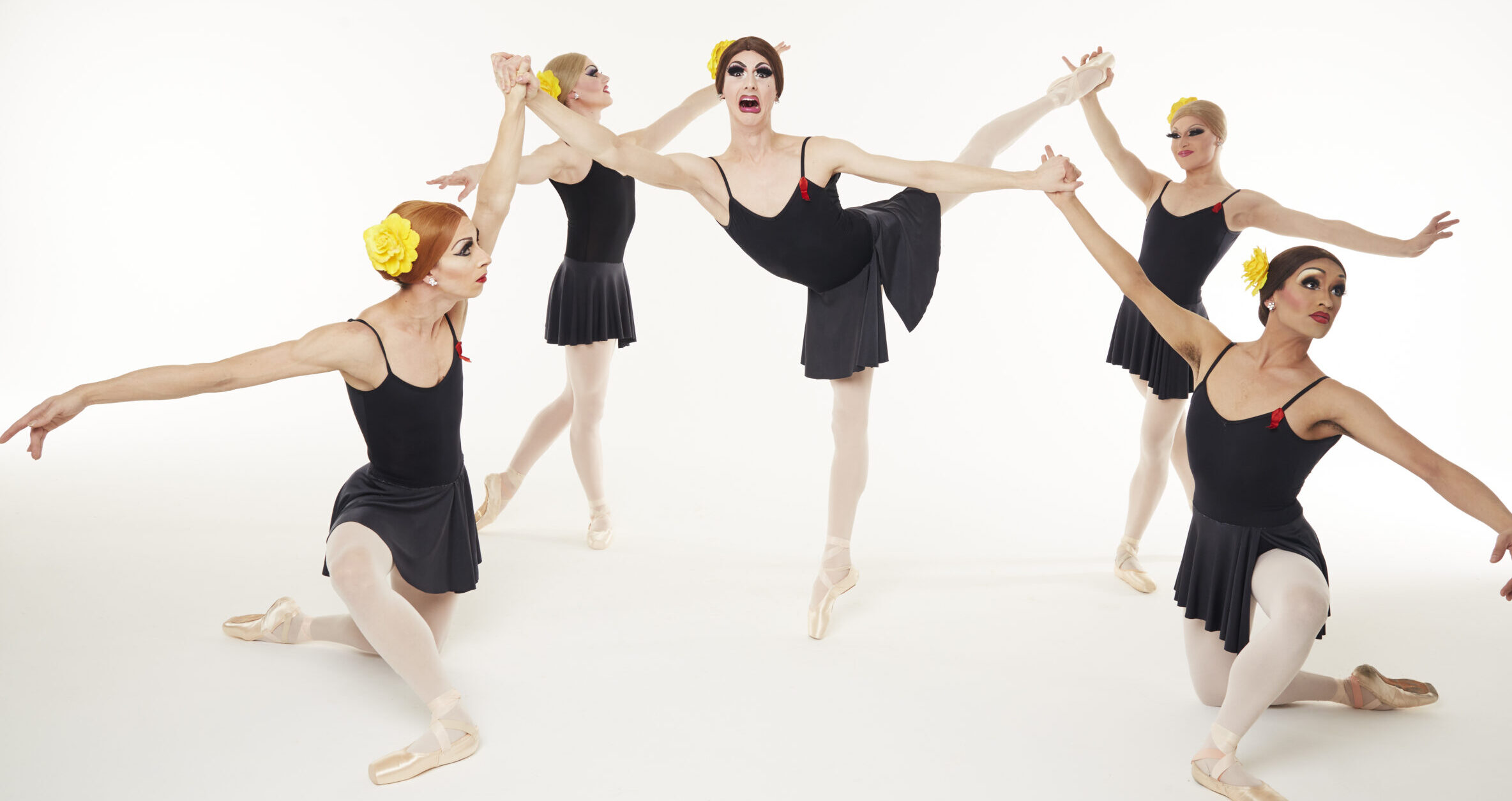
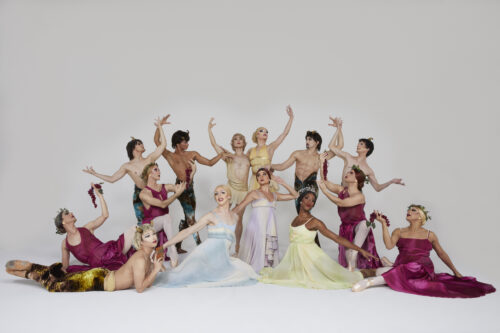
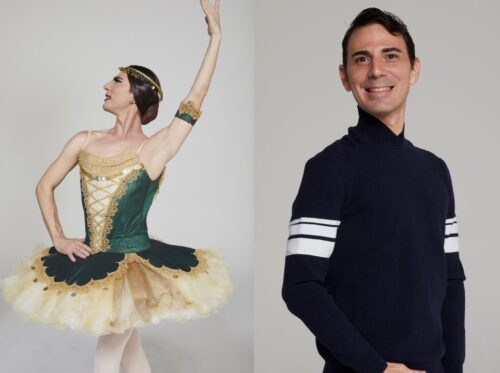
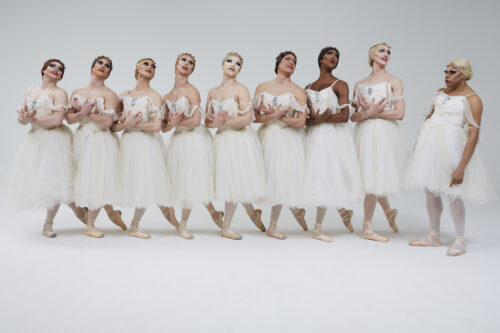
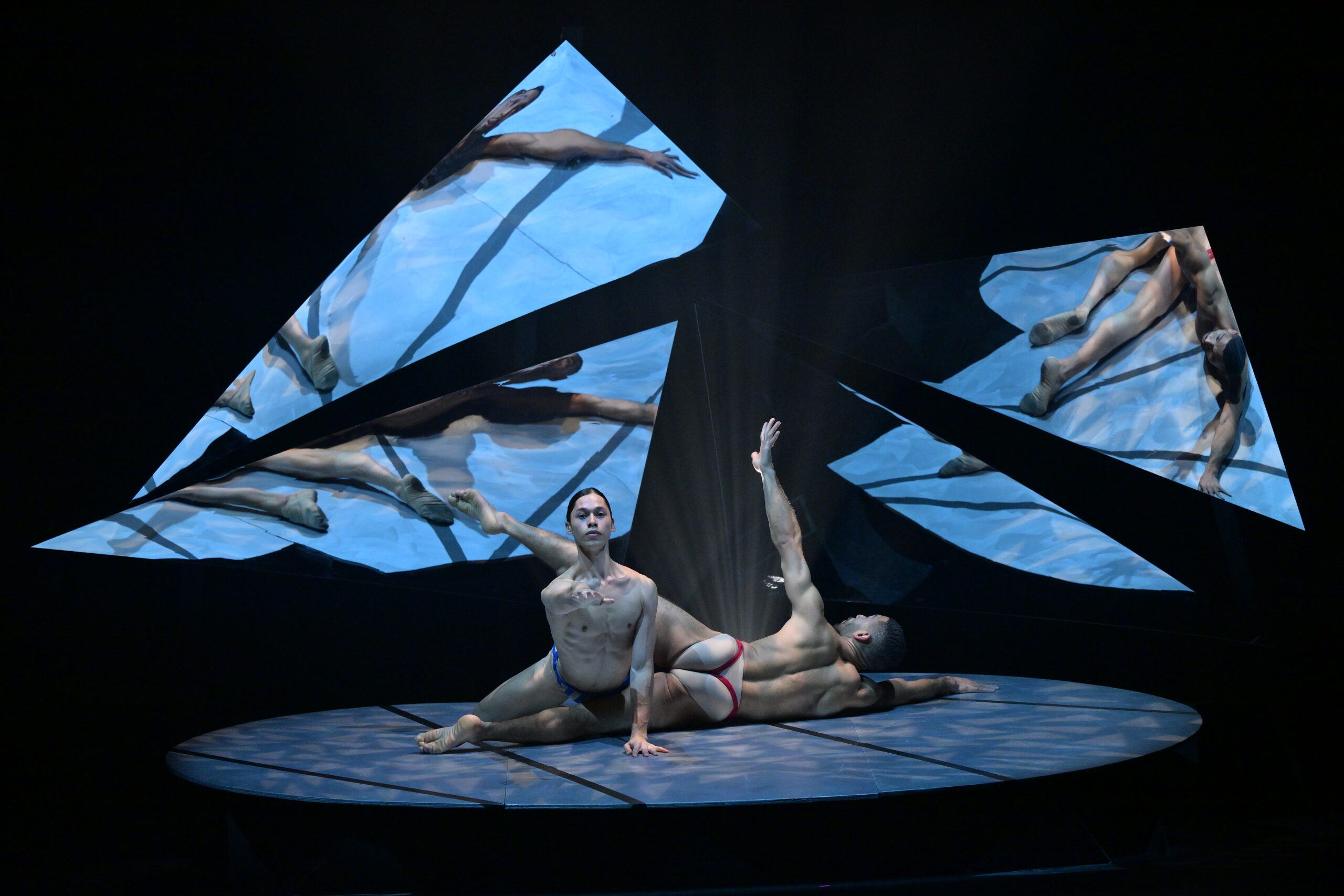
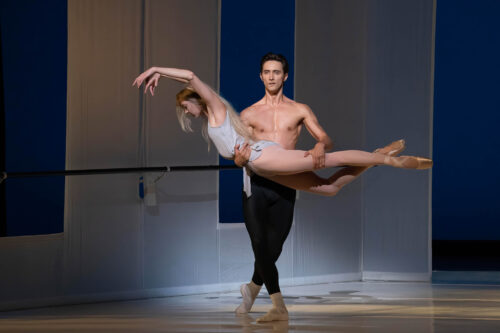
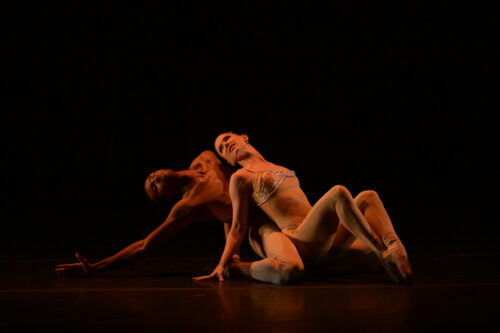
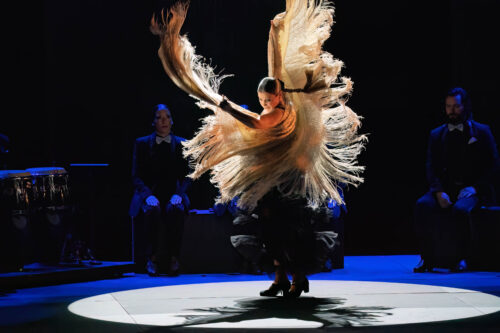
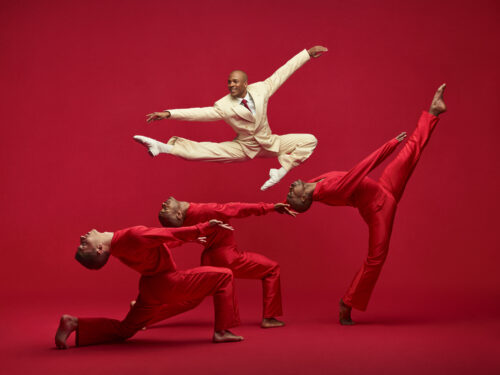
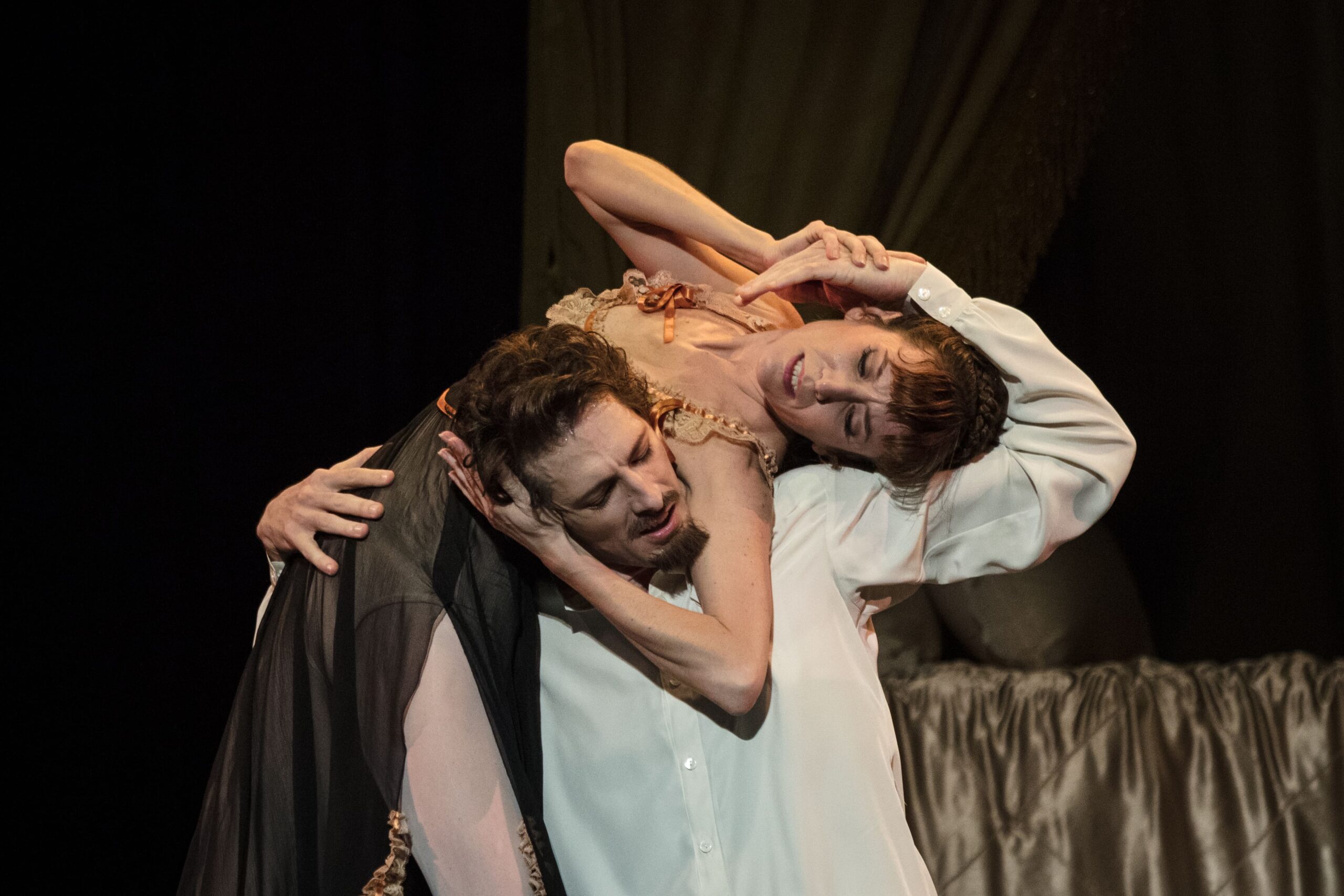
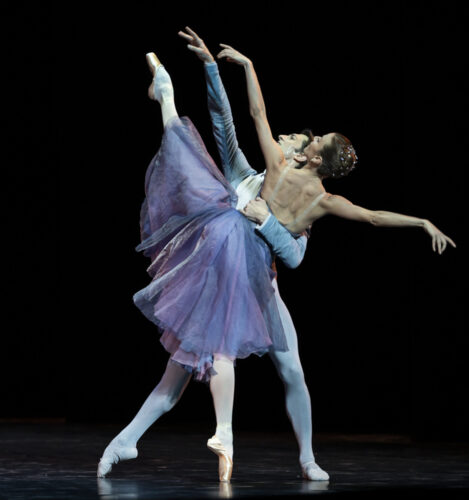
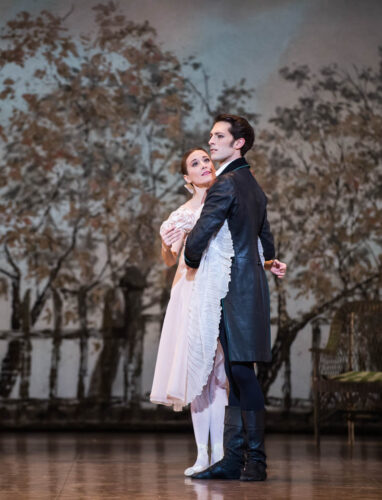
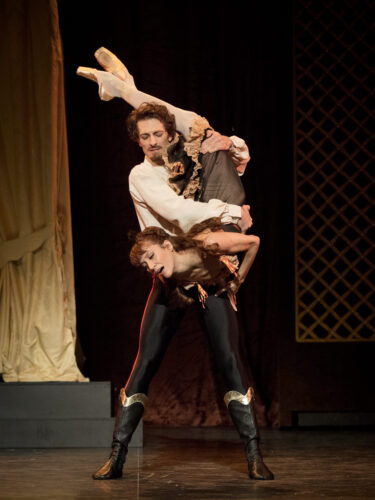
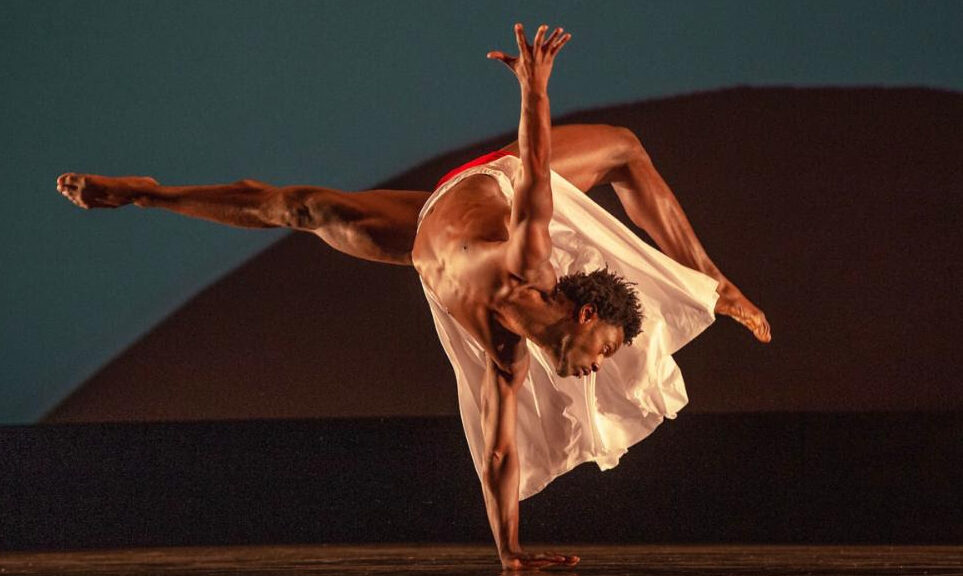
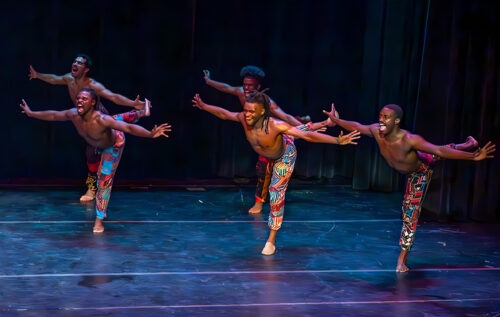
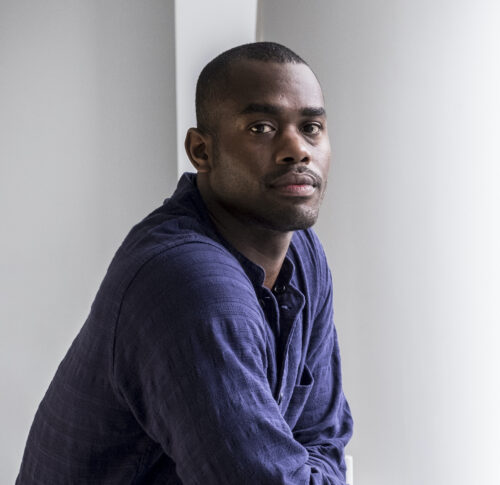
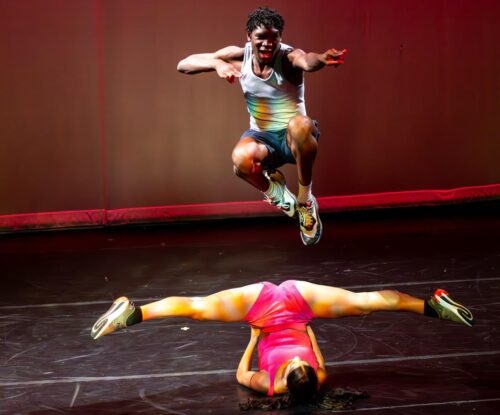

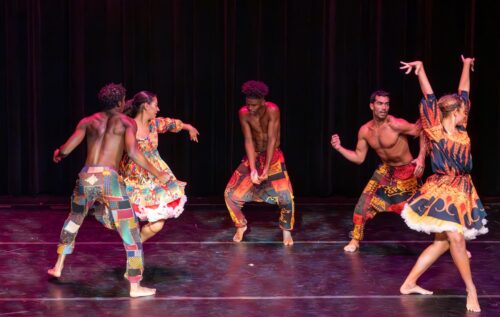
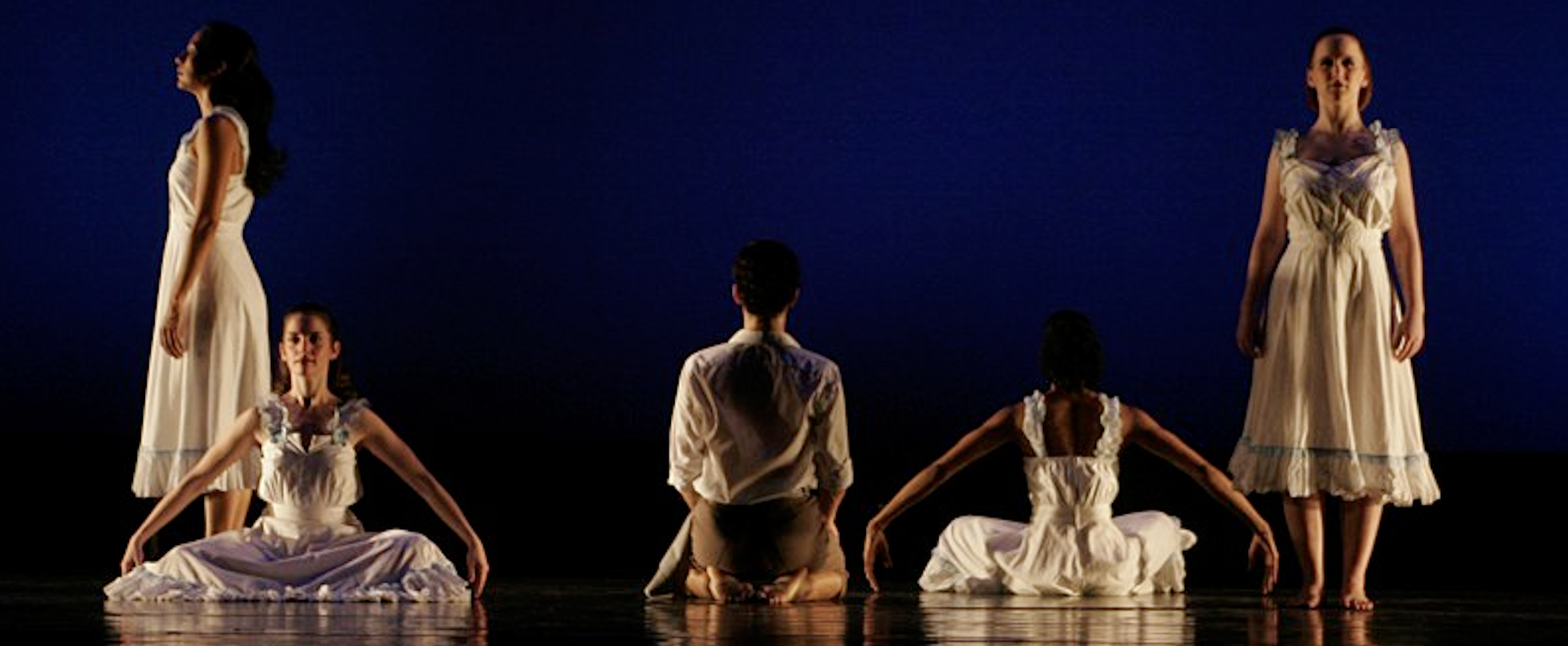
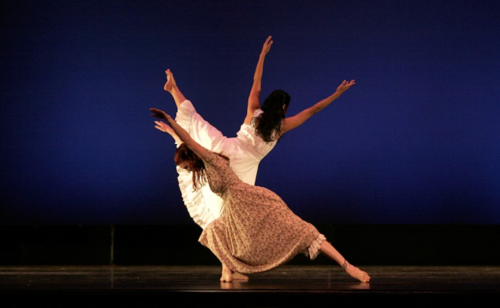
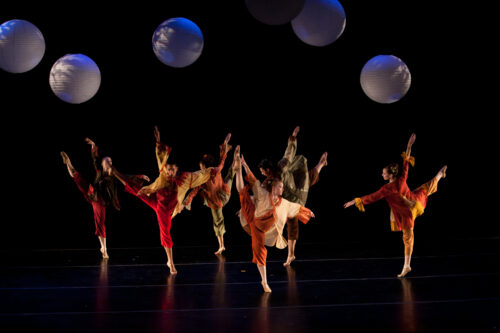
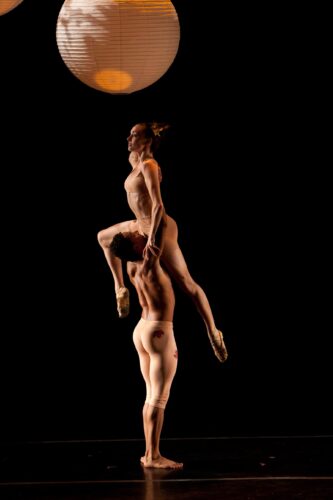

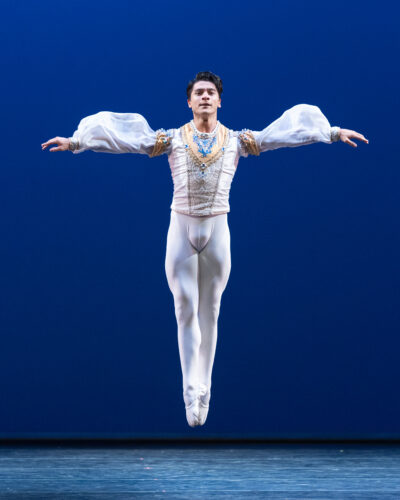
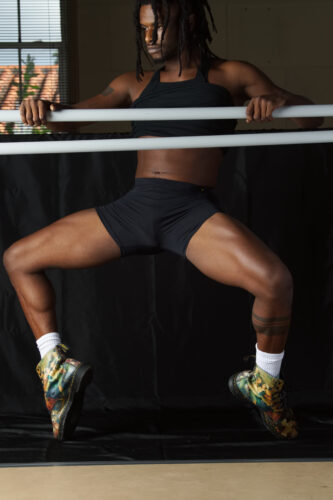
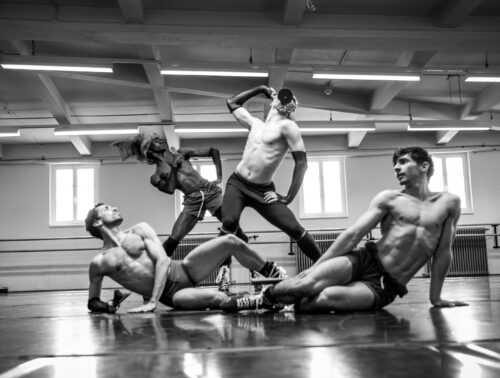
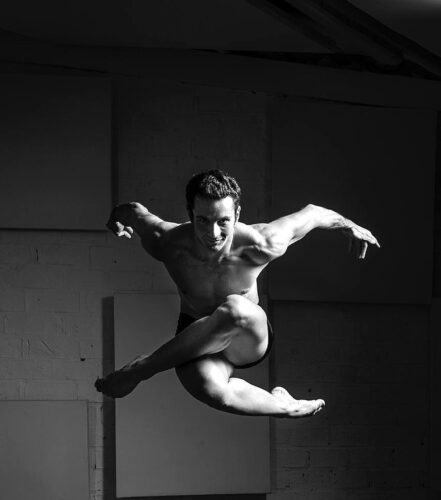
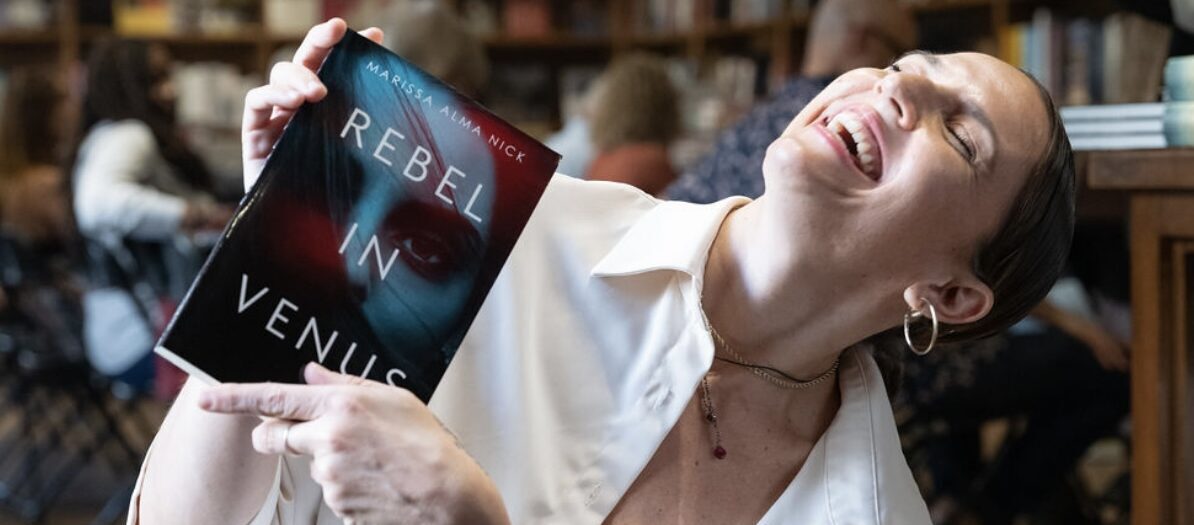
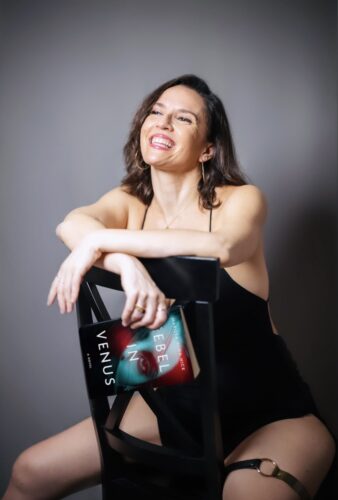
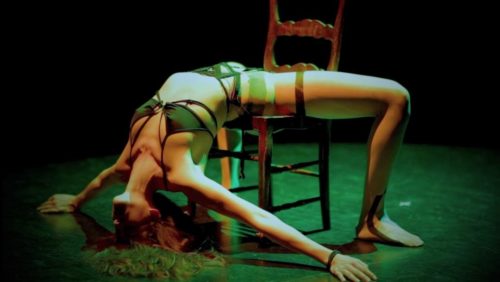


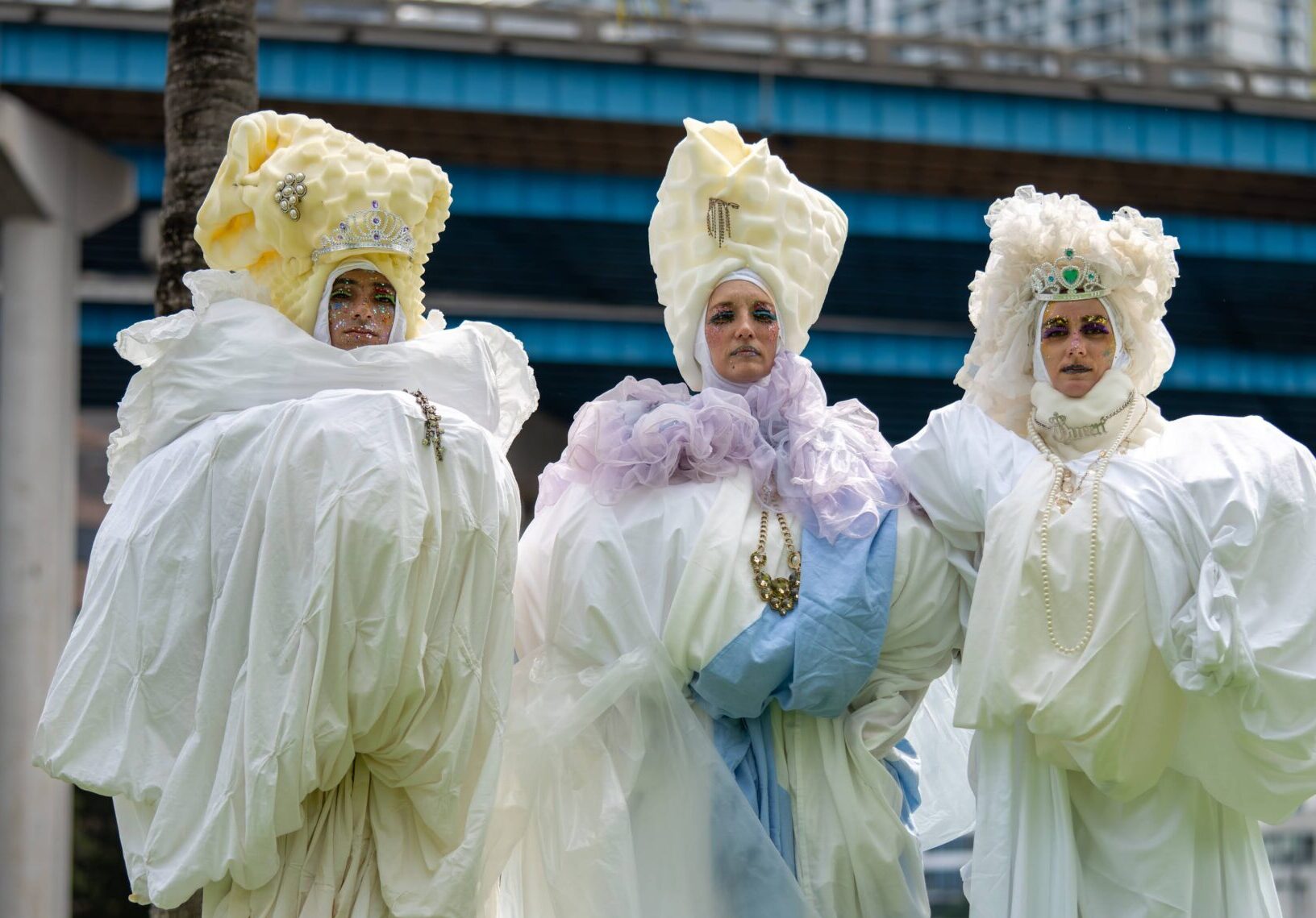





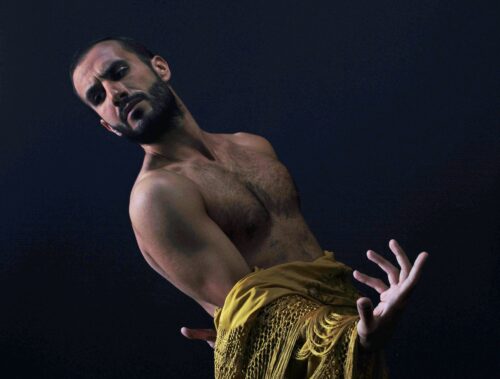



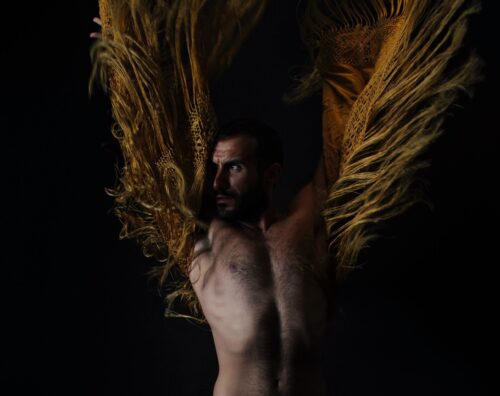
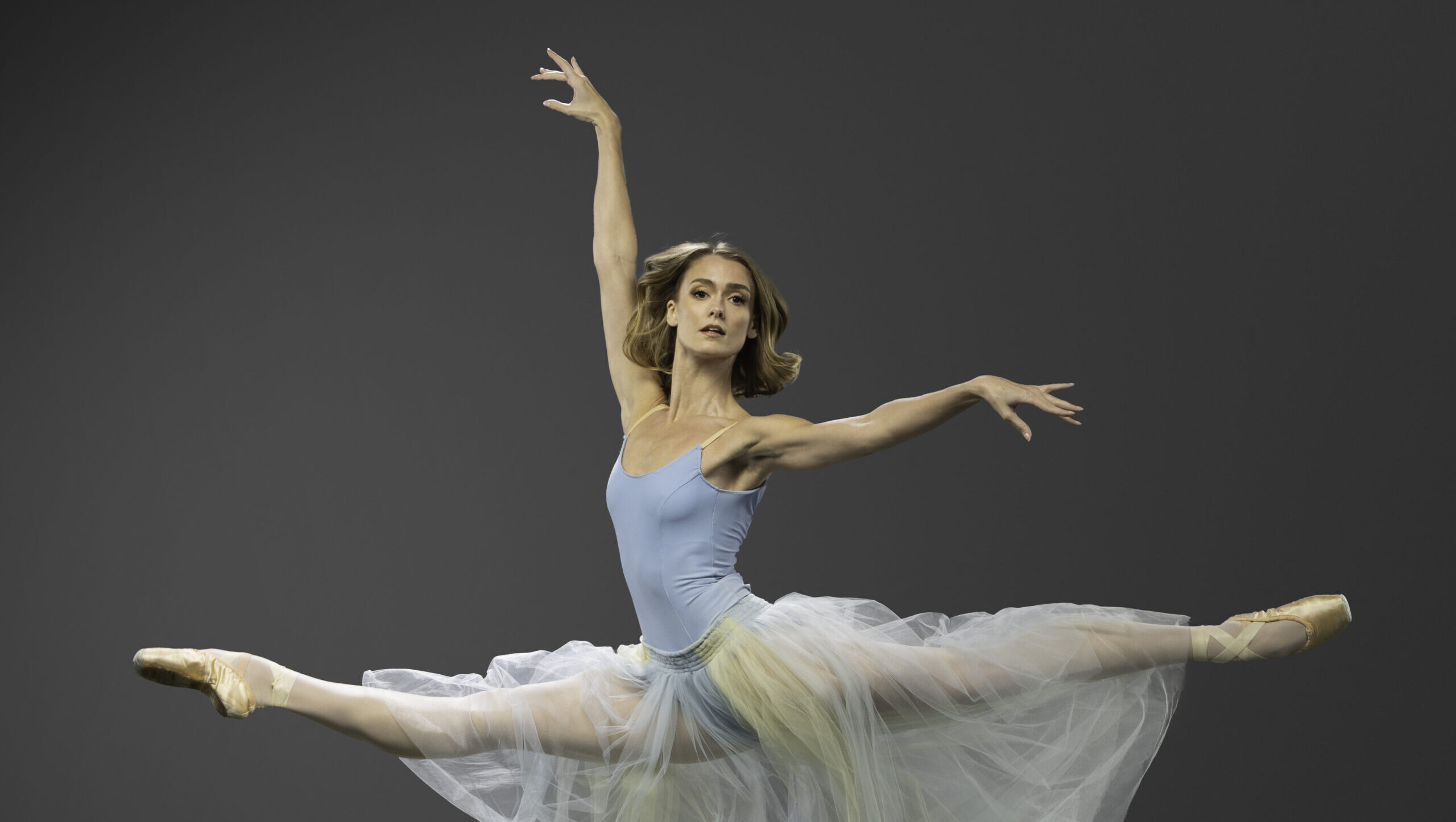
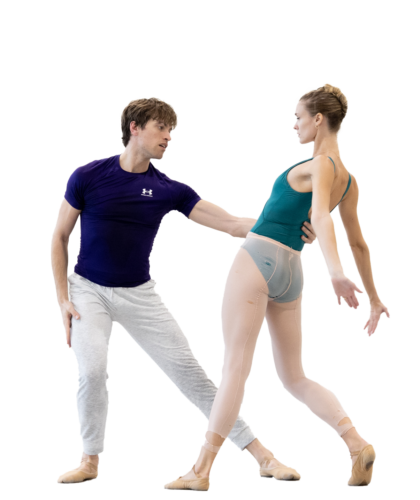
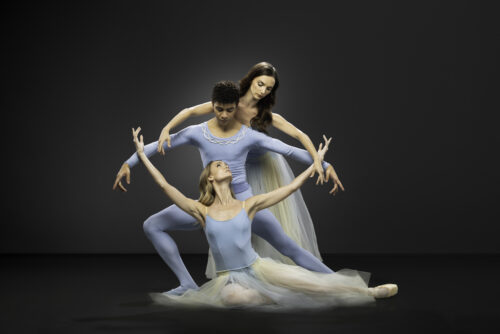
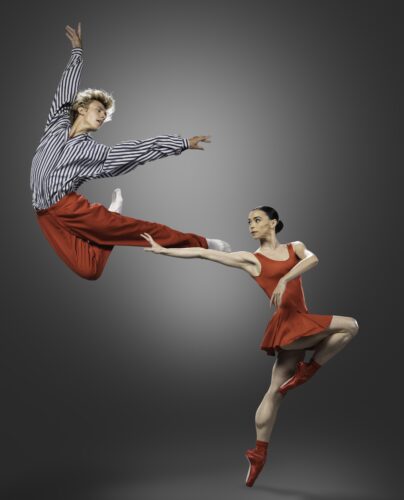
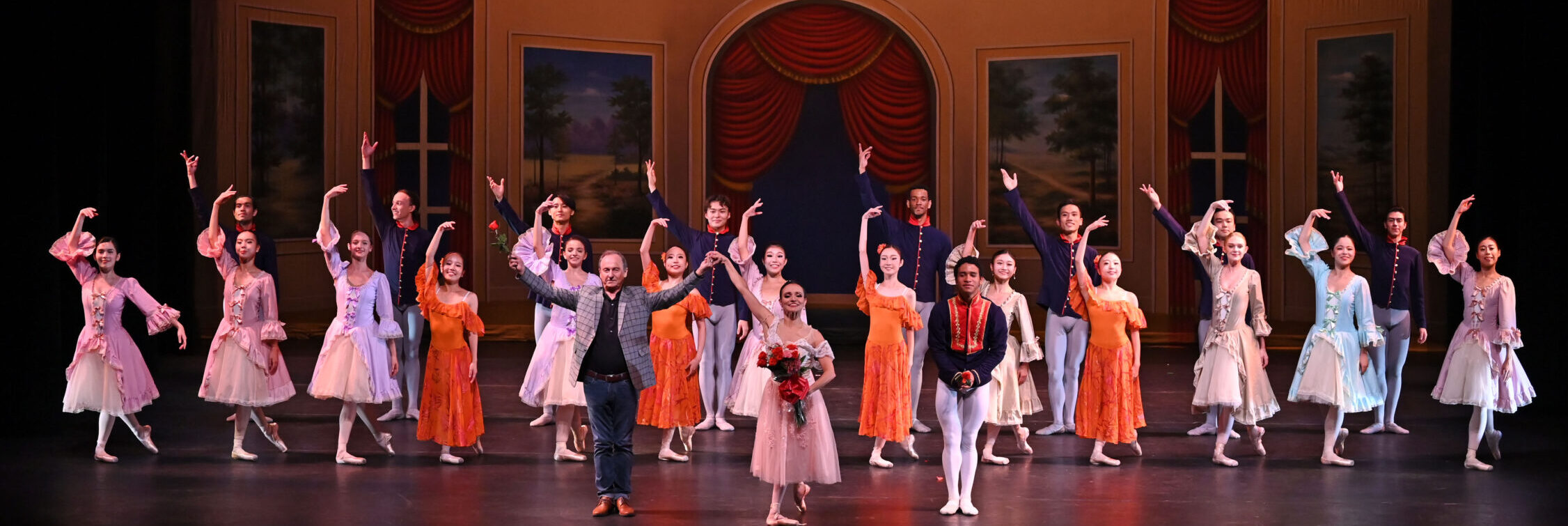
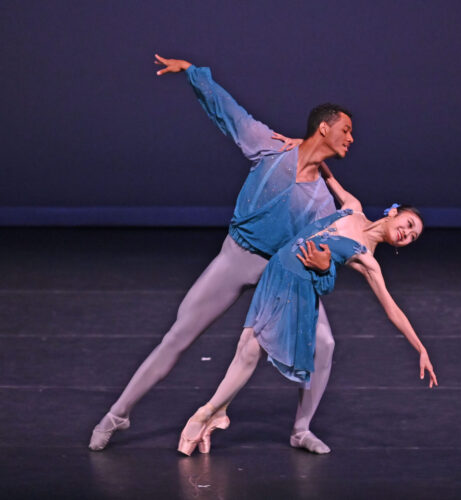
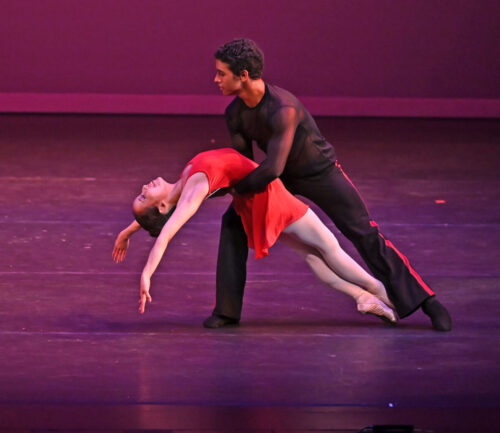
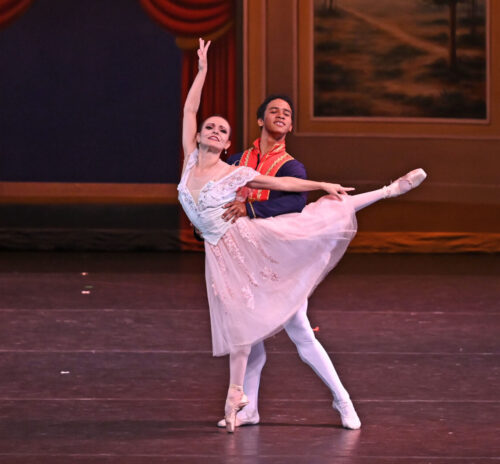
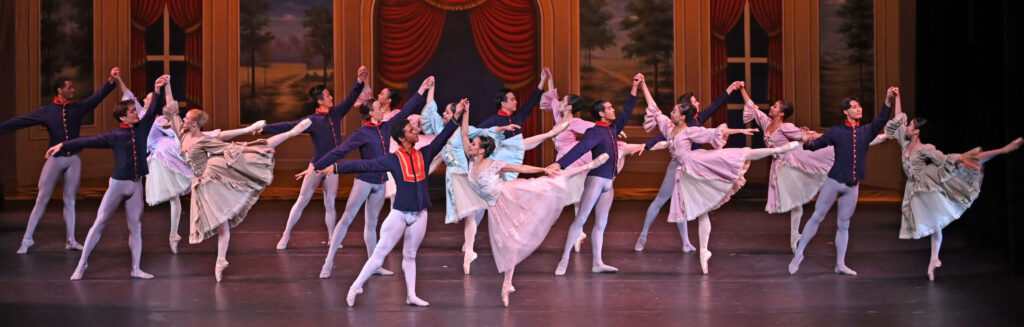
Recent Comments