Rollicking and Physical, FUNDarte Introduces ‘Un Poyo Rojo’ To Miami
Written By Guillermo Perez April 8, 2024 at 7:26 PM
“Un Poyo Rojo,” a unique touring show that unites theater, dance, acrobatics, and sports, will be presented at Miami Dade County Auditorium as part of FUNDarte’s “Out in the Tropics” for two shows Friday, April 12 and Saturday, April 13. (Photo courtesy of Paola Evelina)
It’s a small space where big things happen: the clash of egos, entrenched roughhousing, lust’s insistent hiss, a healing hilarity, and—most significant—the vertiginous delivery of love. In this otherwise ordinary locker room just two men in gym clothes command the action, but they might as well be a parade, so varied is the swift passage of their shifting presence.
That’s the microcosm of “Un Poyo Rojo,” a rollicking work of physical theater—a union of dance and cirque acrobatics, skits and cabaret—that comes from Argentina, by way of France, to Miami-Dade County Auditorium on Friday, April 12 and Saturday, April 13, part of FUNDarte’s Out in the Tropics series in its 15th year.
The fun starts with the title, a play on Spanish words. Hearing it sounds like red chicken (pollo), but reading it as poyo elicits a—huh? The aha moment about these homophones comes when director Hermes Gaido explains the latter is the spelling of an uncommon term for bench, the centerpiece of the presentation’s spare set. But, hold on to your dictionaries, therein lies a bit of the work’s history.
Luciano Rosso in red and Alfonso Barón in a scene from “Un Poyo Royo” coming to the Miami Dade County Auditorium. (Photo courtesy of Paola Evelina)
“The show was originally called Poggi-Rosso after its creators,” says Gaido (in Spanish, as all other respondents), referring to performer/choreographers Nicolás Poggi, who’s left the show since the 2008 collaboration that debuted at a Buenos Aires cultural center, and Luciano Rosso, still taking the stage with this throughout the world. “But one night an announcer made the mistake of introducing the then-shorter act as pollo rojo.”
Instead of seeing red, the guys—always on watch for the double in every entendre—saw gold, turning the gaffe into an opportunity to rename their show. Not only is a bench the platform for many of their hijinks but, as in fables where human foibles and fancies are portrayed by our fellow critters, pecking and preening are mainstays of this comedy, cockfights included with a wink.
“We started adding on scenes,” continues Gaido, singling out his encouragement of the ever more candid portrayal of erotic sparks between men, which drew from the romantic relationship between the performers at the time.
“After some initial holding back,” recalls Rosso, “we realized the importance of a universal message of love in this, a reminder that, with simplicity and dedication, we could create an artistic experience empowering all of us to commune and take joy in freedom, beyond limitations, as a state of consciousness.”
The director’s background in clown school and aerial dance helped usher in the glee of big-top entertainment, here in very compact form. And Gaido has seen how the humor in this prelude to a kiss between men has all along served as a barometer of changing social attitudes—in earlier runs tempering scandalized reactions and more recently inviting equal-rights activists to relax a bit.
“When we eventually got set up for the long term at one of the venues in the capital, this developed a cult following,” says Gaido. That’s where a group of French producers caught the show and invited the artists to participate in the internationally renowned Festival d’Avignon in Provence.
Alfonso Barón, left, and Luciano Rosso battle it out in “Un Poyo Rojo,” coming to the Miami Dade County Auditorium in FUNDarte’s “Out in the Tropics” Friday, April 12 and Saturday, April 13. (Photo courtesy of Paola Evelina)
The stroke of good luck sent them off on the European theater festival circuit, which to this day has brought the show great popularity and glowing critical response. Its trajectory made FUNDarte founder and co-director Ever Chávez take notice, especially since he’s been on a mission for over two decades to spotlight contemporary artists who, though celebrated abroad, are less known stateside. Sharing his enthusiasm for these performers, he contends, makes all the challenges his organization faces—visa complications and unflagging audience development at the forefront—worthwhile.
“I’ve been after this show since before the pandemic,” says Chavez. “It fits in perfectly with Out in the Tropics, not just as a gay pride thing but for the fresh perspective it brings to themes of interest to every community. Sure, this is good entertainment, but we like shows that also leave a mark on society.” He points to the work’s exploration of masculinity—whether toxic or leaning into passion—that, through all the laughter, leads to illumination.
Hermes Gaido is the director of “Un Poyo Rojo,” a work that, starting from the language of the body, explores the contemporary world, confronting itself with the movement and its interpretations. (Photo courtesy of the artist)
And that sense of purpose is also crucial to Alfonso Barón, who took over as Rosso’s resourceful stage opponent and conspirator in 2011. For Barón, plunging into deep subjects, past even the most flippant of surfaces, is the reason to pursue his profession—especially physical theater, where nothing is spoken but so much is said. “I’m always working away to put my focus on human relations and their whole range of emotions,” he says about his constant aim to inspire reflection.
Rosso comments, “Alfonso brought in a lot of material from his own artistic baggage. That automatically turned him into a choreographer, especially since certain moments, as when we work off live radio, are open to improvisation and invigorate the action. We play, take risks, and challenge each other.” And that lets them riff off different audience reactions and even happy accidents on scene.
Both the requisite teamwork and intense physicality were not new to Barón, who practiced rugby and extreme sports—snowboarding a preference—growing up in Mendoza, an Argentinean city at the foot of the Andes. But then he fell in love with the arts, learning from his first drama teacher to be humble in view of the myriad tasks involved in theater. “One day he handed me a broom and asked me to sweep the stage,” says Barón. “At first I resisted, thinking that wasn’t the great role I aspired to. But lesson learned—to respect others and pitch in first to clean up your place of work.”
Still, he confesses, “At this point in my life, my biggest concern is to take care of my body through training, injury prevention, and recovery through diet and sleep.”
(WATCH: Poyo Rojo)
All has been good preparation for the current work he considers “an incredible gift” since it’s taken him and his brotherly collaborators to more than 30 countries and past a thousand curtain calls. They’ve turned down gigs—in China, for example—where censorship aimed to tame the show. But for the most part, from kids galloping on the horseplay (Gaido values the preciousness of their unprejudiced gaze) to seniors appreciative of the stakes in the work’s worldly race, audiences have certified these men’s artistry with boisterous laughter—and occasional tears.
“It’s amazing,” says Barón, “how watching a work that lasts an hour can unleash so many questions and change your vision of the world. And that’s the pleasure we hope Miami will discover.”
WHAT: “Un Poyo Rojo” by Poyo Rojo
WHEN: 8 p.m. Friday and Saturday, April 12 and 13
WHERE: Miami-Dade County Auditorium, 2901 West Flagler St., Miami
COST: $30, $25, senior and student tickets with ID
ArtburstMiami.com is a nonprofit media source for the arts featuring fresh and original stories by writers dedicated to theater, dance, visual arts, film, music and more. Don’t miss a story at www.artburstmiami.com.
No posts found
Philadelphia-based BalletX Presents New, Cutting Edge Works in its South Florida Debut
Written By Sean Erwin March 26, 2024 at 3:37 PM
Andrea Yorita and Shawn Cusseaux in “Honey,” choreography by Jamar Roberts, will be performed when Philadelphia-based BalletX comes to the Dennis C Moss Center on Saturday, April 6. (Photo courtesy of Skye Schmidt)
An engine of innovation since its founding by Matthew Neenan and Christine Cox in 2005, Philadelphia-based BalletX has cranked out over 116 world premieres in just 18 years. Its mission is to present contemporary works by living choreographers and expand the envelope of what ballet means and who is qualified to create and perform it.
Christine Cox, the current artistic and executive director for BalletX, finds the company’s strength in its diversity. “I have an unwavering commitment to fostering a diverse company that supports the unique voices of dancers and choreographers,” she says. “Embracing a range of perspectives enriches our artistic endeavors, leading to innovative and dynamic performances that resonate with audiences worldwide.”
Ashley Simpson, Skyler Lubin, Francesca Forcella, Andrea Yorita, and Savannah Green in “Exalt,” choreography by Jennifer Archibald. (Photo courtesy of Skye Schmidt)
However, arranging the company’s South Florida debut has taken time. “My decision to bring BalletX to Miami as part of the Moss Center dance series is the result of a relationship initiated almost a decade ago,” explains Eric Fliss, managing director of the Dennis C. Moss Center. “(It) has provided us with the unique opportunity to showcase the innovative and impressive work of BalletX. Building and maintaining relationships with artists and companies over the years has allowed me to curate exciting programming for our audience now and in the future.”
In an art form whose most popular and frequently performed works, such as Swan Lake, the Nutcracker, and Sleeping Beauty, originated in the 19th century, the company will present the four works on Saturday, April 6, created in the last three years.
The program’s showcase is “Become a Mountain” by New York City Ballet resident choreographer Justin Peck. A Tony-award-winning choreographer, director, dancer, and filmmaker, Peck has created over 50 works performed by the world’s top ballet companies, including the New York City Ballet, Paris Opera Ballet, and San Francisco Ballet.
Peck created “Become a Mountain” for Juilliard’s Senior Class 2022, and the ballet premiered in December 2021 at the Peter Jay Sharp Theater in New York City. Set to a driving minimalist score of the same name by composer and electronic musician Dan Deacon, “Become a Mountain” is a sixteen-minute, three-part work for 12 dancers. Peck directed a four-minute film version with On Activewear (watch here on YouTube) featuring six dancers, including his wife and former Miami City Ballet principal dancer, Jeanette Delgado.
Ballet X dancer Ashley Simpson, (Photo courtesy of Vandy Photography)
The April program also includes “Umoja” (Swahili for “Unity”) by New York City Ballet principal dancer Tiler Peck (no relation to Justin Peck). The ballet’s title comes from composer Valerie Coleman’s “Umoja, Anthem for Unity,” initially written for a women’s choir before being re-arranged for orchestra in 2019.
Performed by five men and five women, trios and duets structure the 14-minute ballet as a celebration in dance. An emerging choreographic force, Peck premiered her first work with NYCB, “Concerto for Two Pianos,” just last month. “Umoja” was the first work Peck created for BalletX, which the company debuted in July 2022.
According to Tiler Peck, “I sort of based my work off of that word (“Umoja”) and what I think the world and everyone needs right now. The music sounds very joyful. It’s about community and times when we’re together and connected. My choreography is based on that.”
Christine Cox is the current artistic director of BalletX. (Photo courtesy of Chris Kendig)
A name Miami dance audiences have heard frequently this season is Jamar Roberts, a Miami native and resident choreographer of Alvin Ailey American Dance Theatre from 2019 to 2022. Roberts’ gorgeous new work, “As An Offering,” premiered with Peter London Global Dance Company in December. Alvin Ailey American Dance Theatre performed the choreographer’s 2019 “Ode” last month during its swing through South Florida.
For the April program at the Moss, BalletX will perform “Honey,” which the company premiered in July 2022 as Roberts’ second work created for BalletX. Set to music by American jazz and classical pianist and composer Don Shirley (1927-2013), “Honey” features three central duets that shape the eighteen-minute piece for six dancers as a journey exhibiting love’s complexity. For Roberts, creating ballets for BalletX came quickly because of the company’s character. “Working with BalletX is such a gift, really,” says Roberts. “I rarely get the time to work with a company that is so cuddly, comfortable, and warm. And present and intimate.”
Ashley Simpson in “Exalt,” choreography by Jennifer Archibald. (Photo courtesy of Vikki Sloviter)
Rounding off the April program is “Exalt” by Toronto-born dancer and choreographer Jennifer Archibald. Founder and Artistic Director of the Arch Dance Company, Archibald has served as the first female Resident Choreographer of the Cincinnati Ballet since 2017. She has been a Hip-Hop dance instructor for Barnard College in Manhattan since 2015.
Twitchy and heavily caffeinated, “Exalt is a 22-minute ballet with sci-fi lighting design by Brandon Baker and costuming that includes leather kilts and bodices by Olivia Mason. The work oozes the influence of the driving, repetitive rhythms of House music and dance, a genre that originated in the late 1970s and ‘80s in underground clubs in Chicago and New York. “This is a work I’ve always wanted to do to introduce house music to the ballet realm,” says Allen. “You can just sit back and enjoy movement and the freedom that the house music culture can create for the body.”
“Exalt” is also the first work Archibald created for BalletX, and for the choreographer, the top-notch talent of the company’s dancers was the highlight of the collaboration. “The versatility of a dancer that can move through different genres of movement well and be technically sound – it’s a complicated task,” says Archibald. “I just felt like the dancers at BalletX were up for the challenge. They just had that versatility. They brought in power to the pointe shoe that many other dance companies would be unable to hit.”
WHAT: BalletX
WHEN: 8 p.m., Saturday, April 6
WHERE: Dennis C. Moss Cultural Arts Center, 10950 SW 211 St., Miami
COST: $25, $35, $45; $10 student tickets are available with ID. (Limited $5 tickets for ages 13 through 22 available through Culture Shock Miami)
ArtburstMiami.com is a nonprofit media source for the arts featuring fresh and original stories by writers dedicated to theater, dance, visual arts, film, music and more. Don’t miss a story at www.artburstmiami.com.
No posts found
Forward Motion Festival more than spotlighting dancers with disabilities, founder says
Written By Guillermo Perez March 18, 2024 at 5:02 PM
“In Your Shoes” by Karen Peterson Corash with Adam Eckstat, Sun Young Park, Marjorie Burnett, and Narieka Rose Masla will be featured in the fifth edition of the Forward Motion Dance Festival performances on Saturday, March 23 at the Miami Dade County Auditorium. (Photo by Pilar Andujar, courtesy of Karen Peterson Dancers).
Moving forward is something dancer, choreographer, and organizer Karen Peterson, a significant presence on the South Florida arts scene for over thirty years, knows a lot about. Her creative vision and vigor set in the right direction, she advances her art form. And that resolve to get around obstacles and reach a goal, not just as artistic motor but as a requirement of daily life, also goes for participants in Peterson’s on-going project, the Forward Motion Dance Festival and Conference of Physically Integrated Dance.
A yearly event, in its fifth edition, comes to Miami-Dade County Auditorium for performances on Saturday, March 23 and Miami Dade College Koubek Center for workshops on Sunday, March 24.
Julie Crothers will dance an excerpt from a longer piece called “Secondhand,” which explores self-knowledge in relation to prosthetic arms. (Photo courtesy of Karen Peterson Dancers)
Every year brings new lessons for Peterson and confirms the value of putting in people with disabilities in the spotlight. Now, as her purpose evolves, she wants to facilitate original creations by members of that community. “I think this kind of dance has brought me to understand people better—how rigorously they have to lead their lives,” she says. “Like any of us, folks with mobility challenges want to be creative, as individuals and collaboratively.” And that calls for them to be both fervently physical and unencumbered in their imaginations.
“When I started doing this work,” says Peterson, “I thought it had a big message—more than contemporary dance. Yes, I still love modern dancers who can move with so much prowess. But I feel there has to be more than that.”
She feels the extra in physically integrated dance (though labels vary, physically integrated dance covers a range of non-normative mobility in choreography and interpretation, often but not exclusively featuring wheelchairs and other aids) involves an expansion of aesthetic possibilities and their impact on spectators.
“I believe this hits audiences in ways they’re not even conscious of,” declares Peterson.
Karen Peterson Corash, artistic director of Karen Peterson Dancers and the founder and choreographic contributor of Forward Motion.(Photo courtesy of Karime Arabia)
The founder and choreographic contributor of Forward Motion, with her group Karen Peterson Dancers (KPD features variously-mobile performers), has brought international attention to this event, putting on stage renowned PID troupes such as Oakland-based AXIS—which dates back to 1987—and Candoco from England, where this movement originated in the late ‘60s. But this time out her focus has shifted to emerging independent artists, highlighted as “New Voices, New Dance Makers.”
“The larger dance groups more readily get funding,” says Peterson, “so I really wanted to give younger talent a chance.” And she wished to draw in creators who themselves have some sort of disability. A number of PID choreographers such as herself and the pioneering, all-around advocate Victoria Marks (last festival’s luminary) have advanced the field but are not disabled themselves.
“I got a lot of response from very qualified artists,” says Peterson, enthused by a program featuring four Miami premieres, including three choreographers with disabilities and more participants who use wheelchairs.
“In Your Shoes” by Karen Peterson Corash with Narieka Rose Masla, Adam Eckstat, Sun Young Park, and Marjorie Burnett (Photo by Pilar Andujar, courtesy of Karen Peterson Dancers)
Along with Peterson’s group, in her collaborative “In Your Shoes,” the headliners include Julie Crothers, from the San Francisco Bay area, and Mark Travis Rivera, who grew up in Paterson, New Jersey, and now resides in Atlanta. Born in Miami, he considers this his forever home, with Wynwood—pre-gentrification, he wryly notes—his first ground for discoveries as a child with cerebral palsy.
On the evening program an excerpt from Crothers’ 2018 “Secondhand” explores her self-knowledge in relation to prosthetic arms. In the afternoon this fluid dancer will blend her set choreography with improvised movement (“I love that kind of thrill, she confesses), interacting with The Spirit of the Goodwill Band, the performing unit of a nearly 40-year-old music program, headquartered in Allapattah, for gifted individuals with various physical and mental disabilities. KPD will perform to their live jazz and pop sounds in the earlier show and then use recordings at night.
Rivera, an accomplished writer and dedicated storyteller—“that’s a common thread in all I do,” he says—unfolds antecedents in “remembrance,” a new trio which includes former KPD dancer Jesus Vidal, recognized in Dance Magazine for his captivating stage presence.
An intriguing addition to the lineup will be Latin dance ballroom champions from Poland Pawel Karpinski and Magdalena Matusiak. Together they’ll display sleek skills in wheelchair-partnering to catchy beats in “Different Shades of Dance,” and then each goes solo for his “Dirty Dance” and her “Warrior.”
Though both Rivera and Crothers identify as queer artists in PID, their range defies facile categorization—and such diversity is something Peterson celebrates. As a gender non-conforming artist of Puerto Rican heritage, Rivera insists, “I don’t allow anyone to put me in a box. I create work about a lot of different topics informed by my lived experience. Authenticity is a daily choice, and every day I choose to be seen and heard for who I am, no longer trying to people-please and mask up for approval.”
For Rivera, “There’s power in learning to embrace our stories—the good, bad, and messy parts that make us who we are—to create a more inclusive world.”
That respect for individual journeys informs the content of his creations as much as the process in their making. While bringing narrative, thematic and musical ideas into the studio, Rivera still likes “working with the dancers to develop movement vocabulary. My ideal environment is one of mutual respect for the craft and the people in the space. (One) that fosters trust and vulnerability.” As a champion of emotion, he adds, “A dancer can only truly commit to what I’m asking of them if they feel safe enough to use their voice and feel genuinely supported.”
Born in Miami’s Wynwood neighborhood, Mark Travis Rivera, grew up in Paterson, New Jersey, and now resides in Atlanta. He’s a guest choreographer for this year’s Forward Motion Festival. (Photo courtesy of Karen Peterson Dancers)
All that coalesces in “remembrance,” harking back to the choreographer’s mother “fleeing from Miami” and his ensuing search for a sense of home, with a conjuring of early childhood impressions as he returns to a transformed Wynwood. “My greatest hope for this,” says Rivera, “is that people feel moved to reflect on the moments that defined who they would become.”
Crothers likewise plumbs autobiography, with an eye on the relevance of personal evolution, with her intimacies as windows into our shared humanity. “Coming into my identity and feeling confident about my queerness, is unpacked in my work,” she explains, aiming for this to “blossom into entry points for different kinds of people.”
Not wanting “to have labels pasted over my body,” the artist admits these can both be frustrating and open up opportunities, which have included her dancing with Axis as someone—diligently trained and terrifically talented—born with one and a half arms. Sometimes that’s been a determinant in her career, sometimes it hasn’t. “I can kind of flip-flop, and I think it’s cool.”
But having worn a prosthesis until her early 20s, discarded in stages, does power to “Secondhand.” And this allows for her targeted use of humor, which she calls an “incredibly potent tool—to relax people and get to the hard stuff, helping them connect both to me as a performer and to each other.” And that objective puts her fully in the spirit of the festival.
WHAT: Forward Motion Dance Festival and Conference of Physically Integrated Dance
WHEN: 2 and 7:30 p.m. Saturday, March 23
WHERE: Miami-Dade County Auditorium, 2901 West Flagler St., Miami; workshops will be held from noon to 6 p.m. Sunday, March 24 at Miami Dade College Koubek Center, 2705 SW 3rd St., Miami.
ArtburstMiami.com is a nonprofit media source for the arts featuring fresh and original stories by writers dedicated to theater, dance, visual arts, film, music and more. Don’t miss a story at www.artburstmiami.com.
No posts found
Review: Miami City Ballet, in all its splendor as a contemporary ballet company
Written By Orlando Taquechel March 15, 2024 at 1:43 PM
Miami City Ballet dancers in “Delight,” world premiere by Ricardo Amarante. (Photo by Alexander Iziliaev, courtesy of Miami City Ballet)
After offering three highly successful performances of its “Spring Mix” program at Miami’s Arsht Center, Miami City Ballet (MCB), under the artistic direction of Lourdes López, is now ready to conquer the Kravis Center in West Palm Beach on Saturday, March 23 and Sunday, 24.
The same contemporary ballet works will be presented there: “Agon” by George Balanchine, “Following the Subtle Current Upstream” by Alonzo King, and “Delight” by Ricardo Amarante. The first premiered in 1957, the second in 2000, and the third on the program’s opening night at the Arsht Center.
Stanislav Olshanskyi and Dawn Atkins in “Agon,” choreography by George Balanchine. (Photo by Alexander Iziliaev, courtesy of Miami City Ballet)
Many theorists and historians still debate the best definition of contemporary ballet. Some do so by establishing its differences from classical ballet. Others claim that any ballet created at one moment should be considered contemporary ballet for its audience.
The freshness of MCB’s young performers solves the problem by delivering a performance where virtuosity is second nature. The interpretation lacks the mannerisms acquired by experience, and all are committed to the shared discovery of their understanding of dance.
“Agon,” the Balanchine work that opens the program, features original music by the Russian composer Igor Stravinsky (1992-1971) and has been part of the MCB repertoire since 1995. The program notes describe it as “a tour of force set to an innovative Stravinsky score that features twelve dancers creating mesmerizing movements as they gather in pairs, trios, and quartets.”
Rui Cruz in “Following the Subtle Current Upstream,” choreography by Alonzo King. (Photo by Alexander Iziliaev, courtesy of Miami City Ballet)
After the first intermission, the company presented “Following the Subtle Current Upstream,” created by King and featuring recorded music by Zakir Hussain, Miguel Frasconi, and Miriam Makeba.
MCB includes in the program notes a definition in the choreographer’s own words (“a piece about returning to joy”), adding that the work “reflects the bustling waves of life and reminds us that everything in Nature seeks to return to its origin.”
Miami City Ballet dancers in “Delight,” choreography by Ricardo Amarante. From left to right, Ariel Rose, Damián Zamorano, Cameron Catazzaro, Samantha Hope Galler, Francisco Schilereff and Harrison Monaco. (Photo by Alexander Iziliaev, courtesy of Miami City Ballet)
After a second intermission, the program finalized with the world premiere of Amarante’s “Delight,” inspired by the well-known Piano Concerto No.1 in D minor by the German composer Johann Sebastian Bach (1685-1750).
The notes to the program do not say much about the work and concentrate on presenting Amarante as someone “known for creating passionate works” recognized by the public and international critics.
It doesn’t matter what the notes mentioned above say—describing works without a plot is always a thankless task—because we are faced with a program in which reality far exceeds any elegantly written presentation. As soon as the curtain opens, you recognize the futility of effort.
MCB’s dancers brilliantly approach the Balanchine style without undermining the beautiful patina of time that covers it and remind us how unscathed “Agon” has survived the passing of the years. Next, they take on King’s modus operandi as an existential statement of versatility.
Nathalia Arja, Alexander Peters, and Ashley Knox in “Agon,” choreography by George Balanchine. (Photo by Alexander Iziliaev, courtesy of Miami City Ballet)
Performing Amarante’s work, they insinuate that Bach’s music could have been used here to express life always in the present tense, giving the baroque and the academic a brand-new cultural connotation.
Nothing prepares the viewer for the splendor exuded by Miami City Ballet’s heyday. Now, a group at the climax of its consolidation process as a contemporary ballet company that transmits with ineffable serenity the certainty of its achievements, which seem to accumulate at dizzying speed.
We must recognize the efforts of Lourdes López in the artistic direction to conquer them and Juan José Escalante in the general direction to facilitate the process. The highly encouraging results are also evident in how their dancers illustrate the ideas that inhabit the most diverse choreographic language.
Exquisite performers like Dawn Atkins and Stanislav Olshanskyi, always ready to offer what is perfectly appropriate, arouse deep admiration in “Agon” for the sophisticated magnetism they project with absolute emotional self-control.
Dawn Atkins and Stanislav Olshanskyi in “Following the Subtle Current Upstream,” choreography by Alonzo King. (Photo by Alexander Iziliaev, courtesy of Miami City Ballet)
In “Following the Subtle Current Upstream,” the lines that seem to extend beyond the physical limits in King reach in the extremities of Francisco Schilereff, the category of unprecedented expressive discovery.
Rui Cruz’s performance enhances the choreographic proposal due to the authenticity of his motivations, and as soloists, Dawn Atkins and Stanislav Olshanskyi stand out – once again – destined to establish themselves as the most attractive couple in MCB.
“Delight” is a pretext for the joy of Amarante’s daring choreographic slang, where adagio means “keep it cool.” Conceived with a welcome stylistic directness, using the linking movements with dazzling mastery, and divided into three sections, “Delight” works perfectly as an entertainment offering and is excellent as a closing performance.
It is difficult to highlight the individual performances in “Delight” without feeling that justice has not been done to the rest of the participants. However, Taylor Naturkas’ complacent exuberance gives the impression of being the most eloquent capture of the choreographer’s intentions. There is also a solid partnership between Ashley Knox and Renan Cerdeiro.
Ashley Knox and Renan Cordeiro in “Delight,” choreography by Ricardo Amarante. (Photo by Alexander Iziliaev, courtesy of Miami City Ballet)
For a second time – the first was to applaud King’s work – the audience at the Arsht Center rose from their seats at the end of “Delight” and rewarded the entire cast – the superb pianist Ciro Foderé included – with an applause that seemed destined not to stop.
MCB harmonized tastes and merits like an authentic miracle worker with “Spring Mix,” an unforgettable and significant artistic achievement.
ArtburstMiami.com is a nonprofit media source for the arts featuring fresh and original stories by writers dedicated to theater, dance, visual arts, film, music, and more. Don’t miss a story atwww.artburstmiami.com.
No posts found
Dance NOW! Miami and Italian company Opus Ballet dance together at the Miami Theater Center
Written By Orlando Taquechel March 8, 2024 at 1:54 PM
Italian group Compagnia Opus Ballet (COB) will perform “The White Room” on a program with Dance NOW! Miami on Sunday, March 17 at the Miami Theater Center, Miami Shores.(Photo courtesy of Riccardo Panozzo.)
It was 2016 when Dance NOW! Miami (DNM), under the direction of its founders Hannah Baumgarten and Diego Salterini, engaged in a cultural partnership with Mexico City Ballet/Ballet Classical de Quintana Roo, responding to the stirrings in the presidential elections and the need to build walls. The Project became “Bridges NOT Walls/Puentes NO Muros” with both companies creating work on pertinent themes and experimenting with what is now a DNM standard practice of “blended casts” (meaning, the two companies perform together in one work), dancers sharing the stage in a way rarely seen.
On Sunday, March 17, DNM and Italian group Compagnia Opus Ballet (COB), directed by Rosanna Brocanello and Daniel Tinazzi, will perform at the Miami Theater Center in Miami Shores.
The same project (“Bridges NOT Walls”) took the company to Italy in 2019, when the European refugee crisis was at a climax, especially for Italians.
“We needed to share the message of this work, and we found Compagnia Opus Ballet (COB) willing to jump into this crazy idea and create our first collaboration,” says Salterini, who adds that audiences in Florence welcomed the piece (again performed with a blended cast) as urgent and important; the companies then held an encore performance in Rome.
The dancers of Compagnia Opus Ballet (Italy) in “The White Room.” (Photo courtesy of Riccardo Panozzo.)
The impact of a blended cast tactic is unique, both for audiences and for the performers, who especially gain an intimacy with each other that merely performing programs in a combined concert cannot bring.
Part of the exchange is that the companies come to Miami. With the Mexico-based company, the adventure lasted two seasons, from 2016 to 2018; the first was when DNM traveled to Mexico to perform the work together, then the Mexico City Ballet performed in Miami.
The same partnership was to have happened with the Italian company. “To fulfill the project’s second stage,” says Salterini, “OBC was slated for March 2020. Of course, we all know what happened, and the concert was suspended. In June of 2021, we returned to the theaters, but Opus still could not travel, so we presented a video of them in performance. That should have concluded our exchange, but you know Hannah and I are crazy, and that was not enough for us, so we invited them to perform their work in December 2022, which they did to a wonderful audience response –and it opened the dialogue for future collaborations.”
The program at MTC includes three very different works: a new blended cast version of “Gli Altri/ The Others” (“The Others,” in Italian and in English), the revival of “Sogni” (“Dreams’) by Salterini, and the Miami premiere of fragments of the ballet “The White Room,” by Compagnia Opus Ballet.
“As we approached our 2022-2023 season, we decided to return to a project with COB, and ‘Gli Altri/The Others’ was conceived,” explains Baumgarten. “Inspired by distorted images in the style of (filmmaker Federico) Fellini, we pull back the curtain to see both the beauty and ugliness hidden behind the classes, identities, and stories of marginalized people we often choose not to know, see, or not recognize.”
Dance NOW! Miami in “Gli Altri/The Others.” On Sunday, March 17, dancers from Compagnia Opus Ballet (Italy) will perform in a blended cast version. (Photo by Simon Soong, courtesy of Dance Now! Miami)
The work, which was co-created by Salterini and Baumgarten, was performed as a solo piece by DNM in 2023 in performances in Miami, Broward and Palm Beach.
With expanded choreography by Emiliano Candiago of COB and a blended cast, DNM performed an updated version in Florence in July 2023.
“To culminate this collaboration, we are bringing COB here and presenting the work in its full version with the two companies dancing together,” says Salterini.
“Sogni,” a 20-minute ballet created in 2016, by Salterini, is also being performed in the upcoming program.
“In our new world,” Diego describes, “where so much attention is given to labeling people, this is a prime example of a work where gender does not matter. Roles originated by female dancers are now danced by male dancers, and vice versa. Everything is topsy-turvy; everything is possible . . . It is just a dream. We decided to revive it because still, coming out of the pandemic, we need a dance that makes us laugh and smile and takes us to a joyful place. I know it does that for me, and I hope it brings audiences there as well and that they will come out with a big smile.”
The dancers of Dance NOW! Miami in “Sogni.” (Photo by Simon Soong, courtesy of Dance Now! Miami)
The piece from COB, “The White Room” is a full-length ballet inspired by “Ritorno dal bosco” (“The Return of the Forest”) by the 19th-century Italian painter Giovanni Segantini. “Segantini’s work was known throughout Europe, and he was particularly famous for his large pastoral paintings of the Alpine mountains. Choreographed by one of COB’s returning choreographers, Adriano Bolognino, the work is an interpretation of the painting, depicting a woman dragging a sled through the snow,” explains Baumgarten.
The next international venture for DNM will mostly likely be a return to Portugal . . . “with our friends from Dança em Diálogos, keeping us busy until 2026,” reveals Salterini.
WHAT: Dance NOW! Miami and the Compagnia Opus Ballet (Italy).
WHERE: Miami Theater Center, 9906 NE 2nd Ave., Miami Shores
WHEN: 3 p.m., Sunday, March 17
COST: $45 for general admission, $25 for Miami Shores residents, and $15 for students (with valid ID)
ArtburstMiami.comis a nonprofit media source for the arts featuring fresh and original stories by writers dedicated to theater, dance, visual arts, film, music, and more. Don’t miss a story at www.artburstmiami.com.
No posts found
At Live Arts Miami, Virtuoso Odissi Dancer Bijayini Satpathy Shares New Path
Written By Helena Alonso Paisley March 5, 2024 at 2:22 PM
After spending over half of her lifetime with the celebrated Odissi company Nrityagram, BijayiniSatpathy embarked on a solo path that led her to create “ABHIPSAA: A Seeking,” produced By Claudia Norman Managent, which she’ll perform as part of Live Arts Miami at Miami Dade College North’s Lehman Theater on Saturday, March 9. (Photo by Shalini Jain, courtesy of Live Arts Miami)
Clocking in at over 2,000 years old, Odissi dance’s ancient cultural pedigree makes Western styles like flamenco or ballet look like toddlers in diapers. It took a tremendous leap of faith, then, for classically trained and enthusiastically celebrated Odissi dancer Bijayini Satpathy to free herself from the strictures of this artistic discipline, one that she had devoted nearly 40 years of her life to, and to set out on her own to explore a more individualistic vision of the dance form.
Satpathy, who on Saturday, March 9, performs her choreography at Miami Dade’s North Campus as part of Live Art Miami’s spring season, was first exposed to Odissi in kindergarten. When her teacher discovered the little girl dancing alone in an adjoining room, she suggested that her father take the child to formal dance classes. After 13 years of study, she was chosen at 20-years-old to perform with the Nrityagram dance troupe in its premiere United States tour. Satpathy imagined herself returning to her ordinary life in Orissa in eastern India at the tour’s end; instead, she remained with the group for 25 years.
Bijayini Satpathy was “discovered” as a dancer by her kindergarten teacher, who saw the child dancing and urged her father to get her proper lessons. (Photo by Maria Baranova, courtesy of Live Arts Miami)
Odissi’s roots run deep. One of the eight classical dance styles of India, the sensual S-like curve of the spine in Odissi can be seen in temple carvings, with the statuary serving like a resource text for the development of the dance’s postures. Narrative dances tell the stories of religious deities, while other choreographies in the form emphasize abstract principles and the interplay of complex rhythmic patterns.
At the Nrityagram compound, where Satpathy lived as part of the troupe, she and the other young women in her cohort ate, drank, slept and dreamt Odissi dance 24/7.
“I came to Nrityagram, and the understanding was it was just a tour. I would rehearse, learn some new choreography that they were presenting and go back home after,” she says. “But as soon as I walked into this place, which is in rural Bangalore, many, many, many hundreds of kilometers away from my place, Orissa, and in a rural area, quiet, ten acres of beautifully built huts and open dance spaces, open to nature, I fell in love the first day I landed there and decided, ‘This is going to be it for me.’”
It was not merely a pastime, but a way of life, she says, and the ideal place for a young person to dedicate herself heart and soul to her training.
“We would wake up very early in the morning and go for a jog or a walk and then there would be one and a half hours of conditioning,” she says.
One daily class might be dedicated just to eye movements. Another would be focused solely on the hands and Odissi’s codified language of gestures. There was choreography to be learned and rehearsed, but there was also the vegetable plot to tend to, laundry to be washed, and village neighbors to be helped.
The lines and body placement in Odissi dances were derived over 2000 years ago from the poses seen in ancient Indian temples. Bijayini Satpathy seeks to retain the essence of this millennial art form while expanding its expressive parameters. (Photo by Arijit Roy, courtesy of Live Arts Miami)
It was, she says, “very, very simple living.”
For years, she was the star of Nrityagram. And yet, at the age of 45, after spending over half of her lifetime in this Shangri La dream of a dance village, she left. Like Thoreau heading off to his cabin at Walden Pond, Satpathy’s creative spirit sought solitude. Sensing that there was much yet to uncover in the traditional dance style that she had loved so devotedly, she embarked alone on a new path, intent on coming closer to the most essential truths of her art form.
“It was a decision I took very fearfully because I was always in community. I had never known dancing solo,” she says. “I had a need, but I couldn’t put my finger on it.” Then the pandemic arrived, and solitude became obligatory for nearly all of us.
“I started relishing the solo journey,” she says. “I suddenly realized that I had more time and space to go even deeper within.”
It was a shift in focus, away from a dancer’s constant attending to the other bodies moving in relationship to her and where she must be at a given moment to fit the choreographic structure and pattern.
“I soon realized while working solo that I had all that mind and time to myself,” says Satpathy. “I had more time and space to go even deeper within. Within the inner workings of a movement, just a movement pattern, even if there was no story. And if there was a story, then deeper into the character I was depicting.” It is a freedom that allows her, she feels, to take Odissi to a different level.
“I free myself as much as I can to express what is intrinsic to Odissi. In Odissi there is a constant state of surrender and devotion,” she says. “In my solo practice now, I find myself more and more in the dance, in the sense that there is a certain inner journey which runs parallel to the experience of the dance.”
It is a journey that has been acclaimed by heavy hitters of the dance world like the Baryshnikov Dance Center and Duke University, who commissioned the choreography Satpathy will be performing in Miami.
In 2006, Bijayini Satpathy gave a master class with Nrityagram Dance Company for MDC College students. On her visit to Miami this time, she will be offering two Odissi workshops to South Florida dancers with and without prior training in Indian dance. (Photo courtesy of Live Arts Miami.)
Rajika Puri, for years a prominent figure on the New York world dance scene and an expert on Odissi and Bharatnatyam herself. has followed Satpathy’s career for decades.
“I can say that I think the path Bijayini’s on is amazing,” Puri says in an email exchange from India. “I’ve watched her grow since she joined Nrityagram…It’s a joy to watch her perform.”
Satpathy herself feels that her development has been personal as well as artistic.
“I expand, you know, I grow in confidence when I play a very powerful character as a human being. It’s like the day you learn to drive or swim, you grow in confidence one inch.” Beyond personality, this exploration touches on gender mores as well.
In Odissi, she explains, “We have no time, space, gender, self-identity boundaries. As a female-bodied person, identifying as female… I must play all characters convincingly. Male, female… amazing characters that are so interesting, larger than life, unbelievably powerful, or even vulnerable. Accessing those beings expands me as a human being, I feel.”
One of the payoffs of playing these potent personalities onstage is courage—the courage to speak boldly as a woman living in what the dancer describes as India’s highly patriarchal society.
“Because of the dance,” she says, “I am able to tell a story in a very confident way about the truth of certain taboos that exist in India still where women are marginalized. They’re not equal to men.”
In her new role as a solo artist, Bijayini Satpathy charts a journey of emotional, physical and spiritual discovery. Odissi and Bharatnatyam expert Rajika Puri calls Bijayini’s work “brilliant” and “astonishing.” (Photo by Maria Baranova, courtesy of Live Arts Miami)
Ideas around gender, she says, have always intrigued her.
“What is my idea of masculine?” asks Satpathy. “What is my idea of feminine? Sometimes this is what society has taught us, that you stand a certain way and that is feminine. You stand a certain way that is unfeminine. My mother has corrected me many times,” she says wryly.
For her, dancing has brought with it empowerment.
“Sometimes I feel like my interpretations now are of the same stories, but the mythological stories are now being informed by who I have become internally because of the dance,” she says. “I feel like dance really empowers the person that is dancing it.”
Puri, who clearly sees the power in Satpathy’s artistry, doesn’t mince words.
(Above: Bijayini Satpathy in “ABHIPSAA: A Seeking”)
“She is among the top five dancers I’ve ever seen — and I’ve watched: (British ballet star Margot) Fonteyn since I was five, (Indian dance star) Balaraswati since I was twelve, (Russian ballet star Galina) Ulanova since I was eighteen . . . she is among the best.”
In addition to Saturday’s concert at the Lehman Theater, Satpathy will be offering an Odissi master class on Wednesday, March 6, in Davie and another on Thursday, March 7, at the Sanctuary of the Arts in Coral Gables. The workshops are open to all dancers, with or without previous training in Indian dance.
WHAT: Live Arts Miami presents Bijayini Satpathy in “Abhipsaa: A Seeking”
COST: $39 and $29 for concert tickets; $30 per master class or $50 for two-class bundle
MASTER CLASSES: 7 p.m., Wednesday, March 6, “The Language of Expressional Dance or Abhinaya,” Rhythms School of Dance, 595 Corporate Plaza,10388 West State Road 84, Suite 112, Davie and 7 p.m., Thursday, March 7,“Principles of Odissi Technique,” Sanctuary of the Arts, 410 Andalusia Ave, Coral Gables
ArtburstMiami.com is a nonprofit media source for the arts featuring fresh and original stories by writers dedicated to theater, dance, visual arts, film, music, and more. Don’t miss a story at www.artburstmiami.com.
No posts found
Miami City Ballet’s Spring Mix Tends A Garden of Dance Delights
Written By Guillermo Perez March 4, 2024 at 11:54 PM
Francisco Schilereff in rehearsal for Miami City Ballet’s “Delight,” a world premiere by Ricardo Amarante, part of the company’s “Spring Mix,” opening Friday, March 8 at the Adrienne Arsht Center for the Performing Arts, Miami. (Photo courtesy of Alexander Iziliaev.)
There’s always reason to expect considerable delights from Miami City Ballet—in a returning repertory masterwork or an intriguing premiere, in the authority of long-admired principals or the revelation of budding talents. And now a company commission puts those best expectations directly in the title.
“Delight,” from Brazilian choreographer Ricardo Amarante, is part of “Spring Mix,” MCB’s third program this season, opening at the Adrienne Arsht Center in Miami on Friday, March 8 with shows through Sunday, March 10. Then, the company heads to West Palm Beach’s Kravis Center for three shows on Saturday, March 23 and Sunday, March 24 .
The company’s spirited exploration of new territory also gains distance in “Following the Subtle Current Upstream,” Alonzo King’s journey of the soul, bodies as polished and powerful vehicles running on Indian tabla music, Miguel Frasconi’s pulsating sounds, and Miriam Makeba, the 2000 work now debuting at MCB. George Balanchine’s “Agon,” a test of focus, strength, and pliability to Stravinsky—intense and indispensable since 1957—will be a repeat for some cast members and an initiation for others.
Miami City Ballet dancers Lily Maulsby and Ella Titus rehearse Ricardo Amarante’s “Delight.” (Photo courtesy of Alexander Iziliaev)
Among noteworthy heirs to that back-then freshly brewed neoclassicism, still as eye-opening as this morning’s first cup of coffee, Amarante stirs his own piquant spice into “Delight,” meaning to energize. “My ballets are always filled with emotions. And I like the public to feel those,” says Amarante. “In this company the dancers can move quite fast, so I wanted to bring that excitement in something really uplifting.”
The title came naturally to him in word play: those swiftly moving figures in the light charge the mind with lasting impressions of delight. And, fundamental to Amarante’s purpose, the music looms large.
Despite his love for the classical canon, he insists that—from his first creations, when he danced with Belgium’s Royal Ballet of Flanders, to more recent commissions that have kept him busy from Atlanta to Latvia—his tastes have remained eclectic.
Choreographer Ricardo Amarante rehearsing “Delight,” making its world premiere as part of Miami City Ballet’s “Spring Mix.” (Photo courtesy of Alexander Iziliaev)
Early on there was tango for the sultry “A Fuego Lento” and later French passion surged from Edith Piaf for “Love Fear Loss.” Twentieth-century concert masterworks and original scores have also fueled his imagination, much of his repertory developing in Kazakhstan’s Astana Ballet, where as artistic director for seven years he enjoyed unqualified support and success.
“But this is the first time I’m going to work with Bach,” reveals the choreographer about his choice of the Baroque master’s Keyboard Concerto No.1 in D minor. “The music is quite animated in the first and last movements, and really touching in the middle. It comes with the right instructions. The composer creates his own little story, and that’s nice because it gives me a lot of inspiration.”
After MCB artistic director Lourdes Lopez approached Amarante about the project, the discussion turned to finding the right score. Several considerations, including the need for the ballet to close the evening, led to the Bach concerto, its insistent stream of crystal declarations sure to let the company orchestra bring on the bravura.
“It’s fast, with lots of changes. And I could see a lot of patterns,” says the choreographer, describing the challenge he wanted to hand the dancers.
Katia Carranza, shown with Cameron Catazaro rehearsing “Delight,” is retiring from the company. (Photo courtesy of Alexander Iziliaev)
For principal Katia Carranza, to be partnered by the princely Cameron Catazaro, among three lead couples, that’s the stimulus she still looks for even at this venerable stage of her nearly 30-year career. “It’s always a treat to do new things,” she confesses, having danced plenty of premieres by younger choreographers in recent seasons. “True, Ricardo’s choreography can be a challenge. We have some off-balance partnering and very quick changes. Plus, all of us get to dance a lot. But we’ve been able to keep up a good pace because of his energy and temperament.”
Not only the leads but also the 12 demi-soloists, in six pairs, get steady stage time for these restless statements. “Whether in pirouettes or the angles we take, we get to do movements at an extreme,” adds the ballerina, glad to show off those thrilling skills along with her colleagues.
What further makes this fly, says Carranza, is Amarante’s deftness as an instructor. “When he’s setting movements, he’s always ready to demonstrate himself, and”—here she lets out a laugh —“I always get a kick out of the sounds he makes—he wows, he roars—and through those you get a better sense of what he wants. Most important for us dancers, he’s always checking in on us—say, in transitions—so even through difficult steps we don’t get stuck.”
Choreographer Alonzo King works with dancer Satoki Habuchi in “Following the Subtle Current Upstream.” (Photo courtesy of Alexander Iziliaev)
The result is clarity and—as Carranza underscores—a sense of safety that makes the dance more enjoyable. She announces there’s no better way for her to bid farewell to the stage than with this premiere; this will be her last program as she’s retiring from the company. That shows the curiosity that’s been the hallmark of her career, exceptional not just for its longevity but for her charisma and artistic grace.
The way Amarante has sparked the ballerina’s enthusiasm may be related to his having transitioned from an active performance schedule to full-time choreography still in his 30s. And if you ask the 43-year-old what makes him so disposed to chasing big moves—that surge of emotion—he doesn’t hesitate to answer: “For sure, it’s my personality but also my nationality. Everything in Brazil is over the top, really dramatic. And I like that—to go to the theater and come away with strong feelings.” Add to this, on his list of special delights, carnival in Rio, with its colorful explosion of sounds and sights.
The choreographer moreover recognizes the value of his early training in Brazil and on scholarship stays in Cuba and English National Ballet. “Those experiences left me what I carry today,” he says. “In Cuba, I learned about male technique. And a passion for acting. In England, I polished up my work in the definition of steps.”
Miami City Ballet Dancers in “Agon.” Choreography by George Balanchine. (Photo courtesy of Alexander Iziliaev)
His ensuing career continued to be instructive—through the refined productions at Paris Opera Ballet and the wide-ranging classicism at the more intimate Jeune Ballet de France. And at Royal Ballet of Flanders, Amarante had the advantage of learning choreographies directly from many contemporary dancemakers.
That’s an opportunity MCB corps member Francisco Schilereff can appreciate. Rehearsing all three ballets in Spring Mix, the 24-year-old has treasured direct guidance from choreographers King and Amarante. Of course, in climbing an artistic peak like Balanchine’s “Agon,” with its tricky counts and exacting calibrations, he’s also found reward, honoring a legacy.
But in “Following the Subtle Current Upstream” King’s voice, bringing references to fire, earth, and water, led Schilereff to deep layers as a dancer. “The most important things I took from him were finding my own narrative and asking where the movement comes from.” His interpretation thus became more organic.
Hannah Fischer rehearsing “Following the Subtle Current Upstream.” Choreography by Alonzo King. (Photo courtesy of Alexander Iziliaev)
“Even though each piece here is so different,” says Schilereff, “I think you grow more aware going from one to another.” And in “Delight” there’s connection in the call for authenticity.
“Ricardo always reminds us to be ourselves,” says the dancer. “Yes, he likes everything to be grand. But he also wants to see you in this as a person.”
Deriving his own delight from the experience, Schilereff puts it within a larger context. “Knowledge is everywhere. I love traveling, seeing new cultures, exploring a spectrum of things,” he says. He points to his leap of faith in leaving home in Argentina as a teenager to train in ballet in the United States.
“Choreographers come with dances for us to discover, and we take those and put in our little grains of salt.” And, for him, that brings the satisfaction life is all about.
WHAT: Miami City Ballet’s “Spring Mix”
WHEN: 7:30 p.m. Friday and Saturday, March 8 and 9; 2 p.m. Sunday, March 10
WHERE: Adrienne Arsht Center for the Performing Arts, 1300 Biscayne Blvd., Miami
ADDITIONAL PERFORMANCES: Kravis Center for the Performing Arts, 701 Okeechobee Blvd., West Palm Beach; 2 and 7:30 p.m. Saturday, March 23, and 1 p.m., Sunday, March 24
COST: $39, $40, $79, $115, $189, depending on show time and venue.
Flamenco Festival Miami XV Honors Past Masters, Looks to the Stars of the Future
Written By Helena Alonso Paisley February 25, 2024 at 6:09 PM
Flamenco Festival XV features an array of performances Friday, March 1, Saturday, March 2, and Sunday, March 3 with a gala Stars of Flamenco show on Thursday, March 14, at the Adrienne Arsht Center, Miami. (Photo courtesy of artist management)
Flamenco Festival Miami has become a spring ritual for South Florida’s many flamencophiles, who flock to the Adrienne Arsht Center for their annual fix of some of the best contemporary artists to ever pluck the strings of a Spanish guitar or pull on a pair of nail-studded heels.
This year’s performances (on Friday, March 1, Saturday, March 2, Sunday, March 3, and the gala on Thursday, March 14) range from intimate guitarist/dancer duos at the Carnival Studio Theater to no-holds-barred extravaganzas like the Ziff Ballet Opera House’s concerts by the 38-member Ballet Nacional de España or the Stars of Flamenco gala that closes out the series in the Knight Concert Hall.
Spain’s premier flamenco dance company, Ballet Nacional de España, opens the Flamenco Festival with three performances at the Ziff Ballet Opera House. (Photo courtesy of Javier Fergo)
Flamenco mastermind Miguel Marín, who some 23 years ago first had the idea of bringing Spain’s most current and sought-after artists to the festival’s first basecamp in New York City, sounds as pumped about the fifteenth edition of Flamenco Festival Miami as he was when I first spoke to him nearly a decade ago.
“We want to be a window on what is being produced in Spain today, so that people will see just what motivates these artists and what they are creating right now.”
Like the blues, hip-hop or any other art form born of the streets and practiced both by very young artists and much older ones, flamenco is always changing. The maxim that says “you never step into the same river” is as true of flamenco as it is of any other living art form.
“Anyone who has come to the festival in Miami for years can see the evolution that has taken place creatively in these artists,” says Marín. “It’s this evolution that shows flamenco’s relevance to society today…today’s young people, or any audience, really, can identify with this music and dance.”
Paula Comitre in “Stars of Flamenco.” (Photo courtesy of Remitre Malvarez)
And although cognizant of his role as an international tastemaker for this historical art form, Marín would likely be more comfortable being thought of as flamenco’s biggest cheerleader than its most powerful gatekeeper. He is a man with a mission, of opening flamenco to the widest audience possible—a recent count was over one and a half million tickets sold—and, over time, opening theatergoers’ minds and hearts to some of the boundary-pushing programming he has presented over the years.
“We do not want only traditional flamenco or artistic flamenco to be known,” he says, but rather “the full palette of colors” of the art form. “So, there are surprises that at first, I didn’t know if they would work or not.” Marín points to “Viva” by Manuel Liñán. Shown here two years ago, it is a concert-length work in which male dancers dressed as women perform all the roles. In Miami, as in Spain itself, the groundbreaking show was a “resounding success and breaks the preconceived idea that one can have of flamenco.” (This year, Liñán hews closer to tradition as artistic director of the closing night gala and a soloist in that program.)
Flamenco Festival XV is dedicated to Paco de Lucía and the mark that flamenco’s most revolutionary guitarist made on world music before his untimely death ten years ago at the age of 66. It’s impossible to overestimate the influence that de Lucía had on virtually every flamenco guitarist to come after him. His musical curiosity was so voracious that to cover his full impact Marin had to choose four guitarists, using each one to highlight a different facet of the maestro’s legacy.
Alejandro Hurtado and guest dancer Inmaculada Salomón perform in the Carnival Studio Theater on Saturday, March 2. (Photo courtesy of artist management)
And since de Lucía always would present a dancer as part of his performing troupe, each guitarist at the festival will also be paired with a dancer – on Friday, Antonio Rey performs with Irene Lozano, Saturday’s guitar concerts will include an afternoon show with Alejandro Hurtado and guest dancer Inmaculada Salomón and an evening performance by jazz-influenced player Rycardo Moreno and guest dancer José Maya. Sunday matinee attendees to the Ballet Nacional de España at the Ziff Ballet Opera House can bide some time after the show, perhaps have a glass of wine in the lobby, then stroll down the hall to the Carnival Studio Theater to finish off the weekend in hardcore flamencophile style for Jose del Tomate’s 7 p.m. performance with dancer Karime Amaya. For this final show, both guitarist and dancer spring from flamenco royalty: the musician trained at the knee of his father, Tomatito, and the dancer is the great-grandniece of Carmen Amaya, the boundary-busting dancer whose footwork bettered that of any male dancer of her day and whose fame first brought flamenco to the eyes of an international public.
While these intimate performances take place in the Carnival Studio Theater’s black box space, the sumptuous Ziff Ballet Opera House hosts the Ballet Nacional de España, always an audience favorite. These concerts will present a panoply of the many dance forms that Spain has given the world. Director, dancer and choreographer Ruben Olmo, who first danced with the company when he was 18, has been on a first-name basis with the many styles his country has produced throughout his artistic career.
Ballet Nacional de España performing at the Teatro Villamarta in Spain. (Photo courtesy of Javier Fergo)
“I have been a bridge because I have been within the world of flamenco a lot, but also within the world of Spanish dance,” he says in a telephone interview from Madrid.
The first half of the company’s program reaches back to the escuela bolera, the balletic form dating to the 18th century which developed in tandem with classical ballet’s rise in Italy and in France. As in ballet, the dancers wear soft slippers and maintain the classical curve of the port de bras (arm placement). The twist? In this graceful, athletic style the dancer must play a complex percussion instrument, the castanets, while he dances. Filling out the rest of the program’s first half will be classical Spanish dance, followed by an avant garde, “stylized dance” choreographed by former artistic director Antonio Najarro.
When the lights go down after intermission, the guitars come out – a full cast of singers and instrumentalists fill the hall with the “wonderful freshness” that, as Olmo notes, live music brings to a dance performance. For the second half of the program, Olmo has resurrected and reshaped a piece that sui generis flamenco great Mario Maya created for the inaugural season of the Ballet de Andalucía in 1994. Like much of this revolutionary choreographer’s work, it is a piece that brings the gypsy experience into tight focus.
Flamenco and jazz guitarist Rycardo Moreno will be joined by dancer José Maya on Saturday, March 2 in the Arsht Center’s Carnival Studio Theater. (Photo courtesy of artist management)
Maya, who died in 2008, was a visionary creator who “made great works of contemporary theatrical flamenco,” says Olmo. A gypsy himself, Maya was raised in Granada’s Sacromonte in a flamenco clan that included Manolete Maya, who would become a dance legend in his own right and the extraordinary guitarist Juan Maya Marote.
Maya, says Olmo, “put the gypsies first” in his work, similar to the way in which Alvin Ailey’s most seminal work shone a light on the Black American experience. In fact, Maya’s studies in New York in the 1960s with Ailey and with Alwin Nikolai had shown him a different approach to dance, on the one hand, and to storytelling writ large, on the other.
“He managed to make the flamenco and contemporary one,” declares Olmo, who recounts first meeting Maya as an adolescent in Seville, where the older man had a studio. Just 13 years old and itching to learn steps, he had signed up for a workshop with the master.
Latin Grammy winner Antonio Rey is one of the top flamenco guitarists of his generation. He’s joined by guest dancer Irene Lozano la Chiqui for a performance on Friday, Feb. 1 in the Arsht’s Carnival Studio Theater. (Photo courtesy of artist management)
“I get to the course, and he says, ‘Guys, sit on the floor.’ And I thought, ‘My God, I want to dance,’ right? But he started the class by putting on his glasses, then picking up a book by García Lorca. He began reading to us a text from the Romancero Gitano,” a collection of Lorca’s poetry dedicated to the gypsy experience.
“Then we got up and started dancing like crazy, but it’s that moment that I will always have engraved in my skin. . . above all, the first thing these children have to know is the essence of this art form, you know?”
Finally, less than two weeks later, audiences can see straight-up, no-chaser flamenco at the Thursday, March 14, Stars of Flamenco gala. Marín characterizes the gala as “dance for the sake of dancing.” At the gala, four mavericks of the flamenco world, accompanied by musicians including vocalist Sandra Carrasco, will have free rein to showcase their own individual interpretations of the art form.
Exhibit A, says Marín, is Alfonso Losa, “one of the most virtuoso artists in existence at the moment—his level of talent is absolutely brutal.” The same could be said of El Yiyo, who has already captured this city’s imagination with his past performances here. Manuel Linan, in a solo, will show another side of his multifaceted choreographic vision.
Two years ago in Miami, Manuel Liñán performed in “Viva,” a concert-length work in which male dancers dressed as women perform all the roles. (Photo by Lorenzo Carnero)
The gala is also Marín’s opportunity to introduce Miami to up-and-coming young artists who are on the cusp of wider fame.
“I think the next big flamenco star is going to be Paula Comitre,” he predicts. “She represents the future of flamenco and is already one of its great creators.”
With 20 years of festivals behind him, these relative unknowns help to keep Marín’s eyes on the future.
“The public that comes in ten years can say, ‘I saw Paula Comitre when she was starting, and look at where she is playing now.’”
To that end, as we celebrate Flamenco Festival XV, here’s to Flamenco Festival XXV and Marín’s next decade of sharing this art form with the Magic City.
WHAT: Flamenco Festival Miami XV
WHERE: Adrienne Arsht Center for the Performing Arts, 1300 Biscayne Blvd., Miami
WHEN: 8 p.m., Friday and Saturday, March 1 and 2; 3 p.m., Sunday, March 3, “Invocación,” Ballet Nacional de Espana, Ziff Ballet Opera House 7:30 p.m., Friday, March 1, “Historias de un Flamenco,” Antonio Rey and guest dancer Irene Lozano la Chiqui, Carnival Studio Theater 2 p.m., Saturday, March 2, “Miradas,” Alejandro Hurtado and guest dancer Inmaculada Salomón, Carnival Studio Theater 7:30 p.m., Saturday, March 2, “Mi Esencia,” Rycardo Moreno and guest dancer José Maya, Carnival Studio Theater 7 p.m., Sunday, March 3, “Plaza Vieja,” José del Tomate and guest dancer Karime Amaya, Carnival Studio Theater 8 p.m., Thursday, March 14, “Stars of Flamenco” with Manuel Liñán, Alfonso Losa, El Yiyo and Paula Comitre, Knight Concert Hall
ArtburstMiami.com is a nonprofit media source for the arts featuring fresh and original stories by writers dedicated to theater, dance, visual arts, film, music and more. Don’t miss a story at www.artburstmiami.com
No posts found
Dance NOW!’s Site-Specific ‘Havisham!’ Leaps Into Classic Dickens
Written By Guillermo Perez February 4, 2024 at 6:36 PM
Dance “NOW! Miami dancers in Havisham!, from left, Natalia Uribe Flores, Julia Faris, Jean Da Silva, Amanda Davis, Austin Duclos, Rae Wilcoxson, and David Jewett, at the North Miami Beach’s Ancient Spanish Monastery, on Wednesday, Feb. 7 and Thursday, Feb. 8. (Photo courtesy of Kenny Palacios)
Miss Havisham, as Charles Dickens conceived her for his novel “Great Expectations,” bears no first name, only a title to indicate single status and that family stamp with its last syllable—like a last breath—a synonym for fraud. Addressed as such, she reveals, in full Gothic guise, the horror of her presence and the cruelty of her acts.
Having been jilted at the altar, the odd and odious character goes on wearing her wedding dress and embarks upon revenge, weaponizing her adopted daughter Estella against first-person narrator Pip.
Dance “NOW! Miami dancers in “Havisham!” Amanda Davis, Jean Da Silva, and Julia Faris. (Photo courtesy of Kenny Palacios)
Now, 160-plus years after the novel’s publication, Hannah Baumgarten, artistic co-director of Dance NOW! Miami, has revived this antagonist as the central interest in “Havisham!” blessing her with a backstory to redeem a life where sacred rite has been corrupted into sin.
For this full-evening, site-specific premiere, the South Beach Chamber Ensemble will play a mix of popular and classical selections live amplifying the characters’ desires and despair at North Miami Beach’s Ancient Spanish Monastery, on Wednesday, Feb. 7 and Thursday, Feb. 8. Audiences will progress from courtyard to cloister to chapel before ending up at the mausoleum corridor, following a guide (Natalia Uribe) who announces phases of the plot in English and Spanish.
Baumgarten discloses the basis of the presentation, saying, “I’ve always loved to take well-known stories and re-tell them through the female lens. My feminism comes out through my choreography.”
This began with her first work, pre-DNM, twenty-four years ago. (At present she sometimes collaborates with company co-director Diego Salterini, himself an individual contributor to the repertory.) That duet, “Achilles and Penthesilea,” features the clash between the epic Greek hero and the queen of the Amazons. But in this dance the courage of the latter as warrior does not take second place.
Dance “NOW! Miami’s “Havisham!,” features, from left, Rae Wilcoxson, Amanda Davis and Austin Duclos. (Photo courtesy of Kenny Palacios)
Other woman-centered works continued to strengthen Baumgarten’s output, including portraits of Jocasta, mother and wife of Oedipus, and the Biblical Hannah, whose sanity even her son Samuel questioned.
“There are always underlying stories that are extremely interesting,” says the choreographer. “And shifting the lens toward women gives us a new perspective on narrative themes.”
Baumgarten realizes that received culture can thus become more valuable to our contemporary viewpoint. But she emphasizes, “This isn’t a wave I’m riding. The current piece is not a trend for our company.”
With its connection to her family, “Havisham!” is a project of the heart for Baumgarten. Her college-professor father Murray, a Dickens scholar, made literature integral to their household. “The first book I ever read,” reveals the choreographer, “was ‘Great Expectations.’” Her mother Sheila became executive director of Shakespeare Santa Cruz, giving Hannah access to the layers that hold up drama as she assisted in managing productions. “It bred into my brain there’s lots of action behind conflict and resolution,” she says.
That fascination with narrative—and the untold stories behind each surface—carried into Baumgarten’s choreography. She says, “In Dickens, Miss Havisham is an archetype of malice. But I tried to understand why she became that horrible person.”
The question led her to invent an episode of youthful love for the spidery spinster before betrayal soured the nectar of passion into poison. “Havisham!” will thus feature two dancers portraying the lead character at different periods, tapping into psychoanalytic notions about the enduring effects of trauma.
For dancer Amanda Davis, a New World School of the Arts graduate who’s been with DNM for three years, portraying the older Havisham has brought both the discovery of an impacting tale and the challenge of inhabiting that dark place.
“I wasn’t familiar with this story,” she admits, “and only after Hannah explained it did I watch a version of ‘Great Expectations’ recently streaming. I found myself paying close attention when Miss Havisham came on scene. I’m a very visual person so that helped me get into character.”
Through her discussions with Baumgarten, she began to delve into the complexities of a woman, once victim then victimizer, who uses others as tools. “She reminds me of a strict mother who becomes demonizing,” says Davis. “Embodying that has all to do with the directives in the choreography.”
Amanda Davis in Dance “NOW! Miami’s Havisham!” (Photo courtesy of Kenny Palacios)
The dancer explains that in the opening section, referred to in rehearsals as “the ugly solo,” she sits at a table in monster mode until she sees Estella (played by Rae Wilcoxson) and eagerly takes her into her arms. But soon Havisham manipulates the girl like a puppet master. “Hannah puts her into positions like a doll,” says Davis—so that ensuing social instruction for Pip (Austin Duclos) turns into punishment, drilling humiliation into the boy. “It’s as if she’s telling Estella, ‘I care for you, but this is what you’re going to do for me whatever the cost.’”
For Davis, it hasn’t been easy to penetrate that twisted soul. “By now, I’ve gotten a good rhythm for Hannah’s choreography. But movements in one piece—say, how I do an arm reach—can have a totally different meaning in another. That can begin with the focus of the eyes. Then the emotion has to go through the whole body.”
To give this more authenticity, she’s been paying close attention to the details of characterization required of Julia Faris, who plays young Havisham, since significant gestures echo between them.
Starting with a flashback, a duet with a captivating suitor (Jean Louis Da Silva), Faris revels in the thrill of first love. “For that I can pull from emotions I felt as a college student,” reveals the 26-year-old Faris. “It was a complete infatuation, pretty much giving my all to the person in front of me because that’s all I knew how to do.”
Into her fifth year with the company, Faris feels at ease with Baumgarten’s way with movement. And, dancing with Da Silva, she’s enjoyed—from their suggestive gaze to the friskiness at their limbs—a smooth connection.
But that seems like a distant Eden when Faris finds herself alone at the altar waiting in vain for the groom to appear. This is especially powerful as the audience sits in the pews of the monastery chapel, which actually serves as a wedding venue, and Father Gregory, the sanctuary’s resident priest, presides.
Dance “NOW! Miami presents Hannah Baumgarten’s Havisham!.” Dancers pictured are Jean Da Silva and Julia Faris. (Photo courtesy of Kenny Palacios)
The pivotal breakdown Faris acts out—reaching up as if to curse heaven, then plummeting as if pulled down into hell—concludes as the young Havisham—her pristine wedding dress, like her life, bound for ruin—crawls off behind the apparition of old Miss Havisham, her own gown already a bilious yellow.
Both dancers portraying the age-separated Havishams praise the visual force of those garments—designed and constructed by sisters Haydée and Maria Morales—and emphasize the importance of conscientiously spinning and lunging within their folds and length. Also of great consequence is the location.
“Site-specific work,” says Davis, “embraces the movement and helps me get into character. It can seem more real with people being so close, looking at me.”
As if sending out an invitation for us to come as participants to the show, she adds, “Seeing how audiences feel, I can reflect off that. And that interaction is something you really can’t get from a stage.”
WHAT: Dance NOW! Miami “Havisham!”
WHEN: 6:30 and 8 p.m., Wednesday, Feb. 7 and Thursday, Feb. 8.
WHERE: Ancient Spanish Monastery, 16711 West Dixie Highway, North Miami Beach
COST: $25 general admission, $15for students with ID.
ArtburstMiami.com is a nonprofit media source for the arts featuring fresh and original stories by writers dedicated to theater, dance, visual arts, film, music, and more. Don’t miss a story at www.artburstmiami.com.
No posts found
New works from young choreographers bloom in Miami City Ballet’s ‘Winter Mix’
Written By Guillermo Perez January 31, 2024 at 12:18 PM
Francisco Schilereff, Mary Kate Edwards, and Sean Miller rehearsing Miami City Ballet’s “PAGANINI, In Play” with choreography by Durante Verzola, part of the company’s “Winter Mix” program in February. (Photo courtesy of Alexander Iziliaev)
Follow the music and find the dance emerges as the maxim of two young choreographers who bring the vigor of spring to Miami City Ballet’s “Winter Mix.” Intimately associated with the company, Durante Verzola and Margarita Armas are adding fresh works to the program, which also features the well-seasoned command of enshrined creators: George Balanchine and Jerome Robbins, giving “Firebird” flight to Stravinksy, and Alexei Ratmansky, witty and wily in “Concerto DSCH,” to Shostakovich.
The second mixed program of its season and the first of 2024, “Winter Mix” is at the Kravis Center in West Palm Beach on Saturday, Feb. 3, and Sunday, Feb. 4, arrives at the Arsht Center in Miami on Friday, Feb. 9 through Sunday, Feb. 11, and then finishes at the Broward Center in Fort Lauderdale for two shows Saturday, Feb. 17 and Sunday, Feb. 18.
The premiere of Verzola’s “PAGANINI, In Play” is a dearly homegrown product from the 28-year old Filipino-American who trained at MCB School, had his first choreographic effort staged there, and now works as part of its faculty. Last year, his mainstage MCB premiere “Sentimiento” sprang from company artistic director Lourdes Lopez’ encouragement and benefited from the musical direction of in-house pianist Francisco Rennó.
Miami City Ballet’s Jasmine Perry rehearsing “PAGANINI, In Play.” Choreography by Durante Verzola. (Photo courtesy of Alexander Iziliaev)
Studio time with MCB dancers—among them former classmates and students and long-time idols—has remained special for Verzola, who can mine their shiniest attributes as he works through his choreography.
“It makes it so easy,” he says. “I have an understanding of how they move, how far they can go. I feel I know how to get the most out of them. And, acquainted with their personalities outside the studio, I play with that and capture those qualities in a more pristine way—it’s just more fun. Nowadays when I make a piece, I try to have the dancers find a kind of freedom. If that happens, I can let go more because it feels safer. And here we’re always a couple of steps ahead.”
Miami City Ballet’s Jennifer Lauren, Francisco Schilereff, and Brooks Landegger rehearsing “Concerto DSCH.” Choreography by Alexei Ratmansky. (Photo courtesy of Alexander Iziliaev)
As Verzola walks the halls of MCB, his schedule taking him from the ballet classes he teaches to rehearsals, he cherishes the connection between pedagogy and creative pursuits in the place that for so many years has harbored his striving and aspirations.
“My work as a teacher directly relates to my work as a choreographer,” he says. “Whenever I am in the studio choreographing, I feel like I’m teaching, and whenever I am teaching, I feel like I’m choreographing. It kind of blends together, especially since my vocabulary is so classically based. I’ll give combinations in ballet class that can later morph into phrases in rehearsals.”
Left, Durante Verzola who choreographed “PAGANINI, In Play” and, at right, Margarita Armas, the choreographer of “Análogo.” Both pieces will be performed by Miami City Ballet in its “Winter Mix” program. (Photos courtesy of Michael Kerschner and Dance Lab NY)
That holds true as he crisscrosses the country on freelance assignments—a burgeoning career spotlighted this January in one of the Guggenheim Museum’s Works & Process presentations, “A Choreographic Portrait.” This included, among its excerpts, a pas de deux Verzola created at DanceLabNY for men on pointe and culminated by sampling “PAGANINI . . .” with MCB principal Renan Cerdeiro and corps member Mary Kate Edwards—all to show the choreographer’s development, as he puts it, in “playing with and challenging musicality and phrasing.”
Miami City Ballet Dancers rehearsing “Análogo.” Choreography by Margarita Armas. (Photo courtesy of Alexander Iziliaev)
Says Verzola, “Whenever I go off on these trips—for example, at Ballet Memphis where I’ve been choreographing a new piece—I ask to teach company class as much as possible. Starting in the studio with the dancers, with the first steps they take as a group that day, just leads to better work in rehearsal time. I feel better connected that way and can make something out of it.”
The choreographer recognizes this allows him to present the performers not just as technicians but in their full humanity—the musical landscape, which is always his primary inspiration, as a panorama that stirs their hearts along with his. Sounds to sights, 19th-century composer Niccolo Paganini’s String Quartets No. 2 and 3, in two movements from each, let the casts scale on crests and brave vertiginous turns, some expectantly approached, others precipitous.
Dawn Atkins and Cameron Catazaro rehearse “Firebird” for Miami City Ballet’s Winter Mix. Choreography by Jerome Robbins and George Balanchine. (Photo courtesy of Alexander Iziliaev)
“I was already preparing for this when working on ‘Sentimiento.’ That was centered around the piano, so I wanted to work with strings and was drawn to Paganini for his virtuoso qualities,” says Verzola. “I structured this a bit more traditionally, with the different groups of dancers individually capturing the essence of the music while part of the same family.”
Thus, the dancers can reflect the back and forth between the piercing prominence of a violin and the buzzing mergers of the ensemble. Throughout, Verzola heard “a friendly competition as musicians continue to one-up each other,” which gave him the title and generated movement—often a regal display, punched up by the peacock-feather palette of costumes designed by his long-time artistic ally Martha Chamberlain.
“In certain passages it seems Paganini is trying to put in as many notes as possible,” Verzola contends, “and I want to show that arranging steps. I also thought that elevating the musicians at the back of the stage would add drama, giving the image of music as the life force to what’s happening on stage.”
Miami City Ballet’s Dawn Atkins and Stanislav Olshanskyi rehearsing “Concerto DSCH.” Choreography by Alexei Ratmansky. (Photo courtesy of Alexander Iziliaev)
Evocative sounds also seem to regulate life forces—sap and sunlight, pulse and breath—in “Análogo,” where Armas delves into the networks of nature. In this tripartite work, the music for the last section—Nina Simone at the piano for “You’d Be So Nice to Come Home To,” the thirst of her singing eventually breaking through—resonated first with the choreographer. It led her to an overarching theme fortified by the other instrumental choices: Aukai’s “Forest Scene” and “Tones of Longing” from Miss Meadow—like currents, both encircling and underlying, flowing into each other.
“My piece has to do with relationships we see in the world. There are a lot of analogies—from fauna, to flora, to humans,” says the 23-year-old Miami native of Peruvian background, now residing near Seattle, about her second premiere for MCB, where she trained in ballet and has found her creativity nurtured.
Armas explains how “Análogo” opens with moody lighting, by renowned designer Mark Stanley, as if filtered through trees — a woodland setting where intertwined plant life awakens. She discovered a kindred spirit in costume designer Andrea Spiridonakos, a former MCB ballerina, who draws from organic forms and colors. That lushness already stamps the dance before the second section takes up animal instincts, the partnerships among five men and five women evermore complex until they evolve into the jazzy closing interaction, its humanity redolent of hard-won romance.
The choreographer is so sensitive to the environment, be it stormy South Florida or the green-curtained Pacific Northwest — “I get inspiration just looking outside and taking in all the trees and vines and moss,” she says—that her new piece is steeped in biophilia (how people seek connections through all forms of life). She acknowledges her heritage and the bond with her parents, who are Peruvian folk dancers, helped shape this.
Anna Greenberg and Hannah Fischer rehearse “Análogo.” Choreography by Margarita Armas. (Photo courtesy of Alexander Iziliaev)
“A lot of their presentations deal with storytelling and the elements of the Earth,” she says. “It’s seen in the colors of the costumes, the music. And that comes about very naturally in my choreography.”
In the course of her scenario, she also urges the interpreters—for authenticity in feeling—to keep their individuality afloat.
“At the end,” says Armas, “the dancers are sitting together in the front of the stage. It’s a representation of the power of observance, that there’s so much beauty in the similarities among all types of relationships.”
WHERE: Kravis Center for the Performing Arts, 701 Okeechobee Blvd.,West Palm Beach
ADDITIONAL PERFORMANCES: Adrienne Arsht Center for the Performing Arts, 1300 Biscayne Blvd., Miami, 7:30 p.m. Friday and Saturday, Feb. 9 and 10; 2 p.m. Sunday, Feb 11.
Broward Center for the Performing Arts, 201 SW Fifth Ave., Fort Lauderdale, 7:30 p.m. Saturday, Feb. 17; 2 p.m. Sunday, Feb. 18.
COST: $39, $40, $79, $115, $189, depending on showtime and venue.
ArtburstMiami.com is a nonprofit media source for the arts featuring fresh and original stories by writers dedicated to theater, dance, visual arts, film, music, and more. Don’t miss a story at www.artburstmiami.com.
No posts found
A monumental ‘Giselle’ by Cuban Classical Ballet of Miami and the return of Alihaydée Carreño
Written By Orlando Taquechel January 30, 2024 at 12:31 PM
Cuban Classical Ballet of Miami presents “Giselle” on Friday, Feb. 9, and Saturday, Feb. 10, at the Miami-Dade County Auditorium. (Photo by Simon Soong/courtesy of CCBM).
The ballet “Giselle” is a classic longed for and always welcomed by admirers of the Romantic repertoire and Cuban style, whose preservation is vital to the Cuban Classical Ballet of Miami (CCBM).
Under the artistic direction of Eriberto Jiménez, CCBM will present the ballet “Giselle” on Friday, Feb. 9, and Saturday, Feb. 10, at the Miami-Dade County Auditorium.
Gretel Batista of the Houston Ballet will alternate in the role of Giselle in the Cuban Classical Ballet of Miami’s production of “Gisell.” (Photo by Simon Soong/courtesy of CCBM).
The first thing Jiménez tells us when we visit him at the Miami Hispanic Cultural Arts Center (MHCAC) is that this year, he asked himself, “Why not dare to do a complete ‘Giselle’ again? We have already put together the second act we presented twice.”
Then, he shared with us that while he was in Panama for auditions and talking about his intentions, María Eugenia Herrera, Principal Dancer and director of the Youth Ballet Company (YBC) of Panama, told him, “I have the production. I could collaborate,” and immediately, they started working on the idea. “We are going to use Panama’s production for the first act and ours for the second,” says Jiménez.
María Eugenia Herrera, who will alternate the role of Giselle with CCBM, is shown in Youth Ballet Company of Panama’s “Giselle.” (Photo archive (courtesy of Youth Ballet Company).
When we asked whose choreography would be used, he says: “I’m doing my version, respecting the style of the original staging but making some changes to give more coherence to the plot. As always, the dances will be adjusted to the group of dancers I will have.”
On this occasion, it will be members of YBC, CCBM, and the Sanctuary of the Arts Choreographic Ensemble of Rafael Maldonado and Alice Arja.
“To alternate in the role of Giselle with Maria Eugenia, we will have Gretel Batista from the Houston Ballet. Mayrel Martínez of Dimensions Dance Theater of Miami will be Myrtha, Queen of the Wilis. Jorge Oscar Sánchez of the Washington Ballet will perform the role of Albrecht.”
And, giving us the most unique, good news at the end, Jiménez says: “Alihaydée Carreño will be Berthe, Giselle’s mother.”
Eriberto Jiménez, artistic director of the Cuban Classical Ballet of Miami. (Photo courtesy of Salvador Gómez)
Carreño – now fully dedicated to teaching – was the protagonist of the unforgettable “Giselle” presented at the Jackie Gleason Theater in Miami Beach in February 2007 by CCBM, founded by Pedro Pablo Peña just a year before.
We asked her what makes her return to the stage in such a vital role, but one that is more acting than dancing.
“I always told myself, ‘If I’m not a dancer, I’m going to be an actress,’” she says without hesitation. “When Eriberto called me to ask me if I would like to be Giselle’s mother in these two performances, I answered, ‘I would love to.’ I haven’t danced in over 10 years, so returning to the stage is very exciting,” says Carreño.
Alihaydée Carreño and Osmani Molina in the unforgettable “Giselle” by CCBM in February 2007 at the Jackie Gleason Theater in Miami Beach. (Photo by Frank Díaz/Courtesy of CCBM).
Talking with Carreño about the creation of the character turns out to be quite the experience, discovering “her” answers to questions like, “How old is Giselle’s mother? Why is the bodice of Giselle’s costume different from the other dancers? Where is Giselle’s father?”
Nowadays, the achievement of a character with a solid “biography” in ballet has become a rarity, but never when its performer is the outstanding female link in the Carreño lineage of the National Ballet of Cuba, something we ask her to explain.
“It all starts with Lázaro Carreño, although there were three brothers,” she says during the interview at her home in Miami. “My grandmother, who lived in Santa Clara, saw in the newspaper that they were looking for boys to audition and thought it could be a good thing to get 3 of the 7 children she had on scholarships and studies. One of them, my uncle Pepe, did not want to be a dancer. But my uncle Lazaro and my father, Álvaro Carreño, were.”
The incomparable Alihaydée Carreño will be Berthe, Giselle’s mother, in the CCBM production. (Photo courtesy of Salvador Gómez)
Carreño’s mother, the charming Haydée Delgado, who was also a dancer with the National Ballet of Cuba, intervenes occasionally in our conversation. After Lázaro and Álvaro come, in chronological order, José Manuel Carreño, Alihaydée and Joel Carreño. José Manuel and Joel are the children of Caridad, sister of Lázaro and Álvaro, who was not a dancer.
“I must tell you I have a 7-year-old little brother on my father’s side, Alvarito. Look at him there. (She points out a photo on a small table in the living room). He loves ballet, and I think he could be a tremendous dancer. He is going to do what my daughters were never interested in doing.” She momentarily thinks about it, smiles, and enthusiastically proclaims, “Giselle’s mother has a 7-year-old brother who is also her two daughters’ uncle.”
Not 24 hours have passed and Jiménez sends a message telling us that María Eugenia is in Miami. And that makes us go back to MHCAC.
When we shared with Maruja – we met her by that name when she performed at the 2003 Miami International Ballet Festival –that Carreño is going to play her mother, she tenderly exclaims, “My God, what an honor!” and she proudly tells us about how Amparo Brito, another great Cuban dancer, was her coach for 10 years until 2014 when she retired due to health problems.
María Eugenia Herrera, Gian Carlo Pérez, and dancers in the second act of Youth Ballet Company of Panama’s “Giselle.” (Photo archive courtesy of Youth Ballet Company).
Luckily, the dancer and teacher – director of the National Ballet of Panama between 2003 and 2007 and of the National Institute of Culture from 2009 to 2014 – is recovered and even venturing into the world of cinema; she recently played the role of Margot Fonteyn, in the documentary film “Tito, Margot and I,” made by Delfina Vidal and Mercedes Arias.
“It is Panama’s version to the world of the most private and familiar part of Margot’s life,” she says. “I did not have the joy of seeing her dance, but I grew up in the National Dance School that she helped found. When she died on Feb. 21, 1991, all the members of the National Ballet went to her funeral, where I felt like I was saying goodbye to someone very close. Knowing her story more thoroughly for the film, she inspired and still inspires me so much.”
Regarding Giselle, she explains, “It is a role that has left a very important mark on my life. I danced it when I was young, and I danced it as an adult. Feelings change. They are never the same. I thought I would never dance it again, but Eriberto invited me, and it’s like starting over, so I’m enjoying it. I am very grateful because it is a great opportunity.”
She reveals that “everything has happened without much planning. Right now, I dance and have fun. Of course, I do everything with a lot of love. I admire and respect the Miami audience; I hope that everyone likes my work and that they enjoy it.”
(Above: Cuban Classical Ballet of Miami / 2024 “Giselle”)
WHAT: Cuban Classical Ballet of Miami’s “Giselle”
WHEN: 8 p.m., Friday, Feb. 9, and Saturday, Feb. 10
WHERE: Miami-Dade County Auditorium, 2001 West Flagler St., Miami
ArtburstMiami.com is a nonprofit media source for the arts featuring fresh and original stories by writers dedicated to theater, dance, visual arts, film, music, and more. Don’t miss a story at www.artburstmiami.com.
No posts found
Celebrating 10 Years of Miami’s ScreenDance Festival
Written By Rebekah Lanae Lengel January 18, 2024 at 8:19 PM
“Equilibrio” by Camilo Velásquez A. and Juan Miguel Posada is part of Miami Light Project’s ScreenDance Miami: 2024 at various locations throughout Miami and Miami Beach through Jan. 26. (Photo courtesy of Miami Light Project)
This year marks a decade of ScreenDance Miami, a film festival celebrating and showcasing the unique collaboration between filmmaking and dance that results in an utterly new way to experience both mediums. Presented by venerable Miami arts institution Miami Light Project at locations around Miami and Miami Beach, this year’s festival includes a diverse line up of world premieres as well as fan favorites from years past.
Miami-based choreographer and dancer, Pioneer Winter, has served as the artistic director of the festival since 2017. Beyond the critically acclaimed dance theater work created as part of his Pioneer Winter Collective, Winter has collaborated and worked on dance films since the early 2000s and has seen first-hand how dance films have evolved as an art form.
“It’s become sort of an art form all into itself. I wouldn’t say that it’s the documentation of dance or it’s like a movement narrative in film, but rather like sort of the offspring of both, you know?”
“The Noise My Leaves Make,” (2022), Tia-Monique Uzor, Leicester/England, is part of the “Films From Abroad” program at PAMM.(Photo courtesy of Miami Light Project) (Photo courtesy of Miami Light Project)
Seeing dance on film shifts the perspective of an audience member, allowing them to not only see dance from a different point of view, but also be immersed in it in a way that traditional proscenium live performance can’t allow.
“The lens and the camera need to be choreographed just as much as the dance itself, you know? Like when they say the dancing camera, I imagine a pas de deux between the dancer and the lens.”
One example of a film that allows for a completely new audience perspective is the United States premiere of “Dispues” by Puerto Rican filmmaker Sorely Muentes-Mendez, a film Winter is particularly excited about. The film is part of the Films From Abroad series, which also features works from Spain, Columbia, Japan and Germany, at the Perez Art Museum Miami on Saturday, Jan. 20 with two sessions featuring different films at 1 p.m. and at 3 p.m.
“Dispues” will be shown in the 3 p.m. group.
“Despues” (2023) by Sorely Muentes-Mendez. (Photo courtesy of Miami Light Project)
“It’s just so cool,” says Winter about Muentes-Mendez’s film. “It’s just one dancer rolling one of those huge water tanks that they have on the top floor of buildings; she’s rolling this through the street, and there are these sweeping aerial shots. Yes, an audience could have just been standing on the street watching this, but it’s so much cooler being a bird watching.”
Also on Saturday, there are nine films by South Florida-based artists in a Florida Focus screening event at PAMM including world premieres by artists including Dinorah de Jesús Rodríguez, Niurca Marquez, Sun Young Park, Dale Andree and Damaris Ferrer.
This year also marks the return of the festival’s partnership with CineDans, the Dutch dance-on-film festival that inspired and helped program early iterations of ScreenDance Miami. The renewed partnership includes a reciprocal component that allows for the exporting of films by South Florida-based artists for screening at the CineDans Festival.
“We wanted to return to our partnership with Cinedans, but we didn’t want it to be one-sided. They’re having their 15th anniversary in March, and we’ll be part of a one-hour international program that is spotlighting Miami.”
“Memories of Future Past” (2023), Dale Andree, will be shown as part of “Florida Focus” at 1 p.m. Saturday, Jan. 20 at PAMM. (Photo courtesy of Miami Light Project)
With screenings taking place in spaces like PAMM, the Miami Beach Bandshell and New World Symphony’s Soundscape Park, the festival aims to invite new audiences to experience the work.
“Part of us being able to do this festival in all these different locations is also being able to meet people where they already are. I love when we do the Wallcast (at New World Center’s Soundscape Park), especially when we’re showing really cool films and people are just riding their bike through or they’re walking with a group of friends coming from dinner and going through the park and they stop and sit down and they watch for an hour. ”
Winter says that’s a way of building new audiences for live dance.
“Thick Skin” (2023) by Laura Steiner, Florida Premiere, Bogotá/Colombia, will be shown at 3 p.m. as part of the “Films From Abroad” program at PAMM.(Photo courtesy of Miami Light Project)
“Maybe someone will say ‘Wow, I really loved watching that dance on film. You know, next time I want to see something in person.’ Hopefully it just makes dance more accessible. Dance, as they say, is the universal language, but it’s also a universal philosophy. Dance is a way of moving through the world, a way of responding to things and it creates a narrative that I think anyone can really understand.”
Below is a rundown of the showings
Films You Gotta See Big, 7 p.m., Friday, Jan. 19 at New World Center’s Project Wall at Soundscape Park.
Florida Focus and Films From Abroad starts at noon with panel discussion then showings at 1 and 3 p.m., Saturday, Jan. 20, Perez Art Museum Miami.
Films You Gotta See Big, Part II, 7 p.m., Friday, Jan. 26 at New World Center’s Projection Wall at Soundscape Park.
WHAT: Miami Light Project’s ScreenDance Miami Festival
WHERE: New World Center’s Projection Wall at Soundscape Park, 400 17th St., Miami Beach; Perez Art Museum Miami, 1103 Biscayne Boulevard, Miami; Miami Beach Bandshell, 7275 Collins Ave., Miami Beach
ArtburstMiami.com is a nonprofit media source for the arts featuring fresh and original stories by writers dedicated to theater, dance, visual arts, film, music and more. Don’t miss a story at www.artburstmiami.com.

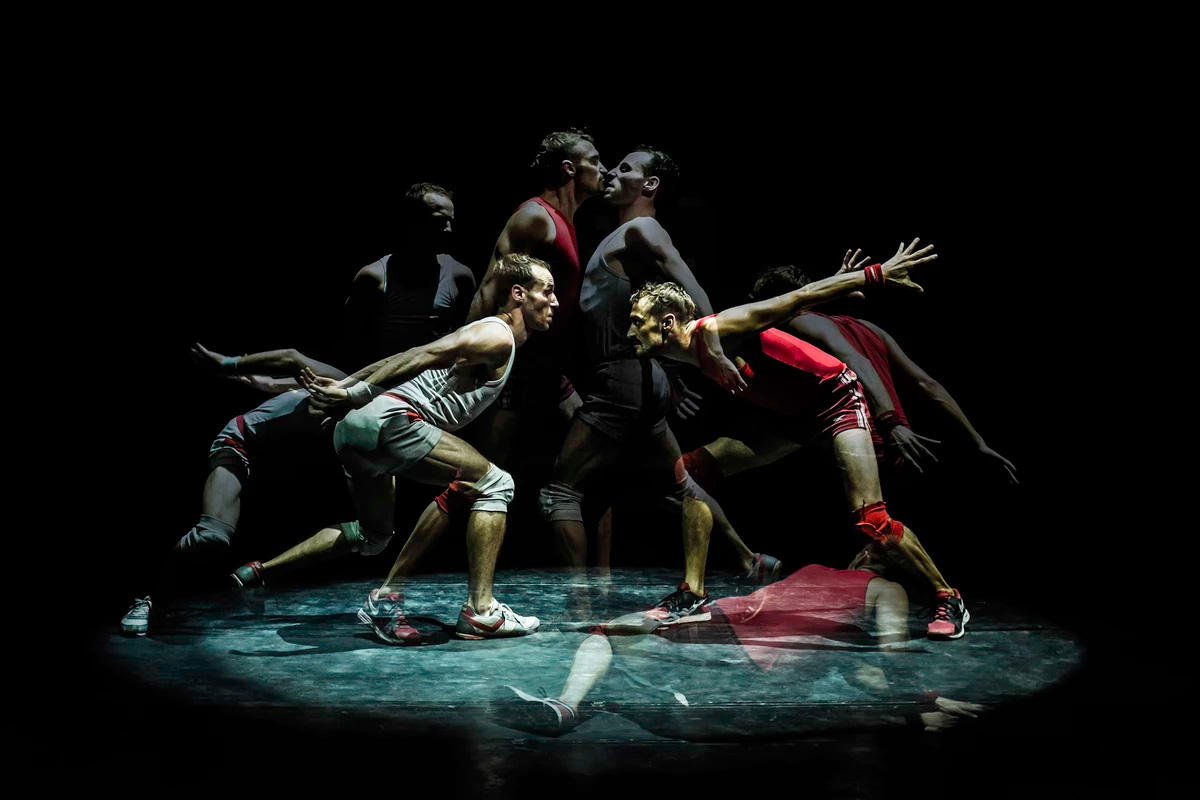

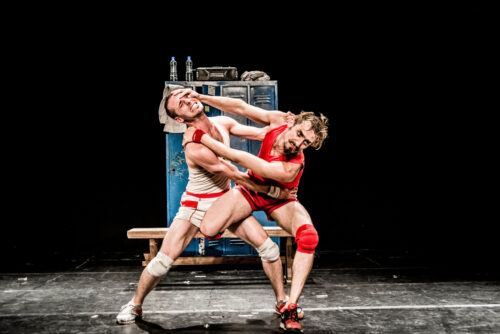

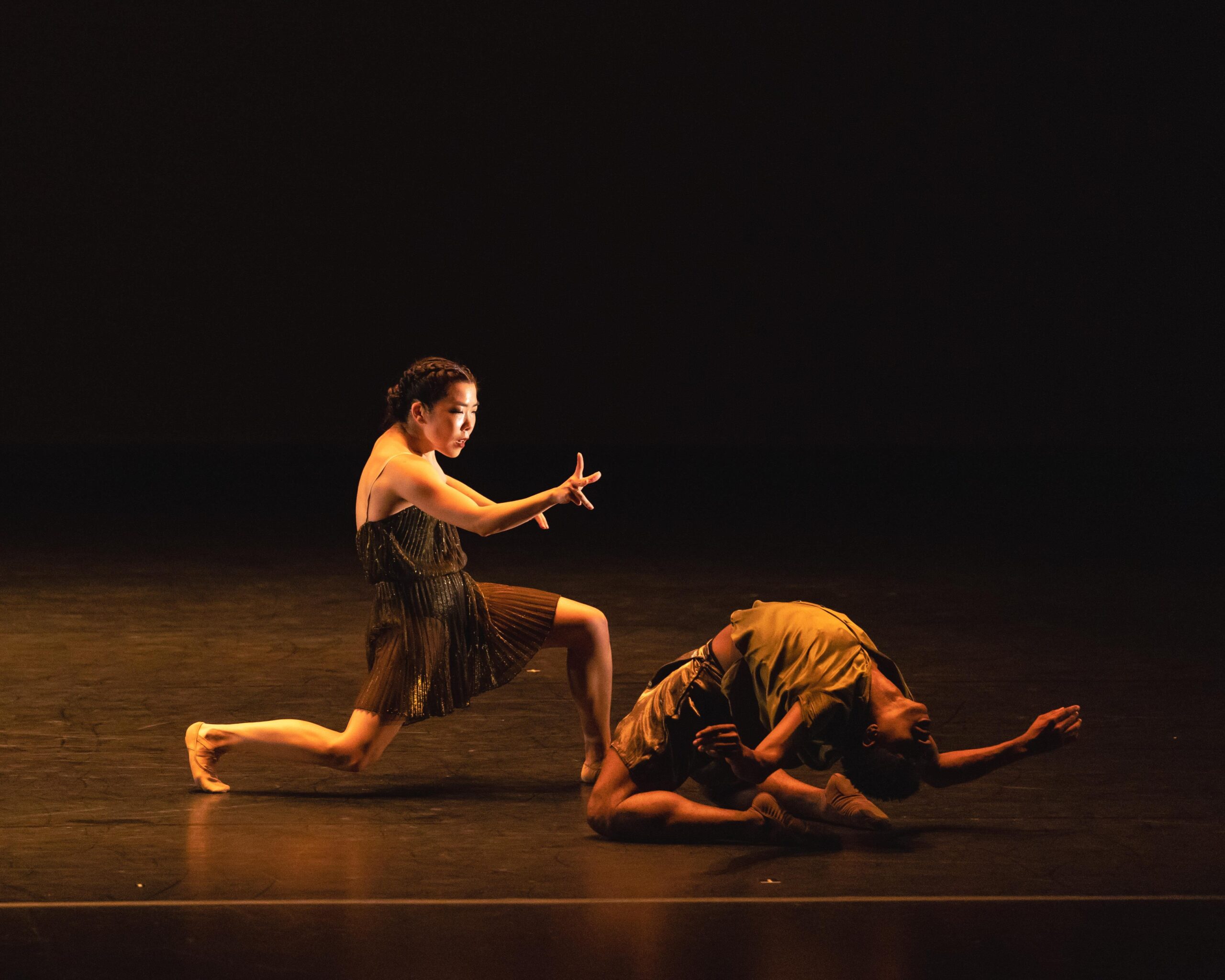
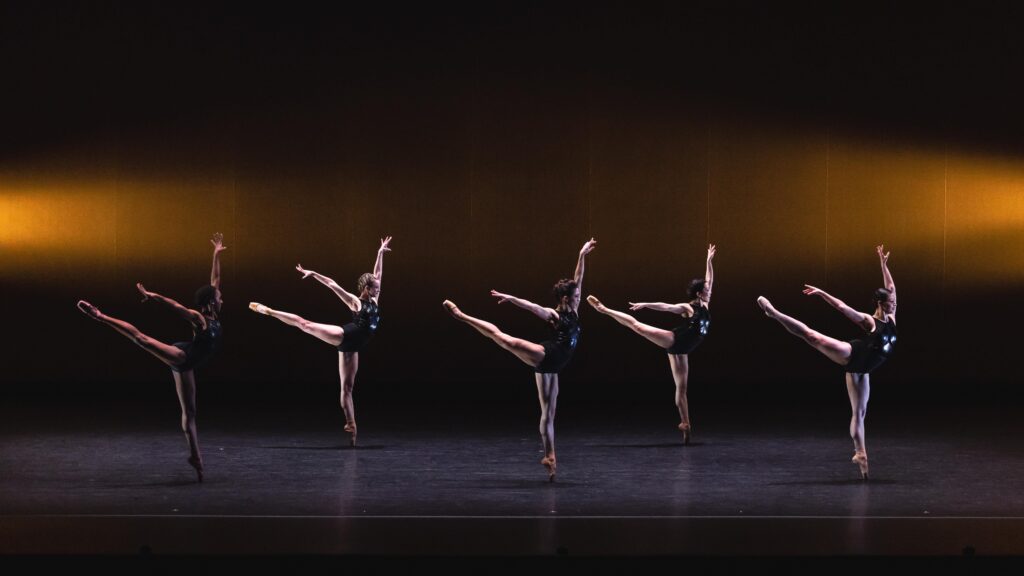
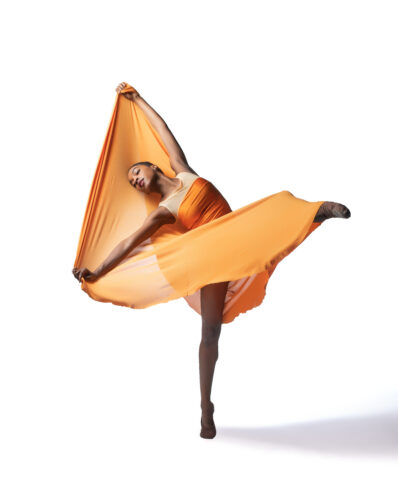

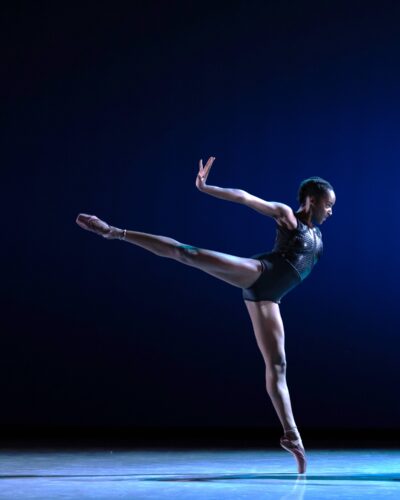



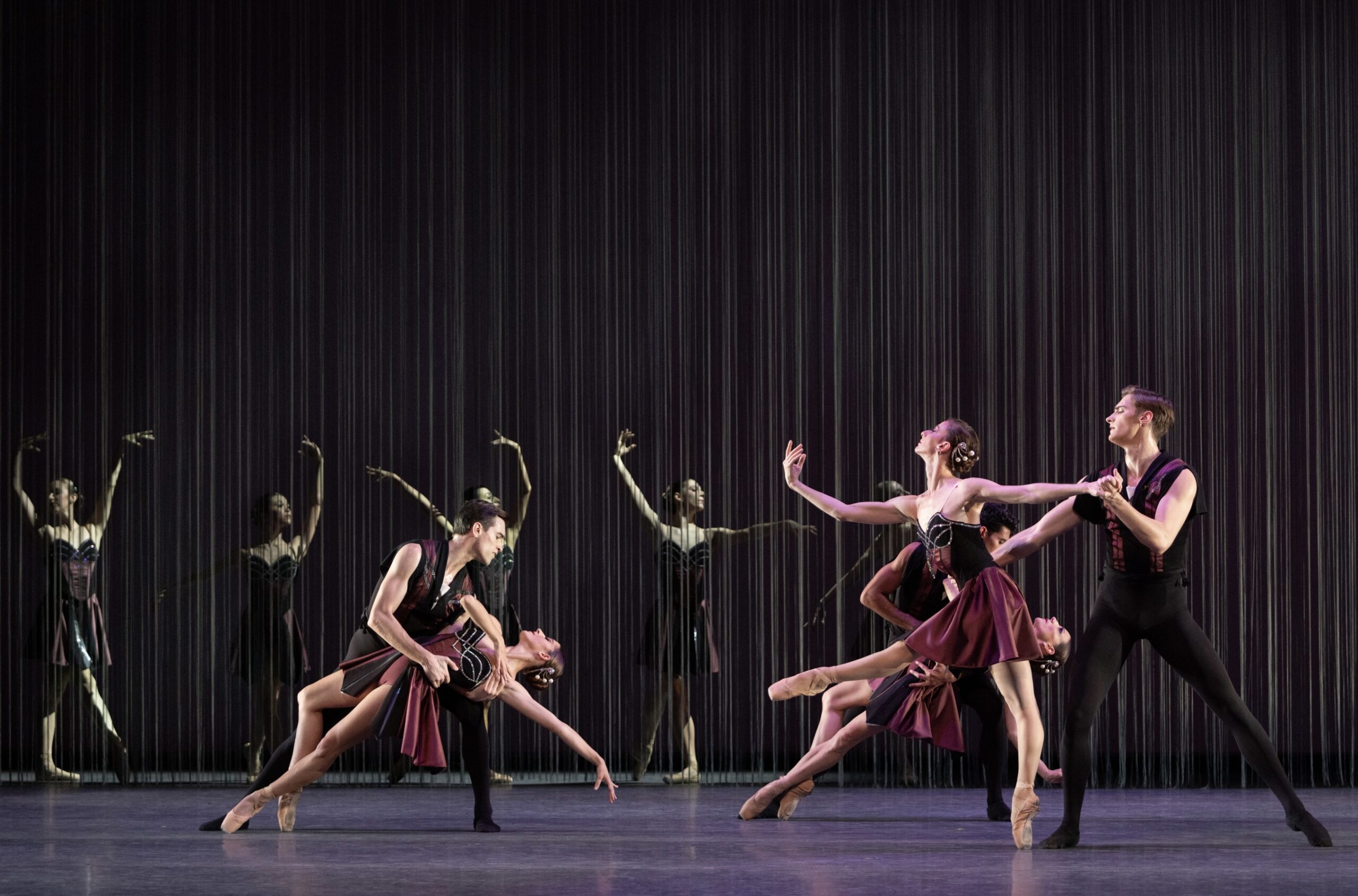

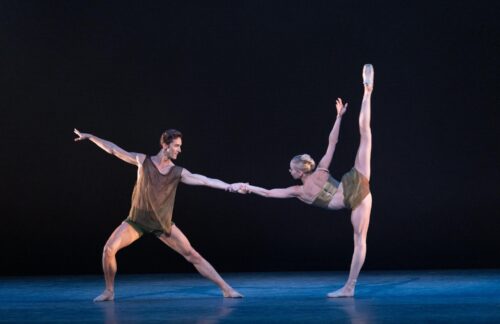
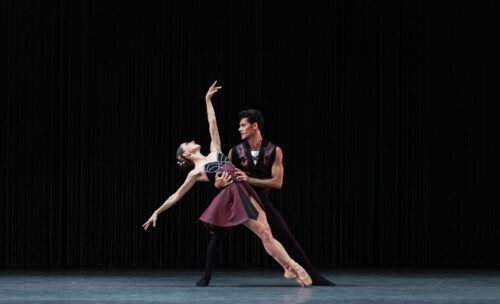
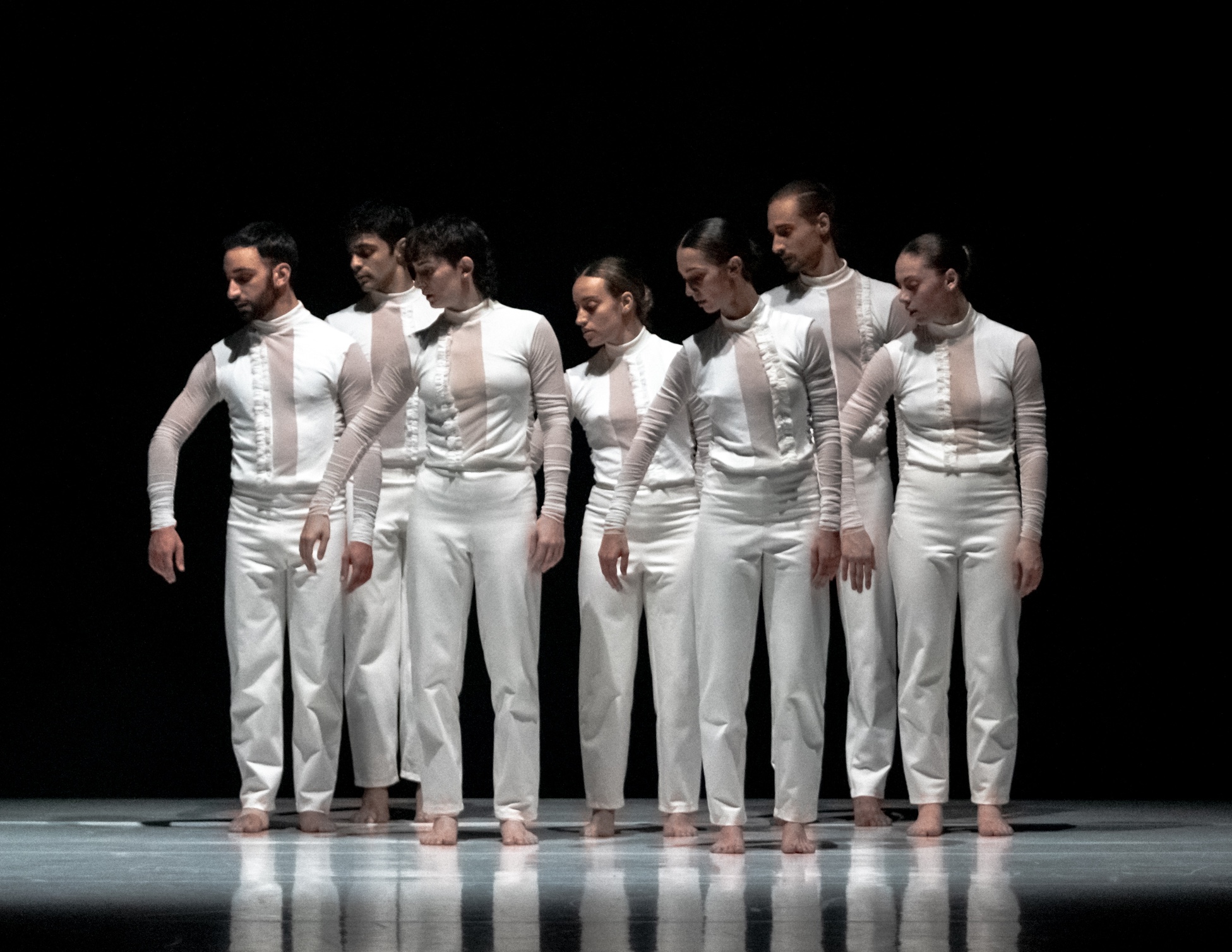
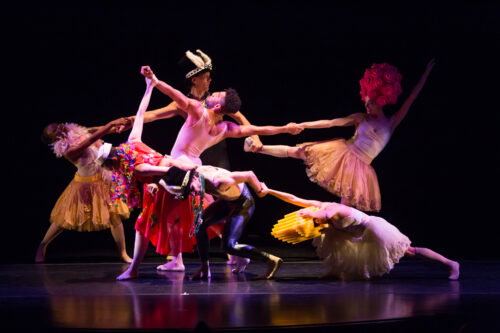
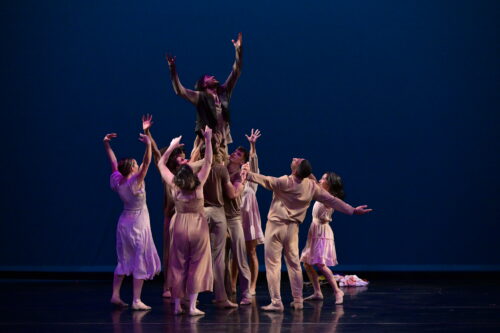
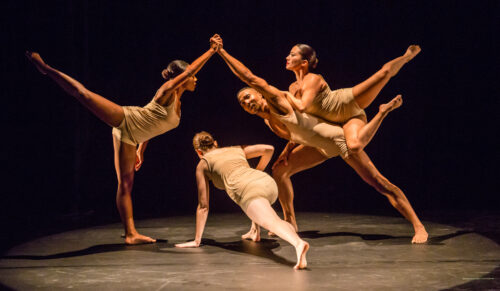

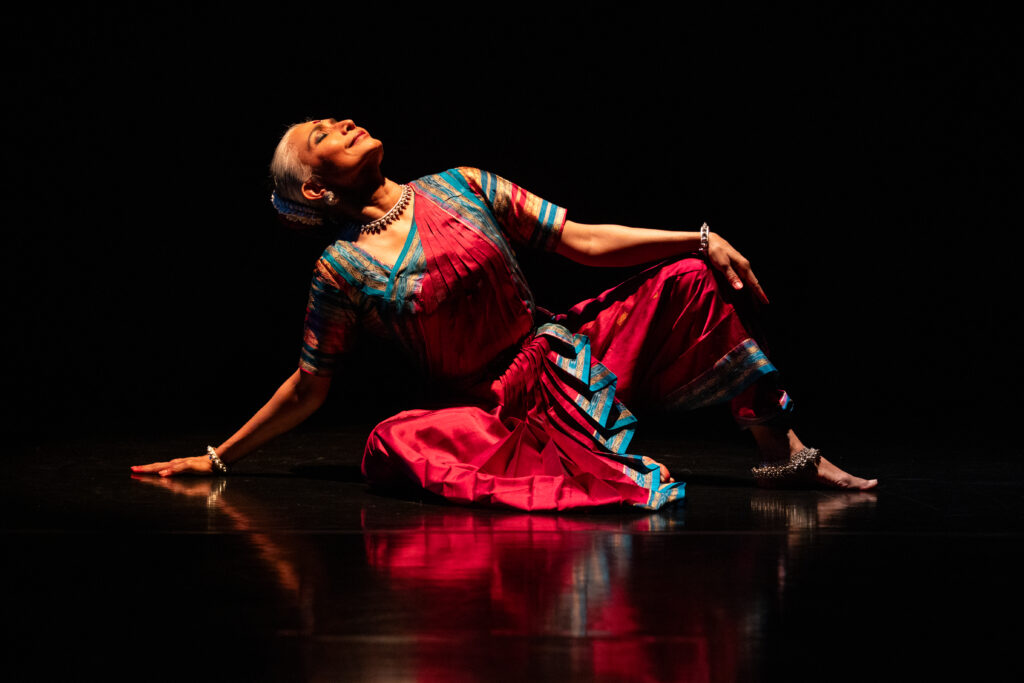



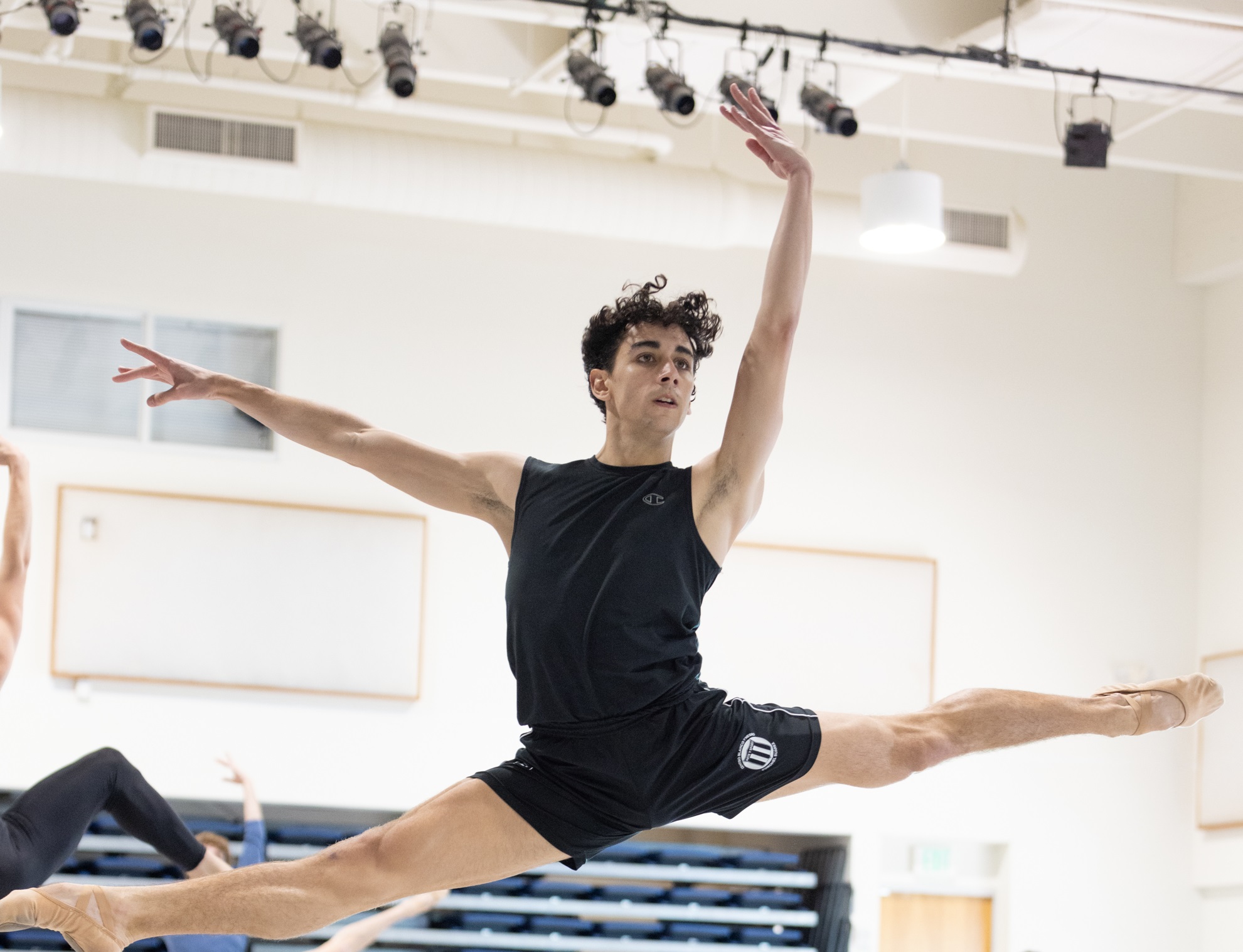
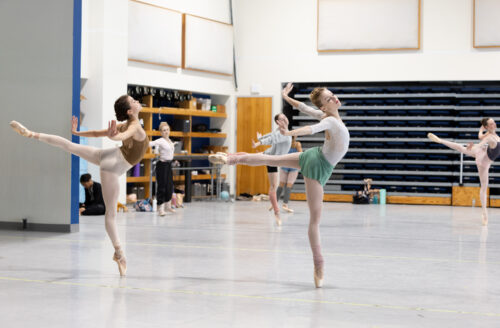
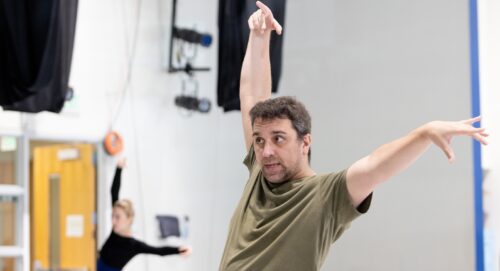

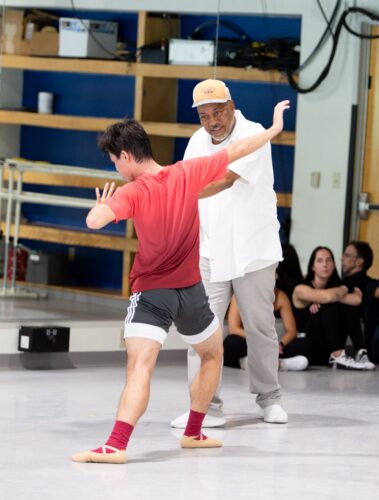
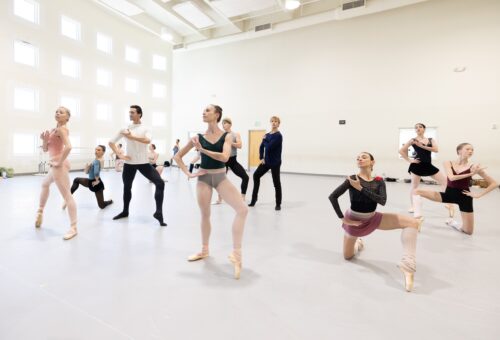
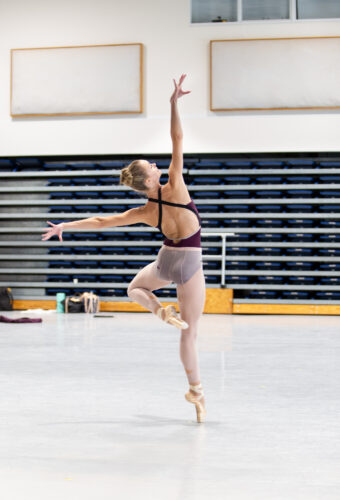
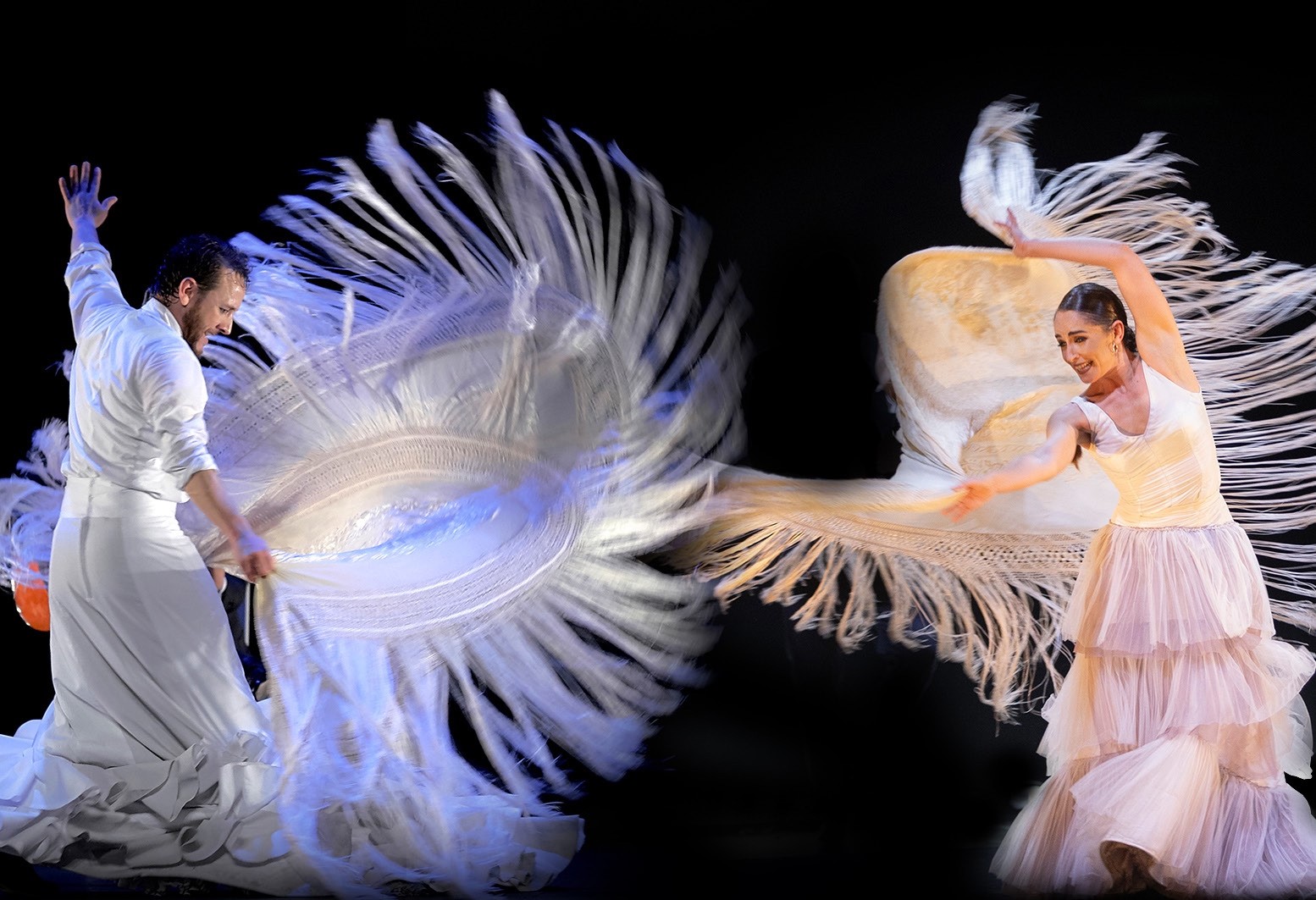
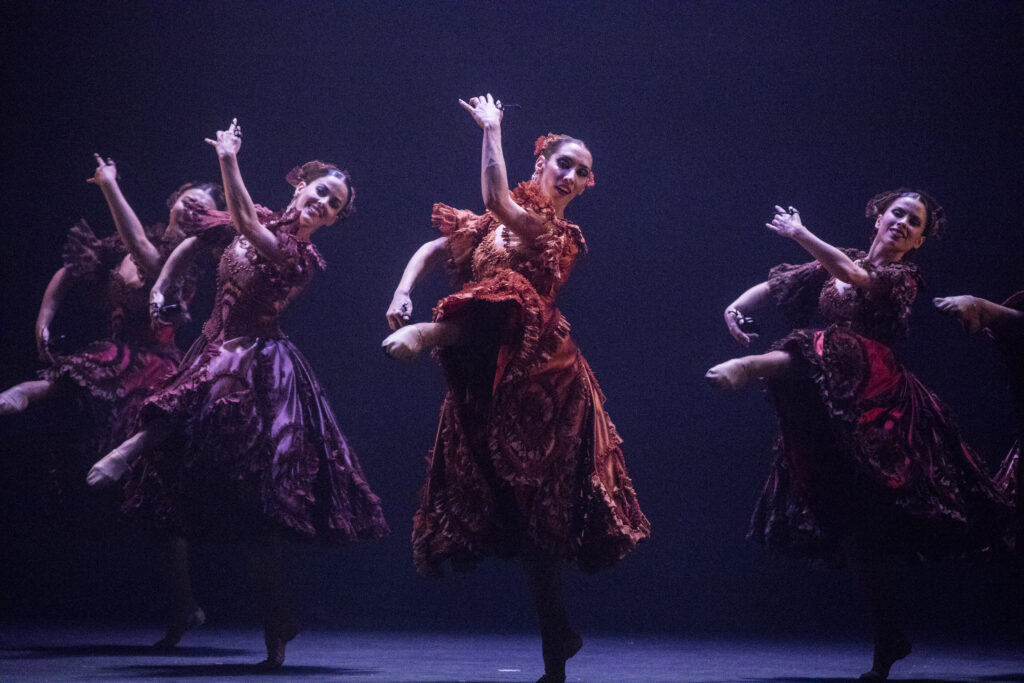
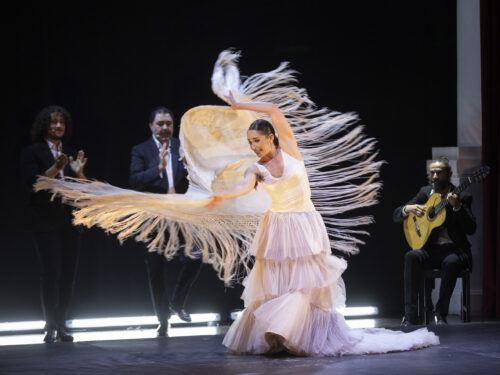
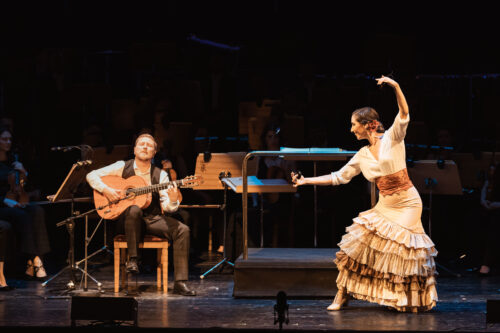
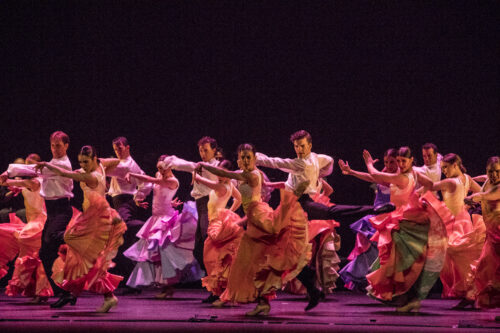


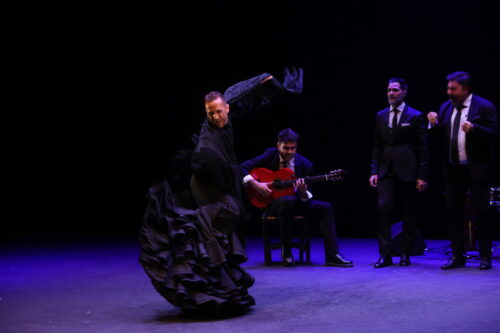
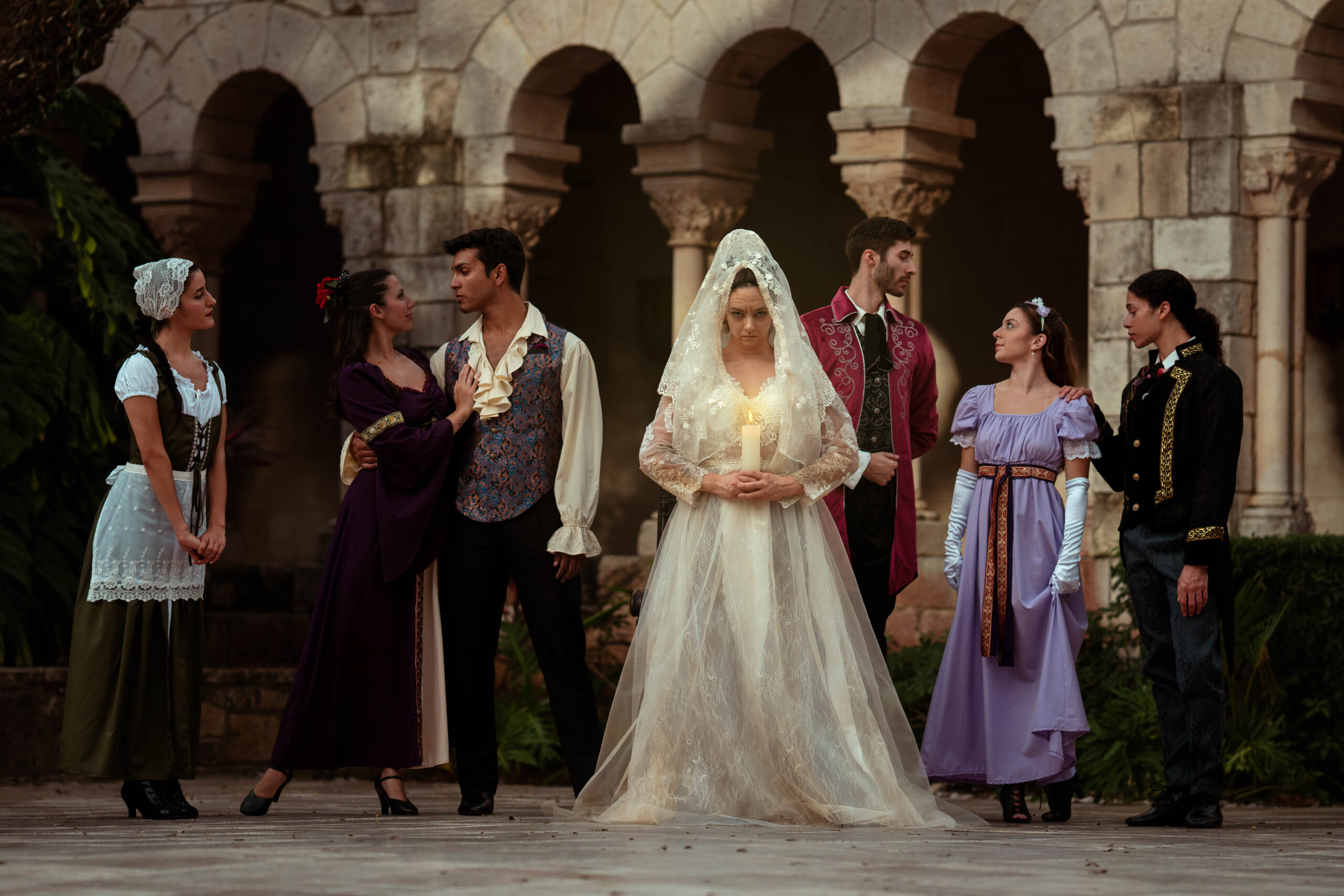
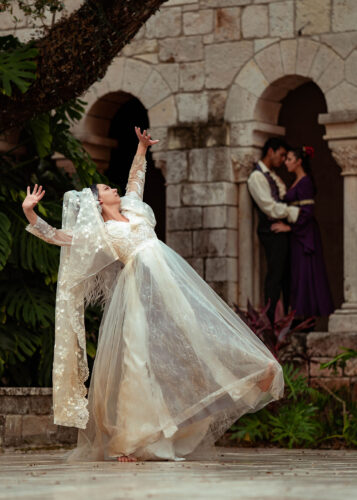

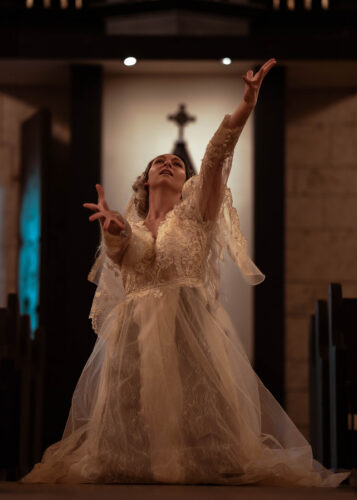
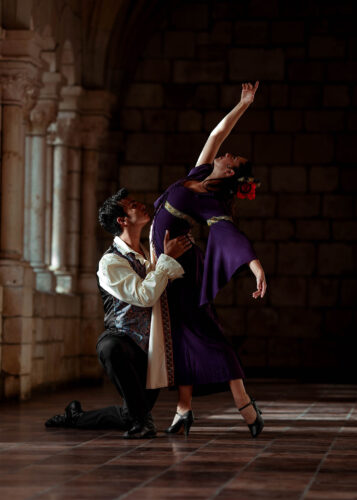
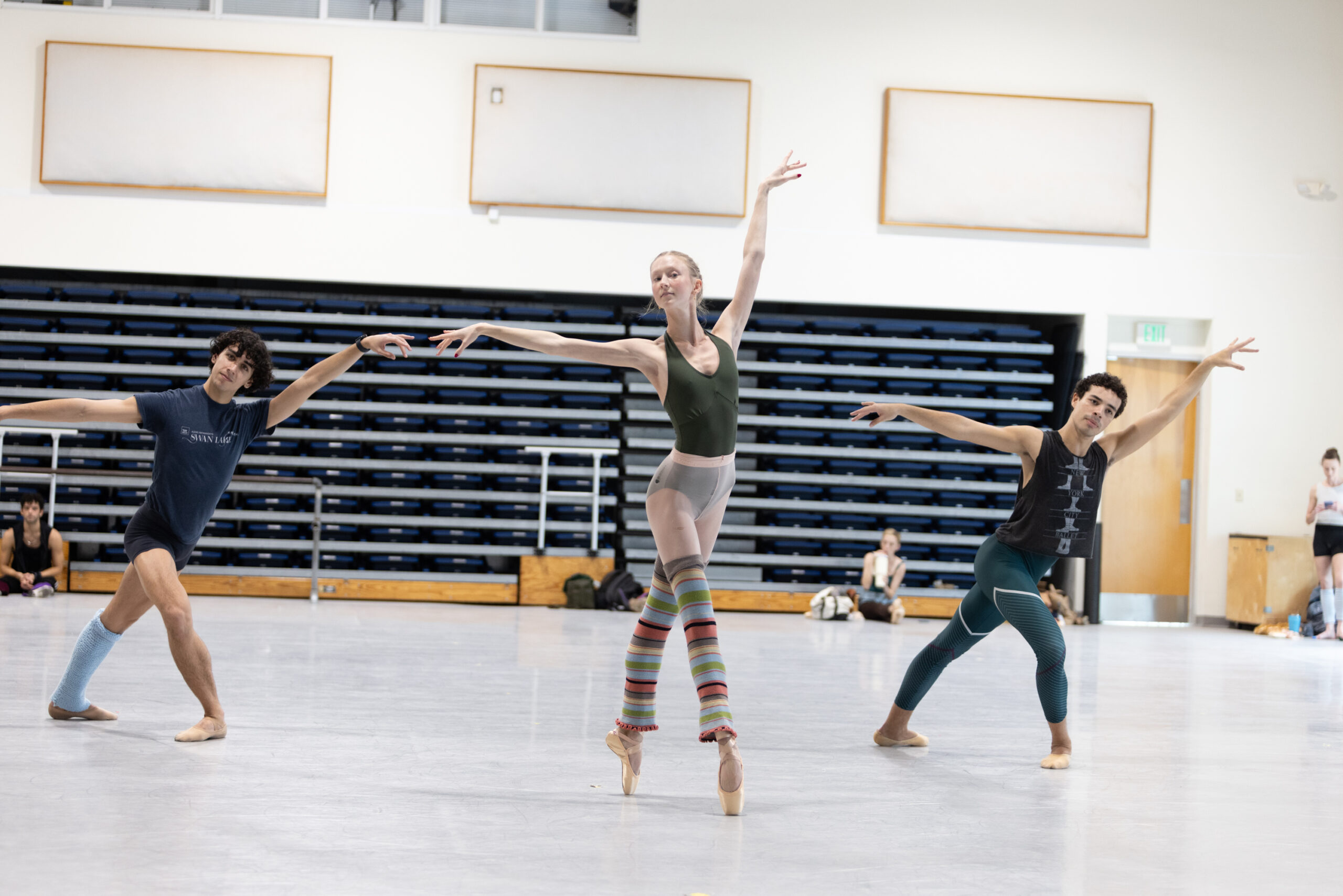
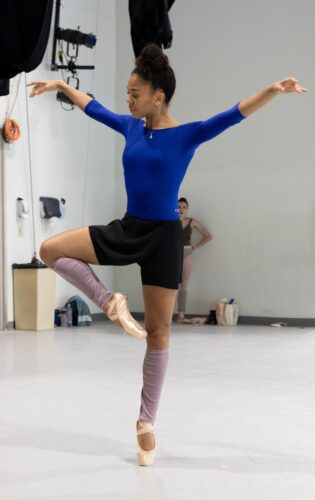
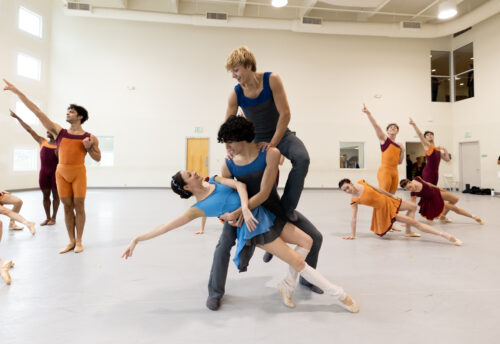


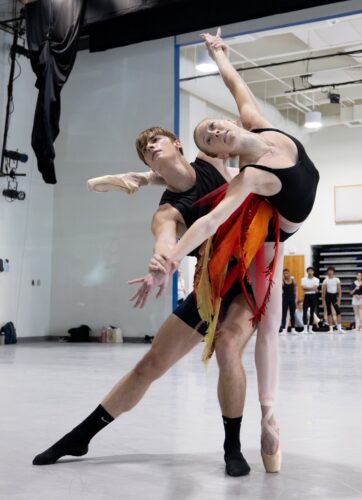
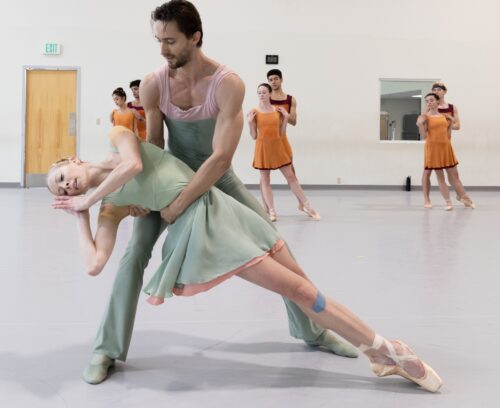
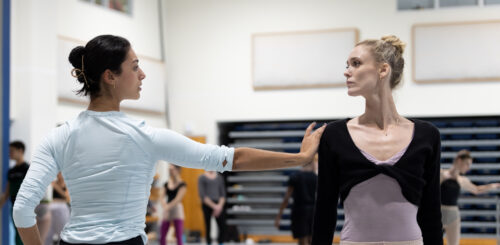
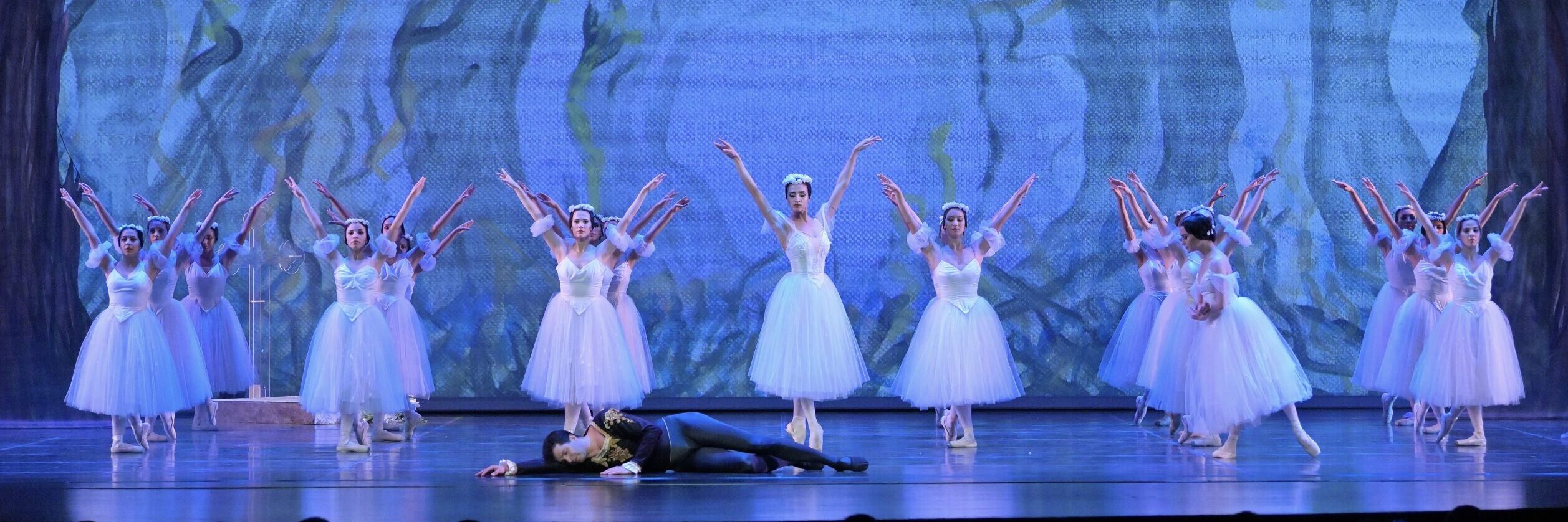
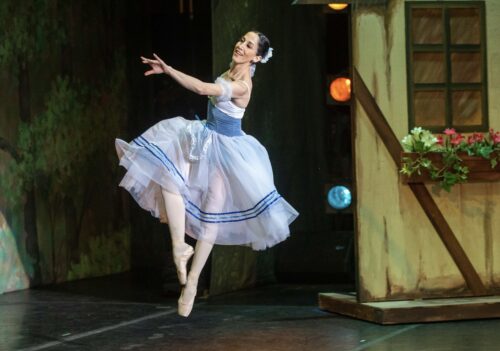
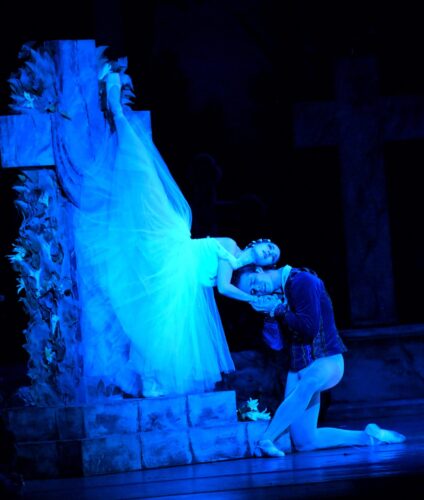

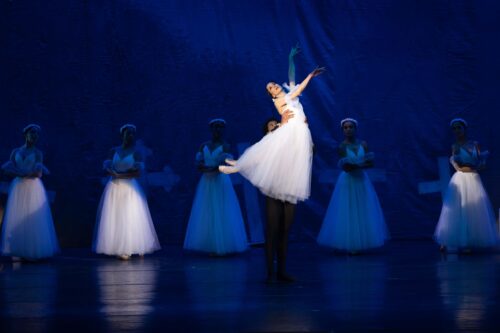



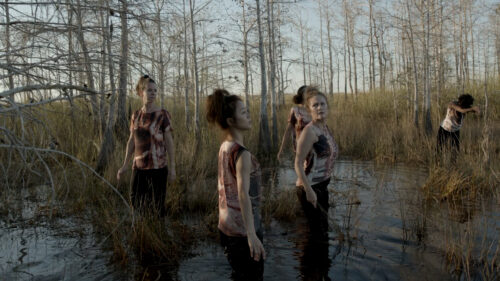

Recent Comments