Mahara+Co Show Explores Women, Nature and Interconnection
Written By Gina Margillo April 20, 2026 at 3:58 PM
Cecilia Porras, “The Garden Door,” 2026. Acrylic on canvas. (Photo courtesy of Mahara+Co.)
Three Latin American female artists challenge the expectation that women’s art should center on gendered themes such as fertility, the body, or domesticity.
“Ser tierra, mujer, planta, animal y planeta (Being Soil, Woman, Plant, Animal, and Planet)” at Mahara+Co features the work of Paula Nicho, Cecilia Porras, and Gabriela Novoa, who take a broader perspective — that humans are one part of an interconnected web of life.
According to Marivi Véliz, the curator of the exhibition, the artists’ work breaks down the idea that humans are above nature, reflecting current critiques of the Anthropocene, the era in which human activity has fundamentally altered the Earth’s climate, ecosystems, and geology, and imagining a more connected, less human-centered way of living.
At the same time, the curatorial work speaks directly to the present moment. As the climate crisis intensifies and digital technologies reshape how people experience reality, new ways of understanding connection, belonging, and coexistence are emerging. Véliz notes that what may once have been dismissed as “magical” or “naïve” in art before, now reads as visionary. The exhibition suggests that art is not just reflecting a changing worldview that recognizes the interdependence of all living systems, but is actively helping to lead this perspective.
Paula Nicho, “We Want To Live,” 2017. Oil on canvas. (Photo courtesy of Mahara+Co)
This perspective is not new. It’s rooted in Indigenous and ancestral ways of seeing the world, especially in Mesoamerica, where life has always been understood as interconnected. These perspectives were often ignored in the past, but they’re now coming back into focus. The exhibition reflects this shift, showing how these ideas are not just surviving, but helping shape how we think today.
Veliz curated “Being Soil, Woman, Plant, Animal, and Planet” within a broader and rapidly evolving shift in Latin American women’s art, particularly in Central America. Drawing from her recent research with Mujeres en las Artes in Honduras, she identifies a departure from earlier artistic tendencies: women artists are increasingly engaging themes of pleasure with a level of openness and autonomy that was not as visible in previous decades. As she notes, “the finding that struck me the most was how many women are now addressing topics such as pleasure and the body.”
This shift reflects the growing influence of communitarian feminism across the region, which is reshaping both the products of art as well as the frameworks through which art is understood. Compared to her earlier experience working in Guatemala, from 2003 to 2011, Veliz sees a significant expansion in creative freedom that allows women artists to move fluidly between the personal, the collective, and the ecological.
While this exhibition extends beyond one country or community, it shares what Veliz describes as a collective reimagining of identity, embodiment, and relationality that is gaining momentum across Latin America.
Hailing from different parts of Latin America, the work of the artists exemplifies this sentiment.
Paula Nicho (San Juan Comalapa, Guatemala, 1955) is an artist whose work draws from textile and painting traditions to create dreamlike scenes where the body and nature merge. Her paintings often feature floating female figures in symbolic landscapes. Recognized internationally since the 1980s, her work is held in major collections, and in 2024 she participated in the Venice Biennale.
Gabriela Novoa. “To Free Oneself From the Biological Body,” 2024. Acrylic on canvas. (Photo courtesy of Mahara+Co.)
Gabriela Novoa (San Salvador, El Salvador, 1991) works across painting, textiles, and video to explore desire, sexuality, and the body. She creates hybrid, shifting figures that move between vulnerability and protection, often inspired by sewing and embroidery as ways of telling stories. Her work connects contemporary, post-human ideas with the history of women’s experiences in El Salvador.
Cecilia Porras Sáenz (Guatemala–Mexico, 1979) has a background in performance, theater, and dance, and approaches painting as an expanded, performative field. She creates large, immersive works that focus on the power and independence of nature, often minimizing the presence of humans.
By presenting these artists in Miami, the exhibition expands the cultural narrative around Central America, highlighting the region’s richness in knowledge, imagination, and artistic production. It frames Latin American women artists as vital contributors to a wider reimagining of relational life, offering visions of connection in a world searching for new ways to relate to the planet and to each other.
WHAT: “Ser tierra, mujer, planta, animal y planeta (Being Soil, Woman, Plant, Animal, and Planet)” group exhibition
WHERE: Mahara+Co Gallery, 1294 NW 29th St., Miami
WHEN: noon to 5 p.m., Wednesday through Saturday, Tuesday by appointment. Through May 18.
ArtburstMiami.com is a nonprofit media source for the arts featuring fresh and original stories by writers dedicated to theater, dance, visual arts, film, music and more. Don’t miss a story atwww.artburstmiami.com
No posts found
‘Get in the Game’ at PAMM Puts Sports and Art on a level playing field
Written By Jonel Juste April 20, 2026 at 3:16 PM
Hank Willis Thomas’ 2016 work “Guernica,” a mixed-media work that recreates Pablo Picasso’s famous antiwar image with NBA jerseys instead of human figures is featured in “Get in the Games: Sports, Art, Culture,” at Pérez Art Museum Miami (PAMM) through Sunday, Aug. 23. (Photo courtesy of the artist and Jack Shainman Gallery, New York)
Pick a side: the clamor of the stadium or the calm of the museum. Are you Team Sports or Team Arts? At the Pérez Art Museum Miami (PAMM), “Get in the Game: Sports, Art, Culture” challenges the age-old divide to bridge the cultural gap between the two.
The exhibition aims to reconcile the athlete’s arena and the artist’s studio and serves as a reminder that whether someone wears a jersey or a museum wristband, the quest for excellence remains the same.
On display through Sunday, Aug. 23, “Get in the Game” features more than 100 works by artists from around the world and showcases sports memorabilia, including vintage sneakers, racing equipment, and Fédération Internationale de Football Association (FIFA) Men’s and Women’s World Cup soccer balls from 1930 to 2023.
Emma Amos’s “Hurdlers I” (1983) blends painting and textile, depicting women athletes in mid-leap while incorporating handwoven elements that reference African kente cloth. (Photo by Lazaro Llanes, courtesy of Pérez Art Miami Museum)
Organized by the San Francisco Museum of Modern Art and presented in Miami with locally focused additions, the exhibition arrives in the wake of events like the Miami Open and as the Magic City continues to host global spectacles such as Formula 1 in May while preparing for the FIFA World Cup 2026 at Hard Rock Stadium in July.
Franklin Sirmans, PAMM’s director and organizer of the museum’s presentation, believes the timing adds to its significance. “I think sports and arts deserve deeper exploration in museum exhibitions,” he says. “This show is at PAMM in a year of unprecedented presentations of sport on the national and world stage.”
He sees the exhibition not just in terms of what spectators witness on the field, court, or track, but also in how those events resonate in memory and imagination. “The exhibition pauses and creates space for conversations and reflections on how these events impact us,” Sirmans explains.
Ernie Barnes’s “Fumble in the Line” (1990), where football players are depicted in exaggerated, almost sculptural forms. (Photo by Lazaro Llanes, courtesy of Pérez Art Miami Museum)
Fabiana A. Sotillo, a curatorial assistant and co-curator of PAMM’s show, says her outsider perspective on sports shaped how the exhibition was recontextualized for local audiences. “When I started working on the presentation of ‘Get in the Game’ at PAMM with Franklin, I was aware that this show would be a challenge for me due to the fact that I am not as knowledgeable about sports as Franklin is,” she shares. “However, what I thought would be a disadvantage for us ended up being a very valuable aspect of our presentation in Miami.”
As the curator and writer of the exhibition’s materials, Sotillo explains that her unfamiliarity allowed her to consider visitors who might feel intimidated by sports, as well as those who might feel they would be out of place in a contemporary art museum. “My lack of sports knowledge ended up being an advantage, since I really catered the exhibition materials to those who may be intimidated by the idea of sports, but also considered the other side of the coin: those who might be intimidated by art,” she says. “We were able to build a presentation that truly caters to every type of visitor: sports fans, art admirers, young visitors, etc.”
“I think sports and the arts are worthy of much deeper exploration in museum exhibitions,” says Franklin Sirmans, director of Pérez Art Museum Miami and organizer of the museum’s presentation of “Get in the Game: Sports, Art, Culture.” (Photo by Lazaro Llanes, courtesy of Pérez Art Museum Miami)
As a result, the exhibition is divided into six thematic sections: Fandom, Winning and Losing, Breaking Records and Rules, Count Me In, Field of Play, and Mind and Body. Sotillo emphasizes the goal is not to dictate a story but to create a space where viewers can connect with both fields without needing any prior expertise.
“Sports, arts, culture—these are all community builders,” Sotillo says. “Both athletes and fans experience such intense emotions during competitions, and art is all about capturing emotions and expressing ideas.”
This focus on emotion appears in works like Ernie Barnes’s “Fumble in the Line” (1990), which depicts football players in exaggerated, almost sculptural forms. Their bodies collide in a chaotic struggle that reflects both the brutality and beauty of the game. Barnes, a former professional football player, is known for translating his personal experiences into art that highlights movement, tension, and rhythm.
Featuring more than 100 works by artists from around the world—including highlights from PAMM’s collection—”Get in the Game” demonstrates how sport has inspired both personal expression and shared cultural memory. On display at PAMM through Sunday, Aug. 23. (Photo by Lazaro Llanes, courtesy of Pérez Art Museum Miami)
Emma Amos’s “Hurdlers I” (1983) blends painting with textiles, showing women athletes mid-leap while incorporating handwoven elements that reference African kente cloth. The piece links physical endurance with cultural identity, considering the show’s broader themes of how sports intersect with race, gender, and history.
One of the most striking pieces is Hank Willis Thomas’ 2016 work “Guernica,” a mixed-media work that recreates Pablo Picasso’s famous antiwar image with NBA jerseys instead of human figures. According to art curator Jason Jenn, this piece prompts the viewer to reflect on how themes of war and sacrifice in the original piece relate to the struggles faced by professional athletes and the challenges they overcome to entertain fans.
Nearby, Holly Bass’ “NWBA (Jordan)” (2012) captures the artist mid-air, her silhouette transformed with basketballs in a photo that is playful, athletic, glamorous, and critical.
Holly Bass’ “NWBA (jordan)” 2012 freezes the artist in midair, her silhouette transformed through the incorporation of basketballs in a photograph. (Photo by Lazaro Llanes, courtesy of Perez Art Miami Museum)
Bass says the image was inspired by Michael Jordan’s iconic “Jump Man” logo, which itself has roots in dance. “It was originally inspired by a photo of Jordan imitating a ballet dancer doing a grand jeté,” she says. “So it’s kind of like art imitating sports imitating art.” She emphasizes that the work’s athleticism is real, not simulated. “This isn’t Photoshop or some kind of wire suspending me in the air. I’m a trained dancer.”
The exhibition frequently revisits the theme of bodies under pressure, whether in triumph, strain, spectacle, or change. Jake Troyli, a professional artist who lives in Brooklyn and whose work is included in “Get in the Game,” played Division I basketball at Presbyterian College in Clinton, S.C. He says his background in sports has shaped his views on performance and spectatorship. “As I started to gain some distance between myself and my time playing in the NCAA, I began to turn a critical eye toward the dynamic of the spectator/spectacle relationship,” he says. “What does it mean to perform? What does it mean to perform for a hungry audience? What does it mean for so much of a person’s self or self-worth to be tied up in the results of the performance?”
Jake Troyli, a professional artist who once played Division I basketball in college said his experience as an athlete led him to think more critically about performance and spectatorship. (Photo courtesy of the artist)
These questions extend beyond sports; they also relate to the conditions many artists face, particularly in public forums where creation and judgment feel immediate. This parallel resonates with artist Cheryl Pope, who is both a visual artist and a boxer. Pope, who won the Chicago Golden Gloves in 2014, considers boxing fundamental to her understanding of art. “My experience of boxing has been critical to my understanding of being an artist,” she says. Training and competition taught her discipline, positive thinking, and how to manage risk, which later informed her studio practice.
The exhibition’s educational programming is also designed to show how sports can connect visitors to museums. Marie Vickles, PAMM’s senior director of education, says the show offers “a really exciting and accessible entry point for visitors of all ages and backgrounds to engage with art via an avenue that everyone is familiar with—sports.” Her team has organized tours, workshops, public talks, screenings, and hands-on activities aimed at youth, educators, adults, and families.
Work by Cheryl Pope. Top: variety jacket from the series I’VE BEEN HEARD, 2016. Below, customized sneakers. (Photo by Lazaro Llanes, courtesy of Perez Art Miami Museum)
“The universal themes of teamwork, discipline, resilience and perseverance across sports and arts have provided us with ways to craft experiences that make folks feel welcome in a museum,” Vickles says. During the opening week, PAMM hosted the first session of “GAME TIME,” a two-day conference bringing together artists, athletes, poets, curators, journalists, and performers. Sirmans described the gathering as an added layer of interpretation, with a second session planned for Friday, June 26.
Lee Moriarty, a professional wrestler and visual artist who took part in “GAME TIME,” sees a connection that already exists in his own life. “I think both wrestling and art have always been connected and have influenced each other so it’s great to see it being explored deeper,” he says. For Moriarty, wrestling naturally combines sport and art, blending athletic skill with theater, imagery, storytelling, and performance.
Lee Moriarty’s “Summer Garden Selfie,” 2024. (Collection Pérez Art Museum Miami, gift of Adam Abdalla)
The exhibition also ensures its global perspective reflects Miami. Sirmans noted that the museum included works and references that resonate locally, such as sketches by LeRoy Neiman of Muhammad Ali in Miami Beach and a podcast made with the young girls of Little Haiti Football Club.
These additions help tie the show’s broader themes to local experiences.
Especially visible in the display are World Cup soccer balls produced by Adidas, stretching from the early leather era to highly engineered contemporary designs. (Photo by Jonel Juste)
By the time visitors leave PAMM, Sirmans hopes they will no longer view sports and art as separate worlds. “Sports and arts are metaphors for our lives and there’s room for all and inspiration to be found in a consideration of games in our lives.”
WHAT: “Get in the Game: Sports, Art, Culture”
WHERE: Pérez Art Museum Miami (PAMM), 1103 Biscayne Blvd, Miami
WHEN: 11 a.m. to 6 p.m. Monday, Friday and Saturday; 11 a.m. to 9 p.m. Thursday; 1 to 6 p.m. Sunday.
COST: $18 adults; $14 seniors 62 and older, students with ID, and ages 7 to 18; free for members, children 6 and under, and free admission for all on Thursdays after 5 p.m.; Other free admissions with ID: active U.S. military and veterans, health care professionals and first responders, Florida educators, and visitors identifying as disabled and their accompanying caregiver.
ArtburstMiami.com is a nonprofit media source for the arts featuring fresh and original stories by writers dedicated to theater, dance, visual arts, film, music and more. Don’t miss a story at www.artburstmiami.com.
No posts found
Trashroom Gallery, Cargo Space: Rethinking Alternative Art Spaces
Written By Mario Rodriguez April 10, 2026 at 12:43 AM
Trashroom Gallery: Juan Pablo Garza and Christian Vinck (Romero Henriquez) “Icacos Patafisicos” from December 2025. (Photo courtesy of Trashroom Gallery)
Exhibitions are a core function of any professional visual artist’s work; they are the primary medium by which art lives in a public space and connects to the world. Highbrow, conventional exhibitions in today’s landscape feed into a kind of art world machine. For those at the top of the food chain, work goes to galleries, where it must be sellable for the gallery to survive. It is then sold to collectors, who in turn feed into the museums where they serve on boards of, or into private (but public-facing) collections.
Ana Vergara standing in front of “On Belonging.” (Photo courtesy of Cargo Space)
This entire process requires access, connections, and, most importantly, money. But what happens to those who live outside that inner circle? And what happens when you factor in rising rents, limited real estate, and the fact that local organizations making exhibitions outside this system—such as Tunnel Studios, Laundromat, Edge Zones, and Rice Hotels—can only accommodate a certain number of artists each year?
Now more than ever, members of the local art community have developed a strong undercurrent of conceptually forward-thinking and varied artists—more than the current ecosystem of exhibition spaces can accommodate. As in other decades and parts of the world, this climate has prompted artists to think outside the white cube, expanding where and how exhibitions can take place.
Trashroom Gallery and Cargo Art Space are two examples of this reimagining of space. Both further democratize exhibition participation while breaking with conventions of what is necessary to put art into the world.
A resident throws out trash beneath Markus Haugg’s “Prefer Not To See,” August 2025. (Photo by Alfredo Travieso, courtesy of Trashroom Gallery)
Trashroom Gallery was started by local conceptual assemblagist Alfredo Travieso in 2025, when he realized the trash chute room in his building had enough space to accommodate a small exhibition of his own work. Travieso describes it as a “clandestine project,” not only because neither his landlords nor the building are aware the space has been turned into a gallery, but also because its location is hidden from the public.
With a few exceptions, most artists drop off their work and Travieso installs the shows himself. Only his neighbors see these exhibitions in person; they live publicly through Instagram.
“I usually don’t let the artists into the space. They drop off the works, I put up the show, I document, and then I give them the works. There’s a practice of community… a kind of relational aesthetic. It’s become a very symbiotic relationship with the artist.”
In creating Trashroom, Travieso works through layers of irony and opposition. The project plays with elevation and debasement at once. It gives new life to artworks by exhibiting them, yet that life takes place in the same location where people discard their garbage.
From left, works by Amanda Cantin, John Dominic Colón, Iris Alejandra, Liang Lansi, Pablo Matute and Richard Moreno in Cargo Space’s “On Belonging.” (Photo courtesy of Cargo Space)
Trashroom also flips several tenets of traditional exhibition-making. There is no budget, no sales incentive (to date, only one piece has sold, with proceeds going to the artist), and no opening receptions or programming. Some may argue these are not “real” exhibitions. Yet in their focus on simply giving artists space to bring work into a public sphere, they do so in a purer, more idealistic way than the traditional white cube.
Cargo Art Space, founded by Ana Vergara through Florida International University’s Ratcliffe Art + Design Incubator, takes a different approach. It hosts exhibitions inside a cargo van—typically a U-Haul—retrofitted with walls and lighting for installations.
The idea itself is not entirely new. Cargo cites inspiration from the Miami-Dade Public Library’s Artmobile program from the 1970s to the 1990s, and it recalls more recent projects like the U-Haul Gallery. But novelty is not the goal—access, community, and mobility are.
“It’s so expensive to rent a conventional space, and a U-Haul is $29.95 a day flat rate. That price becomes unbeatable if you want to put on exhibitions wherever and whenever you want,” Vergara explains.
Cargo exhibitions exist in a similarly ephemeral way to Trashroom. Sometimes all within the same day, Vergara rents the van, installs the walls and lighting, hangs the show, exhibits it, and takes it down. Viewers find the location online and attend what is effectively both the opening and closing. After that, the exhibition lives on primarily through documentation.
Install image of Gonzalo Hernandez’s “Nothing is a Mistake.” January 2025. (Photo by Alfredo Travieso, courtesy of Trashroom Gallery)
For both Trashroom and Cargo, social media and online platforms act as critical repositories for visibility and permanence. While all exhibitions rely on online sharing, here these platforms function as a primary viewing space rather than just promotion.
This shift raises questions. Are exhibitions meant to be experienced in person, or online? And if part of the intrigue of these spaces is their transience and opacity, is that diminished by digital visibility?
Part of the answer may lie in who shows up. Vergara recalls an older woman from a nearby church and a local business owner stopping by—people she would not typically encounter in a conventional art space.
“That’s the beauty of Cargo,” she says. “There’s no hierarchy. I treat everyone equally.”
WHAT: Trashroom Gallery WHERE: Location not disclosed COST: Free INFORMATION:@trashroom_gallery on Instagram, or contact Alfredo Travieso at televisor@gmail.com
WHAT: Cargo Space WHERE: Space is announced within a month of opening, flexible based on location of van. WHEN: Last exhibition was 4:30 p.m. Saturday, March 14, next opening will be announced online. COST: Free INFORMATION:www.cargo-space.net or @cargo__space on Instagram
ArtburstMiami.com is a nonprofit media source for the arts featuring fresh and original stories by writers dedicated to theater, dance, visual arts, film, music and more. Don’t miss a story at www.artburstmiami.com
No posts found
‘Re.Imagination at Fundación Pablo Atchugarry’ Finds Meaning In What Returns
Written By Carmen F de Terenzio April 3, 2026 at 4:44 PM
Fernanda Froes, “Lapis Lazuli: Rotas,” 2026. Tempera of ultramarine pigment on paper, with gold threads and threads dyed with ultramarine pigment. 23 x 16 in each, in “Re.Imagination” at Miami’s Fundación Pablo Atchugarry. (Photo by Zachary Balber)
Works face one another across the room, not quite aligned, but held in proximity. A landscape dissolves into pigment. Nearby, a field of blue becomes a map. The connections are not immediate, but they begin to register, slowly, across materials, surfaces, and forms. Drawing on Jorge Luis Borges’s short story “La Trama” (“The Plot”), curator Ross Karlan builds the exhibition “Re.Imagination” around the suggestion that history does not move in a straight line. It returns, each time slightly altered.
Presented by The55Project Art Foundation and on view at Fundación Pablo Atchugarry, “Re.Imagination” brings Brazilian, American, and Dominican voices into proximity, not to resolve their differences but to remain in dialogue.
Heloisa Maia, “Sertão Landscapes Series,” 2023. Acrylic, dry pigment, pastel and oil stick on paper. 15.7 x 19.7 in. (Photo by Zachary Balber)
The show unfolds through a series of correspondences instead of a fixed narrative. Materials, images, and gestures begin to echo across works, allowing connections to form gradually across time and place.
The exhibition begins with the material weight of the earth. In Heloísa Maia’s “Sertão Landscapes Series,” the land emerges through layers of saturated color—yellows, reds, and greens that feel almost unstable, as if the landscape were in the process of forming or dissolving.
Trees stretch and bend, their outlines shifting, held together by pigment that carries the trace of the land itself. Nearby, Fernanda Froes’s “Lapis Lazuli: Céu e Terra” moves in a different register. Its deep blue surface initially reads as a night sky, but the scattered points are not stars. They mark the locations of lapis lazuli mines across the world. In other works, blue fragments are traced by delicate lines that map their routes across continents.
The exhibition’s logic depends on these proximities, though they do not always carry the same weight. In some moments, connections emerge directly through material and form. In others, they rely more on the curatorial narrative, asking the viewer to bridge the gap. This tension becomes part of the experience, revealing how repetition is not only seen, but constructed.
Pedro Delgado Anjos: “Pinturas funfun #2,” 2026. Acrylic on canvas. 43.3 x 55 in. (Photo by Zachary Balber)
In Pedro Delgado’s self-portraits, personal history is inseparable from spiritual practice. A figure dressed in white stands against a tiled, rhythmic ground, holding a single flower. His body is both present and absorbed into the surface. The white clothing suggests a ritual dimension. Delgado’s engagement with Candomblé brings another layer into the space, where land, body, and belief are intertwined. Nearby, John Brendan Guinan’s ornate masks approach belief from a different angle, drawing from a self-constructed system that blends Catholicism, technology, and speculative forms.
Maria Lira Marques, now 81, brings this connection closer to the surface, working with pigments drawn from the soil of the Jequitinhonha Valley in Minas Gerais, Brazil. Her paintings carry a knowledge of the land that is both tactile and lived, built through decades of working with its materials rather than representing it.
Yelaine Rodriguez, “Children Of The Water (Oaxaca), featuring Jose David, and Tifani Hernandez,” 2023, from the “Children Of The Water Series,” 2023. Photograph on archival paper, framed. 40 x 60 in. (Photo by Yelaine Rodriguez)
In Cássio Markowski’s series “I Hear in the Sea the Stories of the Rivers,” archival images drawn from Portuguese collections surface histories of colonization and displacement. The sea becomes both passage and witness, holding fragments of lives otherwise obscured. Across from this, Yelaine Rodriguez’s “Children of the Water” approaches water through spirituality and the body. Her photographs, taken in the Dominican Republic and Mexico, gesture toward syncretic traditions where water is not only element but presence—linked to feminine figures and to rituals that persist across geographies.
The final section turns toward memory, where the exhibition becomes quieter. Liene Bosquê’s photographic series begins with an act of loss. After her grandmother’s death, she traced the outline of every object in the apartment, on the floor and on the walls, marking the exact space they once occupied before they were removed. The photographs that remain are already one step removed from the original gesture. They are records of absence, but also of care, holding space for what can no longer be seen.
Liene Bosquê, “What Remains (series),” 2011. Print on paper mounted in a sintra board. 10.5 x 7 in. Photo: Liene Bosquê
Nearby, Nino Cais’s “Opera of the Wind” presents a series of stands arranged like a dispersed score, suggesting sound without producing it. A shared memory remains just out of reach.
Cássio Markowski, “Escuto no Mar as histórias dos Rios #1,” 2026. Graphite and gouache on rice paper. 67 x 49.2 in. (Photo by Zachary Balber)
The exhibition closes by turning outward again. In Rafael RG’s triptych, three stars are named after enslaved men who escaped in 1853. Drawing from a historical newspaper report, the artist reconstructs the sky from that night, mapping memory onto the cosmos. Each panel holds a different register—document, field, and mark—but together they trace a line between history and imagination.
Across the exhibition, connections surface gradually, returning in different forms.
WHAT: “Re-Imagination”
WHERE: Fundación Pablo Atchugarry, 5520 NE 4th Ave., Miami
WHEN: 11 a.m. to 5 p.m. Tuesday through Saturday. Through Saturday, May 2
ArtburstMiami.com is a nonprofit media source for the arts featuring fresh and original stories by writers dedicated to theater, dance, visual arts, film, music and more. Don’t miss a story at www.artburstmiami.com.
No posts found
‘Under the Red Tent’ weaves Memory, Labor, and Community at The CAMP Gallery
Written By Olga Garcia-Mayoral March 24, 2026 at 7:27 PM
The Contemporary Art Modern Project in collaboration with Red Thread Art Studio Miami, ‘Under The Red Tent,’ is an immersive fiber exhibition that brings together artists whose practices engage thread and textile as tools of storytelling, connection, and resistance. (Photo by
At The CAMP Gallery in North Miami, “Under the Red Tent” unfolds as more than an exhibition. It is an environment shaped by collaboration, storytelling, and the tactile language of fiber. Presented by Red Thread Art Studio Miami, the show brings together more than 20 women artists who use textile practices to explore connection, identity, and shared experience.
On view from Sunday, March 8 through Saturday, April 25, the exhibition opened on International Women’s Day, setting the tone for a project grounded in collective presence and intergenerational exchange. Rather than functioning as a static display, “Under the Red Tent” operates as an evolving space that invites visitors to move through it not just as viewers but as participants.
Rather than functioning as a static display, “Under the Red Tent” operates as an evolving space that invites visitors to move through it not just as viewers but as participants. (Photo by Marine Fonteyne)
The transformation of the gallery is immediate. The neutrality of the white cube gives way to an immersive installation dominated by shades of red—threads suspended from the ceiling, woven into sculptural forms, draped across surfaces, and layered into dense, tactile compositions. The color is both unifying and symbolic, carrying associations of blood, labor, protection, and vitality. It envelops the space, creating an atmosphere that feels at once intimate and expansive.
Fiber, in this context, becomes more than a medium. It operates as a connective system. The threads link works across the gallery, forming visual and conceptual relationships between artists. Individual practices remain distinct, yet contribute to a larger, collective framework that emphasizes interdependence over singular authorship.
Founded by fiber artist Aurora Molina, Red Thread Art Studio Miami has built a practice centered on collaboration and community engagement. That ethos is fully realized here. Artists including Aida Tejada, Angela Bolaños, Anna Biondo, Bella Cardim, Cynthia Passavanti, Debora Rosental, Eva Llarena, Fernanda Froes, Flavia Fortuna, Flor Godward, Juliana Torres, Katia Bandeira de Mello, Marine Fonteyne, Mila Hajjar, Mirele Volkart, Paola Mondolfi, Robertha Blatt, Sarah Laing, and Susanne Schirato contribute to an exhibition that resists hierarchy. Instead of discrete presentations, the works exist in dialogue with one another, forming a cohesive, shared environment.
The exhibition takes its title from the novel “The Red Tent” by Anita Diamant, in which a communal space serves as a site for women to gather, share knowledge, and pass down stories. That conceptual framework is translated here into spatial experience. The gallery becomes a contemporary sanctuary, where narrative and material intersect.
Materiality plays a key role in reinforcing this intimacy. The works retain visible traces of labor—knots, frayed edges, layered threads—emphasizing the physical act of making. (Photo courtesy of The CAMP Gallery)
One of the most compelling aspects of the exhibition is its incorporation of a living oral history archive. Through performances, activations, and informal exchanges, visitors are invited to share personal stories that become part of an evolving audio component. This participatory element extends the exhibition beyond visual engagement, emphasizing process over permanence. The work is not fixed; it grows over time through collective contribution.
During a visit to the exhibition, this sense of openness is immediately apparent. Artists move fluidly through the space, engaging with visitors, discussing their work, and inviting conversation. The traditional boundaries between artist and audience soften, giving way to a more reciprocal exchange. This dynamic fosters a sense of inclusion that aligns with the exhibition’s central themes.
Materiality plays a key role in reinforcing this intimacy. The works retain visible traces of labor—knots, frayed edges, layered threads—emphasizing the physical act of making. These details resist the polished finish often associated with large-scale installations, instead highlighting time, effort, and process. The tactile quality of fiber carries a sense of care, suggesting both individual dedication and collective support.
The exhibition takes its name from a book “The Red Tent” by Anita Diamant (Photo by Marine Fonteyne)
At the same time, the exhibition engages broader cultural and historical contexts. Textile practices have long been associated with domestic labor and have often been marginalized within the hierarchy of fine art. By foregrounding fiber as a primary medium, “Under the Red Tent” repositions these practices as central to contemporary discourse. The works address cycles of labor, migration, and memory while also acknowledging the invisible structures that sustain communities.
The recurring use of red deepens these themes. It signals both vulnerability and strength, functioning as a visual thread that connects the exhibition’s diverse elements. In a cultural moment marked by fragmentation and polarization, the show offers an alternative approach—one rooted in connection and shared experience rather than division.
Importantly, the exhibition does not present community as an uncomplicated ideal. Instead, it acknowledges the balance between individual reflection and collective engagement. Growth emerges through both solitude and participation, and the works reflect this tension. Quiet, introspective moments coexist with more expansive, communal gestures, creating a layered emotional landscape.
“Under the Red Tent” at The CAMP Gallery in North Miami brings together 20-plus women artists in a collaborative fiber exhibition exploring identity and community. (Photo courtesy The CAMP Gallery)
What remains after leaving the exhibition is not a single image, but a sense of having participated in something larger. Threads become metaphors for relationships—fragile yet resilient, personal yet interconnected. The exhibition suggests that meaning is not created in isolation, but through the act of weaving experiences together.
“Under the Red Tent” ultimately positions art as a space for dialogue, care, and transformation. It invites consideration of what it means to build and sustain community, and what can emerge when individuals come together with intention. In doing so, it offers a model for how contemporary art can function not only as a site of display, but as a living, collective practice.
WHAT: Under the Red Tent, Red Thread Art Studio Miami
WHERE: The CAMP Gallery, 791 NE 125th St., North Miami
WHEN: 11 a.m. to 5 p.m. Wednesday through Saturday or by appointment. Closed Sundays and Tuesdays. Through Saturday, April 25.
ArtburstMiami.com is a nonprofit media source for the arts, featuring fresh and original stories by writers dedicated to theater, dance, visual arts, film, music, and more. Don’t miss a story at www.artburstmiami.com.
No posts found
Long-time Critic Elisa Turner And The Untold Story of ‘Miami’s Art Boom ‘
Written By Michelle F. Solomon, Artburst Editor March 20, 2026 at 10:31 PM
Robert Huff’s “East West” (2003) at the Palmetto Metrorail Station, part of the collection of the Miami-Dade County Art in Public Places program, is featured in Elisa Turner’s book “Miami’s Art Boom: From Local Vision to International Presence” published by University Press of Florida. (Photo by Robin Hill, Miami-Dade County Department of Cultural Affairs, Art in Public Places Trust)
When Miami visual arts critic and journalist Elisa Turner began seeing national coverage as Art Basel Miami Beach was getting ready to mark its two decades in 2022, the narrative caught her attention.
“The national press was saying, ‘Who ever thought Miami could have something like this?’ referencing the beginnings of Art Basel Miami Beach in 2002. ‘There had been nothing in Miami before,’ Turner recalls outsiders concluding.
“I thought, ‘this is not right,’ ” she says. For someone who covered Miami’s art scene as a freelance critic for the Miami Herald from 1986 to 2007, she felt that she knew the real art history of Miami.
Elisa Turner’s “Miami’s Art Boom” was selected as a Gold medal winner in the 2025 Florida Book Awards Visual Arts category. (Book cover artwork by Carlos Betancourt, courtesy of University Press of Florida)
Turner began going back through archives of her writing. “I found stories that indicated how the art community was active, and how the community was doing things to put itself on the map, and it had been recognized internationally,” she says, and years before Art Basel Miami Beach put down stakes in South Florida.
The result of wanting to set the record straight and of digging through profiles and reviews resulted in “Miami’s Art Boom: From Local Vision to International Presence,” published Oct. 28, 2025, by University Press of Florida.
This month, Turner was notified that the book was selected as a Gold medal winner in the 2025 Florida Book Awards Visual Arts category. Established in 2006, The Florida Book Awards (FBA) celebrates the best works published each year by Florida authors or about the state.
Along with the award and other recognition, “Miami’s Art Boom” will be placed in Florida State University’s permanent collection.
“You spend so much time on something, and you don’t really know how it is going to be received, but I have had so much of a positive reaction.”
The writer says it was a three-year, more-than-full-time endeavor. For one thing, the Miami Herald owned the rights to the work, since publications retain ownership of what is written for them. Getting access to the articles she wanted to include required persistence and legal help.
“I had a lawyer, a really dear friend, and he helped me,” Turner says. “He wrote several letters to the publisher at the time and the executive editor… And so finally, I was given permission to go down to the old Herald building and download everything on my flash drive. It was kind of a surreal experience, because I found things that I had forgotten.”
Elisa Turner is the author of “Miami’s Art Boom: From Local Vision to International Presence” published by the University Press of Florida. (Photo courtesy of Elisa Turner)
The book gathers more than 100 of Turner’s writings spanning the years before and after the first Art Basel Miami Beach. Her introduction begins with what she refers to as “an astounding sensation” that was brought to Miami. In 1983, New York City-based artists Christo and Jeanne-Claude, known for creating massive, temporary environmental installations around the world, wrapped 11 islands in Biscayne Bay in bright pink fabric and called it “Surrounded Islands.”
Today, the project’s archive—drawings, photographs, and materials—is housed at the NSU Art Museum Fort Lauderdale.
In the introduction, Turner writes that three years later, she began writing for the Miami Herald in what would be “pivotal years in Miami’s evolution . . . foreshadowed by the daring vision of Christo and Jeanne-Claude.”
The book’s structure, she explains, was carefully considered. Turner didn’t want just a greatest-hits compilation. “I wanted there to be a narrative, progressing, moving forward and sometimes faltering, as I have said, you know, it wasn’t like a constant rise forward,” she says. “I wanted to pick articles that really showed that there was this special thing happening here, outside of the fun and fun image that Miami had.”
The process was emotionally demanding. Turner, who is a contributor to ArtburstMiami, notes that creating the book “took a lot” out of her, particularly as she confronted the passage of time. One of the most poignant elements is a recurring feature she added at the end of each section. “It’s an in-memoriam, which I have the dates of people who have passed,” she says. “I wanted to recognize them so that even though they’re not here anymore, their contributions are visible. “
The book also covers communities whose contributions, Turner believes, have too often been overlooked. She points to the conclusion of “Miami’s Art Boom.” “I wanted this to move forward. I didn’t want it to be stuck in the past.”
Elisa Turner’s enchantment with Haitian art and culture long predates the book. She mentions Haitin-born artist Asser Saint-Val whose 2019 work MSLITHP NGODA, is featured. (Photo courtesy of the artist, Miami-Dade County Department of Cultural Affairs, Art in Public Places Trust)
A key part of that, she explains, is tracing the influence of Miami’s immigrant communities. “Miami has the country’s largest Haitian immigrant population. Our arts community has been really enhanced by the immigrant population from all over, but especially from the Caribbean and Latin America. And I’m really proud of the fact that my book could show how the Afro Caribbean and Black Heritage artists — Black artists have shaped our community.”
Her enchantment with Haitian art and culture long predates the book. “I was always fascinated by Haitian art and culture,” Turner says.
Looking back, she recognizes that the daily pressure of newspaper deadlines once kept her from seeing the bigger picture her work was creating. “I was just trying to keep up with covering as much as I could,” she says.
Only later, as she revisited decades of coverage, did the pattern emerge: “When you step back, people were working hard to make this art community more proactive,” Turner says. “And that’s when I realized the pattern. When I started looking at these articles, they were saying, ‘Well, why don’t the museums pay more attention to us?’ And then finally, that started to happen.”
Gene Tinnie’s “A Gathering of Spirits,” (1996) at the West Little River Fire Station. (Image, Yusimy Lara, courtesy of Miami-Dade County Department of Cultural Affairs, Art in Public Places Trust)
The book reads like a Who’s Who of Miami’s visual arts culture. Turner points out that the years that are covered in the book – “(those) recounted here, national and international recognition – came to art bearing a Miami postmark.” In 1987, the painting Exiliados by Arturo Rodriguez was presented to Pope John Paull II on the occasion of his visit to Florida International University. Art by Maria Brito traveled to Seoul, South Korea. In the 1990s, the National Conference of Artists, a national organization of visual artists of African descent, included art by Charles Humes Jr. and Dinizulu Gene Tinnie . . . ” She mentions a 1987 review included in the book about Miami painter Robert Huff, “who played a widely respected role in Miami’s art community” and a mentor to many.
Looking back at decades of coverage, Turner sees the threads connecting it all—the artists, the neighborhoods, gallerists, curators, collectors, and projects pushing Miami’s art scene forward.
“I feel that all of this is important art history and it shouldn’t be swept under the rug. It should not be forgotten,” Turner says. “And while it wasn’t a constant rise forward, what the articles I selected for ‘Miami’s Art Boom’ were substantial and stand the test of time.”
ArtburstMiami.com , a nonprofit media source for the arts featuring fresh and original stories by writers dedicated to theater, dance, visual arts, film, music, and more. Don’t miss a story at www.artburstmiami.com
No posts found
At Locust Projects, Ema Ri’s ‘This Too Shall Pass’ Is a Meditative Journey
Written By Olga Garcia-Mayoral March 20, 2026 at 5:23 PM
Locust Projects presents the first major large-scale solo show by Miami-based artist Ema Ri, “This Too Shall Pass, ” through Saturday, April 4. (Photo by Pedro Wazzan, courtesy of Locust Projects)
At Locust Projects, Ema Ri’s “This Too Shall Pass” unfolds as a quiet yet expansive meditation on the relationship between the body, spirit, and the natural world. On view through Saturday, April 4, the exhibition marks the Miami-based artist’s most ambitious project to date, transforming the gallery into an immersive environment that invites reflection rather than spectacle.
Upon entering the space, there is a noticeable shift in tempo. The outside world recedes, giving way to a contemplative atmosphere where sound, light, and material work together to slow perception. The exhibition does not demand attention; it gently holds it, encouraging a more inward way of seeing.
At the center of the installation is a sweeping, curved wall — a monumental surface that feels both architectural and organic. Its pale, textured expanse carries traces of the artist’s hand, creating a subtle interplay between gesture and landscape. Depending on the light, the surface seems to shift, at times appearing almost luminous, at others dissolving into shadow. Across from it, a darker counterpart pulses with a raw, tactile energy, suggesting a duality that runs throughout the exhibition: light and dark, presence and absence, the visible and the unseen.
“This Too Shall Pass” delves further into the intricate connections between the body, spirit, and the unseen forces of nature by incorporating large-scale video art alongside abstract wall drawings and sound art that’s inspired by the natural world. (Photo by Pedro Wazzan, courtesy of Locust Projects)
This dialogue between opposing forces is not presented as conflict, but as balance. Ri’s work resists binaries, instead offering a fluid continuum where transformation is constant. The title itself — “This Too Shall Pass” — functions less as a statement than as a rhythm, echoing through the space as both a reminder and a release.
Video projections further expand this sense of movement. Mirrored imagery of sky, foliage, and water creates shifting, almost kaleidoscope patterns that blur the boundary between the natural and the digital. These visuals do not document nature so much as reinterpret it, suggesting a deeper, more internal landscape. The effect is immersive without being overwhelming, drawing the viewer into a state of quiet observation.
Sound plays an equally important role. Subtle and atmospheric, it weaves through the installation like an unseen current, guiding the experience without dictating it. There are moments where the sound feels almost like breath — a reminder of the body’s presence within the space. Together, these elements create an environment that is felt as much as seen.
“This Too Shall Pass” at Locust Projects marks Miami-based artist Ema Ri’s most ambitious project to date. (Photo by Jayme Kaye Gershen, courtesy of Locust Projects)
Throughout the exhibition, Ri incorporates materials that carry a strong connection to place. Resin-encased flowers, textured surfaces, and stone-like forms evoke the natural world while also suggesting preservation and transformation. These elements appear suspended between states — organic yet altered, fragile yet enduring. They serve as quiet markers of time, holding traces of life even as they point to its impermanence.
The work’s physicality is particularly striking. Ri’s process is evident in the surfaces themselves — scratched, layered, built up, and worn down. There is a sense of the body moving through the work, leaving behind gestures that feel both deliberate and instinctive. This emphasis on process creates an intimacy that contrasts with the scale of the installation.
Benches carved from oolitic limestone are placed within the space, inviting stillness and rest. and remain. This gesture is significant. In a cultural landscape that often prioritizes speed and consumption, “This Too Shall Pass” asks for stillness. It creates the conditions for contemplation, allowing the work to unfold gradually rather than all at once.
(WATCH: An Interview With Ema Ri)
The exhibition also reflects Ri’s ongoing exploration of cycles — of life, death, and renewal. These themes are not presented in a literal or didactic way but are embedded within the material and spatial experience. Rather than being told what to think; space is given to feel, to remember, and to consider a personal relationship to these cycles.
There is a spiritual dimension to the work, though it remains open-ended. Instead of referencing specific traditions, Ri engages with a broader sense of the unseen forces that shape experience but remain difficult to articulate. This openness allows the work to resonate across different perspectives, inviting multiple interpretations.
Importantly, the exhibition maintains a sense of restraint. Despite its scale, it avoids excess. Each element feels intentional, contributing to a cohesive whole that is both immersive and grounded. The balance between visual impact and emotional subtlety is what gives the exhibition its strength.
“This Too Shall Pass” is notable as a Knight Digital Commission, highlighting Locust Projects’ ongoing support for experimental, large-scale work. The exhibition reflects that mission and gives artists space to explore new territory in their practice while remaining connected to personal inquiry.
“This Too Shall Pass” transforms the gallery into an immersive environment that invites reflection rather than spectacle. (Photo by Pedro Wazzan, courtesy of Locust Projects)
What lingers after leaving the exhibition is not a single image, but a state of mind. The work does not resolve; it continues. A quiet resonance remains, reflecting the transient nature of experience and the interconnectedness of all things.
In a time often defined by urgency and noise, “This Too Shall Pass” offers something different — a space to pause, to breathe, and to reflect. It is a deeply considered exhibition that does not seek to overwhelm, but to hold space for transformation, however subtle it may be.
WHAT: Ema Ri, “This Too Shall Pass”
WHERE: Locust Projects, 297 NE 67th St., Miami
WHEN: 11 a.m. to 5 p.m. Tuesday through Saturday or by appointment. Closed Sundays and Mondays. Through Saturday, April 4, 2026.
ArtburstMiami.comis a nonprofit media source for the arts featuring fresh and original stories by writers dedicated to theater, dance, visual arts, film, music, and more. Don’t miss a story atwww.artburstmiami.com
No posts found
Art Review: Layering, Repetition, and Process, Salvatore La Rosa at Fredric Snitzer Gallery
Written By Erin Parish March 15, 2026 at 4:37 PM
At left, “Untitled, 2025,” oil and mixed media collage on canvas over wood structure, and on wall, “Untitled, 1990,” oil on linen, are part of the exhibition “Salvator La Rosa: “Durational Works” at Fredric Snitzer Gallery. (Photo by Philip Karp)
Now at Fredric Snitzer Gallery, there’s a rare exhibition of work by reclusive Miami-based artist Salvatore La Rosa (b. 1941, Pittsburgh, Pennsylvania). The title of the show, “Durational Works,” indicates the pieces have developed over quite some time, even decades.
They are worked and reworked until all the elements sing in harmony, in the unwritten score artists all have, creating a palimpsest of energy, and the traces of the artist’s hand in dialogic interaction with the object itself. In the context of Miami, a city often defined by novelty and spectacle, La Rosa’s practice occupies a markedly different position. His work advances slowly and deliberately, sometimes over the course of decades. The process resembles a kind of personal alchemy—an unwritten recipe shaped by the influence of Joseph Cornell, Cy Twombly, Robert Rauschenberg, and Jackson Pollock—his four horsemen.
Salvatore La Rosa, “Untitled, n.d.,” mixed media on wood panel. 27 3/4 x 27 3/4 x 4 in (Photo by Philip Karp)
Where much of the cultural energy of the city celebrates immediacy and visibility, La Rosa’s work is indifferent to such pressures. Each painting contains abstract fields of energy. His surface-wide marks are quick and kinetic, and the geometric forms are slow, acting as anchors. He operates between poles: yin/yang, masculine/feminine, black/white. In mixing black and white, his works sit in a middle gray, like the gray of cement buildings, creating a neutral field of color. The surface drawing reads like the traces of layered urban graffiti, unreadable but evidence of the hands of humanity.
Repetition plays a central role for La Rosa. Forms recur across the exhibition: snakelike lines, triangles, circles, and squares interplay with dense networks of pencil marks and brushwork. Loose squiggles drift across the surface with a casual rhythm that at times feels almost doodle-like, a product of the subconscious. These gestures possess the patterned quality of habitual movement, the kind that emerges when the mind loosens its grip and the hand begins to operate through repetition and memory.
La Rosa’s process specifically involves the role of the subconscious, important in the development of Abstraction. From the 1930s onward, artists frequently sought ways to bypass conscious control, developing strategies such as automatism to access deeper psychic structures. The Surrealists drew on the psychological theories of Sigmund Freud as well as Carl Jung, who described the psyche as layered between conscious awareness and a deeper unconscious terrain. La Rosa’s paintings inhabit this territory, constructed in a state that moves between focus and release, where gestures stem from a place disconnected from ordinary language.
Salvator La Rosa holding “Untitled #, n.d.” Polaroid. (Photo circa 1990 by Rafael Salazar)
Lines and fragments sometimes align with the boundaries of the support, producing a frieze-like rhythm across the surface. Small, collaged geometric shapes are punctuations, creating moments of visual density and color shifts that anchor the surrounding gestures. La Rosa cuts these fragments from earlier works and reincorporates them into new compositions, furthering the significance of the show’s title, “Durational Works.” For La Rosa there is a recycling within the studio, where no mark is ever entirely discarded, it instead becomes part of a larger evolving field.
Among the recurring forms, La Rosa uses the spiral. One of the oldest visual structures in human image making, the spiral appears across cultures long before writing or architecture. It mirrors natural phenomena such as shells, whirlpools, and hurricanes. Occasionally the works incorporate objects.
In one instance the artist has included a snail shell, echoing the spiral forms that appear throughout the paintings. Elsewhere a clean illustration of a screw taken from a mid-century hardware advertisement appears within a work. Nearby another painting includes a screw embedded in the surface, perhaps a small moment of dry humor.
Many of the works are modest in scale, small enough to be hand-held, with the exception of two larger paintings. These works contain expansive fields of gestural marks punctuated by spirals and elongated rectangular forms that recall the proportions of classroom rulers. Although the physical act of making remains understated, the title of the exhibition quietly foregrounds duration as the central condition of the work.
The artist does not rush toward resolution. Surfaces accumulate slowly through revisitation. Impasto passages remain beside fragile pencil lines. There is a directness in the approach as the work honors the behavior of its materials rather than forcing them into illusion.
La Rosa’s paintings and sculptures are less singular statements than fragments of a larger continuum of activity, of being. They rarely individuate themselves. Instead, they appear as moments within a broader sea of making that the artist inhabits. The works described as sculptures do not differ from the painting, not a separate oeuvre with different rules and procedures. Everything in this show is simultaneously related, all at once, in no particular pecking order, including the many drawings held in the flat files in the backroom and may be seen upon request with the help of the gallery staff.
From left, “Untitled, 07/2025.,” mixed media. 7 1/4 x 5 3/4 x 4 7/8 inches; “Untitled, 1988,” oil on linen, 76 1/8 x 101 ½ inches, “Untitled, 07/2025,” mixed media, 10 1/2 x 6 x 6 inches. (Photo by Philip Karp)
Like Pollock’s paintings, La Rosa’s surfaces inhabit a dialogue between intention and improvisation. Each gesture provokes the next, producing the signature logic of an artist’s lifetime of work. each move, gesture or additon feels inevitable even if it resists explanation through its consistency.
“Durational Works” ultimately reveals a practice built through persistence, through the willingness to take the long road of creative journeys and enjoy it, the sight of the end irrelevant. As the paintings accumulate slowly, they relate in a different way to the life of the artist than those that aim towards production and climbing the mountain of success.
This is a lifestyle, a necessary activity to feel satisfied within oneself. The artist is joyfully consumed in the creative process, feeding himself on the delicacies of color, line, and shape the way another may enjoy a habitual evening cocktail. The quiet gallery setting allows these subtle fields of energy to emerge.
WHAT: “Salvatore La Rosa: Durational Works”
WHERE: Fredric Snitzer Gallery, 1540 NE Miami Court, Miami
WHEN: 11 a.m. to 5 p.m., Tuesday through Saturday. Through Saturday, March 28
ArtburstMiami.com is a nonprofit media source for the arts featuring fresh and original stories by writers dedicated to theater, dance, visual arts, film, music and more. Don’t miss a story at www.artburstmiami.com
No posts found
What’s Happening at Miami Art Spaces: Workshops, Exhibitions, Openings
Written By Michelle F. Solomon, Artburst Editor March 9, 2026 at 9:44 AM
Zonia Zena. Untitled. From the series “Between Peaks and Ritual.” 2026 – 2018. (Photo courtesy of the artist)
Artburst Miami’s editor picks a selection of what’s happening now in Miami’s galleries, exhibitions, and artist-run spaces.
“Finding One’s Ceremony” — Diana Larrea and Zonia Zena
Through Sunday, May 17. Noon to 6 p.m. Thursday through Sunday.
Green Space Miami, 7200 Biscayne Blvd., Unit B, Miami
“Finding One’s Ceremony” is a two-person exhibition presented by the Women Photographers International Archive (WOPHA) in partnership with Green Space Miami. Curated by WOPHA founder and director Aldeide Delgado, the exhibition marks the beginning of a year-long collaboration between the two organizations.
Diana Larrea. “Paucartampus.” (Photo courtesy of the artist)
On view through Sunday, May 17, 2026, the exhibition features work by Miami-based Latinx artists of Peruvian descent Diana Larrea and Zonia Zena. Drawing inspiration from the writings of Sylvia Wynter, “Finding One’s Ceremony” explores questions of identity and self-definition through the idea of ceremony as a space for reflection and transformation. The artists engage Wynter’s concept of the “gaze from below,” centering perspectives historically positioned outside dominant narratives and foregrounding lived experience as a site for reimagining who we are.
Adrienne Arsht Center for the Performing Arts, Ziff Ballet Opera House and Knight Concert Hall, 1300 Biscayne Blvd., Miami.
“Portraits of People in the Performing Arts” by visual artist Raymond Elman showcases more than a dozen large-scale, mixed-media portraits that celebrate the vibrant tapestry of Miami’s art communities and the visionaries who built them. Jazz singer Nicole Henry, Miami City Ballet artistic director Gonzalo Garcia and astronaut and musician Winston Scott are among the featured pieces. Bridging the gap between visual art and digital media, each portrait is paired with an intimate video interview, accessible by QR code.
The show continues with a second section opening on April 17 at the Ziff Ballet Opera House.
Raymond Elman with his portrait of former Miami City Ballet Artistic Director Lourdes Lopez. (Photo courtesy of the Arsht Center)
Elman has created more than 500 portraits of artists, four of which are in the collection of the Smithsonian’s National Portrait Gallery. He is the founding editor in chief of ArtSpeak, an arts publication sponsored by the Lee Caplin School of Journalism & Media, which is part of FIU | CARTA. His work through ArtSpeak has spotlighted an impactful roster of creatives, including Pulitzer Prize recipients, U.S. poet laureates and Academy, Grammy, Tony and Emmy award winners.
The exhibition is part of the Arsht Center’s 1300 Projects, a visual arts series proudly housed within the prestigious Adrienne Arsht Center for the Performing Arts. Audiences can interact with 1300 Projects’ exhibitions when at the Arsht for performances and other events.
Free guided exhibition tours are scheduled every Monday and Saturday at noon. Private viewings with Elman can be scheduled by contacting him here.
“Surface & Gesture”— Ash Kolodner
On view through May. 10 a.m. to 5 p.m., Monday through Friday.
ArtLAB@Galvin Center, Scott Galvin Community Center, 1600 NE 126 St., North Miami
Multidisciplinary artist Ash Kolodner works across photography, painting, and sculpture, with a sustained focus on portraiture and LGBTQ+ identity. “Gayface”—a series of more than 500 diptych portraits—was published as a monograph by Lucia | Marquand in 2023, featuring texts by RuPaul, Jordan Roth, and Kimberly Peirce.
“Surface & Gesture: presents a group of paintings that began alongside the artist’s gender transition and expanded during the pandemic, a period marked by suspension and deep interior transformation. Moving between abstraction and figuration, exposure and concealment, the works are built through layered surfaces shaped by pressure, erasure, and revision. Rather than illustrating identity, the paintings create a space where becoming remains ongoing—unresolved, material, and deeply felt.
The exhibition highlights the imaginative world of artist Pablo Cano, whose practice spans sculpture, ceramics, painting, and storytelling. For more than three decades, Cano has created and animated intricate marionettes in theatrical productions, many staged at the Cricket Theater in his Coral Gables garage. Streams of Consciousness brings together watercolors, painted backdrops, and marionettes featured in these productions, offering a glimpse into the fantastical narratives that animate his work.
Also opening Beatriz Monteavaro, “Tonight, We Can Also Be As One Tonight” at Under the Bridge.
The CAMP Gallery, 791-793 NE 125th St., North Miami
Through Saturday, April 25. 11 a.m. to 6 p.m., Wednesday through Saturday.
The Contemporary Art Modern Project (CAMP) in North Miami presents “Under The Red Tent,” a collaborative fiber exhibition organized with Red Thread Art Studio Miami. Founded by fiber artist Aurora Molina, the studio serves as both a creative workspace and cultural hub for artists exploring textile-based practices. Inspired by Anita Diamant’s novel “The Red Tent,” the exhibition reimagines the gallery as a contemporary gathering space rooted in storytelling, shared experience, and community. More than twenty artists contribute works using thread and textile to explore themes of memory, identity, and connection. In keeping with CAMP’s emphasis on participation, the exhibition also features an evolving oral-history component generated through performances, workshops, and community gatherings. “Under The Red Tent” opened with an International Women’s Day brunch on Sunday, March 8 and remains on view through Saturday, April 25 in North Miami.
Workshops
“Threads of Memory: Write, Tie, Release Workshop, noon to 2 p.m., Saturday, March 14
Soft Bodies, Strong Lineage, noon to 2 p.m., Saturday, March 21
Opening the Thread: Collective Weaving Circle, noon to 2 p.m., Saturday, March 28
Private tours can be scheduled by emailing hello@thecampgallery.com. Info at www.thecampgallery.com or 786-953-8807.
“Women of PAC” at MOCAA
Museum of Contemporary Art of the Americas, 12063 SW 131st Ave., Kendall
Opens Friday, March 13 with a reception from 6 to 9:30 p.m. Through Friday, April 10. Hours 9 a.m. to 5 p.m. Monday through Saturday; Sunday by appointment.
The Museum of Contemporary Art of the Americas (MoCA-Americas), in collaboration with Cincinnati’s Pendleton Art Center and The Annex Gallery, presents a solo exhibition by artist Kay Hurley in recognition of International Women’s Day. Installed in the museum’s main gallery, the presentation is accompanied by a group of works in the Aldo Menéndez Room (Mezzanine) by Pendleton Art Center artists Barbara Ahlbrand, Tracy Casagrande Clancy, Halena Cline, Tina Gutierrez, Karen Heyl and Paula Wiggins, invited by Hurley for the occasion. The exhibition highlights the connection between MoCA-Americas and the Pendleton Art Center, one of Cincinnati’s largest studio communities, bringing together Hurley’s work with that of fellow artists from the center in a dialogue marking the international celebration of women artists.
ArtburstMiami.com is a nonprofit media source for the arts featuring fresh and original stories by writers dedicated to theater, dance, visual arts, film, music and more. Don’t miss a story at www.artburstmiami.com
No posts found
Gustavo Matamoros Transforms a Miami Transit Walkway Into a Sound Experience
Written By Anne Tschida March 5, 2026 at 12:47 PM
Sound artist Gustavo Matamoros conceived “Quail Roost Sanctuary” now a permanent installation of Miami-Dade County Art in Public Places at a transit station in Cutler Bay. (Photo courtesy of Gustavo Matamoros and Claudia Ariano)
A monumental public art installation in south Miami-Dade County, conceived by Caracas-born, Miami-based artist Gustavo Matamoros, invites passersby to slow their pace and tune in to the subtle, often overlooked sounds of their surroundings — transforming an ordinary walk to the bus stop into a calming meditation on the physical and natural world, a world so often ignored.
Matamoros has been at the pioneering forefront of sound art since the 1980s. His latest project may be his most ambitious yet — a unique walkway sound experience for a new housing development, Quail Roost Station in Cutler Bay.
The 320-foot covered connector between the housing complex and Miami-Dade County’s South Dade TransitWay Bus Rapid Transit (BRT) corridor weaves together amplified resonances from the structure itself, with field recordings from nearby ecosystems, including the Everglades, Deering Estate and Biscayne Bay National Park. The result is a site-specific soundscape, the “Quail Roost Sanctuary,” an immersive acoustic public-art experience that invites residents to connect to their environment and their sense of well-being, as well as with the destination.
Gustavo Matamoros inspects his work, a unique walkway sound experience for a new housing development, Quail Roost Station in Cutler Bay. (Photo by Anne Tschida)
Unlike a typical outdoor public art piece — think sculptures or murals — this project is entirely audio. Through his decades-long exploration of sound, Matamoros has worked with how sound can inspire, elicit emotion, and pique curiosity. “Everything has a sound to it,” says Matamoros, “and it is unique to that thing.”
The unveiling of “Quail Roost Sanctuary” was a featured event of Subtropics 2025 in September of 2025, a festival of experimental music and sound art founded in the 1980s by Matamoros. The work is now part of the permanent collection of Miami-Dade County Art in Public Places.
This incredibly intricate soundtrack will become part of everyday life for some Miamians, “underscoring the capacity of sound to transform and animate architectural spaces,” says Matamoros.
Under Gustavo Matamoros’ sound canopy, “harmonic clouds” emerge and shift with the pace of foot traffic, fading in and out along the corridor. (Photo courtesy of Gustavo Matamoros and Claudia Ariano)
But how can sound, which is invisible, be accessed? That’s where his detailed, dedicated exploration of the sound of architecture comes into play.
At Quail Roost, Matamoros first got to work activating — or “exciting” — the sounds of the architecture itself, recording its resonances and amplifying them. This is something he has been experimenting with for most of his life, and goes to the heart of his work: because every structure is alive with sound, it can be heard in some way.
As Matamoros helped explain, imagine the sounds of walking in a cathedral, the sound of steps echoing off the towering walls and ceilings, which can create a sense of awe, a mystical connection to the enormity of the space. He says sound art can stimulate the senses in a way that is “a little magical” – we can’t see it, but we feel it.
(LISTEN: Excerpt of Quail Roost Sanctuary)
Matamoros recorded the sounds of the lengthy Quail Roost walkway canopy and found an astounding 800 distinct tones — far too many “notes” for his musical score. So, he picked out 80 tones that he liked and created a site-specific tone row, musical notes pulled from the building itself. And he designed his composition to excite the architecture at specific points, using 32 custom-designed, multi-channel speakers in an array divided into four distinct acoustic zones.
Finding and selecting these particular sounds involves a bit of chance, but “my motivation is the experimental process.” The sound artist has to curate his new compositions from the tones he selects for each project. He sums it up this way: the building or structure is the instrument, “an instrument you don’t play but that plays around you.”
Because the project is called a “Quail Roost Sanctuary,” the architecture’s underlying abstract “music” is overlaid with recordings Matamoros meticulously gathered from South Florida’s lush parks and landscapes—bird calls from quails and cranes, the sounds of native fauna and insects, and even faint traces of human activity.
Under Matamoros’ sound canopy, “harmonic clouds” emerge and shift with the pace of foot traffic, fading in and out along the corridor.
The 320-foot covered connector between the housing complex and Miami-Dade County’s South Dade TransitWay Bus Rapid Transit (BRT) corridor weaves together amplified resonances from the structure itself, with field recordings from nearby ecosystems, (Photo courtesy of Gustavo Matamoros and Claudia Ariano)
The artist hopes the unexpected aural immersion, this amble through an audio garden, will be calming and reflective, revealing hidden details of the neighborhood as well as a sense of wonderment — an intriguing rather than stressful walk to the station. “I’d like to create an evolving experience,” he says, “an environment that is something special, a sanctuary.”
Though created for residents, the installation is accessible to transit riders and visitors stepping off the electric bus line. By weaving together art, infrastructure and South Florida’s natural soundscape, “Quail Roost Sanctuary” transforms a routine commute into an encounter with the region’s landscape. It’s a reminder that public art isn’t always seen, but heard and felt.
WHAT: Quail Roost Sanctuary
WHERE: In the breezeway between the Quail Roost Drive parking lot and adjacent Miami-Dade Transit station. Quail Roost Station, 18505 Homestead Ave, Cutler Bay. On-site parking or use the South Dade TransitWay System to BRT station SW 184 St from Dadeland South Station or Florida City SW 344 St.
ArtburstMiami.com is a nonprofit media source for the arts featuring fresh and original stories by writers dedicated to theater, dance, visual arts, film, music and more. Don’t miss a story at www.artburstmiami.com.
No posts found
Local Artists Given the Spotlight in Latest Museum of Sex Exhibit
Written By Douglas Markowitz March 3, 2026 at 9:57 AM
More than 30 local artists are exhibiting erotic art now open at the Miami Museum of Sex in Allapattah. (Photo by Mateo SeZa/SeZa Studios)
It’s been known for decades that Miami is a city with sex on the brain. Now a new exhibition is showing how a few talented locals have turned that obsession into art.
More than 30 local artists are exhibiting erotic art in “F*ck Art: Nature & Artifice,” now open at the Museum of Sex in Allapattah. The show is the third in a series of shows staged by the museum sourcing work from nearby communities; the first two were staged at the museum’s original branch in New York, making this the format’s debut at the Miami location which opened in 2024.
Tam Gryn, managing director at Miami’s Museum of Sex, says the show attempts to transmit the highly sexualized nature of life in the city.
A diversity in mediums may be a defining aspect of the show, ranging across the spectrum from physical to digital and interactive art. (Photo by Mateo SeZa)
“Everything in Miami is sexualized,” she says. “So I really wanted to show this wild side of Miami, which is not just a beautiful touristy beach (city), but this wild swamp that is uncontainable and uncontrollable, no matter what is happening in this country or in the world.”
A longtime presence in the local art scene, Gryn previously curated the Erotica Biennale in Miami Beach, a citywide festival dedicated to erotic and sexual art last held in 2024. She says that when she heard about the Museum of Sex opening in Miami she quickly sprang into action.
“I literally pursued them,” she says. “I was like, ‘I want to work here, I want to do shows here, I have 700 ideas. Listen to me, listen to me.” Until they did.”
That same energy went into recruiting artists for the exhibition. Though plenty responded enthusiastically to an open call put out by the museum, others required some convincing.
A sculpture by Moises Sanabria, “Taste the Algorithm,” shown in the Museum of Sex’s exhibition “F*ck Art.” (Photo by Mateo SeZa/SeZa Studios)
“I definitely pushed some artists that I knew that were leaning towards speaking about these subjects, or that had work that could be interpreted in this or that way or that,” says Gryn.
“I know they had the potential to speak on these subjects through their work, and I like in any show that I curate to push the artist one way or another, whether it’s to create work that is more immersive, more participatory, not just visual, or to talk about subjects that are more sensitive, or just to give them an opportunity to work in a different medium, maybe that they haven’t worked before. And there’s a lot of that in this show.”
A diversity in mediums may be a defining aspect of the show, ranging across the spectrum from physical to digital and interactive art (Gryn did not directly conform or deny whether any artworks were AI generated but said some of the included artists “use AI in their process”). Painting, fabric, ceramic works, photography and video are just a few of the options. One artist even crafted a sculpture out of chocolate depicting a woman’s bottom half.
An installation focusing on strip club culture in the exhibition “F*ck Art” at the Museum of Sex. (Photo by Mateo SeZa/SeZa Studios)
A few artists found inspiration in Miami’s sex industries, such as its famous strip clubs. Fabric artist Cheryl Pope crafted a diptych of wool and cashmere tapestries depicting a group of pole dancers against a vibrant checkerboard-patterned backdrop. Pope, who applied for the open call, says the artworks came out of thinking about strip clubs as places that celebrate the human body in all shapes and forms.
“I feel like these strip clubs become kind of temples for the body,” she says. “We’re celebrating the body. We’re celebrating beauty. All different kinds of bodies, all different kinds of women, all different shapes, all different sizes.”
The Chicago-born artist, who divides her time between Chicago and Miami, also noted that these types of establishments are far more commonplace in Miami than in cities across the northern United States.
Fabric artworks by Cheryl Pope depict Miami’s strippers. (Mateo SeZa/SeZa Studios)
“I think one of the liberating things about being in Miami is that there wasn’t shame around it as an industry. I met friends who are like, ‘Oh I’m friends with this stripper, let’s go down to this club tonight and hang out.’”
Sarah Ferrer, meanwhile, commented on another facet of the sex industry that has found a haven in Miami, pornography. Recent years have seen the city become a headquarters for newer forms of porn content – Miami boasts the highest number of OnlyFans content creators per capita – as well as old, with Playboy announcing in 2025 it would move its headquarters to Miami Beach.
Ferrer’s piece “The Bang Bus,” meanwhile, focuses on a more idiosyncratic porn typology associated with the city, the eponymous web series published by Miami-based studio Bang Bros which features sex scenes shot in a moving vehicle. The piece is a ceramic replica of the “Bang Bus” complete with moveable parts and accessories such as a camera and a pair of chickens.
“I first heard about the Bang Bus in middle school, and I feel like that’s probably most people’s experience,” says Ferrer. “And I think about how present and prevalent sex culture is in Miami, and how it’s almost inevitable to be aware of it, even, and to grow up around it. So I wanted to make a piece that kind of talked about that.”
An interactive installation in the Museum of Sex’s “F*ck Art.” (Photo by Mateo SeZa/SeZa Studios)
Ferrer also responded to the open call, hoping to use the show as a chance to represent the city. She had visited the museum’s previous exhibition on the history of sexuality and was inspired to make a Miami-specific object that could be included.
“I was thinking of what I can make that can represent an artifact of Miami,” says Ferrer. “And as an artist, I grew up here, and I want to be able to talk about it.”
WHAT: “F*ck Art: Nature & Artifice”
WHERE: Museum of Sex, 2200 NW 24th Ave., Miami
WHEN: 1 to 10 p.m. Wednesday, Thursday, Sunday and Monday; 1 to midnight Friday and Saturday; closed Tuesday. Through May 2026.
ArtburstMiami.com is a nonprofit media source for the arts featuring fresh and original stories by writers dedicated to theater, dance, visual arts, film, music and more. Don’t miss a story at www.artburstmiami.com.
No posts found
‘No Seasoning’ Brings Afro-Cuban Outsider Art Into Focus in North Miami
Written By Miguel Sirgado February 26, 2026 at 12:37 PM
Gloria de la Caridad García reworks discarded ICAIC film posters, layering pen drawings and cut fragments over damaged prints. The work is featured in “No Seasoning” at the Copperbridge Foundation in North Miami. (Photo courtesy of the artist)
Work by seven Afro-descendant Cuban artists whose practices developed far from academic training, commercial markets and the frameworks that typically shape how Cuban art circulates abroad are at the center of “No Seasoning” at the Copperbridge Foundation in North Miami.
Curated by Elvia Rosa Castro, the exhibition, which opens on Friday, Feb. 27, draws entirely from the NAEMI Collection (National Art Exhibitions of the Mentally Ill), a Miami-based body of work by artists living with psychiatric, neurological or cognitive disabilities.
An early sculptural work by Luis Manuel Otero Alcántara, created before his international visibility as a dissident. Otero Alcántara is currently imprisoned in Cuba. (Photo courtesy of the NAEMI Collection)
Outsider art generally refers to work created beyond formal art institutions and market systems, often by self-taught artists operating outside academic training or commercial expectations.
Castro, a Cuban art historian and curator with more than 30 years of experience organizing exhibitions in Cuba, Europe and the United States, has long engaged artists working at the margins of visibility. For her, “No Seasoning” is less about classification than about presence — and about questioning how value is assigned in art.
Rather than foregrounding diagnosis, she frames the exhibition through what she describes as an excess of honesty.
“There are no rituals. No poses. No gloss,” says Castro. “The work emerges without mediation.”
That directness takes a distinct form in each artist’s practice.
That’s the case of Misleidys Castillo, 40, an artist who was born with neurological and hearing disabilities, and on the autism spectrum. According to her mother, María Teresa Pedroso, 60, she has also been diagnosed with psychiatric and cerebral conditions. Castillo is deaf and does not speak. Communication is facilitated largely through her mother and brother.
For much of her life, her world has been contained within domestic space. Yet within that space, her work expands to monumental scale.
Her drawings — often reaching two or three meters (about 6.5 to 10 feet) — depict exaggerated, muscular bodies rendered in pencil and watercolor, then cut, colored and reassembled on the wall. Some figures raise their arms in poses that suggest bodybuilders or mythic heroes. Others wear tiny undergarments marked with a letter inside a heart. The repetition is deliberate. The scale is insistent.
Work on paper and tape by Cuban artist Misleidys Castillo, featured in “No Seasoning.”.(Photo courtesy of the NAEMI Collection)
Pedroso said her daughter has drawn such figures since she was 6 or 7 years old.
“She decides when to start and when to finish,” says Pedroso. “We can’t intervene. If you tell her something is wrong, she gets frustrated. So we let her do what she wants.”
When a drawing is complete, Castillo signals it in her own way. She steps back. She looks. She smiles. She touches the surface. Sometimes she kisses it.
Then the work must be mounted. If it is removed, Pedroso says, her daughter will return to the wall and restore it.
The intensity of that relationship was visible during a Havana exhibition several years ago. According to her mother, when Castillo entered the gallery and saw one of her large figures installed, she ran toward it and grabbed the painted hand.
“She recognized it immediately,” according to Pedroso. “She knew it was hers.”
In 2021, Pedroso and her daughter left Havana and relocated to Spain. The transition has been difficult. Castillo had lived for decades in the same home, facing the sea. The change in environment disrupted routines that are essential to her.
“She hasn’t adapted,” says Pedroso. “For someone with autism, change is very hard.”
While Castillo’s work expands from within the constraints of domestic space, another artist in the exhibition relies on fragments of public imagery.
Gloria de la Caridad García, “Untitled” (from the ICAIC poster series). Working with discarded Cuban film posters, García constructs intricate, image-saturated compositions. (Photo courtesy of the NAEMI Collection)
Gloria de la Caridad García intervenes discarded posters produced by the Cuban Institute of Cinematographic Art and Industry (ICAIC). She scavenges what she can find — often damaged, sometimes stained — and draws over them in ballpoint pen and colored ink. Stars, faces and small figures accumulate across the printed surface. Later, she adds cut fragments that echo or disrupt the original composition.
“When I have the posters, I look at everything — the images, the color, the memory they carry,” García says via telephone from Cuba. “Then I work over them. I add my drawings, little things that fit. The colors make people feel something.”
Materials are not always easy to obtain in Cuba. García says she cannot afford to buy posters regularly. Sometimes friends help. Sometimes she works with whatever paper is available.
She also structures her work around the more immediate demands of daily life.
In another message, García described caring for a 90-year-old adult at home while navigating electricity outages and financial strain.
“I have to ‘invent’ money for food,” she says. “I have to cook. I have to give medicine. There are days when there is no electricity.”
She also spoke openly about living through a period of depression in which she even attempted to end her own life.
“This work came to me later in life,” says García. “It has helped me understand life differently. When I feel overwhelmed, I go back to the drawings. I keep going.”
The emotional weight of that testimony resonates with the curator’s framing of the exhibition.
“For these artists, creation is not primarily aesthetic,” explains Castro. “It’s vital. It’s how they manage their relationship with the world.”
Curator Elvia Rosa Castro, left, and NAEMI founder Juan Martin review works for “No Seasoning”, drawn from the NAEMI Collection (National Art Exhibitions of the Mentally Ill), which opens Saturday Feb. 27 and continues through May 23 at North Miami’s Copperbridge Foundation. (Photo courtesy of Elvia Rosa Castro)
The show also includes early sculptural works by Luis Manuel Otero Alcántara, the Cuban artist and activist currently imprisoned in Cuba. Unlike several of the other artists on view, his confinement is the result of political repression rather than mental illness. Arrested in July 2021, he is serving a five-year sentence in a maximum-security prison on charges including “contempt,” “public disorder” and “insult to national symbols” — accusations that international human rights organizations have criticized as arbitrary. The pieces presented here predate his international visibility as a dissident.
“This is earlier work,” says Castro. “Before everything became politicized. It reminds us that he is, first and always, an artist.”
The remaining artists — Pedro Pablo Bacallao, Isaac Crespo, Daldo Marte and Martha Iris Pérez — work across drawing, collage, sculpture and installation. Some repeat motifs obsessively. Others build dense visual fields from everyday materials. The common thread is not style but circumstance.
All of the works in “No Seasoning” come from NAEMI, founded in 1988 by Juan Martin while he was working in community mental health in Miami. The archive began after Martin encouraged one of the people in his care to paint.
“I realized there were probably many people in psychiatric institutions doing extraordinary work,” says Martin. “And no one was paying attention.”
Misleidys Castillo has drawn monumental, muscular figures since she was 6 or 7 years old. “She decides when to start and when to finish,” her mother says. (Photo courtesy of the artist.)
Over time, the archive expanded to include artists from Cuba, Latin America, Europe and the United States. Some works are purchased directly from artists or their families. Others are donated. What remains consistent, Martin said, is the refusal to impose outside expectations.
“The moment you start telling someone how to be an artist — what material to use, what will sell — you risk losing what made the work necessary,” he says.
Over its three-month run, “No Seasoning” will be accompanied by public programs and performances. But at its core, the exhibition is quieter than its title suggests.
It asks viewers to stand before work that was not made for an art market, not shaped by trend and not softened for easy consumption.
“This art doesn’t ask to be explained. It asks to be seen,” says Castro.
WHAT: “No Seasoning” WHERE: Copperbridge Foundation, 12500 NE 4th Ave., North Miami. WHEN: 10 a.m. to 5 p.m. Monday through Friday. Through Saturday, May 23.
COST: Free. Groups by appointment. INFORMATION: (305) 891-8293 or Copperbridge.org
ArtburstMiami.com is a nonprofit media source for the arts featuring fresh and original stories by writers dedicated to theater, dance, visual arts, film, music and more. Don’t miss a story at www.artburstmiami.com.

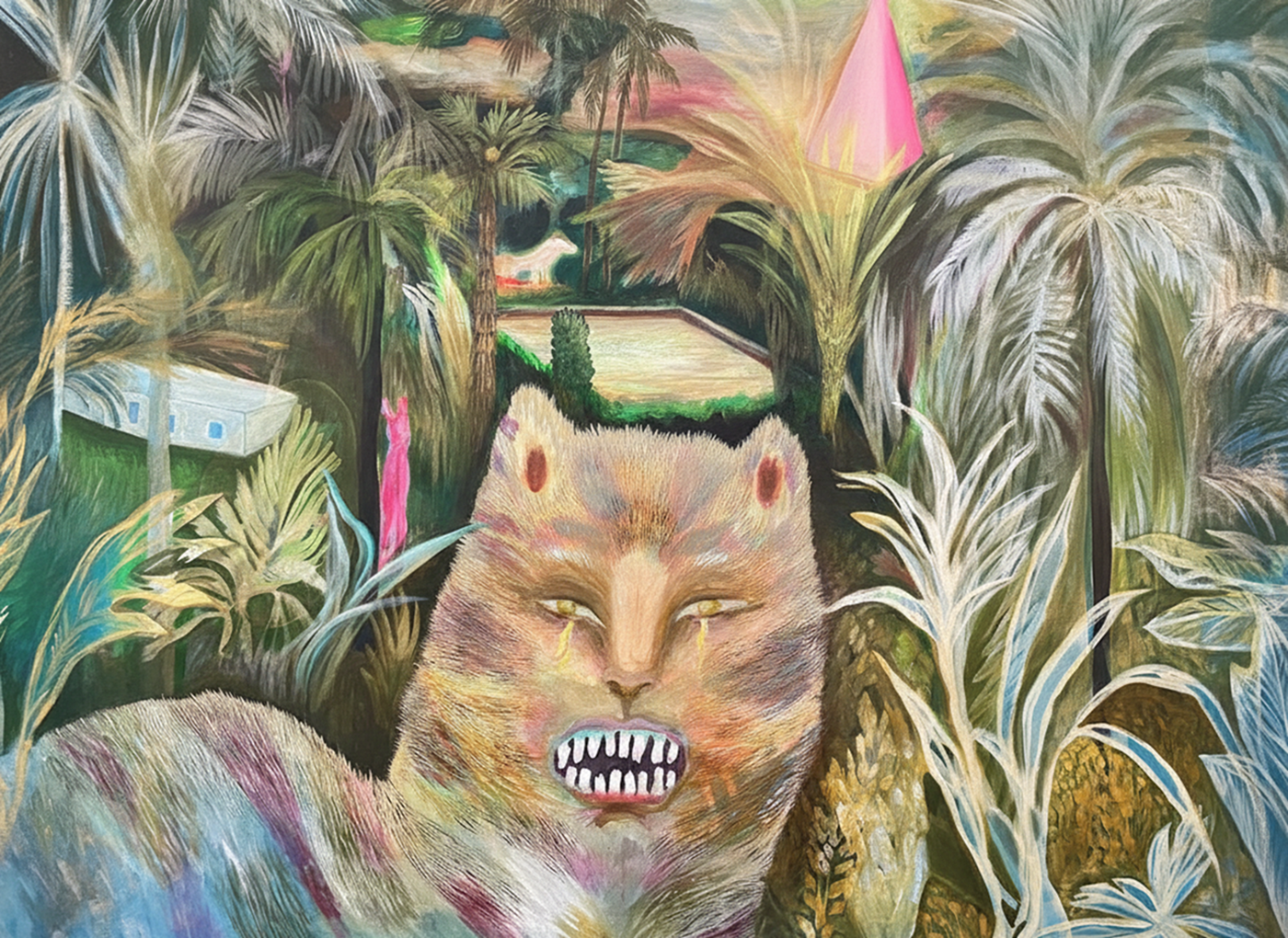
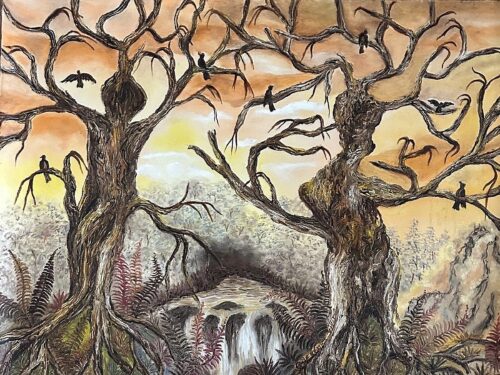
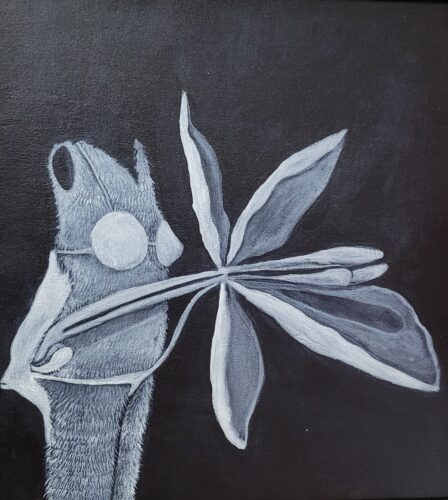
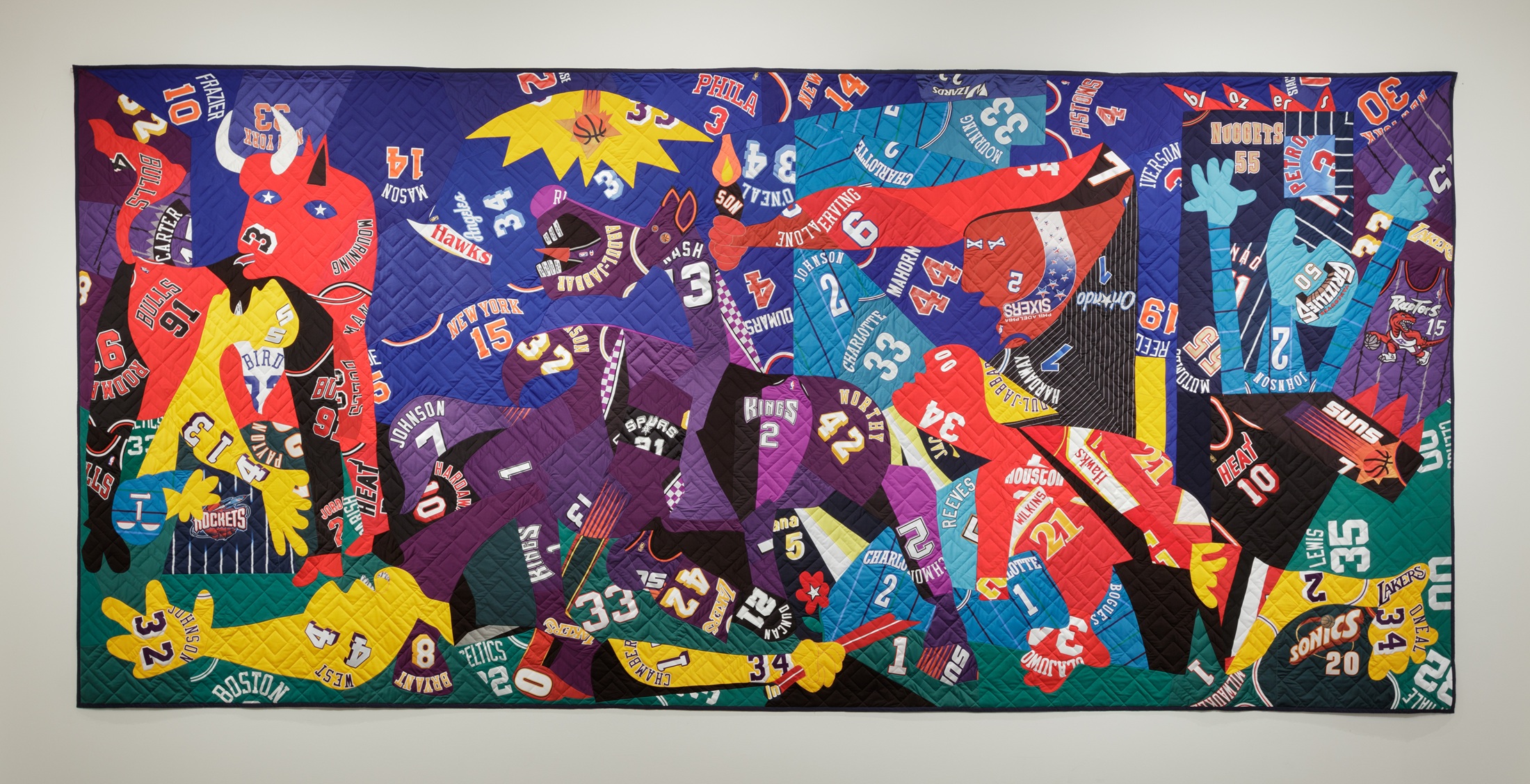
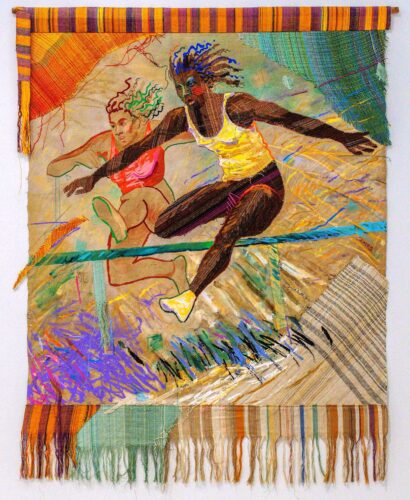
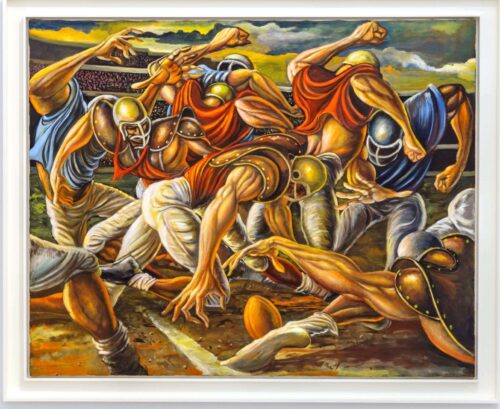
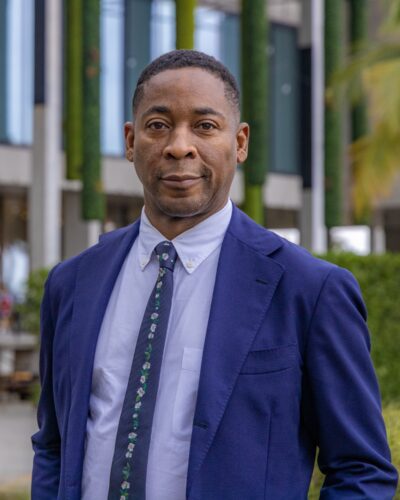
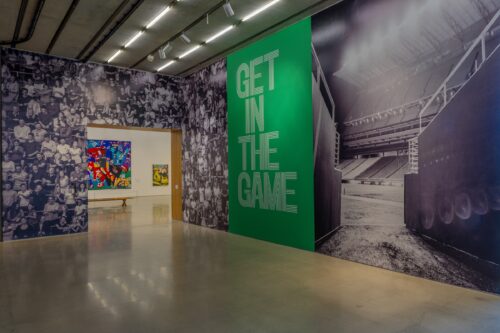
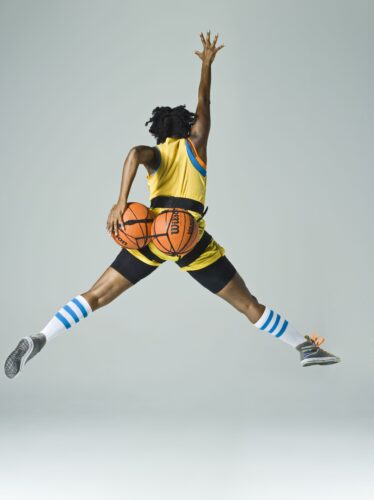
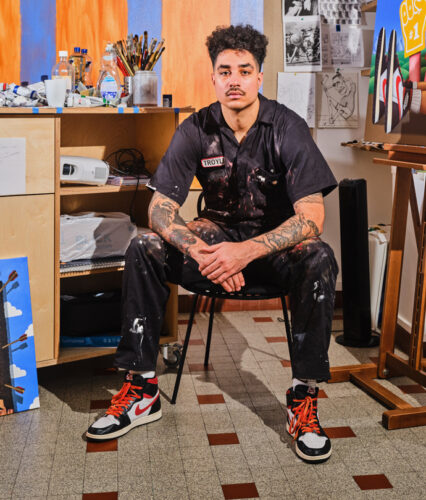
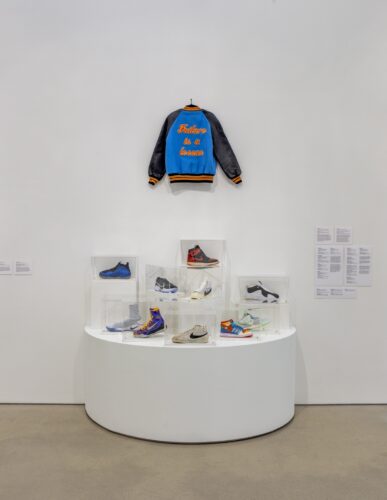
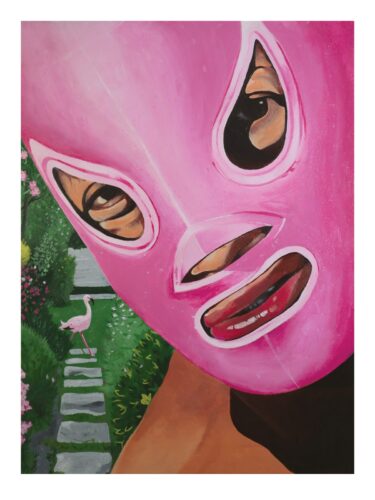
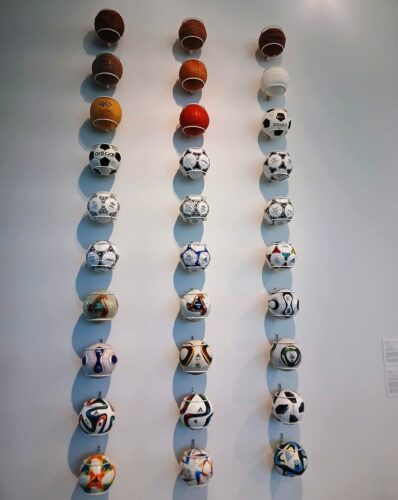
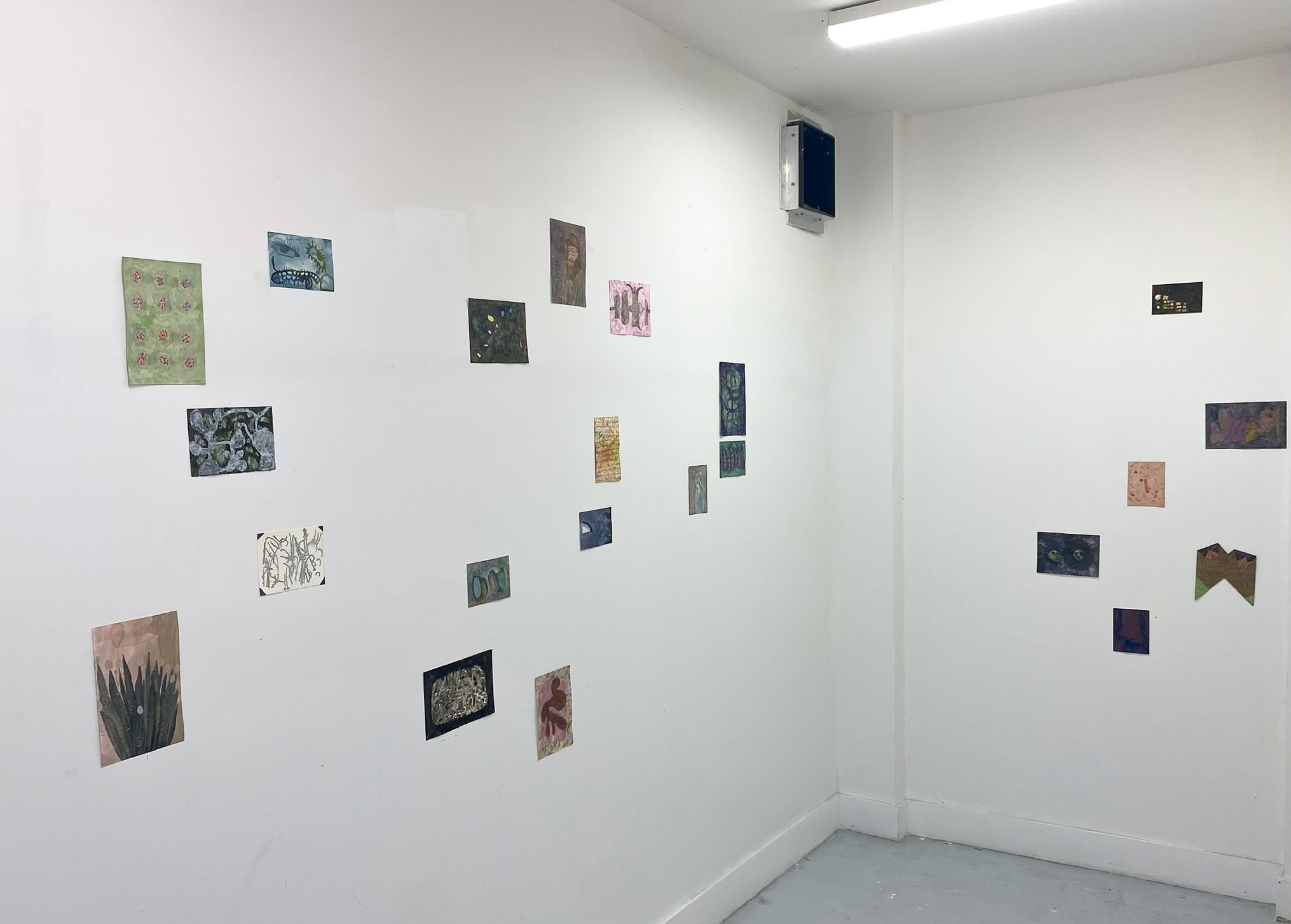
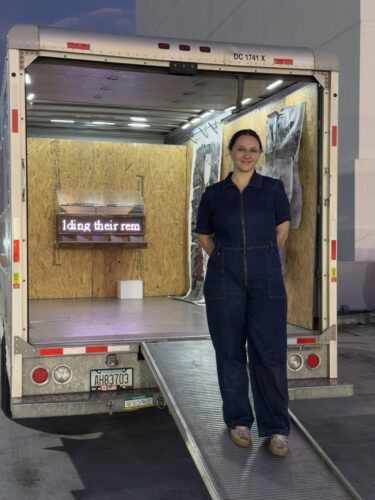
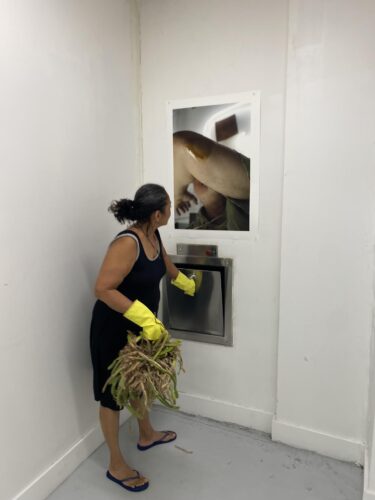
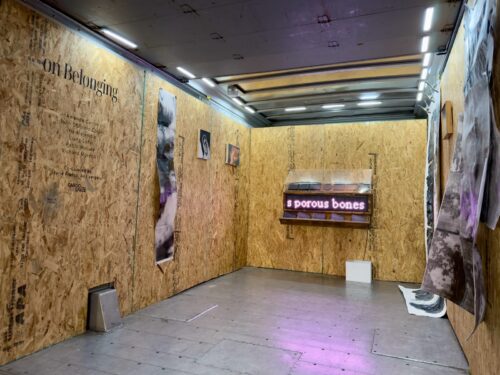
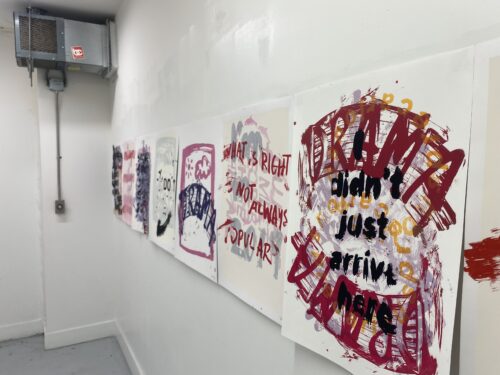
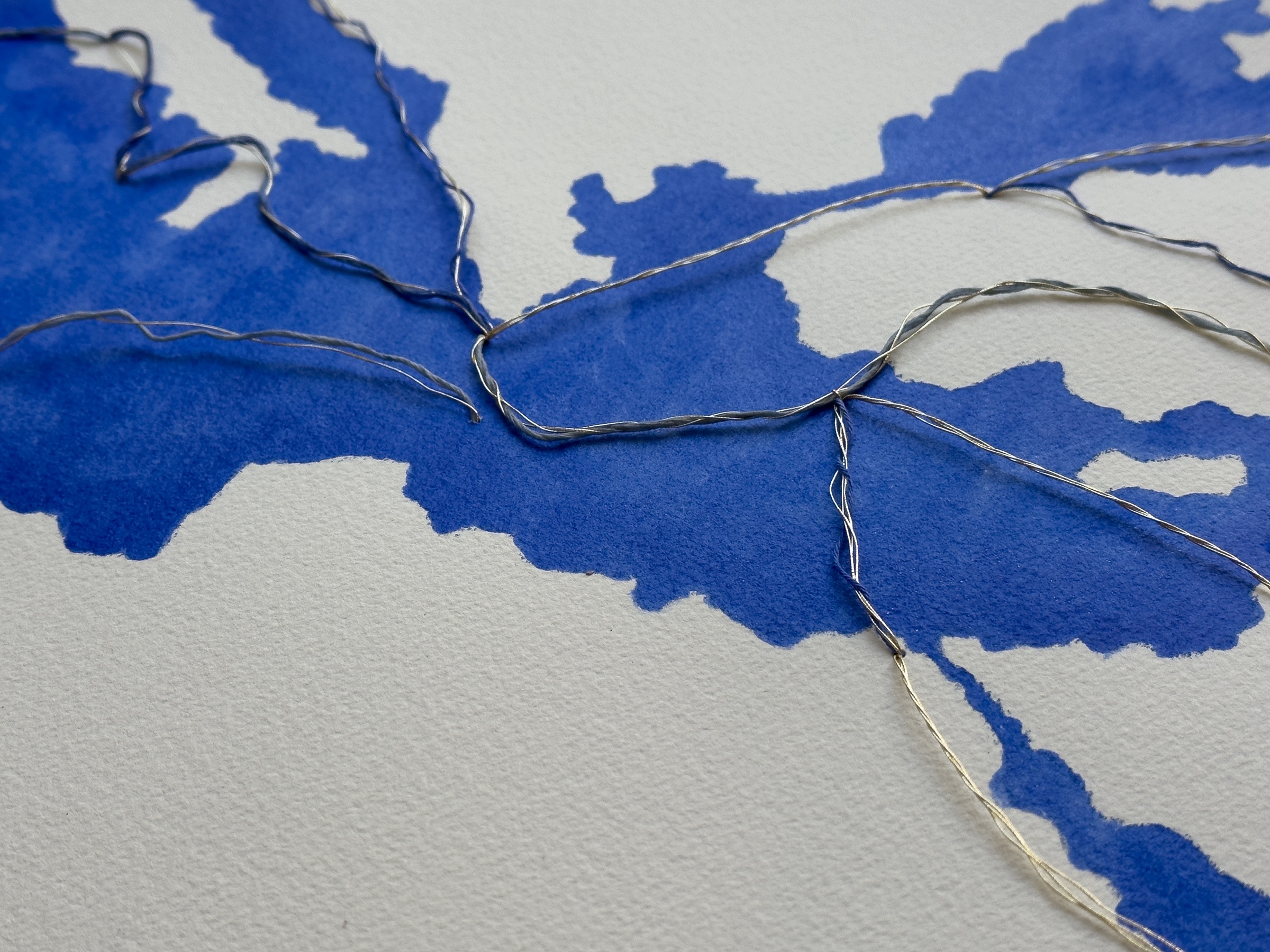
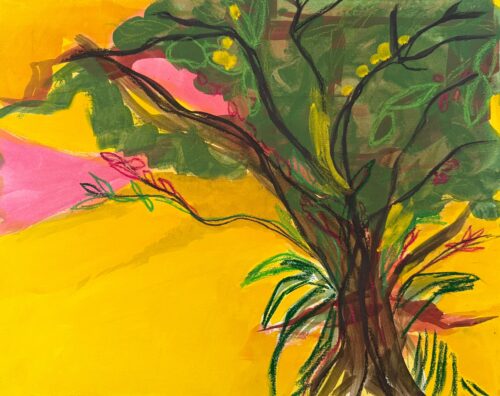
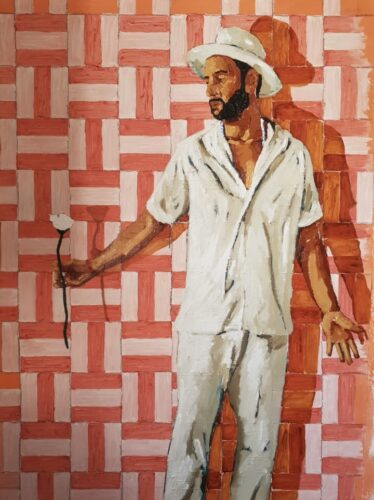
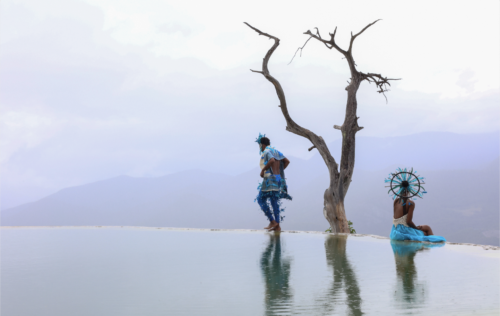
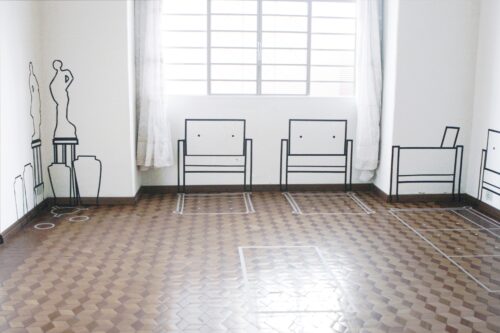
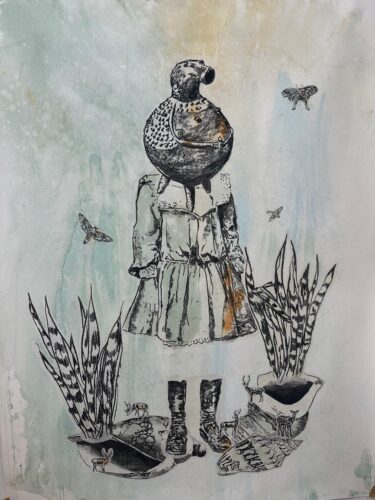
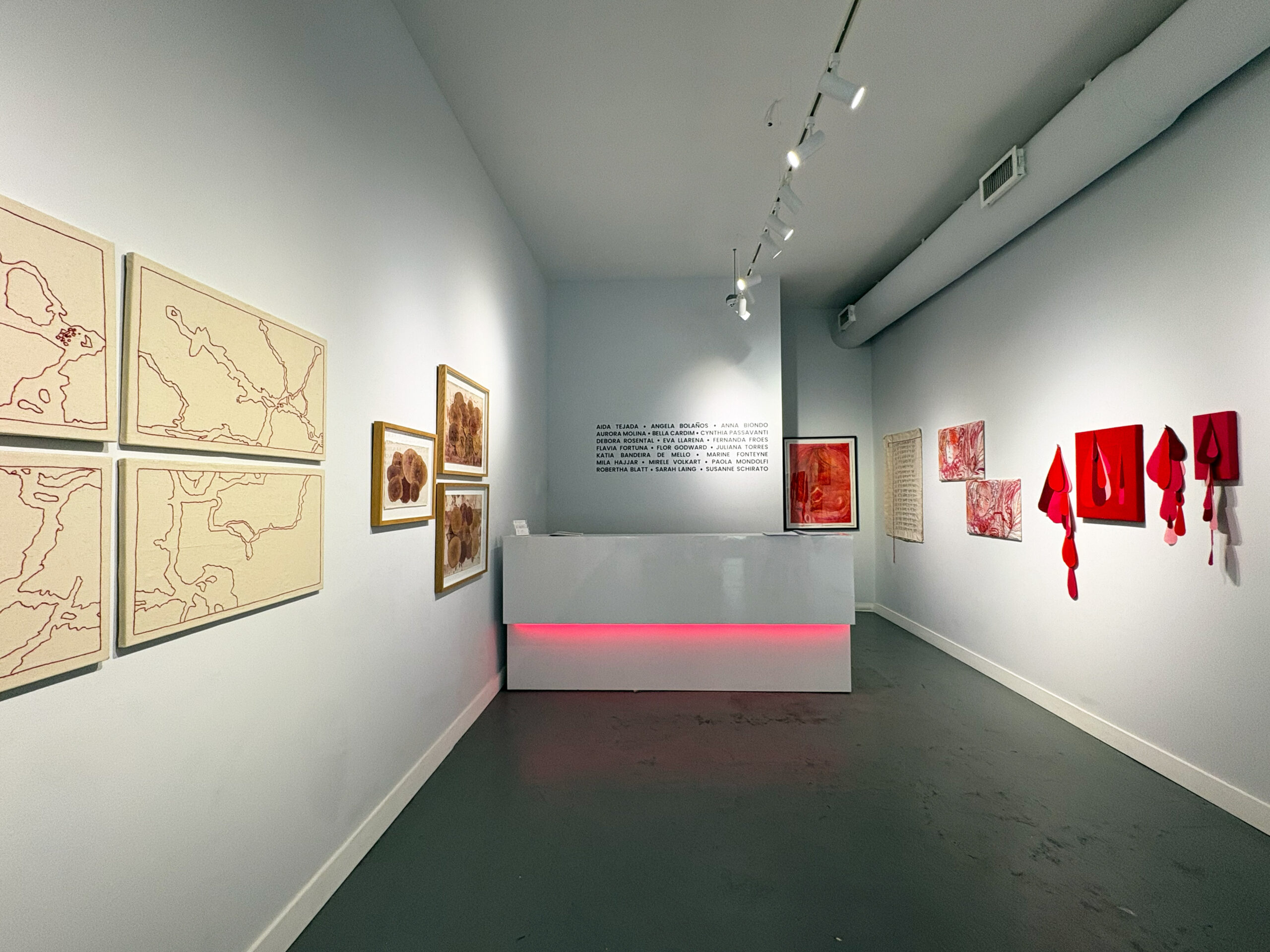
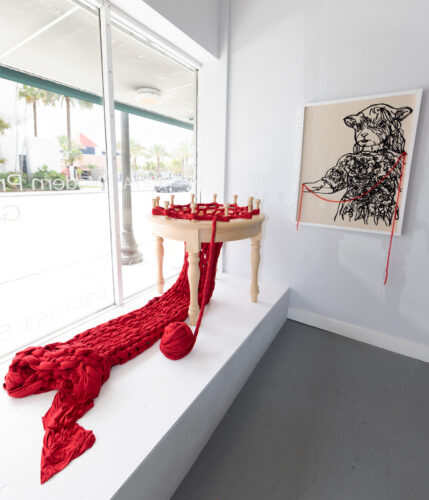
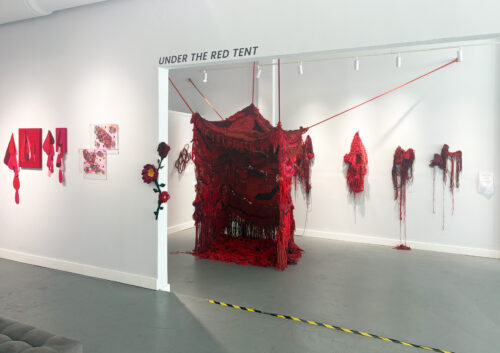
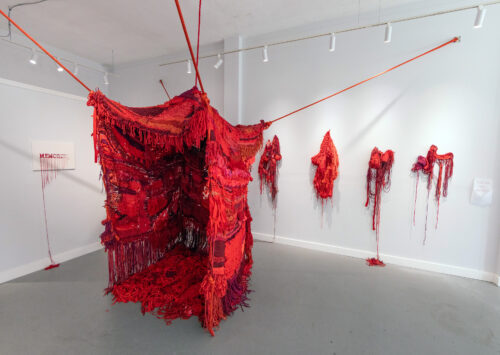
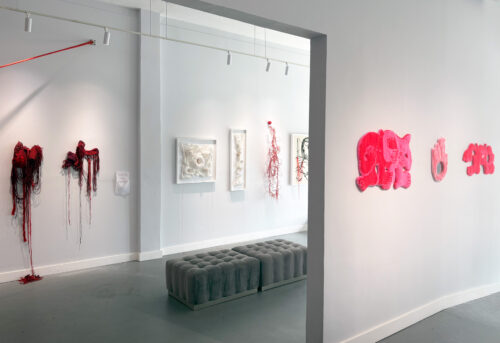
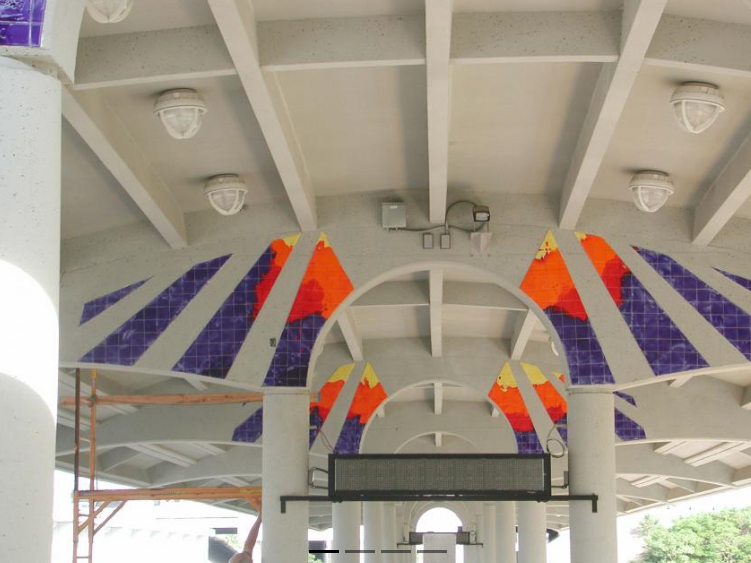
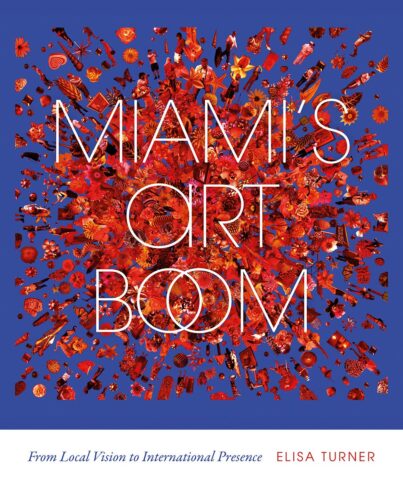
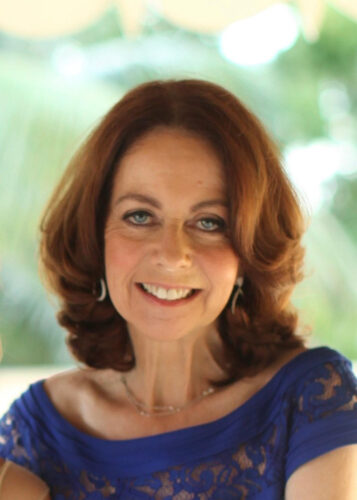
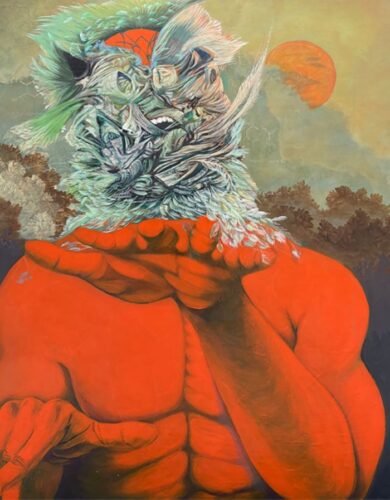
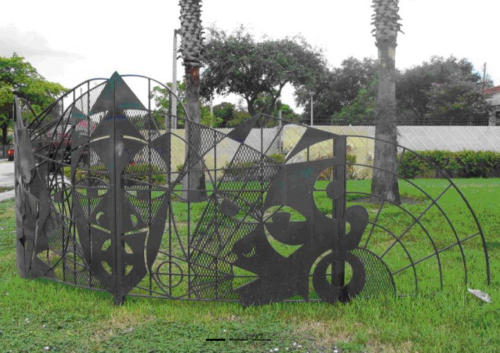
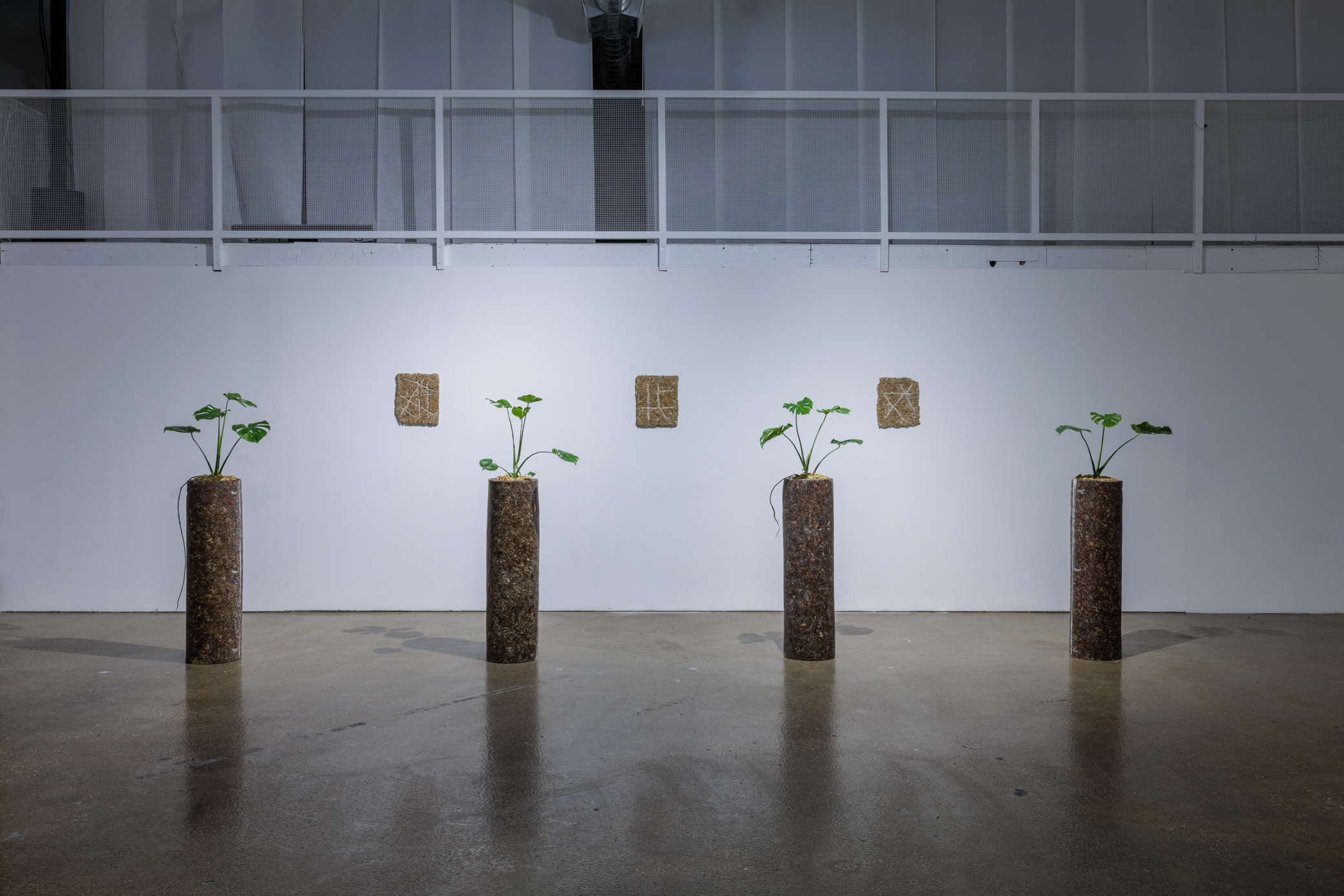
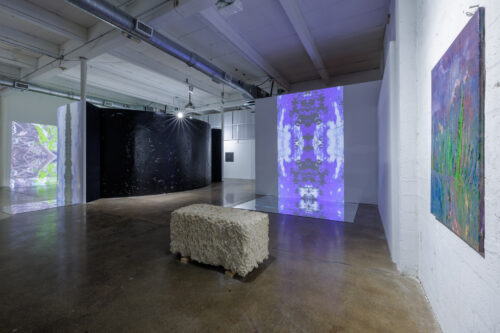
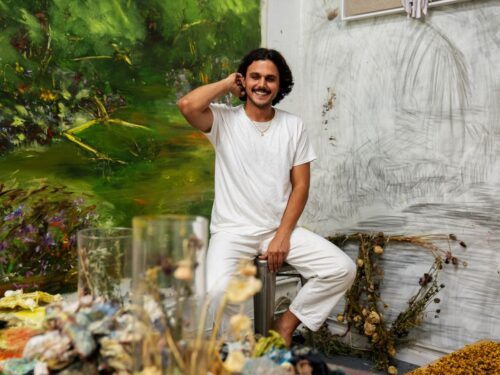
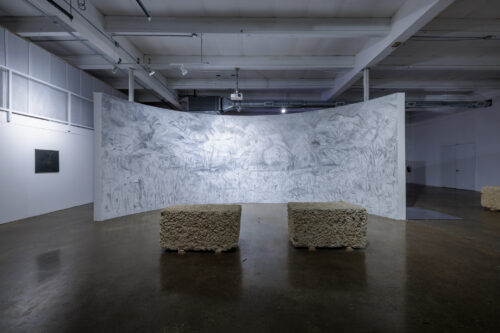
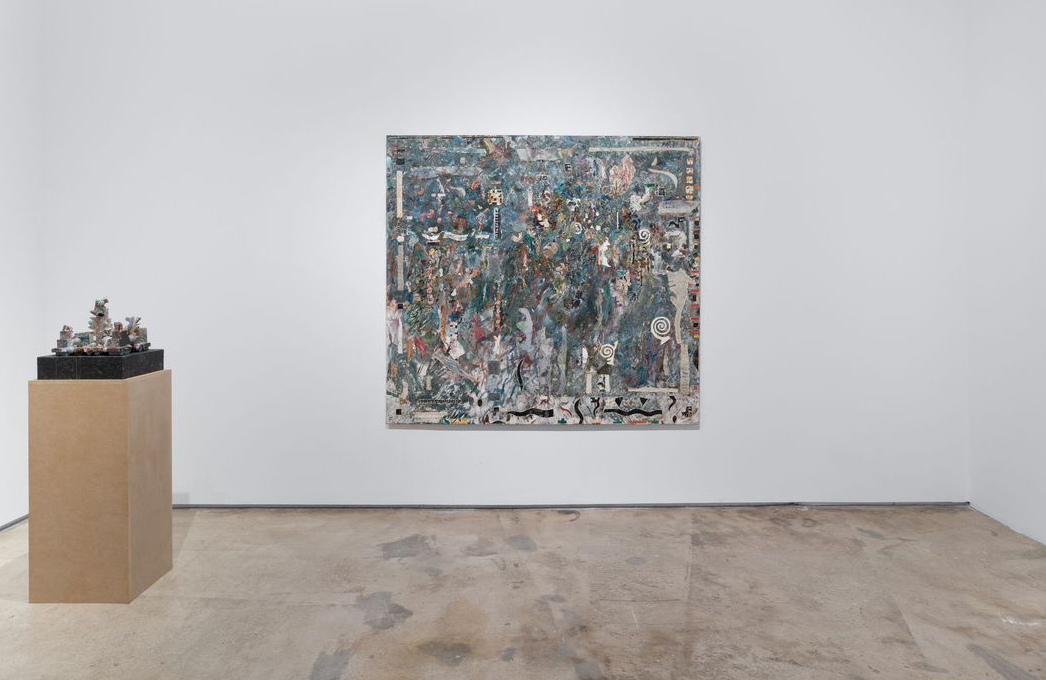
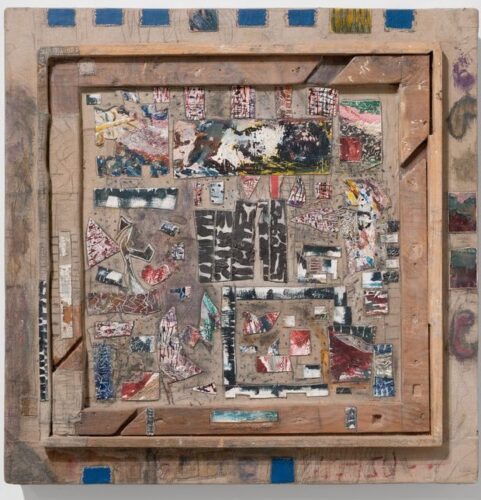
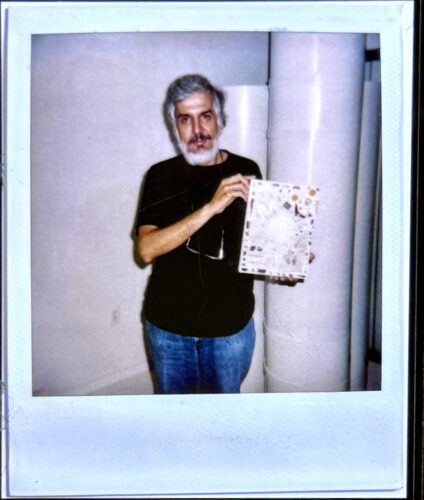
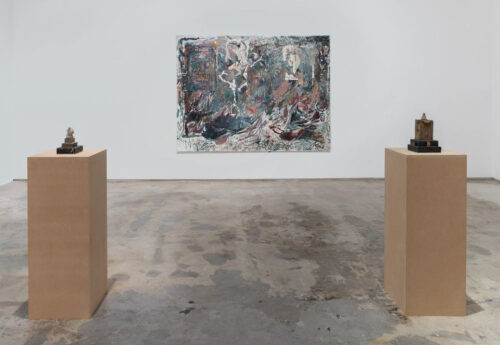


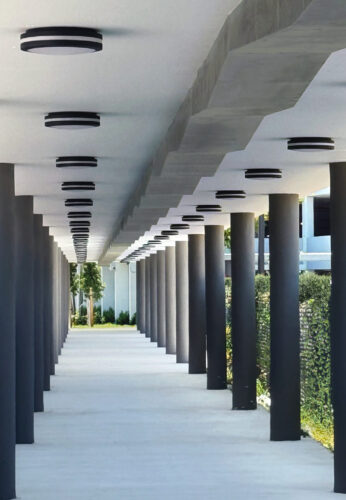

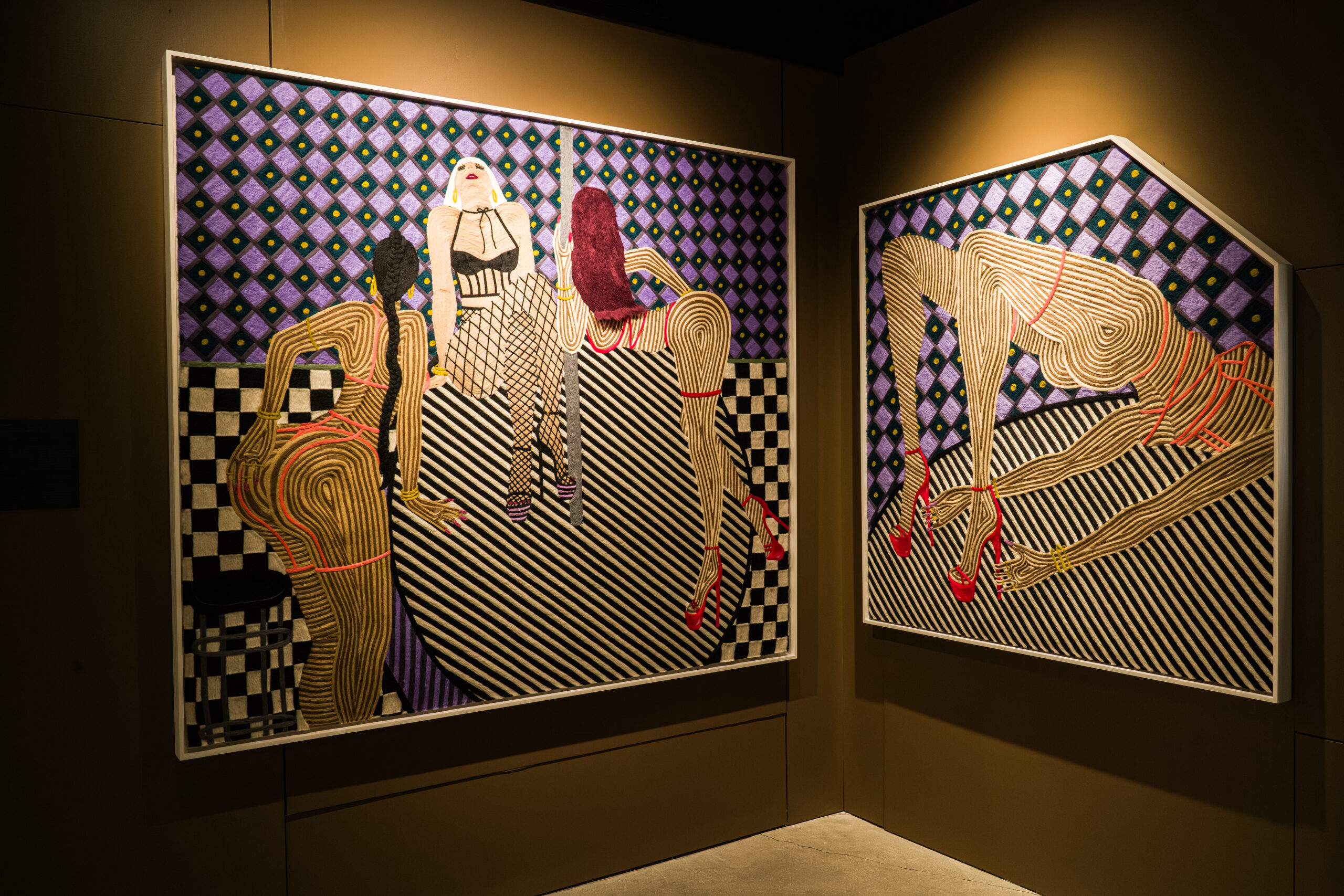

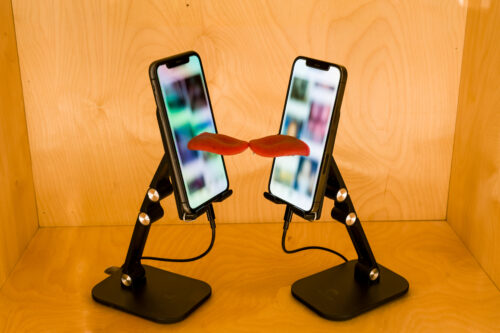
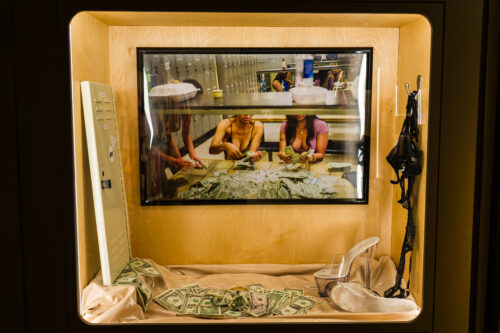
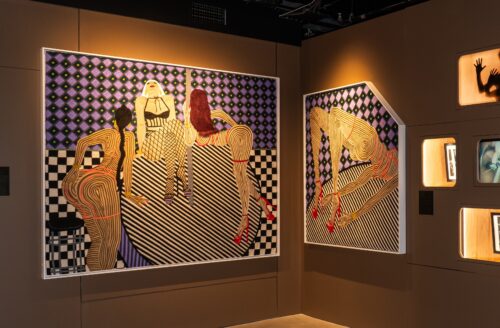
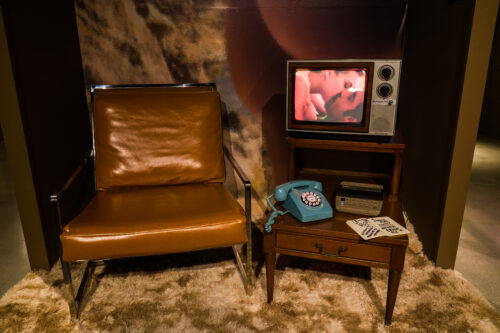


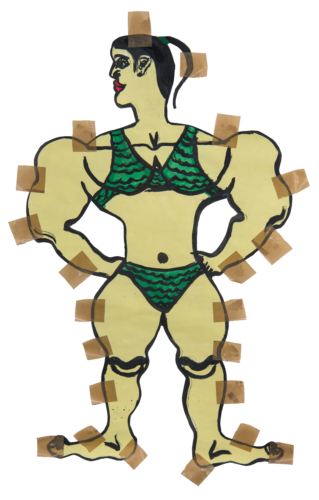
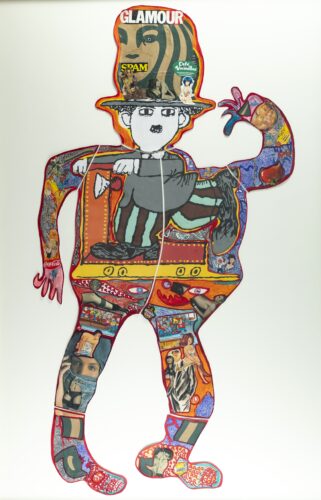

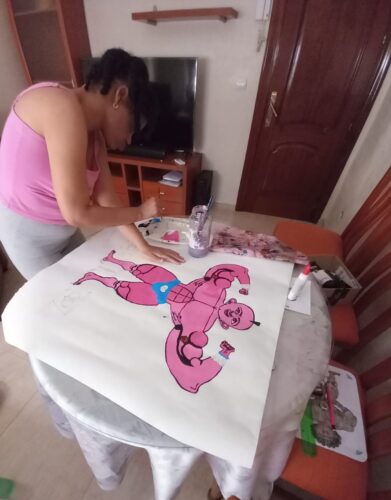
Recent Comments