Blog Article Category: Visual Arts
South Florida Artists Scale Up for Orlando Museum’s Florida Prize
Written By Michelle F. Solomon
June 10, 2026 at 10:23 AM
“Formed Under Pressure: Horizon 2026,” a site-specific installation by Mette Tommerup, is one of the exhibitions in this year’s Florida Prize in Contemporary Art at the Orlando Museum of Art. Eight Miami Dade County artists or duos are featured this year in the survey show through Sunday, Aug. 23. (Photo by Zaire Aranguren, Rheo Creative)
A trio of vibrant pyramids, built from almost 100 canvases, tower from floor to ceiling. Photographs explore motherhood and the American landscape. A bed of dried flower petals bears the imprint of a body. Walls are covered in hand-drawn sacred symbols. A pink installation of sculptures made of goat’s milk soap is built around intimacy and well-being.
One gallery after another at the Orlando Museum of Art belongs to a Miami-Dade County artist in this year’s Florida Prize in Contemporary Art, making the state’s premier contemporary art exhibition feel unexpectedly close to home for Miami audiences.
Eight of the exhibition’s 12 artists and artist duos have South Florida ties, including Miami artist Francisco Masó, whose “The Coronation of Gladiolus” received the exhibition’s $20,000 top prize.
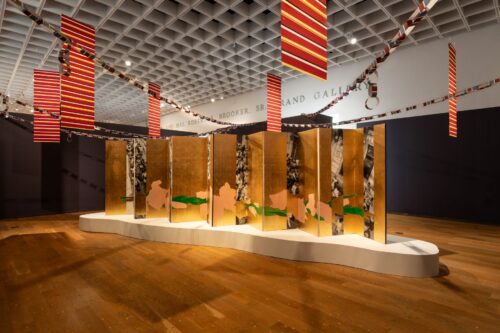
Miami artist Francisco Masó “The Coronation of Gladiolus” received the $20,000 Florida Prize. (Photo by Zaire Aranguren, Rheo Creative)
Coralie Claeysen-Gleyzon, senior curator at the Orlando Museum of Art, who organized the exhibition with associate curator Katherine Page, credits what she calls the county’s “ecosystem for artists” as one of the reasons that so many are from Miami.
“Miami has just this incredible pool of artists, but those artists are there because there’s a great support system for them,” she says, pointing to organizations such as Bakehouse Art Complex, Locust Projects, Oolite Arts, Bridge Red, and other spaces that provide exhibition opportunities, studios, and a community that allows practices to develop over time.
“When you think about Miami as this ecosystem for artists, you have incredible spaces for creation,” she says.
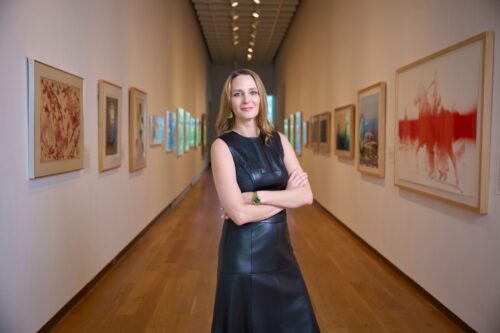
Coralie Claeysen-Gleyzon, senior curator at the Orlando Museum of Art, (Photo courtesy of Orlando Museum of Art)
Once selected for the Florida Prize, artists are given something many times unavailable to them: room to create, to push their ideas and to mount something that can be seen for an extended period of time by a range of visitors.
“When you give artists the space to create, a lot of them want to scale up,” Claeysen-Gleyzon says.
While Miami may have studio complexes, what the Orlando Museum of Art offers with its Florida Prize is that local artists basically get the chance to exhibit in what amounts to solo shows in a major museum.
Page, who started at the museum six months ago, says she and Claeysen-Gleyzon immediately started working on finalizing the artists that would be selected for this year’s exhibition.
“When we are thinking about the artists to select, we think about what spaces will work best for their work, what will highlight their work. They have room and space to grow and we work with them to figure out what that means. Many of them already have something in mind that they’ve been dreaming about,” she says. “It’s really great to be a part of that dream.”
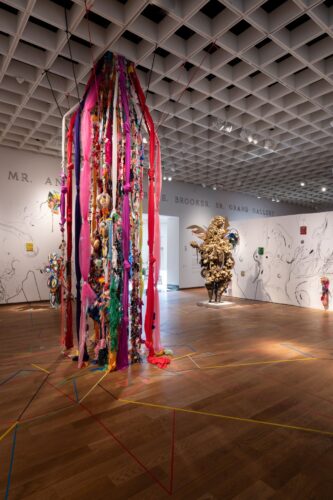
Miami Beach-based artist Charo Oquet’s installation at the Orlando Museum of Art became an opportunity to unite works dating back to 2014 with sweeping wall ink drawings created specifically for the museum show. (Photo by Zaire Aranguren, Rheo Creative)
Artists aren’t selected through an open call. Instead, the Florida Prize is built through years of studio visits, exhibition research and conversations as curators follow artists’ careers before extending an invitation.
“The process to select the artists for the Florida Prize is actually something that takes several years,” says Claeysen-Gleyzon.
Dreaming Bigger
When Mette Tommerup first visited the Florida Prize in Contemporary Art, she looked at the soaring gallery walls and hoped one day she would be invited.
This year, the Danish-born, Coconut Grove-based artist got her wish.
Across a 90-foot wall at the Orlando Museum of Art, Tommerup assembled three monumental pyramids built from canvases dragged through the ocean and Biscayne Bay, dried in flowering trees and tossed from rooftops at dusk, surrendering part of the creative process to nature itself.
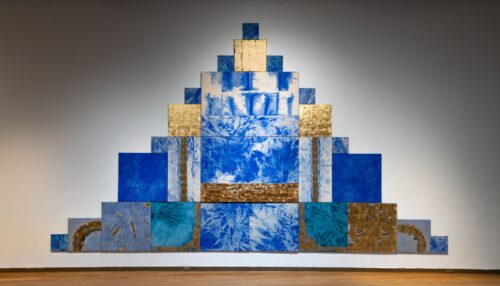
One of the towering pyramids in site-specific installation as part of the Florida Prize in Contemporary Art by Danish-born Coconut Grove-based artist Mette Tommerup. (Photo by Zaire Aranguren, Rheo Creative)
Each pyramid has a color that represents the three elements of ocean, earth and air with newly introduced gold leaf accents. The canvases, carefully arranged in structured compositions, rise in the gallery like geological formations or ancient architectural monuments, according to Claeysen-Gleyzon.
“I try to relinquish authorship, so my work is not all about me,” says Tommerup. “I try to listen to the canvases.”
The opportunity to be selected and work with curators to realize ambitious projects is what makes the Florida Prize such a milestone, Tommerup says.
“The Florida Prize is a significant invitation in an artist’s career to be trusted to take on these large gallery spaces at a substantial museum,” Tommerup says. “This is, for most artists, the highest level of achievement in the state of Florida for an annual contemporary art survey show.”
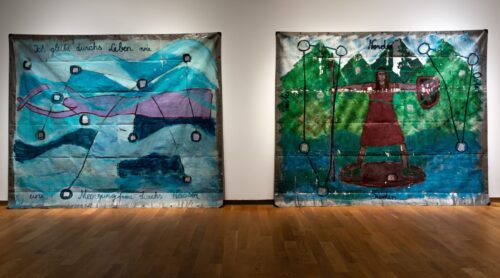
Maria Theresa Barbist’s series “DER GRUND AUF DEM ICH STEHE” (“The Ground on Which I Stand”) traces psychological transformation through five stages of trauma healing in psychotherapy. (Photo by Zaire Aranguren, Rheo Creative)
The exhibition also gives artists the freedom to experiment with new materials and approaches.
Maria Theresa Barbist embraced a new process, replacing traditional canvas with industrial tarps that allowed her to work on a larger scale while embedding transferred Polaroid photographs collected over years in Miami and Austria.
“This is the first time I’m painting on tarp,” Barbist says.
For Charo Oquet, the exhibition became an opportunity to unite works dating back to 2014 with sweeping wall ink drawings created specifically for the museum show. Surrounding sculptures, assemblages and brightly colored forms make the space feel part sanctuary, part dreamscape. The drawings mark the first time the artist has worked directly on gallery walls, she says.
“I’m interested in the language of the sacred,” says Oquet, who has spent nearly four decades researching Afro-Dominican spirituality. “I don’t want to do exactly the religious thing,” she says. “I want to take that idea and bring it to contemporary art.”
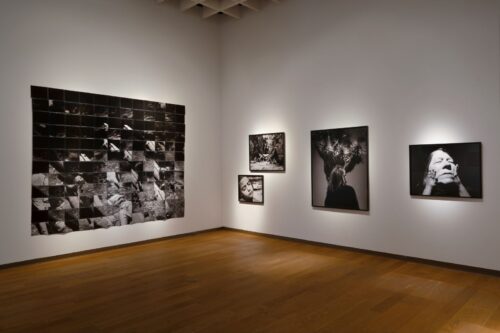
Working primarily in black-and-white film, Miami-based photographer Rose Marie Cromwell draws visual and conceptual references to photographers such as Ansel Adams and Robert Frank. (Photo by Zaire Aranguren, Rheo Creative)
Rose Marie Cromwell, who makes bodies of work about different geographies having worked in Panama, Cuba and Miami, likewise expanded her practice beyond its usual boundaries. Her gallery combines monumental photographs with the idea of what the American West looks like through a feminist approach to landscape photography. For one large piece, she hand-stitched photographs together.
In another room an installation video shows her mother and her daughter climbing on rocks juxtaposes bodies and how they age. All of the work grew out of documenting her postpartum experience during the pandemic, then turning her attention to motherhood, generations and the American landscape.
“I realized that there was some power in sharing a story about motherhood with the world,” Cromwell says. “I had never turned the camera really onto myself or my own body or my own life. I realized as my daughter was getting older, my mother was in her 70s, and I suddenly felt at the beginning of my 40s, kind of on this hill of life that I have never really been on before, where I could more clearly see the beginning and the end.”
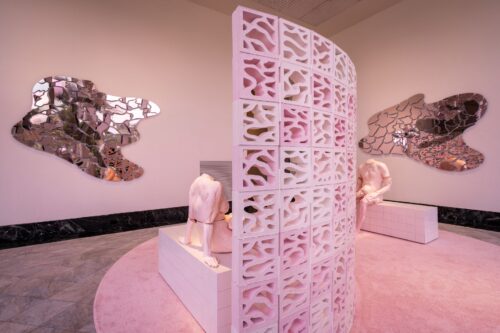
We Are Nice ‘n Easy transformed a gallery into a glowing pink environment built around intimacy, vulnerability and care. Husband-and-wife artists Allison Matherly and Jeffrey Noble cast their own bodies in goat’s milk soap. (Photo by Zaire Aranguren, Rheo Creative)
Room To Experiment
We Are Nice ‘n Easy transformed a gallery into a glowing pink environment built around intimacy, vulnerability and care. Husband-and-wife artists Allison Matherly and Jeffrey Noble cast their own bodies in goat’s milk soap, embracing a material that changes over time. In each sculpture, the figure holds its head in its lap.
“A lot of our work in previous years has become more controlled and manufactured looking. We wanted to introduce a medium that had more variables,” says Noble, welcoming the unpredictability of a process that echoed the themes of the installation itself.
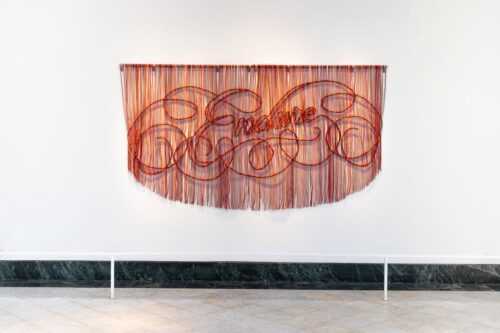
Miami-based artist Jessy Nite’s work with durable synthetic materials and intricate knotting techniques explored resilience, preservation and the ties that bind communities together, (Photo by Zaire Aranguren, Rheo Creative)
In Jessy Nite’s exhibition, the gallery became a warm apricot-colored environment where language intersected with sculpture. Bold phrases are stretched across walls, while monumental paracord textiles and a suspended woven vessel invite visitors to linger over words such as “Retreat,” “Endure” and “Siempre.” Working with durable synthetic materials and intricate knotting techniques, the Miami artist explored resilience, preservation and the ties that bind communities together, turning simple text into quiet moments of reflection.
Ema Ri took a more contemplative approach, filling a darkened gallery with intimate paintings that were a meditation on transformation, grief and renewal. Beneath one canvas, a pedestal covered with compressed dried flowers featured an impression of the outline of the artist’s body, extending the paintings into a reflection on mortality and resilience.
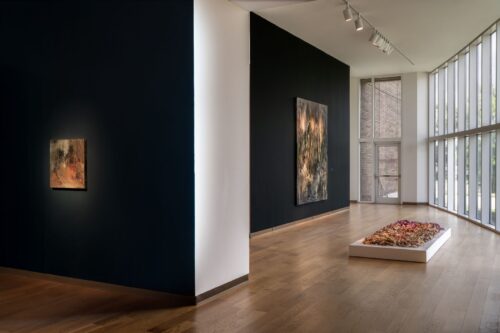
Beneath one canvas, Ema Ri presented “Keep Your Promise,” a pedestal covered with compressed dried flowers featuring an impression of the outline of the artist’s body. (Photo by Zaire Aranguren, Rheo Creative)
St. Petersburg artist Jason Hackenwerth, whose massive, suspended balloon sculpture greets visitors in the museum’s rotunda, and the collaborative duo of Meredith Laura Lynn of Tallahassee and Katie Hargrave of Chattanooga, Tenn., bringing perspectives from riffs on naturalist explorations in a multi-media installation, rounded out the exhibition.
The range of work presented a challenge for guest juror Jade Powers, curator of contemporary art at the Birmingham Museum of Art, who spent an afternoon studying the exhibition before selecting the recipient of the Florida Prize’s $20,000 award.
“I appreciated how each artist engaged with relevant contemporary questions,” Powers says. “Whether addressing religion, censorship, aging, the body, historical narratives, or personal and collective trauma, every installation approached these subjects in a distinct and thoughtful way.”
She ultimately selected Masó’s “The Coronation of Gladiolus,” an installation that first appears celebratory. Gold folding panels, hanging banners and historical imagery seem almost ceremonial. A constant drumbeat and the scent of gunpowder are meant to evoke an atmosphere of a public gathering before revealing references to surveillance, repression and resistance in Cuba.
The striped abstract paintings throughout the installation are based on polo shirts worn by Cuban state security agents who blend into crowds during protests, while gladiolus flowers reference the Ladies in White dissident movement. Gold folding panels
For Masó, the work is meant to make hidden systems visible.
“For me, art should be useful,” he says. “I’m giving you the tools for understanding.”
Powers says selecting a single winner is a tall order. “(It) is never easy, particularly when the overall quality is so strong, but spending time with both the artworks and the artists’ ideas helped clarify the strengths of each presentation.”
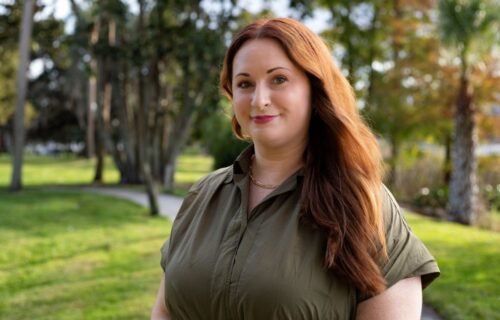
Katherine Page, associate curator at the Orlando Museum of Art, (Photo by Heerak Shah, courtesy of Orlando Museum of Art)
A Conversation Across Galleries
Page says there’s a deliberateness in giving over most of the museum to the show. It invites visitors who may not be frequent museumgoers into something more accessible. Visitors can also cast a People’s Choice vote for their favorite Florida Prize artist.
“It really invites a deeper kind of thinking about the work and about which artists visitors find they connect with the most. I think that is very special.”
Despite the artists’ varied approaches, Claeysen-Gleyzon says the exhibition’s conversations emerge naturally.
“The works aren’t supposed to talk to each other,” she says. “But somehow they do.”
It is inevitable that intentionally or unintentionally, the exhibition creates a conceptual content conversation and that becomes the most intriguing component of this year’s Florida Prize. To get the true sense of where contemporary art in Florida stands in 2026, the Orlando survey show does just that.
WHAT: 12th Annual Florida Prize in Contemporary Art
WHERE: Orlando Museum of Art, 2416 N. Mills Ave., Orlando
WHEN: 10 a.m. to 4 p.m., Tuesday through Friday; noon to 4 p.m. Saturday and Sunday; closed Mondays. 10 a.m. to 8 p.m. third Thursday of each month. Through Sunday, Aug. 23.
COST: $20, $12, seniors 60 and older, $10, students with ID, $8, children ages 6 to 17; children 5 and younger and museum members free admission.
INFORMATION: (407) 896-4231 or omart.org.
ArtburstMiami.com is a nonprofit media source for the arts featuring fresh and original stories by writers dedicated to theater, dance, visual arts, film, music and more. Don’t miss a story at www.artburst.com.
No posts found
Miami Beach’s The Bass Adds New Leadership Role as Museum Expands
Written By Jane Wooldridge
June 4, 2026 at 10:01 AM
The Bass Museum of Art is anchored by the original 1930s building. The museum continues to expand, adding more exhibition space and a newly named an artistic director and chief curator who will be working alongside the Miami Beach museum’s executive director. (Photo by Zachary Balber, courtesy of The Bass)
The Bass is reshaping its leadership structure as the Miami Beach museum adds a new position aimed at strengthening its artistic direction and exhibition program.
Philippe Vergne, the former director of the Museum of Contemporary Art, Los Angeles, and the Dia Art Foundation in New York, has been named to the newly created position of Artistic Director and Chief Curator and will work alongside Executive Director Silvia Karman Cubiña.
“I’ve been at this museum for 18 years,” said Cubiña. “It’s time to bring in some fresh, breezy, new vision and conversations. That’s really important. It’s a responsible thing to do.”
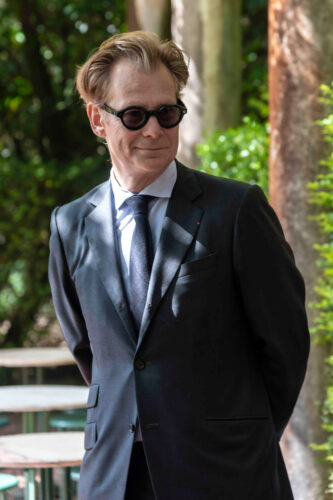
Philippe Vergne, newly appointed Artistic Director and Chief Curator of The Bass. (Photo by Joaquim Norte de Sousa)
In his new role, Vergne will serve as her “thought partner,” said Cubiña, with responsibility for the museum’s curatorial vision as it adds 2,500 square feet of exhibition spaces to the current 15,519.
After Curator James Voorhies left the museum in December to return to his home in New York, Cubiña reached out to Vergne, a long-time colleague who is currently director of the Serralves Contemporary Art Museum in Porto, Portugal. The conversation was unexpected, he said.
“But when I talked to Silvia, when I met some of the members of her board, I was very impressed by the ambition that her constituency has for the institution. I was impressed by the way the board of the museum has supported the museum… I was very excited by what I was hearing.”
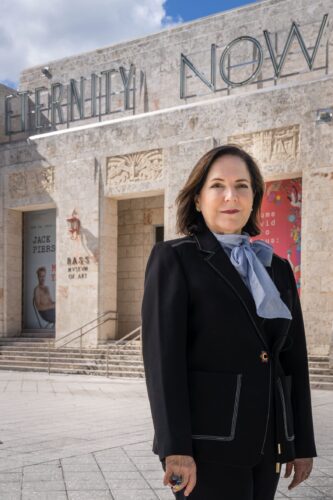
Executive Director Silvia Karman Cubiña has led The Bass since 2008. (Photo by Zaire Aranguren, courtesy of The Bass)
And the timing was right. He had been in his current job since 2019. The Bass’s planned expansion was also enticing. “This is a very specific moment, to expand in a city which is itself expanding,” he said.
He will begin his new role Oct. 1.
The museum is working with the city to permit the expansion designed by Los Angeles-based architects Johnston Marklee and supported by a $20.1 million allocation from a 2022 public bond. The addition will solidify The Bass’s vision of a 2.9-acre campus of public art works and sheltered garden space anchored by the museum’s original 1930s façade designed by Miami architect Russell Pancoast. It will be museum’s third expansion since 2000.
Earlier this year, The Bass opened the renovated Rotunda in Collins Park, with an inviting glass entry and almost 2,000 square feet of exhibition space. Since then, attendance has grown by 33.8%, said Cubiña.
The new outdoor space is intended to broaden free access to art and better serve a mixed-income community of time-pressed young professionals and families with free programming that includes the museum’s Third Thursdays activations and access to the Rotunda.
Exhibitions and public programming will be part of Vergne’s portfolio. He will also work with global artists to expand The Bass’s ongoing program of commissions. In past years, those have included installations by marquee artists such as Mickalene Thomas, Rachel Feinstein and Tavaras Strachan.
“I’ve been very privileged to work in different communities in the United States and in Europe, so I have a network of artists,” said Vergne. “But not only artists; I have a network in the art community that will make available to the institution. It’s work that goes beyond pure curating.”
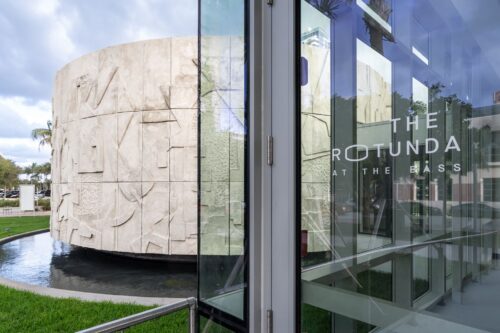
The Bass Museum of Arts’ Rotunda in Collins Park opened in March 2026. (Photo by Zaire Aranguren /Rheo Creative, courtesy of The Bass)
French-born Vergne began his museum leadership career as director of the Musée d’Art Contemporain in Marseille from 1994 to 1997 before moving to the United States. He later served as chief curator and deputy director of the Walker Art Center in Minneapolis, director of the Dia Art Foundation in New York and director of the Museum of Contemporary Art, Los Angeles. In 2006, he co-curated the Whitney Biennial with Chrissie Iles. He left LA MOCA in 2019 following a tumultuous year marked by internal and external dissent and was named director of Portugal’s Serralves Contemporary Art Museum a few months later.
Vergne’s experience running art institutions make him a strong fit for the role, said Cubiña. “He will be a great thought partner, but also a very practical thought partner, which is very important. He knows what it is to run an institution. He knows what it is to build an institution, and he understands timing.”
Those skills along with Vergne’s art world connections will help free Cubiña to focus on the other aspects of her job, she said. “I need to fundraise. I need to do my job right, and my job is dealing with the future, both the immediate and the long-term future of this museum. I get to do it full time now.”
ArtburstMiami.com is a nonprofit media source for the arts featuring fresh and original stories by writers dedicated to theater, dance, visual arts, film, music, and more. Don’t miss a story at www.artburstmiami.com.
No posts found
Artists Turn Margaritaville Inside Out at Locust Projects
Written By Michelle F. Solomon
June 4, 2026 at 2:42 AM
A twelve-foot spilled margarita and a monumental pair of cargo shorts made from real sails in the site-specific installation “Lost Shaker of Salt” at Locust Projects through Saturday, June 20. (Photo by Pedro Wazzan, courtesy of Locust Projects)
At first glance, “Lost Shaker of Salt” at Locust Projects in Little River appears to be a breezy summer diversion.
Upon entering the exhibition space, visitors encounter Kelly Breez and Patty Gone’s brightly colored homage to Jimmy Buffett’s Margaritaville empire, anchored by a giant margarita knocked onto its side.
Oversized flip-flops are tacked on one wall. Humongous cargo shorts dangle upside down and dominate another area. A tiki-inspired sports bar with tropical-print stools and video screens occupies another corner.
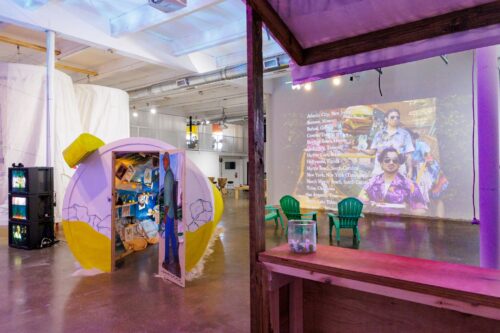
Installation view of Kelly Breez and Patty Gone, “Lost Shaker of Salt,” 2026.at Locust Projects. (Photo by Pedro Wazzan, courtesy of Locust Projects)
Two oversized Adirondack chairs face a campy performance-art film that traces a path from Caribbean sugar plantations and rum production to the modern fantasy of escape marketed by Margaritaville.
But Breez and Gone are selling something entirely different.
“I would say the concept of Margaritaville as a whole is that they’re selling you pure escapism,” says Breez, a Miami-based multidisciplinary artist. “Just vibes and happy hour and drinks and everything is fine. But there really is this absolute underlying dark side to Margaritaville, which was really what we wanted to dig a little deeper into.”
She compares the installation itself to that tension.
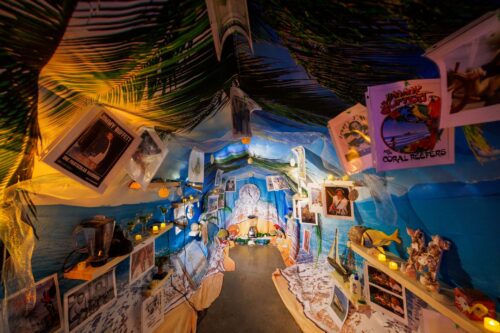
Visitors are invited to walk inside the margarita — a dense, found‑object sculptural environment of memorabilia-style elements assembled from collected materials. (Photo by Pedro Wazzan, courtesy of Locust Projects)
“There’s this giant margarita, let’s go stand inside of it, and some Adirondack chairs, let’s have a sit. And giant shorts,” she says. “But inside there is this anti-colonialist memorial library.”
Visitors are invited to walk inside the margarita — a dense, found‑object sculptural environment of memorabilia-style elements.
“I’m a huge maximalist,” Breez says, explaining that her usual instinct is to fill a space with objects and materials. For this project, however, she deliberately pulled back, allowing the giant cargo shorts and margarita to become the focus.
Beneath the humor and nostalgia, the commissioned works are meant to evoke more complicated questions about who gets to be part of this paradise and who gets left out. Margaritaville isn’t just a kitschy theme — it points out a much larger critique of American culture.
Gone, a Los Angeles-based trans artist, poet and educator, approached Margaritaville from a different perspective than Breez. While Breez grew up immersed in South Florida boating culture, Gone became interested in what the lifestyle brand reveals about broader ideas of belonging and the balance of power.
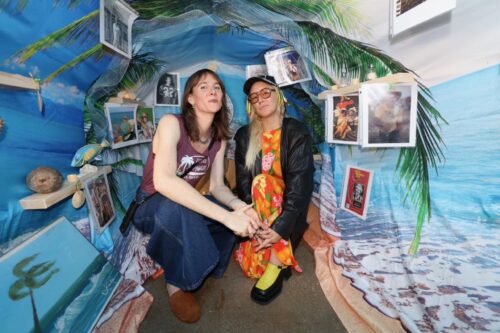
Patty Gone and Kelly Breez inside the installation of the giant margarita surrounded by Breez’s found object art. (Photo by Logan Fazio, courtesy of the artists)
“Margaritaville is kind of like the gateway to thinking about a certain kind of straight white culture in Florida, but then maybe the U.S. more broadly,” Gone says.
She became particularly interested in the sports bar as a cultural symbol.
“I think about the bar itself as a sports bar, especially as a nexus of that kind of social culture,” Gone says. “A kind of patriarchal escapism.”
The centerpiece of the site-specific installation — a monumental pair of cargo shorts measuring 12 feet tall and 17 feet wide — carries a personal connection for Breez.
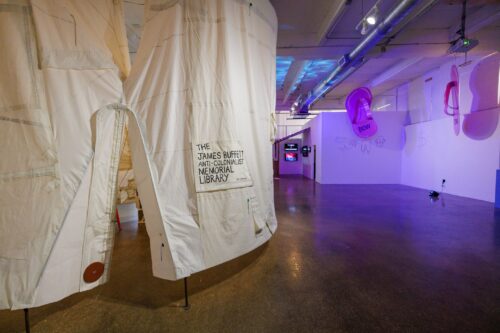
Many of the sails used to construct the oversized shorts came from the artist’s family sailing trips with her ather, including voyages to Key West.(Photo by Pedro Wazzan, courtesy of Locust Projects)
A South Florida native, she grew up sailing with her father and listening to Buffett’s music on the water. Many of the sails used to construct the oversized shorts came from those family sailing trips, including voyages to Key West.
Built entirely from repurposed sailcloth, the sculpture required months of planning, fabrication and hand sewing. Breez worked alongside her father and stepmother, transforming their home into what she describes as “an absolute factory” during the construction process.
The giant shorts also function as the James William Buffett Anticolonialist Memorial Library.
Visitors can enter through the fly, then sit in the library among books selected by Gone examining tourism, colonization, sugar production and the history of the Caribbean and Latin America.
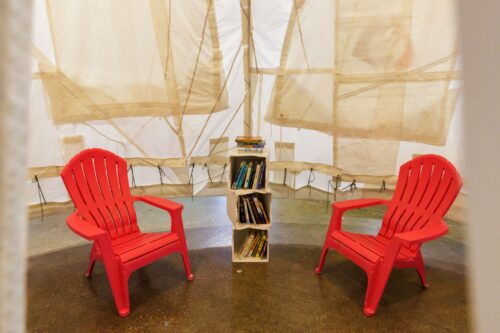
Visitors can enter through the fly of the giant cargo shorts, then take in books in the James William Buffett Anticolonialist Memorial Library.
(Photo by Pedro Wazzan, courtesy of Locust Projects)
“There’s a lot of really good stuff in here about the beginning of the sugar trade and how that has to do with the beginning of cocktails,” Breez says.
Those themes reappear in Gone’s multi-channel video installation, which traces the history of the margarita far beyond the frozen cocktails served at chain restaurants and beach bars.
“I was trying to think of how we got here?” Gone says. “How did we get to this sports bar, Margaritaville culture?”
Researching the origins of mixed drinks led her into histories of colonial trade routes, sugar production and empire.
“The first mixed drink is made in India,” Gone says. “Mixed drink culture is so embedded with colonialism.”
The video follows that history from India to Europe and the Caribbean, where sugar production fueled colonial economies and transformed drinking culture.
One discovery particularly surprised her.
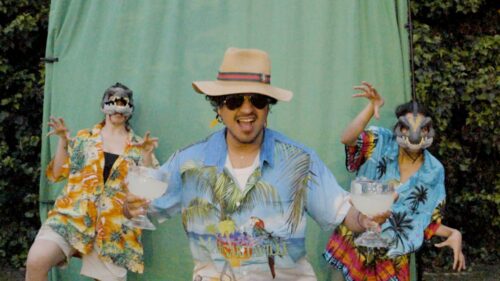
Film still of Xochitl Loco, Abhijeet “Moodzi” Mudgerikarin, and Elaina Moreno in
Patty Gone’s “Lost Shaker of Salt, 2026.” (Photo courtesy of Patty Gone)
“They’re drinking so much punch at the Declaration of Independence party,” Gone says. “It was wild to me to find that. They’re drinking all these mixed drinks made with ingredients connected to slave labor and that’s their official drink.”
Eventually the story arrives at Buffett himself, whose laid-back image became the foundation of a billion-dollar lifestyle brand that includes restaurants, resorts and retirement communities.
For Gone, that evolution became part of the exhibition’s larger narrative.
“When Jimmy Buffett comes in, he’s this countercultural figure at first,” she says. “Then where does it start to go?”
Neither artist is interested in simply mocking Buffett or his fans but examining the culture. The surroundings are familiar, but they are amplified.
For some visitors, that realization takes time.
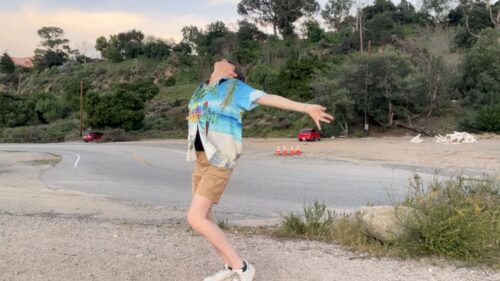
Film still of Patty Gone in Patty Gone’s “Beachfront Views.” (Photo courtesy of Patty Gone)
“It takes a bit for satire to sink in sometimes,” Gone says. “It takes you to sit with it for a second.”
About 25 miles north of Locust Projects is the Margaritaville Hollywood Beach Resort, one of the most visible examples of the lifestyle brand built around Buffett and the promise of tropical escape. Proximity makes the exhibition’s examination of tourism, leisure and paradise feel even more relevant in South Florida.
At the installation’s opening, Breez recalls that many visitors initially responded to the colorful visuals and tropical atmosphere before discovering the exhibition’s deeper themes.
“Some people were ready to just call it cheery and summery,” she says. “But there are indications of the dark underbelly.”
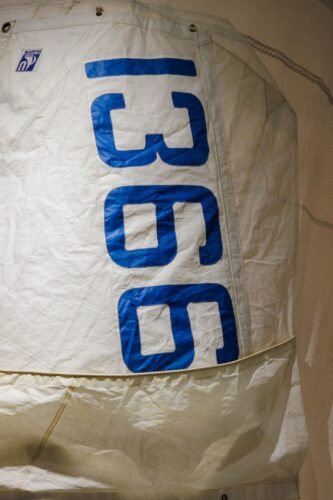
Built entirely from repurposed sailcloth, the sculpture required months of planning, fabrication and hand sewing. (Photo by Pedro Wazzan, courtesy of Locust Projects)
There’s the sports bar, the memorabilia, a stacked cube monitor tower showing Buffet’s early videos, and there are the Big Pharma commercials playing on a loop at the sports bar promising the same feel-good lifestyle for the Boomer generation.
And then slowly the question sinks in — who is this “good life” really meant for?
WHAT: Kelly Breez and Patty Gone: “Lost Shaker of Salt”
WHEN: 11 a.m. to 5 p.m. Tuesday through Saturday. Through Saturday, June 20.
WHERE: Locust Projects, 297 NE 67th St., Miami
COST: Free
INFORMATION: (305) 576-8570 or locustprojects.org.
ArtburstMiami.com is a nonprofit media source for the arts featuring fresh and original stories by writers dedicated to theater, dance, visual arts, film, music, and more. Don’t miss a story at www.artburstmiami.com.
No posts found
Tracing Thought: ‘What’s My Line?’ At Miami Beach Regional Library
Written By Olga Garcia-Mayoral
May 18, 2026 at 2:01 PM
Claudia Vieira’s large-scale drawing installation transforms the gallery wall into a meditative landscape of accumulated lines in “What’s My Line? Drawing as Experience” at the Miami Beach Regional Library. (Photo by Mateo SeZa @mateo.seza, courtesy of Edge Zones)
“What’s My Line? Drawing as Experience” transforms a public civic space into an active conversation about what drawing can be. Curated by Dimitry Saïd Chamy and Charo Oquet and presented by Edge Zones, the group exhibition at the Miami Beach Regional Library on display through Thursday, July 16, features 16 artists whose practices move fluidly across sound, code, fiber, video, printmaking, painting, and installation. Rather than treating drawing as a preparatory medium or static image, the exhibition expands it into something experiential: a trace of thought, movement, memory, and interaction.
The title carries layered meanings. “What’s my line?” references both the familiar phrase of personal identity and the 1950s television game show in which contestants guessed professions through subtle clues and gestures. That association becomes an apt metaphor for the exhibition’s premise. Each artist leaves behind a visual or sonic trace that reveals not simply what they make, but how they think.
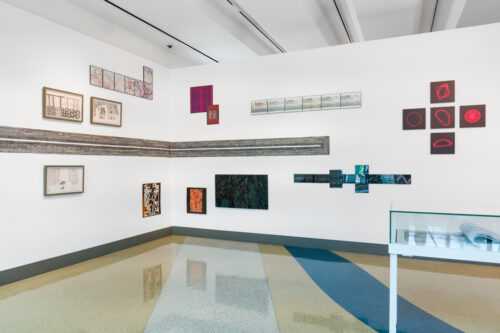
Installation view of “What’s My Line? Drawing as Experience,” presented by Edge Zones and curated by Dimitry Saïd Chamy and Charo Oquet at the Miami Beach Regional Library. The exhibition brings together 16 artists exploring drawing as process, memory, and spatial experience. (Photo by Mateo SeZa @mateo.seza, courtesy of Edge Zones)
The library setting proves unexpectedly ideal. Unlike the white-box neutrality of a traditional gallery, the Miami Beach Regional Library is already a place built around the circulation of language, marks, and ideas. Visitors drift into the exhibition from the surrounding stacks and public spaces, encountering works that ask them to slow down and reconsider the meaning of a line — whether drawn by hand, generated through code, sung as sound, or embedded in systems of migration and surveillance.
One of the exhibition’s most striking gestures greets viewers before they enter the space. Brazilian artist Claudia Vieira’s large-scale, continuous-line mural stretches across the exterior wall like a looping topography of movement and memory. Evoking Miami Beach’s islands and waterways while subtly nodding to Christo and Jeanne-Claude’s “Surrounded Islands,” the work transforms geography into something bodily and intimate.
Inside, the show unfolds less as a fixed thematic statement than as an evolving network of relationships. Chamy’s curatorial approach embraces drawing as a process rather than a product. The exhibition repeatedly asks viewers to reconsider what constitutes a drawing in the first place. That conceptual elasticity is especially evident in the work of Spencer Chang, whose browser-based digital piece visualizes internet activity in real time. Cursors and mouse clicks become abstract constellations of circles and moving lines, exposing the invisible systems of surveillance and data collection embedded in everyday online behavior. What emerges is oddly beautiful: a constantly shifting drawing authored collectively by strangers navigating the web.
Nearby, artist and composer Juraj Kojš transforms drawing into musical notation through colorful graphical scores that blur the boundary between visual art and sonic composition. The works function as visual instructions for live performance, turning lines and geometric forms into rhythm and vibration. Here, drawing becomes temporal and communal — something heard as much as seen.
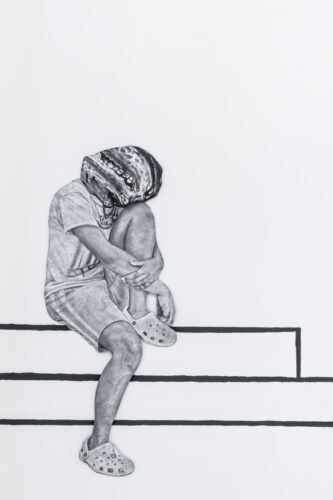
Chris Friday’s “The Stoop” explores solitude and interiority through delicate graphite rendering in “What’s My Line? Drawing as Experience,” curated by Dimitry Saïd Chamy and Charo Oquet at the Miami Beach Regional Library. (Photo by Mateo SeZa @mateo.seza, courtesy of Edge Zones)
Several artists address movement across borders, both literal and psychological. Ana Mosquera’s intricate compositions incorporate patterns derived from passports, visas, and bureaucratic security documents. The resulting abstractions speak quietly but powerfully about migration, legitimacy, and the systems that regulate belonging. Her interactive digital work allows viewers to manipulate approval stamps and immigration imagery before receiving either acceptance or rejection on screen. The experience feels playful at first, until the emotional weight of institutional authority reveals itself.
The exhibition also highlights artists whose work remains more traditionally rooted in draftsmanship while still expanding drawing’s possibilities. Chris Friday’s monumental mural “The Stoop” depicts a figure turned away from the viewer, wrapped in privacy despite occupying public space. Executed with remarkable sensitivity to line and gesture, the work reflects Friday’s ongoing exploration of Black cultural identity and social visibility.
Meanwhile, Viera’s sprawling carbon-drawing stretches nearly the length of the gallery. Created on delicate Japanese paper using discarded carbon material, the work evokes both environmental fragility and the accumulated traces of urban life. The piece anchors the room physically while reinforcing the exhibition’s larger meditation on process and residue.
Digital and technology-based works appear throughout the exhibition, yet they remain deeply connected to human experience, perception, and interaction. Felice Grodin contributes an augmented reality work that allows viewers to summon virtual sculptural forms on their phones. At the same time, Richard Garet’s hypnotic digital installation transforms light itself into a continuously evolving line-based environment. Even with these technologically driven works, a tactile and human quality is retained, emphasizing perception and participation over spectacle.
Elsewhere, artists such as Carola Bravo, Pablo Matute, Owen Roberts, Judith Robertson, Sterling Rook, Laurencia Strauss, Alba Triana, and Tom Virgin contribute works that collectively expand drawing beyond any singular medium or definition. Some focus on gesture and abstraction, others on systems, architecture, or language, yet together they reinforce the exhibition’s central premise: that drawing is less about representation than about the act of tracing experience itself.
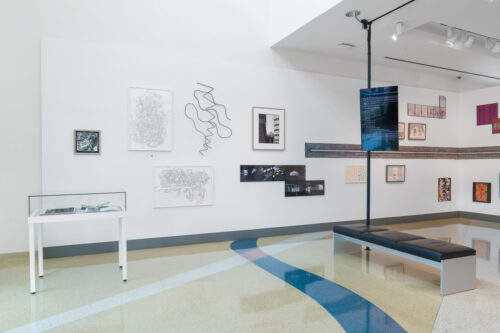
Installation view of “What’s My Line? Drawing as Experience” at the Miami Beach Regional Library, featuring works that expand drawing into sound, digital media, abstraction, and conceptual mapping. (Photo by Mateo SeZa @mateo.seza, courtesy of Edge Zones)
One of the exhibition’s greatest strengths lies in its refusal to separate analog and digital practices into opposing categories. Instead, “What’s My Line?” proposes that all drawing — whether created through pencil, code, sound, projection or movement — originates from the same impulse: the desire to leave evidence of experience behind.
The exhibition also quietly champions Miami’s creative ecosystem. Many participating artists maintain deep ties to South Florida through institutions such as Florida International University, experimental artist-run spaces, and interdisciplinary collaborations that continue shaping the region’s cultural landscape. Chamy and Oquet foreground this interconnected community without turning the exhibition into a purely regional survey. The result feels expansive rather than insular.
In a cultural moment dominated by speed, distraction, and over-explanation, “What’s My Line? Drawing as Experience” offers something more contemplative. It asks viewers to pay attention to marks that might otherwise go unnoticed — a cursor’s movement, a hand-drawn score, a repeated gesture, a traced memory.
At its core, the exhibition maintains that drawing is not merely an artistic discipline but a way of thinking through the world. These artists follow lines not toward certainty, but toward discovery. And in doing so, they invite viewers to do the same.
WHAT: “What’s My Line? Drawing as Experience”
WHERE: Miami Beach Regional Library, 227 22nd St., Miami Beach
WHEN: 9:30 a.m. to 8 p.m., Monday through Saturday. Closed Sunday, Through Thursday, July 16.
COST: Free
INFORMATION: (305) 535-4219 and mdpls.org/branch-miami-beach-regional
ArtburstMiami.com is a nonprofit media source for the arts featuring fresh and original stories by writers dedicated to theater, dance, visual arts, film, music, and more. Don’t miss a story at www.artburstmiami.com.
No posts found
Wade Tullier’s Deceptive Simplicity at Primary
Written By Erin Parish
May 8, 2026 at 11:32 PM
Installation view of Wade Tullier: “Sky, Sea, Fruit, Hand, Seed.” at Primary (Photo courtesy Erin Parish)
At Primary in Miami’s Little River, the cool gray of the gallery sits in contrast with the midday sun and settles the exhibition into a steady tone that complements the works throughout. As a place without visual busyness, it is currently quietly punctuated by sculptures from the humblest of materials: ceramic. These are 2026 works by Wade Tullier. They establish a presence that feels measured and contained, with a subdued sense of joy.
The exhibition contains a fat totem, two petite wall pieces and a population of tabletop-sized sculptures. The latter sit atop cinderblock pedestals of varying height. This extends and aligns the architecture seamlessly into the installation, a purposeful counterpoint.
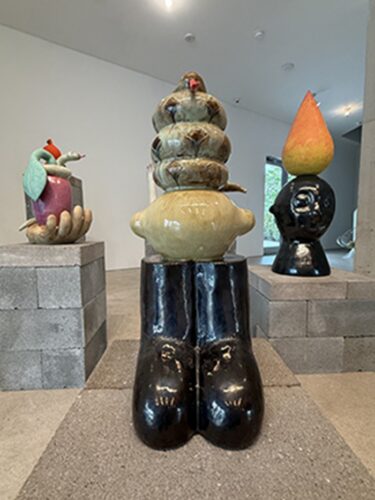
From left, Wade Tullier, “Hand with Fruit and Snake,” 2026
ceramic and glaze, 19 x 14 1/2 x 10 in. ; “Snake with Lemon and Boots.” 2026, ceramic and glaze
21 1/2 x 10 x 7 in ; “Boy with Flame,” 2026, ceramic and glaze, 42 x 14 x 15 in (Photo courtesy of Erin Parish)
Tullier titled his show un-evocatively: “Sky, Sea, Fruit, Hand, Seed.” This contrasts with the popular trend toward philosophically or sociologically complex exhibition titles. This probably stems from Damien Hirst’s infamous “The Physical Impossibility of Death in the Mind of Someone Living,” a.k.a. that shark sculpture. There can be an attempt to assign content through the title when it is absent in the works themselves.
However, Tullier describes: “I make sculptures that depict animals, figures, phenomena, and everyday objects. They are always recognizable but become elusive as I continue to reinterpret each piece. In this way, my sculptures act as characters in oral history: they transform as they are retold. While these objects remain familiar and are easily identifiable, the combinations of works remain ambiguous. They echo the layered, nonlinear structure of memory as it is excavated through storytelling.”
An eight-foot-tall totem of stacked fruit anchors the room: from the floor up, a blue hand holds a lemon, an orange and an oversized blueberry topped with an intense red apple. The leaves and fruit stems protrude to set up a rhythmic counterpoint. The scale brings a sense of familiarity into a different register. The configuration could be seen as a recollection of an odd American roadside attraction seen on a cross-country road trip. Without self-conscious “artistry,” its form echoes self-taught art, often appreciated for its revelations and connection to the spirit world.
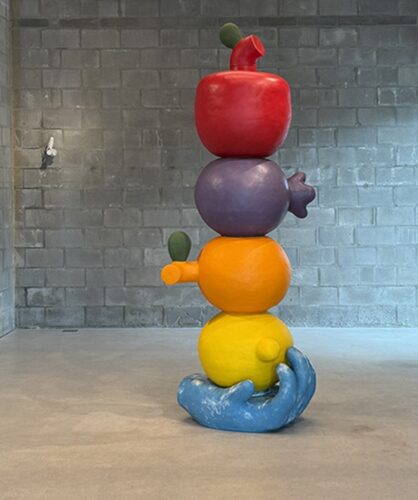
“Hand with Lemon, Orange, Blueberry, and Apple,” 2026
ceramic and glaze, 96 x 37 x 27 in. (Photo courtesy of Erin Parish)
Positioned to the left behind the fruit, a single white owl rests on a branch segment. The placement carries a precise sense of balance across the width of the room. It punctuates the spread of cinderblocks while maintaining its own space. Here, less is more and we are nudged not to be too serious. However, within this context, more is revealed and it won’t be all fun and games.
Tullier states, “The imagery in my ceramics traces back to the stories I heard as a child growing up in southern Louisiana. The objects I create pull from this history of natural disasters and human-made catastrophes, chance encounters with wildlife, and occasionally my unsettling experience as a forensic sculptor and researcher. My work responds to the natural world in an effort of balancing pleasure with pain and danger with awe.”
A forensic sculptor is a specialist who reconstructs human faces onto unidentified skulls using clay and anthropological data to assist law enforcement in identifying human remains. A combination of science and art, the work adds another layer to the skill on display.
Snakes, hands, birds and vessels repeat in different configurations. The color blocks are simple and imply a child’s creation, yet they are referentially sophisticated. Hands appear in multiple works: holding a palm tree, cupping a small vessel, supporting a red pot with an emerging snake and sad plants — a Garden of Eden reference. Elsewhere, a cross sits atop a Día de los Muertos-like skull on a tree stump.
The snake reappears in “Snake with Lemon and Boots.” This time it is coiled atop black boots and a lemon. As one stands in front of this sculpture and looks down, there is a moment of amusement when one’s shoes echo the boots in the sculpture. You are looking at it. It is looking at you. Each piece contains a soul and the inherent contradictions within.
The stylization of the imagery is like that of milagros charms of Mexico. These are small devotional metal charms used across Latin America to symbolize prayers, gratitude or hopes. Traditionally, they are pinned to saints’ statues or altars as offerings for answered prayers or to ask for healing. These elements circulate and return with slight variation.
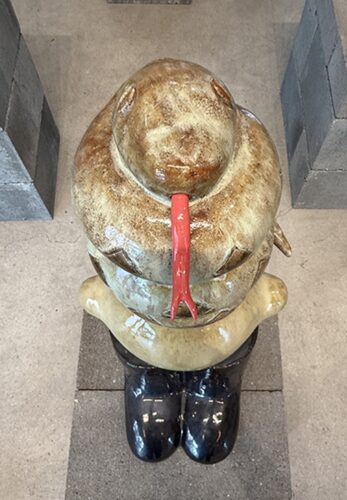
“Snake with Lemon and Boots.” 2026,
ceramic and glaze 21 1/2 x 10 x 7 in. (Photo courtesy of Erin Parish)
The glazing seems casual at first. However, it alternates not only in color but also in a specificity of finishes that reiterates each object’s presence in space and in relation to illumination. Surfaces alternate between matte and glossy, catching light. Above the grouping, the gallery lights are arranged like those for a Broadway stage. Color remains restrained, held in blocks with minimal internal variation. The tones stay slightly dulled, allowing each form to maintain its clarity without competing for attention.
Tullier received a BFA from Louisiana State University and an MFA from Cranbrook Academy of Art. His work has been shown nationally and internationally, with recent exhibitions in Miami, Chicago and Detroit.
Across the exhibition, the work builds through a consistency of weight and presence. Forms repeat, relationships remain active. Narrative stays embedded within the material, carried through scale and the placement of symbols. These works use plain speak, and the objects feel as though they could be found on a home altar containing fancy dress dolls, Saint Michael and a series of water-filled glasses.
WHAT: “Wade Tullier: Sky, Sea, Fruit, Hand, Seed”
WHERE: Primary, 7410 NW Miami Court, Miami
WHEN: 11 a.m. Thursday and Friday, noon to 4 p.m. Saturday. Through Saturday, May 30
COST: Free
INFORMATION: (954) 296-1675 and thisisprimary.com
ArtburstMiami.com is a nonprofit media source for the arts featuring fresh and original stories by writers dedicated to theater, dance, visual arts, film, music, and more. Don’t miss a story at www.artburstmiami.com.
No posts found
Between Image and Memory: Alejandro Piñeiro Bello’s ‘ECOS’
Written By Carmen F de Terenzio
May 8, 2026 at 7:34 PM
Installation view of “ECOS” by Alejandro Piñeiro Bello at KDR, Miami. (Photo by Rodrigo Gaya, courtesy of KDR, Miami)
In Alejandro Piñeiro Bello’s Little Haiti studio, the horizon is the only straight line.
It cuts across several of the canvases leaning against the walls—sometimes steady, sometimes dissolving into color—but always there, a point of orientation in paintings that otherwise refuse to settle. Around the room, forms emerge and dissolve: spirals, birds, clouds, fleeting figures. The space feels in motion, as if each painting were still in the process of becoming.
He is tall, with a focused, attentive energy; his movements are deliberate. In the studio, that attention informs how he sees. He speaks of clouds not as images to reproduce, but as edges to follow: a contour shifts, stretches, becomes a line. In his work, what begins as observation loosens into gesture, into something less fixed. A cloud becomes a curve; a curve turns into rhythm, and the paintings move between abstraction and figuration without fully belonging to either.
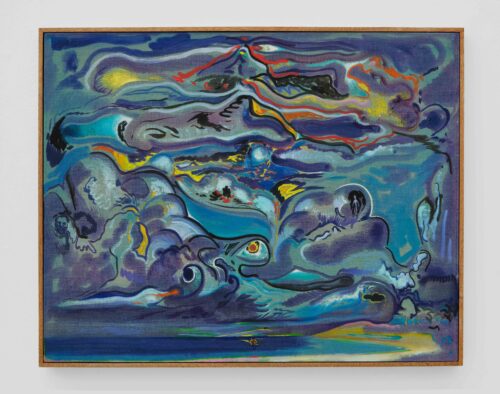
Alejandro Piñeiro Bello, “La Tormenta,:” 2026, Oil on linen, 23 x 29 in.
(Photo by Rodrigo Gaya, courtesy of KDR, Miami)
“ECOS,” Piñeiro Bello’s current exhibition at KDR in Miami, on view through Saturday, May 23, presents a body of work from the past year that expands this approach. Rather than building a single narrative, the show develops as a system of echoes: ideas, images, and sensations that return across the canvases, altered. This openness extends to the material. Drawing from watercolor, Piñeiro Bello applies oil in thin, wash-like layers, so the surface holds color without weight: fluid and open. Forms gather and dissolve: an eye might emerge from a field of blue only to fold back into it.
In “La Tormenta (The Storm),” the surface thickens into a dense field of blues and violets, where forms surface and submerge at once. An eye appears near the center, suspended within a shifting mass that could be water or sky. Around it, fragments of bodies—limbs, profiles—emerge only to dissolve again. Nothing holds for long; the painting resists a fixed image, gathering sensations that move between recognition and dissolution.
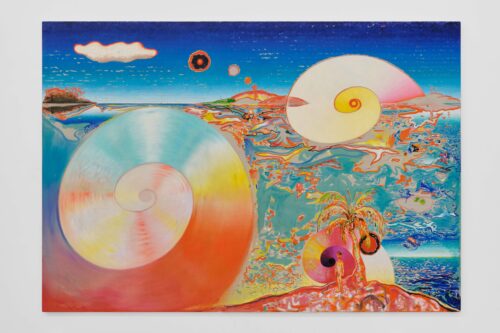
Alejandro Piñeiro Bello, “Tres Lindas Cubanas,” 2026, Oil on linen, 82 x 118 in.
(Photo by Rodrigo Gaya, courtesy of KDR, Miami)
For Katia Rosenthal, director of KDR, the exhibition unfolds less as a sequence than as a shift in feeling. “There’s a progression through the space from canvas to canvas,” she says, “not linear, but more emotional. As you move through the exhibition, something opens up; by the time you reach the larger paintings, you feel like you’ve traveled somewhere.” That movement is built through repetition. “A color or symbol in one painting reappears in another across the room, shifted in temperature or saturation,” she notes. “That repetition with variation is the architecture of the show—you’re moving through something that rhymes with itself.”
Language sits at the origin of this process. Piñeiro Bello keeps notebooks filled with phrases drawn from literature, music, and conversation that he later returns to. Books remain close to the canvases—spines worn, marked, returned to—so that reading and painting stay intertwined. He speaks of returning to writers such as Fernando Ortiz and Alejo Carpentier, not as references but as points of departure. These phrases are not captions added after the fact, but starting points. “They are like sketches,” he says. “I collect them, and then I organize a set of ideas.” Music is never far from that process.
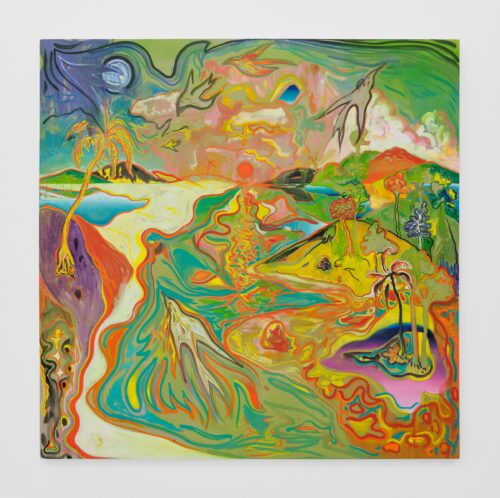
Alejandro Piñeiro Bello, “Adios A Cuba,” 2026, Oil on linen, 90 x 90 in.
(Photo by Rodrigo Gaya, courtesy of KDR, Miami)
Nearby, a turntable sits beside a keyboard on a table, surrounded by small photographs, postcards, and scattered objects. Music moves through the studio.
In “Adiós a Cuba” (Farewell to Cuba), a horizon stretches across the canvas beneath a luminous sky, while color moves restlessly below it, folding and drifting out of form. Birds cross the surface—elongated, almost weightless—their bodies suspended between flight and transformation.
The title refers to a piano composition by Ignacio Cervantes (1847-1905), written in 1875 during his exile from Cuba, a detail Piñeiro Bello kept returning to as he worked.
The painting does not mourn the island; it holds the difficulty of leaving it—how something can remain vivid, even radiant, while no longer remaining inhabitable. The birds read as figures in passage, carrying both departure and what cannot be fully left behind. Their elongated forms recall the hybrid figures of Wifredo Lam, whom Piñeiro Bello invoked in the studio not as citation, but as a presence that continues to emerge.
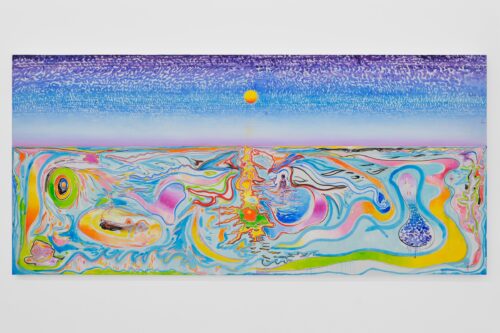
Alejandro Piñeiro Bello, “El Abrazo Del Mar,” 2025, Oil on linen, 65 x 140 in.
(Photo by Rodrigo Gaya, courtesy of KDR, Miami)
If “Adiós a Cuba” moves through departure, “El abrazo del mar” (“The Embrace of the Sea”) holds the opposite tension. A vast horizon divides sea and sky with unusual clarity. Yet beneath it, color refuses to settle. Lines ripple, expand, and collapse into one another, as if the painting were holding together multiple states at once: stillness and movement, surface and depth.
The horizon here is not only spatial, but temporal. It marks a threshold between what lies behind and what lies ahead. For those who have left the island, it is both limit and possibility, a line that separates while also suggesting passage. In the artist’s work, that ambiguity remains unresolved.
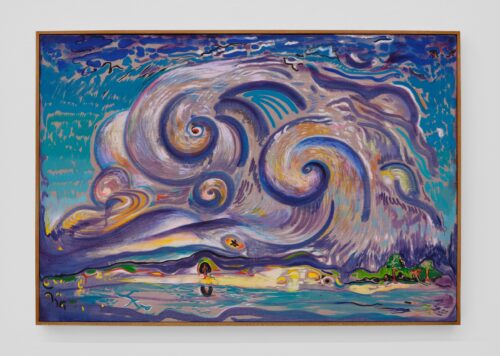
Alejandro Piñeiro Bello, “Espirales De Nubes,” 2026, Oil on linen, 24 x 35 in. (Photo by Rodrigo Gaya, courtesy of KDR, Miami)
If these images feel expansive, even dreamlike, they are not nostalgic. Piñeiro Bello is clear about that. His relationship to Cuba is shaped by distance—eight years now—and by the impossibility of return. “The farther I go from Cuba,” he says, “the more Cuban I become.” Memory, in his work, is not a return to what was, but something constructed in the present: layered, reworked, carried forward.
The horizon remains, but nothing else settles. Across “ECOS,” forms resist becoming fixed—color continues to shift, images return only to dissolve again. The paintings do not fix memory into image; they keep it in motion, shifting, returning, continually reworked.
WHAT: “Ecos”
WHERE: KDR, 790 NW 22nd Street, Miami
WHEN: 11 a.m. to 5 p.m. Tuesday through Saturday. Through Saturday, May 23
INFORMATION: (305) 392.0416 and KDR
ArtburstMiami.com is a nonprofit media source for the arts featuring fresh and original stories by writers dedicated to theater, dance, visual arts, film, music and more. Don’t miss a story at www.artburstmiami.com.
No posts found
Dramatic Carnival Parade Photos On View in Little Haiti
Written By Douglas Markowitz
May 8, 2026 at 3:37 PM
Christopher Mitchell’s J’Ouvert photos were shelved for years and now see the light of day in “Daybreak” on view at P71 Gallery in Little Haiti. (Photo courtesy of the artist)
In 2004, Haitian-American photographer Christopher Mitchell went to work on Labor Day. Living in Brooklyn at the time, he decided to take photos during the New York borough’s famous West Indian Day Parade held every first Monday of September. But he didn’t shoot the main parade – instead, he got up before the crack of dawn and joined a procession for J’ouvert, a Carnival celebration celebrated in several Caribbean countries including Haiti.
“I would always document Carnival in Haiti, and when I was in New York, I would also document American parades and types of festivals (including Carnival),” says the artist, now based in Miami at Bakehouse Studios. “But you have to get up very early to catch the J’ouvert element.”
J’ouvert originates from colonial-era protests by enslaved Africans: Barred from celebrating Carnival, they would vandalize the costumes of white colonial citizens with tar or oil in the early hours of the morning. Mitchell took a similarly radical approach to his own project. He shot from within the crowd rather than inside it, entirely on film and mostly in predawn darkness, experimenting with film stocks that would allow him to work in very low light. A malfunctioning flash meant that the only source of light came from overhead streetlamps.
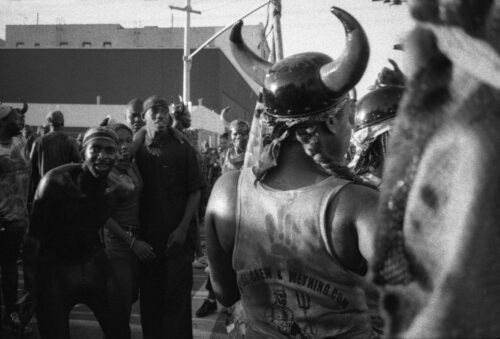
Christopher Mitchell Mitchell shot the photos within the crowd, capturing the dynamic celebration of J’Ouvert. (Photo courtesy of the artist)
“These images are very much like a time capsule of how things were,” he says. “It was a beautiful challenge for me, to be able to shoot during that time when it was mostly film that was available. And I got to try it out in a way that maybe, if I was hired, I doubt a client would want me to do that. But that’s the beauty of being free – I wasn’t hired for this. This is a passion project, so I got to shoot it the way I wanted to see it done.”
The photos mostly went shelved for years, existing only as a single, self-printed volume in Mitchell’s studio. It took a visit from Yessica Gispert, an artist, curator and Visiting Assistant Professor of Photography at Florida International University, for them to see the light of day. A show of the photos, titled “Daybreak” is now on view at P71 Gallery in Little Haiti.
“This whole project that he put together is in real time. It’s him walking through the crowd, and when it starts, it’s at night, and when it ends, it’s daytime.” Gispert, the show’s curator, says. “And I was really drawn to that perspective of him being within the crowd versus on the outside, him being a Haitian photographer, being among his community, him being shoulder to shoulder with everyone and enjoying and observing, not in this kind of outsider view, but very much an insider view. It made me think of Gordon Parks, it made me think of also a lot of SNCC photographers who documented the Civil Rights Movement.”
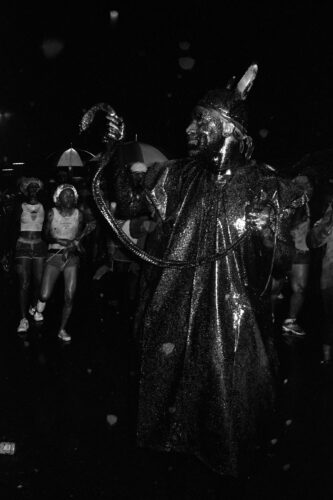
Curator Yessica Gispert compares Christopher Mitchell’s work to social photographers such as Gordon Parks. (Photo courtesy of Christopher Mitchell)
Certainly, the images themselves are striking and dramatic, defined by strong shadows and a dynamic sensibility, with bodies constantly in motion. Light shines off black-painted limbs covered in slick, glossy liquid, a reminder of the celebration’s origins. The graininess of the photos also confers an appropriately gritty quality.
But there’s more to the photos than their aesthetics. Time has given Mitchell’s work an additional resonance: This is, after all, a time before smartphones and omnipresent cameras, and it shows in the faces and movements of the paradegoers.
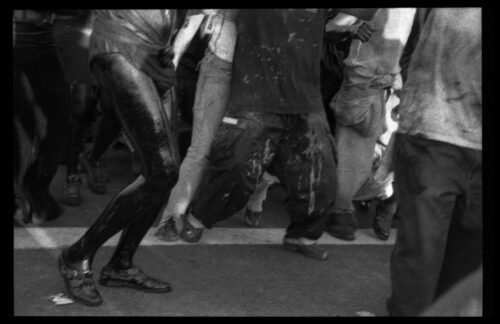
The photographer experimented with film stocks to allow him to shoot in the pre-dawn darkness. (Photo courtesy of the artist)
“People don’t think the way they used to, they don’t carry themselves the way they used to,” Mitchell says. “Like as we’re editing, we’re going through 100-plus images and just watching people in the crowd, just being totally lost in the moment, really immersed. Watching people’s eyes being almost in a trance, like being somewhere else.”
Mitchell points to something that’s commonly expressed in 2026, that people are so hyperaware of smartphones and potentially being posted on social media that they refuse to express themselves in public. His photos show what the world could be like without this state of mass surveillance: More fun, less inhibited, not afraid.
As the artist says: “This is before people even cared about social media.”
WHAT: “Christopher Mitchell: Daybreak”
WHERE: P71 Gallery, 230 NW 71 St., Miami
WHEN: Opening reception, 6 to 9 p.m., Saturday, May 9. Through Thursday, May 28
COST: Free
INFORMATION: instagram.com/p71.art
ArtburstMiami.com is a nonprofit media source for the arts featuring fresh and original stories by writers dedicated to theater, dance, visual arts, film, music and more. Don’t miss a story at www.artburstmiami.com
No posts found
Dahlia Dreszer Turns Memory Into Bloom at Miami Beach Botanical
Written By Olga Garcia-Mayoral
May 7, 2026 at 11:43 PM
“All That Remains” by Dahlia Dreszer is on exhibition at the Miami Beach Botanical Garden through Tuesday, May 26. Dreszer is also hosting workshop events throughout the month. (Photo courtesy of the artist)
Dahlia Dreszer’s “All That Remains,” on view at the Miami Beach Botanical Garden, is less a conventional exhibition than an immersive environment shaped by suspended photographic panels, preserved flowers rescued from past celebrations, and an AI-generated digital counterpart of the artist herself. The Miami-based, Panama-born artist transforms the garden’s gallery into a meditative space where large-scale photographic still lifes, dried botanicals, and technology coexist in thoughtful dialogue about memory, loss, and preservation.
Dreszer’s practice has long explored identity, heritage, and the construction of home across diasporic experience. Rooted in her Latin American and Jewish background, her work often uses carefully staged imagery to merge the intimate and the symbolic.
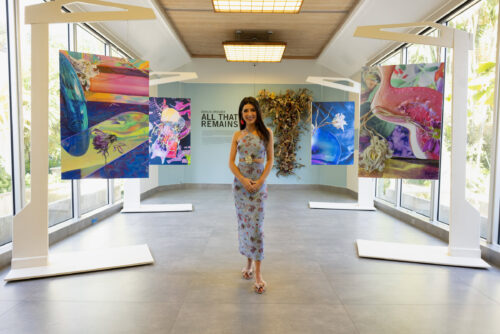
Artist Dahlia Dreszer stands within her exhibition “All That Remains” at the Miami Beach Botanical Garden, where suspended photographic works and preserved organic materials create an immersive meditation on memory and transformation. (Photo courtesy of the artist)
In “All That Remains,” however, those concerns become more personal and more vulnerable. The project was sparked by the death of her grandmother, Lily R. Rose, who named the artist after the dahlia flower and shared with her a lifelong love of gardens and preservation.
That family connection anchors every aspect of the show. Dreszer explained that after her grandmother passed away, she began what she calls “rescue missions,” collecting discarded floral arrangements after weddings and events. Flowers destined for the trash became the raw material for remembrance. Hung upside down in bathtubs, closets, and corners of her home, they were dried, cataloged, and stored for years until they reemerged here as sculpture and image. What others considered waste became an archive.
This act of salvaging gives the exhibition its emotional core. Dreszer is not simply preserving petals; she is preserving gestures, rituals, and relationships. She has described the flowers as symbols of family, aging, beauty, and impermanence. Those themes are evident throughout the installation, where the dried blooms carry a haunting elegance. They no longer possess the lush freshness associated with celebration, yet they have gained something deeper: history.
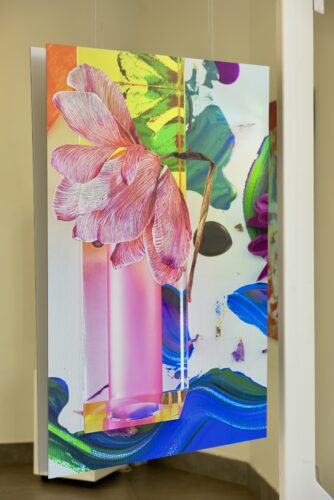
Detail view of Dahlia Dreszer’s photographic work “All That Remains VIII,” where a preserved flower intersects with layered color and light, reflecting themes of impermanence and constructed memory. (Photo courtesy of the artist)
The photographs themselves are sumptuous and meticulously composed. Dreszer stages each image as a hybrid of still life, portrait, and psychological landscape. Wilted florals mingle with reflective heirlooms, painted surfaces, and found objects, many passed down through generations or carried through previous bodies of work. Vases and mirrored surfaces subtly reveal traces of the artist herself — a silhouette here, the glint of a camera there. She is both maker and participant, visible yet elusive.
That tension between presence and disappearance is one of the exhibition’s strongest qualities. Dreszer’s images feel theatrical, but never artificial in a hollow sense. She embraces staging as a way to tell truths that documentary realism cannot. Her camera, she suggests, is as interpretive as a paintbrush. The resulting works occupy an in-between space where reality is heightened, memory is choreographed, and symbolism blooms from everyday materials.
Color plays a central role. Saturated reds, golds, and vivid tropical hues pulse through the compositions, recalling both Latin American visual culture and the emotional charge of family memory. Red, in particular, appears as a recurring note of vitality. Dreszer has connected it to her grandmother’s belief in optimism and resilience. Here it becomes a thread linking grief to celebration.
The Botanical Garden provides an inspired setting. Outside the gallery walls, living plants continue their own cycles of budding, flowering, and decay. Inside, Dreszer presents flowers arrested in time. The contrast sharpens the exhibition’s central question: what does it mean to preserve something that was meant to fade? The scent of dried florals reportedly meets visitors as they enter, blurring boundaries between artwork and environment. Even the custom hanging structures were designed to respond to the gallery’s limited wall space and floor-to-ceiling windows, allowing natural light to participate in the installation.
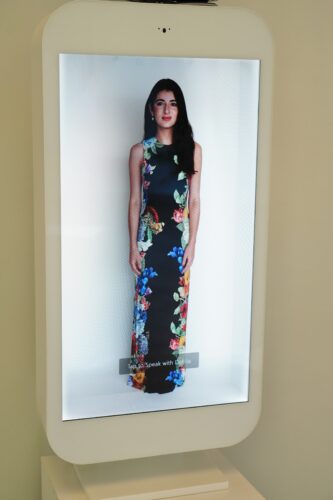
An interactive digital component, “Clone Dahlia,” in Dahlia Dreszer’s “All That Remains” invites viewers to engage directly with the artist’s image. (Photo courtesy of the artist)
Yet “All That Remains” is not nostalgic. One of its most surprising dimensions is technological. A centerpiece of the exhibition is “Clone Dahlia,” an AI-generated digital version of the artist that interacts with visitors in real time. Rather than treating artificial intelligence as a gimmick or a threat, Dreszer frames it as a collaborator and a vessel. The clone responds to questions about the work, asks visitors about their own memories, and stores those exchanges as an evolving oral archive.
This component could have felt trendy or distracting. Instead, it extends the show’s larger themes with intelligence. If flowers can preserve memory materially, perhaps technology can preserve it conversationally. If family stories risk disappearing with each generation, perhaps new tools can help carry them forward. Dreszer does not offer easy answers, but she asks timely questions about authorship, legacy, and simulated presence.
Importantly, the AI element never overshadows the tactile richness of the physical work. The true power of the exhibition lies in its material intelligence: brittle petals, fragile stems, faded blossoms, and reflective surfaces, arranged with painterly care. Dreszer understands that grief is experienced through objects as much as ideas. We keep the scarf, the vase, the bouquet, and the letter. We assign emotion to matter because matter outlasts the moment.
There is also generosity in the project. Dreszer has spoken of wanting visitors to discover their own meanings rather than be told what to think. That openness gives the exhibition broad resonance. One need not share her biography to feel the poignancy of trying to hold onto something already passing.
Miami’s art scene often prizes spectacle, speed, and novelty. “All That Remains” offers something rarer: slowness, reflection, and tenderness. It asks viewers to look carefully at what has withered and to recognize beauty there. It reminds us that endings can be fertile ground for transformation.
In a city built on reinvention, Dreszer has created a quietly moving show about what survives it. “All That Remains” is less concerned with loss than with continuity — the ways love lingers in color, in gesture, in flowers rescued from the edge of disappearance.
WHAT: Dahlia Dreszer: All That Remains
WHERE: Miami Beach Botanical Garden, 2000 Convention Center, Miami Beach
WHEN: 9 a.m. to 5 p.m., Tuesdays through Sundays. Through Tuesday, May 26. Mother’s Day Floral workshop, 2 to 4 p.m., Sunday, May 10; 6:30 p.m., Wednesday, May 20, artist talk Dahliah Dreszer in conversation with José Carlos Díaz (chief curator, Pérez Art Museum Miami); 11:30 a.m., Thursday, May 21, Flower Crown workshop
COST: Free but RSVP requested.
INFORMATION: (305) 673-7256 and mbgarden.org
ArtburstMiami.com is a nonprofit media source for the arts featuring fresh and original stories by writers dedicated to theater, dance, visual arts, film, music, and more. Don’t miss a story at www.artburstmiami.com.
No posts found
HistoryMiami becomes Museum of Miami in shift toward county-wide outreach
Written By Michelle F. Solomon
May 7, 2026 at 6:00 AM
The new Museum of Miami, formerly the HistoryMiami Museum. (Photo courtesy of Museum of Miami
The institution known for almost two decades as HistoryMiami Museum is changing its name to the Museum of Miami to reflect a countywide “museum without walls” mission.
The name change is only a small part of a deeper transformation for one of the oldest cultural institutions continuously operating in South Florida, and housed inside the Miami-Dade Cultural Center area downtown on West Flagler Street.
“It’s more than a name change. That’s just the visible part,” says Natalia Crujeiras, chief executive officer of Museum of Miami. “It’s really about a deeper shift about how we think a museum can really, truly serve a city like ours.”
The shift follows three years of research and listening sessions in neighborhoods across Miami-Dade — from Homestead to Overtown and Liberty City to Miami Beach, according to Crujeiras. The recurring message was that HistoryMiami Museum “made a lot of people feel like they didn’t belong here, or our content was not for them.”
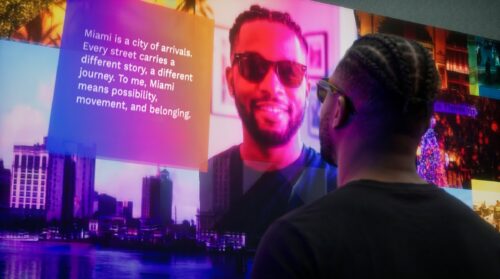
A “Wish Wall” will invite Miamians to imagine the future of their city and their country. (Rendering courtesy of Museum of Miami)
For some, the word “history” was the stop gap.
“The word history felt sometimes distant or like a school assignment,” she explains. “Or for many people that come from other places, there was a deeper connection for the places of their home countries or the places they relocated from.”
While she maintains that the museum will still serve as a repository of the area’s history, it will broaden its accessibility.
“In many ways it’s kind of we’re expanding our scope, rather than limiting it to one tool or one discipline,” she says. “History is a core component of what the museum does, but we also care about culture and art and community; all of the things that make Miami, Miami.”
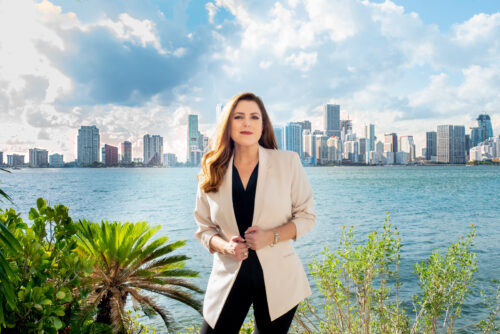
Natalia Crujeiras, Museum of Miami’s CEO and Executive Director. (Photo Museum of Miami)
The rebrand, says Crujeiras, is rooted in a bigger question: What does it mean to be a Miamian, and how do people feel they belong here?
“Miami is one of the fastest growing and most dynamic cities in the world, and that diversity makes us exciting and dynamic, but it also comes with a cost. Neighborhoods change quickly. Community shifts. New residents arrive, and many are not connected to Miami. For many it’s hard to answer a question like, ‘What is a Miamian? How do I fit in this place?’”
One of the most concrete shifts is how the Museum of Miami will show up for residents. She says that there shouldn’t be an expectation that people will make their way downtown to visit the museum.
“We realized that we can’t continue to wait for people to come to us only,” Crujeiras says. “What we heard is that Miamians want us to come to them as well.”
The museum will keep its West Flagler Street home as “a hub, a place where you can access our collections and see our extraordinary artifacts” — but the new strategy is to get out into the community.
“We want to have programs, experiences, exhibitions across the entire county.”
The “museum without walls” model was well underway before the name change was announced.
“We just had a program in Miami Dade College’s Homestead campus, connected to our current exhibition, but we brought the program to that community, and it’s really leaning into that, in making sure that every place in Miami can be a vehicle to take our stories. We want to be wherever people live, learn and gather.”
Even as it moves forward, the Museum of Miami maintains its deep roots.
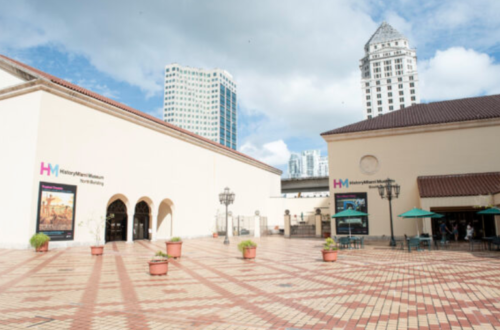
The courtyard of the HistoryMiamiMuseum, now the Museum of Miami. (Courtesy of Museum of Miami)
Originally formed as the Historical Association of Southern Florida and founded in 1940, it moved through several homes and evolutions before becoming HistoryMiami Museum and, now, Museum of Miami. The original name was the Historical Association of Southern Florida.
“We began with collecting little things in a storage cabinet at the University of Miami,” says Crujeiras. Over time, it became a collecting institution and in the 1980s, Miami-Dade County built the Cultural Plaza to house the main library and what was then the Center for Fine Arts and the then Historical Association of Southern Florida.
Its name was changed to the Historical Museum of Southern Florida in 1962 and then HistoryMiamiMuseum in 2010.
The museum holds what Crujeiras calls “the largest leading archive about Miami.”
“We have the first photos, the glass negatives, the first images that were taken of Miami in the late 1800s; letters of exchange between Henry Flagler and Julia Tuttle to convince him to build the railroad. We have over two million photographs and more than 40,000 artifacts.”
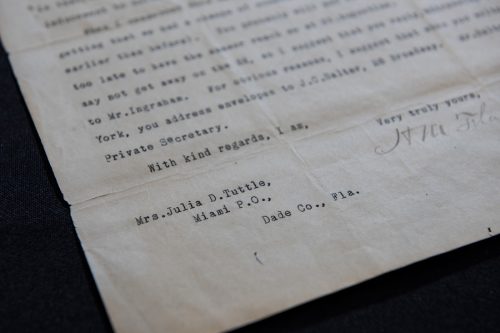
A letter from the late 1890s from Henry Flagler to Julia Tuttle, as part of their correspondence for Flagler to extend his railway to Miami is in Museum of Miami (formerly the HistoryMiami Museum’s) archives. (Photo courtesy of Museum of Miami)
There are also emotional tales reflected in installations. “We have rafts used by Cuban refugees and Haitian refugees. That shows really the trauma and the risk and the hope and opportunity for so many of our community members that had to have been forced to relocate seeking freedom.”
And one of the most popular attractions is the electric trolley from the 1920s.
“It was the main vehicle for public transportation in the 1920s, which happened to be segregated. We can have a conversation about that part of our history in an artifact where you can actually get in and sit down. It is very personal and very emotional to try to put yourself in the experience of people that came before us.”
As part of its new chapter, the Museum of Miami will host a rare traveling exhibition from the National Archives.
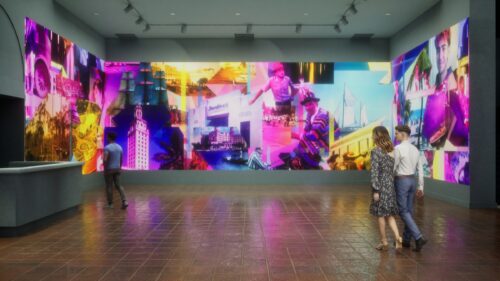
As the museum reaches beyond its walls, it’s also rethinking how people experience its stories. (Photo rendering of Wish for America wall courtesy of Museum of Miami)
The Smithsonian affiliate is one of only eight sites in the country that the National Archives has chosen to show “the original documents that forged our nation,” Crujeiras says. “For the Fourth of July, starting on Saturday, June 20 and through Sunday, July 5, we will have the Oath of Allegiance signed by Washington and Hamilton and Burr. We’re going to have the Treaty of Paris. We’re going to have the first annotated version of the Bill of Rights. These are the original documents of our country.”
The exhibit will be paired with an interactive mural inviting Miamians to imagine the future of their city and country.
“We’re inviting Miamians to dream up what is the country and the city they want to build for the future and asking based on what Miami is today, ‘What is it you want to see in the future?”
As the museum reaches beyond its walls, it’s also rethinking how people experience its stories.
“We need to understand that, especially young audiences, consume content in a different way, and they want to have interactivity and digital stuff, and they want to lead what they experience. We’re making efforts to digitize more things from our collection, to make it accessible.
She says she hopes the rebrand will awaken old memories and power forward a new momentum.
“I think this institution holds important memories of our community, and we want to turn that memory into motion and to think, ‘Okay, what is it that Miami wants to become, and how we can use this place as a vehicle to build that understanding?’ ”
ArtburstMiami.com is a nonprofit media source for the arts featuring fresh and original stories by writers dedicated to theater, dance, visual arts, film, music and more. Don’t miss a story at www.artburstmiami.com
No posts found
Across Centuries and Cultures: ‘The Light of the World’ Traces Images of Christ in Art
Written By Olga Garcia-Mayoral
May 1, 2026 at 4:38 PM
Olga M. and Carlos A. Saladrigas Gallery at Belen Jesuit Preparatory School presents “The Light of the World,” curated by Carol Damian and Adriana Herrera, on view through Wednesday, May 6. (Photo by Phillip Karp, courtesy of Ignacio Font)
At the Olga M. and Carlos A. Saladrigas Gallery at Belen Jesuit Preparatory School, “The Light of the World” bridges historical reverence with contemporary relevance. Curated by Carol Damian, a longtime Miami art historian and former director of FIU’s Patricia & Phillip Frost Art Museum, and Adriana Herrera, an independent curator and writer focused on Latin American art, the exhibition traces artistic interpretations of Jesus Christ across centuries, cultures and media.
Rather than presenting devotion as fixed, the exhibition reveals it as something shaped by culture, memory, and lived experience. Moving through the gallery, viewers encounter a dialogue between past and present—one that reflects both continuity and transformation.
A 17th-century Cuzco School painting of “St. Joseph with the Christ Child” introduces this dialogue with quiet intimacy. The composition is tender and grounded: Joseph cradles the child, both figures haloed and framed by delicate floral motifs. The work carries the visual language of colonial Latin American religious painting, yet its emotional accessibility feels immediate. It sets the tone for the exhibition’s central premise—that sacred imagery, while rooted in tradition, is always evolving in its expression.
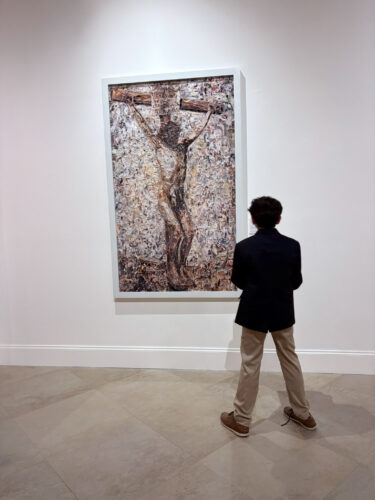
A Belen Jesuit student views Brazilian artist Vik Muniz’s “The Crucifixion, after Thomas Eakins” (2011), collage, in “The Light of the World,” curated by Carol Damian and Adriana Herrera, on view through Wednesday, May 6. (Photo by Suzzane Sardina and Ignacio Font, courtesy of Saladrigas Gallery at Belen Jesuit Preparatory School)
That evolution becomes strikingly apparent in contemporary works that reinterpret canonical imagery through new materials and perspectives. Brazilian artist Vik Muniz’s “The Crucifixion,” after Thomas Eakins (2011), transforms a familiar scene into a densely layered composition constructed from fragments of printed media. From a distance, the crucified figure is clearly legible. Up close, however, it dissolves into a chaotic accumulation of images—faces, textures, and visual debris—suggesting a world overwhelmed by information. In Muniz’s hands, the crucifixion becomes not only a symbol of sacrifice but also a reflection of contemporary visual culture, where meaning is both constructed and obscured.
Material experimentation continues in Stella Bernal de Parra’s “Mi Cristiano” (1973), a suspended textile that evokes the human body through woven wool and elongated strands. The work resists direct representation, instead suggesting presence through form and gravity. Hanging in space, it reads as both garment and relic, its tactile surface emphasizing labor and devotion. The piece invites viewers to consider faith not as an abstract concept, but as something embodied—stitched, woven, and carried over time.
Narrative returns powerfully in Darío Ortiz’s “The Last Supper” (2026), where the biblical scene is relocated to a contemporary environment marked by subtle signs of instability. The figures surrounding Christ wear modern clothing, their gestures subdued and contemplative. Rather than dramatizing the moment, Ortiz renders it as a quiet gathering, emphasizing the story’s human dimension. The work suggests that the sacred does not exist outside of history, but continues to unfold within it.
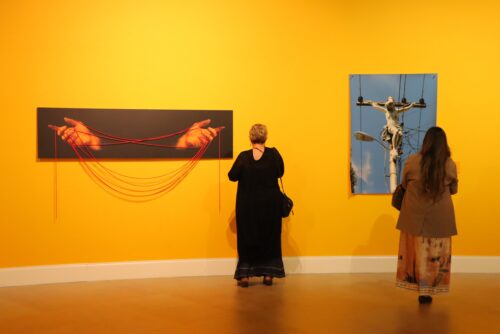
ilvia Dorfsman, local art dealer and appraiser, views Karim Borjas’ “Ecce Homo” (2006), a photographic installation featuring red strings, while Olga Garcia-Mayoral, curator and writer, reflects on Erik Ravelo’s “Señor, Dame Luz” (2009), a C-print in “The Light of the World” at the Olga M. and Carlos A. Saladrigas Gallery at Belen Jesuit Preparatory School. (Photo by Teresa Martinez, courtesy of Ignacio Font)
The exhibition also foregrounds artists who engage sacred imagery through inherited craft traditions. In Jesús Tax’s “Sustained Investigation” (2022), Christ’s face emerges through an intricate network of threads stretched across nails. The technique, rooted in textile, practices passed down through generations, transforms the act of making into a devotional gesture. The tension of the threads creates a dynamic surface, where image and structure are inseparable, reflecting both fragility and resilience.
Elsewhere, Pablo Cano’s “Westinghouse Basilica” (1979) reimagines the icon through found objects. A vintage refrigerator becomes a devotional structure, its doors opening to reveal painted religious imagery. The work carries a subtle humor and a deeper resonance: it collapses the boundary between the sacred and the everyday, suggesting that spirituality can inhabit even the most ordinary spaces.
Drawing plays a quieter yet equally significant role in the exhibition. In works by Fernanda Frangetto, including her “Via Crucis series” and “The Risen Jesus”, the figure of Christ dissolves into fields of color. Rendered in soft charcoal and pastel tones, the images feel ephemeral, as if emerging from light itself. Rather than defining the body, Frangetto allows it to disperse, emphasizing sensation over structure. These works offer a moment of stillness within the exhibition, inviting contemplation through their subtlety.
Throughout the gallery, the curatorial vision becomes increasingly clear: this is not simply an exhibition about representation, but about interpretation. Each artist approaches the figure of Christ from a distinct perspective, shaped by geography, material, and personal experience. Together, the works form a constellation of voices that expand the meaning of sacred art beyond any single tradition.
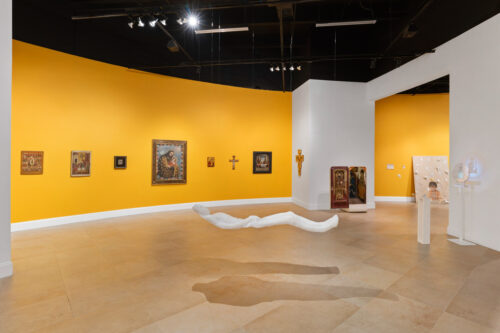
Installation view of “The Light of the World,” curated by Carol Damian and Adriana Herrera, at the Olga M. and Carlos A. Saladrigas Gallery at Belen Jesuit Preparatory School, on view through Wednesday, May 6. (Photo by Phillip Karp, courtesy of Ignacio Font)
What makes “The Light of the World” particularly compelling is its ability to bridge historical reverence with contemporary relevance. The exhibition does not attempt to resolve the tension between past and present; instead, it allows that tension to remain visible. In doing so, it reflects the ongoing role of art in shaping our understanding of spirituality, identity, and community.
In a cultural moment often defined by fragmentation, the exhibition offers something quieter yet enduring: a space for reflection. Through painting, textile, drawing, and assemblage, these artists remind us that the sacred is not static. It is something continually reimagined—held, questioned, and brought into the present through acts of creation.
WHAT: The Light of the World
WHERE: Olga M. and Carlos Saladrigas Art Gallery, Ignatian Center for the Arts, Belen Jesuit Preparatory School, 500 SW 127 Ave., Miami
WHEN: 8 a.m. to 4 p.m., Wednesday and Thursday or by appointment. Through Wednesday, May 6. Closing reception from 7 to 9 p.m., Wednesday, May 6.
COST: Free
INFORMATION: (786) 621-4170 or ifont@belenjesuit.org
ArtburstMiami.com is a nonprofit media source for the arts featuring fresh and original stories by writers dedicated to theater, dance, visual arts, film, music and more. Don’t miss a story at www.artburstmiami.com
No posts found
‘Anchors of Light’ Reframes 30 Years of MOCA North Miami
Written By Douglas Markowitz
May 1, 2026 at 2:08 PM
Luis Gispert, “Untitled (Living Room)” 2003 is part of “Anchors of Light” at the Museum of Contemporary Art, North Miami, and features many artists from the museum’s history. The show is on display through Sunday, Oct. 4. (Photo courtesy of the artist and the Museum of Contemporary Art, North Miami)
As the Museum of Contemporary Art North Miami celebrates its 30th anniversary, a new exhibition is as much about looking back as it is about moving forward.
Focusing on works from the museum’s collection, “Anchors of Light,” which opened on Wednesday, April 15, features many artists from the museum’s history. Nearly 50 artists are represented in a presentation that spans historical artists (Robert Rauschenberg, Claes Oldenberg), past retrospective subjects (Maryan S. Maryan, Edouard Duval-Carrie), and beloved locals (Purvis Young, Pepe Mar).
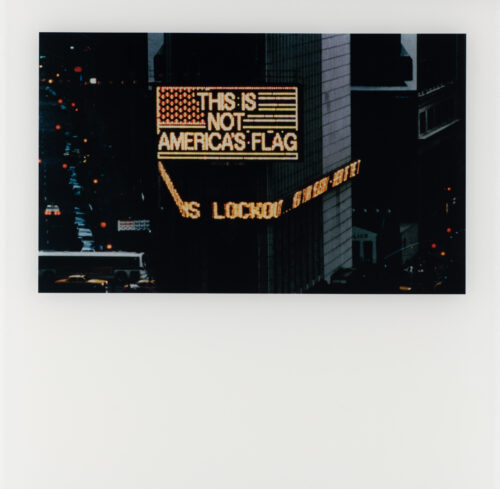
Alfredo Jaar, “A Logo for America,” 1995. (Photo courtesy of the artist and the Museum of Contemporary Art, North Miami)
But it’s also a platform for ambitious new voices. The museum invited Catherine Camargo, a Miami native and founder of the ultracontemporary Queue Gallery, to curate the show. Camargo is known for consciously programming art that runs against the usual perceptions of Miami’s scene, and her predilection towards dark and muted colors and unconventional materials shines through. A perfect example comes in the Will Boone painting that gives the show a bold opening statement. “Widowmaker” features horizontal gray and black stripes underneath a thin, pink circular outline that can be taken for a solar form, an apt visual metaphor for Miami as a place where sunny weather often provides a thin façade for moral shades of gray.
“The guest curator program at MOCA overall has a goal of providing a platform for different voices and perspectives,” says Chana Sheldon, the museum’s executive director, “and bringing in someone like Catherine to have a fresh look at works that our team and some of our visitors know always brings about really exciting results.”
One interesting segment comes in the form of a “video corridor,” in which a group of six flat-screen TVs protrude from the walls, allowing visitors to watch video artworks as they walk through. Camargo says the idea came from space constraints: she wanted to show multiple video works but didn’t want to build multiple separate screening rooms, such as the one reserved for the Ragnar Kjartansson installation “God.”
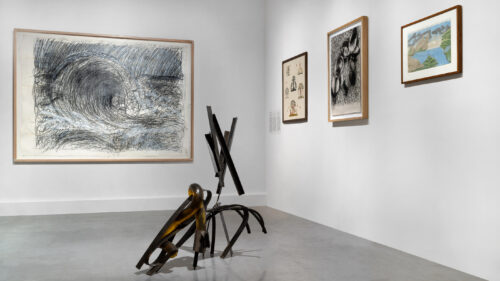
The museum invited Catherine Camargo, a Miami native and founder of the ultracontemporary Queue Gallery, to curate the show. (Photo by Zachary Balber)
“I knew I couldn’t have a room for each piece,” she says. “They have a lot of amazing films in the collection, and I was getting to the point where my list of works to be shown felt never ending. And I was worried about space. So I came up with the idea of having a video corridor so that I could arrange these videos in a way where people can still interact with it.”
That ingenuity also came in handy when confronted with another critical issue, the size of the collection and the works that are no longer there. Although MOCA’s collection of some 600 artworks is smaller than other local institutions – the Pérez Art Museum Miami claims almost 3,000 pieces, while the privately-owned Rubell Museum owns over 7,700 – its age reflects the museum’s pioneer status within the local art scene. The collection is as old as the museum building itself, which opened in 1996 as an evolution of the former Center for Contemporary Art under Bonnie Clearwater, now director and chief curator at NSU Art Museum Fort Lauderdale.
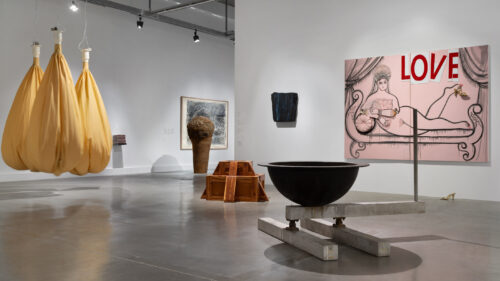
The “Miami School” section focuses on works from artists that made their careers in South Florida, such as Cano, Robert Chambers, and Purvis Young. (Photo by Zachary Balber)
“The idea was to create a program and a collection that would resonate with the South Florida art audiences, and also…that it would be an international museum located in North Miami,” Clearwater says. “We were a hybrid between a community center and an international museum of contemporary art, and we basically were able to maintain that vision all the way through and bring some of the best works to Miami, as well as bringing attention to the incredible, dynamic artist scene that was developing at that time.”
Under Clearwater’s leadership, MOCA quickly made a name for itself exhibiting major contemporary artists, giving retrospectives to starry names such as Keith Haring and Roy Lichtenstein as well as platforming locals such as Pablo Cano and Teresita Fernandez. Few other local institutions were seriously collecting at the time, and some hadn’t even been founded yet in the pre-Art Basel period.
After she left in 2013, a bitter dispute ensued between the City of North Miami, which owns the museum, and the board, which included collectors such as Irma Braman and Ray Ellen Yarkin. Both the city and the patrons made ownership claims on the museum’s collection, and a settlement resulted in MOCA retaining the majority but losing a portion of key objects as the board defected to form the Institute of Contemporary Art, Miami.
Since then, MOCA has continued to platform major contemporary artists, but in a way that centers North Miami’s diverse population. Recent years have seen shows from Haitian heritage artists like Manuel Mathieu and Didier William as well as art world stars like Cecilia Vicuña and Lonnie Holley, and the museum is one of the few in the United States that provides artwork information in Haitian Creole.
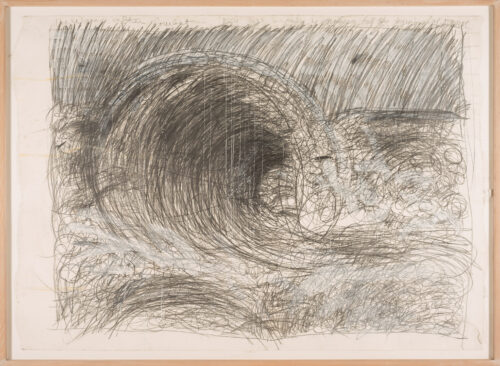
Pat Steir, “From the Sea, Wave After Courbet,” 1984. (Photo courtesy of the artist and the Museum of Contemporary Art, North Miami)
Still, Camargo found she had less to work with than she expected. The ICA ended up taking pieces by big name artists including James Turrell, Ed Ruscha, Dan Flavin and Raymond Pettibon. “The ICA split definitely did alter what was left in the collection and kind of changed a lot of the story I was able to tell,” she says. “It forced me to focus on what remained, and there were still so many gems that I was able to pull out, and that was exciting. But that was definitely something that presented itself as a challenge.”
So, how does a curator tell a comprehensive story when so many of the pieces that form MOCA’s history are unavailable? Certainly, a few big names are still present, including a video installation from Ragnar Kjartansson and works on paper from Pat Steir and Jose Bedia.
Beyond that, it came down to celebrating Miami and its artists. The “Miami School” section focuses on works from artists that made their careers in South Florida, such as Cano, Robert Chambers, and Purvis Young. Connections are made to a show curated by Clearwater, “Defining the ‘90s,” that was one of the first attempts at placing Miami on the same level as New York and Los Angeles as a major contemporary art scene.
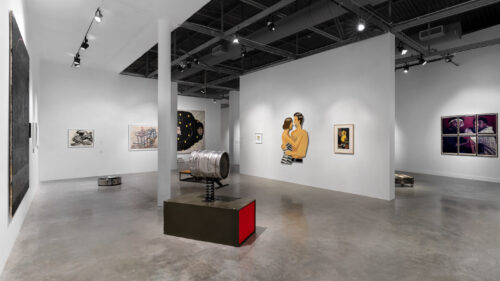
Works throughout “Anchors of Light” reflect the themes that animate the artistic discourse that takes place in South Florida. (Photo by Zachary Balber)
Works throughout the show reflect the themes that animate the artistic discourse that takes place in South Florida. Artworks in “The Body” reflect the city’s obsession with the material world, from Tom Wesselman and Alex Katz’s pop-centric odes to skin contact to Luis Gispert’s photo of his own Cuban family’s living room, decorated floor to ceiling with faux-baroque kitsch.
Alfredo Jaar’s “A Logo for America” famously recenters the broader Latin conception of the bi-continental landmass, arguing against U.S. exceptionalism – appropriate for a city that considers itself the capital of Latin America.
Much has changed in Miami in the 30 years since MOCA’s founding, but as many moments in “Anchors of Light” attest to, just as much has remained the same.
WHAT: “Anchors of Light”
WHEN: Through Sunday, Oct. 4.
WHERE: Museum of Contemporary Art North Miami, 770 NE 125 St., North Miami
COST: $10 for general admission; $5 for seniors, students with ID, youth ages 12 to 17, and visitors identifying as disabled; free for children under 12, North Miami residents, city employees, veterans, and caregivers of disabled visitors.
INFORMATION: 305-893-6211 or mocanomi.org
ArtburstMiami.com is a nonprofit media source for the arts featuring fresh and original stories by writers dedicated to theater, dance, visual arts, film, music and more. Don’t miss a story at www.artburstmiami.com
No posts found
‘My Silence Is Made of Explosions’ Reframes Surrealism at VISU Contemporary
Written By Olga Garcia-Mayoral
April 24, 2026 at 4:20 PM
Aïda Muluneh, “The Sorrows We Bear,” 2018. Archival pigment print, 31.5 x 31.5 in. Edition of 7, featured at VISU Contemporary gallery as part of “My Silence is Made of Explosions.” (Courtesy of the artist and David Krut Gallery, New York)
At VISU Contemporary, “My Silence Is Made of Explosions” presents Surrealism not as a historical reference, but as a living, evolving language shaped by contemporary women artists. On view through Sunday, May 31, the exhibition brings together a group of photographers whose works challenge perception, destabilize meaning, and reframe the image as a psychological space rather than a fixed document.
The premise is ambitious: to position Surrealism as urgently relevant today. But what ultimately gives the exhibition its strength is not the concept alone — it is how that idea materializes through specific works that linger in the viewer’s mind.
Photography, traditionally associated with truth, becomes something far more unstable here. Across the exhibition, images feel constructed yet emotionally precise, suspended somewhere between documentation and imagination. As noted in the exhibition materials, the works reject fixed narratives in favor of ambiguity and psychological depth. But it is in the individual works that this tension becomes fully realized.
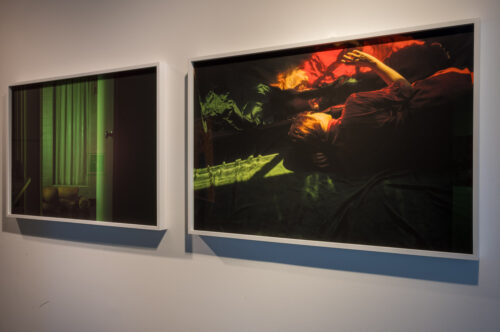
Installation image of Tania Franco Klein, “Body (Self-Portrait),” from “Positive Disintegration,” 2016. Archival pigment print, 27½ x 41⅜ in. Edition 5 of 6 + 2 AP. “Positive Disintegration (Self-Portrait),” from “Positive Disintegration,” 2016. Archival pigment print, 28¼ x 42¼ in. (© Tania Franco Klein. Courtesy of the artist and Yancey Richardson, New York)
Aïda Muluneh’s photograph immediately commands attention through its bold, graphic composition. A figure stands against a saturated yellow background patterned with repeated eyes, the face partially obscured yet sharply defined. The image feels both controlled and disorienting — its symmetry suggests order, while the repetition introduces unease. The gaze becomes fragmented, multiplied, turning the act of looking into something unstable. It is an image that does not resolve, instead holding the viewer in a state of heightened awareness.
Nearby, Tania Franco Klein’s work shifts the tone toward something quieter, yet equally charged. In her staged photographic scene, a figure appears suspended within a dim, cinematic environment, caught between presence and disappearance. Light moves across the body in a way that feels almost theatrical, suggesting a moment unfolding rather than a moment captured. There is a sense of internal tension — as if the image exists at the edge of a dream or memory, never fully settling into clarity.
The exhibition also carries a strong local connection through Jen DeNike, whose work bridges photography, performance, and movement. Her collaboration with Barbara von Portatius introduces a layered, almost painterly approach to the image. In one of DeNike’s photographic works, the body is not static but activated — wrapped in reflective material and surrounded by shifting light. The result is an image that feels sculptural, as though the figure is being constructed in real time. Light becomes both medium and subject, dissolving the boundary between photography and performance.
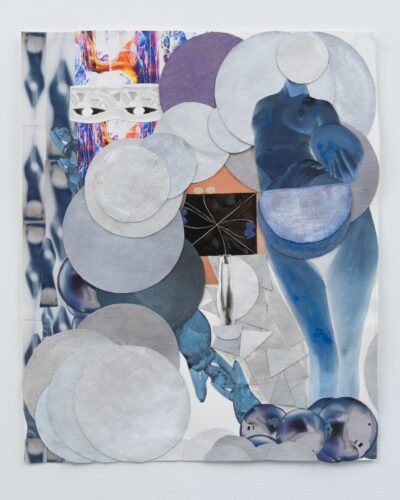
Jen DeNike and Barbara von Portatius, Sun and Moon Act I, No. 2, 2026. Collaged pigment prints, acrylic paint, ink, graphite, and paper in custom maple artist frame, 25 x 21.25 x 2 in. Unique. (Courtesy of the artists)
Movement is central to DeNike’s practice, and that sense of motion is palpable even within stillness. The image captures a fleeting gesture, yet it resists being fixed. Instead, it suggests continuation — a moment before or after something has occurred. This temporal ambiguity aligns closely with the exhibition’s broader engagement with Surrealism, where time and meaning are never fully anchored.
Zanele Muholi’s self-portraiture introduces a different kind of intensity. In contrast to the constructed environments seen elsewhere, Muholi’s work is direct, confrontational and deeply present. The artist’s gaze meets the viewer head-on, unflinching and deliberate. The photograph is striking in its tonal depth — the richness of black against light creates a powerful visual contrast that emphasizes both presence and form.
There is no ambiguity in the act of looking here, yet the image still resists simplification. Muholi’s self-portraits operate on multiple levels simultaneously: as a portrait, as a performance, and as an assertion. The work holds a quiet authority, transforming the photographic surface into a space of visibility and control.
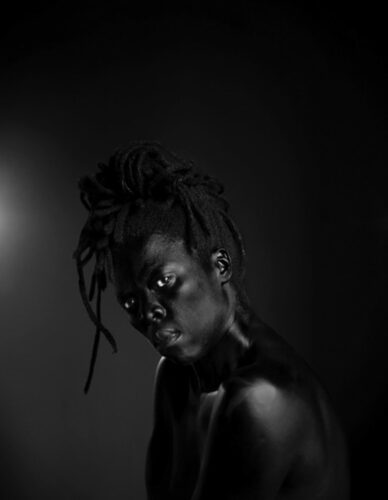
Zanele Muholi, Bakhululekile, Bloemfontein, 2019, Gelatin Sliver Print, 23⅝ x 18¼ inches, Edition 5 of 8 (© Zanele Muholi. Courtesy of the artist and Yancey Richardson, New York)
Throughout the exhibition, the body emerges as a central site of transformation. It is fragmented, obscured, multiplied, or intensified, but never passive. In some works, the body merges with its surroundings; in others, it becomes a surface onto which meaning is projected. This fluidity reinforces the exhibition’s exploration of Surrealism as a method rather than a style — a way of accessing internal states that cannot be fully articulated.
The curatorial approach, shaped in part by conversations with the gallery’s leadership, emphasizes Surrealism as a framework for confronting rather than escaping reality. This perspective is evident in how the works engage with perception itself. Images do not offer resolution; they create friction. They ask the viewer to remain in a space of uncertainty, where meaning is continuously shifting.
Pacing of the show supports this experience. Each work is given room to breathe, allowing viewers to move between images without being overwhelmed. The rhythm encourages a slower, more deliberate engagement — one that mirrors the psychological depth of the works themselves.
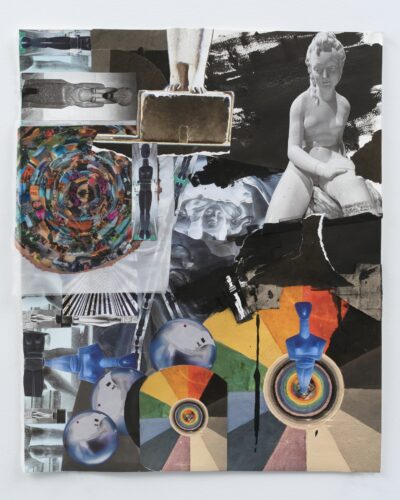
Jen DeNike and Barbara von Portatius, Sun and Moon Act II, Nov. 12, 2026. Collaged pigment prints, acrylic paint, ink, graphite, and paper in custom maple artist frame, 25 x 21.25 x 2 in. (Courtesy of the artists)
What distinguishes “My Silence Is Made of Explosions” is its ability to balance concept with material presence. The Surrealist framework is not imposed — it emerges organically through the works. Each image becomes a point of entry into a larger conversation about perception, identity, and the instability of meaning.
By grounding its ideas in specific, visually compelling works, the exhibition succeeds in reactivating Surrealism for a contemporary audience. It is not a return to the past, but a continuation — one that reflects the complexities of the present moment.
At VISU Contemporary, the result is an exhibition that does not simply illustrate Surrealism, but inhabits it — creating a space where images linger, shift, and quietly unfold over time.
WHAT: “My Silence Is Made Of Explosions” a group exhibition of contemporary Surrealist photographers
WHERE: VISU Contemporary Gallery, 2160 Park Ave., Miami Beach
WHEN: 11 a.m. to 6 p.m. Thursday through Saturday or by appointment. Closed Sunday through Wednesday. Through Sunday, May 31, 2026.
COST: Free
INFORMATION: (513) 659-4690 or https://visugallery.com.
ArtburstMiami.com is a nonprofit media source for the arts featuring fresh and original stories by writers dedicated to theater, dance, visual arts, film, music and more. Don’t miss a story at www.artburstmiami.com.
No posts found

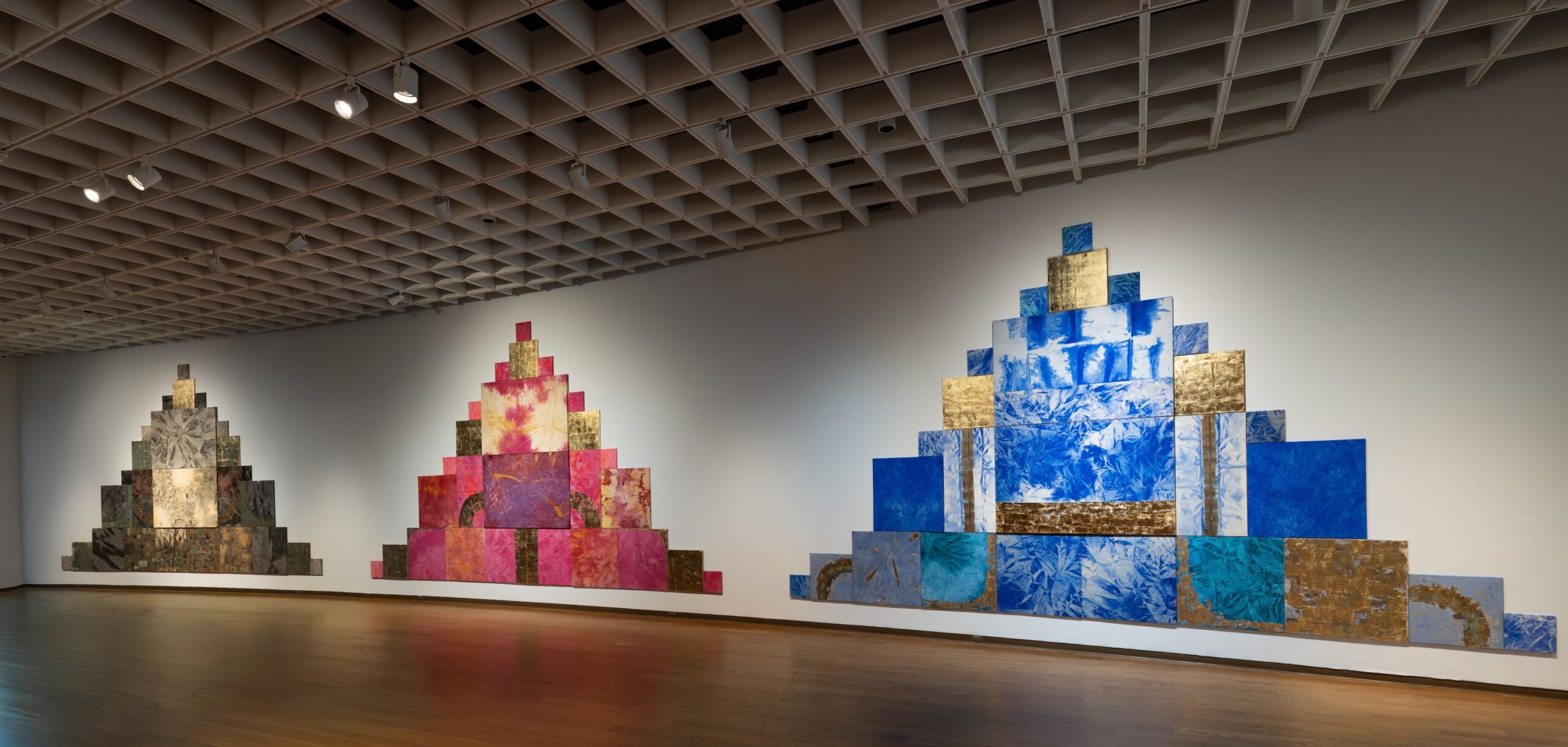
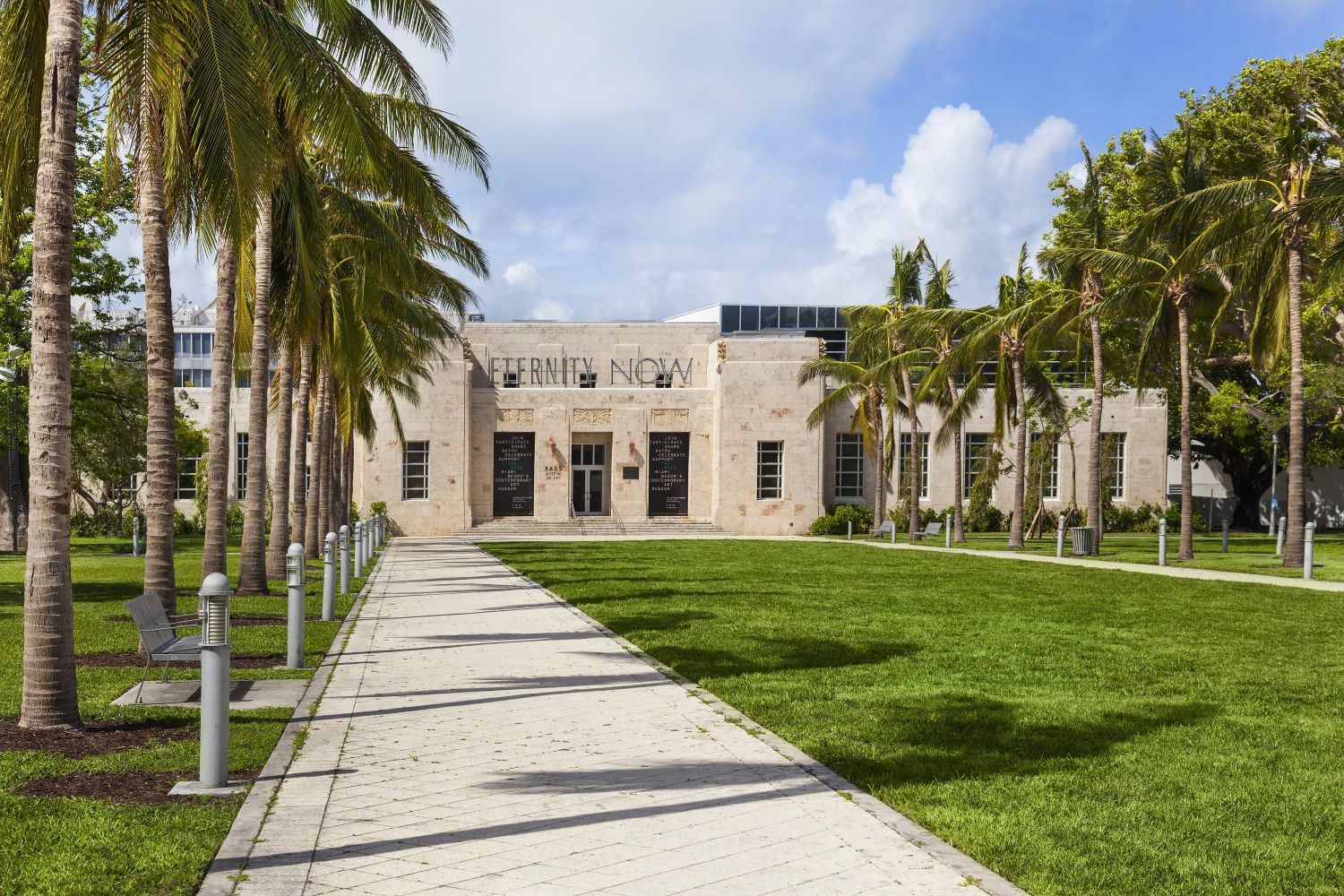
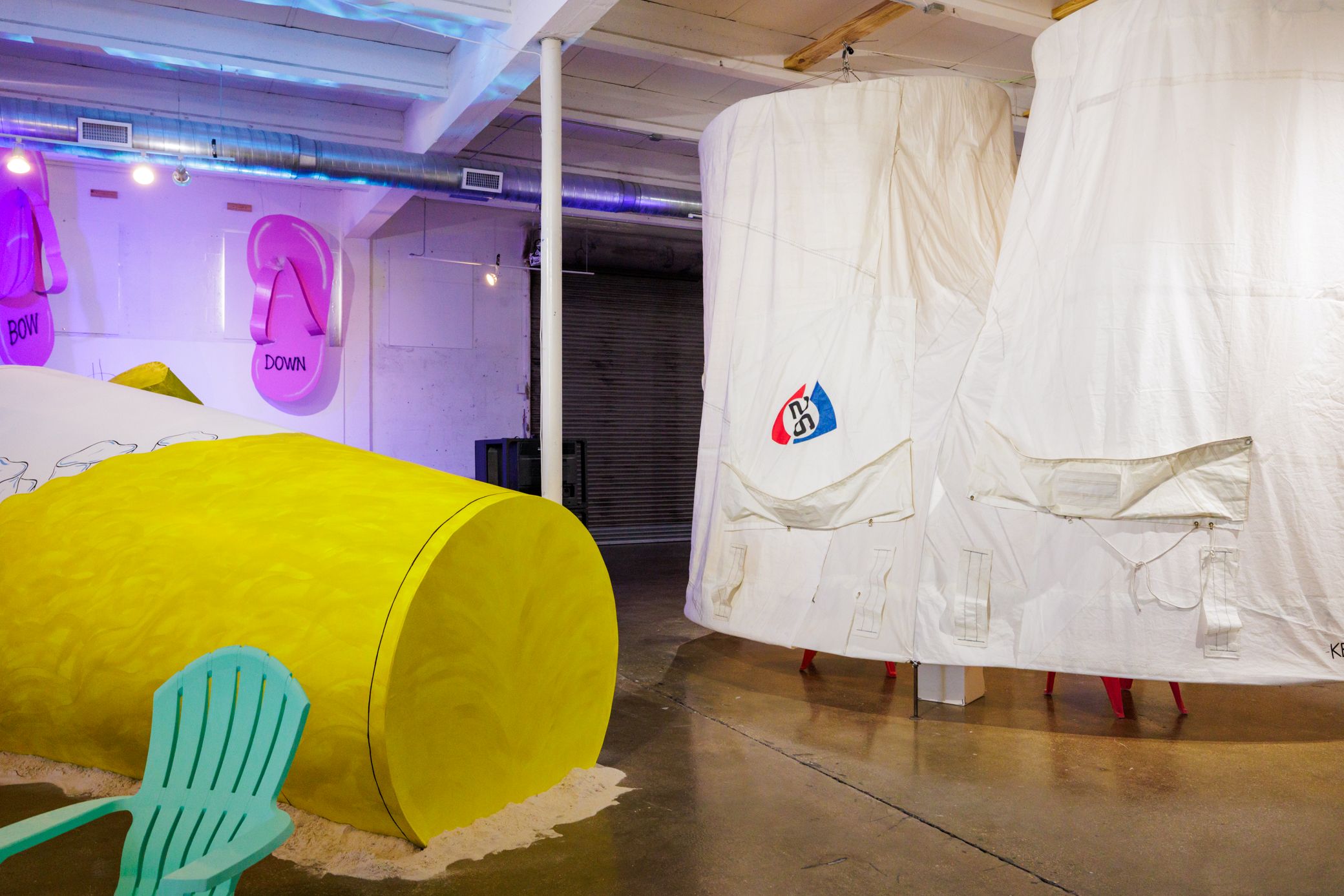
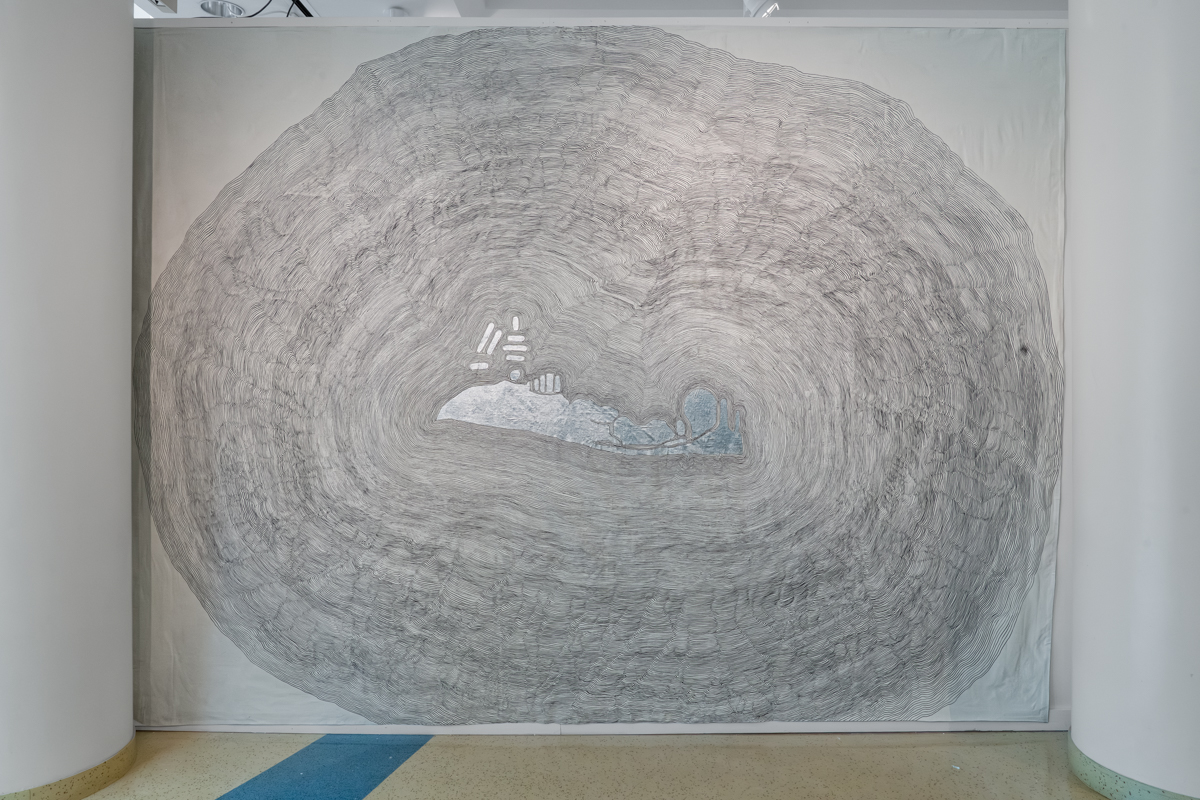
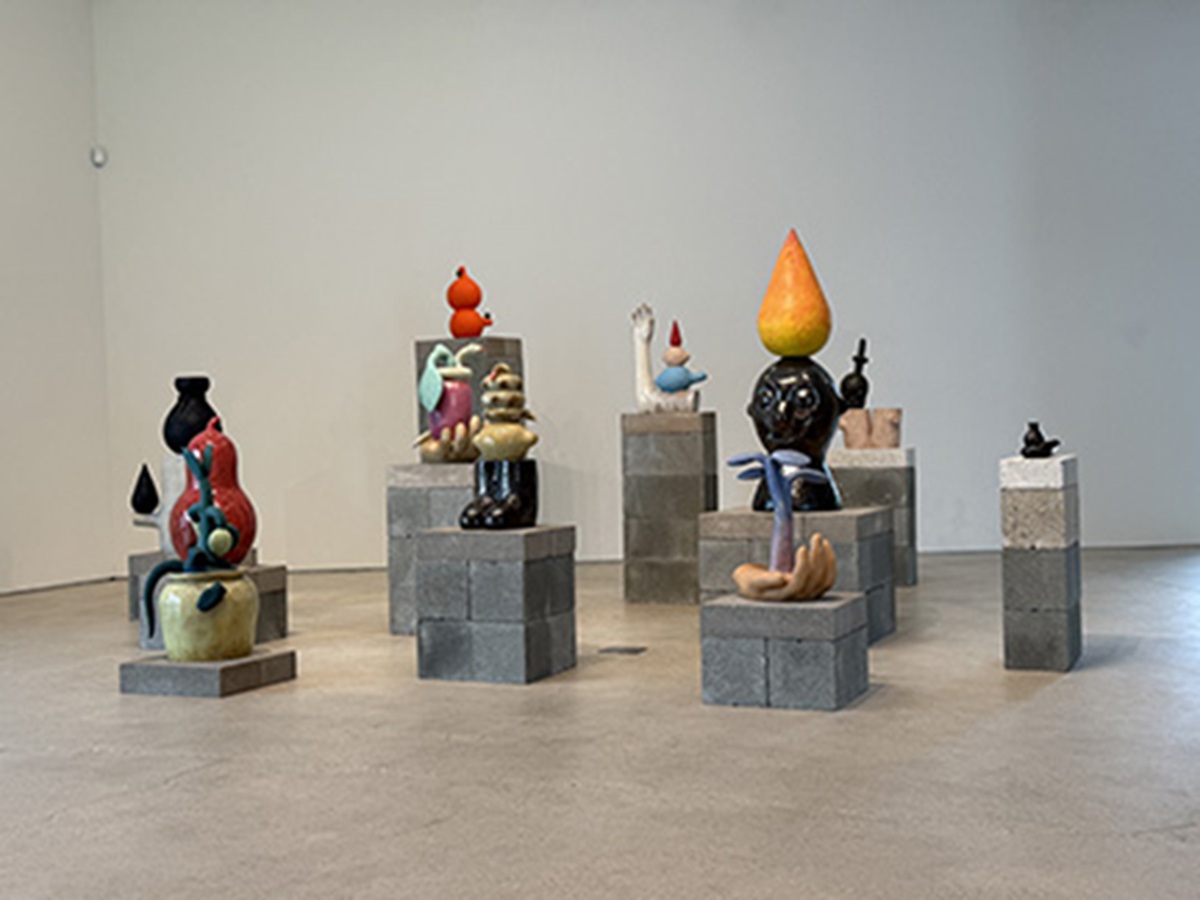
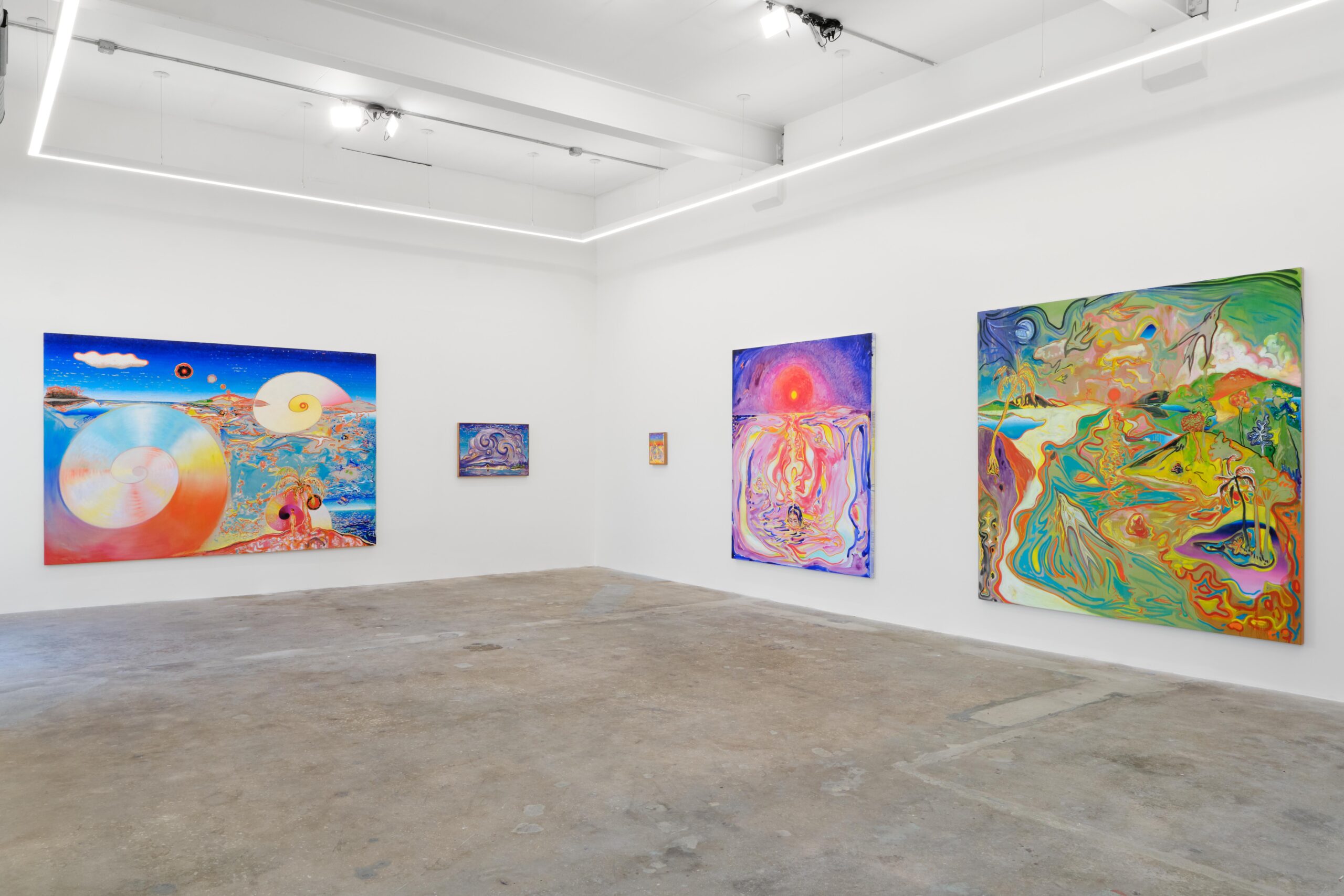
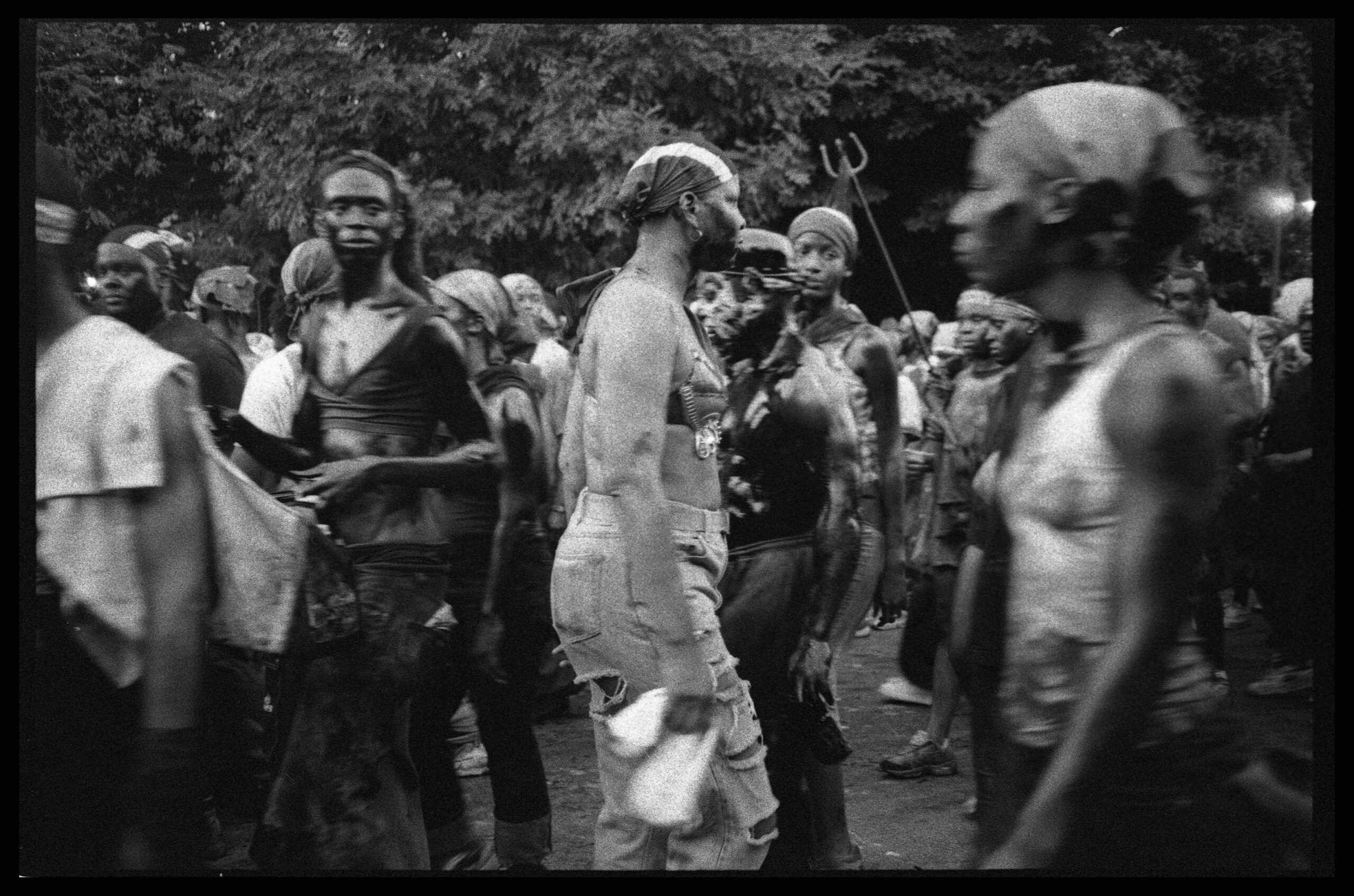
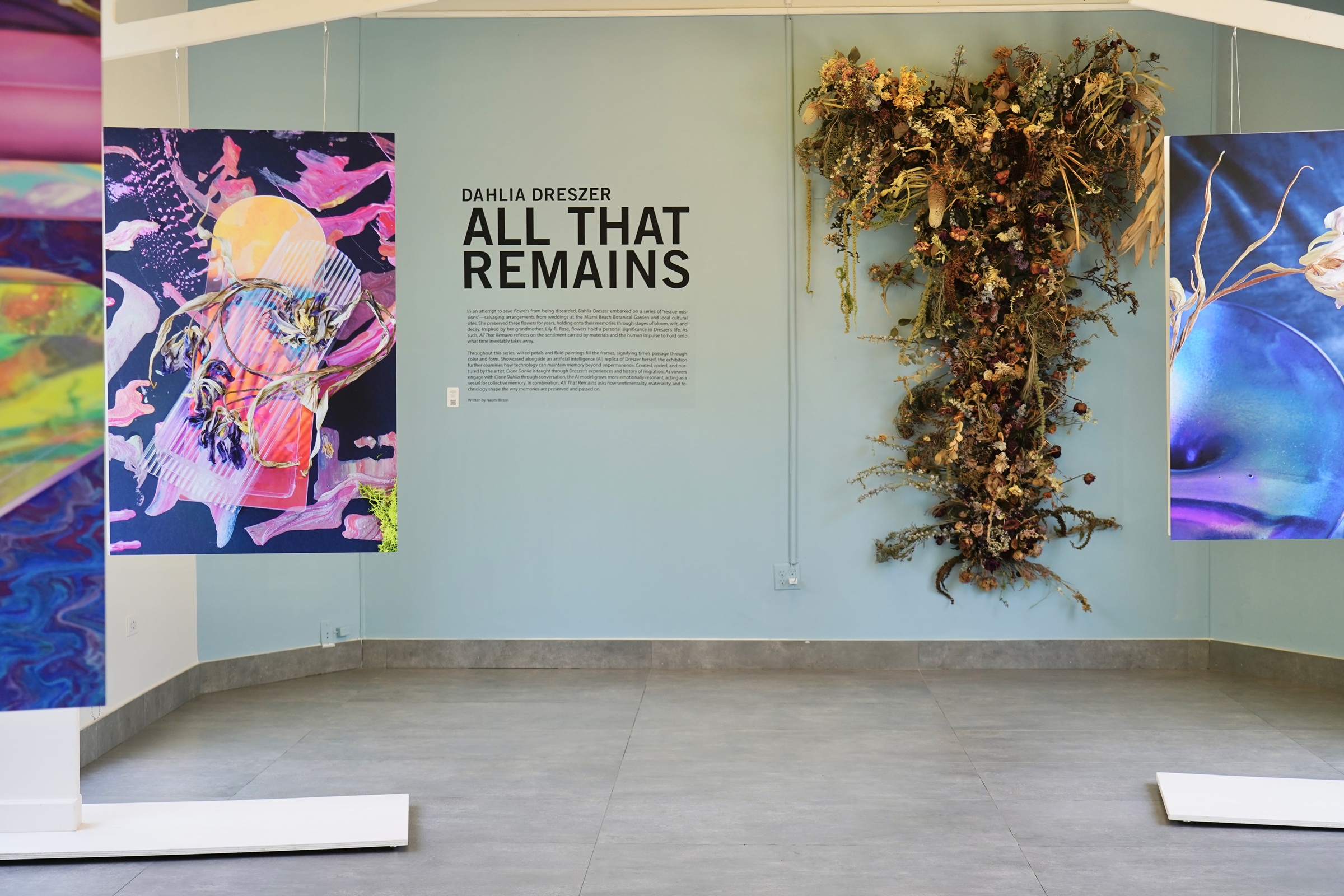
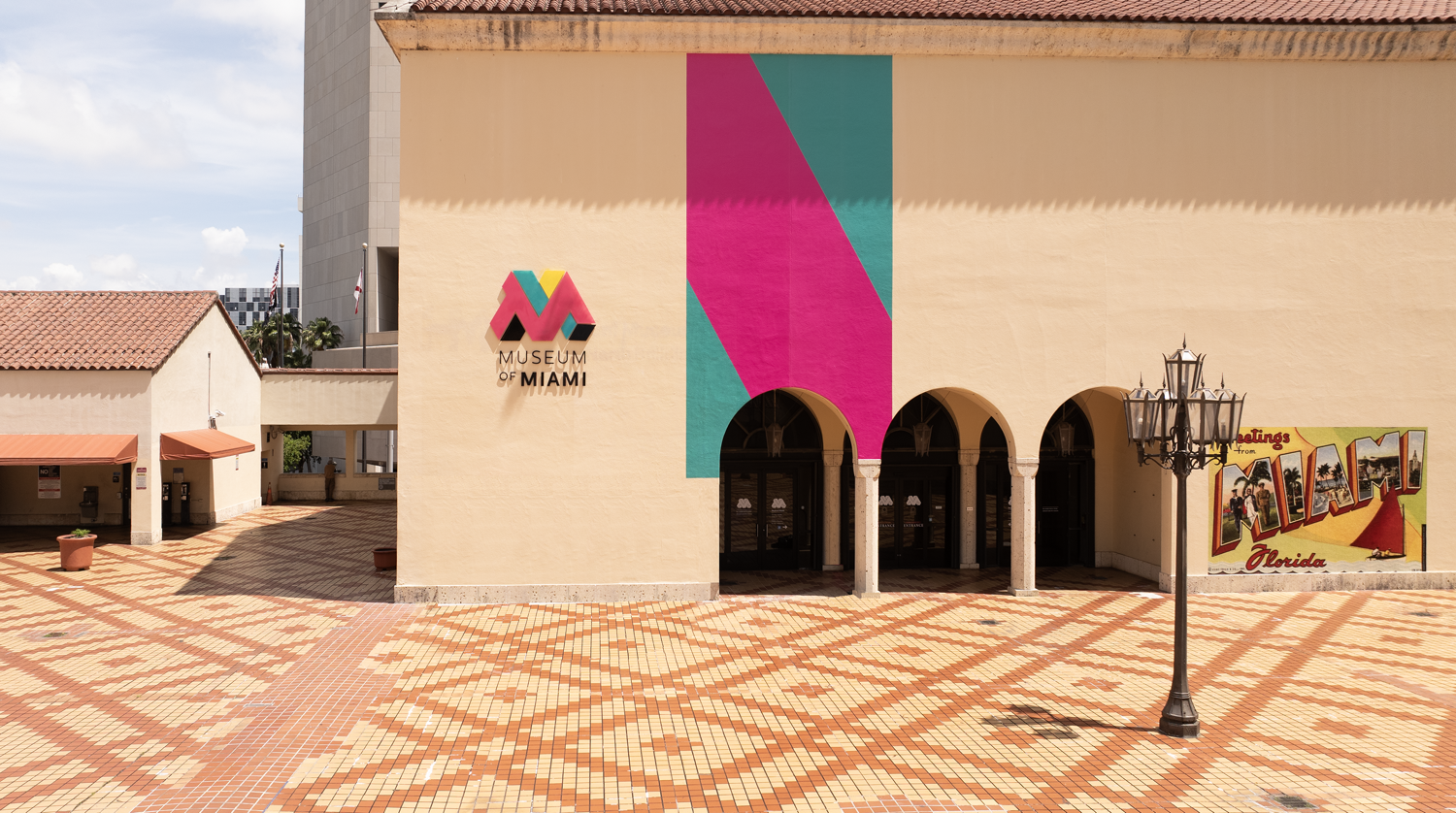
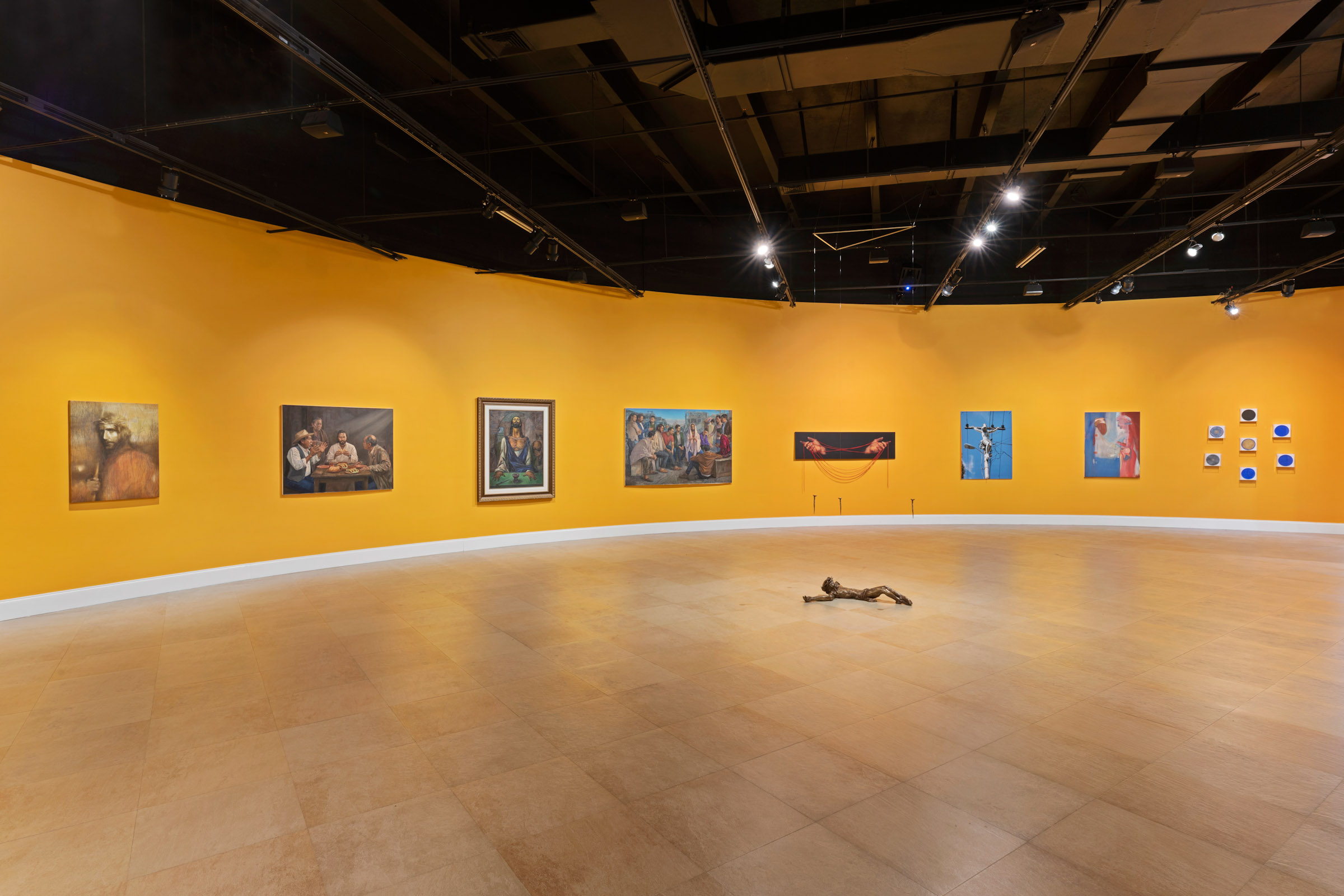
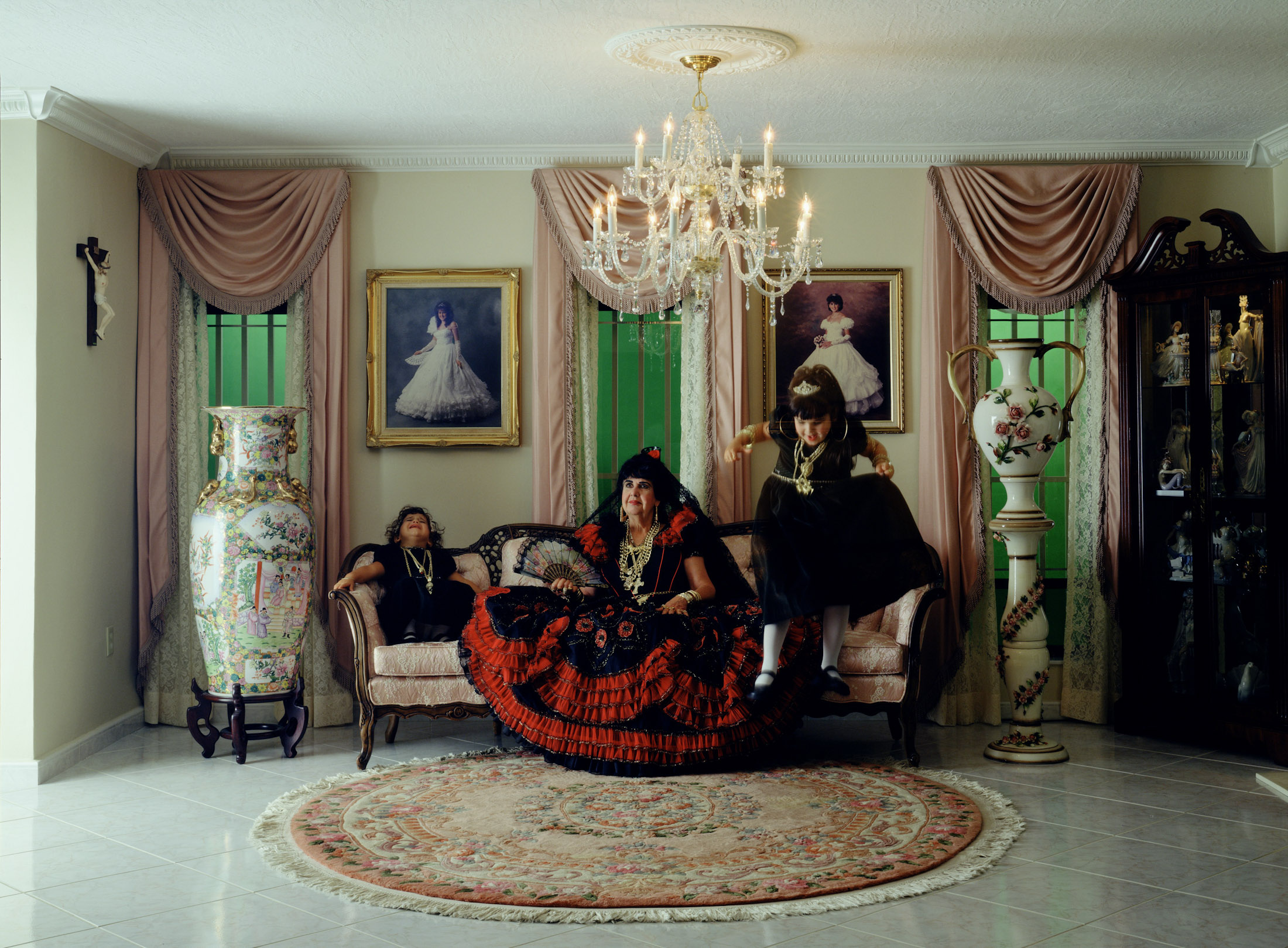
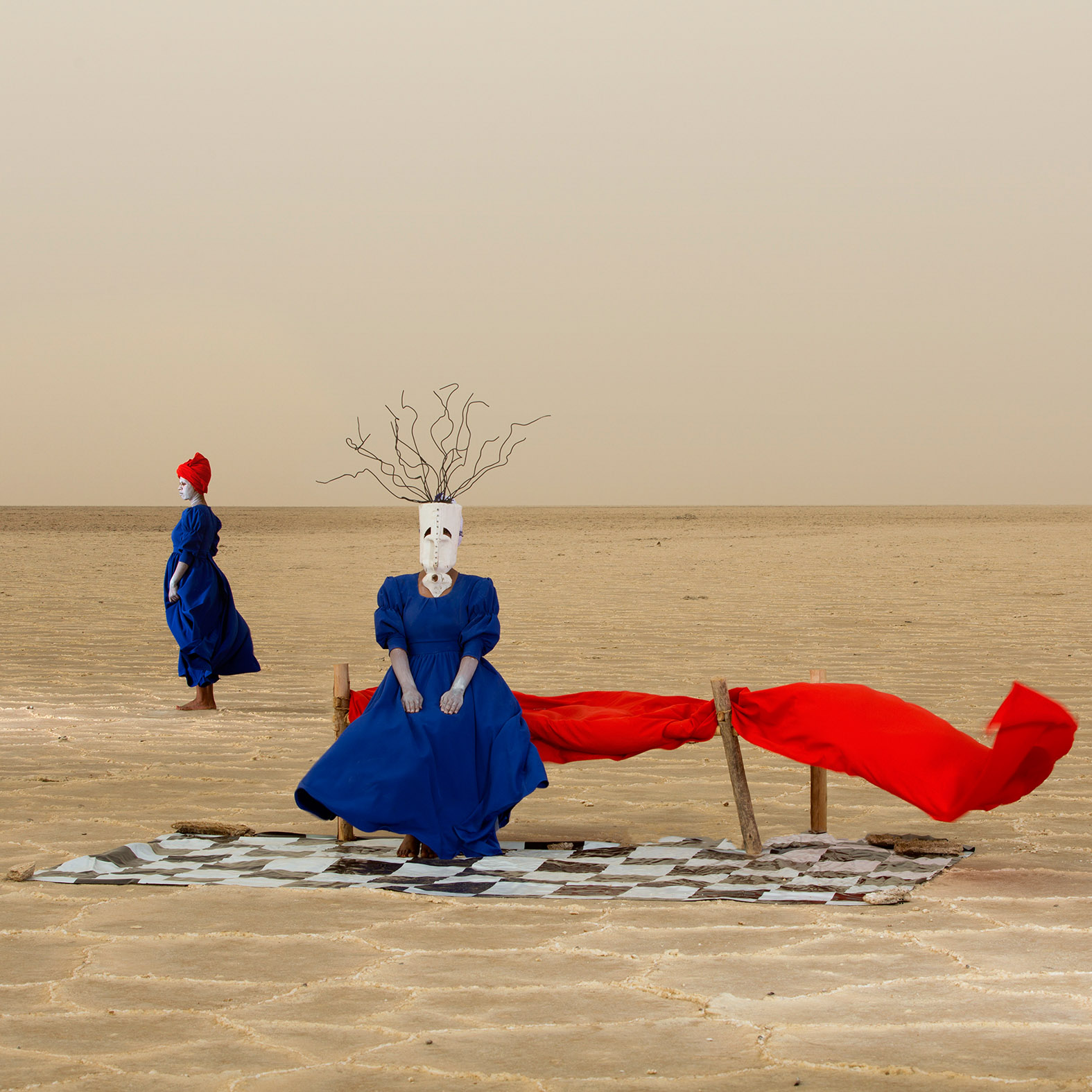
Recent Comments