Erotika Biennale Wants to Change the Conversation About Sex and Art
Written By Douglas Markowitz February 2, 2024 at 5:03 PM
Above, artwork by Nicole Salcedo. The artist will open their studio to visitors during the Erotika Biennale, being held throughout the month of February (Photo by Nicole Salcedo/Courtesy of ClitSplash)
“Younger generations have technology access and use that is, frankly, sometimes out of control,” says Tam Gryn, a Miami-based art historian, curator, and researcher. “They spend most of their time, and most of their social interactions happen in the metaverse, or in some sort of digital or gaming platform. So this generation is less used to being physical, both in a social context and also in a sexual context.”
Artworks by Ras Aagave and Jaqueline Michelle. The Erotika Biennale will host discussions and studio visits for similar erotic artwork. (Photo by JN Silva/Courtesy of ClitSplash)
Gryn’s work with ClitSplash, an erotic art collective co-founded by fellow curators Luisa Ausenda and Gladys Garrote, involves demystifying and destigmatizing art with sexual themes. That’s certainly the goal of their next project, the Erotika Biennale, a festival of erotic art debuting in February at venues across Miami. With a schedule including film screenings, panel discussions, studio visits, and live exhibitions, the program attempts to provide an elevated, inclusive, and safe platform for the exploration of erotic art, one that prioritizes perspectives and experiences from outside of traditional, patriarchal views on sex.
“(We’re) looking at art and culture, not from the male gaze only, but trying to be as inclusive as possible, putting a big focus on women’s perspectives,” says Gryn. “So, most of the artists that we work with and that we select are in line with this.”
Aiming to reach a wide-ranging audience of varying comfort levels, offerings at the biennale range from tame panel discussions to BDSM demonstrations. A $60 ticket gains access to most events. The festival kicks off on Friday, Feb. 2 with a screening of ethically created erotic films by Swedish filmmaker Erika List at The Wilzig Erotic Art Museum.
Artist and sexual freedom coach Jaqueline Michelle will host a demonstration of tantra and shibari during the Biennale. (Photo by JN Silva/Courtesy of ClitSplash)
With an esteemed collection of art from around the world, the WEAM is the defacto home base for the Biennale. Other events taking place there over the month include an art talk featuring experts from the well-regarded Kinsey Institute on Thursday, Feb. 15 and demonstrations of tantra and shibari (Japanese rope bondage) on Thursday, Feb. 8. Several Spanish-language panels are also scheduled
The organizers also wanted to make sure Miami’s robust, yet stigmatized local erotic art scene was included. Studio visits of various artists are in the offing, some of whom have never opened their practices to the public before. An evening of classy striptease performances from Lotus Exotic Conscious Cabaret will also take place on Saturday, Feb. 10, aiming to offer a way to appreciate the form outside of the often misogynistic confines of a strip club.
The group’s work builds upon that of Naomi Wilzig, the WEAM’s intrepid founder who passed away in 2015. The socialite and real estate heiress turned to collecting erotic art in her later years, advocating for public acceptance of sexuality in popular culture and opening the museum in 2005. In a 2002 Miami Herald profile she declared herself “a crusader to get John Q. Public to accept that erotic art is out there. We accept violence, but we go crazy over the idea of a nude body.”
Tam Gryn, an art historian, curator, and researcher, is also part of ClitSplash, an erotic art collective, the organizers of Erotika Biennale. (Photo by Romina Hendlin)
Along with this robust local community, it wasn’t just the fact that ClitSplash is based in Miami that made the group decide to launch the Biennale here. As Gryn describes, Miami’s permissive atmosphere was part of the appeal, especially in comparison to other places in Florida. The group has run into obstacles running events elsewhere, such as a Pride-themed exhibition they held last year at MadArts in Dania Beach.
“Miami is honestly a very sexual city, and we felt like it was ripe for this kind of offering more than other cities,” Gryn says. “Maybe it’s the fact that it’s hot in terms of weather, and the way people are comfortable with their bodies, or even more stereotypical things like, you know, the availability and popularity of plastic surgery. There’s a lot of things about Miami, both good and bad, both stereotypical and nascent, that could classify Miami as a very openly sexual place.”
Clitsplash, the organizers of the Erotika Biennale, previously hosted similar events such as an exhibition at MAD Arts in Dania Beach. (Photo by JN Silva/courtesy of ClitSplash)
In Miami, the group has found willing partners, including the WEAM, the soon-to-open satellite of the New York-based Museum of Sex, which will be housed in Miami’s Allapattah arts district, and the music venue ZeyZey on NE 61st St in Little River, which will host the closing party on Saturday, Feb. 24.
“There’s so many artists creating really beautiful sublime art, digital or regular, that is erotic, and they cannot show it or market it in traditional platforms like social media because it gets banned,” says Gryn. “There’s this beautiful sort of underground market of collectors and artists that appreciate this kind of work about the human body and sexuality, that is not on the surface (of culture) because of the nature of censorship that we live with.”
WHAT: Erotika Biennale
WHERE: Wilzig Erotic Art Museum, 1201 Washington Ave., Miami Beach, and venues throughout Miami
ArtburstMiami.com is a nonprofit media source for the arts featuring fresh and original stories by writers dedicated to theater, dance, visual arts, film, music, and more. Don’t miss a story at www.artburstmiami.com.
No posts found
Mindy Shrago’s ‘Wish You Were Here’ at Club Gallery Spans a Lifetime
Written By Michelle F. Solomon January 16, 2024 at 1:46 AM
Mindy Shrago’s career-spanning solo show opens at Club Gallery, Miami, on Saturday, Jan. 20. The show was curated by her son, Zach Spechler. Pictured above, “Playing with the Environment,” 2016, 22″x16″x5,”underglaze on ceramic. (Photo courtesy of Ben Morey)
It was the mother-daughter team of Esther and Mindy Shrago that founded the Young At Art Children’s Museum in a storefront at the Fountain Shoppes of Plantation in 1990.
Now, it’s the mother-son team of Mindy, the artist, and her son, Zach Spechler, the curator, who are working together on a career-spanning solo exhibition. “Wish You Were Here” features 109 clay and ceramic works by Shrago at Club Gallery, located on the first floor of the Citadel in Miami’s Little River neighborhood. The exhibition opens on Saturday, Jan. 20.
Spechler has been the voice in the back of his mother’s head telling her to never lose focus on her own art during her three decades steeped in the world as a CEO and arts administrator. He recalls coaxing his mother to create something new for a yearly fundraiser titled “Annual Interest” put on by the group he co-founded at YAA in 2011, the Bedlam Lorenz Assembly. Scores of local artists would donate original work to benefit the museum.
Mindy Shrago co-founded Young At Art Museum in Broward County with her mother, Esther, in 1997. Shown circa 2012-2013 with the interactive installation “Kenny’s Closet” by Kenny Scharf. (Photo courtesy of Young At Arts Museum)
“At the time, I wasn’t taking a serious inventory of it, per se, but she was not making art that much. It was a big job running Young at Art. At least once a year, I would pressure her to create something for the show,” he says. “Once she got back to it, she was excited to do it,” says Spechler.
Shrago interrupts during the interview to say, “I’ve never stopped.” At 70 and now retired, she’s devoting more time to creating her art.
Her early works, which will be on exhibit in “Wish You Were Here,” focused mostly on food. The catalyst for the first from 1974, “I Only Use Kosher Clay,” was weekly Sunday brunches hosted by her grandparents.
Mindy Shrago, “Cut Along The Dotted Line,” 1977, 8”x12”x12,” underglaze on ceramic, knife. (Photo courtesy of Ben Morey)
A series “Cut Along The Dotted Line,” created in 1977, came from a story of an elementary school show-and-tell where she planned on taking sliced oranges as her presentation. Her father, in charge of the oranges, forgot the fruit. Spechler picks up the story: “My mother called my grandmother to tell her what had happened. When Mom ran home to get her oranges, there was my grandmother in the kitchen cutting them up. My grandma, the one who founded Young At Art with my mother, as it was usually the case, saved the day.”
In 1980, Shrago began a series that she continues today of ceramic ice cream cones, which started when the artist was commissioned by Howard Johnson’s restaurant. She was asked to create individual cones of ceramic art to pay homage to the chain’s 28 flavors of ice cream.
A Miami native who proudly says she graduated from Miami Norland Senior High School (she received her Bachelor of Arts in ceramics from the University of South Florida in Tampa), says the Miami landscape and its environment are quintessential to her work.
It’s what she calls “Miami language of color.”
Mindy Shrago, “Ice Cream Cones”(edition of 38), 1980-2024, 7”x3”x3,” underglaze on ceramic, acrylic base. (Photo courtesy of Ben Morey)
A postcard series, “Wish You Were Here,” features ocean scenes, tropical beaches, flamingos, and skyscapes flattened on ceramic slabs adorned with a ceramic push pin as if the pin is keeping the cards tacked to a wall.
“Mom always had this favorite quote, ‘Tacky is beautiful,’ ” says Spechler about the nod to Florida kitsch imbued in the cynically sentimental ceramic postcards. However, there is an intention the idyllic scenes are purposely devoid of anything that would indicate interference or involvement by humans, says the artist.
Flamingos are present in many of the postcards, harkening to that idea of kitschy Florida Americana where the bird was a plastic symbol of the Sunshine State’s “good life.” In the works, they are dominant, surreal, and beautiful set against serene landscapes.
Clay and ceramic artist Mindy Shrago’s career-spanning solo show opens Saturday, Jan. 20, at Club Gallery, Miami. (Photo courtesy of the artist)
In “Playing with the Environment,” the Hollywood, Florida-based artist uses clay and airbrush painting to create three-dimensional puzzle sculptures. She explains that within the jigsaw pieces are detailed renderings of local flora and fauna. In a ceramic sculpture, her flamingo against the backdrop of a landscape is disassembled on different blocks, which appear to be falling away from one another.
“The message,” she says, “is that our ecological systems are coming apart.”
Spechler believes that Amanda Baker’s Club Gallery, which opened in 2022 on the first floor of the Citadel, a food hall built in a repurposed 1950s bank building, is the right space for “Wish You Were Here.”
Mindy Shrago, “Flamingos in Flight,” with ceramic push pin, 2020, 4”x6” underglaze on ceramic. (Photo courtesy of Ben Morey)
“It’s accessible like the art. There’s a mix of people entering the gallery. Some who browse may have come for the food hall and others come specifically for one of the shows,” says Spechler.
Club Gallery keeps the exhibitions moving; usually, there is a new one every four weeks. “Wish You Were Here” will be on view for a week.
WHAT: Mindy Shrago: “Wish You Were Here.”
WHERE: Club Gallery, 8300 NE Second Ave., Miami.
WHEN: Open reception from 6 to 9 p.m. on Saturday, Jan 20. The show runs through Saturday, Jan. 27.
ArtburstMiami.com is a nonprofit media source for the arts featuring fresh and original stories by writers dedicated to theater, dance, visual arts, film, music and more. Don’t miss a story at www.artburstmiami.com.
No posts found
Botanical art installations by landscape designers enhance Lincoln Road
Written By Jonel Juste December 20, 2023 at 4:44 PM
Orchids on Lincoln Road in Living Art Festival, a botanical art installation through April 30 in Miami Beach. (Photo courtesy of The Dana Agency)
Art is everywhere including in nature. Case in point, the Living Art Festival on Miami Beach, a botanical art installation, that fuses natural elements with artistic creativity.
The festival was initiated by the Lincoln Road Business Improvement District (BID) in collaboration with the city of Miami Beach and five local landscape designers: The Miami Beach Botanical Garden, the Miami Beach Garden Club, Habitat, ULU Studio, L&ND Design, and Urban Robot Associates.
The installation by Urban Robot Associates at the Living Art Festival on Lincoln Road. (Photo courtesy of The Dana Agency)
Through April 30, 2024, the work of Living Art creators will be exhibited in redesigned landscape planters along Lincoln Road, spanning from Meridian to Washington avenues, particularly between the 400 and 700 blocks.
Lyle Stern, president of the Lincoln Road BID, says that the initiative draws inspiration from international botanical festivals such as the International Garden Festival in Quebec and the Festival des Jardins de la Côte d’Azur in France.
“Each designer (brought) their creative vision to life, enhancing existing planters with custom designs centered around flowers, plants, art, and ground coverings. The goal was to engage and partner with Miami Beach-based landscape architects and the Miami Beach Botanical Garden to expand on the lush landscaping on Lincoln Road and create engaging moments,” says Stern.
Ben Noyes, showcasing his work at 690 Euclid in collaboration with Overland Landscape and Plant the Future, emphasizes that the design not only offers visual stimuli but also engages the senses of hearing, smell, touch, and taste. The inclusivity takes into consideration individuals with sensory disabilities, providing various ways to experience the design.
“We thought about how most landscapes are typically experienced visually and really wanted this to be a space that evokes all the senses,” says Noyes.
Ben Noyes from HABITAT with his botanical art installation. (Photo courtesy of HABITAT)
Noyes further connects the project to the concept of biophilic design, highlighting the inherent fusion of nature and art and the human connection with nature. The aim is to encourage an immersive experience that engages all the senses in appreciating both art and nature, he says.
Urban Robot Associates is showcasing “Butterfly Wishes,” which repurposes living plants as sculpture, emphasizing their significance and offering a novel perspective on nature. Justine Velez describes the exhibit as “interactive and immersive,” allowing viewers to admire, touch, move, listen, sit, speak, and even inhabit the space.
ULU Studio, a boutique landscape architecture studio, whose work is in outdoor spaces for urban parks, and L&ND Design, an environmental planning and landscape designer, updated the planters on the 700 block of Lincoln Road in collaboration with Overland Landscape and Orchidscapes for the installation.
Beehives, inspired by wild bees, were fabricated using burlap and organic lime-based paint in Miami Beach Botanical Garden and Miami Beach Garden Club’s Living Arts installation. (Photo courtesy of Lincoln Road BID)
The Miami Beach Botanical Garden joined forces with the Miami Beach Garden Club to reimagine the 600 block of Lincoln Road, which they turned into a Pollinator Pathway.
“We curated a garden with plants capable of supporting pollinators in a challenging urban environment, ” says Derwyn Cowdy of the Miami Beach Botanical Garden. “The organic materials used on the project warmly echo the inherent message. Lincoln Road is a unique shopping experience alongside historic architecture and a botanical garden. Our living art exhibit offers an immersive and educational addition.”
The botanical art was activated on Dec. 12.
Lyle Stern, president of the Lincoln Road Business Improvement District (BID) at the opening of the Living Art Festival. (Photo courtesy of Lincoln Road BID)
“Within a few months, each of these exhibits will have bloomed, transforming Lincoln Road into a flowering, living art garden,” says Stern.
He predicts plans for the future of the Living Arts Festival.
“Our goal is to grow this exhibit yearly and make it among the go-to immersive botanical exhibits in the world. Given the density of the base we start with (all of Lincoln Road’s plants and trees) – we start from a strong position,” says Stern.
WHAT: Living Art Festival
WHERE: Lincoln Road, from Meridian to Washington, between 400 and 700 blocks, Miami Beach
ArtburstMiami.com is a nonprofit media source for the arts featuring fresh and original stories by writers dedicated to theater, dance, visual arts, film, music and more. Don’t miss a story at www.artburstmiami.com.
No posts found
Report from Art Basel MB 2023: An Interview with Art Activist Pussy Riot
Written By Michelle F. Solomon December 8, 2023 at 1:46 PM
“This art is a hammer that shapes reality” (2023), part of a series by Pussy Riot’s Nadya Tolokonnikova now at Art Basel Miami Beach. The artist has other works at Art Miami and SCOPE Miami art fairs during Miami Art Week. (Photo courtesy of Pussy Riot)
I meet Nadya Tolokonnikova for our interview inside the Miami Beach Convention Center amid the crush of people at the first VIP preview day of Art Basel Miami Beach 2023.
She is flanked by her publicist, a few out-of-town journalists and Lauren Taschen, one of the original members of the team of the now- legendary Art Basel Miami Beach since its inception in 2001.
There’s a buzz surrounding Tolokonnikova’s appearance at Art Basel by people who have followed her activism art and her political activism activations.
“It’s my first time here as an artist. I’ve been coming to Art Basel for the last 10 years to see it, but it is the first time for me to be on this side of Basel, because, well I haven’t been important enough usually to get a preview ticket. But for me, that’s good because I like to be with everyone else,” she says unassumingly.
“Holy Squirt,” Pussy Riot’s take on a holy font. “Holy Squirt” baptizes believers in the Holy Rainbow Church of Matriarchy. A series of the fonts are at SCOPE Miami. (Photo courtesy of Pussy Riot)
News breaks the same day as the preview opening on Wednesday, Dec. 6, that Tolokonnikova, the creator of the notorious Russian feminist protest art collective Pussy Riot, had reached a deal with STX Entertainment to develop a scripted series based on her still unfinished memoir.
The young girl from Siberia who moved to Moscow at 16 is famous at 34. Convicted of “hooliganism motivated by religious hatred” along with fellow Pussy Riot members Maria Alyokhina and Yekaterina Samutsevich in August 2012 after an impromptu protest performance against President Vladimir Putin and the Russian Orthodox Church inside Moscow’s Christ the Savior Cathedral, she was sentenced to two years at a labor camp. Not long after her release, she and other members of the group protested at the Sochi Winter Olympics in 2014. Uniformed Russian Cossacks surrounded the group, and they were attacked with whips.
“I’m a strong believer in persistence and in being consistent with what you do,” she says.
Nadya-Tolokonnikova in Moscow, 2019. (Photo courtesy of Pussy Riot)
Just a few weeks before her Basel appearance, on Nov. 24, a Moscow court ordered the arrest of Tolokonnikova in absentia. She faces a two-month incarceration when she crosses the Russian border or extradition back to Russia. “Today I’m on Russia’s most wanted list, labeled as a foreign agent . . .,” she says.
She was put on Russia’s most-wanted list for “obscene” NFTs. That NFT was titled “Virgin Mary, Please Become a Feminist,” sold on the cryptoart platform SuperRare in 2021. One could be led to believe that it wasn’t so much the NFT, but a gallery show “Putin’s Ashes” at Jeffrey Deitch in Los Angeles in early 2023 that prompted scrutiny once again of the artist.
The invitation to see the Los Angeles show and Nadya’s public art performance was to join and see the “protest against the authoritarian leader of Russia who started the biggest war in Europe since World War II.”
“Putin’s Ashes,” a 10 X 10-foot portrait, 2022. (Photo courtesy of Pussy Riot)
“Putin’s Ashes” began in August 2022 when Pussy Riot burned a 10 x 10-foot portrait of the Russian president, performed rituals and cast spells aimed at chasing Putin away. Tolokonnikova bottled the ashes of the burned portrait and incorporated them into art objects.
But today we are here to talk about her work at three locations for Miami Art Week.
At Art Basel Miami Beach at the Miami Beach Convention Center, at the Jeffrey Deitch Gallery booth (A2), a series of three works “This art is a hammer that shapes reality.” (2023).
At SCOPE Miami Beach, between 8th and 10th streets at 801 Ocean Drive, Miami Beach, there is a series of sculptures made of 100 percent wax, “Fragile Masculinity” (2023) which gives the collector/buyer the choice of what to do with the piece: “Lighting the wick of this sculpture burns down the patriarchal systems of oppression.” The artist instructs that it can be burned or preserved by the collector.
Works at the Turner Caroll Gallery booth at Art Miami, One Herald Plaza, downtown Miami, are “Icons (2023),” a take on traditional religious tropes and “Knife Play” (2002), a series of handcrafted prison shives in faux fur frames.
She compares her career as an artist to that of a cultural worker.
“St. Matriarch,” part of “Icons” (2023), Pussy Riot’s take on the traditional religious tropes. (Photo courtesy of the artist)
“It’s a very pragmatic perspective on it. Cultural worker creates a different perspective to me because it’s humbling. And it’s not about artists expressing necessarily all of their feelings, only those feelings that are helpful for society to learn something new about itself. That way, I’m not centering my art about myself. I’m bringing myself into the art only when it makes sense for conveying my message,” she says.
Tolokonnikova says she was asked about the goal of her art during an interview with a Russian journalist recently.
“My goal is not to talk to the other side, to people who hate me. My goal is to meet people who are on my team to help them feel more empowered and feel like they have a voice,” she says.
Then the subject turns to censorship and her fight against it — something that has landed her in difficult and life-threatening positions.
“Self-censorship is really the backbone of a modern authoritarian regime,” says Tolokonnikova.
She admits: “I have a lot of fears. I love comfort, I love being alive. I don’t love being in jail. I’m like everyone else. But these ideas are central to my life and in my practice that fear is an instrument of authoritarian regimes. And I think spreading this courage . . . Courage is not an absolute category. It’s not a coin that you can have in your pocket. It’s fluid. One day you have more of it, one day, you have less. And it’s important for me to spread this message and inject that into places like Art Basel, SCOPE, Art Miami.”
The artist with her work “Fragile Masculinity (2023, sculpture). A series of “Fragile Masculinity” is on display at Art Miami, Turner Carroll Gallery booth. (Photo courtesy of the artist)
Shortly after the Miami appearances, Tolokonnikova was hopping on a plane to head to Dallas, Texas, where she’ll be speaking at the opening of “Nadya Tolkonnikova: Putin’s Ashes” on view at Dallas Contemporary through Jan. 8, 2024.
And ongoing is work on the memoir.
“(The book) starts from my childhood upbringing,” says Tolokonnikova.
The artist is one of those people who looks into your soul when she speaks. And this is what happens as she describes the memoir that will be turned into the deal for the scripted series.
Born in the Siberian arctic town of Norilsk, she says she became involved in performance art after moving to Moscow in 2007 then co-founded Pussy Riot in 2011. The group began organizing unauthorized live performances of political punk music and wearing brightly colored balaclavas, their faces covered with only their eyes and mouths exposed.
“It’s truly a story of how a little girl from Siberia from the outskirts decided ‘I’m going to make political art and I’m going to move to Moscow,’ then everyone told her, ‘You’re not going to be able to move to Moscow, you don’t have money to have connections.’ My parents did not support me in that my mom was strictly against it. But I just got a ticket to Moscow when I was 16. And I was very results-oriented and very determined. So, to me, it’s a story about dreams and the power of dreams. And I think ultimately, most of my art and my statements, and movies or series, I make for a 16-year-old version of myself in a parallel reality living somewhere else. Let’s say, it’s Indianapolis, and a girl’s parents tell her you cannot do this. I want to instill this idea in her that you can fight for your dreams, and you can get closer to that.”
She pauses for a moment, then says: “I’m not trying to paint rose-colored glasses like everything is possible. Sometimes you get shot in the back in front of Kremlin like my friend Boris Nemtsov, a politician who went against Putin. (Nemtsov was a Russian opposition politician and a former deputy prime minister who was murdered in 2015 when someone in a car shot him four times in the back as he crossed a bridge in view of the Kremlin, according to police). Sometimes you get sent to jail and it’s not an easy task, but you can fight for it, and you can make some of your dreams possible.”
Members of the radical feminist punk group Pussy Riot stage a protest against Vladimir Putin’s policies in Moscow. STX Entertainment has reached a deal with Nadya Tolokonnikova, the artist, activist, and creator of Pussy Riot, to develop a limited scripted series. (Photo courtesy of Pussy Riot)
Tolkonnikova says that she doesn’t live on pipe dreams – that the political activism through her art or any of the other acts of protest may not dissuade minds already made up. She talks about Pussy Riot’s appearance at the Indiana State House in early November protesting the state’s near-total abortion ban.
“We came to Indiana with a God Save Abortion action. People tell me, ‘Your art is so gruff, it’s so abrasive. It’s not going to change the opinion of a person who is against abortion.’ You know what? I don’t think it’s gonna change it, but I think it’s probably going to empower the younger version of myself to feel like, ‘Well, I don’t have to follow what my conservative friends tell me, or my parents, or my government to tell me what do with my life.’ ”
At the state house in downtown Indianapolis, Tolkonnikova led 18 women, reportedly mostly female students from Indiana University. Newspaper reports described the group as dressed in black slips and boots, wearing balaclava face coverings gathering outside of the statehouse.
Within minutes, they had inflated a large pink vagina and began filming. It was a peaceful protest. And no one was arrested or sent to a labor camp.
WHAT: Nadya Tolkonnikova: Pussy Riot at Art Basel Miami Beach, Art Miami, and SCOPE art fairs
WHERE: Miami Beach Convention Center, 1901 Convention Center Drive, Miami Beach; Art Miami, One Herald Plaza, Miami; SCOPE Miami, 801 Ocean Drive, Miami Beach
WHEN: Through Sunday, Dec. 10. Art Basel Miami Beach: 11 a.m. to 6 p.m., Friday, Dec. 8, Saturday, Dec. 9 and Sunday, Dec. 10; Art Miami, 11 a.m. to 7 p.m. Friday, Dec. 8, Saturday, Dec. 9 and 11 a.m. to 6 p.m., Sunday, Dec. 10.; SCOPE, 11 a.m. to 8 p.m., Friday, Dec. 8, Saturday, Dec. 9 and Sunday, Dec. 10.
COST: $150, $95, $75, $60, $58 depending on venue.
ArtburstMiami.com is a nonprofit media source for the arts featuring fresh and original stories by writers dedicated to theater, dance, visual arts, film, music and more. Don’t miss a story at www.artburstmiami.com
No posts found
‘A Call to the Ancestors’ ponders, honors those who came before us
Written By Jocheved Cohen November 30, 2023 at 4:11 PM
Morel Ducet’s “Bones of Belonging: Skulls as Markers of Resilience and Identity,” pays homage to a diversity of cultures in “A Call to Ancestors” at the Little Haiti Cultural Complex. The multi-media exhibition has been extended through Sunday, March 10. (Photo courtesy of Carl-Philippe Juste)
It all started when Carl-Philippe Juste, the storied Miami Herald photojournalist, was asked to help create an exhibit about the nearly forgotten Lincoln Memorial Park cemetery, the resting place of many early African-American Miamians.
The 2018 Coral Gables Museum show, “Caretakers,” celebrated those who stepped up, often without pay, to help maintain the Brownsville site, with its unusual above-ground mausoleums and crowded tombstones that are a witness to Miami’s African American past. The park is, in many ways, a document of the experience of Miami’s people of color. There’s hatred and racism – lynching victims are buried there. But there is also a testament to resilience, achievement and pride – U.S Armed Forces veterans rest there, as do Bahamian immigrants who helped build and settle early Miami.
Show curator Carl-Philippe Juste sits in the installation “The Parlor.” (Photo courtesy of C.W Griffin)
“I felt that the subject matter had many different things that flowed throughout the community,” said Juste, who asked himself “if the dead speak: And the answer is ‘yes.’ ”
Since then, he’d been planning the current exhibit, turning over in his mind how it should come into being. “I had the vision, then deconstructed it to build it in parts,” says Juste. “If you are willing to listen, you can hear the dead speak, so the idea is: what are they saying to us, and how can I tap into that?”
Those ideas form the genesis of “A Call to the Ancestors,” at the Little Haiti Cultural Complex, curated by Juste. It’s an alchemy of visual art, installation, documentary, poetry, essays and narrative that inquire what those who came before us still have to say. And, it invites those connections to inform our lives, while enlarging the Lincoln Memorial Park story.
The show, which runs through March, is a collaboration of The Haitian Cultural Arts Alliance of which Juste is the executive director of its board, and Florida International University entities, including the Wolfsonian Public Humanities Lab, and the Mellon Foundation-funded project: Commons for Justice: Race, Risk, Resilience. FIU history professor Rebecca Friedman, who founded the humanities lab, and is co-director of the Mellon Foundation grant, encountered Juste at the Coral Gables Museum show and knew his project was a perfect fit for the foundation.
In “Cleansing,” Lincoln Memorial Park cemetery caretaker Arthur Kennedy helps keep the site clean. (Photo courtesy of Carl-Philippe Juste)
“You have images of the caretakers, those who are searching for buried history, and then the other part of the exhibition is really about the ways the ancestors continue to speak,” says Friedman.
Along with a documentary about and photos of the cemetery, the show celebrates “the rituals of transition,” from Haitian, Central and South American, Caribbean and Native American communities that complement the focus on the African American experience in Miami.
The exhibit’s first section includes essays by columnist Leonard Pitts Jr., and Miami Herald reporter C. Isaiah Smalls II, with their calls to remember and celebrate Black history and experience, plus poetry by award-winning Haitian American writer Edwidge Danticat, along with artwork, much of it created specifically for the show.
Especially arresting are the brightly colored ceramic skulls by noted Haitian-born ceramic artist Morel Doucet. Titled “Bones to Belonging: Skulls as Markers of Resilience and Identity,” it references not only Latin America and Mexican traditions, but seem to evoke a celebratory intimacy with those who have passed.
“Beast of Burden,” by Edouard Duval Carrié, is both magical and horrifying. (Photo courtesy of Carl-Philippe Juste)
Doucet noted In an interview with Colossal, the online arts and culture site, that the subject matter and imagery are not what he typically explores, but in this commissioned piece, he said, “I wanted to find a way to pay homage to various cultures. Blackness is not a monolith–you have Haitians, Bahamians, Jamaicans, Black Americans–and so I wanted to find ways to represent that diversity, which is why all the skulls are slightly different.”
In “Vidrio: The Face in the Glass,” novelist Ana Menéndez painted a portrait of her grandmother, her face surrounded with buttons, an homage to her mastery with needle, thread and fabric, intertwined with stories and narrative.
Yet Juste’s interactive installation, “The Parlor” is possibly the most moving. A chair in what looks like a home’s alcove is flanked by a bookshelf and a mirror. Photos of Juste’s family nestle beside the books. There is a house plant. A rotary phone sits nearby. Visitors, who see themselves in a gilded mirror, can pick up the phone and leave a message for their own departed family members.
“You need space to connect with people,” says Juste, noting that the installation is an homage to his parents. “Whenever I have a problem I call upon them – and if it works for me I figure it might work for others. So I give then a vehicle to at least start the conversation.” “The Parlor,” he says, is a vessel to have difficult – or lovely – conversations, “I am not one who believes in goodbyes.” The entire exhibit, he notes, “Is a conversation happening on both ends.”
(Go Inside “A Call to The Ancestors” Catalogue)
Juste’s parents are known and celebrated in Miami, and are considered the moving spirits in establishing Little Haiti. In 2022, NE 59th Street from North Miami Avenue to NE Fourth Court, was named for Viter and Maria Juste.
Moving toward the exhibit’s second room, one encounters large format photos of the cemetery, many by Juste. Those include poignant images of caretakers, including Arthur Kennedy, looking like an angel of protection, and a tattered American flag overseeing an armada of above-ground tombs.
In “Frayed Glory,” a weathered American flag still waves above the graves at Lincoln Memorial Park cemetery. Photo courtesy of Carl-Philippe Juste)
At the far wall is a piece by celebrated Haitian-born artist Edouard Duval Carrié titled “Beast of Burden,” an absorbing, magical work that speaks to the unpaid labor of those kidnapped from Africa and brought to the Americas.
The show, which opened in September, was originally slated to close in November but has been extended through March. It is now also expected to travel to other venues, which may include historically Black colleges and universities.
WHAT: “A Call to the Ancestors”
WHEN: 10 a.m. to 9 p.m., Monday through Friday; Saturday and Sunday times may vary based on programming and events, through Sunday, March 10. 10:30 a.m. to 12:30 p.m., Friday, Dec. 8, Art Week studio open house with Edouard Duval-Carrié’s studio, IPC ArtSpace, and other venues at the complex open for visitors.
WHERE: Little Haiti Cultural Center 212-260 NE 59th Terrace, Miami
ArtburstMiami.com is a nonprofit media source for the arts featuring fresh and original stories by writers dedicated to theater, dance, visual arts, film, music and more. Don’t miss a story at www.artburstmiami.com
No posts found
Raymond Elman’s Portraits Tell Stories at the Jewish Museum
Written By Michelle F. Solomon November 30, 2023 at 3:21 PM
Raymond Elman’s “Pictured Above Is At Least One Person Who Loves the Boston Red Sox and Edward Hopper’s House,” Morton Dean, 2014, 60 X 40, is one of the 27 portraits featured in an exhibition at the Jewish Museum of Florida-FIU through March 3.
(Photo courtesy of Raymond Elman)Artist Raymond Elman’s work is true to the phrase, “every picture tells a story.”
Notable people that the artist has encountered in his life and with whom he has forged formidable relationships come together in “Raymond Elman: The Portraits” at the Jewish Museum of Florida-FIU in Miami Beach, where the exhibition will be on display now through March 3.
The presentation makes viewers feel like they are privy to a gathering of who’s who.
The 27 portraits include two stages of Elman’s artistic life – his time living on the tip of Cape Cod beginning in the 1970s and his settling in Miami in 2012. He now lives in Aventura.
Raymond Elman in his Miami studio with his portraits in the background. (Photo by Lee Skye, courtesy of Raymond Elman)
Narrowing the show to a little more than two dozen out of the hundreds he’s created since he began his portraitures in the late 1980s came down to the connectivity Elman feels with each subject.
“In some cases, they are ones I like the best and of the people I like the best, but another element is that I have done interviews with almost every one of them,” he said.
Accompanying the works are QR codes that lead to interviews that Elman conducted for the e-publication ArtSpeak, of which he is the founding editor-in-chief, and part of FIU’s College of Communication, Architecture + the Arts (CARTA).
“Saint Robert at the Haulover Cut.” Robert Zuckerman, 2021. 60 x 40 inches. Mixed-media on canvas. (Photo courtesy of Raymond Elman)
Elman says the multi-media experience offers visitors insight into his subjects — the sort of candidness that makes his work so interesting and enlightening.
He stood in front of his portrait of Miami artist Michele Oka Doner.
“I remember I asked Michele what would be a location that was meaningful to her? And she said, ‘Well, a banyan tree’ and it was the one right across the street from where she grew up in Miami Beach.” Elman says that in the interview accessed via QR code, Oka Doner goes into details of how the banyan tree became part of the Florida landscape … “How it got here and how the trees wound up propagating, spreading.”
“Banyan Tree.” Michele Oka Doner, 2017. 40 x 60 inches. Mixed-media on canvas. (Photo courtesy of Raymond Elman)
Elman hadn’t thought about creating representational art until 1989. He had been laser-focused on abstract art after his graduate studies at NYU where he met his mentor Knox Martin, a painter, sculptor and muralist. (Originally from Cincinnati, Ohio, Elman got his undergraduate and MBA degrees at The Wharton School at the University of Pennsylvania.)
“He was the one art teacher who made me believe in myself, he changed my life,” recalls Elman of Martin. He created abstract art during the 1970s and 80s. But in 1989, Elman began dabbling in portraits. “I never intended to do representational art,” he admits.
The first of the portraits followed his wife, Lee’s, pregnancy. The next were of his son, Evan.
“I so enjoyed (creating these) that I decided that I wanted to document my life and the Outer Cape Cod Art Colony (Provincetown, Truro, Wellfleet) by doing portraits of other people.”
(Go Inside the Exhibition at the JMOF)
He developed a technique, he explains, where the portraits begin as photographs, then he enlarges them and prints them on up to 20 multiple sheets of archival 11 x 17-inch paper, using a large-scale high-resolution printer. He soaks the printouts in water and adheres them to canvas using a polymer resin, then he paints over the image with oil paint.
“I don’t call myself a photographer because I don’t know much about my camera. I call myself an artist or painter who uses photography as an element. One of the things that I thought was one of my strengths as an abstract artist was the juxtaposition of shapes to create a dynamic tension. And now that kind of happens for me automatically.”
When he and Lee picked up and left the Cape for Miami full time in 2012 after being snowbirds in a Miami Beach condo since 2001, he knew he wanted to continue his documentation of people. “We moved to Miami because of the explosions of art communities here so we were just transferring from one art colony to another as far as I was concerned,” he said.
“BIMA (Back in Miami Again).” Lourdes Lopez, 2016. 60 x 40 inches. Mixed-media on canvas. (Photo courtesy of Raymond Elman)
Elman remembers how his first Miami portrait came to be. He was watching Cuban American Richard Blanco, who was raised in Miami, read his poem, “One Day,” on television during President Obama’s inauguration in 2013. That’s when he decided Blanco was the one to start the next chapter of his portraiture documentation.
“La Carreta.” Richard Blanco, 2014. 40 x 60 inches. Mixed-media on canvas. (Photo courtesy of Raymond Elman)
“I told him, like I say to all my subjects … we should capture a place that has meaning to you. And we went to La Carreta.” The colorful background of the interior of the Little Havana restaurant as a backdrop to Blanco’s portrait is made even more brilliant with Elman’s oil painting technique.
(Richard Blanco talks about reading his poem at Obama’s inaguration)
At the museum, Elman stopped in front of one of the first paintings encountered in the show. It’s of newsman Morton Dean and part of the artist’s Cape Cod series. Its title is, “Pictured Above Is At Least One Person Who Loves the Boston Red Sox and Edward Hopper’s House.”
Dean wears a Red Sox hat in the foreground and the American realist painter’s house is in the background.
“He told me he used to go on a walk,” says Elman, adding that Dean had a house on the Cape in Truro, Mass., close to Hopper’s and not far from where Elman lived at the time. “Mort would find all these used paint tubes and stuff like that, and he would collect them as artifacts.”
Then he adds, “Morton Dean, as a matter of fact, is the first person to buy a painting of mine. It was an abstract painting in 1971. I know he still has it hanging in his house.”
WHAT: “Raymond Elman: The Portraits”
WHERE: Jewish Museum of Florida-FIU, 301 Washington Ave., Miami Beach
WHEN: 10 a.m. to 4 p.m. Wednesday through Sunday, through March 2
COST: $12, $10 seniors and students, JMOF members, FIU faculty, staff and students, children under 6, free
ArtburstMiami.com is a nonprofit media source for the arts featuring fresh and original stories by writers dedicated to theater, dance, visual arts, film, music and more. Don’t miss a story at www.artburstmiami.com
No posts found
Charles Gaines Confounds with Conceptual Art at ICA Miami
Written By Douglas Markowitz November 17, 2023 at 1:21 PM
“Numbers and Trees: Charleston Series 1, Tree #3, Boone Hall Drive” (2022), acrylic sheet, acrylic paint, lacquer, wood. Unique. 152.4 x 210.5 x 14.6 cm / 60 x 82 7/8 x 5 3/4 inches, is one of the works featured in a new survey of acclaimed artist Charles Gaines at ICA, Miami. (Photo by Fredrik Nilsen, courtesy of the artist and Hauser & Wirth)
At the Institute of Contemporary Art, Miami, 79-year-old artist Charles Gaines wants to shatter your expectations. In the case of its centerpiece, “Falling Rock,” that’s taken somewhat literally.
Charles Gaines, “Falling Rock,” (2000). Wood, electronics, metal, acrylic, granite, glass, electric motors, gears, pulleys, Duration: 15:00min (loop) (Photo by Joshua White, courtesy of the artist and Hauser & Wirth)
The conceptual artwork does indeed feature an actual rock, which really does fall. But it’s how the rock falls, and what it falls upon, that makes the difference. It’s suspended from a chain in a vertical glass box above a plate of glass. Every so often, after a certain amount of time, it falls, sometimes stopping just short of the glass, other times breaking it. The timing isn’t random, but it’s irregular enough to seem that way, so when it does drop, we’re caught unaware.
“One of the interests was this idea of building suspense, this kind of emotional buildup, and how that becomes a moment of manipulation,” says Gean Moreno, a curator at ICA Miami. “You know that this rock is falling, and you know, at one point, it’s gonna smash the glass. But although there’s a pattern to it, it’s not really obvious to you as a viewer.”
Charles Gaines, “Manifestos 2,” (2013). Four-channel video, color, sound, Duration: 64:00 min, four monitors, four pedestals, two speakers, hanging speaker shelves, graphite on paper, 4 sheets. Installation dimensions variable. Museum of Modern Art, New York NY (Photo courtesy of the artist and Hauser & Wirth)
“Falling Rock,” for instance, is Gaines’ way of showing us how we’re susceptible to manipulation through emotion. We don’t know when the rock will fall, and when it does, we don’t know whether we’ll experience the violence of the pane shattering or the less violent, but equally wrenching tease of the escape. It’s a conceptual art game of Russian roulette.
Gaines has made a career out of presenting art that tries to stimulate our minds and point us toward the ways that systems affect our lives. He was one of the first Black conceptual artists, and questions of race, as well as the politics of liberation, figure deeply into his work in unique, sometimes confounding ways.
Several works in the show feature direct allusions to radical figures like Edward Said, the Palestinian intellectual who coined the term “orientalism,” and Franz Fanon, the post-colonial theorist. Others are less immediate.
Artist Charles Gaines. (Photo by Fredrik Nilsen, courtesy of the artist and Hauser & Wirth)
In his “Night/Crimes” series, Gaines juxtaposes three unrelated images: A crime scene, a mugshot, and an image of the night sky. A viewer might wonder what these images have to do with each other, but the goal is a deeper realization, to question the way they’ve been put together – why would one associate them in the first place? And is there someone out there that wants that mental link to be made, for the person in the mugshot to be linked with the crime?
“When people talk about Charles, (and) the politics in the work, I think they often think of the source material, like the Black Panthers, or Franz Fanon,” says Moreno. “And that’s true, he might be bound to those politics. But I think the real politics of the work are kind of reminding viewers that they have this critical capacity, that they live in relation to all these categories that organize their social life. And (that) they actually have a critical capacity to question them.”
Charles Gaines, “Faces 1: Identity Politics, #10, Edward Said,” (2018). Acrylic sheet, acrylic paint, lacquer, wood, 74 1/8 x 59 1/4 x 5 3/4 inches. (Photo by Thomas Barrett, courtesy of the artist and Hauser & Wirth)
Some of the works in the show don’t require such detailed questioning to appreciate. In his “Numbers and Trees” series, a subset of his famous “gridwork” paintings, he juxtaposes images of trees with densely colored, numbered grids.
The paintings are eye-popping in their own right, with the brilliant colors of the grids forming the silhouettes of other trees as if the data is a part of the forest. But like with Gaines’ other work, there’s always something more going on behind the surface.
Charles Gaines, “Numbers and Trees: Palm Canyon, Palm Trees Series 2, Tree #4, Kumeyaay” (2019). Acrylic sheet, acrylic paint, photograph, 2 parts, Overall: 277.5 x 144.8 x 14.6 cm / 109 1/4 x 57 x 5 3/4 inches, (Photo courtesy of the artist and Hauser & Wirth)
Moreno hopes visitors will try to access that by taking their time with the show and thinking about the questions these artworks are asking.
“I think there’s a deeper level to engage in, and it takes a little bit (of) slowing down. So hopefully, we can generate the conditions for that slowing down a little bit, and let things dawn.”
WHAT: “Charles Gaines: 1992-2023”
WHEN: 11 a.m. to 6 p.m., Wednesday through Sunday; runs from Thursday, Nov. 16 through Sunday, March 17.
WHERE: Institute of Contemporary Art, Miami; 61 NE 41st St., Miami
ArtburstMiami.com is a nonprofit media source for the arts featuring fresh and original stories by writers dedicated to theater, dance, visual arts, film, music and more. Don’t miss a story at www.artburstmiami.com.
No posts found
MoCA North Miami Measures A Major Cuban Artist’s Impact
Written By Douglas Markowitz November 13, 2023 at 12:35 PM
Installation view of “Transparency of God” through Juan Francisco Elso’s “El Rostro de Dios,” (1987-1988). A retrospective of Elso’s work is at the Museum of Contemporary Art, North Miami through March 17, 2024, (Photography by Martin Seck/Courtesy of El Museo del Barrio, New York)
In 1986, Juan Francisco Elso changed the face of Cuban art forever with a single wooden sculpture. Debuted at that year’s Havana Biennial, “Por América” depicts a tired man covered in mud, his body riddled with arrowheads, holding a sword in his right hand. This is no ordinary man, however: It’s José Martí, a founding father of Cuba who died in battle during the fight to liberate the island from the Spanish.
“It was a piece that rocked everybody’s world, not just Cubans in Cuba,” says Olga Viso, chief curator at the Phoenix Art Museum in Arizona and a former curator at the Norton Museum of Art in West Palm Beach. “It was like there was a before and after when Elso made ‘Por América.’ It symbolized this before and after of content that artists could deal with, and a way of artists kind of challenging and tackling, and questioning the values of the revolution in more veiled and poetic ways,” says Viso.
Installation view of “La ceiba y la palma,” (1983), screenprint mounted on cardboard and wood, 86.625 x 59 x 27.2 in and 96 x 40 x 30.75 in. (Photography by Martin Seck/Courtesy of El Museo del Barrio, New York)
Elso, along with peers like José Bedia, Leandro Soto, and Ricardo Brey, was part of the first group of artists to be born after the 1959 revolution that ushered in Communist rule. Known as Volumen Uno (Volume One) after an important 1981 exhibition at Havana’s International Art Center, they had begun to question post-revolutionary ideas around Cuban identity and society and explore ideas around a mixed, pan-Latin identity.
Viso, who is of Cuban heritage herself, came into contact with many of the artists in Elso’s generation while working in South Florida, and to them, Elso’s recasting of Cuba’s martyred George Washington, using humble materials and referencing Afro-Cuban religious motifs, touched a nerve of generational importance. It also scandalized the Cuban government.
“In Cuba, that piece meant so much, and I think when he left, the Cuban government was losing one of its key figures,” says Viso. “The Cuban authorities considered it a kind of sacrilegious presentation of José Martí… taken off the pedestal, a humble man covered in mud referencing African saints and African religious practices. It was just a total untouchable thing, yet at the same time, it resonated so deeply for everyone in that it represented that kind of hybrid identity that is so foundational to Latin American culture and Cuban identity in particular, (and) that he was recasting Martí for the present moment.”
Installtion view of “Dando y dando.” (Photography by Martin Seck/Courtesy of El Museo del Barrio, New York)
Elso tragically did not live to see his impact, dying of leukemia in 1988 at only 32 years old. But many artists in his generation were also exploring the same ideas.
That’s why a new retrospective of Elso at the Museum of Contemporary Art, North Miami through March 17, 2024, also focuses on artists he influenced and associated with. Fellow Cubans such as Belkis Ayon and Ana Mendienta explore indigenous religious practices, as does Tiona Nekkia McCloden’s commissioned work “Absolute Congruence.”
Reynier Leyva Novo offers a shapeshifting sculpture of José Martí, responding to Elso’s own reinvention of the man. And photographs from Lorraine O’Grady, Albert Chong, and others offer the same stark, awed vision of the landscapes and people of the Americas.
There’s plenty in the show from Elso himself, of course – over 70 works in total. “Por América,” the namesake of the show, is the first work featured, and its impact may dwarf its diminutive size. The same can’t be said for Elso’s other assemblages, especially two groups of wooden sculpture which feel even more cosmic in scope and earthy in execution.
Installation view of “Essay on America.” (Photography by Martin Seck/Courtesy of El Museo del Barrio, New York)
“Essay on America” features meditations on death, gods, and transcendence. A skeletal, bird-shaped gliding machine allows the wearer to traverse “spiritual realms,” according to wall text. Nearby, a wooden “warrior effigy” is surrounded by flags with the names of legendary and mythical figures from across the Americas – Quetzalcoatl, Sitting Bull, Toussaint Louverture, Che Guevara – from which the figure draws power.
“The Transparency of God” is even more ambitious and stirring. Elso forms skeletal body parts – a hand, a heart, and a skull – from paper, rope, tree branches, and other stark, unhewn materials, inviting us to inhabit the body of a creator and stare through its eyes.
Works nearby by Glenn Ligon and Los Carpinteros converse with “The Hand of God,” but the sculpture itself is missing, represented by a photograph on the wall. The work itself is still in Cuba, unable to be exported due to worries over seizure by the U.S. government.
Installation view of Juan Francisco Elso’s “Corazón de América” (c.1987-1988) and a reproduction of “La mano Creadora,” (1987-1988). (Photography by Martin Seck/Courtesy of El Museo del Barrio, New York)
This situation highlights the obstacles Viso and her colleagues faced while assembling the show.
It took her 25 years to organize “Por América,” which debuted at El Museo del Barrio in New York last year before traveling to the Phoenix Art Museum and MoCA North Miami, in part because she had to wait for U.S. relations with Cuba to thaw. The risk of damage to many of the works, made from unconventional, fragile materials, was also a factor.
“In the end, we were able to reunite virtually all of Elso’s work together,” says Viso.
WHAT: “Juan Francisco Elso: Por América”
WHEN: 10 a.m. to 5 p.m., Wednesday through Sunday through Sunday, March 17.
WHERE: Museum of Contemporary Art, North Miami; 770 NE 125th St., North Miami
COST: $10 for general admission; $5 for seniors, students with valid ID, youth ages 12 to 17, and disabled visitors; free for museum members, children under 12, North Miami residents and city employees with valid ID, veterans, and caregivers of disabled visitors.
ArtburstMiami.com is a nonprofit media source for the arts featuring fresh and original stories by writers dedicated to theater, dance, visual arts, film, music and more. Don’t miss a story at www.artburstmiami.com.
No posts found
Our picks of authors to see at the 2023 Miami Book Fair
Written By Michelle F. Solomon November 10, 2023 at 11:07 AM
Dave Barry appears at 2 p.m., Saturday, Nov. 18, to introduce his latest book, “Swamp Story,” at the Miami Book Fair at Miami Dade College’s Wolfson campus. (Photo courtesy of Miami Book Fair)
With more than 400 authors at this year’s Miami Dade College’s Miami Book Fair, who to see? Granted, it’s hard to pick so here’s a sampling — familiar faces and names, celebrities with tell-tale memoirs, stories from political insiders, plus poets, comics and creatives from right here at home.
The Miami Book Fair is located at Miami Dade College’s Wolfson Campus in downtown Miami.
BEST SELLERS
Janet Evanovich,10:30 a.m., Saturday, Nov. 18, Building 3, Second Floor, Room 3209, 300 NE Second Ave. “I’m Stephanie Plum. Jersey girl. Rutgers graduate. Successful underachiever working for Vincent Plum Bail Bonds as a recovery agent, hunting down losers who’ve skipped out on their bond,” starts Janet Evanovich’s “Dirty Thirty.” Plum was first introduced in 1995’s “One for the Money,” which was turned into a film of the same name in 2012 starring Katherine Heigl. Now her believed heroine, back for her 30th adventure – hence “Dirty Thirty,” is hot on the trail of a stolen cache of dirty diamonds. Maybe it’s time for another Plum movie from the author the New York Times dubbed “the most popular mystery writer alive.”
Janet Evanovich appears at the Miami Book Fair on Saturday, Nov. 18 at 10:30 a.m. to discuss her new book “Dirty Thirty.” (Photo courtesy of the Miami Book Fair)
Mitch Albom,1 p.m., Saturday, Nov. 18, Chapman Conference Center, Building 3, Second Floor, Room 3210, 300 NE Second Ave. What’s a book fair without Mitch Albom, whose books have sold more than 40 million copies in 48 languages, bolstered by, of course, the most recognizable “Tuesdays with Morrie”? He’s headed back to the fair to talk about his latest novel set during the Holocaust. In “Little Liar,” eleven-year-old Nico Krispis’ grandfather taught him “Never be the one to tell lies because God is always watching.” When Nazis invade his home in Greece, a German officer offers him a chance to save his family by convincing his fellow Jewish residents to board trains heading toward “the East” to safety. After learning he has helped send family and neighbors to their deaths, Nico never tells the truth again. The book’s release is only four days before Albom appears at the fair.
Jada Pinkett-Smith, 5:30 p.m., Sunday, Nov. 12, Miami Dade College, Chapman, Building 3, Floor 2, 200 NE Second Ave. From the infamous Oscar slap heard around the world to the confession with NBC’s Hoda Kotb that she’s been separated from husband, Will Smith, for seven years, Jada Pinkett Smith delivers a tell-all memoir of the rollercoaster ride and trappings of Hollywood fame. In “Worthy,” she delves into growing up on the Baltimore streets, her move to Los Angeles, her deep bond with the late rapper Tupac Shakur and her marriage to Smith. She talks about suicidal depression and rising up to accept herself on her own terms. She’s candidly frank in her memoir and expectations of her appearance at the Book Fair promise nothing less. This is a $42 ticketed event that includes a copy of “Worthy.” Companion tickets are limited to one at $15 and do not include the price of the book.
Jada Pinkett Smith presents her memoir “Worthy at the Miami Book Fair at 5:39 p.m. on Sunday, Nov. 12. The ticketed event for $42 includes a copy of the book. (Photo courtesy of Miami Book Fair)
Henry Winkler,7 p.m., Sunday, Nov. 12, Miami Dade College, Auditorium, Building 1, Second Floor, 300 NE Second Ave. “It was the biggest audition of my life, and the sweat stains under my arms weren’t just clearly visible, they were a cry for help,” Henry Winkler writes in his autobiography, “Being Henry: From the Fonz and Beyond.” He was reading for the part that would change his life, Arthur Fonzarelli, aka the Fonz. It was the breakthrough that made Winkler a household name. He says in his book that he scraped through college even though he couldn’t read and divulges his dyslexia. He talks about his father pawning his mother’s jewelry when he arrived on Ellis Island, a German Jew who spoke German, not Yiddish in the household and the colorful nickname his parents gave him: “dummer Hund.” Winkler’s crossing the country promoting “Being Henry” and has included the Fair as a stop on the tour. This is a $4o ticketed event that includes a copy of “Being Henry.” Companion tickets are limited to one at $15 and do not include the price of the book.
Cassidy Hutchinson,8 p.m., Thursday, Nov. 16. Miami-Dade College, Auditorium, Building 1, Second Floor, 300 NE Second Ave. The whistleblower and former aide to Mark Meadows, Donald Trump’s chief of staff, became recognizable as she stood pledging to tell the truth as a witness in the House January 6 investigations. The then 25-year-old was an unknown who spoke out about what was going on inside the White House as the US Capitol was being turned upside down. In her long-titled memoir, “Enough, A Portrait of How the Courage of a Person Can Change the History Course,” she goes even further than what she told the millions of television watchers and the House audience. Trump smashing plates and squirting ketchup on walls, Meadows lighting bags of documents on fire and Rudy Giuliani’s sexual advances in the midst of the mayhem. No doubt, the insider has more to stories tell. This is a $38 ticketed event that includes a copy of “Enough . . .” Companion tickets are limited to one at $15 and do not include the price of the book.
In her book, “Enough,” Cassidy Hutchinson tells the story of how and why she decided to become a pivotal witness in the House January 6 investigations. She’ll discuss the book at a ticketed event at the Miami Book Fair at 8 p.m. Thursday, Nov. 16. (Photo courtesy of Miami Book Fair)
Martin Baron, 5 p.m., Sunday, Nov. 19. Chapman Conference Center, Building 3, Second Floor, Room 3210, 300 NE Second Ave. He was only months into his new job when he found out that a billionaire was buying the company. But Baron didn’t just have any job and it wasn’t any billionaire. He was executive editor at The Washington Post and the new owner was Amazon founder Jeff Bezos. Two years later, Donald Trump won the presidency. Baron had found himself in a precarious position. In the opening paragraphs of “Collision of Power: Trump, Bezos and the Washington Post,” he recounts the invitation to the White House where Bezos, Baron and another member of the newsroom staff would dine with Trump and family. This was the same newspaper which, in 1972, broke the story that brought down a Republican president and opened the floodgates of what would become Watergate. And now, with Jared Kushner at the table, a Washington Post alert arrives on cellphones: Special Counsel Mueller is investigating the president’s son-in-law about his dealings in Russia. Baron began his journalism career at the Miami Herald in 1976 as a reporter and later as a business writer. He ran numerous newsrooms and was the executive editor at the Washington Post from 2013 to 2021, at which time the newspaper won 10 Pulitzer Prizes.
Mikhail Zygar, Noon, Saturday, Nov. 18, Building 2, First Floor, Room 2106, 300 NE Second Ave. When the war in Ukraine began, the independent Russian journalist circulated a Facebook petition signed by thousands in an act that led to a new law in Russia criminalizing criticism of the war. From the inside, Zygar who fled Russia, reveals his country’s history of oppressing Ukraine. He’s an expert on Putin’s moods and behavior and has spent years studying the Kremlin’s plan regarding Ukraine. In his book, “War and Punishment: Putin, Zelensky, the Path to Russia’s Invasion of Ukraine,” Zygar explains how the world arrived to where it is today in the war between Ukraine and his home country.
MIAMI STORIES
Dave Barry, 2 p.m., Saturday, Nov. 18, Auditorium, Building 1, Second Floor, Room 1261, 300 NE Second Ave. He’s the Jimmy Buffet of books, you could say. Miami resident, former Miami Herald columnist, and humorist has penned his first novel in 10 years and it’s zany. The Florida Everglades caper, “Swamp Story,” finds Jesse Braddock stuck in a cabin deep in the ‘glades with her baby daughter and her do-nothing boyfriend who has blown through all their money, including her trust fund. A long-lost treasure could be the answer to all her troubles but finding the trove of gold bars is only the start of what could go wrong. Barry’s appearance is part of the Wacky, Wild and Witty segment on Saturday afternoon. And why not? Among a multitude of crazies in his book, there’s a python hunter who has an emotional support boar at his side.
Evelina Galang,2:30 p.m., Sunday, Nov. 19, Building 3, Second Floor, Room 3209, 300 NE Second Ave. The director of the MFA Creative writing program at the University of Miami from 2009 to 2019 and currently a professor for the UM creative writing program follows up her 2017 nonfiction book, “Lola’s House, Filipino Women Living with War” with her seventh book, “When the Hibiscus Falls.” Seventeen short stories follow the lives of Filipino and Filipino-American women, some from the past who move from small Philippine villages to those in the not-so-far-off future settling on a hurricane beaten Florida coast. With an eye on ancestry and her pen on the short story, Galang, who moved to Miami in 2002, is a prolific contributor to Miami’s literary landscape.
In “Homeland of My Body: New & Selected Poems,” Richard Blanco has collected more than 100 poems from his previous books. He appears at the fair at 3:30 p.m. on Sunday, Nov. 19. (Photo courtesy of the Miami Book Fair)
Richard Blanco, 3:30 p.m., Sunday, Nov. 19, Auditorium, Building 1, Second Floor, Room 1261, 300 NE Second Ave. Named Miami-Dade County’s first poet laureate in 2022 by Daniella Levine Cava, Blanco was selected by President Barack Obama as the fifth Presidential Inaugural Poet in U.S. history. At the time, he was the youngest (Joe Biden’s inauguration poet, Amanda Gorman, is now the youngest), the first Latinx, immigrant and gay person to serve in such a role. His latest is a collection of more than 100 poems, “Homeland of My Body: New & Selected Poems,” where he reexamines his life-long quest to find his proverbial home. Blanco’s first play, “Sweet Goats & Blueberry Señoritas” which he co-wrote with Miami’s Vanessa Garcia is now being staged by Actors’ Playhouse in Coral Gables at the Miracle Mile Theatre. If you’d like to get a double dose of Blanco, see him at the fair, then go see his play.
WHAT: Miami Dade College’s Miami Book Fair
WHERE: Miami Dade College, Wolfson Campus, 300 NE Second Ave., Miami
WHEN: Saturday, Nov. 12 through Sunday, Nov. 19. Various times for author events; street fair 10 a.m. to 7 p.m., Friday, Nov. 17, Saturday, Nov. 18 and Sunday, Nov. 19.
COST: Various events are free with RSVP, Street Fair admission is free on Friday, then Saturday and Sunday, $8 in advance, $10 at the gate. Author events range in price, some admission prices include copies of books.
ArtburstMiami.com is a nonprofit media source for the arts featuring fresh and original stories by writers dedicated to theater, dance, visual arts, film, music and more. Don’t miss a story at www.artburstmiami.com.
No posts found
Miami Book Fair Celebrates 40 Years as a Beacon For Authors, Readers
Written By Rebekah Lanae Lengel November 9, 2023 at 2:21 PM
The popular street fair is one of the highlights of the Miami Book Fair with vendors selling books galore. The Miami Book Fair opens Sunday, Nov. 12 and runs through Sunday, Nov. 19 with the street fair Friday, Nov. 17 through Sunday, Nov. 19. (Photo courtesy of Miami Book Fair)
A September study released by the PEN America Foundation, a Washington, D.C., based organization that stands at the intersection of literature and human rights to protect free expression in the United States, tracked over 3,000 book bans nationally in public schools and libraries. It found that 40 percent of the bans were happening in the state of Florida.
As special interest groups and legislatures statewide work to restrict book access under the guise of parental choice, books themselves have become, not for the first time, battleground of the current cultural wars, objects of division.
Against this backdrop, one of Miami’s most enduring cultural institutions instead sees books as a way to bring the community together. For 40 years, Miami Book Fair has served as a celebration of all things literary, using books not as a way to divide but as a way for people to unite and find common ground across all spectrums. What began in 1984 as a two-day festival, has grown into an eight-day triumph of the written word.
A fairgoer checks out books for sale at the Miami Book Fair, street fair, at Wolfson Campus on Nov. 19, 2022. (Photo courtesy of the Miami Book Fair)
Lisette Mendez, director of programs for Miami Book Fair, says she began attending the festival in its early days as a teenager, finding a welcoming home within its vibrant community, one that allowed her a feeling of belonging.
“We just want to create a space where everyone feels like there’s something that appeals to them, there’s something that they can connect to,” says Mendez, who adds that she believes the Book Fair is a way to bring people together. “Whether it’s because you come to the street fair or you’re in the music area, listening to the live music or eating food or just walking around and buying some stuff, taking your kids to Children’s Alley, belonging is such an important part of it.”
Mitchell Kaplan, co-founder and current chair of the board for the Miami Book Fair, agrees. “We have such a diverse community with so many interests that seem to be at odds with one another. However, when we come to the book fair and we look and we see people communicating with one another, empathizing with one another, you know, the power of books and the power of convening people who love books. Books, their writers, their readers, publishers. It’s a great antidote to what’s going on right now.”
Kicking off on Sunday, Nov. 12 with a free Block Party featuring Grammy Award-winning DJ/producer Louie Vega, more than 500 authors will be present at this year’s fair discussing books ranging from heartfelt biographies, nonfiction books exploring the current cultural zeitgeist to fiction and poetry of every variety.
Author headliners include actors Jada Pinkett Smith, Kerry Washington, Henry Winkler, singer Joan Baez, and Washington, D.C., whistlerblower Cassidy Hutchinson to name a few.
Jada Pinkett Smith presents her memoir “Worthy at the Miami Book Fair at 5:39 p.m. on Sunday, Nov. 12. The ticket event for $42 includes the book. (Photo courtesy of Miami Book Fair)
The Off the Shelf program has spoken-word, improv, and live musical performances by Afrobeta, Sol and the Tribu along with others. This year, the family-friendly Children’s Alley offers percussion workshops, a hands-on robotic academy and a stage adaptation of Neil Goldberg’s picture book “POMP, SNOW & CIRQUEumstance.”
The nightly Lost Chapter Lounge allows book lovers to gather in fellowship over cocktails and bites along with deejay sets, and the Street Fair gives fairgoers the chance to browse exhibitor areas and purchase books.
Eschewing a particular theme, Miami Book Fair is intentionally expansive in its representation of authors and topics, offering attendees options to connect with stories ranging from dystopian fantasy like “Touched” by Walter Mosely, or horror with “The Wishing Pool and Other Stories” by Tananarive Due. Author David Brooks will speak to his Book Fair audience giving tips from “How to Know a Person,” on how to communicate more deeply with one another. Essayist Ross Gay will read from and discuss his latest work “The Book of (More) Delights,” and attendees can take a deep dive into the animals of, and stories about the Sunshine State with authors Kirsten Hines and Jacki Levine.
Children’s Alley during the 2022 Miami Book Fair at Wolfson Campus. (Photo courtesy of the Miami Book Fair)
Says Mendez, “It’s through those written works that we really chronicle our times. And I think books, more than any other art form . . . really help us understand where we are in the world at any point. You know, whether it’s the stories that put the present times into context historically or the historical books that place us in a different time and in different situations that can teach or illuminate or just entertain.”
The fair also offers programming in Spanish and Creole, and will live stream some events and author talks, eliminating as many barriers as possible for the community to participate in the fair.
Beyond the eight days of the festival, Miami Book Fair has also grown to offer year-round programming for bibliophiles and aspiring authors, something Kaplan is thrilled to have seen of the fair’s evolution.
Mitchell Kaplan, co-founder and board chair of Miami Dade College’s Miami Book Fair. (Photo courtesy of Books & Books)
When asked what he envisions for the next 40 years of the festival, Kaplan shares, “I don’t think books are going by the wayside. And I think that as long as people have stories to tell, they will tell them. The Book Fair each year is different based on the stories that people have to tell through their books. So . . . it’ll be really different in 2063 because who knows what those stories will be like. I still think that people need empathy. And the empathy that everyone gets through books, there’ll still be a hunger for that. And I don’t think that’s going anywhere.”
WHAT: Miami Dade College’s Miami Book Fair
WHERE: Miami Dade College, Wolfson Campus, 300 NE Second Ave., Miami
WHEN: Saturday, Nov. 12 through Sunday, Nov. 19. Various times for author events; street fair 10 a.m. to 7 p.m., Friday, Nov. 17, Saturday, Nov. 18 and Sunday, Nov. 19.
COST: Various events are free with RSVP, Street Fair admission is free on Friday, then Saturday and Sunday, $8 in advance, $10 at the gate. Author events range in price, some admission prices include copies of books.
ArtburstMiami.com is a nonprofit media source for the arts featuring fresh and original stories by writers dedicated to theater, dance, visual arts, film, music and more. Don’t miss a story at www.artburstmiami.com.
No posts found
Glass artist John Miller takes a bite out of diner culture in Lowe Museum’s ‘Order Up!’
Written By Michelle F. Solomon October 24, 2023 at 10:36 PM
“Order Up! The Pop Art of John Miller,” 35 pieces of oversized glass sculptures of food, drink and more, is at The University of Miami’s Lowe Art Museum through Jan. 14, 2024. Shown is “Suckers,” 2022-23, mold blown glass with wood, dimensions variable. (Photo courtesy of Mario Clarke, copyright John Miller)
Artist John Miller says everything in his life, both past and present, connects to his work. The fruits, or shall we say, fast foods of his labor will be on display in an exhibition of his giant glass creations, “Order Up! The Pop Art of John Miller” opening Thursday, Oct. 26 at the Lowe Art Museum at the University of Miami.
His voice over the phone matches the playfulness of the oversized glass art, which for this exhibition focuses on diner-culture foods – a hamburger that’s two and a half feet in diameter, a milkshake that stands several feet high, for example.
Inspiration, he says, comes in all forms.
“Blue Plate Special,” 2021. Blown and hot sculpted glass, 18 x 13 x 16 inches overall. (Photo courtesy of Mario Clarke, copyright John Miller)
“It’s ‘the art as life approach,’ ” says Miller, who stepped out of class where he is an assistant professor and head of the glass department at Illinois State University, to talk about the display of 35 of his pieces, which will be in the museum’s Steven and Dorothea Green Galleries through Jan. 14, 2024. The solo exhibition was curated by Caitlin Swindell, curator of collections and exhibitions at the Lowe Art Museum, University of Miami.
Miller’s storied family history, he says, comes through in his work. From his great-grandmother, Helen, a bootlegger during the Prohibition Era, who John says “blasted out from Bradford, Pa., to go to New York to party and dance and sing” to his motorcycle racing father whose New Haven, Conn., auto shop was next door to a diner, growing up in a blue-collar world left an imprint.
“Going out to lunch with my dad to the diner, the gathering of people there and the cultural aspect of it coupled with the dramatic kind of footprint that the era of the diner left – there’s definitely nostalgia rolling around in there with my personal experiences,” he says.
And while the work is big on whimsy, it’s not a small feat. Miller, 56, admits it’s physically demanding and difficult to do. “The larger the work gets, the more difficult it is to make, but as the scale increases, it’s more humorous to the viewer,” he says. “It’s striking a balance between the intensity of the creative process and then the installation or object that the viewer gets to spend time with.”
“Chomp,” 2008. Blown glass, 5 ½ x 14 ½ inches.(Photo courtesy of Mario Clarke, copyright John Miller)
He admits he was disenchanted with what was going on when he was studying for a degree in fine arts at the University of Illinois. Then he discovered Claes Oldenburg, the Swedish-born American Pop-art sculptor, best known for his giant soft sculptures of everyday objects.
“I was able to step out of the 1990s dark conceptual, almost downer artwork that was prominent. It was that era with the Seattle music scene, drug addiction, psychological issues,” he recalls. Then he saw Oldenburg’s work. “I’m like, wait a minute, this guy is making work that makes people laugh. I was drawn to him and the giant scale he was creating.”
He found himself not so interested in the angst-ridden influences that were fueling the practices of many of his classmates, but more toward what sparked joy in him.
John Miller at work at Illinois State University. (Photo courtesy of Draper Matthews
“He wanted to mine a lighter vein of life and human existence, which is the everyday stuff,” says Jill Deupi, Ph.D., the beaux arts director and chief curator of the University of Miami’s Lowe Art Museum.
“John is very quick to acknowledge that he is following in the footsteps of the fathers and mothers of pop art,” she says. “He is not just making his work for giggles. He’s a serious artist. There’s something very intentional on his part – he doesn’t want to plumb the depths of human despair.”
The chief curator says it’s precisely the right time for the “Order Up!” show.
“It’s quite different for us in terms of the material or the way glass is used. It just felt right coming out of COVID and now Ukraine and Israel and everything that’s going on to offer to the community, this salve for the soul through this art,” says Deupi.
Miller’s show ties into the devotion to glass art that became part of the museum’s oeuvre when, in 2008, a donation of $1.7 million to the Lowe from glass-collecting couple Myrna and Sheldon Palley helped establish the Palley Pavilion for Contemporary Glass and Studio Arts, which now houses a $3.5 million glass collection; much of the work is from the Palleys highly valued personal collection.
“Sloppy American,” 2022. Blown glass and hot sculpted glass, 11 x 13 x 13 inches. (Photo courtesy of Mario Clarke, copyright John Miller)
“The 3,000-square foot extension is not only a unique asset – there are other museums with glass wings or glass focus – but there are very few academic institutions that do,” says Deupi.
The Kendall couple didn’t set out to be trailblazers as glass art collectors. Sheldon Palley says their passion began when they would visit craft fairs as a family outing in the 1970s. Myrna Palley, who turned her love of glass collecting into a lasting legacy for the university, died in 2020.
“We were collectors for 30 or 40 years,” says Sheldon.
He’s speaking from the kitchen of his home where, he says, he’s looking at one of Miller’s pieces that the couple bought at SOFA, The Sculpture Objects Functional Art and Design fair in Chicago, years ago.
“It’s a hamburger with lettuce and tomatoes, French fries, and a Coke. We’ve had it for some time,” he says, noting that Myrna purchased the piece before Miller was well known. “She had a fantastic eye and we would find a lot of artists very early in their careers and he was one of them. I love his work. It’s something that’s different – using glass in a manner that not too many people have done as a pop art medium.”
Hot out of the glass shop, “M-n-S Palley Chip Co. est. 1956.,” 2023, delivered to the Palley Pavilion. Hot sculpted glass with steel, 7 x 30 x 15 inches overall. (Photo courtesy of the Lowe Museum)
Although he says that his glass art buying days ended with Myrna’s passing, there’s one more piece that he wants to add to the Palley Pavilion collection: Miller’s “M-n-S Palley Chip Co., est. 1956” a glass sculpture of a bag of chips, a work Miller made in honor of the influential couple. The meaning behind the established date of the chip company on the bag is a tribute to the year the couple was married.
“That’s it – that’s the piece we are buying from the show and we will be donating it to the Lowe,” says Sheldon.
Twelve glass sliders will be at businesses throughout Coral Gables as part of the “Where’s the Burger?” scavenger hunt. (Photo courtesy of the artist)
For those who may want a shot at owning their own piece of glass diner lore, the Coral Gables Chamber of Commerce was invited by the museum to have businesses in the city be part of a scavenger hunt called, “Where’s the Burger?”
A dozen of Miller’s small glass hamburger sliders will be positioned at businesses throughout the city for the run of the show. Treasure hunters who locate one are encouraged to take a selfie with the slider and post it to the museum’s Instagram page (a QR code near the work offers more information). The sliders are valued at $175 and signed by the artist. The secret sauce? Find as many of John’s burgers as possible around town, which increases the chances of winning.
WHAT: “Order Up! The Pop Art of John Miller”
WHERE: University of Miami Lowe Art Museum, 1301 Stanford Drive, Coral Gables
WHEN: Opens Thursday, Oct. 26. Hours are 10 a.m. to 4 p.m. Wednesday through Saturday through Jan. 14, 2024.
ArtburstMiami.com is a nonprofit media source for the arts featuring fresh and original stories by writers dedicated to theater, dance, visual arts, film, music and more. Don’t miss a story at www.artburstmiami.com.
No posts found
Fabric and color unveiled in Yolanda Sánchez ‘All the Light We Cannot See’ at Deering
Written By Ana Maria Carrano October 17, 2023 at 5:35 PM
Yolanda Sánchez, “The Winds of Homecoming,” (detail) 2023, part of the exhibition of the artist’s work at Deering Estate, “All the Light We Cannot See” through Sunday, Nov. 12. (Photo courtesy of Ana María Carrano)
Three installations with semi-transparent fabric panels invite viewers to experience color and the presence of light.
An artist talk with Sánchez and curator Adriana Herrera is set for 3 p.m. on Sunday, Oct. 22. The exhibition is on view through Sunday, Nov. 12.
Drawing from her background as a clinical psychologist, Sánchez underscores the impact of beauty on our lives. She believes that what we absorb, observe, and perceive plays a role in shaping our behavior and values.
Yolanda Sánchez in her studio. The artist’s first solo exhibition devoted to her fiber art is in the Deering Estate Great Hall Gallery. (Photo courtesy of Daniel Portnoy.)
She articulates her creative mission as a form of social engagement, a way to influence behavior positively by infusing the world with the transformative power of beauty. In her words, “I have this idea about how to affect behavior, and it’s the way that I’m socially engaged by creating work that brings beauty to the world.”
The exhibition’s name was inspired by Anthony Doerr’s book, “All the Light We Cannot See,” according to the artist, and, that much like our restricted perception of the electromagnetic spectrum, we can only observe a small portion of the environment, emphasizing the hidden elements in our world.
The main installation consists of 36 panels made of silk-organza fabric spanning 25 feet in length. The fabrics are so lightweight that they move as the viewer walks, creating an awareness of motion and the flow of air within the room, as if the artwork itself were breathing.
“Yolanda Sanchez: All the Light We Cannot See” curated by Adriana Herrera. The exhibition runs until Nov. 12 in the Deering Estate Great Hall Gallery. (Photo by Daniel Portnoy)
Colors multiply and transform with each subsequent layer, and as the viewer progresses, they perceive how colors intensify or fade depending on the dialogue with the other fabrics. According to Herrera, Sánchez’s artwork “through beauty unites the visible and the invisible.”
Although the forms in the composition of her textiles recall Piet Mondrian’s geometric paintings, Sánchez’s work is inspired by a Korean tradition, bojagi, a technique that geometrically joins fabric scraps, similar to the patchwork in American quilts, and is associated with good fortune. The curator points out that the artist transcends the two-dimensional form of traditional bojagi and expands it in this installation to paint in space.
The artist says she learned the technique from the Korean artist and teacher, Chunghie Lee. “My bojagi journey is one that has opened up many possibilities for me, both artistically and personally. Bojagi has taken me beyond my usual practice of painting. In fact, I consider that I am painting with fabric,” says Sanchez in an essay about the exhibition.
Sánchez, a Cuban-born artist who arrived in the United States as a refugee with her mother in 1960, initially pursued a career in clinical psychology, earning her Ph.D. at Florida State University. But after working as a psychologist, she made the decision to study visual arts at Florida International University and then went on to get an MFA in painting from Yale University School of Art.
The installation in the Deering Estate Great Hall Gallery is a poetic abstraction of vibrant colors in its surroundings. “All the Light We Cannot See,” (detail) 2023. (Photo courtesy of Ana María Carrano)
Her previous works were heavily dedicated to abstract flower paintings. Herrera points out the thread of continuity between the earlier pieces and her current ones, saying that they both originate from the contemplation of the invisible aspects of nature.
“I believe there is a form of prayer that is the prayer of looking at the beauty of nature. In both her abstract flower paintings and these textile geometric works, there is a reference to nature and its beauty, which serves as the threshold to something transcendent,” says Herrera.
The installation offers a poetic abstraction of vibrant colors among its surroundings within the 450 acres and eight native ecosystems of the historic Deering Estate, encompassing 450 acres and eight native ecosystems, the colors within Sánchez’s pieces capturing the essence of South Florida’s tropical flora.
“In both my painting and in my textile work, I’m not literally translating what I see or my environment, it’s a metaphorical interpretation,” says Sánchez.
“The Winds of Homecoming,” 2023. Knotted silk organza remnants. Bamboo pole, jute rope. 80 x 120 inches. (Photo courtesy of Ana María Carrano)
In this manner, her fabric panels vividly capture the “pantone” of tropical flora, showcasing colors like the bougainvillea pink-violet, hibiscus red, and the reflective gold of the sun.
“The Deering Estate offers so many different experiences. The movement of the water reflects what’s out there, and then there is the nature experience with the trees and the flowers,” says Sánchez.
The translucency of the fabrics, and their ability to transform with the shifting daylight, has the ephemeral quality of flowers. Herrera highlights how Sánchez’s work forges a connection with nature, “with a space of transcendence that is linked to the contemplation of beauty and a mode of reverence for what exists. And from that perspective, something sacred.”
“Falling in Love Outward,” (detail) 2023. Silk organza remnants, thread. 33 x 24 inches. (Photo courtesy of Ana Maria Carrano)
For Sánchez, light holds profound spiritual significance that goes beyond any particular religious affiliation. She regards light as a transcendent force.
She also draws influence from the works of artists who have explored light, such as James Turrell and Robert Irwin, with a particular appreciation for Turrell’s spiritual approach.
Sánchez expresses her perspective, noting, “without going into specific religions or faiths, light could be God, light represents the higher power. Light for me is everything.”
WHAT: “Yolanda Sánchez: All the Light We Cannot See” curated by Adriana Herrera.
WHEN: 3 p.m., Sunday, Oct. 22, artist talk with Yolanda Sánchez and curator Adriana Herrera. Through Nov. 12, 2023. 10 a.m. to 5 p.m. daily.
COST: Attendance for the talk is free with RSVP here. Exhibition included in general admission to Deering Estate: $15 for adults, $13 for seniors, $7 for children ages 4 to 14 years of age.
WHERE: Deering Estate, 16701 SW 72 Ave, Palmetto Bay
ArtburstMiami.com is a nonprofit media source for the arts featuring fresh and original stories by writers dedicated to theater, dance, visual arts, film, music and more. Don’t miss a story at www.artburstmiami.com.

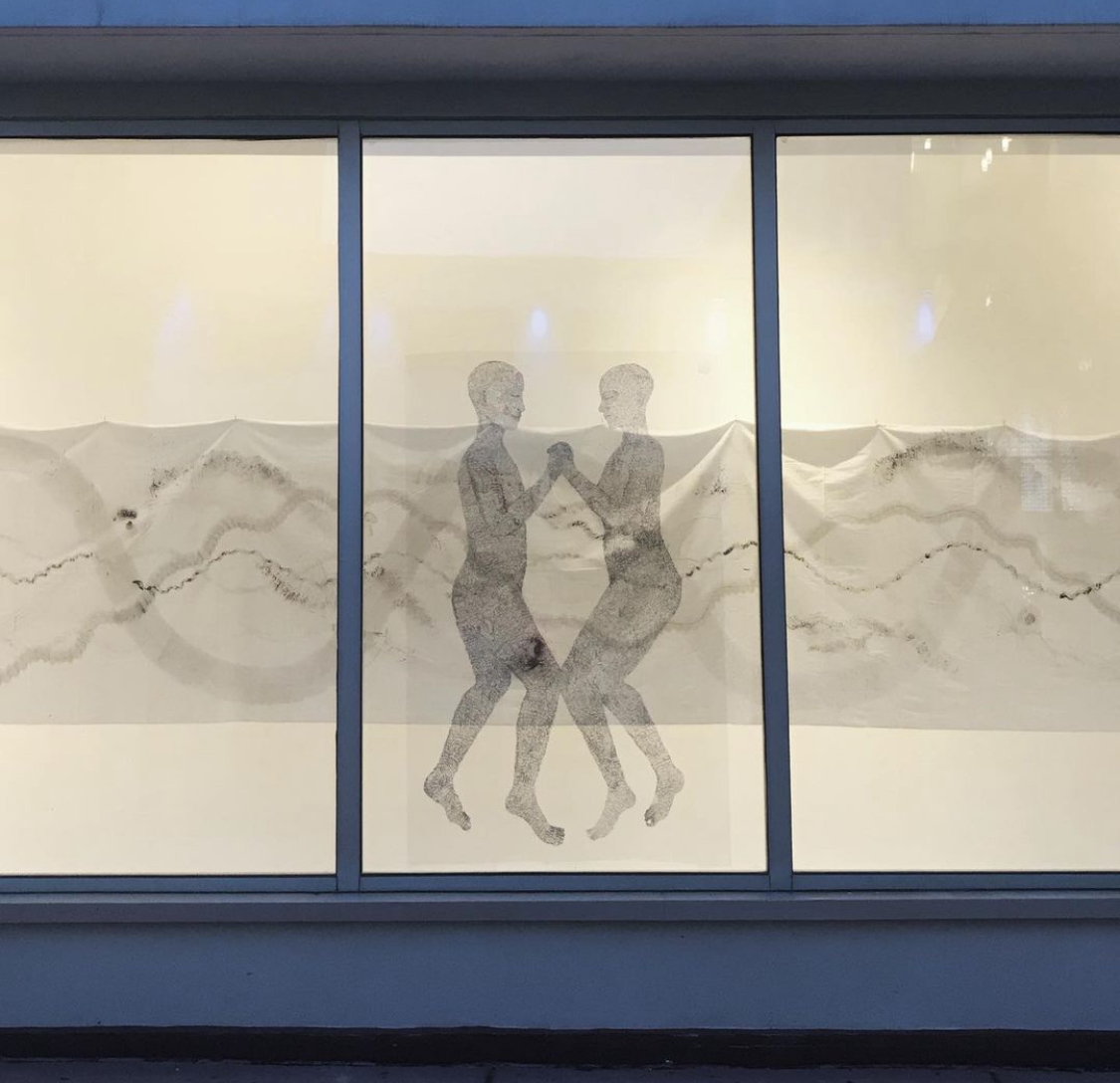
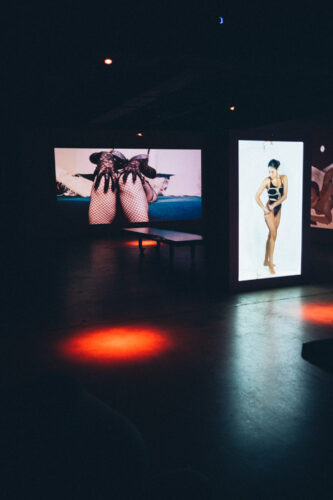
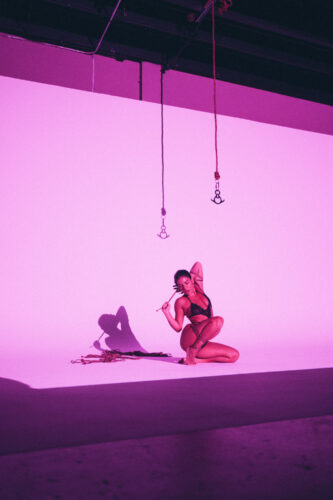
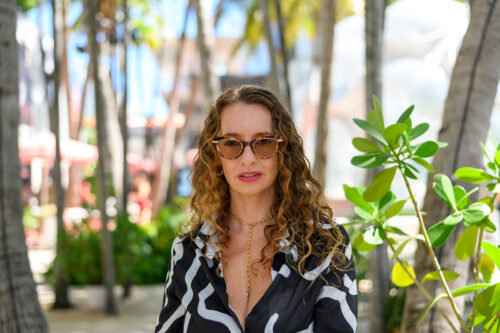
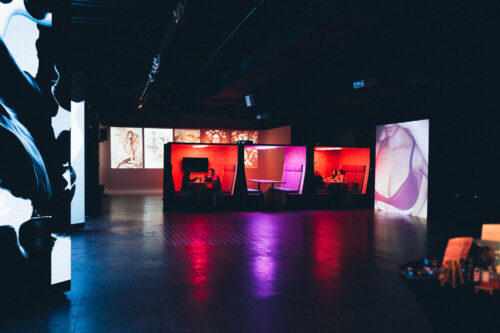
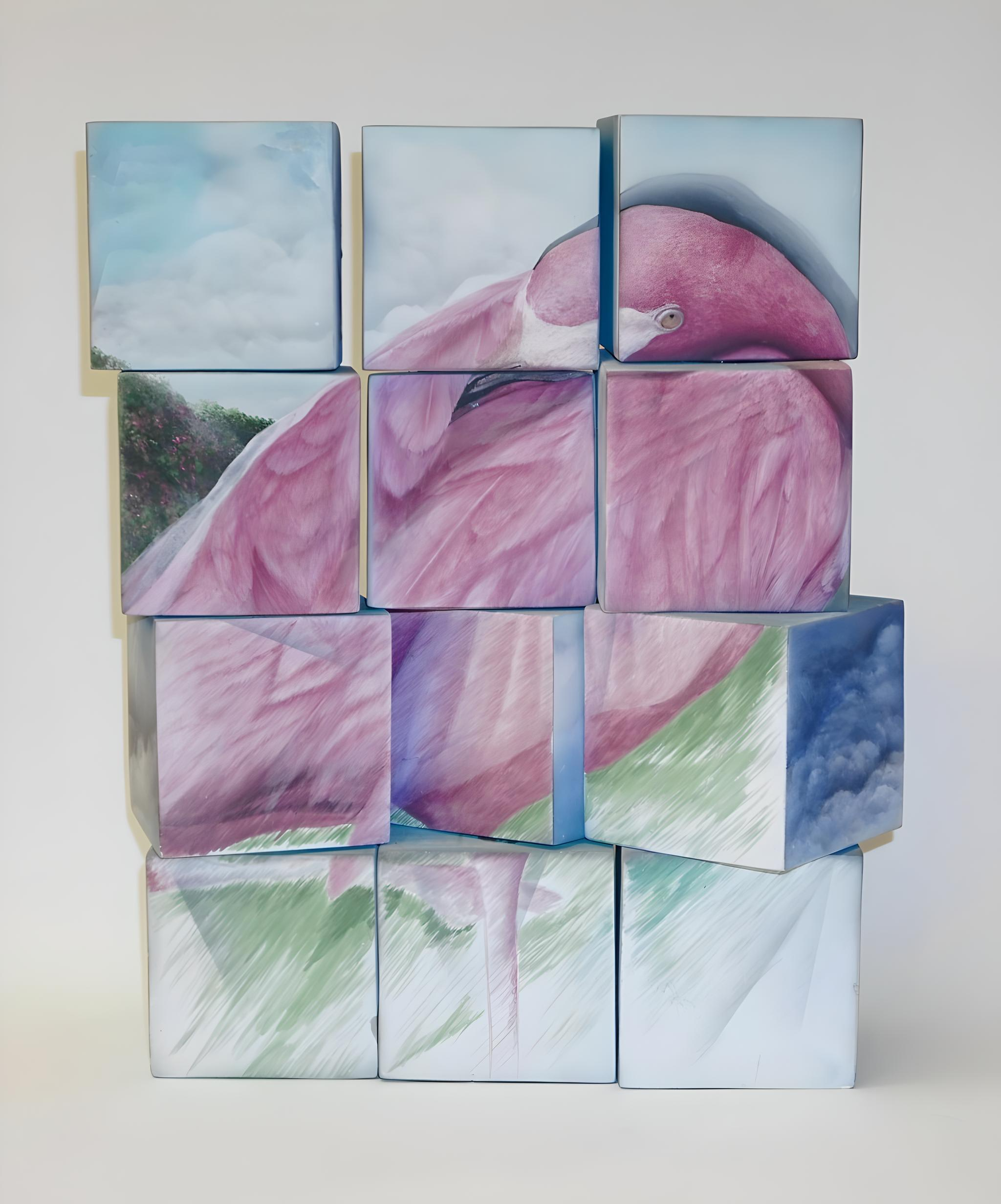
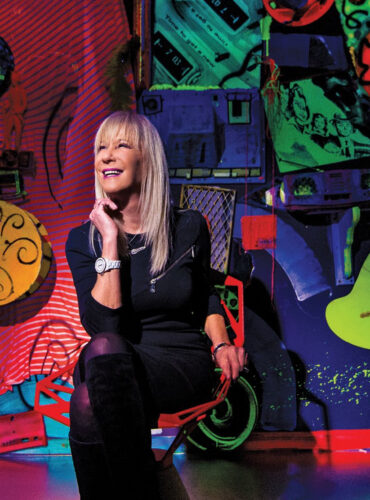
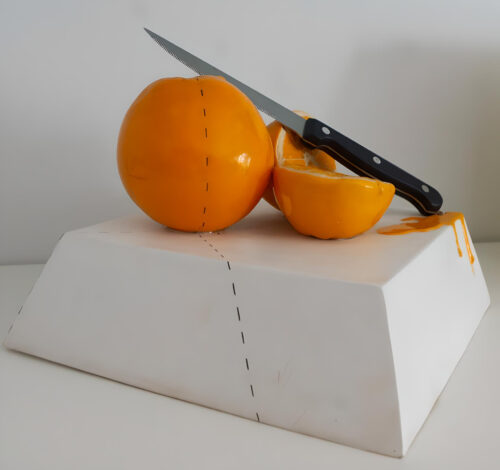
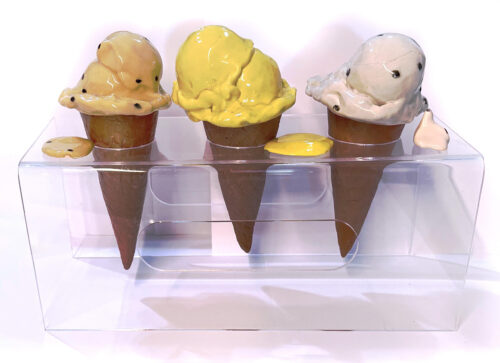
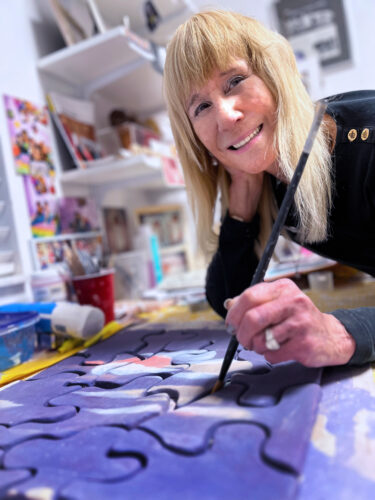
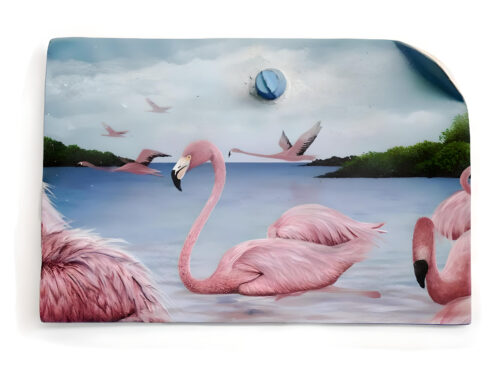
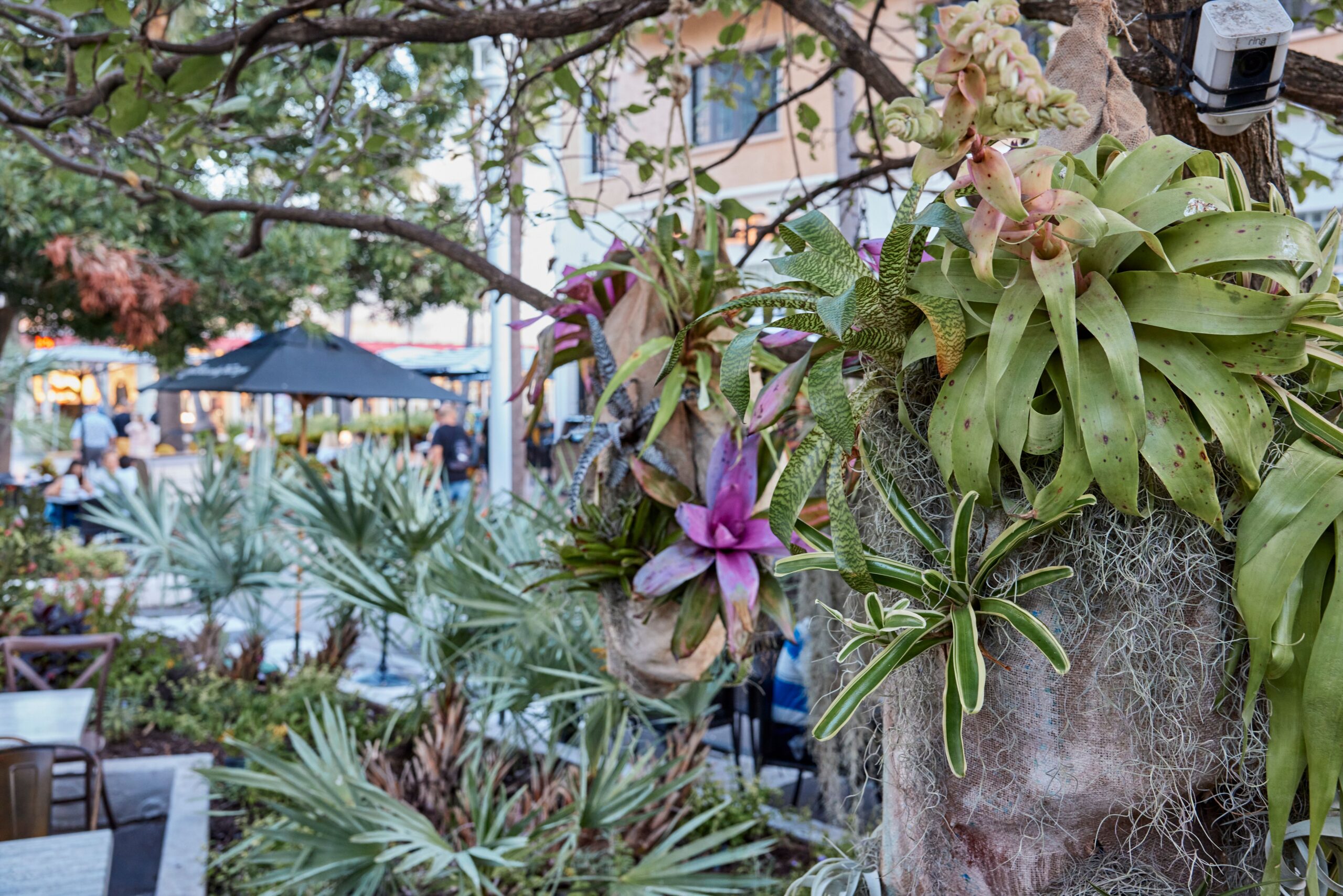
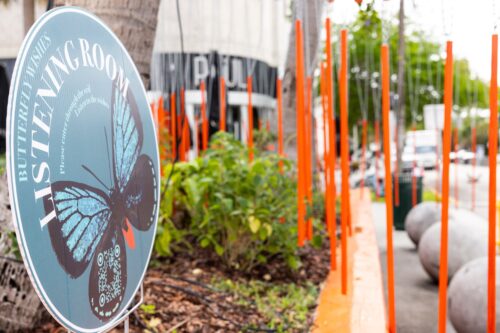
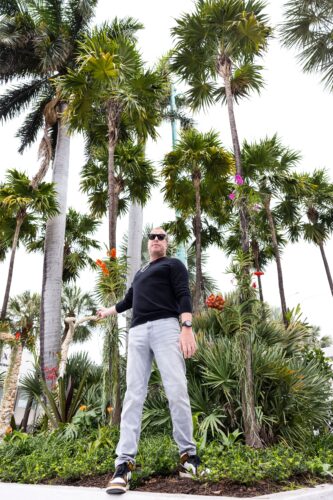
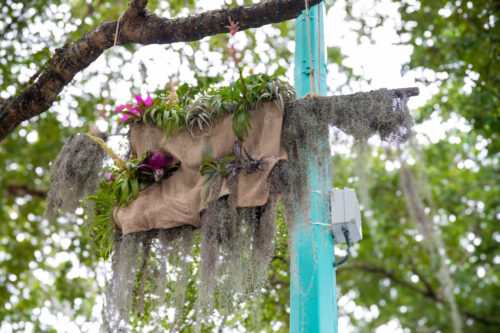
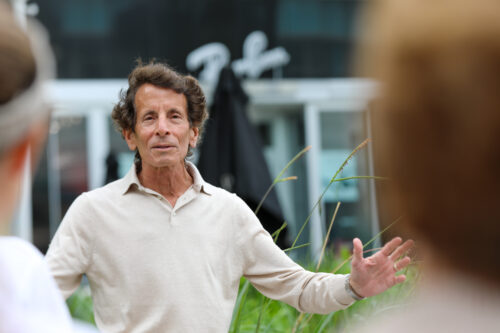
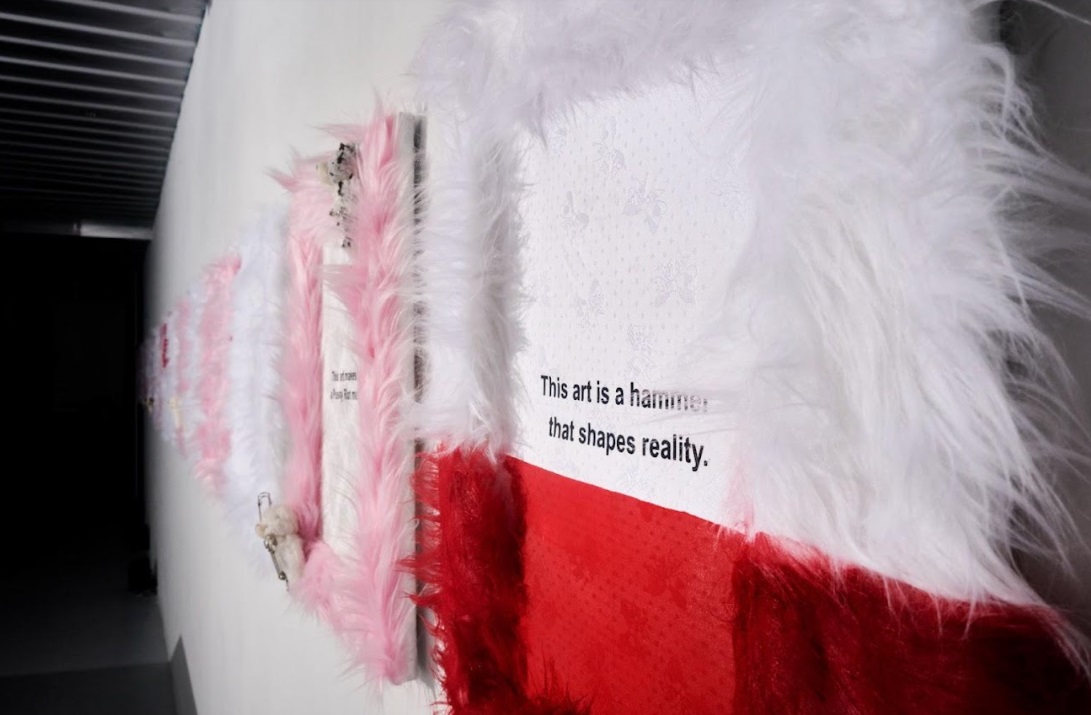
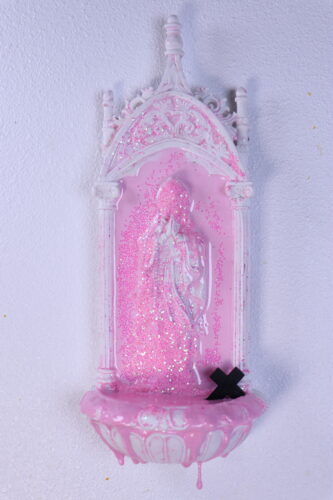
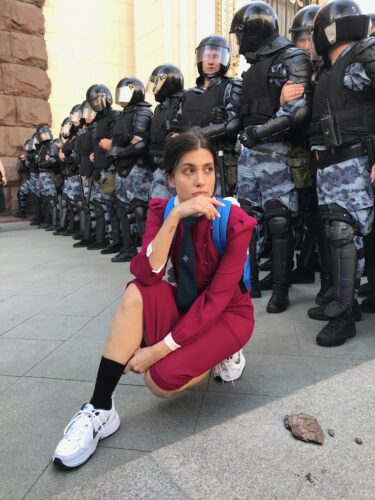
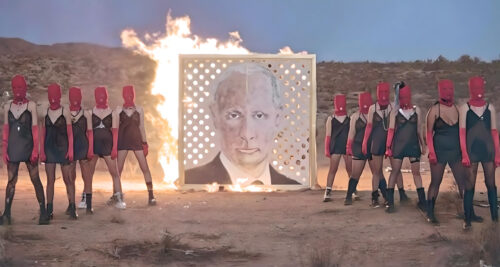
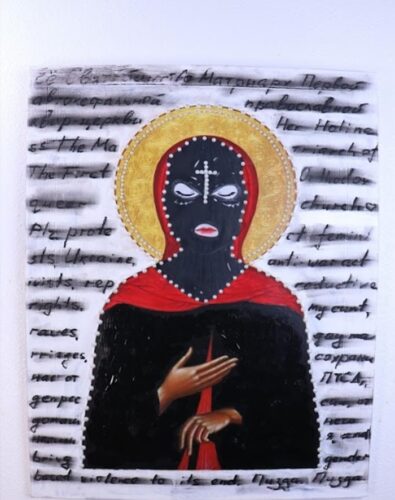
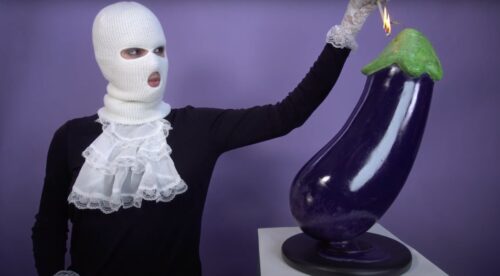
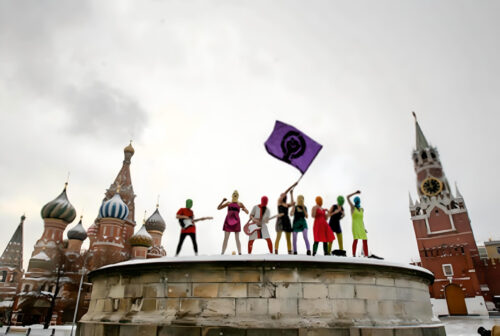
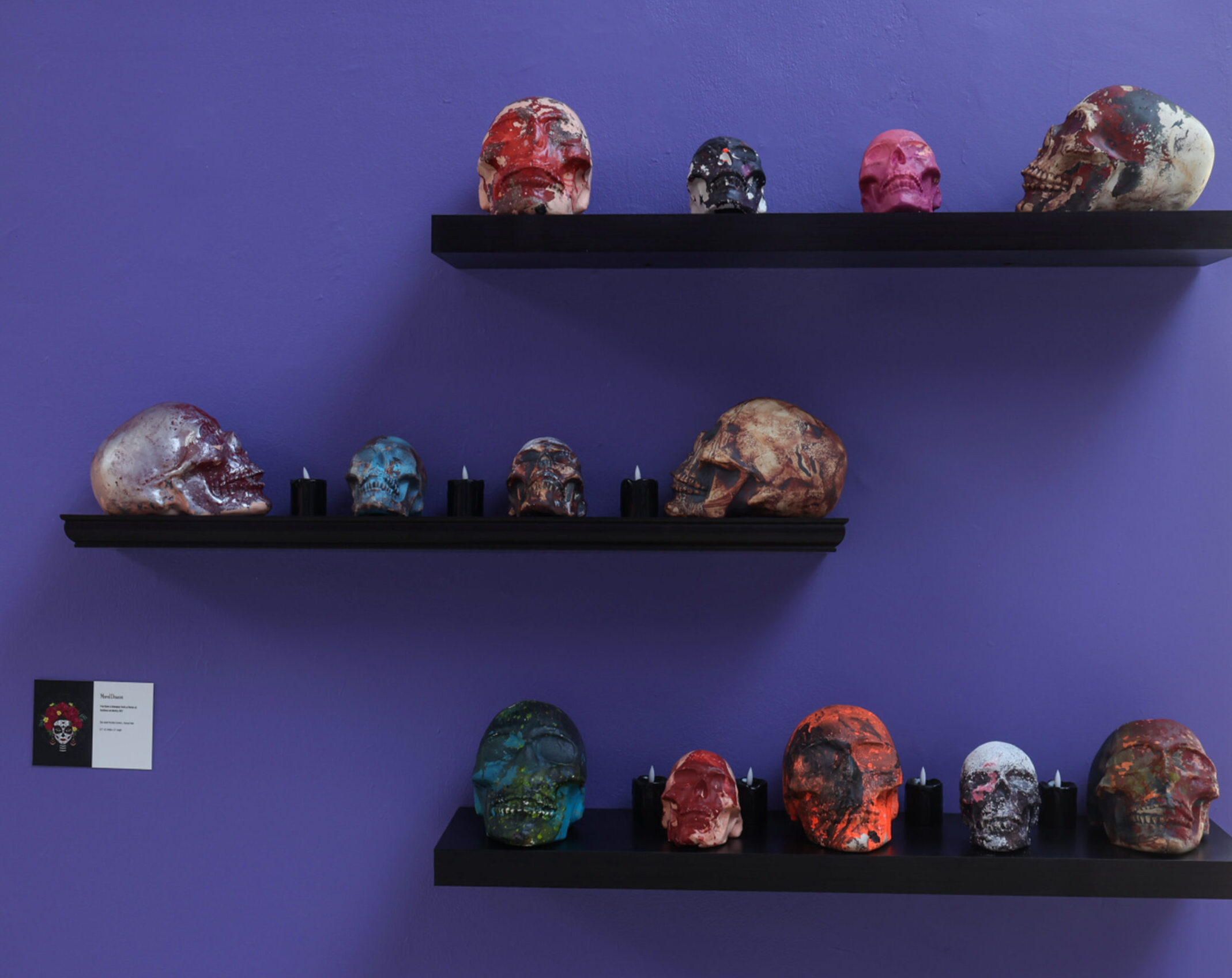
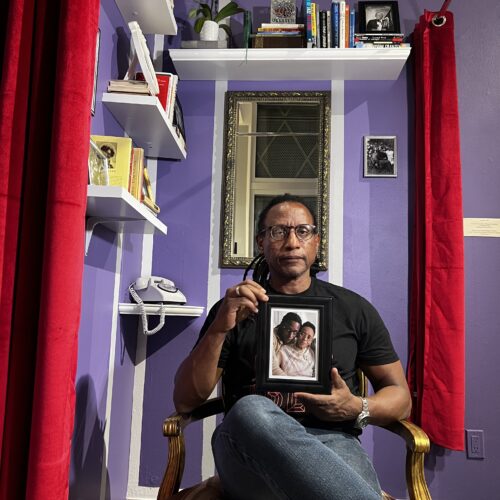
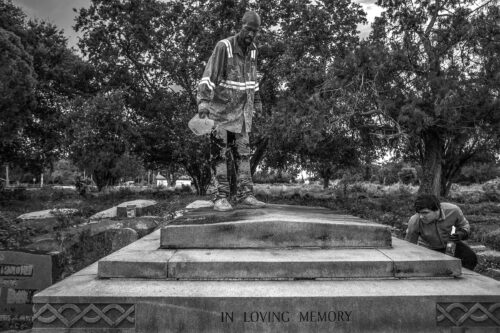
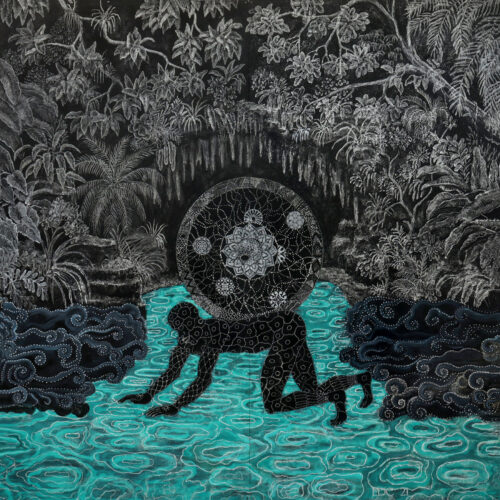
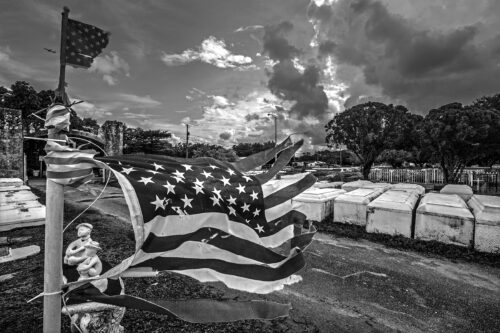
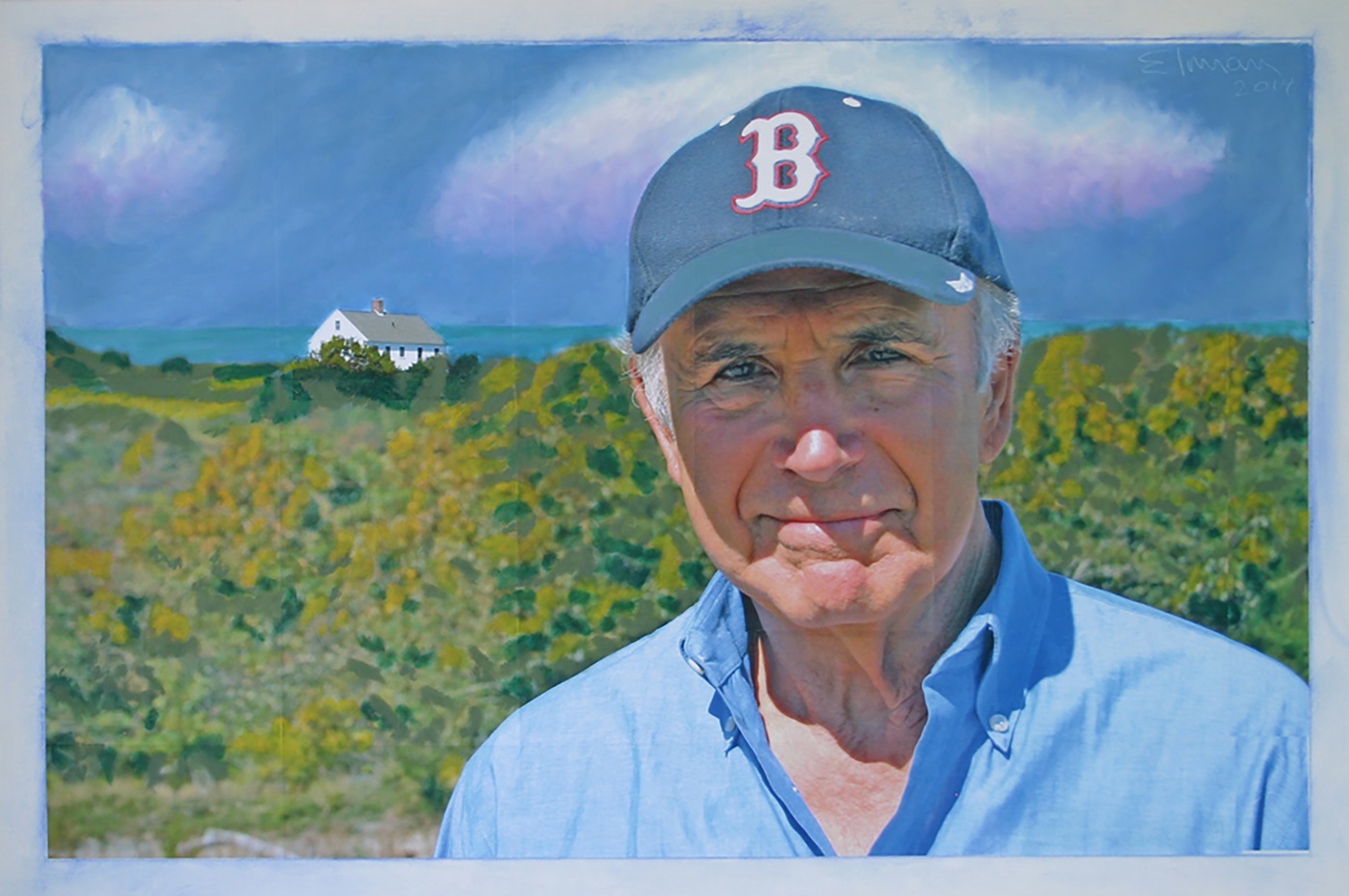
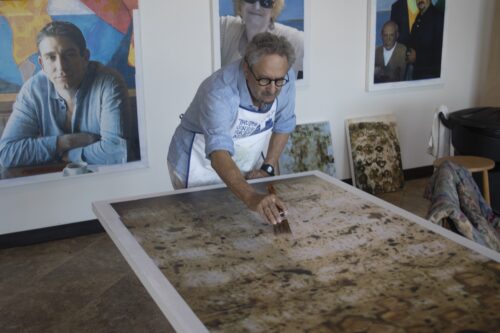
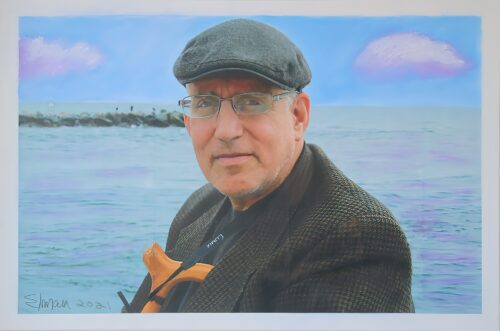
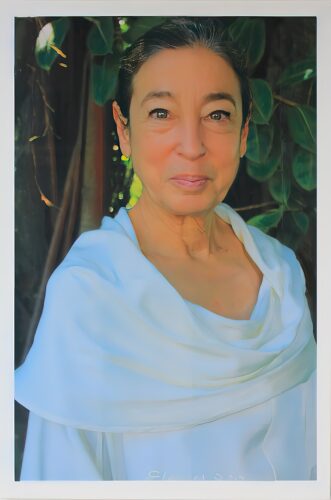
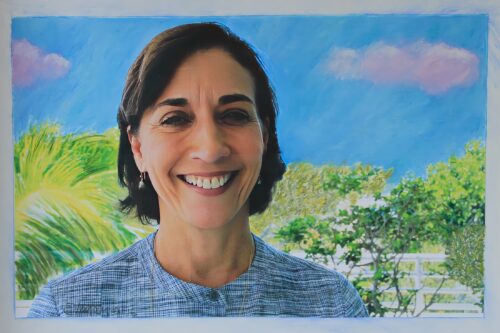
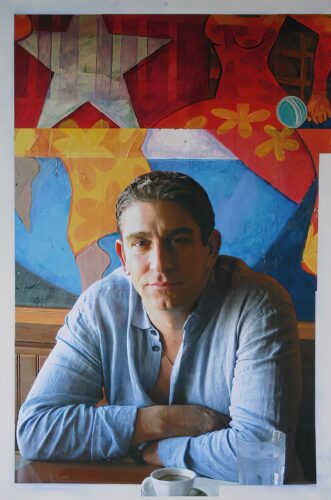
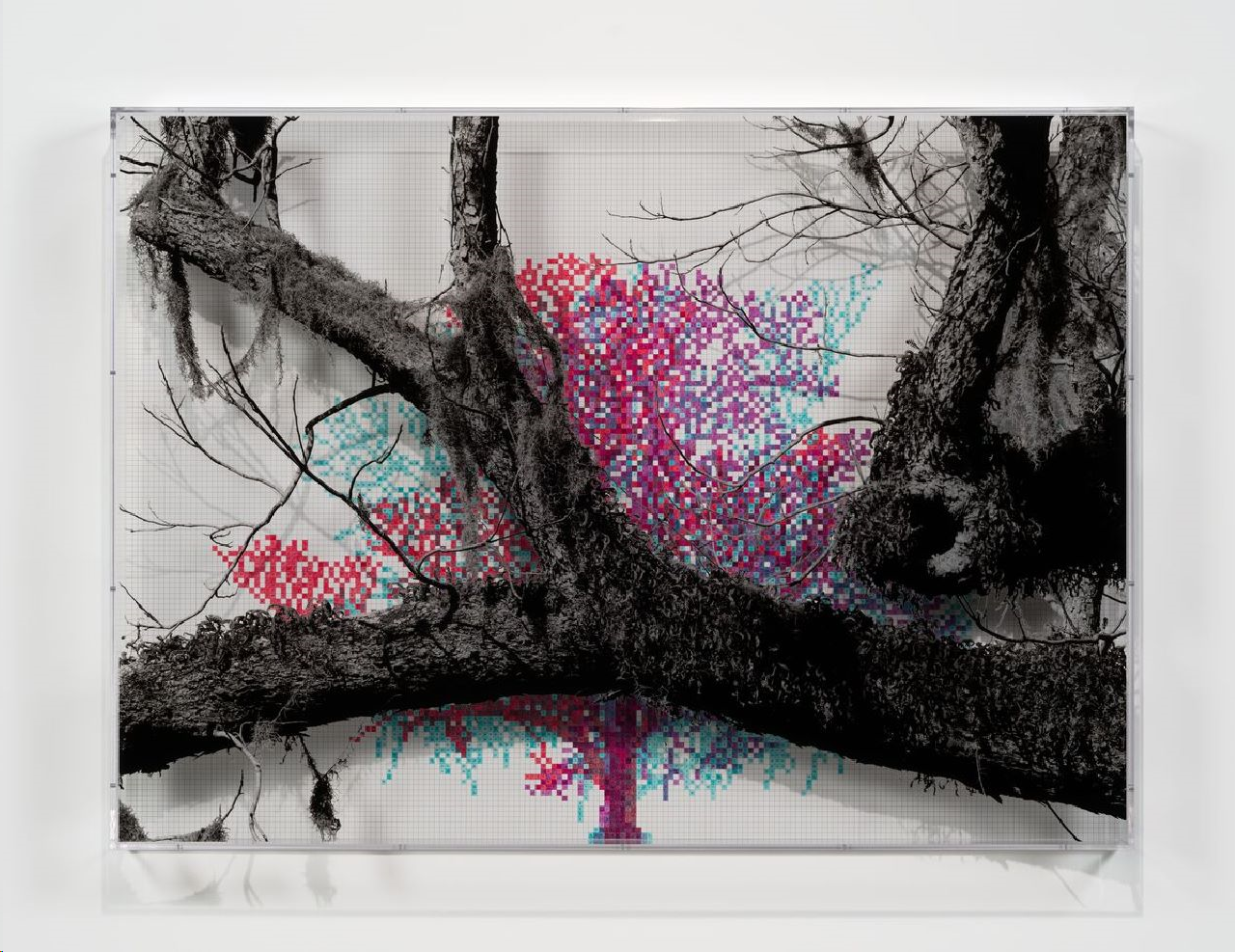
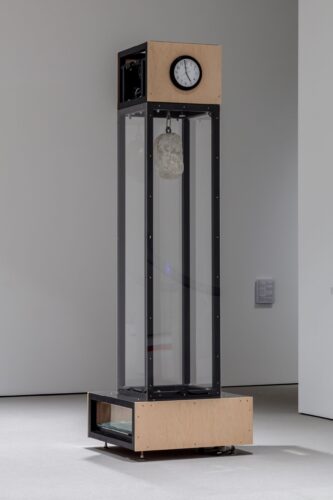
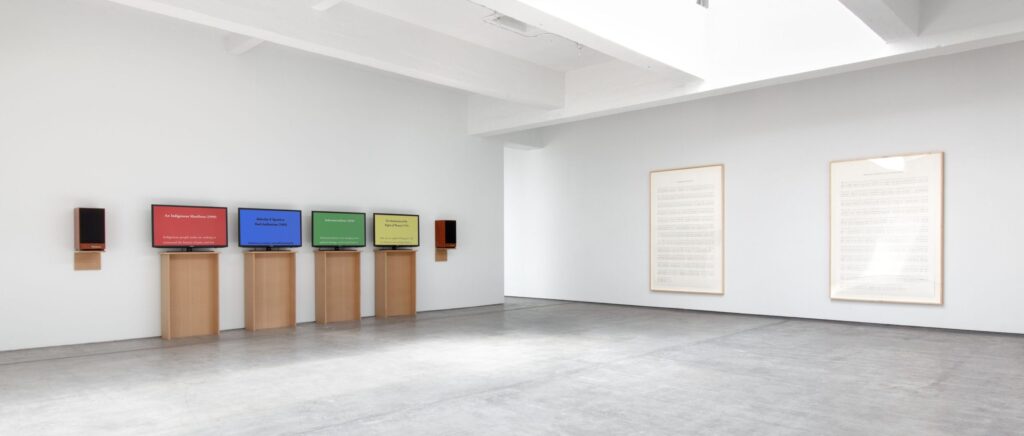
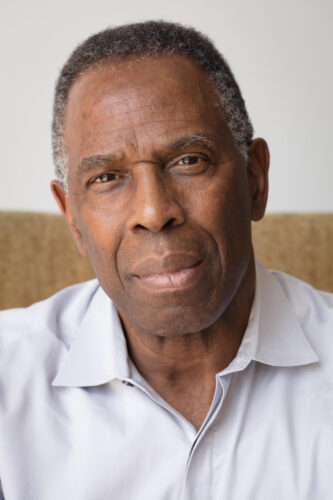
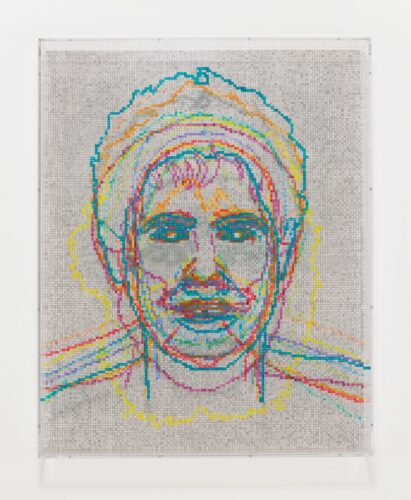
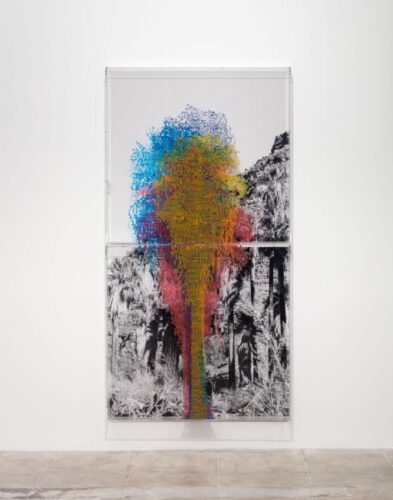
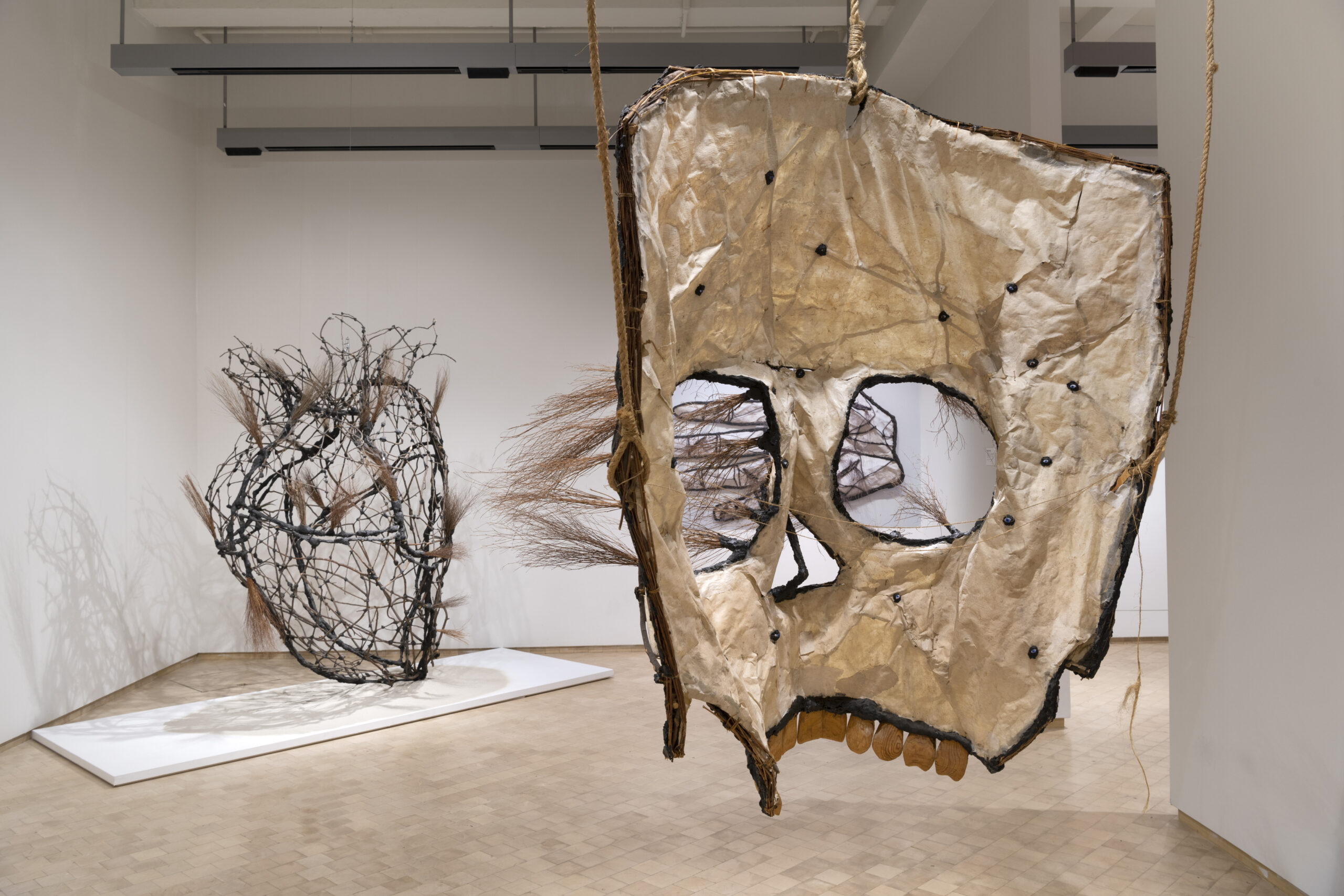
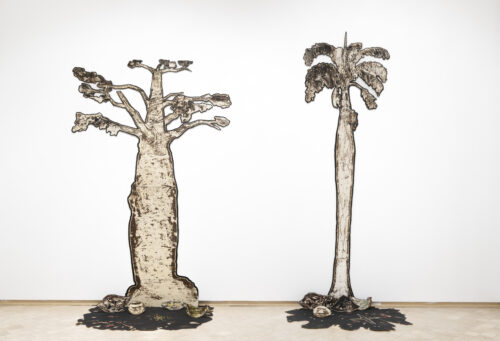
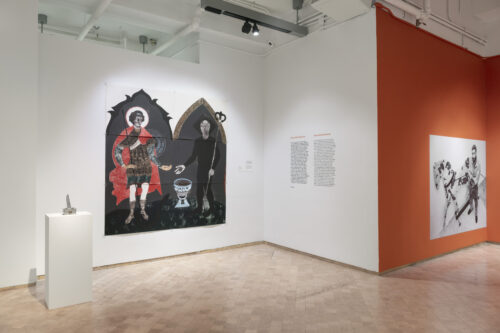
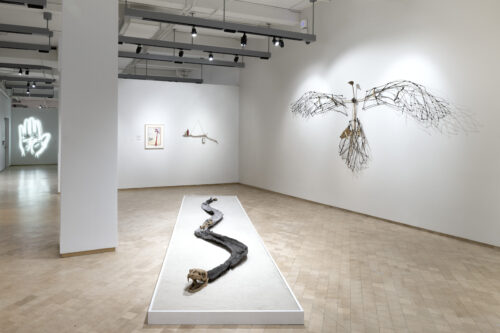
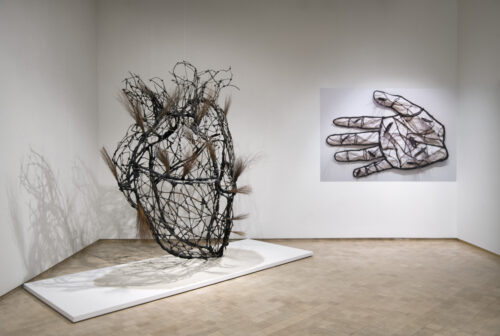
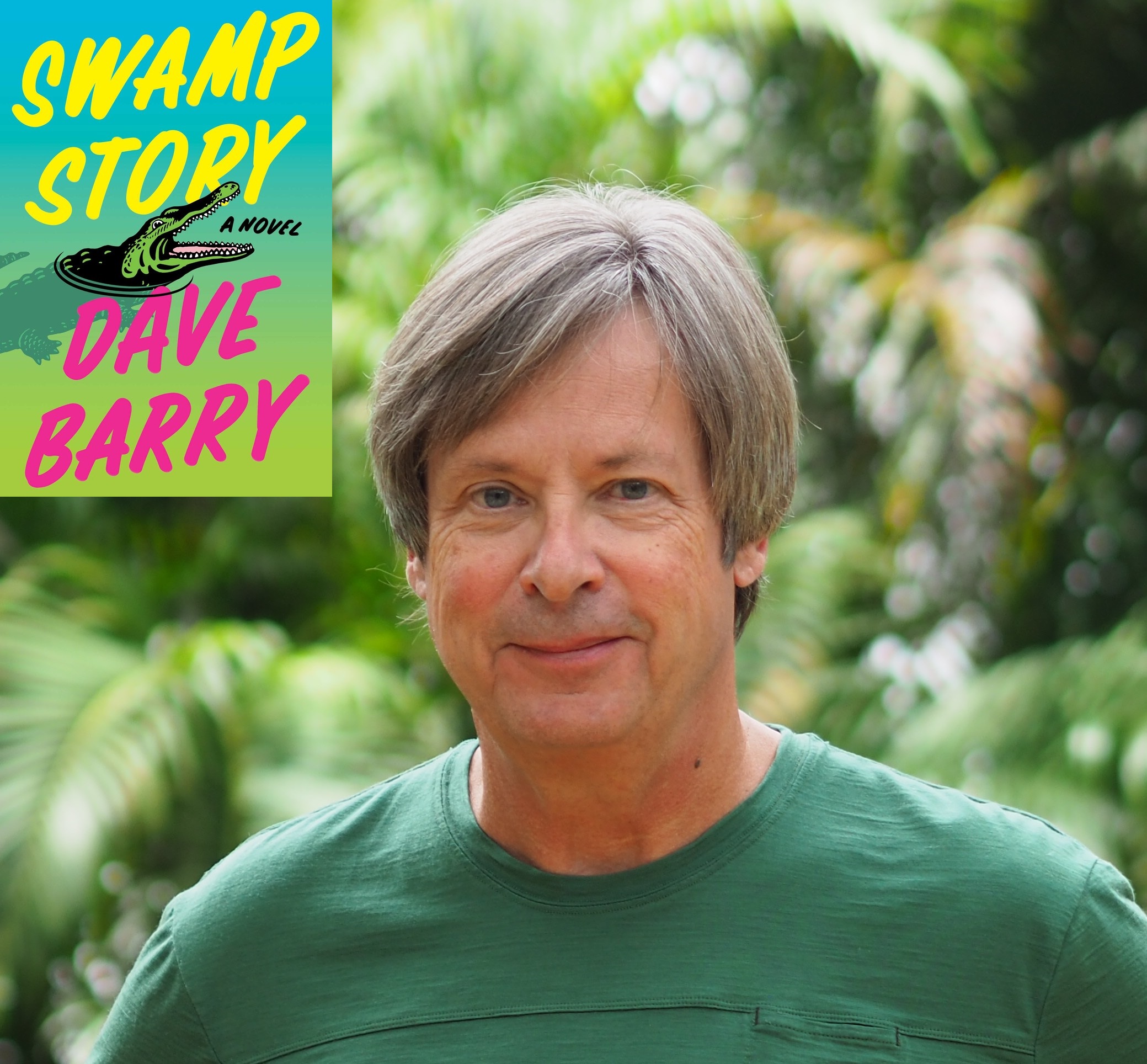
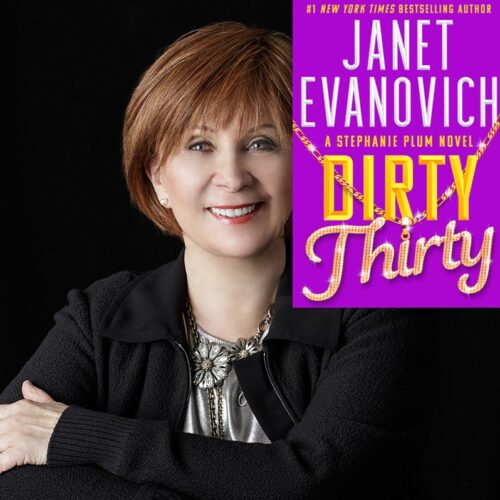
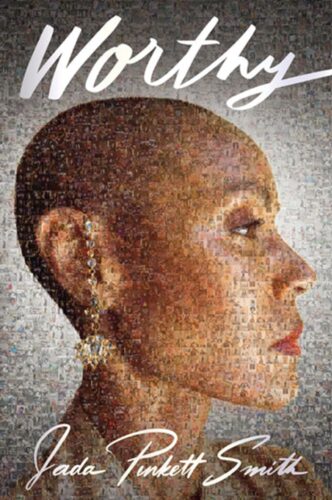
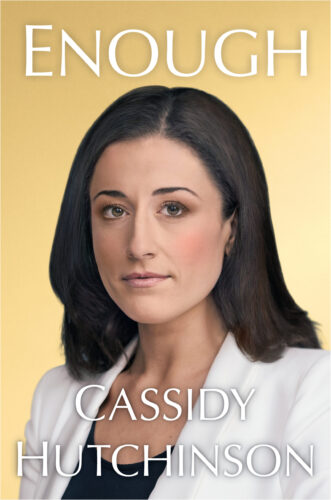
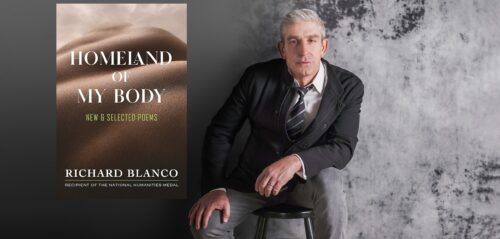
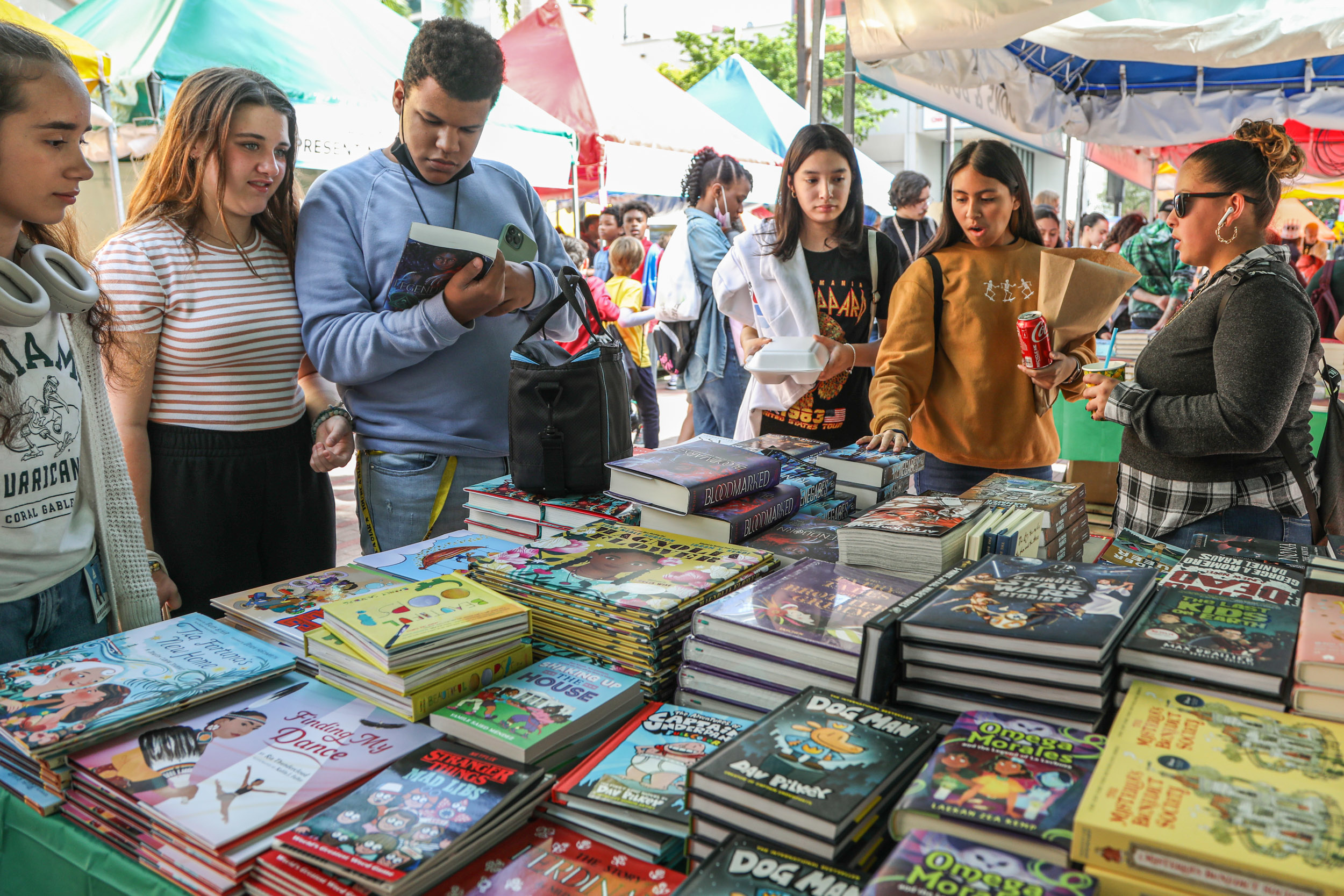
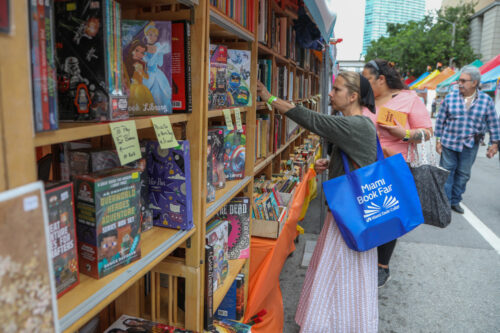
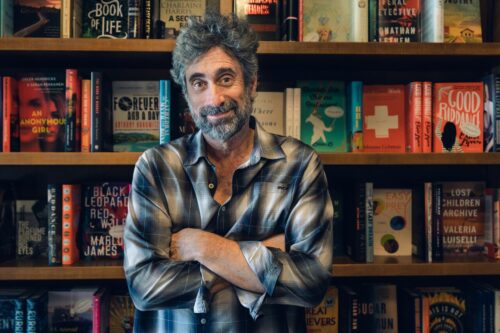
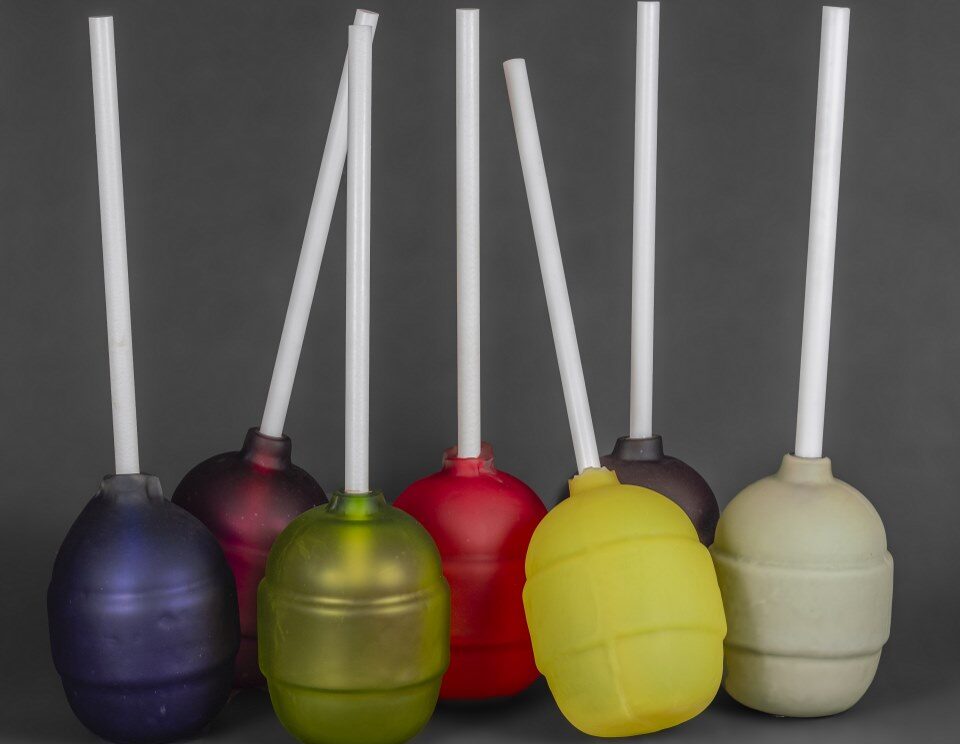
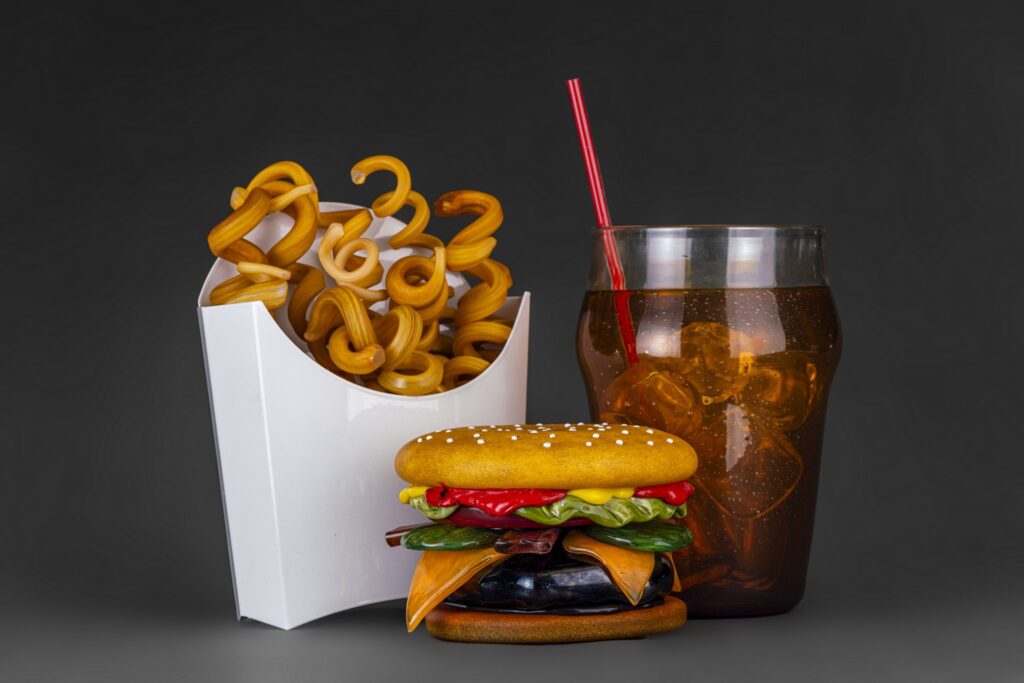

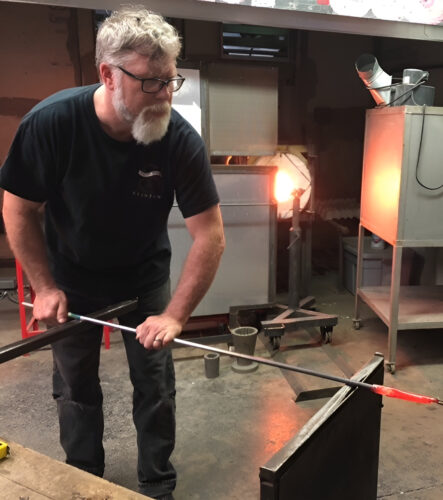
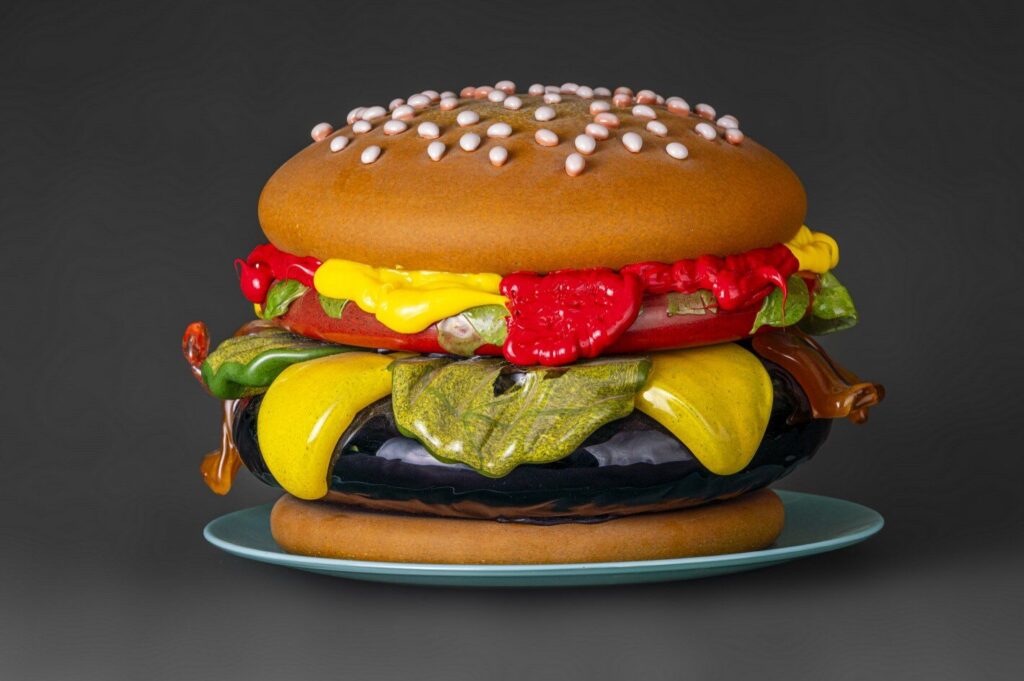
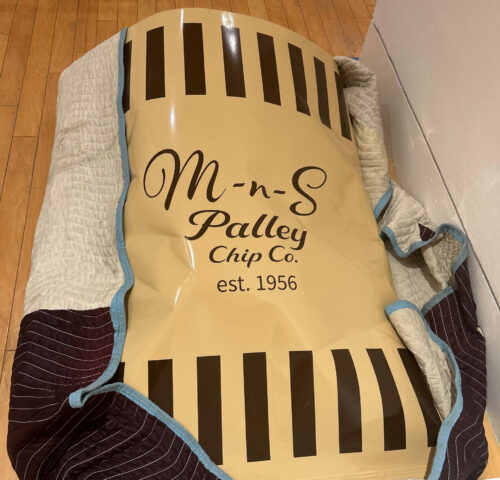
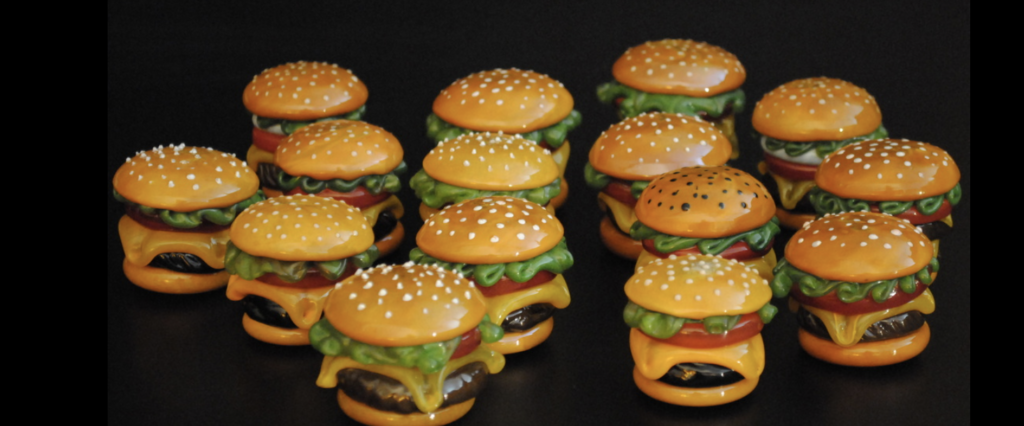
Recent Comments